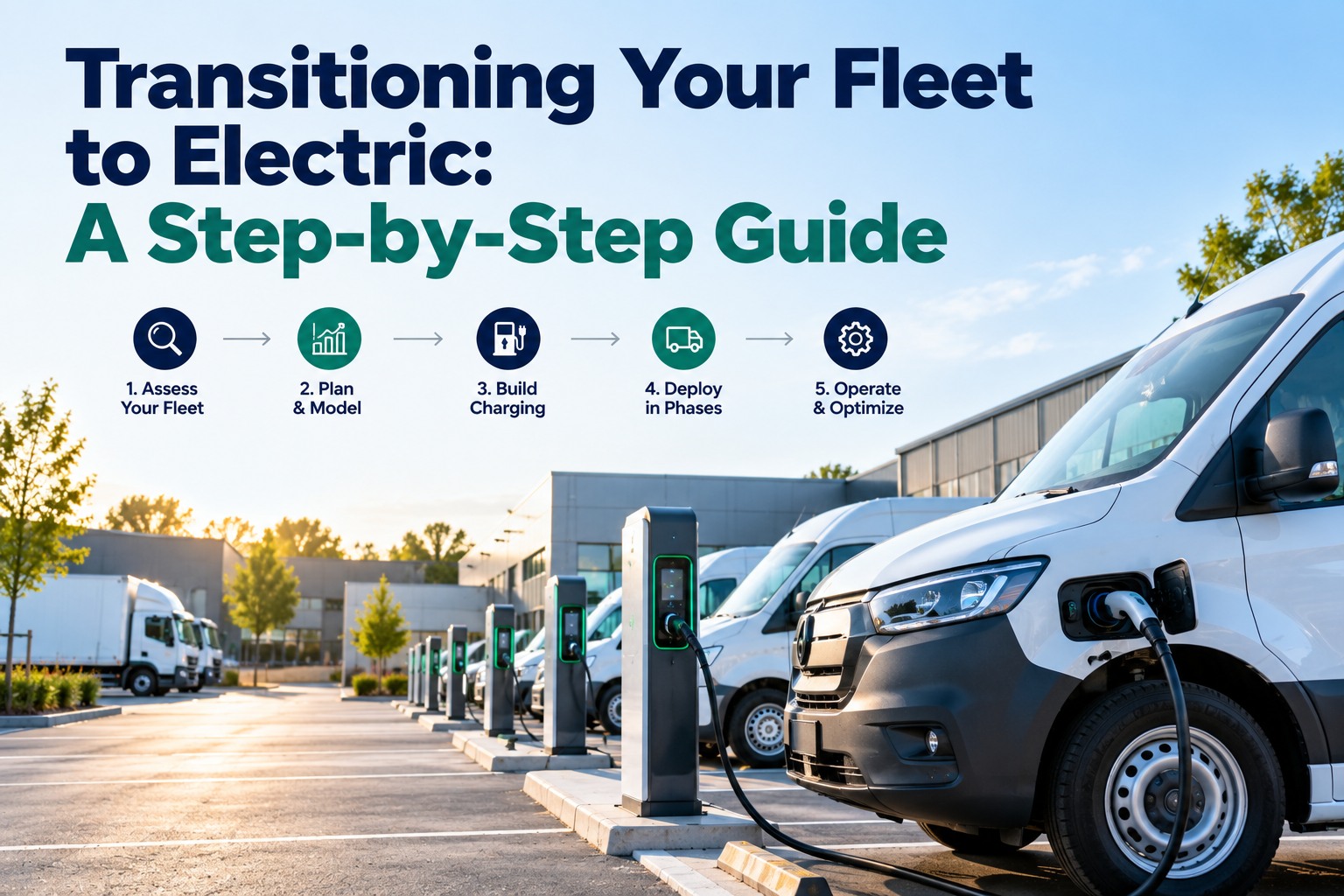
Moving a fleet to electric works best as a sequence: measure what you run, choose the duty cycles that fit, model the full cost, plan charging with your utility, pilot, then scale. This guide walks through seven steps, with the maintenance cost evidence and a tick-box list for each step. Schedule a call to plan maintenance for your electric transition.
FLEET ELECTRIFICATION · SEVEN-STEP PLAN FOR OPERATORS
Electrify the Routes That Fit First, Then Let Pilot Data Decide the Rest
A seven-step path from baseline data to a scaled, maintained mixed fleet, with the cost and maintenance evidence behind it.
THE TRANSITION IN THREE PHASES
AssessSteps 1 to 3
PlanSteps 4 and 5
Pilot and scaleSteps 6 and 7
Pilot first, expand on results.
The Seven-Step Electrification Plan
Each step ends in a short checklist you can tick off with your team
The steps follow guidance from a telematics vendor and a nonprofit energy center, combined here into one sequence. Both stress the same two points: start with duty cycles that suit EVs, and treat the first deployment as a pilot.
Planning your first EV pilot? Schedule a call and we will set up the maintenance side before the trucks arrive.
PM templates, inspections and cost tracking ready from day one.
What Electrification Really Costs
The purchase premium is real, and lower running costs have to earn it back
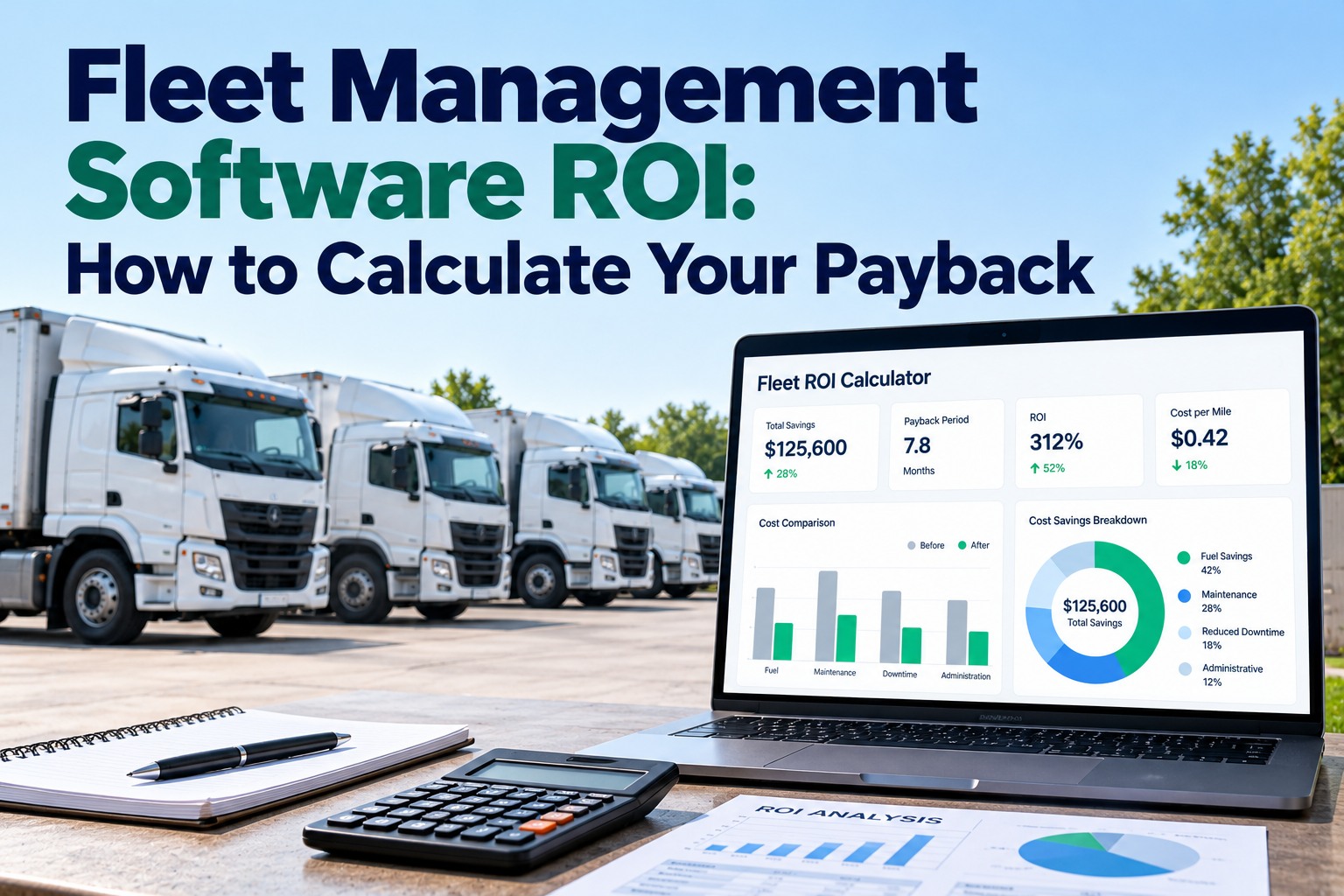
One vendor guide says finance teams may face a 15 to 30 percent price premium for EVs, offset over time by lower energy and maintenance costs, with higher-utilisation vehicles paying back sooner. The nonprofit Center for Sustainable Energy adds that incentives should speed up a project and not be the foundation for it. Neither gives payback figures, so build the model from your own routes and rates.
Price premium
A vendor guide cites 15 to 30 percent over a comparable diesel, so use quotes for your own model.
Utilisation matters
Vehicles that run more miles usually reach payback sooner, so rank candidates by duty cycle.
Charging is part of the cost
Level 2 suits overnight depot charging at the lowest infrastructure cost, and DC fast charging costs more and can raise demand charges.
Maintenance Realities: Lower Per Mile, But Not Zero
Studies mostly show lower electric maintenance cost per mile, with wide ranges
A 2022 University of California, Davis white paper reviewed ten U.S. total cost of ownership studies of battery electric trucks. Electric maintenance was lower than diesel in nearly all of them, though the paper notes some empirical estimates suggesting it is not substantially lower yet. The ranges below are approximate and come from tables that extracted imperfectly, so check the paper's tables before quoting any single figure.
MAINTENANCE COST PER MILE, APPROXIMATE RANGE ACROSS STUDIES. UC DAVIS NCST WHITE PAPER, 2022
Medium-duty diesel
$0.19 - $0.31
Medium-duty electric
$0.08 - $0.18
Long-haul diesel
$0.15 - $0.20
Long-haul electric
$0.10 - $0.23
Drayage diesel
$0.15 - $0.44
Drayage electric
$0.08 - $0.23
What still needs maintenance
Chargers, which should be treated as mission-critical assets
Brakes, tires, suspension and steering
Cooling and high-voltage systems
Body, doors and cab components
Inspections and driver defect reports
Managing a Mixed Diesel and Electric Fleet During the Transition
For years you will run both, so use one schedule and one record
Few fleets switch overnight. Keeping diesel, electric and other alternative-fuel units on separate spreadsheets makes cost comparison unreliable, which undermines the business case. A single maintenance record per vehicle lets you compare cost per mile across fuel types using the same method.
1
Set up units
Every vehicle, any fuel, in one list
→
2
Add PM templates
One per vehicle type
→
3
Inspect and log
Defects become work orders
→
4
Compare cost
Per mile, by fuel type
→
5
Decide
Expand, hold or adjust
Run Your Diesel and Electric Trucks on One Maintenance Schedule: Compare Cost per Mile by Fuel Type in FleetRabbit
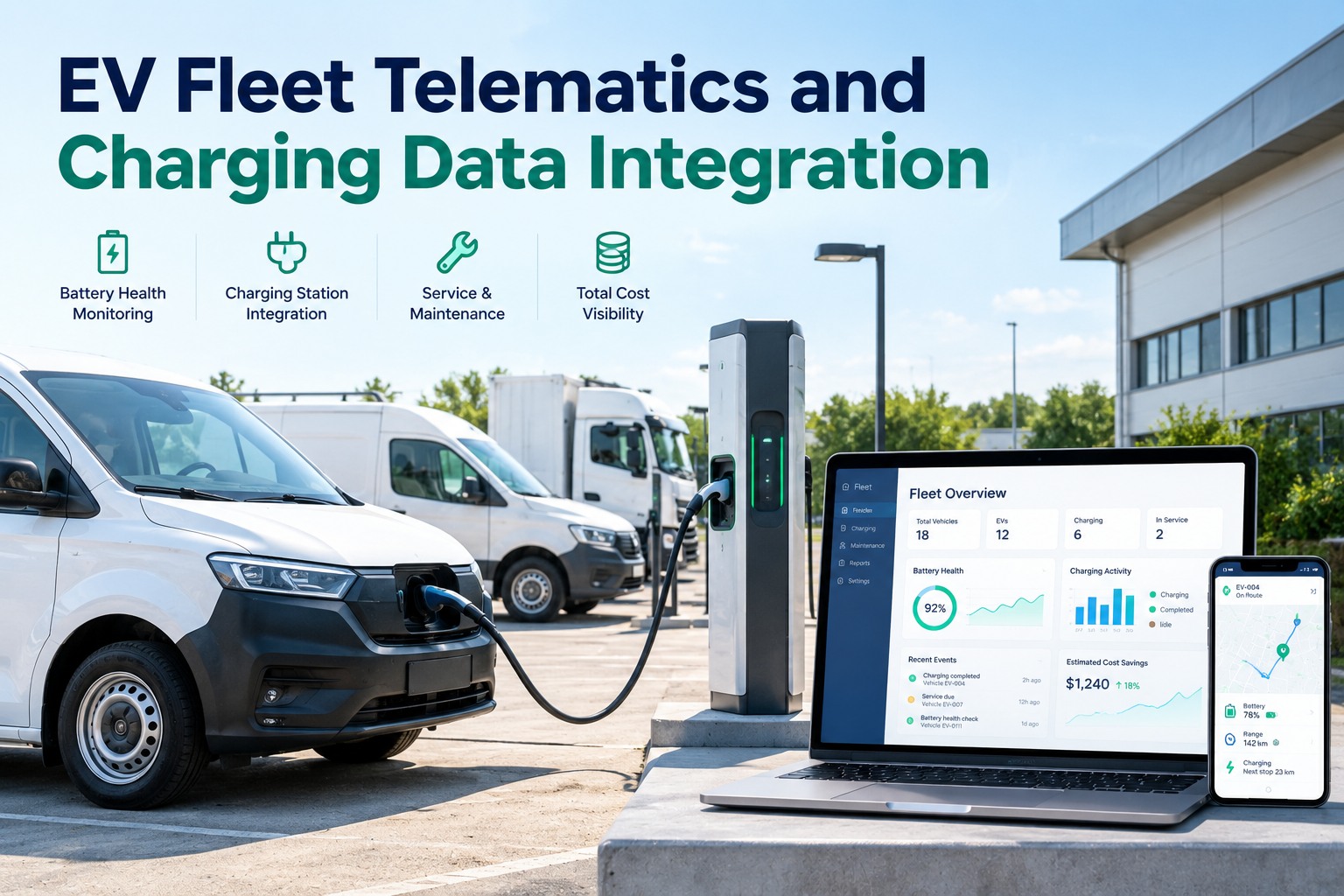
FleetRabbit keeps PM schedules, inspections, work orders and costs for every vehicle in one platform, whatever the fuel. Compare maintenance cost across your mixed fleet and keep every service on the vehicle's record.
One record for every fuel type
PM and inspection templates
Work orders and costs
Service history per vehicle
Frequently Asked Questions
Quick answers on transitioning a fleet to electric
Where should a fleet start with electrification?
With vehicles on predictable, depot-based routes, high fuel use or near-term replacement dates, using a year of baseline data if you have it.
How much do EVs cost compared with diesel?
One vendor guide cites a 15 to 30 percent purchase premium. Running costs are meant to offset it, so model your own routes.
Are EVs cheaper to maintain?
Most studies in a 2022 white paper found lower maintenance cost per mile, with wide ranges, and some estimates suggest the gap is not large yet.
Why run a pilot first?
A pilot shows real range, charging behavior, maintenance needs and driver feedback before you commit to larger purchases.
What charging do I need?
Level 2 suits overnight depot vehicles. DC fast charging suits high-mileage or short-dwell use but costs more and may need electrical upgrades. Engage your utility early.
Do incentives pay for the transition?
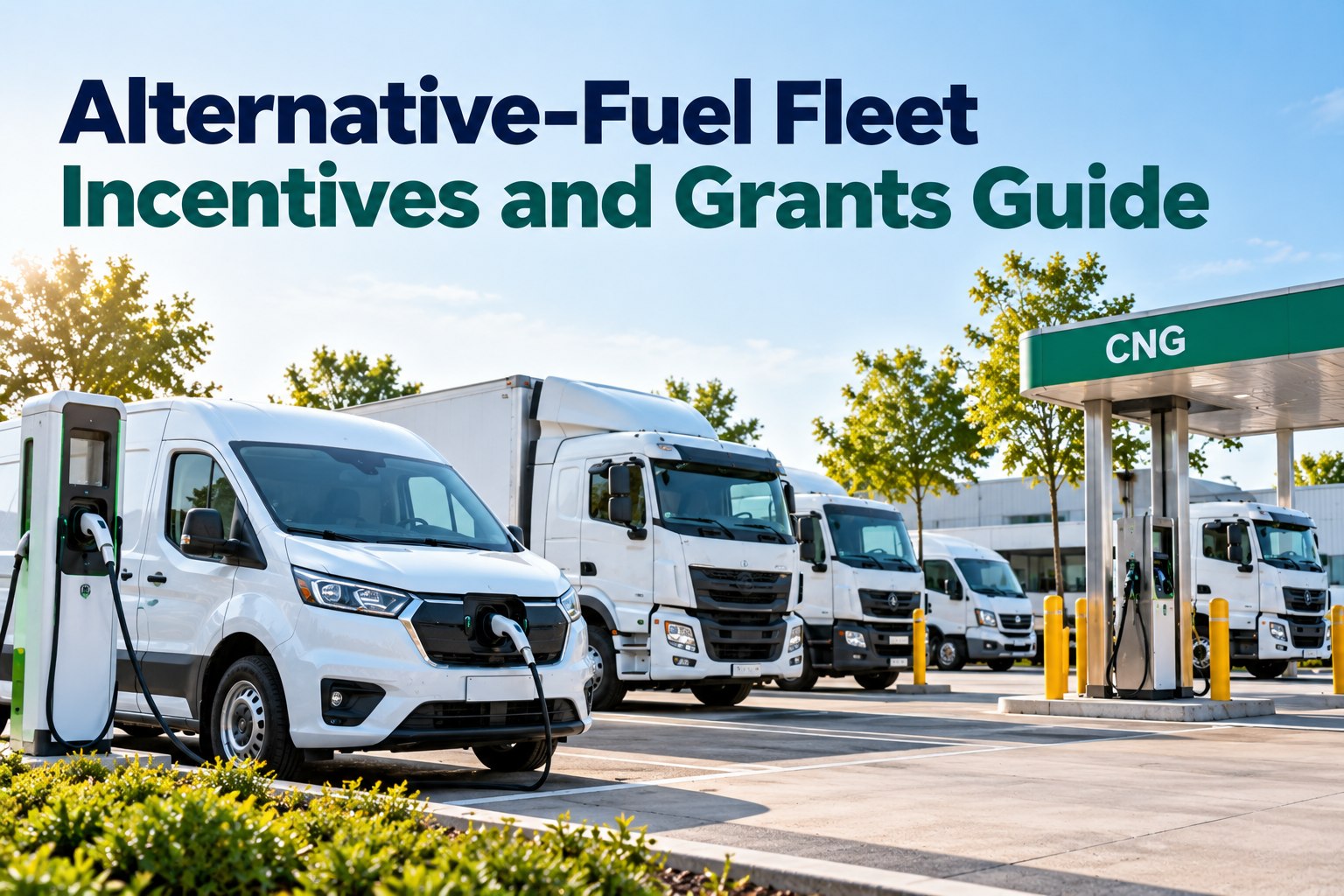
They can accelerate a project, but one nonprofit guide says they should not be its foundation. Programs change, so check current terms.
What does FleetRabbit cost?
FleetRabbit is free for up to three vehicles and $5 per vehicle per month after that.
Track 3 vehicles free.
Start the Electric Transition With the Maintenance Plan Already in Place
Pick the right routes, pilot, track cost per mile and keep every vehicle, whatever its fuel, on one schedule and one record.
Free tier for up to 3 vehicles · No credit card required · Records stored per vehicle
October 16, 2026By Emily Parker
All Blogs