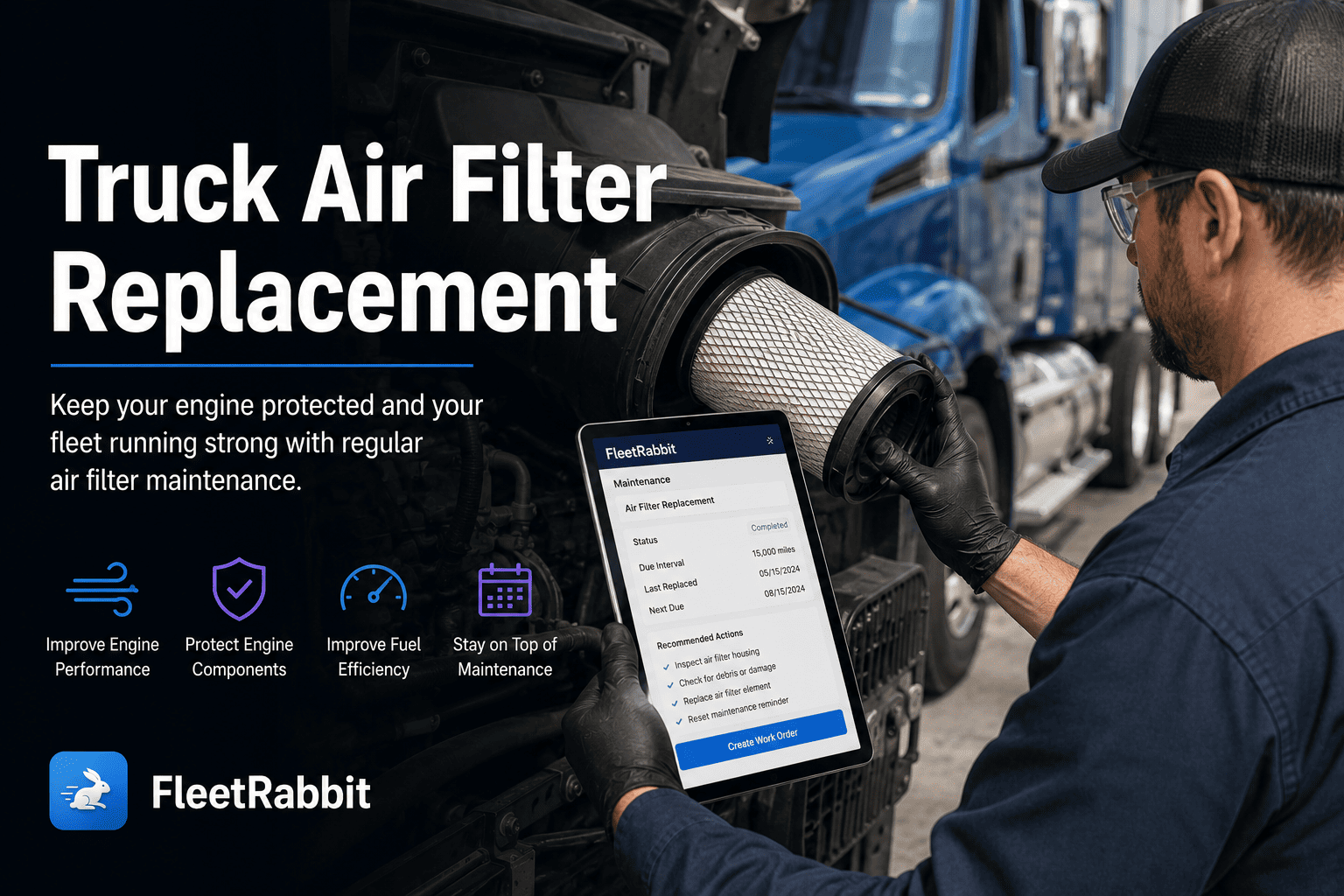
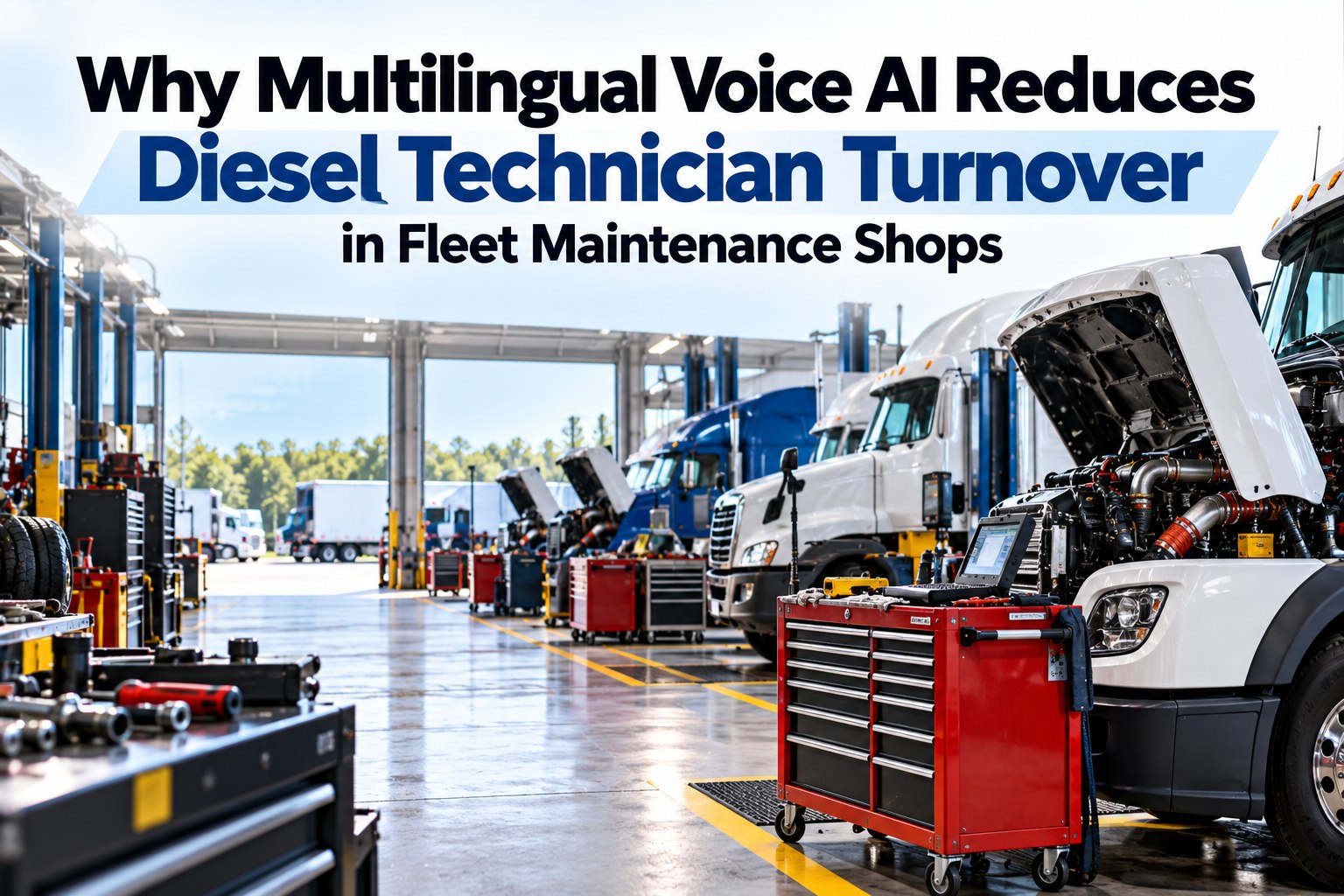
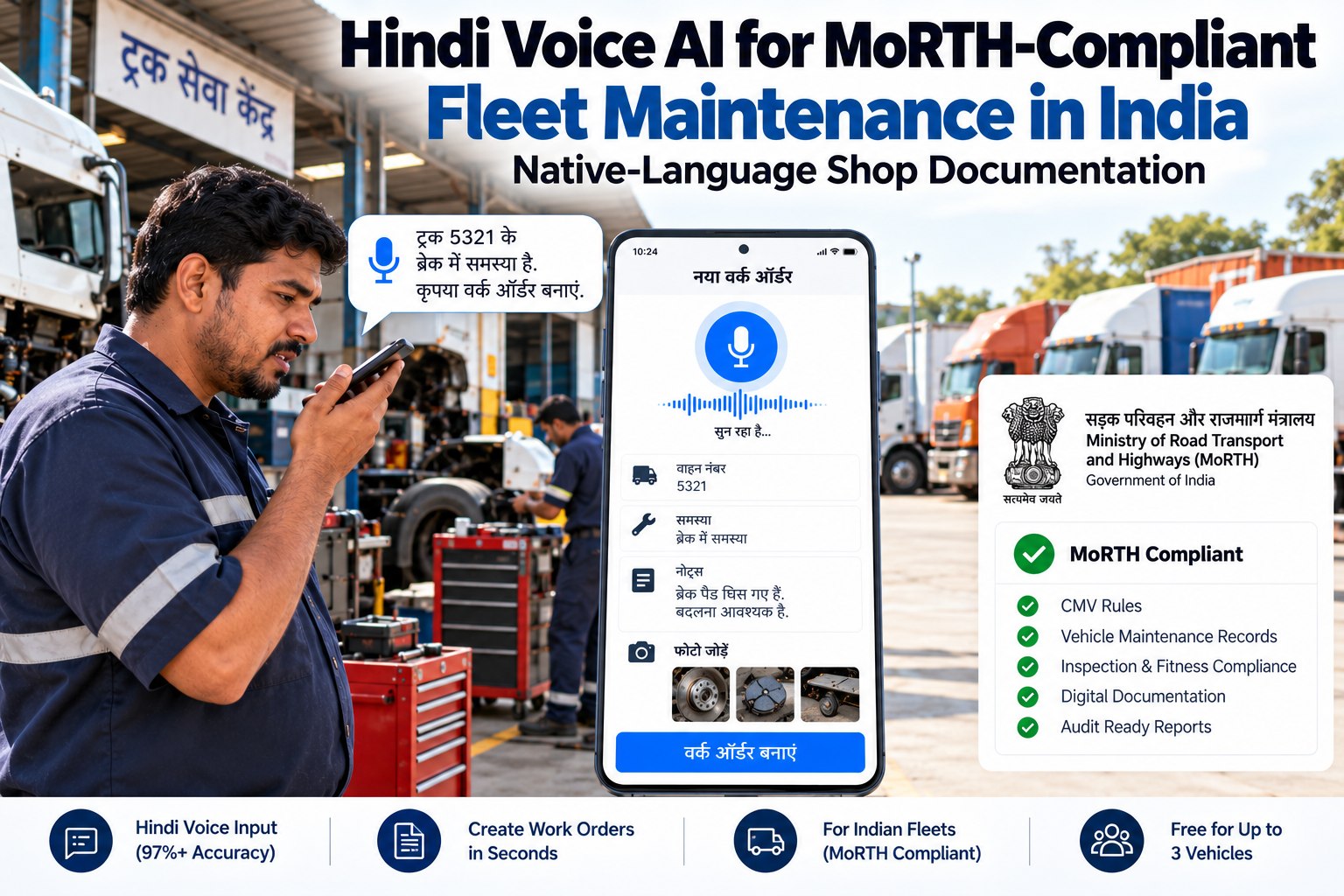
Regular truck air filter maintenance is one of the most cost-effective ways to extend engine life, maintain fuel efficiency, and prevent unplanned downtime. A clogged air filter restricts airflow to the engine, reducing power output, increasing fuel consumption, and accelerating wear on internal components. Fleet Rabbit helps maintenance teams track filter condition, schedule replacements proactively, and reduce emergency repairs through predictive maintenance alerts. Book a Demo to see how Fleet Rabbit tracks maintenance schedules across your fleet.
15–25%
Potential fuel efficiency loss from a clogged air filter
$200–$500
Average engine damage cost from extended filter neglect
50,000 miles
Typical replacement interval for engine air filters
$15–$45
Cost of replacement filter (vs. thousands in engine damage)
Track Air Filter Condition. Know Exactly When Replacement Is Due.
Fleet Rabbit monitors maintenance schedules by vehicle, operating hours, and mileage. Automated alerts notify teams when air filters approach replacement due dates—enabling planned service instead of emergency repairs.
Why Regular Air Filter Maintenance Matters for Fleet Operations
Air filter performance directly impacts engine efficiency, fuel economy, and component lifespan. Understanding replacement signs and maintaining a consistent schedule prevents costly failures and extends engine life significantly.
Reduced Engine Power and Acceleration
A clogged air filter restricts oxygen flow to the combustion chamber, causing sluggish acceleration and reduced power output. Drivers notice performance loss especially under load or when climbing hills.
Increased Fuel Consumption
Restricted airflow forces the engine to work harder to maintain performance, increasing fuel consumption by 15–25%. Over a fleet year, this waste accumulates to significant operational costs.
Engine Warning Lights and Fault Codes
Modern trucks trigger check engine lights when air filter restriction exceeds thresholds. Ignoring these warnings allows further damage to engine sensors and components.
Accelerated Engine Wear and Internal Damage
Extended filter neglect allows dust and debris to enter the engine, abrading cylinder walls, damaging piston rings, and accelerating bearing wear. Repair costs escalate from hundreds to thousands.
How to Know When Your Truck Air Filter Needs Replacement
Recognizing replacement signals early prevents emergency breakdowns. Monitor these indicators and follow your manufacturer's replacement schedule to keep engines healthy and efficient.
01
Visual Inspection: Dirt Buildup and Discoloration
Remove the filter and inspect visually. A clean filter is white or light gray. If it's darkened, caked with dirt, or heavily soiled, replacement is overdue. Do not attempt to clean and reuse a damaged filter.
02
Check Engine Light and Airflow Sensor Codes
Excessive filter restriction triggers mass airflow (MAF) sensor errors and check engine lights. Scan codes P0101 or similar indicate air filter issues. Replace filter and clear codes if no other engine problems exist.
03
Black Smoke from Exhaust
Restricted airflow forces rich fuel mixture (too much fuel, not enough air). Black exhaust smoke indicates incomplete combustion from insufficient oxygen. Replace air filter immediately to restore proper air-fuel ratio.
04
Reduced Fuel Economy and Performance Loss
Track fuel consumption records. A sudden 10–15% increase in fuel use without explanation often signals a clogged filter. Paired with sluggish acceleration, this confirms replacement need.
05
Unusual Engine Sounds and Rough Idle
Restricted airflow can cause rough idling, hesitation, or a wheezing sound when accelerating. These symptoms may indicate multiple issues, but air filter inspection should be your first step.
06
Mileage and Time-Based Schedules
Follow manufacturer recommendations: typically every 15,000–30,000 miles for highway driving, or every 5,000–15,000 miles in dusty construction environments. Heavy-use fleets may need more frequent replacement.
How to Choose the Right Air Filter for Your Truck
Selecting the correct filter ensures proper fitment, airflow, and protection. Using the wrong filter can cause poor performance or engine damage.
OEM Filters
Original equipment manufacturer filters meet exact vehicle specifications. Typically most expensive but guaranteed compatibility. Best for warranty-sensitive fleets and critical vehicles.
Aftermarket Performance Filters
Reputable brands like K&N, Fram, and Donaldson offer high-quality filters at lower cost. Verify fitment against your truck model and engine type before purchase.
Cabin Air Filters
Separate from engine air filters, cabin filters clean air inside the cab. Replacement intervals vary (typically 12,000–15,000 miles). Include in regular maintenance schedules for driver health.
High-Flow Filters
Cold air intake filters increase airflow for modest power gains. Suitable for vehicles not subject to extreme dust. Not recommended for construction or off-road fleets.
Step-by-Step Air Filter Replacement Process
Most truck air filter replacements can be completed in 10–15 minutes with basic tools. Follow these steps to ensure proper installation and avoid damage.
01
Locate the Air Filter Housing
Consult your truck manual to find the air intake box, typically located on the side of the engine bay. Modern trucks often have plastic housing with visible clips or latches holding the cover.
02
Remove the Cover and Inspect the Old Filter
Unclip or unbolt the housing cover. Note the filter orientation (airflow direction arrow should point toward engine). Inspect the old filter for tears, gaps, or excessive dirt before removal.
03
Carefully Extract the Used Filter
Remove the old filter slowly to avoid dislodging accumulated dust into the engine. Dispose of properly. Do not blow compressed air into the housing—this can push debris deeper into the intake.
04
Clean the Housing (Optional)
Wipe the inside of the housing with a clean cloth to remove loose dust and debris. Do not use compressed air or water. A light vacuum is acceptable for light dust removal.
05
Install the New Filter with Correct Orientation
Insert the new filter so the airflow arrow points toward the engine. Ensure the filter seats fully in the housing without gaps around the edges. Improper seating allows unfiltered air to bypass the filter.
06
Close the Housing and Start the Engine
Secure the cover with clips or bolts. Start the engine and listen for any unusual sounds. The engine should run smoothly without hesitation. If warning lights appear, verify filter installation and check for gaps.
Fleet Rabbit vs. Other Maintenance Management Solutions
Centralized maintenance tracking requires specific capabilities. Here's how Fleet Rabbit compares on features, pricing, and deployment speed relevant to air filter management at scale.
How Fleet Rabbit Manages Air Filter Maintenance at Scale
Centralized maintenance tracking ensures no vehicle is missed. Fleet Rabbit integrates with existing telematics to automate scheduling and eliminate manual spreadsheet tracking.
01
Equipment Hours and Mileage Tracking
Automatically logs vehicle miles and operating hours via telematics integration. Triggers replacement alerts when filters approach recommended intervals without manual oversight.
02
Automated Maintenance Scheduling
Generates work orders when filters reach replacement due dates. Dispatchers see upcoming maintenance needs in advance, enabling efficient batch scheduling with other planned service.
03
Service History and Compliance Documentation
Maintains centralized maintenance records for every vehicle. Provides audit-ready documentation of all filter replacements, supporting regulatory compliance and warranty claims.
04
Multi-Location Fleet Visibility
Dispatchers across all operating locations see unified maintenance schedules. Prevents duplication of effort and ensures consistent service intervals across the entire fleet.
05
Cost Analysis and ROI Tracking
Correlates maintenance costs against fuel efficiency improvements and prevented downtime. Demonstrates ROI of preventive maintenance through measurable operational metrics.
06
Predictive Maintenance Alerts
Integrates engine diagnostics to flag early warning signs (fuel economy loss, performance drops). Enables intervention before filter condition reaches critical thresholds.
Common Air Filter Mistakes and How to Avoid Them
Understanding common pitfalls helps fleet managers maintain consistent service standards and prevent costly errors.
Installing Filter Backwards
Unfiltered air bypasses the filter media if installed backward. Always check the airflow arrow direction before seating the filter. Incorrect installation can cause immediate engine damage.
Reusing Heavily Soiled Filters
Attempting to clean and reuse a clogged filter saves nothing—replacement cost is minimal compared to engine damage risk. Filters are designed for single use; replacement is the only safe option.
Ignoring Check Engine Lights
A check engine light from air filter issues will not resolve itself. Delaying replacement allows airflow sensor damage and triggers additional fault codes, complicating diagnostics.
Using Wrong Filter Type or Size
Incorrect filters may not seal properly in the housing, allowing unfiltered air to enter the engine. Always verify part numbers against your truck model before installation.
Air Filter Maintenance Schedule by Driving Condition
Replacement frequency varies significantly based on operating environment. Adjust schedules to match your fleet's actual conditions.
Highway/Urban Driving
Typical conditions with moderate dust exposure. Replacement every 15,000–30,000 miles or 12 months, whichever comes first. Monitor fuel economy quarterly to detect early degradation.
Dusty/Construction Environments
High dust exposure accelerates filter loading. Reduce replacement intervals to every 5,000–15,000 miles or 3–6 months. Visual inspections should be monthly in heavy-use seasons.
Off-Road and Remote Operations
Extreme dust conditions require more frequent replacement. Check filters every 2 weeks during active operations. Consider high-flow performance filters rated for severe duty.
Light-Duty Urban Delivery
Minimal dust exposure allows extended intervals. Standard 30,000-mile replacements are typical. Prioritize consistency over aggressively extended schedules to avoid unexpected failures.
Frequently Asked Questions About Truck Air Filter Replacement
Can I clean and reuse a truck air filter instead of replacing it?
No. Modern air filter media is designed for single use. Attempting to clean a clogged filter by shaking, compressed air, or washing compromises the filter's ability to trap particles. Reused filters allow unfiltered air into the engine, risking damage. Replacement is the only safe option.
How often should cabin air filters be replaced?
Cabin air filters (which clean air inside the cab) typically need replacement every 12,000–15,000 miles or annually. They accumulate dust, pollen, and debris separately from engine air filters. Include cabin filter replacement in regular maintenance schedules for driver health and comfort.
What happens if I ignore a clogged air filter?
Extended neglect causes fuel consumption to increase 15–25%, reduces engine power, triggers check engine lights, and accelerates internal wear on cylinders, pistons, and bearings. Engine damage from prolonged filter neglect can cost thousands in repairs. Preventive replacement ($15–$45) is dramatically cheaper than damage repair ($200–$8,000+).
Should I use OEM filters or aftermarket options?
Both are acceptable if sourced from reputable suppliers. OEM filters guarantee exact fitment but cost more. Aftermarket filters from Fram, K&N, or Donaldson offer quality at lower cost. Verify fitment and specifications before purchase. For critical fleet vehicles, OEM ensures compatibility; for general use, quality aftermarket filters provide good value.
How do I know if my air filter is backwards?
Air filters have a directional arrow indicating airflow toward the engine. Before installation, verify the arrow points into the engine chamber. If installed backward, unfiltered air bypasses the filter media, allowing contaminants directly into the engine. Always check orientation before seating the filter.
Can Fleet Rabbit track air filter replacement schedules across multiple locations?
Yes. Fleet Rabbit centralizes maintenance schedules and work orders across all fleet locations. Automated alerts notify teams when filters approach replacement due dates, enabling coordinated scheduling with other planned maintenance. Centralized records support compliance documentation and prevent missed service intervals.
Stop Missing Air Filter Replacements. Track Maintenance at Fleet Scale.
Fleet Rabbit automates air filter maintenance scheduling based on vehicle mileage and operating hours. Maintenance teams receive advance alerts, reducing emergency repairs and extending engine life across your entire fleet.
Real Fleet Examples: Air Filter Maintenance Impact
These examples reflect common scenarios where consistent air filter replacement prevented costly engine damage and improved fleet efficiency.
A delivery fleet tracked air filter replacement manually using spreadsheets. Maintenance was inconsistent, and several vehicles exceeded recommended replacement intervals. When two trucks suffered engine issues, inspection revealed overdue air filters as contributing factors.
3–5%
Fuel improvement after consistent replacement
90 days
Time to implement Fleet Rabbit automation
$1,200
First-year damage prevention
Heavy equipment operating in dusty jobsites required more frequent air filter replacement than standard schedules. Without centralized tracking, maintenance was reactive. Integrating Fleet Rabbit enabled location-specific maintenance schedules tied to operating hours in dusty conditions.
8–12%
Fuel economy improvement
2 weeks
Full fleet deployment
Zero emergency repairs
From air filter neglect
A national logistics operation with dispatch centers across three regions struggled to maintain consistent maintenance across locations. Fleet Rabbit's centralized visibility enabled coordinated scheduling, reducing administrative time and ensuring uniform service standards.
10 hrs/month
Administrative time saved
$3,600/year
Prevented damage costs
Keep Engines Healthy. Track Air Filter Maintenance at Fleet Scale.
Fleet Rabbit automates air filter scheduling based on vehicle mileage, operating hours, and environmental conditions. Maintenance teams get advance alerts, preventing missed replacements and extending engine life while reducing emergency repair costs.
Mileage and hour-based replacement scheduling
Automated work order generation across locations
Centralized maintenance history and compliance documentation
Predictive alerts for environmental adjustments
May 23, 2026By John Polus
All Blogs