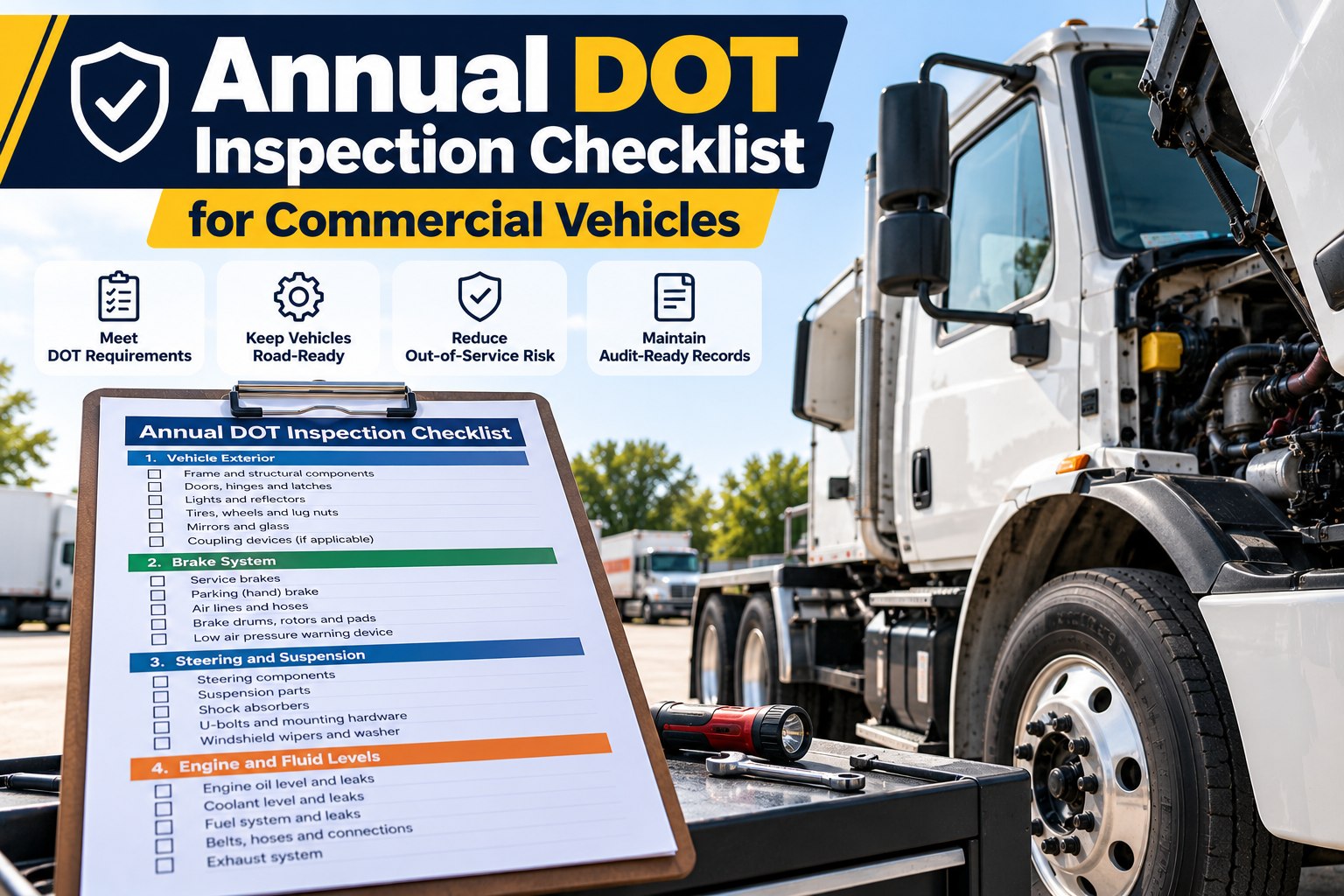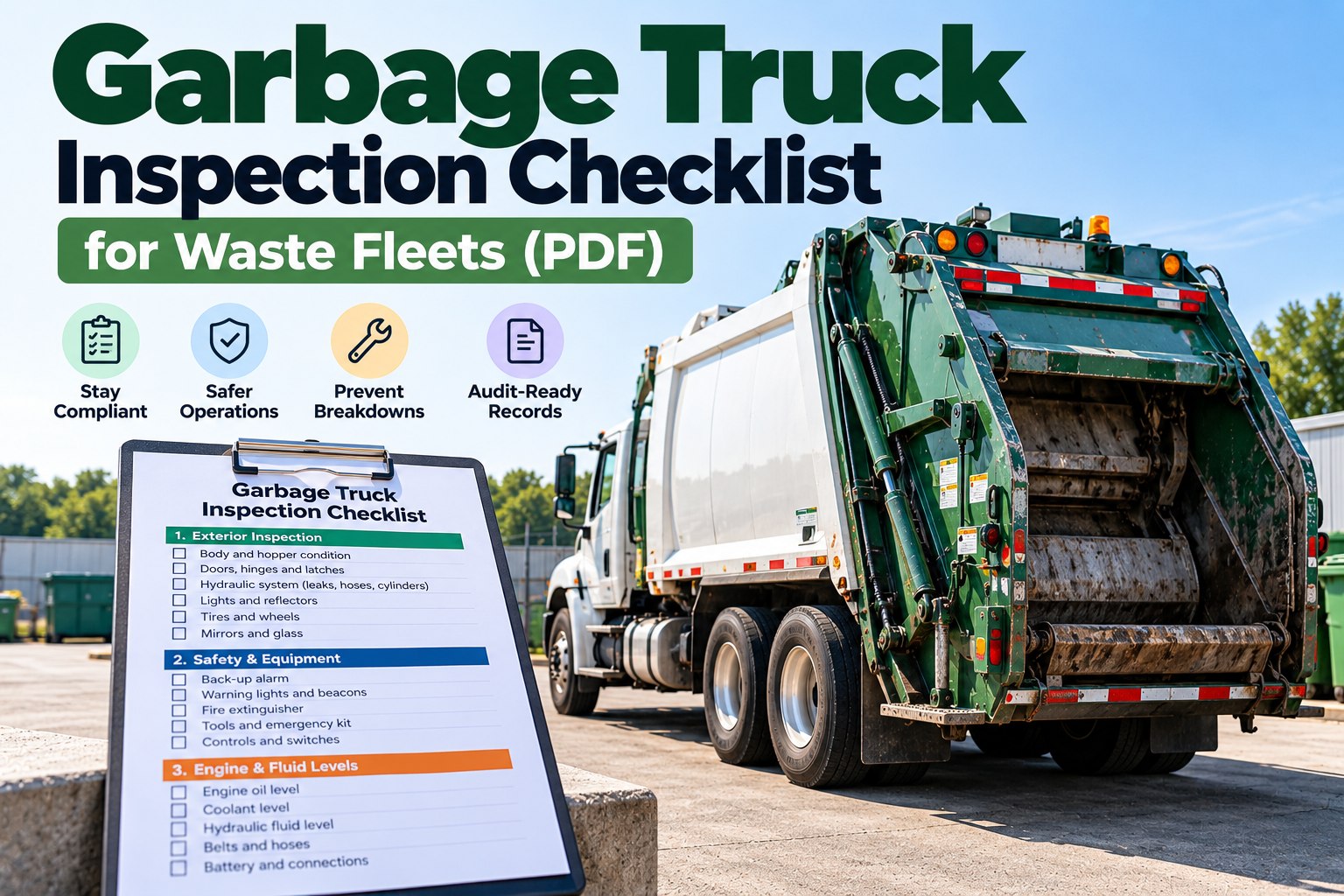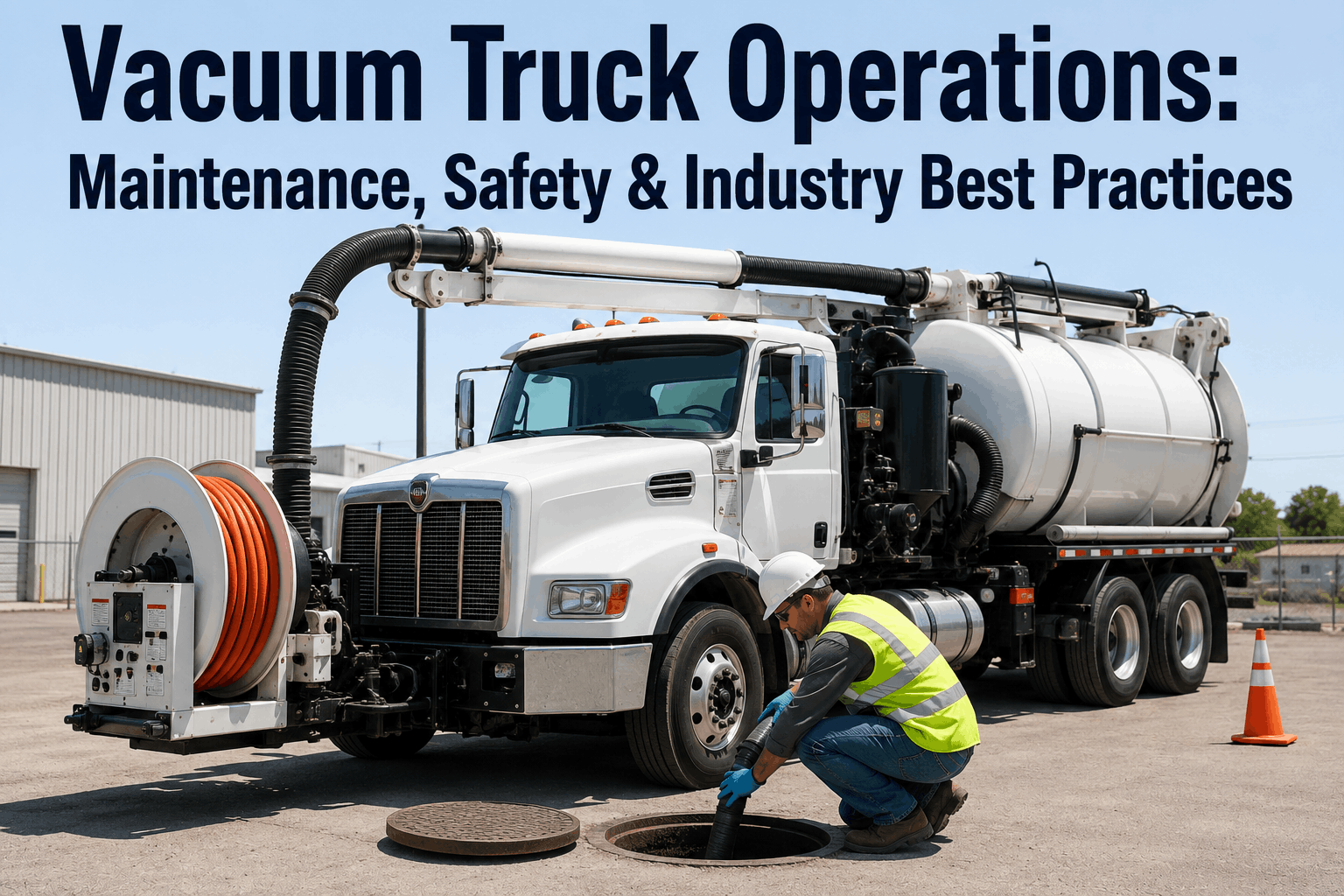
Vacuum trucks are the unsung heroes of industrial waste removal, septic services, and environmental cleanup. But with high-pressure systems, dangerous cargo, and complex pneumatic components, neglect can trigger catastrophic failures, DOT violations, or deadly accidents. Industry data shows that proper maintenance and safety protocols reduce downtime by 40% and lower incident rates by 67%. Whether you operate a fleet of combination units or重型 industrial vacuum trucks, following structured best practices is non-negotiable. This guide covers daily inspection routines, hydrostatic testing, hose management, operator training, and regulatory compliance — all tailored to maximize uptime. Sign up for FleetRabbit’s maintenance scheduling platform or book a demo to automate your vacuum truck compliance.
Critical safety protocols for vacuum truck operations
Vacuum trucks operate under extreme pressure differentials. The most common hazards: tank implosion or explosion due to improper venting, hose whip injuries, and exposure to hydrogen sulfide or flammable vapors. Operators must follow strict lockout/tagout (LOTO) before servicing any pneumatic component. Ensure the safety relief valve is tested monthly – it prevents catastrophic over-pressurization. Use gas detection monitors when handling hazardous waste. According to NIOSH, 32% of vacuum truck fatalities involve engulfment or atmospheric hazards. Develop a written safety plan with emergency shutdown procedures. Sign up for FleetRabbit's safety module to digitize your hazard assessments and training logs.
Hydrostatic testing and tank certification
DOT and OSHA require periodic hydrostatic testing of vacuum tanks that operate above 15 psi. For non-DOT (MC) tanks, testing every 2-5 years based on service. The test involves filling the tank with water and pressurizing to 1.5x maximum working pressure to detect leaks or structural weakness. Failing to maintain certified test records leads to out-of-service orders and liability exposure. Use FleetRabbit to set automated reminders for each tank's test due date, store digital certificates, and schedule third-party inspectors. Book a demo to see how compliance calendar prevents missed deadlines.
Hose and coupling integrity: a leading failure point
Worn suction hoses are responsible for nearly 25% of vacuum truck unplanned stops. High vacuum causes older hoses to collapse internally, reducing flow and damaging the pump. Inspect hoses for bulges, exposed reinforcement, and cracked end couplings daily. Replace any hose with visible damage immediately. Camlock couplings should be lubricated and free of corrosion. For industrial vacuum trucks handling abrasive material (e.g., sand, drilling mud), use lined hoses and replace every 12-18 months. FleetRabbit's parts inventory module tracks hose age, usage hours, and replacement alerts. Sign up to automate hose lifecycle management.
FleetRabbit's predictive maintenance alerts, digital DVIR, and compliance tracking help vacuum fleets reduce repair costs by up to 35%. Join industry leaders.
Operator training and competency standards
Proper training reduces accidents and extends equipment life. Every operator should understand vacuum principles (CFM vs inches Hg), safe filling limits (never exceed 80% of tank volume for liquid), and emergency response for spills. Documented training should include hands-on hose handling, relief valve checks, and proper grounding when transferring flammable liquids. OSHA 29 CFR 1910.106 and 1926.55 apply. Refresher courses every two years are industry best practice. FleetRabbit's crew management portal tracks training certifications, sends renewal reminders, and stores digital sign-offs. Book a demo to see how to centralize operator compliance.
Common regulatory violations for vacuum trucks
DOT roadside inspections frequently cite vacuum trucks for: leaking hydraulic lines (396.3), insecure loads (liquid slosh), missing hazmat placards when carrying waste oil or hazardous liquids, and expired annual inspections. Additionally, OSHA violations related to confined space entry when cleaning tanks. To avoid fines, implement weekly self-audits using a digital checklist. The average penalty per serious violation is $15,000. Proactive fleets reduce violation rates by 58% through digital auditing. Sign up for FleetRabbit's inspection templates preloaded with FMCSA and OSHA standards.
Preventive maintenance schedule: extending vacuum pump life
The vacuum pump is the heart of the truck. Rotary vane pumps need oil changes every 200-250 operating hours; liquid ring pumps require seal water quality monitoring. Follow OEM intervals for bearing greasing and vane replacement. Clogged air filters reduce pump efficiency and cause overheating. Keep spare filter kits and belt sets in stock. A proactive PM program can double pump life from 3,000 to 6,000+ hours. FleetRabbit's maintenance planner auto-schedules pump service based on actual engine hours, not calendar days, improving accuracy. Book a demo to learn about hour-based PM optimization.
Winterizing vacuum trucks for cold climates
Freezing temperatures damage water-cooled pumps and hydraulic systems. Drain water from liquid ring pumps after each use in sub-freezing conditions. Use antifreeze-rated hydraulic fluid and store hoses indoors. Check tank heating systems (if equipped) for frozen valves. Fleets operating in northern states should implement cold-weather start procedures: idle engine to warm hydraulics before engaging PTO. FleetRabbit provides seasonal maintenance templates and sends alerts when temperature drops below freezing at your yard location. Sign up to automate location-based weather alerts.
From hydrostatic test reminders to digital driver inspections, FleetRabbit is the all-in-one platform for vacuum fleet managers. Reduce downtime, improve safety, and pass audits with confidence.