Fleet managers and logistics executives in the transportation industry face a fragmented technology landscape. Real-time vehicle tracking, driver compliance, fuel tax reporting, and preventive maintenance scheduling often exist in separate platforms — or worse, in spreadsheets and paper logs. When the European transportation sector began enforcing stricter digital tachograph regulations and expanded audit scopes for operational licenses in 2023, a European multi-depot logistics operator running 450 assets across five countries discovered that its existing fleet documentation infrastructure could not produce the consolidated asset-level performance records required for verified compliance. The gap was not operational — fleet utilization was within target — it was documentary. Maintenance records, driver assignment logs, fuel consumption data, and vehicle inspection reports existed in separate systems across five national subsidiaries, none of which could be consolidated into the cross-depot format required by transportation compliance authorities. Book a demo to see how Fleetrabbit structures transportation compliance documentation across multi-depot logistics portfolios.
Case Summary
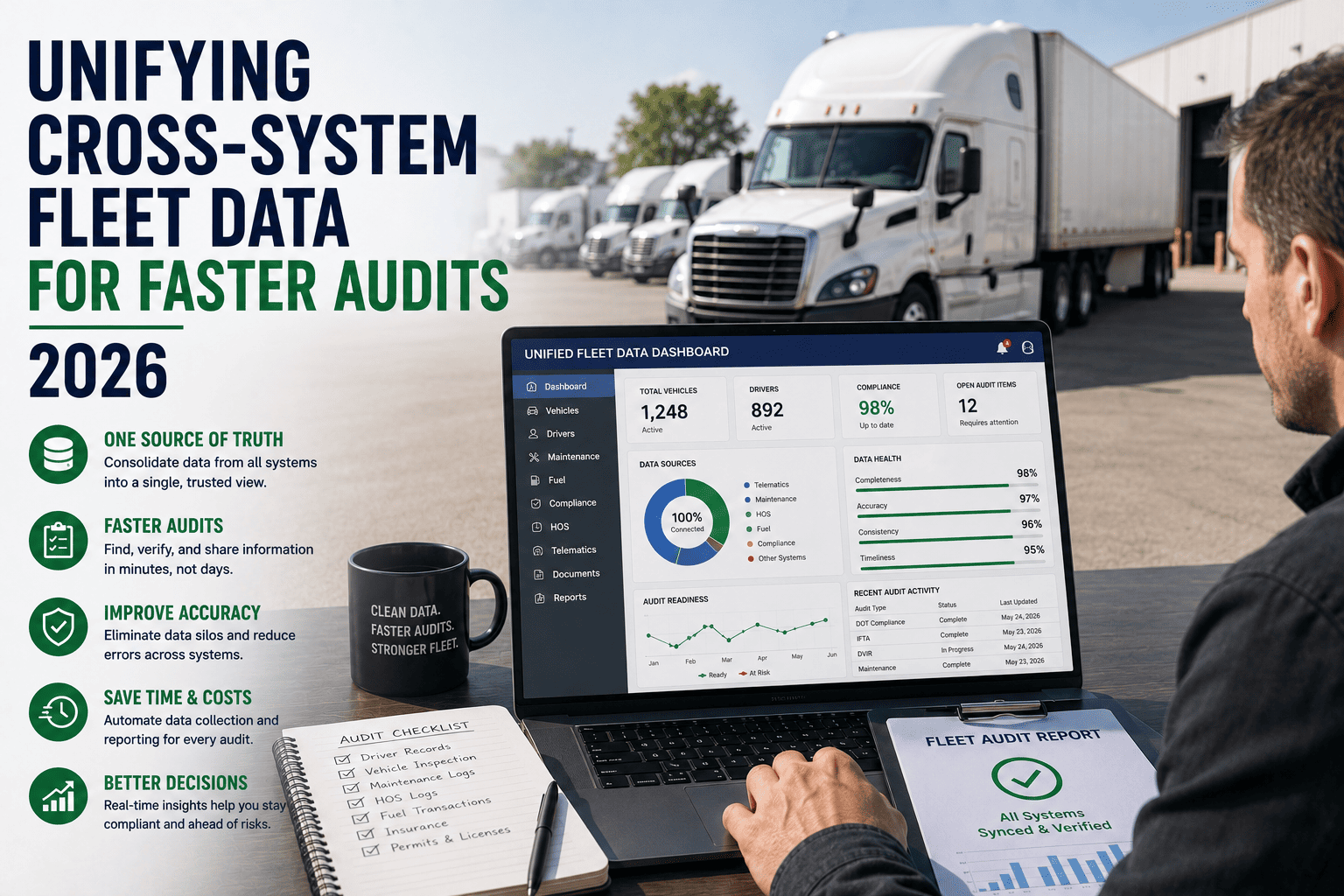
A European multi-depot logistics operator deployed Fleetrabbit across 450 assets in five countries to consolidate vehicle condition records, driver compliance data, fuel consumption logs, and maintenance audit trails into a single transportation compliance documentation structure. The next annual operational license verification audit was completed in 4x less time than the previous cycle, with zero compliance findings. Cross-depot portfolio KPI reporting — previously assembled manually in 4 to 6 analyst days per reporting period — became a live dashboard updated automatically from work order and vehicle condition data across all depots.
4x
faster compliance audit completion versus prior annual cycle
0
compliance findings across all 450 assets at first post-deployment audit
4 wks
from deployment start to live cross-depot compliance dashboard across all five country operations
380K
annual operational cost reduction across the portfolio at 12 months post-deployment
Background: The Transportation Compliance Challenge for Multi-Depot Logistics Operators
Transportation regulatory frameworks across Europe require logistics operators to maintain verified records connecting vehicle operating conditions, driver hours, fuel consumption, maintenance status, and inspection documentation into a continuous documented chain for each compliance period. For a single-depot operator, this is a documentation discipline problem. For a multi-depot group operating across multiple countries — each with national competent authority interpretations of transportation regulations — it becomes a data architecture problem.
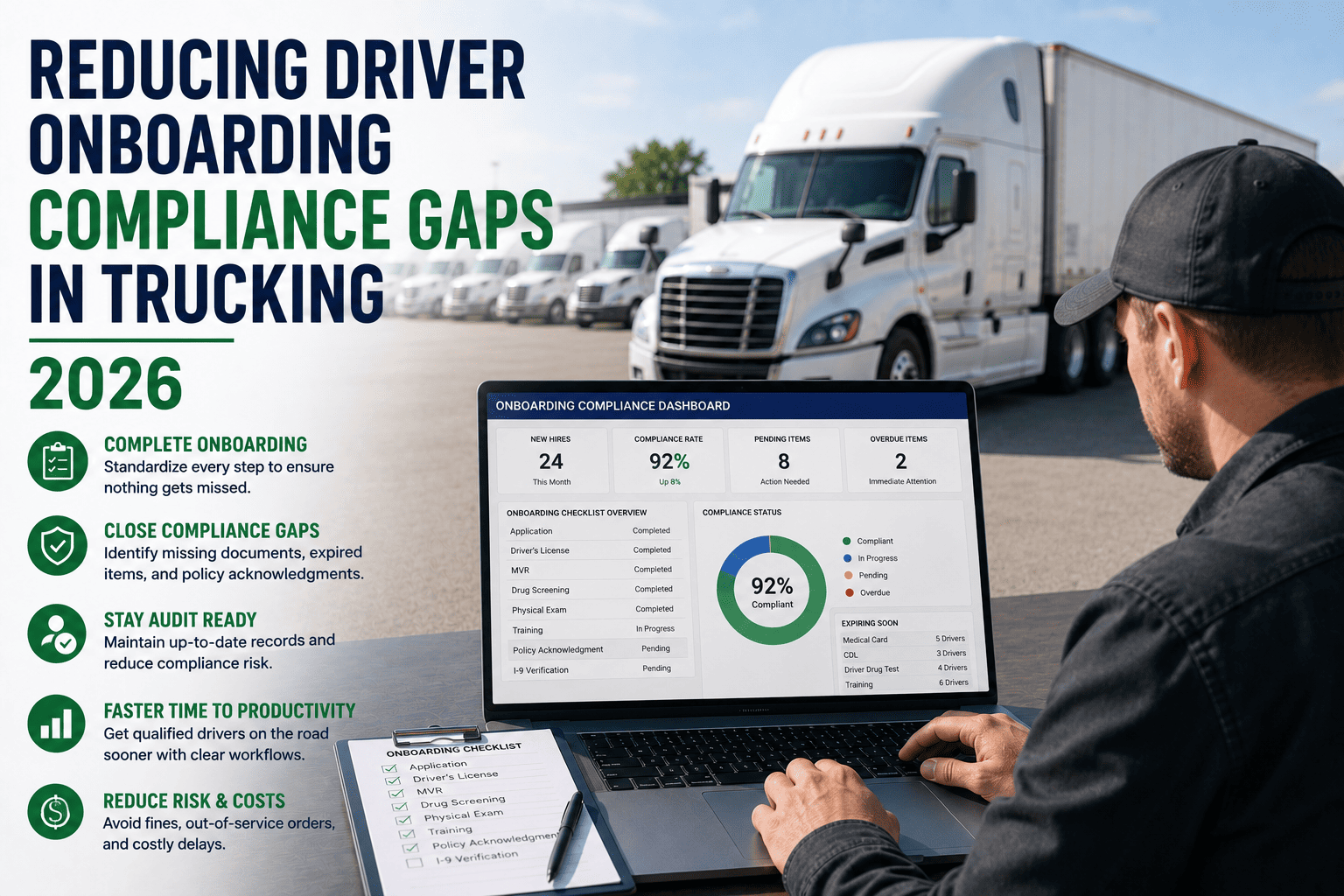
This operator's 450 assets generated maintenance and compliance records in five different systems: a legacy CMMS at the German and Austrian depots, a homegrown spreadsheet-based inspection system at the French subsidiary, SAP PM at the Polish operations, paper-based driver logbooks at two smaller depots acquired in 2022, and a separate telematics platform for real-time tracking. Each system structured asset records, inspection history, driver assignments, and maintenance findings differently. When the transportation authority requested consolidated vehicle condition records demonstrating that fleet maintenance status had not materially affected operational safety during the compliance period, the compliance team had to manually extract, reformat, and reconcile data from all five systems — a process that took 23 analyst-days for the 2022 compliance cycle and still produced records that the verifier flagged as incomplete for three depots.
01
Five Systems, No Common Data Structure
Vehicle records, inspection history, driver assignments, and maintenance logs structured differently in each national subsidiary's system. Cross-depot consolidation required manual export and reformatting per compliance cycle — 23 analyst-days for the 2022 audit.
02
Incomplete Audit Trails at Three Depots
Paper-based driver logs and inspection records at two recently acquired depots lacked the timestamp and operator ID structure required for transportation authority acceptance. Multiple depots received compliance queries requiring additional evidence submissions.
03
No Real-Time Portfolio KPI Visibility
Group-level operations management had no consolidated view of fleet availability, PM compliance, driver hours, or maintenance cost across the portfolio. Monthly KPI reports required 4 to 6 analyst-days of manual assembly and arrived 10 to 14 days after period-end.
04
Digital Tachograph Compliance on the Horizon
Expanded digital tachograph regulations require documented driver activity records and vehicle unit data integration beginning with the 2024 reporting year. The existing documentation infrastructure was not structured to satisfy these requirements without another manual consolidation exercise.
Why Fleetrabbit Was Selected Over Enterprise Alternatives
The operator's initial evaluation included enterprise telematics platforms, legacy CMMS vendors, and integrated ERP modules alongside Fleetrabbit. The evaluation criteria were dominated by three requirements: transportation compliance documentation structure compatibility out of the box, cross-border multi-depot deployment within the compliance window, and implementation timeline short enough to have the system operational before the 2023 verification cycle.
Enterprise telematics platforms were assessed as technically capable of satisfying the compliance documentation requirements — but only after custom configuration estimated at 8 to 12 months and consulting engagements sized at 600K to 900K. Neither timeline fit within the operator's compliance window. Legacy CMMS vendors were eliminated due to the absence of native driver compliance tracking and fuel tax reporting capabilities. Fleetrabbit was selected on the basis that transportation compliance documentation structure, multi-depot cross-border dashboards, and vehicle condition registry were all native at deployment — not post-configuration deliverables.
Compliance Documentation Native
Timestamped inspection records, driver-attributed work orders, and vehicle condition documentation in the format required for transportation authority submission — available at deployment, not after configuration.
Multi-Depot Dashboard Across 5 Countries
Portfolio-level and depot-level KPI dashboards from a single platform — each national subsidiary visible independently and consolidated at group level simultaneously, without requiring national IT integration projects.
4-Week Deployment Window
Compliance window required operational status before the 2023 verification cycle. Fleetrabbit deployed across all 450 assets in four weeks using QR-based asset scanning — without an enterprise IT implementation engagement.
Digital Tachograph Compatibility
Driver activity records and vehicle unit data integration aligned with expanded digital tachograph regulations — addressing the 2024 compliance obligation in the same deployment.
Implementation: Four Weeks Across 450 Assets in Five Countries
Deployment followed a structured four-phase approach that prioritised compliance documentation capability first, with PM scheduling and driver compliance integration in subsequent phases. All 450 assets were producing transportation-compatible maintenance records within four weeks of deployment start.
Week 1
Asset Registry and Historical Data Import
Assets Registered
450
Across all five depots via QR-based field scanning — no manual data entry
Historical WO Import
36 months
Prior work order and inspection history imported from five legacy systems to establish MTBF baselines
Hierarchy Structure
6 levels
Portfolio to Component — vehicle components independently registered per compliance asset boundary
Week 2
Compliance Documentation Structure and PM Scheduling
Compliance Templates
62 configured
Inspection and driver log templates structured to transportation compliance requirements per depot
PM Tasks Activated
156 per depot
Full PM schedule deployed per asset type — daily, weekly, monthly, and quarterly tiers
Driver Training
2 days per depot
Mobile field access training — all drivers and operators across five countries
Week 3-4
Cross-Depot Dashboard and Integration
Portfolio Dashboard
Live — Day 21
Group-level MTBF, PM compliance, and operational cost visible across all 450 assets
Telematics Integration
API connected
Existing telematics hardware connected to Fleetrabbit at all five depot locations
Digital Tachograph Ready
Configured
Driver activity records and vehicle unit data structured for 2024 digital tachograph requirements
Month 3-4
Transportation Verification Audit — First Post-Deployment Cycle
Audit Duration
6 days
vs 23 analyst-days for prior cycle — 4x reduction in compliance team time
Compliance Findings
Zero
No queries on incomplete records — first clean audit across all 450 assets
Authority Assessment
Full conformity
Vehicle condition records, inspection timestamps, driver log trails, and corrective action documentation all accepted without supplementary evidence requests
Results at 12 Months: Operational and Compliance Outcomes
The compliance documentation outcome was the primary project objective and was achieved at the first post-deployment verification audit. Operational outcomes — reduced unplanned downtime, improved PM compliance, driver hour accuracy, and portfolio-level KPI visibility — materialised progressively over the subsequent 12 months as the PM schedule matured and compliance data accumulated against asset records.
Transportation Compliance
4x Faster Audit
Verification audit completed in 6 analyst-days versus 23 in the prior cycle. Zero compliance findings. All vehicle condition records, inspection audit trails, driver log documentation, and corrective action records accepted by the authority without supplementary evidence requests.
Unplanned Downtime
-58%
Unplanned vehicle downtime across the 450-asset portfolio reduced by 58% at 12 months, from a baseline average of 3.8 unplanned downtime events per asset per year to 1.6.
PM Compliance Rate
86%
Risk-weighted PM compliance across the portfolio at 12 months, up from a baseline of 59% calculated from legacy system records at deployment. High-criticality assets reached 92%.
Portfolio Reporting
Live Dashboard
Group KPI dashboard updated in real time from work order and compliance data across all five countries. Monthly reporting assembly time eliminated — from 4 to 6 analyst-days to zero.
Operational Cost
380K Saved
Annual operational cost reduction across the portfolio — driven primarily by reduction in emergency repair premiums as planned maintenance ratio improved from 55% to 75% across all depots and optimized driver hours compliance.
Digital Tachograph Readiness
2024 Ready
Driver activity records, vehicle unit data, and compliance documentation structured for expanded digital tachograph regulations — addressed within the same deployment scope without additional configuration.
How Fleetrabbit Solves Critical Transportation and Logistics Challenges
Transportation and logistics companies face unique operational pressures that general fleet management tools were not designed to address. Fleetrabbit provides purpose-built solutions for each critical challenge facing fleet managers and logistics executives.
Multi-Depot Compliance Standardization
Centralize vehicle inspection records, driver qualification files, maintenance histories, and fuel tax documentation from all depots into a single, auditable platform. Fleetrabbit enforces consistent data structures across every location, eliminating the manual consolidation that consumed 23 analyst-days per audit cycle in the case study.
Real-Time Fleet Health Visibility
Monitor vehicle condition, pending maintenance, driver compliance status, and asset utilization from a single portfolio dashboard. Group-level operations management gains live visibility into depot-by-depot performance without waiting for monthly spreadsheet consolidations delivered two weeks after period-end.
Digital Tachograph Integration
Connect driver activity records and vehicle unit data directly to compliance documentation workflows. Fleetrabbit structures driver logs, rest period records, and vehicle speed data in the format required by expanded digital tachograph regulations beginning in 2024.
Preventive Maintenance Automation
Schedule PM tasks by engine hours, distance traveled, or calendar intervals. Automated work order generation, QR-based inspection checklists, and mobile access for drivers and technicians ensure that PM compliance improves from baseline rates below 60% to above 85% across the portfolio.
Cross-Border Regulatory Mapping
Configure compliance templates for each country of operation — Germany, France, Poland, and beyond — within the same platform. Fleetrabbit maintains separate documentation structures per national competent authority while consolidating group-level reporting across all depots without duplication.
Driver Compliance and Hours Tracking
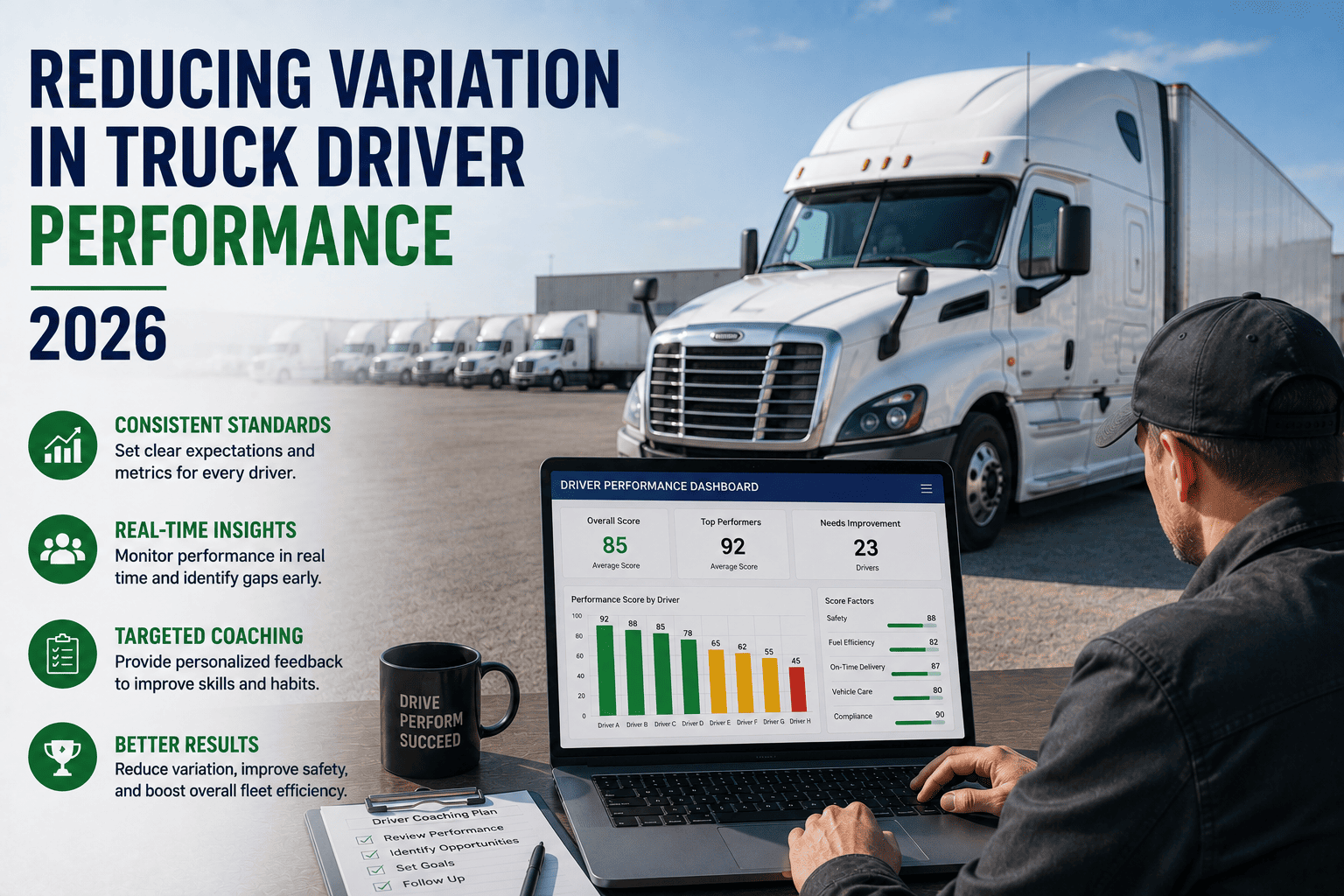
Track driver hours, rest periods, qualification renewals, and training certifications alongside vehicle maintenance records. Fleetrabbit links driver compliance status directly to vehicle assignment records, creating a complete operational audit trail for transportation authorities.
Transportation Compliance Coverage by Region
| Region | Applicable Frameworks | Fleetrabbit Documentation Coverage |
| Germany / Austria | EU Driver Hours, Digital Tachograph, BetrSichV, STVO | Vehicle condition records, tachograph-compatible driver logs, EU compliance documentation |
| France | EU Driver Hours, Digital Tachograph, Code des Transports, ICPE | Driver activity records, inspection trails, transportation authority documentation structure |
| Poland | EU Driver Hours, Digital Tachograph, Polish Transport Law, UDT | UDT-compatible inspection records, digital tachograph data integration, cross-depot portfolio consolidation |
| USA / Canada | FMCSA Hours of Service, ELD Mandate, CSA, DOT | Timestamped PM records, ELD-compatible driver logs, DOT inspection documentation |
| UAE / Saudi Arabia | Saudi Transport Authority, Vision 2030, Civil Defence codes | Asset condition registry, multi-depot KPI reporting for sovereign fleet operators |
EU Driver Hours, Digital Tachograph, and Cross-Border Compliance — One Platform, Every Framework.
Fleetrabbit generates compliant documentation for all regulatory frameworks above from the same dashboard used for daily fleet operations. No post-processing. No manual consolidation across national subsidiaries.
Perspective: What the Compliance Team Said
The 2022 verification cycle required four weeks of intensive preparation across five national compliance teams. We submitted records and still received queries on three depots. In 2023, after six months on Fleetrabbit, the authority had everything they needed directly from our system exports. The audit was completed in six days and we had no findings. That is the outcome we needed.
Group Head of Compliance
European Multi-Depot Logistics Operator
We were tracking fleet availability and maintenance cost across 450 assets using monthly spreadsheet consolidations assembled by depot controllers. By the time the report arrived at group level it was two weeks old and you could not drill into any anomaly without calling the depot. Now that data is live on the portfolio dashboard and I can see MTBF trend by asset class in real time. It has changed how we manage the portfolio operationally, not just for compliance.
VP of Fleet Operations
European Multi-Depot Logistics Operator
Frequently Asked Questions
QHow does Fleetrabbit structure maintenance and driver records to satisfy transportation authority requirements specifically?
Transportation authorities require that maintenance and driver records demonstrate the vehicle asset boundary as defined in the operating license, that inspection activities and driver log entries are timestamped and attributed to a named responsible party, and that corrective actions resulting from inspection findings are documented and linked to the original inspection record. Fleetrabbit structures work orders and driver logs with all three attributes natively — asset boundary from the registry hierarchy, timestamp and operator ID on every task completion, and corrective action work orders linked directly to the triggering inspection.
Book a demo to review the transportation compliance documentation output format for your fleet structure.
QCan Fleetrabbit consolidate records across depots operating in different countries with different competent authority interpretations?
Yes. Fleetrabbit operates as a single multi-depot platform where each depot's asset registry, driver records, work orders, and inspection documentation are maintained independently but accessible on a consolidated portfolio dashboard. National subsidiary compliance reports can be generated per depot in the format required by each competent authority, while group-level reports consolidate across all depots. This was specifically tested in this case study across German, French, and Polish regulatory contexts.
QDoes the same deployment address digital tachograph documentation requirements for 2024?
Yes. Expanded digital tachograph regulations require documented driver activity records and vehicle unit data integrated with maintenance and compliance documentation. Fleetrabbit's driver compliance module produces this documentation as a standard output of daily operations — the digital tachograph data is captured as a by-product of the driver workflow, not as a separate reporting exercise.
Book a demo to review digital tachograph documentation outputs for your fleet.
QHow was the four-week deployment timeline achieved across 450 assets in five countries?
Asset registry was built using Fleetrabbit's QR-based mobile scanning — depot technicians scanned physical assets in the field during the first week, eliminating the manual data entry phase that extends enterprise deployments. Historical work order and driver log data was imported via CSV from the five legacy systems in parallel. Compliance documentation templates were configured during week two, and the cross-depot dashboard went live in week three. No national IT integration projects were required.
Achieve Transportation Compliance Without the 23-Day Audit Preparation Cycle
Fleetrabbit structures maintenance records, vehicle condition documentation, driver compliance logs, and inspection audit trails in the format required by transportation authorities — from the same platform your team uses for daily PM scheduling, driver assignment, and work order management.
Transportation Compliance Documentation
Digital Tachograph Integration
Multi-Depot Portfolio Dashboard
4-Week Deployment
April 24, 2026
By Jason Smith
All Posts