.png)
Cloud-based fleet management platforms have fundamentally transformed how transportation companies operate. Instead of managing vehicles through disconnected on-premise systems, spreadsheets, and manual processes, modern fleet operators now leverage centralized cloud platforms that provide real-time visibility, automated workflows, and intelligent decision-making tools. The shift to cloud is not a technological luxury anymore—it has become a competitive necessity. Enterprise fleets moving to cloud-based solutions report 35% reductions in operational costs, 42% improvements in vehicle uptime, and significant gains in compliance accuracy and safety outcomes. Understanding the benefits and risks of cloud fleet management helps you evaluate whether a migration strategy makes sense for your fleet's size, industry requirements, and operational complexity.
Cloud-based fleet management centralizes vehicle tracking, maintenance scheduling, driver performance monitoring, and compliance documentation into a single accessible platform. Enterprise fleet operators report faster decision-making, improved team collaboration, and reduced administrative overhead compared to legacy on-premise systems. Cloud architecture eliminates the capital expenditure of server infrastructure and provides automatic updates, security patches, and scalability as your fleet grows.
Real-Time Data Access and Fleet Visibility
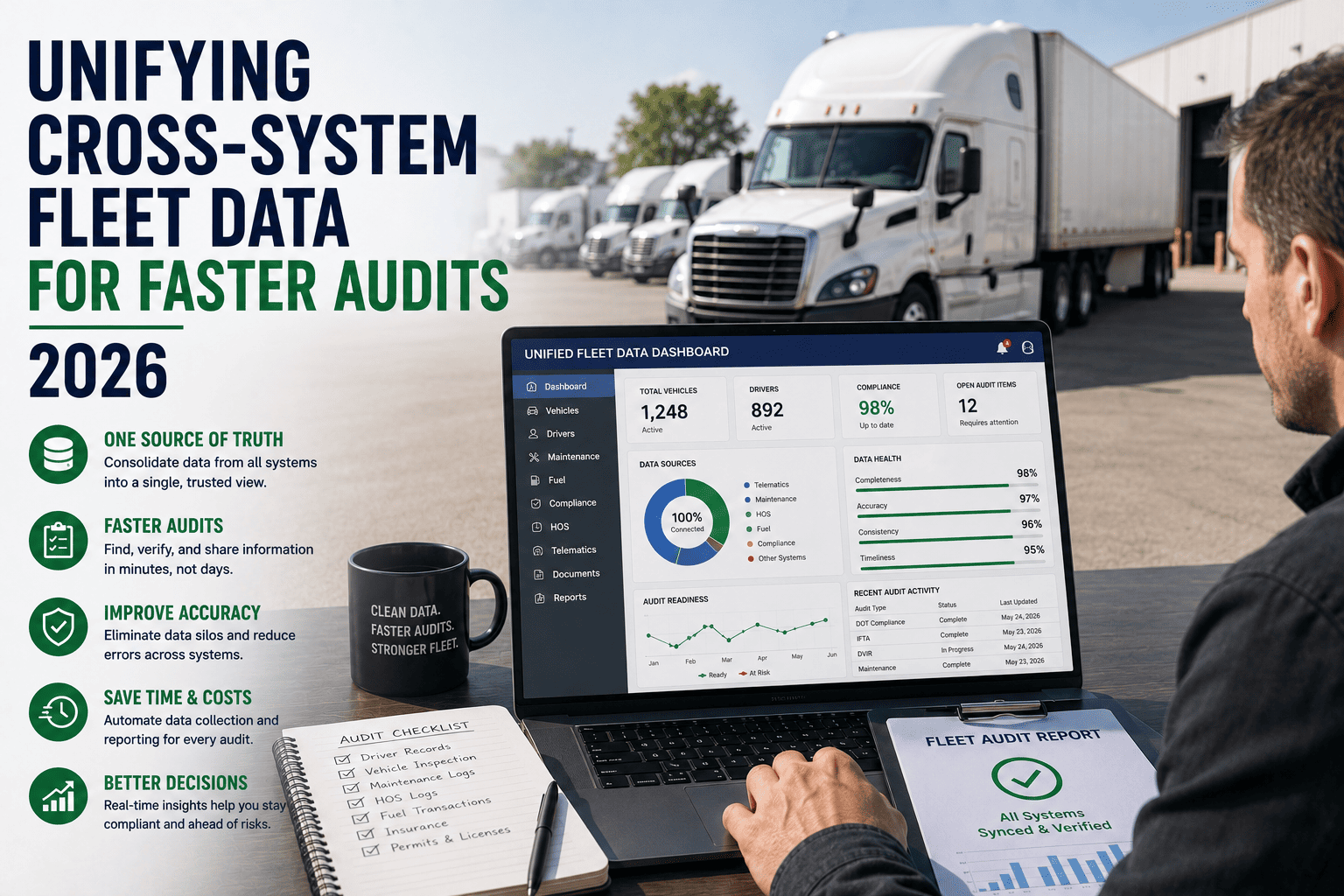
Cloud-based fleet management eliminates the delays inherent in legacy systems. Managers access critical operational data from anywhere, anytime, on any device with an internet connection. Vehicle location, fuel consumption, maintenance status, driver performance, and compliance metrics stream into centralized dashboards updated in real-time. This immediate visibility enables faster response to operational issues before they cascade into costly problems.
Traditional on-premise systems require fleet managers to be physically present at the office to access critical data. Cloud platforms remove this constraint, enabling remote operations management, rapid incident response, and data-driven decision-making from mobile devices. Field supervisors, mechanics, and drivers access relevant information through role-based mobile apps, improving coordination and reducing communication delays.
Real-time GPS positioning of all fleet vehicles enables efficient dispatch, improves customer service communication, and prevents unauthorized vehicle use or theft. Location history is retained for audit trails and compliance documentation.
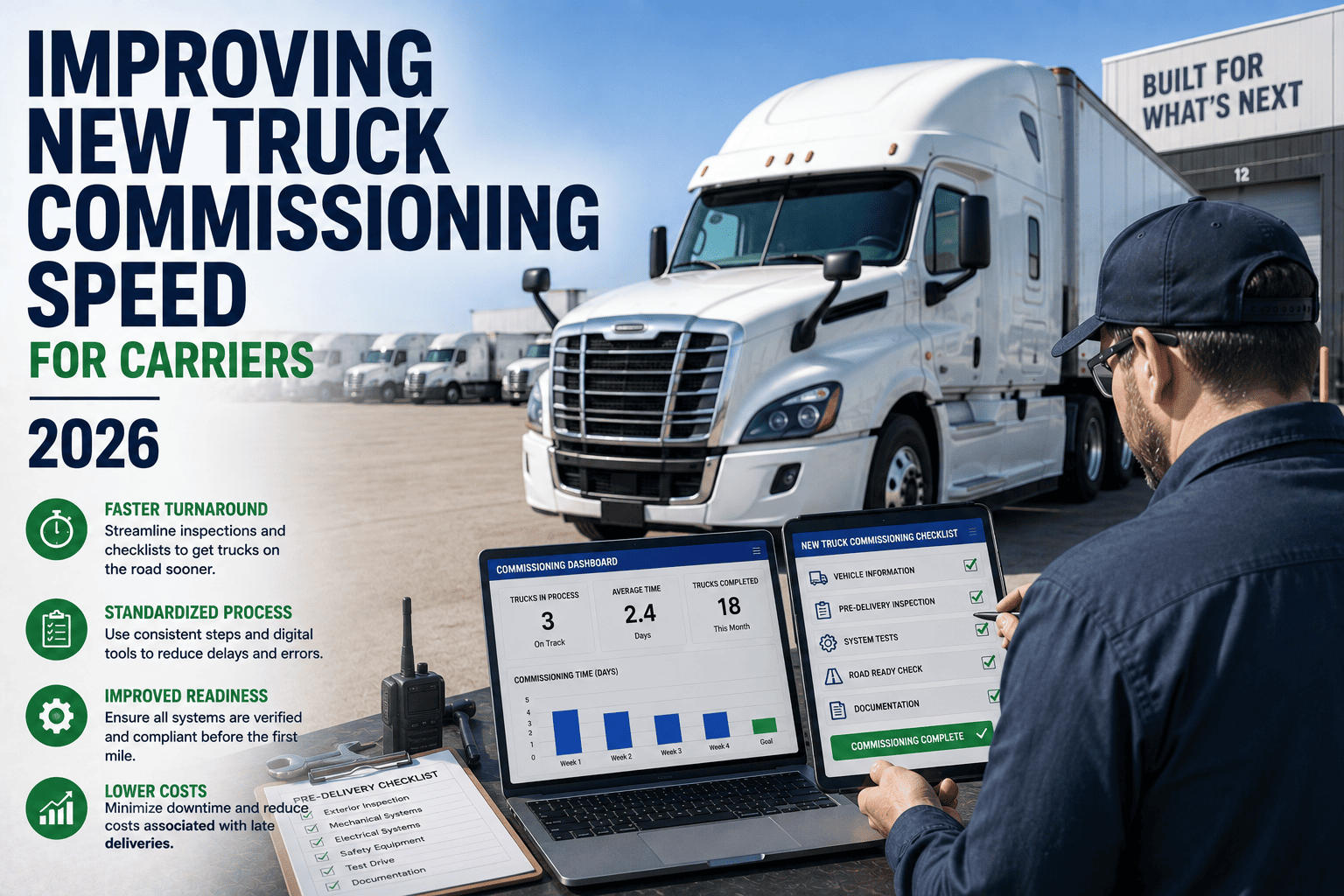
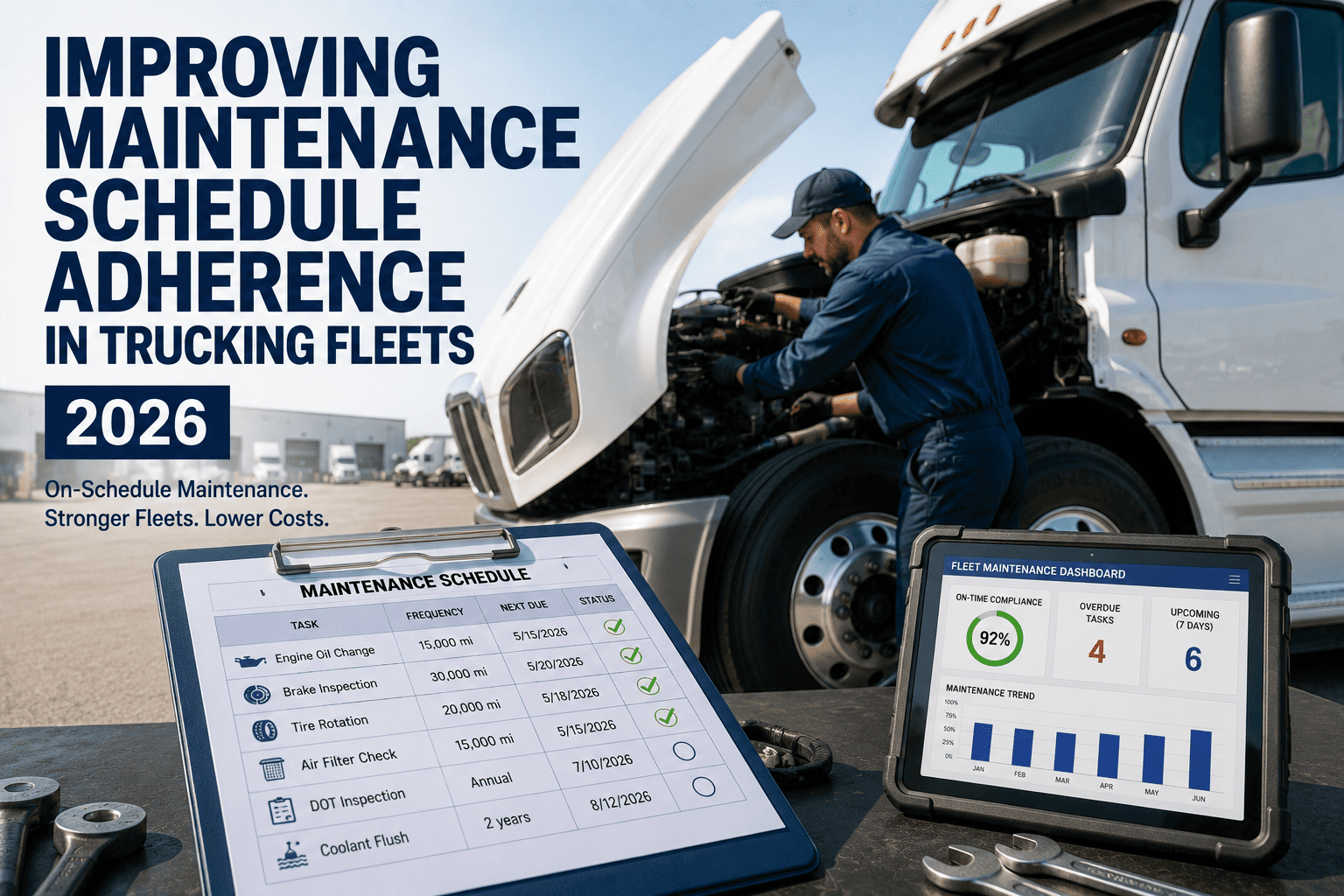
Preventive maintenance schedules, work order status, and repair history are visible in real-time. Fleet managers identify maintenance bottlenecks before they impact vehicle availability and plan service appointments strategically.
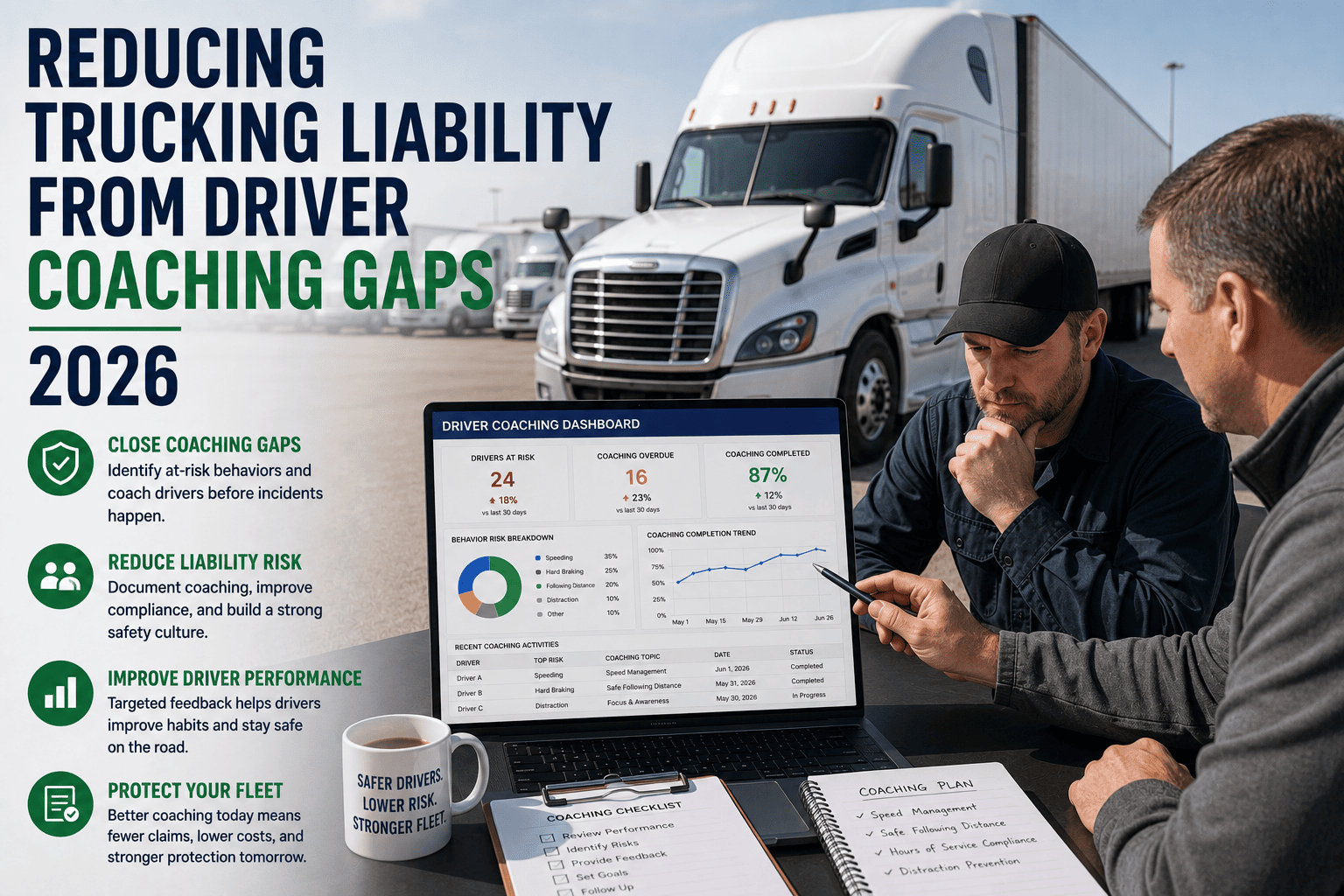
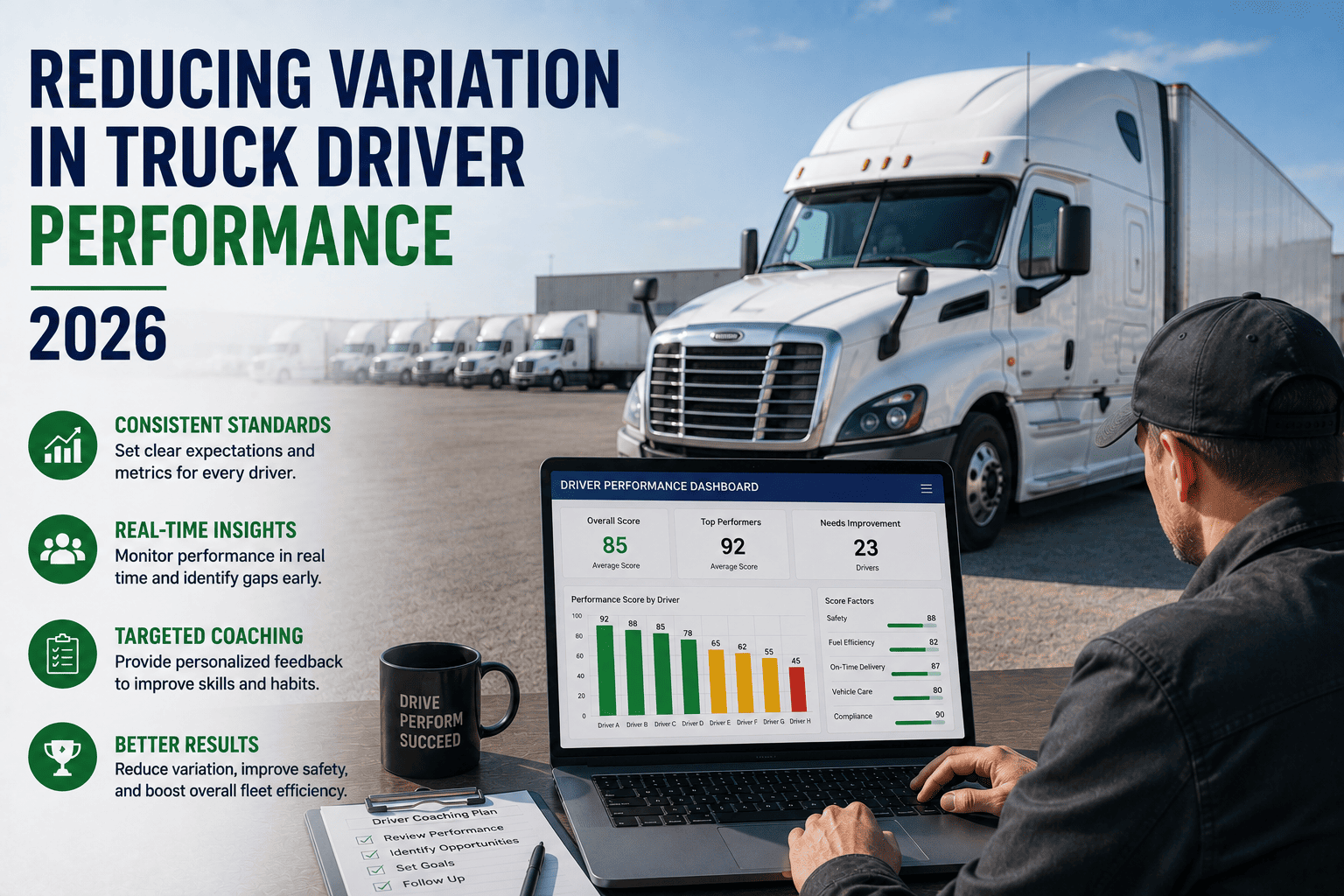
Driver scorecards, behavior patterns, safety incidents, and training status display in unified dashboards. Managers identify coaching opportunities and recognize top performers instantly, rather than waiting for monthly reports.
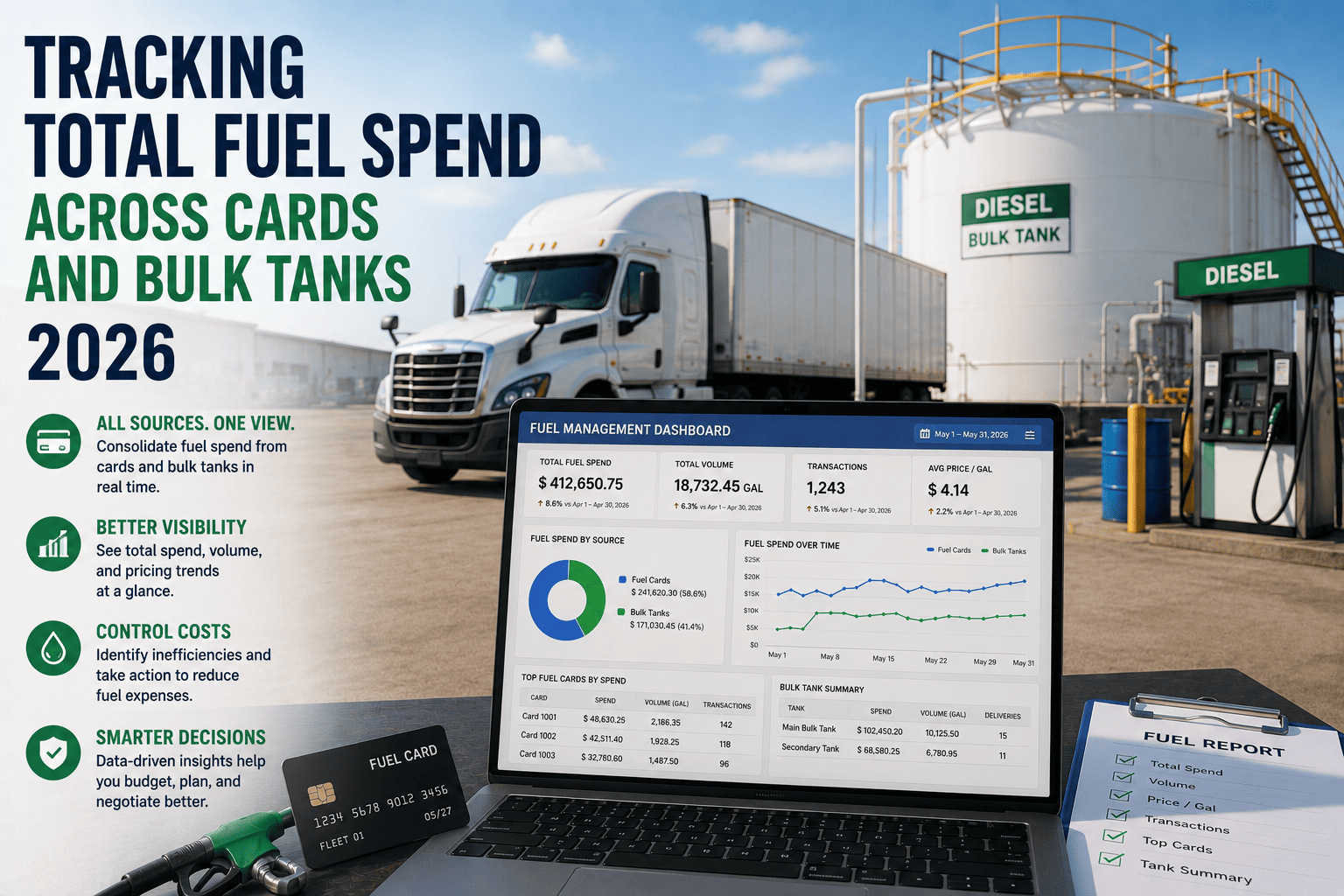
Real-time fuel tracking shows consumption per vehicle, per driver, and per route. Identify fuel theft, excessive idling, and inefficient driving behavior immediately with detailed consumption graphs and anomaly alerts.
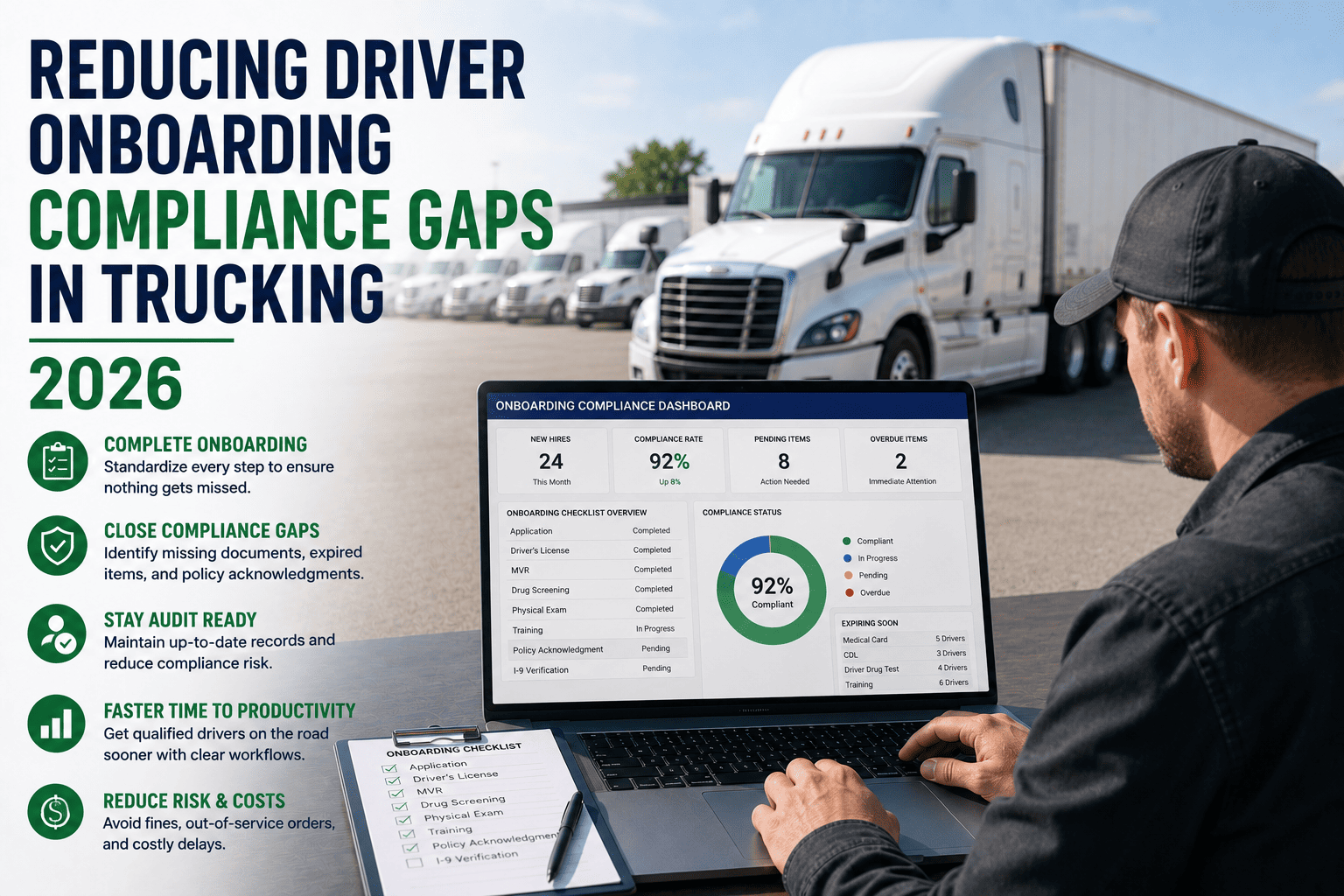
DOT compliance, DVIR completion, HOS violations, inspection status, and training deadlines all displayed in one view. Cloud systems generate audit-ready documentation automatically as events occur rather than requiring manual compilation.
Drivers, mechanics, and field supervisors access platform features through native mobile apps. Offline functionality ensures critical operations continue even with poor connectivity, syncing data automatically when connection restored.
Cost Advantages of Cloud Fleet Management
Cloud-based fleet management platforms eliminate the significant capital expenditures required by on-premise systems. Traditional fleet software requires purchasing servers, installing networking infrastructure, maintaining physical hardware, employing IT staff for system administration, and managing security patches and software updates. These fixed costs scale with fleet size and grow more expensive as fleets expand.
Cloud platforms convert these capital expenses into predictable operational costs. Fleet operators pay a monthly subscription per vehicle, scale up or down as fleet size changes, and eliminate the overhead of managing infrastructure. Cloud providers handle security updates, system maintenance, disaster recovery, and infrastructure scaling—allowing fleet managers to focus on core operations rather than IT management.
| Factor | Cloud-Based Platform | On-Premise System |
|---|---|---|
| Initial Setup Cost | Minimal, 5-minute registration | $50,000-$200,000+ hardware investment |
| Monthly Cost (25-vehicle fleet) | $75 per month ($3 per vehicle) | $3,000-$8,000 with IT staff and maintenance |
| Infrastructure Management | Provider responsible, included in subscription | Fleet must employ dedicated IT staff |
| Security Updates | Automatic, transparent to users | Manual patches, downtime required, IT staff time |
| Data Backup and Recovery | Automatic, geo-redundant, 99.9% uptime SLA | Manual backup management, disaster recovery planning required |
| Scalability | Add vehicles instantly, pay per vehicle added | Server upgrades required as fleet grows, expensive capital expenditures |
| Hardware Replacement | None, provider maintains all infrastructure | Server hardware replacement every 5-7 years, $30,000-$100,000+ |
| Training and Support | Vendor provides, included or minimal cost | Internal IT training, vendor support contracts additional costs |
For a 25-vehicle fleet, cloud platforms reduce monthly IT and infrastructure costs by 80-90% compared to on-premise solutions. FleetRabbit's free tier eliminates barriers for small fleets, while paid plans at $3 per vehicle remain substantially cheaper than enterprise on-premise alternatives that charge $35+ per vehicle with mandatory multi-year contracts.
Automatic Updates and Feature Improvements
Cloud platforms deliver feature updates automatically without disrupting operations or requiring manual deployment. When FleetRabbit releases new capabilities, all users gain access instantly without downloads, installation, or downtime. This continuous improvement cycle means your fleet management platform evolves with changing regulatory requirements, industry best practices, and operational needs.
On-premise systems require IT staff to test updates in controlled environments, schedule downtime for deployment, and manage version compatibility with existing infrastructure. These processes delay feature releases by weeks or months. Cloud platforms eliminate this friction, enabling vendors to release new capabilities rapidly and customers to benefit from improvements immediately.
Security and Data Protection in Cloud Fleet Management
Cloud-based fleet platforms raise legitimate security concerns. Enterprise fleet data contains vehicle locations, driver behavior patterns, maintenance records, and operational efficiency metrics. Protecting this sensitive information requires robust security architectures, compliance certifications, and transparent security practices. Modern cloud platforms employ security measures that often exceed what typical on-premise systems can achieve.
The critical security question is not cloud versus on-premise, but rather which approach provides stronger protections for your specific data. Most enterprise cloud providers invest more heavily in security infrastructure than individual fleets can achieve independently. Cloud providers employ dedicated security teams, conduct continuous monitoring, and absorb costs of security tools across many customers.
Integration Capabilities and System Connectivity
Cloud fleet platforms rarely operate in isolation. Your fleet management system must integrate with telematics devices, ELDs, fuel card networks, accounting software, dispatch systems, and maintenance management tools. Cloud architecture enables faster, more flexible integrations than on-premise systems because cloud vendors can deploy integration updates without requiring customer action.
FleetRabbit connects with major GPS and telematics providers including Verizon Connect, Samsara, Geotab, and Teletrac Navman. API access allows custom integrations with industry-specific systems. Cloud platforms can add new integrations and improve existing ones continuously, while on-premise systems might be locked into integration capabilities frozen at purchase.
Potential Risks and Mitigation Strategies
Cloud-based fleet management platforms introduce specific risks that fleet managers must understand and actively mitigate. Internet dependency represents the primary operational risk. If cloud platform connectivity fails, fleet managers lose access to real-time data, mobile apps, and dispatch capabilities. Modern cloud platforms minimize this risk through 99.9% uptime guarantees, but the possibility of temporary outages still exists.
FleetRabbit mitigates connectivity risks through offline mobile app functionality. Drivers continue conducting inspections, logging maintenance, and recording vehicle data when connectivity is unavailable. Data syncs automatically when connection restored, ensuring no information loss. This offline-first architecture prevents connectivity issues from disrupting operations.
| Risk | Potential Impact | Mitigation Strategy |
|---|---|---|
| Internet Connectivity Loss | Temporary data access loss, delayed decision-making | Offline-first app design, backup internet connectivity, mobile fallback procedures |
| Data Privacy Breach | Exposure of vehicle locations, driver data, operational metrics | SOC 2 compliance, encryption standards, regular security audits, access controls |
| Vendor Lock-in | Difficulty switching platforms, data export complexity, expensive migrations | Demand data export capabilities, API access, standard data formats, contract review |
| Data Residency Requirements | Regulatory non-compliance if data stored outside jurisdiction | Verify data center locations, confirm GDPR/CCPA compliance, review data residency policies |
| Regulatory Compliance Changes | Platform features become non-compliant with new regulations | Choose vendors with compliance track records, maintain update frequency, review roadmaps |
| Performance and Latency | Slow dashboard load times, delayed alerts, poor mobile app responsiveness | Test platform performance before committing, check SLAs for response times, review architecture |
Vendor lock-in concerns are valid but manageable. Before migrating to any cloud platform, verify that the vendor provides data export capabilities in standard formats. Contract terms should include reasonable notice periods if you decide to switch. FleetRabbit provides API access and data export functionality, minimizing switching costs if your operational needs change.
Cloud Adoption Best Practices for Fleet Operators
Successfully migrating to cloud-based fleet management requires planning beyond just selecting a platform. Fleet operators should define clear objectives before migration, identify which processes will change, and plan training for team members who will use the new system.
Start with a small pilot group before rolling out platform-wide. Test critical workflows, verify that mobile apps work in your operational environment, and confirm that integrations function properly. This phased approach allows you to identify issues and adjust processes before all drivers and mechanics depend on the system. Small pilot programs typically take 2-4 weeks before expanding to full fleet.
Establish clear data governance policies. Define who has access to sensitive operational data, how long historical data is retained, and what security protocols drivers and technicians must follow. Create runbooks for common issues, train all users before go-live, and maintain support contacts for questions that arise after deployment. The technical platform is only part of successful cloud adoption; organizational change management is equally critical.
Tag Section: Fleet Management Categories
Compare cloud and on-premise approaches with a personalized assessment of your fleet's requirements. See how cloud platforms streamline operations and improve safety outcomes with real data from your industry.
Frequently Asked Questions
Join 3,200+ fleet operations using FleetRabbit to centralize vehicle tracking, maintenance management, driver monitoring, and compliance documentation. Cloud-based platform includes real-time dashboards, mobile apps, integration APIs, and security compliance certifications. Start free for up to 3 vehicles. No credit card required. Scale to unlimited vehicles as your fleet grows.