A driver unresponsive after a rollover in a remote corridor. A hazmat spill requiring immediate regulatory notification. A cargo theft incident in an unsecured drop lot at 2 AM. Each scenario shares one critical variable: the speed and accuracy of your emergency response determines the outcome — for your driver's life, your cargo, your liability exposure, and your company's safety record.
FleetRabbit puts real-time fleet data at the center of your emergency response capability. Live GPS positioning, driver status monitoring, vehicle health telemetry, and instant alert distribution give fleet managers and safety directors the situational awareness to respond effectively when every second counts.
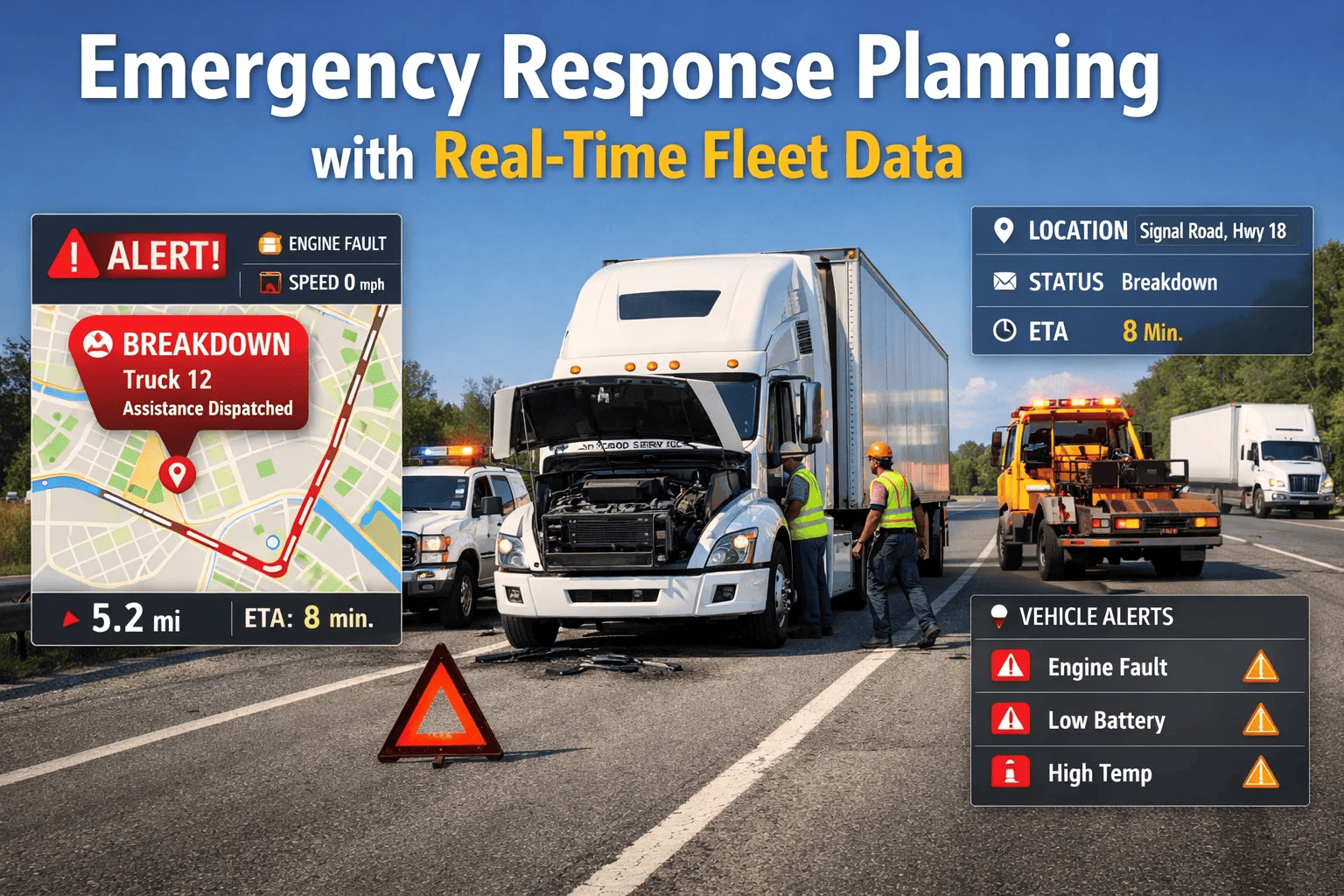
Emergency Response Planning with Real-Time Fleet Data
Use GPS Tracking, Live Vehicle Alerts, and Incident Management Tools to Protect Drivers and Minimize Risk
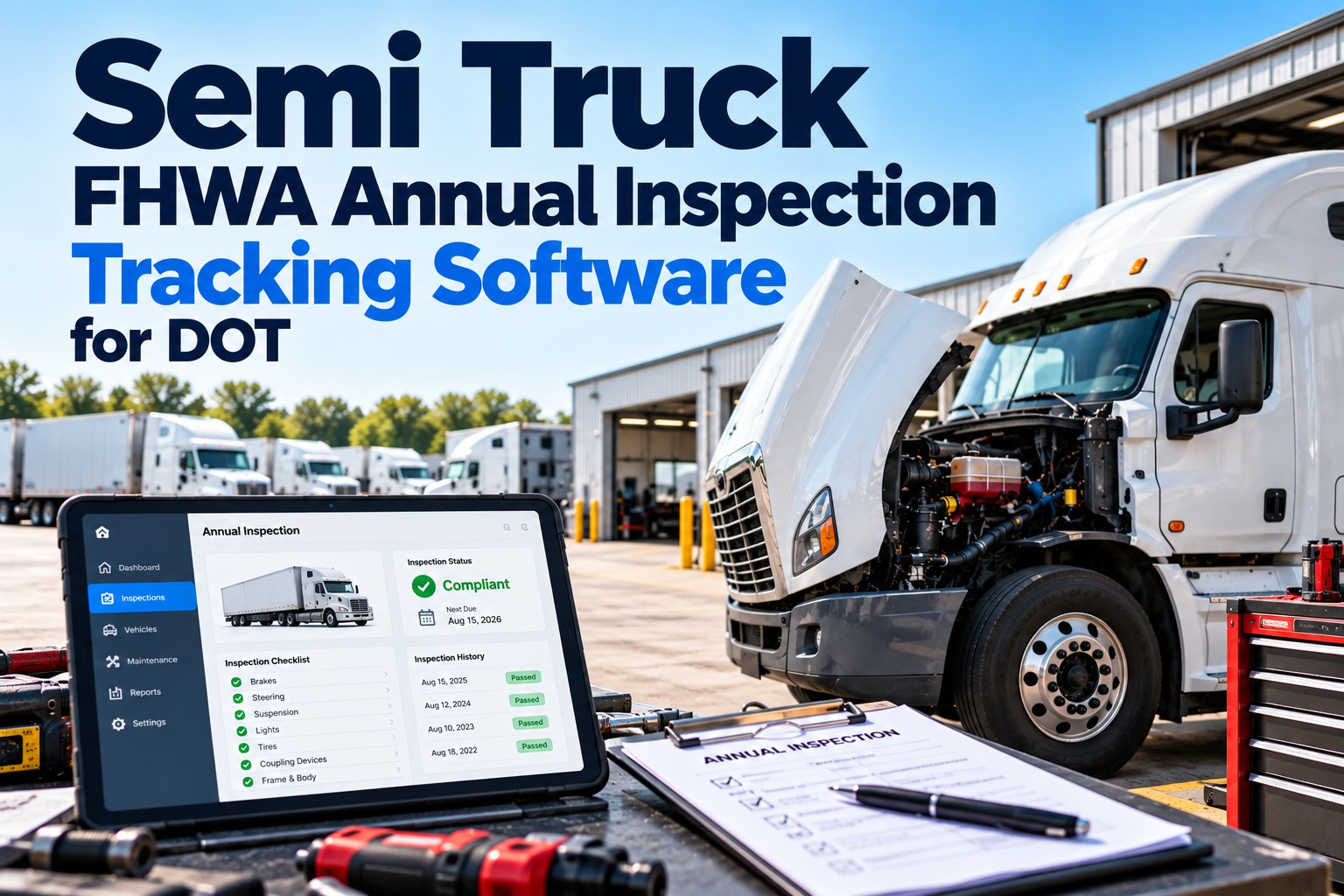
Under 49 CFR Part 390.15, motor carriers must maintain an accident register for all DOT-recordable accidents including date, location, driver name, vehicle number, injuries, fatalities, and whether the vehicle was towed. FleetRabbit's incident documentation tools automate accident register compliance from first report through final closure — eliminating the documentation gaps that create audit liabilities.
Why Real-Time Data Changes Emergency Response Outcomes
Traditional fleet emergency response relies on driver self-reporting, satellite check-ins updating every 15-30 minutes, and dispatch staff manually cross-referencing multiple data sources. In vehicle emergencies, this data latency means critical decisions are made without accurate, current information.
Exact Location Accelerates Emergency Services
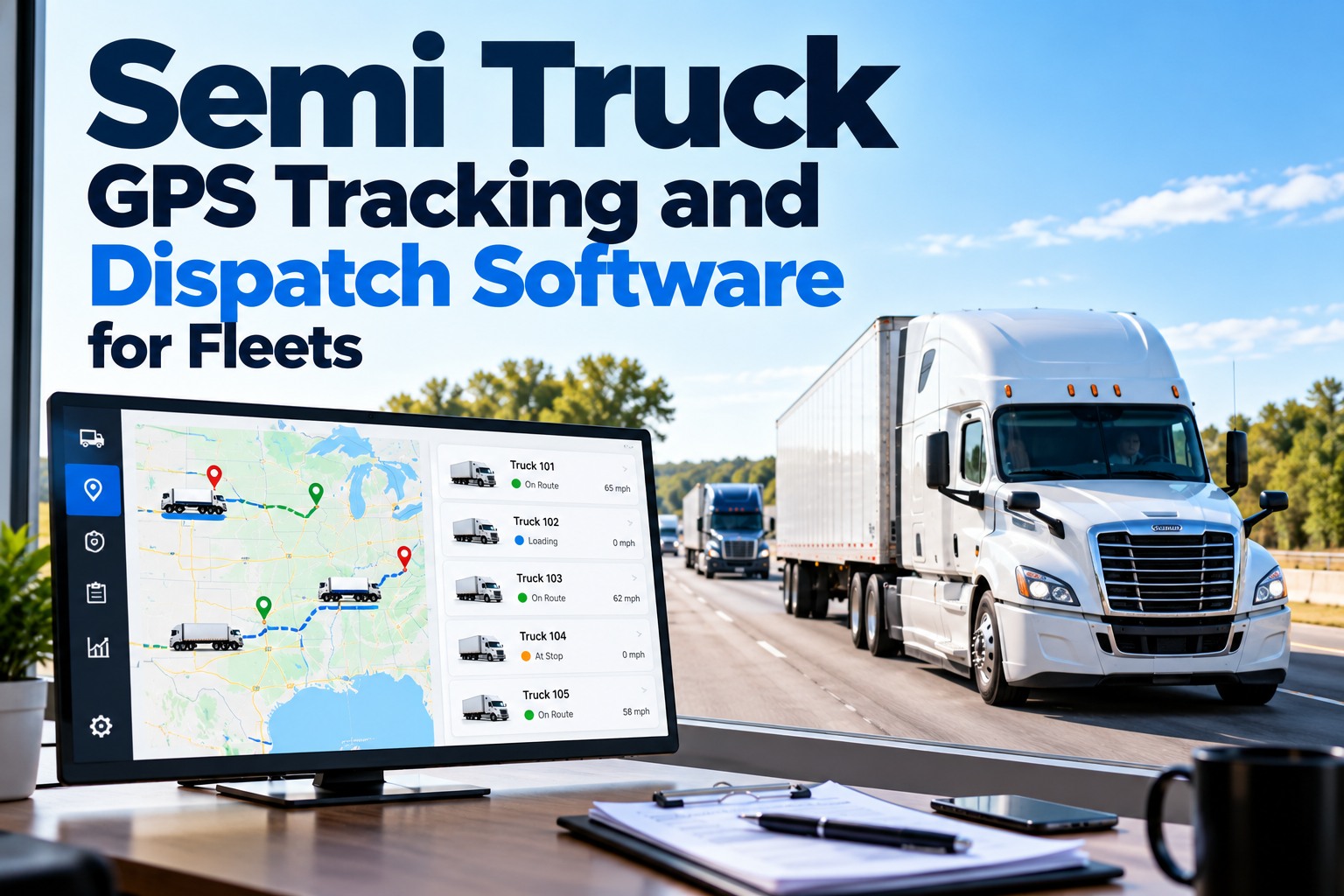
FleetRabbit provides sub-100-meter GPS positioning updated every 30-60 seconds. Fleet managers relay exact incident coordinates to emergency dispatch — particularly critical in rural corridors where drivers cannot accurately describe their location to 911 operators.
Automated Detection Removes Reporting Dependency
In severe accidents, drivers may be unable to call for help. FleetRabbit's crash detection algorithms identify sudden deceleration events, airbag deployment signals, and post-crash vehicle stillness — automatically generating emergency alerts and initiating well-being check protocols without any driver-initiated communication.
Pre-Incident Data Protects Against False Claims
The 60-90 seconds of vehicle data preceding an accident — speed, brake application, steering inputs — are critical for accident reconstruction. FleetRabbit continuously records this telemetry, creating a documented factual record that is regularly decisive in defending against fraudulent liability claims worth hundreds of thousands of dollars.
Centralized Coordination Replaces Phone Chains
A serious fleet incident requires simultaneous coordination across safety management, operations, risk management, legal, and leadership — while managing communication with emergency services and insurance adjusters. FleetRabbit's incident management center consolidates all data and stakeholder communication in one platform, eliminating the contradictory updates that multiply during phone-chain emergencies.
Four Emergency Scenarios Where Real-Time Data Decides the Outcome
Fleet emergency situations span a wide range of incident types with different response requirements. FleetRabbit's real-time data infrastructure transforms response effectiveness across each category — reducing the window between incident and intervention.
Driver Medical Emergency
When a driver experiences a medical event while operating, FleetRabbit's driver monitoring detects vehicle behavior anomalies — unplanned stops, route deviation, prolonged stationary periods. Automated well-being check protocols initiate immediately, with escalation to emergency services if driver response is absent within the configured time window.
Multi-Vehicle Accident
Multi-vehicle accidents require immediate coordination across emergency services, insurance notification, accident site management, and cargo security. FleetRabbit provides instant post-crash vehicle data transmission, automatic fleet manager notification, and pre-structured incident reporting templates capturing required DOT accident register information within minutes.
Cargo Theft
When trailers are stolen or unauthorized access is detected during drop periods, FleetRabbit's geofence monitoring and cargo sensor integration generate immediate security alerts with vehicle location and movement data. Law enforcement receives real-time tracking coordinates, dramatically improving recovery rates versus delayed theft discovery — when the vehicle is already states away.
Hazardous Material Incident
HazMat spills require specific emergency response protocols and immediate regulatory notification. FleetRabbit's incident management workflow includes HazMat-specific response checklists, emergency contact database for carrier response teams, regulatory notification timelines, and load manifest data that first responders need within the first minutes of arrival.
FleetRabbit Emergency Response Platform Capabilities
Fleet emergency response programs must cover detection, notification, coordination, and documentation simultaneously. FleetRabbit's real-time data capabilities address all four layers — giving safety directors tools that manual programs fundamentally cannot replicate at scale.
Real-Time GPS Fleet Visibility and Incident Location
Continuous GPS tracking at 30-60 second update intervals provides fleet managers with exact vehicle positions across all active routes simultaneously. When an emergency is reported or detected, exact GPS coordinates, nearest road intersection, and route history are immediately available for emergency services dispatch — available in seconds, not minutes.
Sub-100-meter accuracy available at the moment of incident alertAutomated Crash Detection and Emergency Alert Generation
FleetRabbit's telematics integration monitors vehicle dynamics for crash signature events — rapid deceleration beyond threshold parameters, airbag deployment signals, and post-event vehicle immobility patterns. When crash signatures are detected, automated alerts route to configured safety personnel immediately with GPS coordinates, vehicle ID, driver information, and crash severity estimation.
Eliminates 6-12 minute notification delay in severe accident scenariosIncident Management Center and Documentation
FleetRabbit's incident management center consolidates vehicle data, driver information, emergency service contact status, insurance notification timeline, and documentation requirements in a single interface. Post-incident, the complete data record including pre-crash telemetry, notification timestamps, and response actions creates a comprehensive incident file for regulatory reporting and litigation support.
Structured documentation reduces post-accident reporting time by 74%Geofence Security Monitoring and Cargo Protection
Configurable geofences around terminals, drop lots, and customer facilities generate instant alerts for unauthorized vehicle departures and after-hours movement. For temperature-sensitive cargo, integrated sensor monitoring alerts for refrigeration failures before cargo temperatures reach spoilage thresholds — preventing loss that post-delivery log reviews cannot recover.
3.1x higher cargo theft recovery rate with real-time GPS tracking responseFaster emergency acknowledgment and response initiation with automated fleet alerts
Reduction in post-incident documentation time using structured incident workflows
Average insurance claim reduction when pre-crash telemetry supports liability defense
Higher cargo theft recovery rate when real-time GPS initiates immediate law enforcement response
The First 60 Minutes: FleetRabbit-Enabled Emergency Response Protocol
Effective fleet emergency response follows a structured time-phase protocol. Most fleets follow the same four stages — and FleetRabbit provides the data and workflow infrastructure that enables each phase to execute with the speed and accuracy manual processes cannot achieve.
Detection and Classification
Crash detection or panic alert triggers immediate notification. Alert includes GPS coordinates, driver ID, vehicle ID, speed at time of event, and load manifest data. Safety manager classifies severity within 120 seconds using the FleetRabbit incident dashboard — automated detection eliminates reliance on driver self-reporting.
Emergency Services and Multi-Stakeholder Notification
Safety manager contacts 911 using FleetRabbit's exact GPS coordinates and provides vehicle type, cargo classification including HazMat data if applicable, and estimated driver status. Simultaneous notification to risk management and executive safety contacts via FleetRabbit's multi-recipient alert system — one action, multiple stakeholders informed.
Insurance, Legal Notification, and Evidence Preservation
FleetRabbit generates the initial incident notification for insurance first notice of loss filings, capturing all required data fields automatically. Pre-crash telemetry data is immediately preserved and access-restricted to protect the evidentiary record that may be required in subsequent litigation. Minutes saved here translate directly to stronger legal defensibility.
Operations Recovery and Documentation Capture
Operations team accesses FleetRabbit to identify affected delivery commitments, locate nearest alternative vehicle and driver assets, and initiate load recovery workflows. FleetRabbit's incident documentation workflow captures all data required for DOT accident register compliance — compiled automatically throughout response versus reconstructed after the fact.
Frequently Asked Questions
FleetRabbit continuously captures GPS position with timestamps, speed and heading, hard braking events, rapid lane change indicators, engine RPM, and driver behavior scoring parameters. In the event of a detected crash, the system immediately preserves and locks a data window covering vehicle behavior in the 60-120 seconds preceding the event. This data is retrievable in structured export format for accident reconstruction analysts and has been instrumental in defending against fraudulent liability claims by documenting vehicle behavior inconsistent with plaintiff allegations.
FleetRabbit's crash detection monitors for crash signature events automatically — sudden deceleration beyond threshold G-force values configurable by vehicle type and operational braking patterns. When a crash signature event is detected, FleetRabbit immediately alerts configured safety personnel with vehicle location and event data, attempts automated driver contact via the mobile app, and escalates to emergency services notification protocols if driver response is absent within a configurable time window. This capability ensures emergencies receive internal notification even when the driver is incapacitated.
Yes. FleetRabbit enables configurable geofences covering terminal yards, customer drop lots, authorized overnight parking, and secure facilities. When a vehicle moves outside its authorized zone during defined time windows, FleetRabbit generates an immediate security alert with real-time vehicle position — giving law enforcement actionable GPS coordinates for active recovery rather than a description of where the vehicle was last seen hours earlier. This real-time response capability is what drives the 3.1x higher cargo theft recovery rate versus delayed theft discovery scenarios.
FleetRabbit's incident management workflow captures all data fields mandated by 49 CFR Part 390.15 for the DOT accident register: date and time, location, driver name and employee ID, vehicle unit number, number of injuries and fatalities, whether the vehicle was towed, and whether hazardous materials were released. The system generates a formatted accident register entry from incident record data, reducing post-incident administrative burden and ensuring consistent, complete documentation that satisfies roadside inspection and compliance audit requests immediately.
Build Your Real-Time Emergency Response Capability Today
Your emergency response capability is defined before incidents occur — by the data infrastructure you have in place when seconds matter. Every fleet that lacks automated crash detection, real-time GPS visibility, and structured incident documentation is accepting an unnecessary liability position. The average serious commercial vehicle accident costs $2.4M. FleetRabbit's platform costs a fraction of that — and it changes the outcome of every incident where speed and data make the difference.
Most transportation fleets deploy a significantly improved emergency response infrastructure within 60 days of FleetRabbit implementation — with immediate gains in incident detection speed, documentation quality, and driver safety confidence. Your safety program deserves the same real-time infrastructure your operations already depend on.
Free trial: 3 vehicles | $3/vehicle/month | No contracts | Full feature access