Fleet Inspection Checklist Complete Digital Guide for DOT Compliance
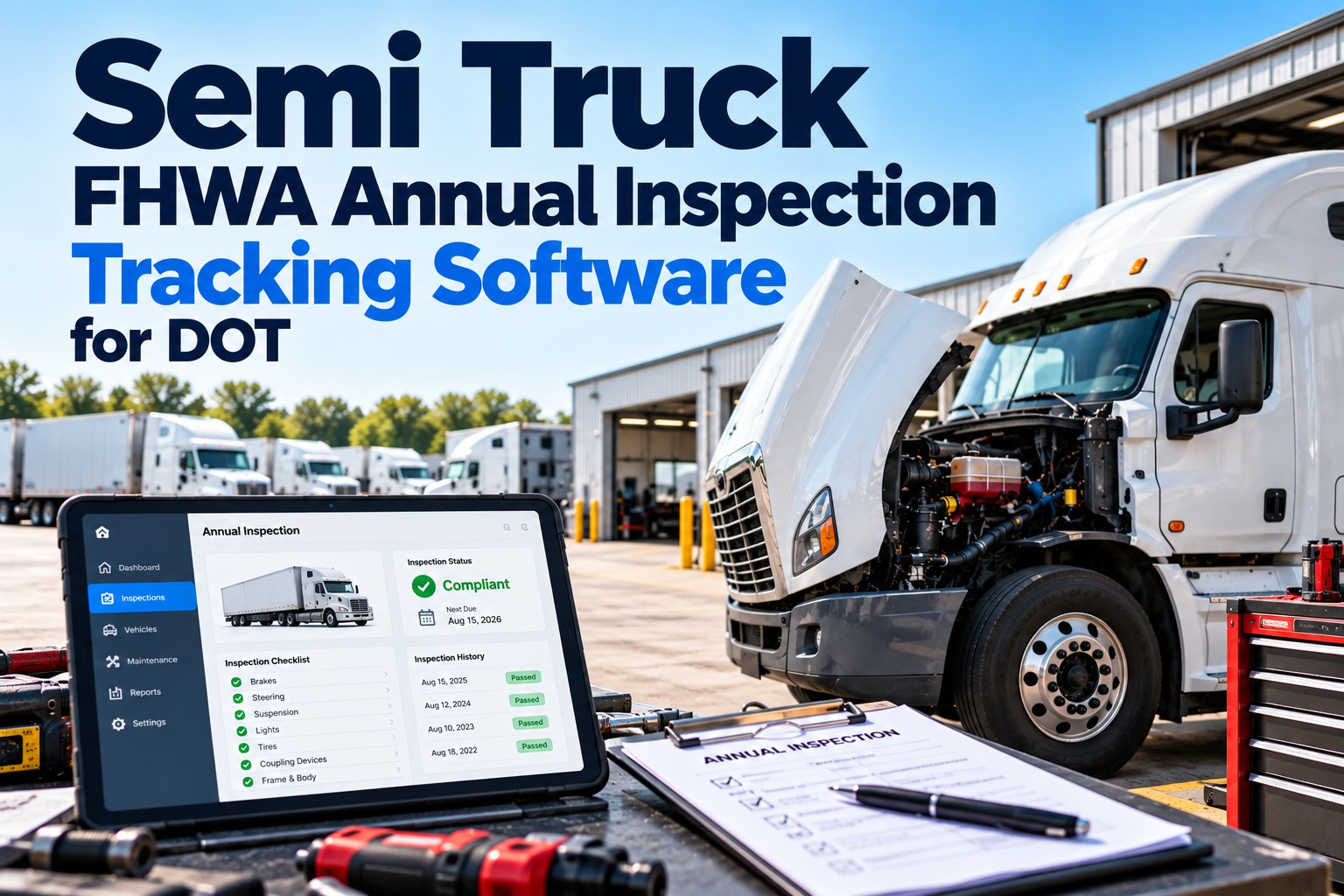
Fleet inspection checklists are the operational backbone of any commercial motor carrier subject to Federal Motor Carrier Safety Administration oversight. Without a standardized, documented, and verifiable inspection process, fleet managers cannot defend against roadside violations, contest DataQ challenges, or produce the records required during a compliance audit. A fleet inspection checklist is not merely a paper form—it is the evidence trail that demonstrates a carrier systematically inspects, repairs, and maintains vehicles to the FMCSA safety standard. This guide provides a complete digital framework for fleet inspection checklists, covering pre-trip inspections, post-trip defect reporting, driver vehicle inspection report integration, and the documentation standards that transform checklists from administrative paperwork into DOT-defensible records. FleetRabbit digitizes the entire fleet inspection workflow, connecting driver checklists to maintenance work orders and creating permanent audit-ready documentation without paper routing or manual data entry.
32%
Reduction in roadside out-of-service violations reported by fleets implementing digital fleet inspection checklists with real-time defect escalation, according to FMCSA research data.
$11,000+
Average annual savings per vehicle from reduced inspection-related downtime and prevention of citation penalties in digital-inspection-equipped fleets.
65%
Of FMCSA reportable crashes involve at least one vehicle condition violation that could have been identified during a pre-trip or post-trip fleet inspection.
4x
Faster audit response time with digital fleet inspection records compared to paper-based filing systems during DOT compliance reviews.
How FleetRabbit Transforms Fleet Inspection Checklists into Digital Assets
Traditional fleet inspection checklists exist as paper forms clipped to clipboards, stored in driver seat pockets, or filed in three-ring binders that no one reviews until an auditor requests them. FleetRabbit replaces that analog process with a digital inspection platform that connects driver checklists, defect photographs, real-time maintenance alerts, and permanent vehicle history records in a single auditable system. When a driver completes a pre-trip inspection on the FleetRabbit driver mobile app, every checklist response generates a time-stamped record with GPS location and photo attachment capability. When a post-trip inspection identifies a defective component, FleetRabbit automatically creates a maintenance work order and notifies the shop supervisor—no paper DVIR to route, no clipboard to lose, no manual data entry. When a DOT officer requests inspection records during a roadside interaction, the fleet manager exports the complete vehicle inspection history in seconds. Every item on a fleet inspection checklist corresponds to a digital field within FleetRabbit that feeds directly into compliance reporting, maintenance scheduling, and driver safety scorecards.
Fleet Inspection Defect Severity and Escalation Rules
Severity Level
FMCSA Out-of-Service Criteria
Required Action After Driver Inspection
FleetRabbit Automated Workflow
Critical
Defect in brakes, tires, steering, coupling devices, lighting, or cargo securement that fails roadside inspection criteria
Vehicle placed out-of-service immediately. Maintenance notified. Repair required before next dispatch.
Automatic OOS flag, maintenance work order created, driver notified of repair status
Major
Defect creates measurable safety risk but does not meet OOS threshold—requires repair within 48 hours or next operating day
Vehicle may complete current trip. Maintenance scheduled. Driver acknowledgement of defect required.
Defect affects comfort, convenience, or non-safety equipment—no immediate operational restriction
Defect documented. Scheduled for next routine maintenance. Driver monitors condition.
PM trigger created, defect logged in vehicle history, no service interruption
See how FleetRabbit's digital fleet inspection platform connects driver pre-trip and post-trip checklists to maintenance work orders, supervisor approvals, and DOT-exhibition-ready documentation. We demonstrate against your fleet's vehicle types and inspection program—not in a generic demo environment.
Part 1: Pre-Trip Fleet Inspection Checklist for Drivers
The pre-trip inspection is the driver's first line of defense against roadside failures and out-of-service violations. FMCSA regulations require that every commercial motor vehicle driver complete a pre-trip inspection before operating the vehicle—but the regulation does not specify the format or depth of the checklist. A compliant pre-trip fleet inspection checklist must cover all safety-critical systems in a sequence that ensures comprehensive coverage without skipping components. The checklist below represents the complete pre-trip inspection framework used by top-performing fleets, organized by vehicle system and aligned with FMCSA interpreter guidance for pre-trip inspection standards.
Exterior Walk-Around and Vehicle Position Inspection
Front Axle and Steering System Pre-Trip Verification
Steer Tire and Wheel Verification
Lighting and Electrical Systems Pre-Trip
Driver Cab and Control Verification
FleetRabbit Pre-Trip Driver Application
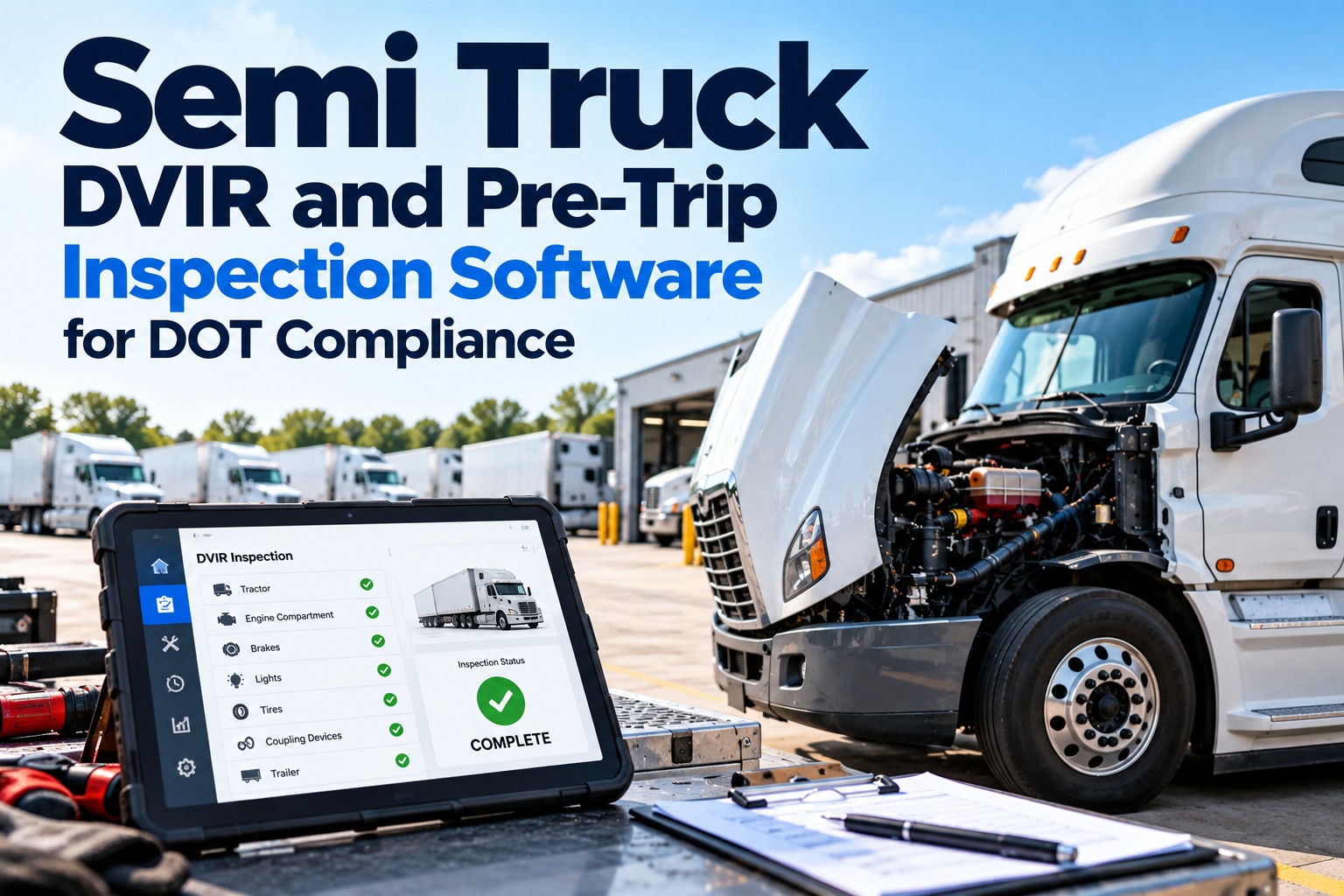
FleetRabbit's driver mobile application presents the pre-trip fleet inspection checklist in a system-by-system sequence that mirrors FMCSA pre-trip training standards. Drivers complete checklists through intuitive pass-fail-swip controls with optional photo documentation for any defect identified. Incomplete checklists or unticked inspection items prevent the driver from electronically signing off on the pre-trip, ensuring no section is skipped. Pre-trip inspection records are automatically time-stamped and geotagged, creating a permanent record that the inspection was performed at the required location and time—critical evidence when defending against allegations that a driver falsified inspection records.
Part 2: Post-Trip and DVIR Fleet Inspection Checklist
The post-trip inspection is the most operationally valuable component of the fleet inspection process—but only if the inspection identifies defects and those defects trigger maintenance action before the vehicle rolls again. FMCSA regulation 49 CFR 396.11 requires that every driver complete a written Driver Vehicle Inspection Report for each vehicle operated, documenting any defect discovered during the post-trip inspection or any defect reported by a prior driver that has not been repaired. The post-trip checklist below is organized by defect categories that correspond directly to FMCSA out-of-service criteria, enabling drivers to identify and escalate safety-critical issues in a standardized format.
Brake System Post-Trip Defect Identification
Tire and Wheel Post-Trip Inspection
Lighting and Electrical Post-Trip Defects
Coupling Device and Cargo Securement
FleetRabbit DVIR to Maintenance Work Order Integration
FleetRabbit closes the loop between driver post-trip inspections and maintenance action through automated work order creation. When a driver completes a post-trip fleet inspection checklist and identifies any defect—regardless of severity—the FleetRabbit platform automatically generates a maintenance work order in the queue of the appropriate shop location. Defect photos captured in the driver app are attached directly to the work order, giving technicians visual context before they touch the vehicle. When the maintenance work order is closed, the driver is automatically notified that the defect has been addressed, and the DVIR is marked resolved in the system—creating a complete, auditable chain from driver defect report to repair confirmation.
Part 3: Fleet Inspection Audit and Documentation Requirements
A fleet inspection checklist that produces records which cannot be retrieved, organized, or presented during an audit is operationally useless. FMCSA regulations require that carriers maintain inspection and maintenance records for the period during which they operate the vehicle plus six months after disposal—a retention period that typically spans three to seven years for active fleet vehicles. The documentation framework below covers the recordkeeping standards that transform daily inspection checklists into defensible evidence during compliance reviews, civil litigation, and roadside DataQ challenges.
Driver Vehicle Inspection Report Record Specifications
Defect Resolution and Certification Documentation
Electronic Fleet Inspection System Certification Requirements
Part 4: Fleet Inspection Program Management and Continuous Improvement
A fleet inspection checklist that never changes is a fleet inspection checklist that is losing effectiveness. Vehicle technology evolves, FMCSA regulations update, accident data reveals new risk patterns, and inspection programs must adapt accordingly. The program management framework below establishes the processes for reviewing inspection data, updating checklist content, and training drivers on inspection technique—transforming compliance checklists from static forms into dynamic safety management tools.
Inspection Data Review and Defect Trend Analysis
Checklist Content Review and Regulatory Alignment
Driver Training and Inspection Competency Verification
FleetRabbit Inspection Analytics and Reporting
FleetRabbit's inspection analytics module processes DVIR data across the entire fleet, generating automated defect trend reports, driver inspection completion rate dashboards, and roadside inspection correlation analysis. The platform identifies vehicles that generate repeat defects in the same system category—for example, a tractor that has had three separate brake chamber defect reports in six months triggers a preventive maintenance review regardless of whether each defect was individually repaired. Fleet managers access real-time inspection performance metrics through the FleetRabbit command center, eliminating the need to manually review paper DVIRs to identify fleet-wide defect patterns.
Frequently Asked Questions
What is the difference between a DVIR and a fleet inspection checklist?
A Driver Vehicle Inspection Report (DVIR) is the formal regulatory document required by FMCSA 49 CFR 396.11 that captures defects discovered during a driver's pre-trip and post-trip inspection. A fleet inspection checklist is the standardized list of inspection items that a driver uses to perform the inspection and complete the DVIR. In practice, the checklist is the operational tool, and the DVIR is the regulatory record produced from that tool. FleetRabbit combines both concepts into a single digital workflow—the driver completes the checklist, and the platform generates the compliant DVIR record automatically from the checklist responses.
Can fleet inspection checklists be customized for different vehicle types?
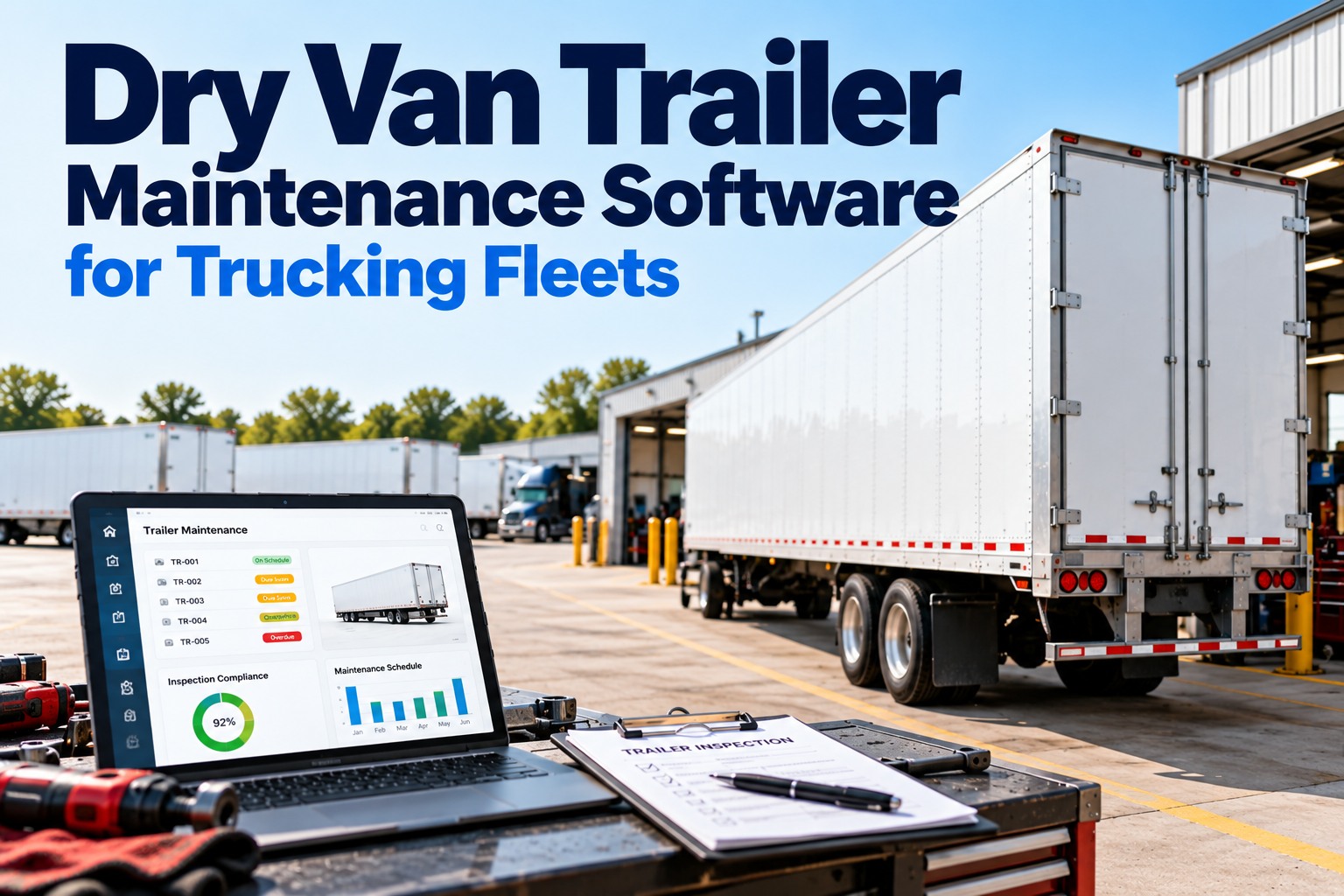
Yes. FMCSA requires that inspections cover all safety-critical systems, but the specific inspection items vary significantly between vehicle configurations—straight truck versus tractor-trailer versus bus versus tanker. FleetRabbit supports vehicle-type-specific checklists, with inspection items automatically presented based on the vehicle classification selected by the driver. A driver inspecting a dry van trailer sees checklist sections for landing gear and roll-up door inspection that would not appear on a flatbed trailer checklist. This vehicle-type customization ensures drivers are not asked to inspect components their vehicle does not have—and equally important, ensures they are not missing inspection items their vehicle does have.
How long must a carrier retain DVIR records under FMCSA?
DVIR records for inspections where no defects were identified must be retained for three months from the date of the inspection. DVIR records for inspections that identified any defect—regardless of whether the defect was repaired—must be retained for twelve months from the date of the inspection. In practice, most carriers retain all DVIR records for twelve months to avoid the administrative complexity of tracking retention periods by defect status. Carriers operating in litigation-prone environments often retain DVIR records for three years from the vehicle disposal date—the statute of limitations period for personal injury claims in most jurisdictions. FleetRabbit retains all inspection records throughout the contract period with export capability, eliminating retention date tracking from the carrier's administrative burden.
Is a driver required to complete a DVIR for every trip?
FMCSA 49 CFR 396.11 requires that a driver complete a DVIR for each vehicle operated at the completion of each day's work. For drivers who operate multiple vehicles in a single day, a separate DVIR is required for each vehicle operated. The regulation does not require a paper DVIR for every trip segment—only for each vehicle each duty day. Many carriers require pre-trip DVIRs in addition to post-trip DVIRs as a fleet policy matter, even though FMCSA only requires a post-trip DVIR by regulation. FleetRabbit supports both pre-trip and post-trip DVIRs with automatic sequencing—the system prevents the driver from closing out a duty day without both inspection records complete.
Can electronic fleet inspection records be signed electronically under FMCSA?
Yes. FMCSA recognizes electronic signatures as equivalent to handwritten signatures provided the electronic signature system meets the requirements of 49 CFR Part 37, which includes user authentication, signature capture that cannot be repudiated by the signer, and a method to associate the signature with the specific record signed. FleetRabbit's electronic signature capture requires driver authentication before signature, records the signature as a unique identifier linked to the driver's account, and cryptographically seals the signed record to prevent subsequent modification. The electronic signature record is admissible in enforcement proceedings and civil litigation under the federal Electronic Signatures in Global and National Commerce Act.
How does FleetRabbit handle driver inspection checklists when the driver has no cellular connectivity?
FleetRabbit's driver mobile application operates fully offline in environments without cellular or Wi-Fi coverage. Drivers complete pre-trip and post-trip inspection checklists, capture photo documentation of defects, and submit DVIR signatures without connectivity. All inspection data, photo attachments, and signature records are buffered locally on the driver's device and synchronized automatically to the FleetRabbit cloud platform when connectivity is restored. The offline-synchronized record carries the same time-stamp and geolocation data as a record submitted online—there is no distinction in the audit trail between online and offline submissions.
What happens if a driver identifies a critical defect during a post-trip inspection?
When a driver identifies a critical defect—any condition that would result in an out-of-service order at roadside—FleetRabbit automatically creates a priority maintenance work order assigned to the shop servicing the vehicle's current location. The work order includes the driver's defect description, photo documentation, and FMCSA out-of-service criteria reference. The shop supervisor receives an immediate push notification regardless of time of day, and the vehicle is flagged as out-of-service in the system. No driver can assign that vehicle to a new trip until the work order is closed with a certification that the defect has been repaired. This automated escalation eliminates the common failure mode where a driver reports a critical defect on a paper DVIR that sits in a drop box until the next morning—after another driver has already taken the vehicle on the road.
Build Your Digital Fleet Inspection Program with FleetRabbit
FleetRabbit's inspection platform includes pre-built fleet inspection checklists for pre-trip and post-trip inspections, configurable to your fleet's vehicle types, operating environment, and regulatory exposure. Implement digital inspection checklists across your entire driver fleet without managing paper forms, chasing missing DVIRs, or building custom inspection applications from scratch.
Fleet managers using FleetRabbit's digital inspection platform report reduced roadside violation rates, faster audit response times, and maintenance cost reductions from earlier defect identification. The platform is deployed fleet-wide with role-specific training for drivers, shop technicians, and compliance managers—not as a generic checklist app, but as a configured solution built around your fleet's inspection program and safety culture.
Schedule Your FleetRabbit Fleet Inspection Platform Demonstration
See how FleetRabbit's digital fleet inspection system connects driver checklists to maintenance work orders, supervisor review workflows, and DOT-exhibition-ready documentation in a single platform. We demonstrate against your fleet's vehicle types and inspection program—not in a generic demo environment.