.png)
A well-documented fleet management policy is the foundation of safe, efficient, and compliant operations. Yet most fleets operate without written policies — relying instead on informal practices, driver assumptions, and reactive incident response. FleetRabbit's free fleet management policy template provides your entire organization with a clear, standardized framework for vehicle use, driver conduct, maintenance, fuel management, and DOT compliance. Download the template, customize it for your fleet, and establish the operational consistency that reduces costs, prevents violations, and protects your business.
Why Your Fleet Needs a Written Management Policy
A fleet management policy isn't bureaucratic overhead — it's operational clarity. Written policies establish clear expectations about vehicle use, maintenance, driver conduct, and compliance obligations. Drivers know exactly what's expected. Supervisors know exactly what to enforce. Compliance officers know exactly what to document. The result is fewer misunderstandings, fewer violations, fewer accidents, and lower overall fleet costs.
Without a written policy, enforcement becomes subjective. One driver gets disciplined for idling, another doesn't. One vehicle gets maintained on schedule, another sits until something breaks. One supervisor documents incidents thoroughly, another files incomplete reports. These inconsistencies create compliance exposure, safety risk, and liability vulnerability.
What Should Be Included in a Fleet Management Policy
A comprehensive fleet management policy covers six core areas. Each section addresses specific operational requirements, compliance obligations, and safety standards that apply to every driver, supervisor, and fleet manager in your organization.
Establishes who is authorized to operate fleet vehicles, the permitted uses of vehicles, restrictions on personal use, passenger policies, and procedures for authorizing third-party drivers. Specifies whether vehicles may be used for personal purposes, defines what constitutes "business use," and establishes accountability for fuel consumption and mileage tracking.
Defines expected driver behavior behind the wheel, including speed limits, distracted driving restrictions, seat belt requirements, mobile device use, substance abuse policies, and fatigue management. Establishes consequences for violations and references state and federal safety regulations that drivers must comply with.
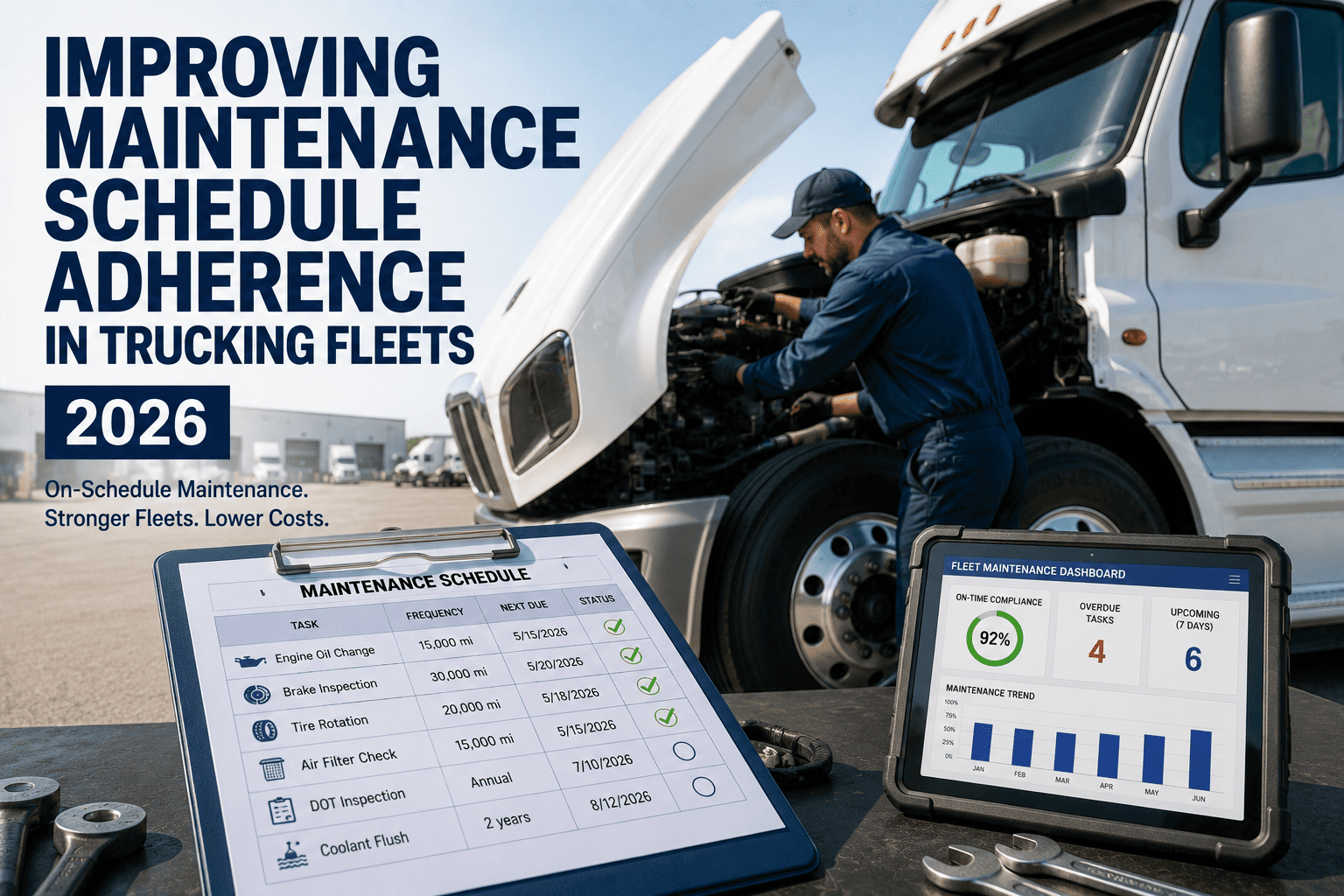
Requires pre-trip and post-trip inspections, defines inspection reporting procedures, establishes maintenance scheduling, specifies which defects are out-of-service violations, and requires documentation of repairs. Aligns with FMCSA requirements under 49 CFR 396 for DVIR compliance and vehicle fitness standards.
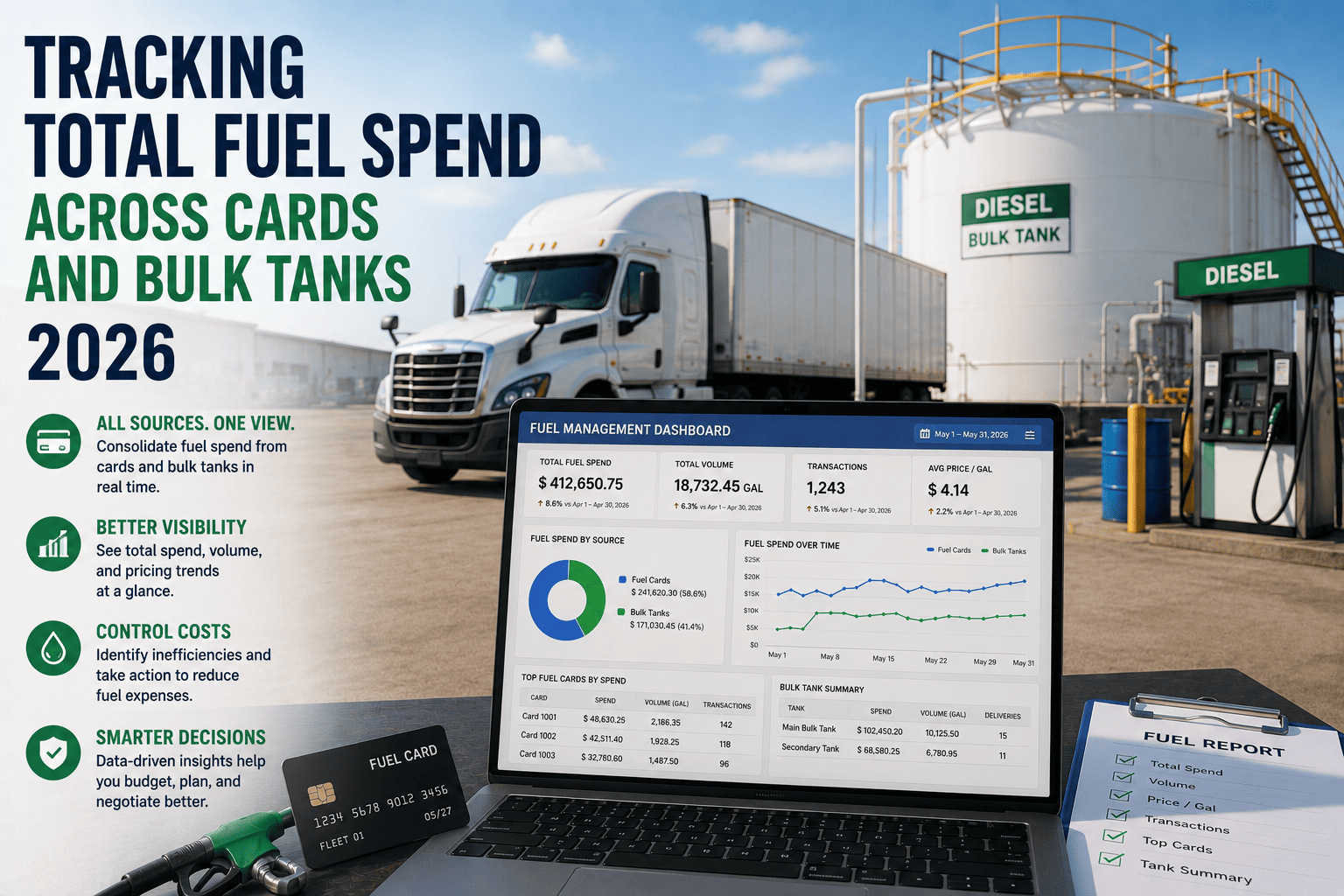
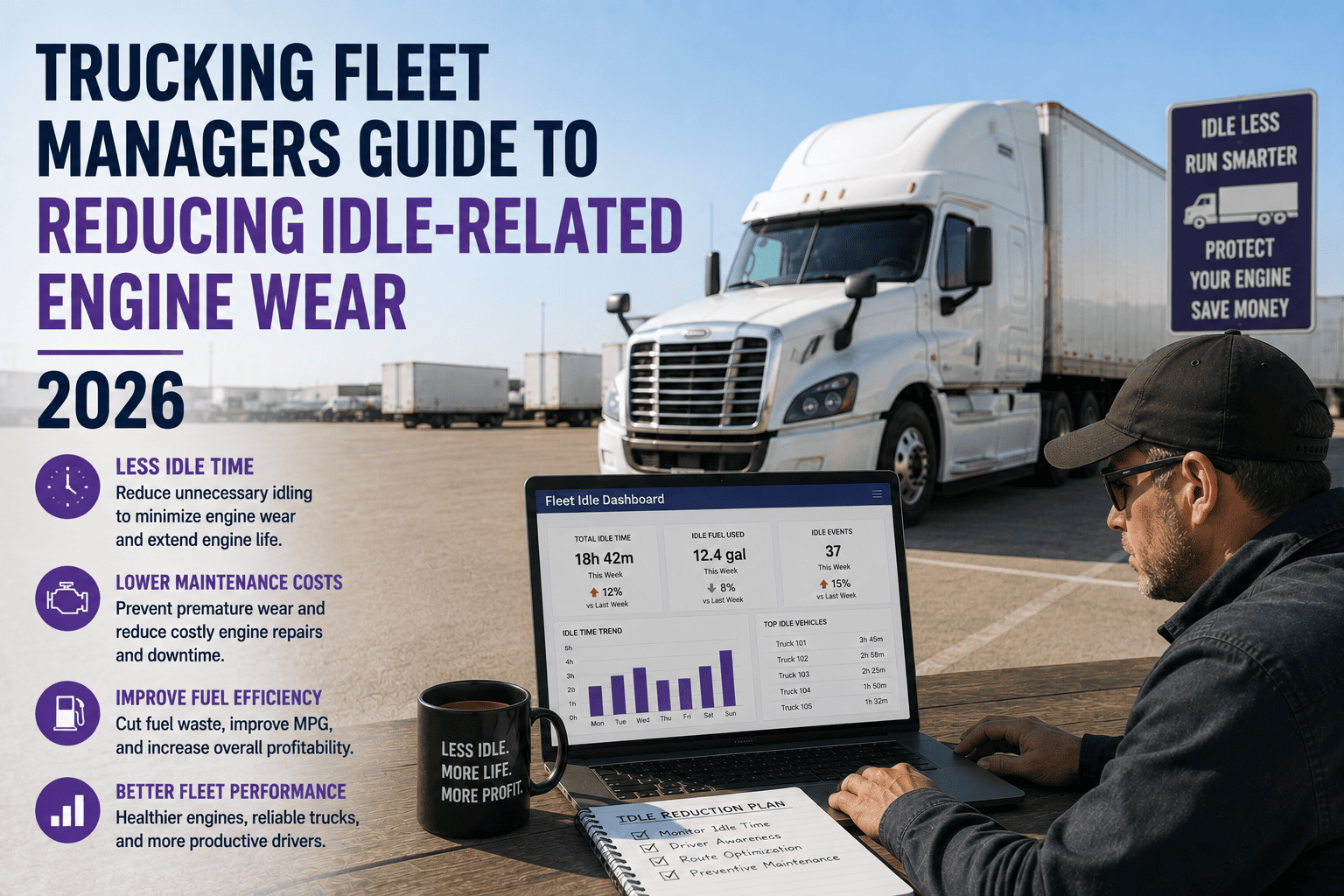
Addresses fuel card usage, authorization procedures, fuel station selection, unauthorized fuel purchases, and fuel theft prevention. Establishes fuel consumption benchmarks, identifies excessive idling and its costs, and defines accountability for fuel expenses and anomalies.
Requires all accidents, near-misses, and injuries to be reported immediately, defines incident severity levels, establishes timelines for reporting to insurance and regulatory agencies, and specifies investigation procedures. Ensures compliance with FMCSA accident reporting requirements and protects the fleet during liability disputes.
Establishes document retention periods for driver qualifications, vehicle inspection records, maintenance history, fuel receipts, and incident reports. Specifies which records must be available during DOT audits, defines how records are organized and retrieved, and assigns responsibility for compliance documentation.
Key Policy Elements: What Must Be Documented
Beyond the six core policy areas, certain elements are legally required by federal regulation and industry best practice. Your fleet management policy must address these elements to ensure compliance and operational consistency.
Age requirements (minimum 21), valid commercial driver's license, medical certification, MVR checks, drug and alcohol testing procedures, and disqualification criteria. FMCSA requires documented proof of these qualifications in the driver qualification file.
References federal HOS regulations under 49 CFR 395, requires driver understanding of 11-hour driving limit and 10-hour rest requirement, establishes accountability for ELD records, and defines disciplinary procedures for HOS violations or falsification.
Defines minimum vehicle inspection standards per 49 CFR 396, specifies which defects are out-of-service violations, establishes preventive maintenance schedules, and requires documented repairs. Vehicles must be maintained in a condition suitable for safe operation.
FMCSA requires reportable accidents to be submitted within 24 hours, injuries or fatalities within 12 hours. Your policy must specify who is notified, what information must be captured at the scene, and the escalation process to ensure regulatory deadlines are met.
Specifies initial and refresher training requirements, safety training frequency, documentation of training completion, hazmat training if applicable, and defensive driving programs. Training documentation becomes part of the driver qualification file.
Defines consequences for policy violations, establishes whether discipline is progressive or based on violation severity, specifies documentation requirements for disciplinary actions, and ensures consistent enforcement across all drivers.
Fleet Policy Template: Core Policy Document Sections
Your fleet management policy should follow a standard structure that covers purpose, scope, definitions, requirements, and responsibilities. Use this framework to organize your policy document.
This section explains the policy's purpose, applies to all employees with access to fleet vehicles, identifies the fleet manager or safety director as the policy owner, and specifies the effective date and any previous policy versions being superseded. Keep this section brief and clear about who is covered and why the policy matters.
Define what you mean by "fleet vehicle," "authorized driver," "business use," "reportable accident," "preventive maintenance," "defect," "out-of-service," and any other terms specific to your operation. Definitions prevent ambiguity and misinterpretation when the policy is applied.
Include driver eligibility criteria, vehicle assignment procedures, authorization for third-party drivers, restrictions on personal use, passenger policies, and procedures for vehicle checkout and return. Specify accountability for fuel consumption, mileage, and vehicle condition.
Cover speed limits, aggressive driving, distracted driving (especially mobile device use), seat belt requirements, substance abuse policies, pre-employment drug testing, random testing protocols, HOS compliance, and fatigue management. Reference applicable federal regulations and specify disciplinary consequences for violations.
Require pre-trip and post-trip inspections, define how defects are reported, establish maintenance scheduling, specify out-of-service criteria, require documented repairs, and ensure FMCSA compliance with 49 CFR 396. Specify responsibility for inspection completion and record retention.
Define fuel card authorization procedures, establish approved fuel stations, address fuel consumption monitoring and benchmarks, prevent unauthorized fuel purchases, address fuel theft concerns, and require accountability for fuel expenses. Include idling reduction policies and engine shutdown requirements.
Require drivers to report all accidents and near-misses immediately, define who must be notified, specify incident severity levels, reference FMCSA 24-hour reporting requirement, establish investigation timelines, require evidence preservation and photo documentation, and assign investigation responsibility.
Specify record retention periods for driver qualifications (3 years), vehicle inspections (3 months minimum, longer for litigation), maintenance records, fuel receipts, and incident documentation. Define how records are organized for DOT audit readiness and assign responsibility for record management.
Include an acknowledgment form that all drivers must sign, confirming they have read and understand the policy, agree to comply with all requirements, and understand the consequences of violations. Attach driver training documentation to this acknowledgment.
Regulatory Compliance: Which Federal Requirements Must Your Policy Address
Your fleet management policy isn't created in a vacuum. Federal motor carrier safety regulations establish mandatory requirements that your policy must address. Here are the core federal regulations your policy must reference and comply with.
How to Customize the Fleet Policy Template for Your Operations
The template provides a starting framework. You'll customize it based on your fleet size, vehicle types, operating territory, and specific operational needs. Here's how to adapt the template to your operation.
Identify whether you operate Class 8 heavy trucks, light commercial vehicles, or mixed fleet; how many drivers you employ; your primary operating territory (local, regional, interstate); and whether you transport hazardous materials. These factors determine policy complexity and specific compliance requirements.
Review your existing informal practices, identify current pain points, audit your incident history for patterns, assess current compliance documentation gaps, and evaluate driver and supervisor feedback on policy needs. Use this assessment to identify which policy sections need the most emphasis.
Consult with your insurance carrier about specific policy requirements they mandate, review state-specific requirements that exceed federal minimums, consult employment counsel on discipline and termination language, and ensure your policy aligns with your hiring and performance documentation practices.
Establish your specific fuel station network and fuel card authorization procedures, define your preventive maintenance schedule based on manufacturer recommendations, create your incident severity classification system, establish your specific escalation contacts and procedures, and define your inspection and documentation processes.
Define progressive discipline procedures or severity-based consequences, specify whether certain violations result in automatic termination, establish documentation requirements for all disciplinary actions, ensure consistency across all drivers and supervisors, and align with your overall HR policies.
Have your employment attorney review the final policy for legal compliance and enforceability, get executive sign-off from leadership, document the approval in your compliance records, establish an effective date, and prepare a rollout communication to all drivers and supervisors.
Implementing Your Fleet Management Policy: From Template to Practice
Publishing the policy is only the first step. Implementation requires training, documentation, consistent enforcement, and ongoing oversight. Here's how to implement the policy so it actually affects driver behavior and compliance.
Policy Communication: How to Present the Policy to Drivers
How you communicate the policy matters as much as the policy itself. Effective communication ensures drivers understand requirements, accept accountability, and actively comply with standards rather than resisting or working around them.
Present the policy as establishing clear expectations that protect all drivers, prevent accidents, and ensure equipment reliability. Emphasize that consistency and fairness benefit everyone. Avoid presenting policy as punishment or distrust.
Help drivers understand why each requirement exists, connect policy requirements to their safety and the fleet's success, reference real-world examples from your operation or industry, and acknowledge what gets easier when policies are followed.
Use bullet points, clear headings, and visual breaks for readability, provide one-page quick reference guides for drivers, use diagrams or flowcharts for complex procedures, distribute digital and printed copies so drivers have the policy at hand.
Ask drivers for input on policy clarity and practicality, address questions and concerns directly, show that you're listening and willing to refine procedures based on feedback, build buy-in by making drivers part of the process rather than passive recipients.
Implement Your Fleet Management Policy with Built-In Compliance Tracking
A written policy is a start. Digital enforcement makes it effective. FleetRabbit's fleet management platform automates inspection tracking, incident reporting, maintenance scheduling, and compliance documentation so your policy requirements become operational reality — not just paper. Every driver sees the same expectations. Every violation is documented. Every deadline is tracked. Every record is audit-ready.
Fleet Policy Template FAQs
Review your policy at least annually, preferably each fiscal year before budget planning. Update when federal regulations change, when insurance requirements shift, when your fleet or operations change substantially, or when you identify consistent gaps between policy and practice. Document every review and update date.
Your policy should define whether discipline is progressive (warnings, suspension, termination) or severity-based (minor violations warrant warnings, serious violations warrant termination). Certain violations like DUI, falsifying inspection reports, or gross negligence may result in immediate termination. Document every violation and disciplinary action consistently across all drivers.
Have an employment attorney review your policy before implementation, especially the discipline and termination sections. Review state-specific employment laws and regulations that may exceed federal minimums. Ensure your policy aligns with your overall HR practices. This protects your fleet legally and ensures enforceability.
If you reimburse drivers for personal vehicle use for business purposes, your policy should address personal vehicle standards, insurance requirements, maintenance expectations, and liability. If you only operate company vehicles, the policy should clearly state that personal use of company vehicles is prohibited or restricted.
Yes. Make policy acknowledgment part of your standard onboarding packet. Every new driver should receive the policy, attend training, and sign the acknowledgment before being assigned a vehicle. Maintain the signed acknowledgment in the driver qualification file. This creates legal documentation of driver understanding and agreement.
Yes. FleetRabbit automates inspection documentation, tracks maintenance compliance, logs incident reports, generates compliance reports, and maintains audit-ready records so every policy requirement is documented. Start free and configure policy enforcement workflows or book a demo to see policy automation in action.
Build Policy Compliance into Your Fleet Operations
A policy template gives you the framework. Digital enforcement makes it real. Download the free fleet management policy template, customize it for your fleet size and operations, implement it with driver training and acknowledgment, and use FleetRabbit to document compliance and track every requirement automatically.
No contracts · Customizable templates · Policy enforcement automation · 3 vehicles free forever