Effective fleet management requires more than just assigning vehicles and monitoring drivers. The fleet manager role has transformed from a logistics coordinator into a strategic position that directly influences operating costs, safety performance, and regulatory compliance. Understanding the full scope of fleet manager job description, responsibilities, and the tools required to execute them is essential for both organisations seeking to hire the right talent and professionals planning their career progression in transportation and logistics.
Careers
Fleet Management
Medium Priority
8 min read
Guide Overview
This guide covers the complete fleet manager job description framework — from core responsibilities in operations, maintenance, safety, and compliance to the essential skills, certifications, and software tools required for success in modern fleet management. Whether you are writing a job posting, preparing for an interview, or developing a career roadmap, this resource provides the structural framework for understanding what fleet managers actually do and how technology has reshaped those responsibilities.
What Is a Fleet Manager? Role Definition and Scope
A fleet manager oversees an organisation's commercial vehicles — ensuring that trucks, vans, cars, or specialised equipment are available, safe, compliant, and cost-effective to operate. The role spans operational execution, financial management, regulatory compliance, personnel supervision, and strategic planning. Unlike single-function logistics roles, fleet management requires integrated decision-making that balances vehicle availability against maintenance cost, driver safety against delivery pressure, and capital investment against operating expense.
The scope of fleet management varies significantly by organisation size and fleet composition. A small last-mile delivery fleet might assign fleet responsibilities to an operations manager who also handles dispatch and customer service. A regional LTL carrier with 200 vehicles will likely have a dedicated fleet manager supported by maintenance supervisors, compliance specialists, and data analysts. A national private fleet can include an entire fleet department with director-level leadership, specialised managers for maintenance, procurement, safety, and analytics, plus administrative support staff. Understanding this variation is essential for writing accurate job descriptions and setting realistic performance expectations.
25-35%
of operating budget typically managed by fleet function in transportation and logistics organisations
$1,200+
cost per vehicle per year typically influenced by fleet manager decisions on fuel, maintenance, and utilisation
8-12
distinct functional areas fleet managers coordinate — operations, maintenance, safety, compliance, procurement, disposal, driver management, analytics
40-60%
of fleet manager time consumed by exception handling and problem resolution in organisations without mature analytics capabilities
Core Fleet Manager Responsibilities and Daily Functions
Fleet manager responsibilities fall into eight functional domains. The weight of each domain varies by fleet type and organisational structure, but all eight appear in every comprehensive fleet manager job description.
Responsibility Domain
Vehicle Acquisition and Replacement
Specifying, sourcing, and financing fleet vehicles to meet operational requirements while minimising total cost of ownership. Fleet managers establish replacement cycles based on age, mileage, maintenance history, and technology obsolescence. Acquisition decisions require balancing capital expenditure against operating cost projections and considering alternative strategies such as leasing, rental, or subscription models for specific use cases.
Responsibility Domain
Maintenance and Repair Management
Developing preventive maintenance schedules, authorising repairs, managing in-house or third-party maintenance providers, and tracking maintenance cost per mile. Fleet managers use telematics data and diagnostic codes to shift from reactive to predictive maintenance — scheduling repairs based on actual component condition rather than fixed intervals. This domain also includes tyre management, parts inventory control, and warranty recovery.
Responsibility Domain
Fuel and Energy Management
Monitoring fuel consumption, negotiating fuel card programmes, analysing fuel efficiency by vehicle and driver, and implementing reduction strategies for idle time, route efficiency, and driver behaviour. For fleets transitioning to electric vehicles, this domain expands to include charging infrastructure planning, energy cost management, and range optimisation strategies.
Responsibility Domain
Driver Management and Coaching
Recruiting, training, and supervising drivers — including performance monitoring, safety coaching, and compliance with hours-of-service regulations. Fleet managers use driver scorecards and telematics data to deliver objective feedback on fuel efficiency, idle time, safety events, and on-time performance. This domain also includes driver retention strategies, recognition programmes, and corrective action processes.
Responsibility Domain
Safety and Compliance
Ensuring fleet operations comply with all applicable regulations — including driver qualifications, hours of service, vehicle inspections, hazardous materials handling, and electronic logging device requirements. Fleet managers maintain compliance documentation, conduct internal audits, manage crash reporting and investigation, and implement safety improvement programmes based on incident data analysis.
Responsibility Domain
Fleet Utilisation and Productivity
Maximising the revenue-generating use of fleet assets through data-driven decisions about fleet sizing, vehicle assignment, route optimisation, and peak capacity strategies. Underutilised vehicles carry fixed costs without generating corresponding revenue. Fleet managers analyse utilisation metrics to identify assets that can be redeployed, sold, or replaced with on-demand capacity solutions.
Responsibility Domain
Financial Management and Reporting
Developing and managing fleet budgets, tracking cost per mile by vehicle and route, forecasting future expenses, and reporting fleet financial performance to senior management. Fleet managers analyse variance between budgeted and actual costs, identify cost drivers, and implement corrective actions. This domain also includes lifecycle cost analysis for replacement decisions and total cost of ownership modelling for procurement.
Responsibility Domain
Technology and Data Management
Implementing and managing fleet technology systems — telematics hardware, fleet management software, analytics platforms, and integration with other operational systems. Fleet managers ensure data quality, configure exception alerts and reports, train users on system functionality, and leverage analytics to identify cost reduction and performance improvement opportunities.
Essential Fleet Manager Skills and Competencies
The fleet manager role demands a combination of technical knowledge, operational experience, management capability, and increasingly, data literacy. The skill profile below distinguishes between foundational competencies required for any fleet management role and advanced competencies that differentiate high-performing fleet managers.
01
Operational Knowledge
Understanding vehicle specifications, maintenance requirements, fuel systems, tyre management, and the operational constraints of different fleet applications. Fleet managers without practical vehicle knowledge struggle to evaluate mechanic recommendations, specify appropriate equipment, or assess the credibility of telematics alerts. This knowledge is typically developed through hands-on experience or formal training programmes.
02
Financial Acuity
Ability to build and manage budgets, calculate cost per mile, perform lifecycle cost analysis, evaluate lease versus purchase decisions, and communicate financial performance to non-fleet executives. Fleet managers need sufficient financial literacy to model trade-offs between capital expenditure and operating expense, quantify the ROI of technology investments, and identify cost reduction opportunities hidden in operational data.
03
Regulatory Knowledge
Understanding of applicable regulations — hours of service, vehicle inspection requirements, driver qualification files, electronic logging device compliance, hazardous materials transport, and emissions standards. Regulatory non-compliance creates financial penalties, legal liability, and reputational damage. Fleet managers must maintain current knowledge as regulations evolve and ensure their operations remain compliant.
04
Leadership and Communication
Ability to supervise maintenance technicians and drivers, communicate performance expectations clearly, deliver coaching feedback constructively, and represent fleet interests in discussions with senior management. Fleet managers who lack leadership skills struggle to improve driver behaviour, retain skilled technicians, or secure budget approval for necessary investments.
05
Data Literacy
Ability to interpret telematics data, distinguish meaningful signals from noise, configure analytics dashboards and exception alerts, and translate data insights into operational decisions. The modern fleet manager does not need data science skills but must understand how to ask the right questions of fleet data and recognise when analytics outputs indicate real problems requiring intervention.
06
Problem-Solving and Decision-Making
Capacity to diagnose root causes of recurring issues — chronic vehicle breakdowns, declining fuel efficiency, driver safety events — and implement effective corrective actions. Fleet managers operate in environments where problems rarely have single causes. Effective problem-solving requires gathering sufficient data, distinguishing correlation from causation, and implementing solutions that address underlying causes rather than symptoms.
Fleet Manager Tools and Software Platforms
The tools fleet managers use have evolved significantly from spreadsheets and paper logs. Modern fleet management requires integrated software platforms that provide real-time visibility, automated exception detection, and decision-support analytics. The tool categories below represent the core technology stack for professional fleet management.
Essential Tool
Telematics and GPS Tracking
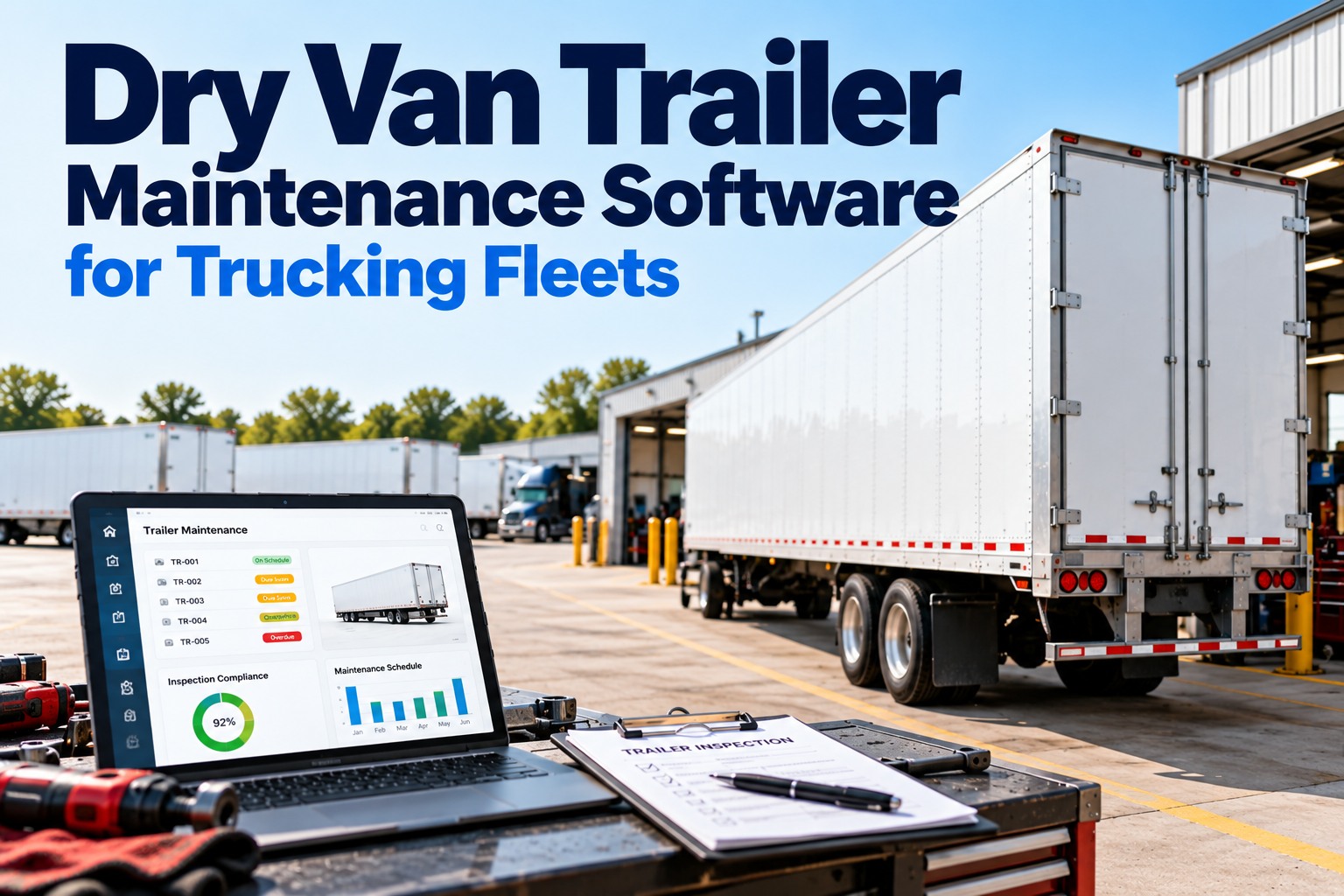
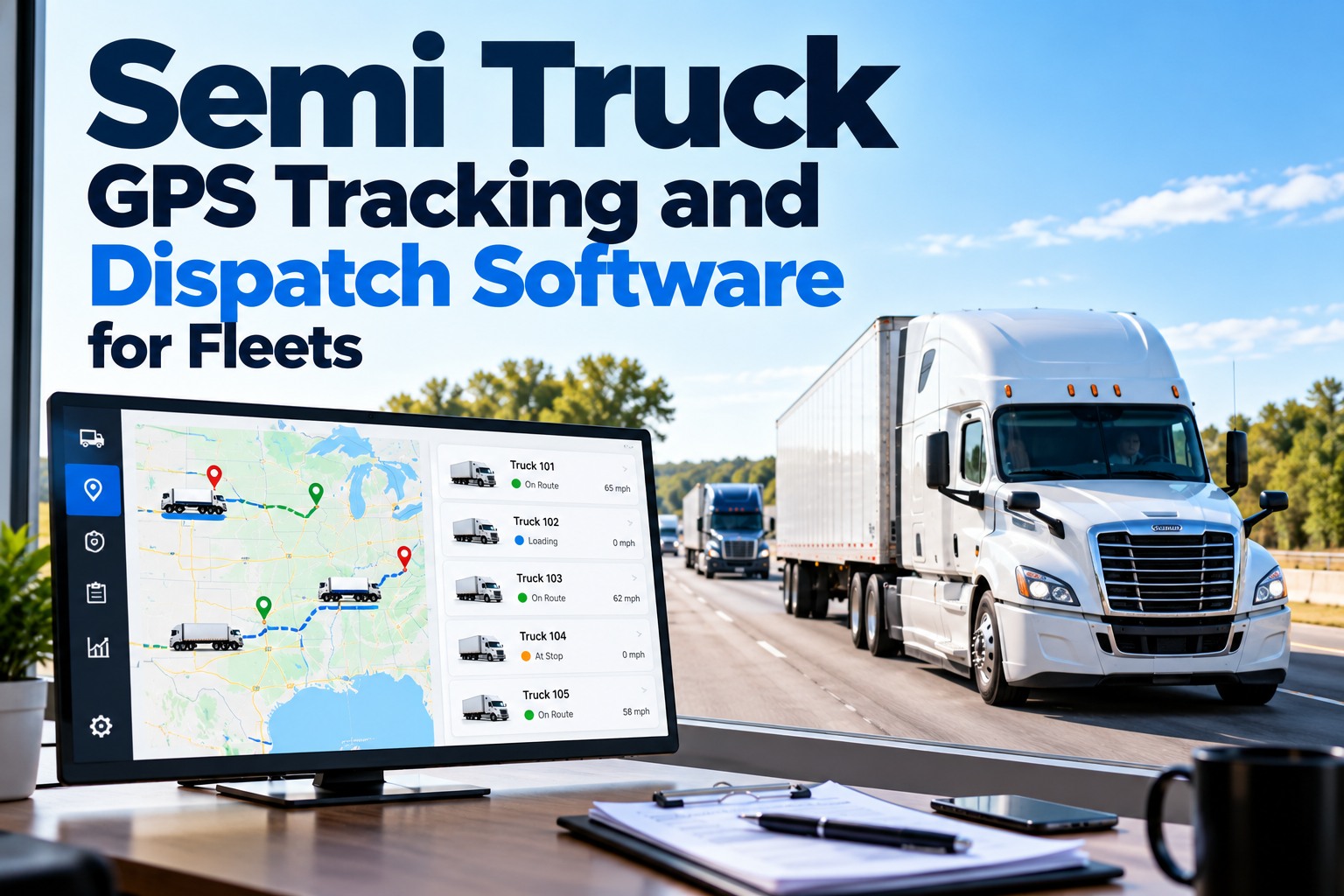
Hardware devices installed in vehicles that transmit location, speed, engine diagnostics, fuel consumption, acceleration, braking, and idle time data to cloud-based platforms. Telematics provides the raw data that powers all other fleet analytics. Fleet managers use telematics for real-time vehicle location, route verification, driver behaviour monitoring, and maintenance alerting.
Essential Tool
Fleet Management Software
Centralised platforms that integrate telematics data with maintenance records, fuel card transactions, driver files, compliance documentation, and financial reporting. Fleet management software eliminates the data fragmentation that occurs when fleets use separate systems for different functions. Fleet managers use these platforms for exception-based workflows, automated reporting, and decision support.
Essential Tool
Analytics and Reporting Dashboard
Specialised analytics modules that transform raw telematics and operational data into decision-ready dashboards, custom reports, and exception alerts. Fleet managers use analytics dashboards to monitor cost per mile by vehicle and driver, identify fuel efficiency outliers, track unscheduled maintenance ratios, and measure improvement campaign effectiveness. FleetRabbit's analytics platform provides this capability with configurable dashboards and automated alerting.
Essential Tool
Maintenance Management System
Specialised software for scheduling preventive maintenance, tracking work orders, managing parts inventory, recording repair histories, and forecasting component replacement. Integration with telematics enables predictive maintenance alerts based on actual vehicle condition. Fleet managers use maintenance systems to shift from reactive to planned maintenance — reducing breakdowns and extending component life.
Essential Tool
Driver Management and Compliance
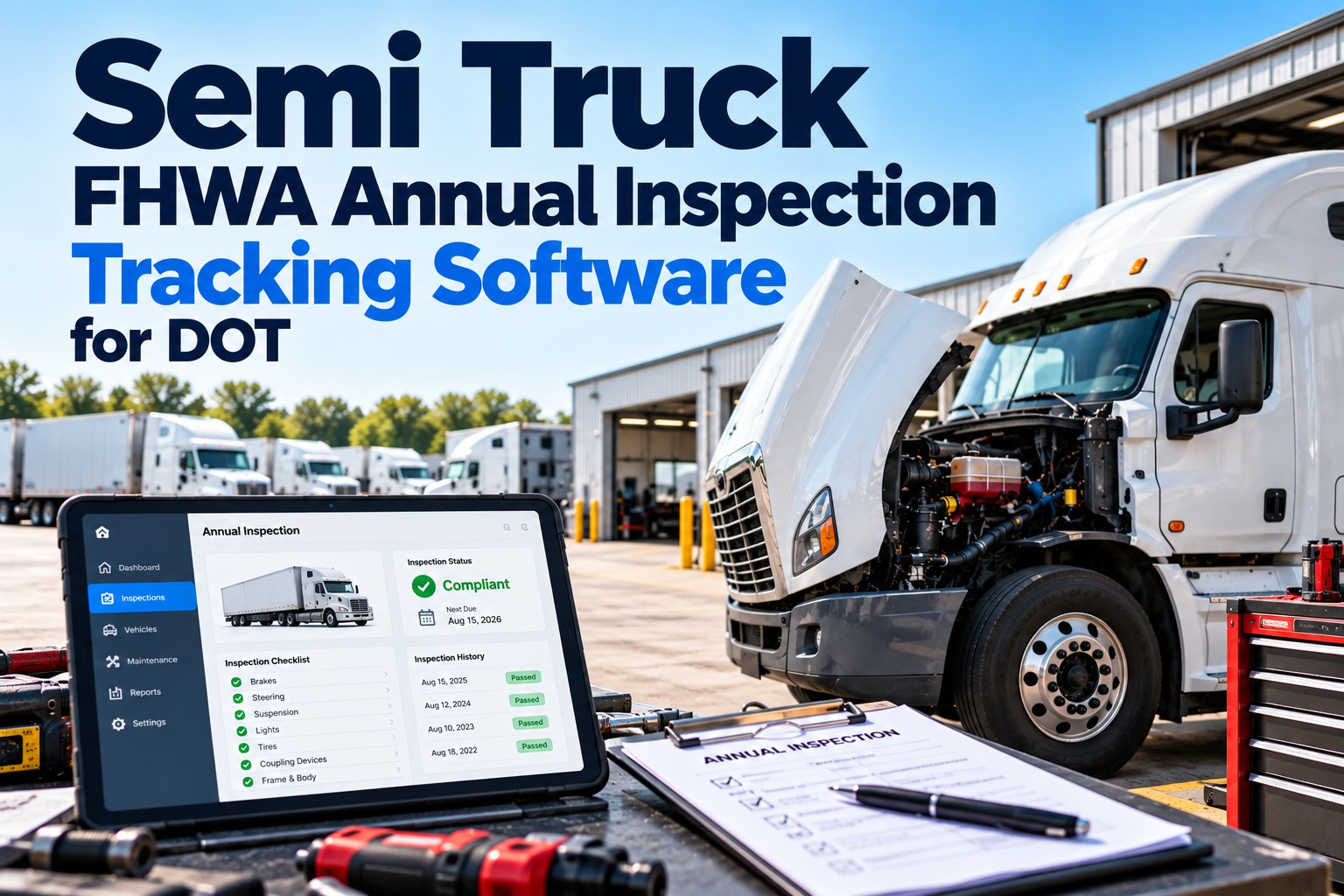
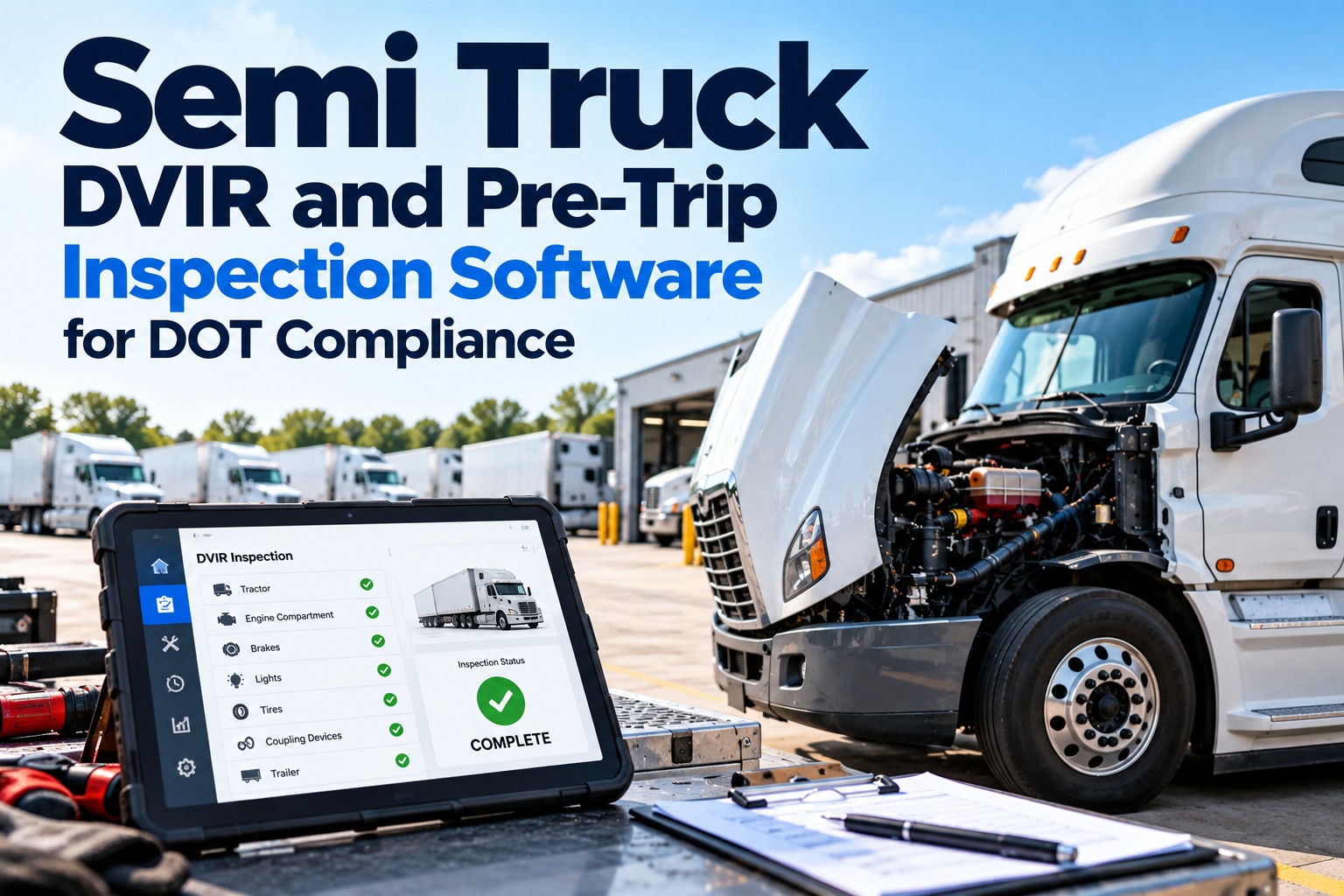
Systems for managing driver qualifications, hours-of-service logs, vehicle inspection reports, safety event records, and coaching documentation. Regulatory compliance requires systematic record-keeping and audit trails. Fleet managers use these systems to maintain compliance, track driver performance trends, and document coaching and disciplinary actions.
Essential Tool
Route Planning and Optimisation
Software that generates efficient delivery sequences based on stop locations, time windows, vehicle capacities, and traffic conditions. Route optimisation directly affects fuel consumption, vehicle utilisation, and driver productivity. Fleet managers use route planning systems to balance delivery efficiency against driver hours-of-service constraints and customer service requirements.
Build Your Fleet Analytics Capability with FleetRabbit
FleetRabbit's analytics dashboard and reporting platform gives fleet managers the real-time visibility and exception alerts required to reduce operating costs and improve fleet performance. Book a demo to see how the platform handles your specific reporting requirements.
Fleet Manager Job Description Template and Structure
Writing an effective fleet manager job description requires balancing specificity about required competencies with flexibility to attract candidates from relevant adjacent fields. The template below provides a structured framework adaptable to fleets of different sizes and types.
Job Description Section
Position Summary
Brief overview of the role, its place in the organisation, and its contribution to business objectives. The summary should indicate fleet size, composition, and any distinguishing characteristics — such as geographic scope, special equipment types, or regulatory environment. Example: The Fleet Manager oversees a 150-vehicle regional delivery fleet, managing maintenance programmes, driver performance, compliance, and fleet budget to achieve cost per mile and safety targets.
Job Description Section
Key Responsibilities
Specific, actionable responsibilities organised by functional domain — vehicle acquisition, maintenance management, fuel management, driver supervision, safety compliance, utilisation optimisation, financial reporting, technology management. Each responsibility should be phrased as an action the role performs, with measurable outcomes where possible. Avoid generic statements that could apply to any management role.
Job Description Section
Required Qualifications
Minimum education, experience, certifications, and technical skills. Typical requirements include high school diploma or equivalent plus three to five years fleet management experience; bachelor's degree in business, logistics, or supply chain management for larger fleets; certification such as Certified Fleet Manager or Certified Automotive Fleet Manager for senior roles; proficiency with fleet management software and telematics platforms.
Job Description Section
Preferred Qualifications
Differentiating qualifications that indicate higher capability or readiness for advancement. Examples include experience with electric vehicle fleets, advanced data analytics certification, experience implementing telematics programmes, knowledge of specific fleet management platforms, or experience managing fleets of particular size or type.
Job Description Section
Key Performance Indicators
The metrics by which fleet manager performance will be evaluated — cost per mile or kilometre, fuel efficiency, unscheduled maintenance ratio, vehicle utilisation rate, safety event frequency, compliance audit results, and driver retention rate. Including KPIs in the job description signals that fleet management is an accountable, data-driven role.
Fleet Manager Career Progression and Advancement
Fleet management offers structured career progression from entry-level coordination roles to executive leadership. Understanding advancement pathways helps both organisations develop internal talent and professionals plan their career development.
Entry Level
Fleet Coordinator or Dispatcher: Supports fleet operations through data entry, fuel card administration, maintenance scheduling, driver communication, and compliance documentation. Typically reports to a fleet manager or operations manager. Advancement requires demonstrating reliability, attention to detail, and willingness to learn fleet systems and regulations. Time in role typically one to three years.
Mid Level
Fleet Manager: Directly manages fleet operations for fleets of 25 to 200 vehicles — including maintenance programmes, driver supervision, compliance, and budget management. Responsible for achieving cost per mile and safety targets. Advancement requires demonstrated cost reduction achievements, successful technology implementation experience, and ability to manage larger or more complex fleets. Time in role typically three to seven years.
Senior Level
Senior Fleet Manager or Fleet Director: Oversees multiple fleet locations or fleets larger than 200 vehicles. Responsible for fleet strategy, capital planning, technology roadmap development, and cross-functional integration with procurement, finance, and operations. Typically manages a team of fleet managers and specialists. Advancement requires strategic thinking, executive communication skills, and proven ability to drive enterprise-wide improvement.
Executive Level
VP of Fleet or Chief Logistics Officer: Sets enterprise fleet strategy, determines fleet composition and sourcing approach, establishes performance standards, and represents fleet interests at board level. Responsible for fleet cost as a percentage of revenue and alignment with corporate sustainability and financial objectives. Requires broad business acumen and ability to translate operational decisions into strategic outcomes.
Certifications and Professional Development for Fleet Managers
Professional certifications demonstrate validated knowledge and can accelerate career advancement. The certifications below are most recognised in the fleet management industry.
Certified Fleet Manager (CFM)
Offered by the National Association of Fleet Administrators, the CFM certification validates knowledge across fleet management domains — including vehicle acquisition, maintenance management, fuel management, remarketing, risk management, and administration. Requires passing an examination and meeting experience requirements. Widely recognised as the standard credential for fleet management professionals in corporate and government fleets.
Certified Automotive Fleet Manager (CAFM)
Offered by Automotive Fleet and the Fleet Management Association, the CAFM programme covers asset management, maintenance, fuel management, risk management, information management, and financial analysis. Requires completion of educational modules and passing examinations. Particularly valued in corporate fleet environments with mixed passenger and light truck fleets.
NAFA Certified Automotive Fleet Specialist
An entry-level certification for fleet professionals early in their careers or transitioning into fleet management from other functions. Covers fundamentals of fleet management without the advanced financial and strategic content of full CFM or CAFM programmes. Useful for fleet coordinators, analysts, and supervisors preparing for fleet manager roles.
Commercial Driver's License (CDL)
While not a management certification, CDL holders bring practical driving experience that can inform driver coaching, route planning, and regulatory compliance. Many employers prefer fleet managers who have driven commercial vehicles and understand the operational realities drivers face daily.
Compensation and Salary Ranges for Fleet Managers
Fleet manager compensation varies significantly by fleet size, industry, geographic location, and the scope of responsibilities. The ranges below represent current market conditions for full-time fleet management positions.
Role Level
Annual Salary Range
Typical Bonus/Earnings
Fleet Coordinator
$45,000 – $65,000
$2,000 – $5,000
Fleet Manager (Small Fleet, 25-75 vehicles)
$65,000 – $85,000
$5,000 – $10,000
Fleet Manager (Mid Fleet, 76-200 vehicles)
$80,000 – $110,000
$8,000 – $15,000
Senior Fleet Manager or Director (200+ vehicles)
$100,000 – $150,000
$15,000 – $30,000
VP of Fleet or Chief Logistics Officer
$140,000 – $200,000+
$25,000 – $75,000+
Common Fleet Manager Interview Questions
Organisations hiring fleet managers should design interview questions that probe both technical knowledge and practical judgment. Candidates should prepare responses that demonstrate problem-solving methodology and measurable results.
Describe your process for determining when to replace a vehicle versus repairing it. What data points inform that decision, and how do you quantify the trade-off between capital expenditure and continued operating cost?
Sample Question
Probes lifecycle cost analysis capability and data-informed decision-making
Tell me about a time you used telematics or fleet analytics to identify a cost problem that was not previously visible. What did the data reveal, what action did you take, and what was the measurable result?
Sample Question
Probes data literacy and ability to translate analytics into action
How do you approach driver coaching when telematics data shows a driver is performing below acceptable standards on fuel efficiency or safety events? Describe your process for delivering feedback and tracking improvement.
Sample Question
Probes leadership, communication, and performance management approach
What is your experience with fleet management software and telematics platforms? Which systems have you used, what did you like or dislike about each, and how did you ensure the data was actually used for decision-making rather than just collected?
Sample Question
Probes technology experience and practical implementation capability
What is the difference between a fleet manager and a transportation manager?
A fleet manager focuses on the vehicles themselves — maintenance, replacement, compliance, cost per mile, and asset utilisation. A transportation manager focuses on the movement of goods — route planning, dispatch, driver scheduling, customer service, and on-time delivery performance. In smaller organisations, a single role may combine both functions. In larger organisations, these are separate roles that coordinate closely: the transportation manager decides what needs to move where, and the fleet manager ensures vehicles are available and capable of executing those moves cost-effectively.
Do I need a college degree to become a fleet manager?
Many fleet managers have advanced from technician, driver, or coordinator roles without four-year degrees. Experience and demonstrated capability often outweigh formal education requirements, particularly for operational fleet management roles. However, larger organisations and corporate fleets increasingly prefer or require bachelor's degrees in business, logistics, supply chain management, or a related field. For advancement to director or VP levels, a degree becomes more important. Certifications such as CFM or CAFM can partially substitute for degree requirements by demonstrating validated knowledge.
What software should every fleet manager know how to use?
Every fleet manager should be proficient with telematics platforms for vehicle tracking and driver behaviour monitoring, fleet management software for centralised data and workflow management, analytics dashboards for cost per mile tracking and exception reporting, and maintenance management systems for work order scheduling and parts inventory. Spreadsheet proficiency remains essential for ad-hoc analysis and reporting. Familiarity with route optimisation software is valuable for fleets with complex delivery requirements.
Book a demo to see FleetRabbit's analytics dashboard and reporting platform.
How has the fleet manager role changed with telematics and analytics?
The fleet manager role has shifted from reactive problem-solving to proactive data-driven management. Before telematics, fleet managers learned about vehicle breakdowns when drivers called, discovered fuel inefficiency when fuel card summaries arrived weeks later, and identified driver behaviour problems through accidents or complaints. Telematics and analytics now provide real-time visibility into vehicle condition, fuel consumption, and driver behaviour — enabling fleet managers to intervene before small issues escalate. The modern fleet manager must be data-literate, comfortable with analytics platforms, and capable of translating data insights into operational action.
Build Your Fleet Management Career with the Right Tools
FleetRabbit's analytics platform gives fleet managers the real-time visibility, exception alerts, and custom reporting required to reduce operating costs, improve driver performance, and advance their careers through measurable results. Start your free trial or book a demo to see the platform in action.
Fleet Manager Job Description
Fleet Management Careers
Fleet Manager Responsibilities
Fleet Manager Skills
Fleet Management Tools
Certified Fleet Manager
April 28, 2026
By Jason Smith
All Posts
.jpeg)