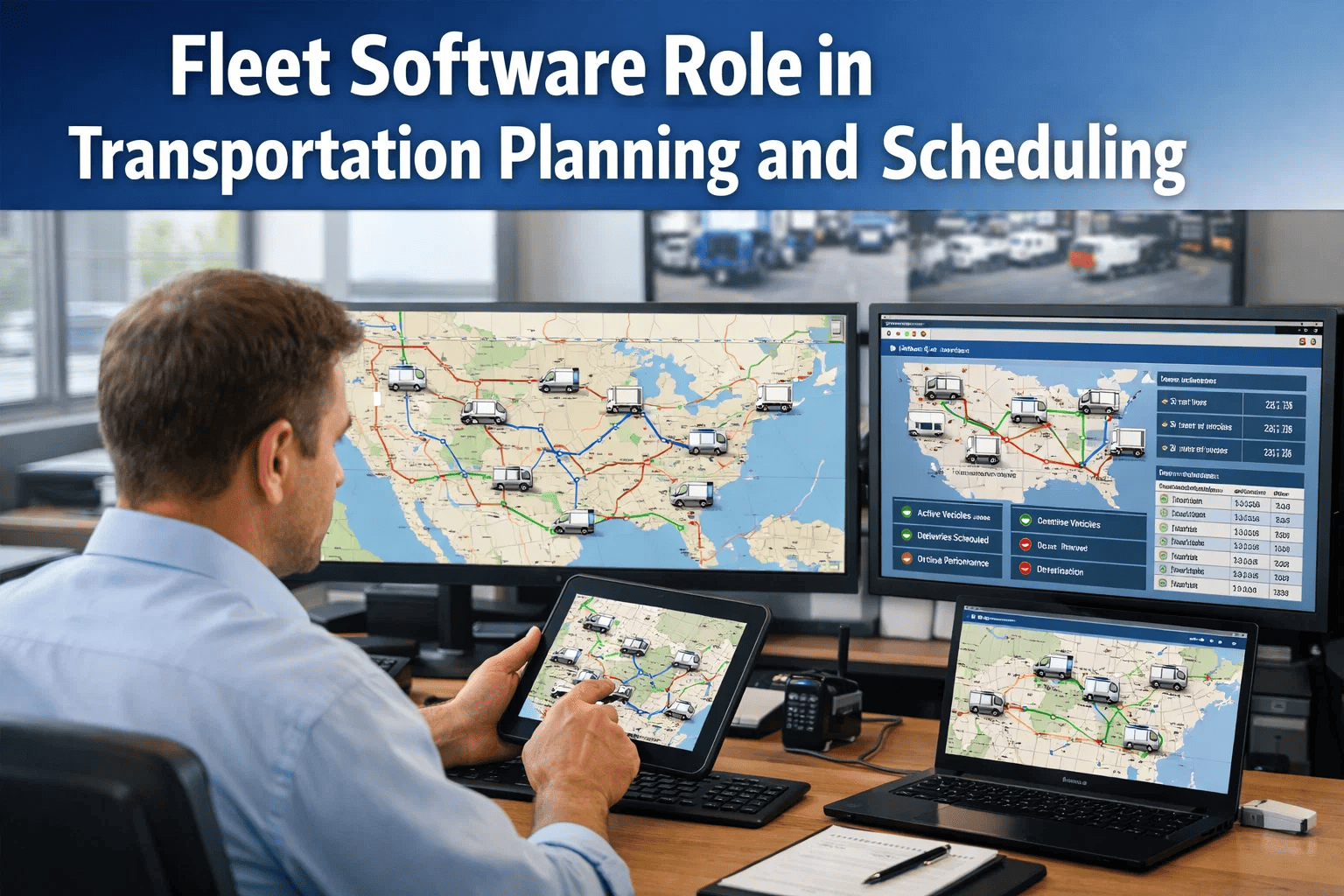
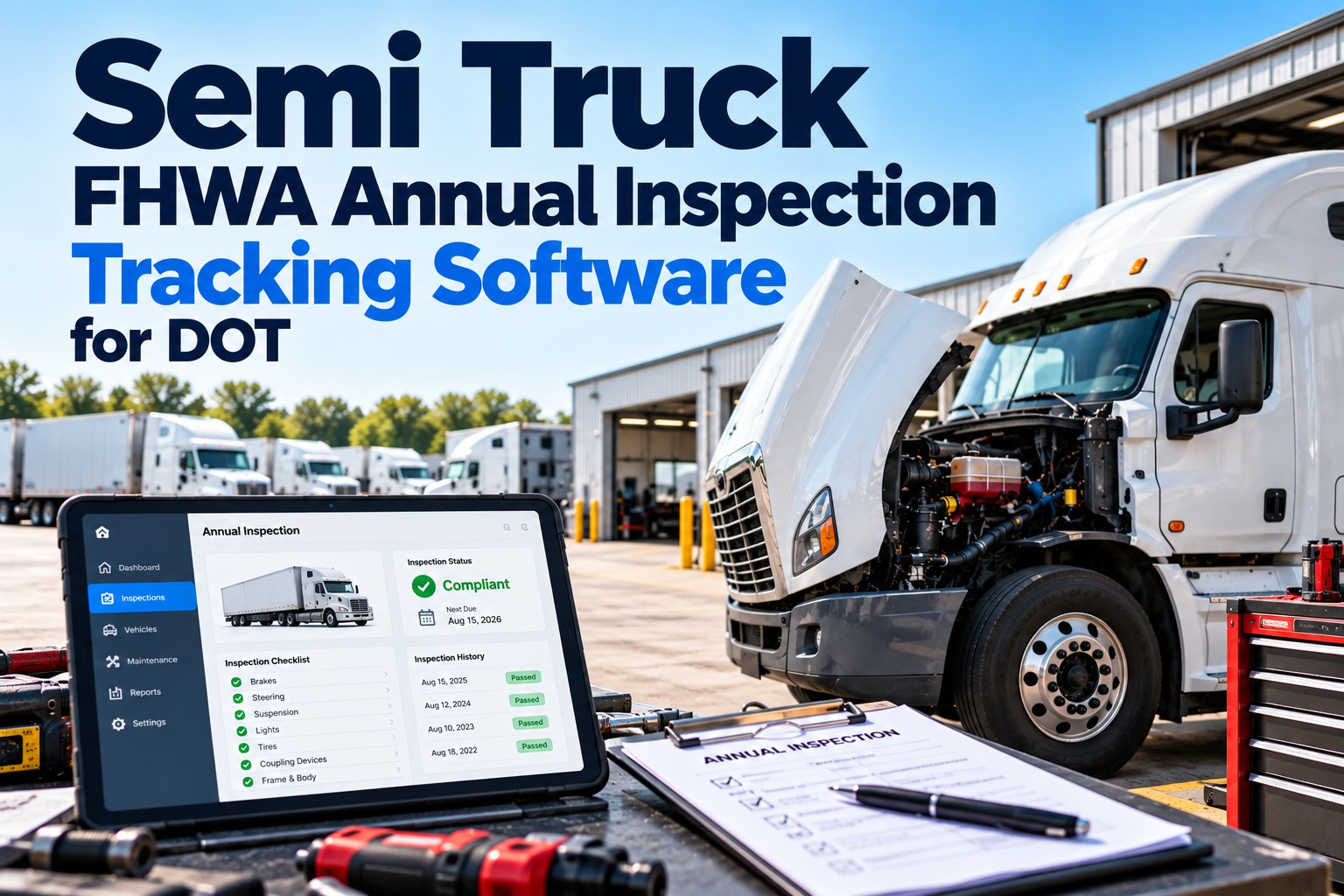
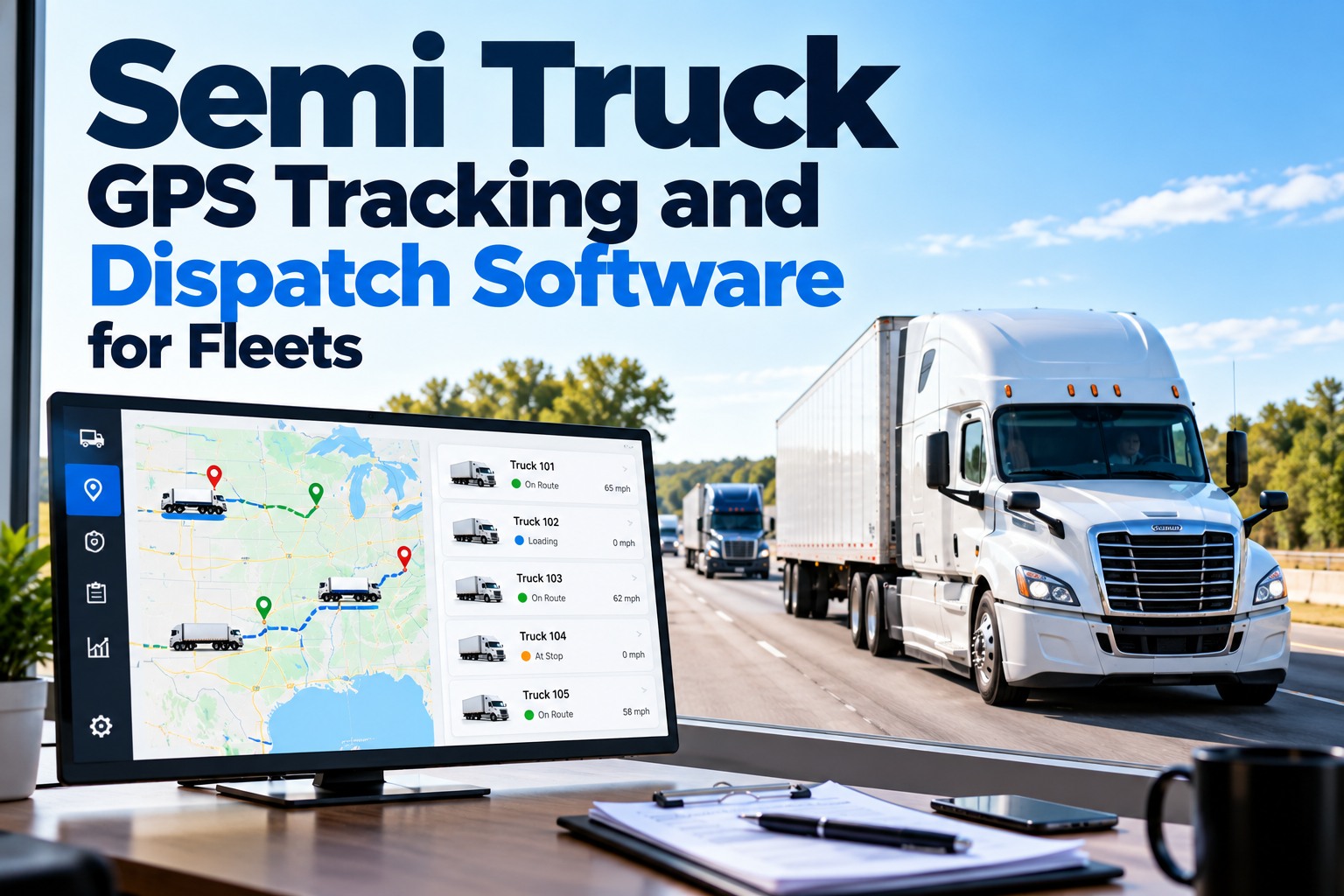
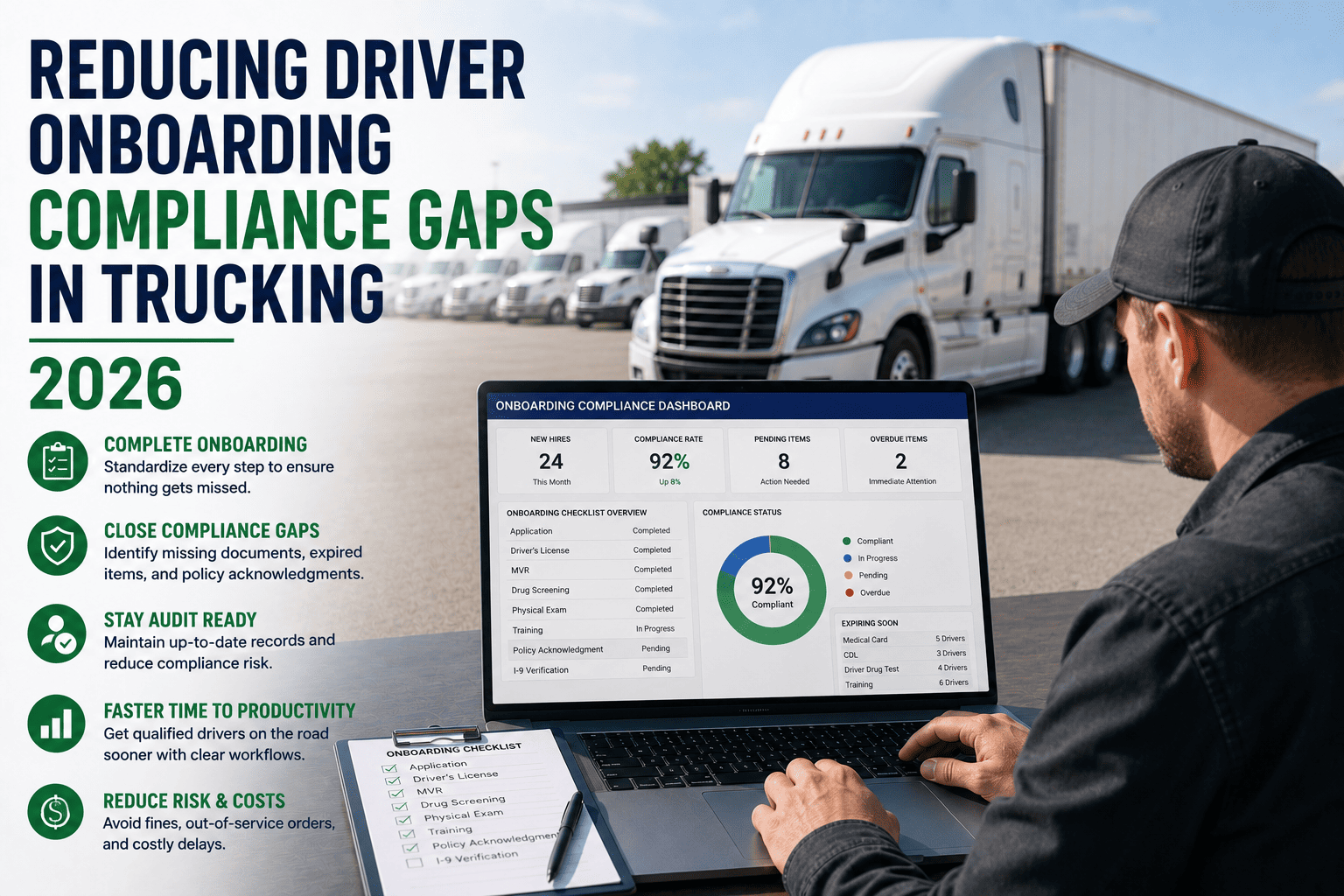
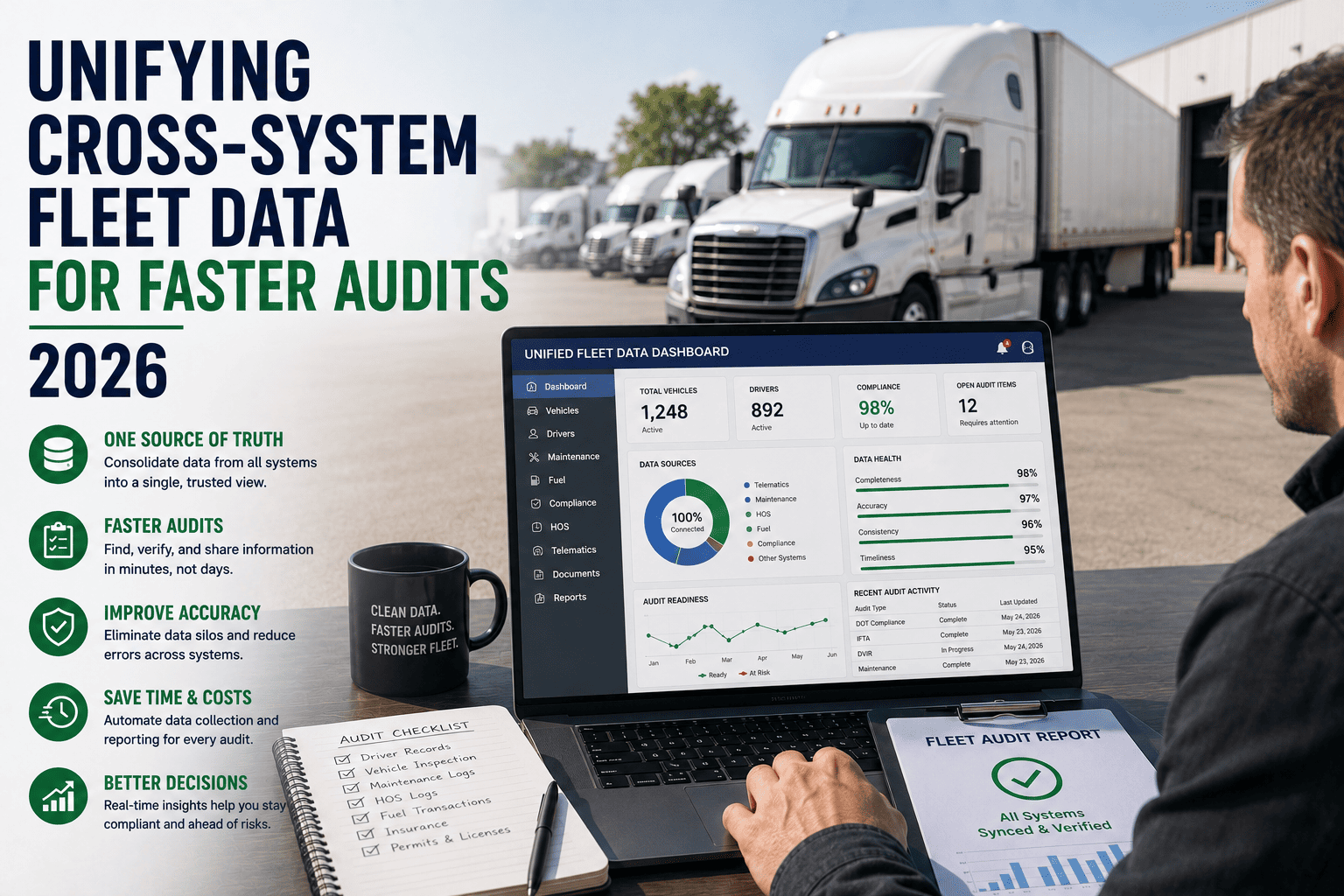
Transportation planning and logistics scheduling are the operational heartbeat of every commercial trucking company. Load assignments, route sequencing, driver availability, hours of service compliance, vehicle capacity utilization, and real-time delivery exception management — each of these dimensions must be coordinated simultaneously, across dozens or hundreds of moving parts, at a pace that leaves no margin for planning failures. Yet most mid-size transportation companies manage this complexity with tools that were not designed for it: disconnected spreadsheets, phone calls, whiteboard schedules, and TMS platforms that capture historical data without enabling real-time planning intelligence. Book a demo to see how FleetRabbit integrates fleet data with transportation planning to improve scheduling efficiency across your operation.
Guide
Fleet Software Role in Transportation Planning and Scheduling: Route Optimization, Logistics Automation, and Data-Driven Dispatch for Modern Trucking Operations
LOGISTICS OPTIMIZATION & FLEET PLANNING GUIDE
How Fleet Software Transforms Transportation Planning: From Manual Scheduling to Data-Driven Logistics Intelligence
The transportation companies that consistently win on cost, service, and scalability are not necessarily the ones with the largest fleets. They are the ones whose planning decisions are informed by real-time fleet data — vehicle availability, driver HOS status, maintenance schedules, and route performance analytics — rather than incomplete information and reactive adjustments. FleetRabbit bridges fleet management data and transportation planning into a unified operational intelligence platform.
The Planning Gap: Why Transportation Scheduling Fails Without Fleet Data Integration
Effective transportation planning requires accurate, real-time visibility into fleet operational status. When a dispatcher commits to a customer delivery window, that commitment is only credible if the dispatcher knows — with certainty — that the assigned vehicle is operational, that the assigned driver has sufficient available HOS, that no scheduled maintenance will pull the vehicle during the committed window, and that the route is achievable within regulatory time constraints.
In organizations where fleet management data and transportation planning exist in separate systems — or where fleet data exists only in paper maintenance records and dispatcher memory — the gap between planning assumptions and operational reality creates systematic service failures. The vehicle dispatched on Monday has a PM service due on Tuesday that wasn't visible in the planning system. The driver assigned to the long-haul run reaches HOS limit before completion because available hours weren't accurately reflected at assignment time.
The Visibility Gap
Dispatchers plan load assignments without real-time visibility into vehicle maintenance status, HOS availability, or active alerts. Assignments are made on assumptions that prove incorrect after departure — creating mid-route disruptions that damage customer relationships and drive operational cost.
The Coordination Gap
Maintenance scheduling and dispatch scheduling operate independently. Planned PM services pull vehicles from dispatch availability without advance notice. Emergency repairs remove dispatched vehicles mid-assignment. Fleet capacity planning cannot account for maintenance withdrawals without integrated data between systems.
The Compliance Gap
HOS compliance management disconnected from load assignment creates regulatory exposure. Drivers who accept assignments near HOS limits reach violation thresholds before completing the run. Without real-time HOS integration in the dispatch decision workflow, compliance violations are discovered after they occur rather than prevented at point of assignment.
The Efficiency Gap
Without route performance data feeding back into future planning decisions, route optimization remains static. Actual drive times, congestion patterns, load and unload duration variability, and customer dwell time data are not incorporated into planning assumptions — resulting in systematically inaccurate delivery time estimates and suboptimal route sequencing.
How FleetRabbit Integrates Fleet Data Into Transportation Planning
FleetRabbit's platform creates a unified operational data layer that connects fleet asset status, driver management, maintenance scheduling, and compliance monitoring — providing the foundation that transportation planning decisions require. While FleetRabbit is not a standalone TMS, it provides the fleet intelligence layer that makes transportation planning decisions accurate, compliant, and optimized.
Fleet Availability Intelligence
Real-time vehicle availability status, incorporating current maintenance holds, scheduled PM windows, active inspection defects, and recall-related service requirements. Dispatchers see accurate available fleet capacity before load assignments are committed — eliminating post-assignment vehicle availability surprises.
Driver HOS Monitoring Integration
FleetRabbit's HOS monitoring module provides real-time hours of service status for every driver in the fleet. Dispatchers see available drive time, duty status, and reset cycle status before assigning loads. HOS thresholds generate automatic alerts before compliance violations occur — enabling proactive load reassignment rather than reactive violation response.
Maintenance Schedule Visibility in Dispatch
Scheduled PM services, inspection due dates, and anticipated maintenance windows are visible alongside dispatch scheduling data. When a dispatcher considers assigning a vehicle to a 4-day regional run, they can see that the vehicle has a PM service scheduled in 3 days — enabling the choice to pull the vehicle for service before departure rather than mid-assignment. Maintenance and dispatch planning work from shared data, not independent assumptions.
GPS and Telematics Integration for Route Intelligence
FleetRabbit integrates with GPS and telematics providers to capture real-time vehicle location, speed, idle patterns, and geofence events. Historical route performance data from telematics integration feeds into future planning decisions — actual transit times, fuel consumption by route corridor, detention event patterns by customer location, and driver performance metrics that inform optimal driver-to-route matching decisions.
Fuel Management and Cost Integration
FleetRabbit's fuel management module captures fuel consumption data by vehicle and route, integrated with fleet card transaction data. Transportation planners can assess the fuel cost implications of route alternatives based on historical actual consumption data — not theoretical estimates. Routes with chronically high fuel consumption relative to mileage are flagged for route engineering review, enabling systematic fuel cost optimization across the network.
Analytics and Reporting for Planning Improvement
FleetRabbit's analytics module produces planning performance metrics — on-time departure rate, on-time delivery rate, average run time variance against plan, driver utilization efficiency, and vehicle deadhead percentage. These metrics close the feedback loop between transportation planning decisions and actual operational outcomes, enabling continuous improvement of planning accuracy based on empirical performance data.
Dispatch Optimization: Using Fleet Data to Make Better Load Assignment Decisions
FleetRabbit's dispatch module provides transportation planners and dispatchers with structured load scheduling tools backed by real-time fleet data. Load assignments are made with full visibility into driver availability, HOS status, vehicle mechanical condition, and maintenance schedules — enabling dispatchers to make the best available assignment decision based on complete information rather than partial knowledge.
FleetRabbit's dispatch scheduling interface displays available drivers and vehicles alongside load requirements, enabling dispatchers to match loads to resources based on capacity, location, HOS availability, and equipment type requirements. Assignment confirmation triggers automatic driver notification through the mobile app — eliminating phone-call dispatch chains that consume dispatcher time and introduce communication errors.
Load assignments must match driver qualifications to cargo and equipment types — hazmat endorsements, double/triple configurations, specialized equipment certifications. FleetRabbit's driver profile system maintains current qualification records, license validity dates, and medical certificate status. Dispatchers see only qualified, available drivers for specific load types, eliminating eligibility-related assignment errors that create regulatory exposure.
For regional and multi-stop delivery operations, FleetRabbit's dispatch module supports structured multi-stop sequencing with time window constraints. Dispatchers can configure delivery sequences that optimize drive time, minimize empty miles, and respect customer delivery windows. Route changes triggered by late pickups, traffic events, or customer rescheduling are updated in real time across driver and dispatcher interfaces without requiring phone coordination.
When unexpected events disrupt planned routes — mechanical breakdowns, driver HOS exhaustion, customer detention events that cascade into missed windows — FleetRabbit's dispatch platform provides real-time exception visibility and structured re-dispatch workflow. Dispatchers can assess alternative coverage options, reassign loads, and notify customers through a unified exception management interface rather than managing the disruption through fragmented phone and messaging channels.
Integrate Fleet Data Into Every Transportation Planning Decision
FleetRabbit gives transportation planners, dispatchers, and logistics executives the real-time fleet intelligence needed to make scheduling decisions that are operationally accurate, HOS compliant, and cost-optimized before departure — not reactive after disruption. Book a demo to see FleetRabbit's planning tools in action.
Logistics Automation: Where FleetRabbit Reduces Manual Coordination Overhead
Automated PM Service Scheduling Aligned With Route Calendars
FleetRabbit's preventive maintenance scheduling engine generates PM work orders based on mileage, hours, and calendar triggers. When integrated with dispatch scheduling, PM windows are identified at low-utilization periods — weekends, seasonal demand valleys, or between multi-day runs — minimizing the dispatch capacity impact of pulling vehicles for scheduled service. The coordination that previously required manual negotiation between maintenance and dispatch supervisors becomes a systematic, data-driven workflow.
Automated Driver Compliance Monitoring
FleetRabbit continuously monitors driver license validity, medical certificate expiration, required training completion, and drug and alcohol testing program status. When a driver approaches a compliance expiration event, automated alerts notify the fleet manager and HR team with sufficient lead time to schedule renewals before the driver's eligibility to operate is impacted. Dispatchers never unknowingly assign loads to drivers with lapsed compliance credentials.
Automated Recall and Safety Notice Management
When NHTSA safety recall notices are issued for vehicles in the FleetRabbit fleet, affected vehicles are automatically identified and flagged in the system. Fleet managers and safety directors are notified immediately. The recall tracking module monitors remedy availability through authorized dealers and tracks completion status for each affected asset — ensuring recall response is systematic and documented rather than ad hoc and potentially incomplete.
Automated Fuel Card Transaction Reconciliation
FleetRabbit's fuel card integration automatically reconciles fuel card transactions against vehicle assignment and mileage records. Fuel purchases that exceed expected consumption benchmarks for distance driven trigger exception alerts for fleet manager review. Systematic fuel transaction monitoring identifies unauthorized purchases, fuel card misuse, and vehicles with declining fuel efficiency that may indicate mechanical issues requiring maintenance attention.
Planning and Scheduling Performance Metrics Fleet Executives Should Track
On-Time Departure Rate
Percentage of loads departing within planned window
Upstream indicator of delivery performance. Departure delays cascade into delivery misses and customer relationship damage.
Driver Utilization Rate
Available drive hours used as percentage of total available HOS
Low utilization indicates planning inefficiencies. High utilization approaching HOS limits indicates compliance risk in current load assignment practices.
Vehicle Availability Rate
Percentage of fleet available for dispatch at any given time
Direct measure of maintenance program effectiveness in maintaining dispatch-ready fleet capacity. Declines signal maintenance program deficiencies.
Empty Mile Percentage
Deadhead miles as percentage of total miles operated
Measures route planning efficiency. Excess empty miles represent paid driver time and fuel cost with zero revenue generation. Systematic reduction requires data-driven load matching optimization.
Planned vs. Actual Transit Time Variance
Difference between scheduled and actual run completion times
Persistent positive variance indicates systematic route planning assumptions are inaccurate. Data from actual runs should continuously update planning benchmarks.
Common Questions About Fleet Software in Transportation Planning
QWe already have a TMS. How does FleetRabbit integrate with transportation management platforms?
FleetRabbit provides API integration capabilities with major TMS platforms and ERP systems used in transportation management. Fleet maintenance data, vehicle availability status, driver compliance records, and fuel management information can be shared with your TMS through configured data integrations. The result is that your TMS planning decisions are informed by current, accurate fleet operational data from FleetRabbit rather than stale or manually updated status information.
QHow does FleetRabbit help with driver scheduling complexity in multi-terminal operations?
FleetRabbit's team management module maintains driver profiles, availability schedules, HOS status, and qualification records for all drivers across multiple terminal locations. Fleet managers and dispatchers at any terminal can access the current status of any driver in the fleet. Cross-terminal load assignments are supported with full visibility into the assigned driver's availability, compliance status, and home terminal information.
QCan FleetRabbit support owner-operator and independent contractor management alongside company drivers?
Yes. FleetRabbit supports mixed fleet configurations including company drivers, leased operators, and independent contractors. Contractor vehicles and driver profiles can be maintained in the system with appropriate configuration for the management relationship — enabling dispatchers to work with a unified view of all available capacity regardless of employment or equipment ownership status.
QWhat improvement in scheduling efficiency should we expect after implementing FleetRabbit?
Transportation operations implementing FleetRabbit's integrated fleet and dispatch management platform typically see dispatcher time per load assignment reduce by 40–60%, driven by the elimination of phone-based status verification and manual data lookup that dominates current dispatch workflows. Vehicle availability surprises that disrupt committed load assignments decrease by over 70% within 60 days of full platform deployment as maintenance integration provides accurate pre-assignment vehicle status visibility.
FleetRabbit in Transportation Planning: What Changes for Executives and Managers
For Fleet Managers
Real-time fleet availability dashboard replaces status phone calls. Maintenance scheduling integrated with dispatch visibility eliminates coordination conflicts. PM compliance metrics provide systematic oversight rather than reactive discovery of maintenance lapses.
For Dispatchers
Load assignment decisions use real-time HOS, vehicle status, and qualification data from FleetRabbit rather than memory and phone verification. Driver notifications through mobile app eliminate manual call-out chains. Exception management workflow reduces re-dispatch time during service disruptions.
For Operations Directors
Fleet-wide performance analytics give operations leadership visibility into planning efficiency metrics, driver utilization trends, and vehicle availability rates. Data-driven resource allocation replaces anecdotal operational assessment. Capacity planning decisions backed by historical fleet utilization analysis.
For CFOs and Finance Leadership
Integrated cost reporting across fuel, maintenance, and labor provides total cost-per-load visibility that supports pricing decisions and margin analysis. Asset lifecycle data enables forward capital planning for fleet renewal without emergency replacement spending. Warranty recovery tracking demonstrates direct cost reduction from systematic coverage management.
Conclusion: Transportation Planning Excellence Requires Fleet Data Foundation
Transportation planning quality is constrained by the quality of the operating data that informs planning decisions. When fleet data — vehicle status, driver compliance, maintenance schedules, fuel performance — exists in disconnected systems or paper records, transportation planning operates on uncertainty rather than intelligence. The result is a systematic gap between what planning assumes and what operations actually deliver.
FleetRabbit provides the fleet data infrastructure that transforms transportation planning from reactive coordination to proactive logistics management. By unifying fleet asset management, driver compliance, maintenance scheduling, and operational analytics in a single platform, FleetRabbit gives transportation companies the data foundation to make planning decisions that are consistently accurate, compliant, and cost-optimized.
Give Your Transportation Planning Team the Fleet Intelligence It Needs
FleetRabbit integrates fleet management, driver compliance, maintenance scheduling, and operational analytics into the data foundation that modern transportation planning requires. See how leading transportation operators use FleetRabbit to improve scheduling accuracy, reduce compliance risk, and drive systematic logistics efficiency.
Transportation Planning
Route Optimization
Dispatch Management
HOS Compliance
Logistics Automation
April 16, 2026
By Jason Smith
All Posts