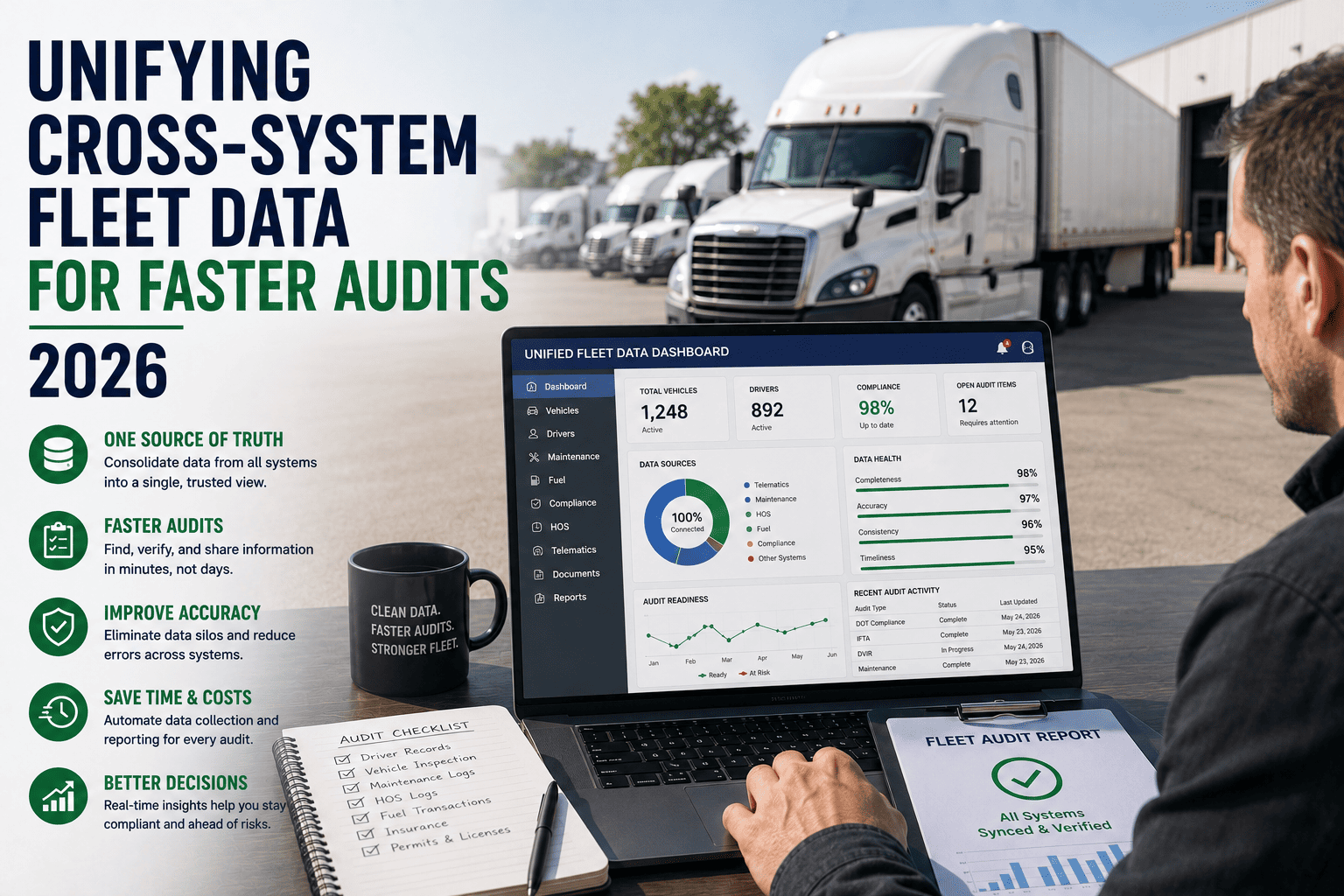
Trucking safety culture is not a poster on the breakroom wall or a quarterly safety meeting agenda — it is the cumulative result of daily decisions made by dispatchers, fleet managers, maintenance coordinators, and drivers operating under consistent standards, supported by systems that make compliance the path of least resistance. Organizations that have measurably improved their safety outcomes share a common characteristic: they use fleet management software not as a reporting tool but as an operational infrastructure that embeds safety standards into every dispatch, inspection, maintenance workflow, and driver interaction. Book a demo to see how FleetRabbit supports safety culture development across your entire transportation operation.
Safety Guide
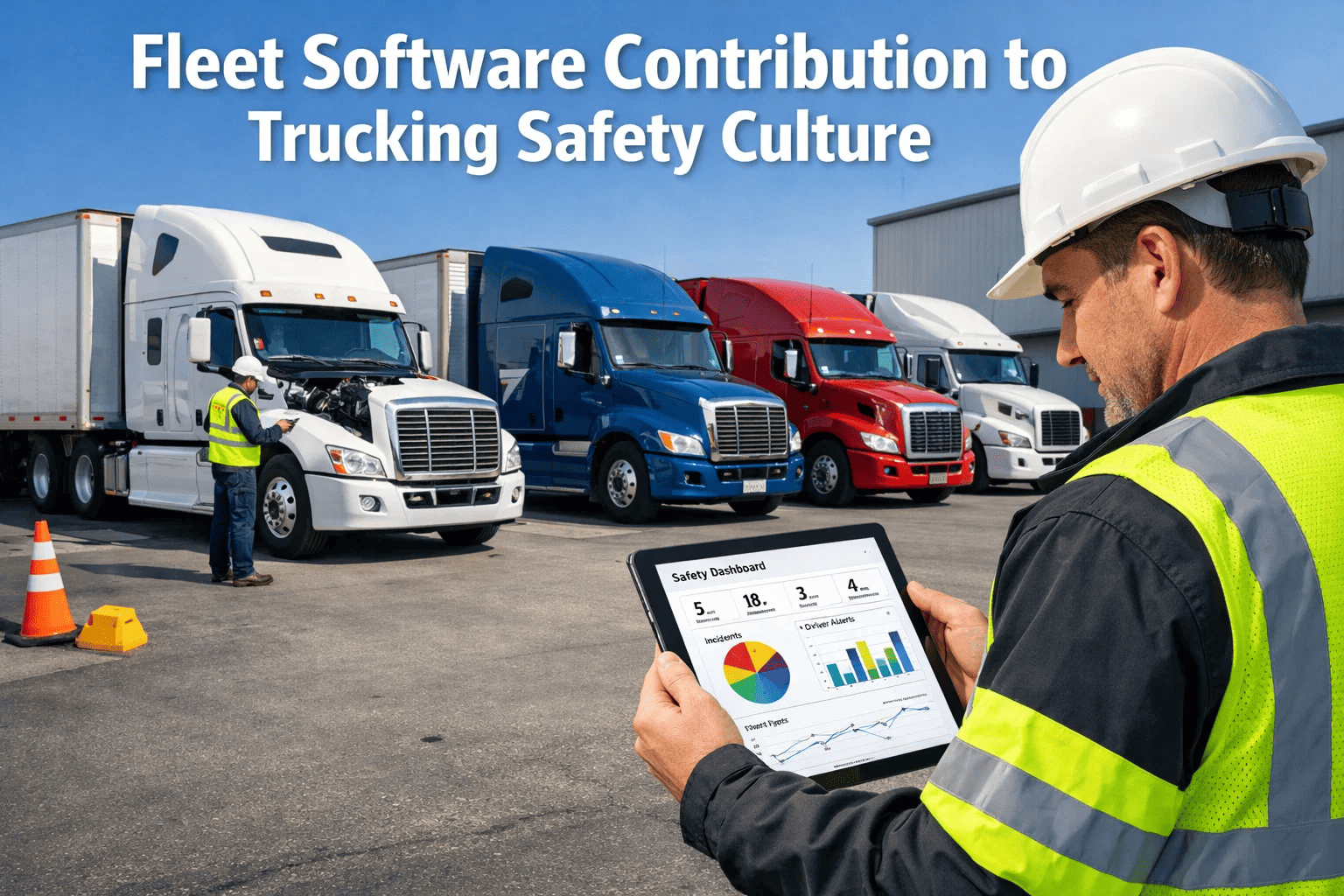
Fleet Software Contribution to Trucking Safety Culture: How Digital Fleet Management Builds Compliance, Accountability, and Incident Reduction Across Transportation Operations
FLEET SAFETY AND COMPLIANCE GUIDE
From Reactive Safety to Proactive Safety Culture: How FleetRabbit Transforms Trucking Operations Through Digital Compliance and Real-Time Driver Accountability
Safety culture in transportation is the measurable difference between organizations that experience recurring incidents and those that systematically reduce them year over year. Fleet management software is the operational infrastructure that translates safety intentions into daily behavioral standards — connecting inspections, maintenance compliance, HOS monitoring, and driver records into a unified accountability framework that fleet managers and executives can measure, manage, and improve.
Why Safety Culture Fails Without Operational Infrastructure
Most trucking organizations genuinely want strong safety cultures. The gap between intention and outcome almost always traces back to the absence of systems that enforce standards consistently across every driver, vehicle, and dispatch cycle. When safety compliance depends on individual memory, paper processes, or supervisor availability, the result is uneven enforcement — and uneven enforcement is the operational definition of weak safety culture.
Fleet management software closes this gap by making safety standards automatic, visible, and documented. When digital pre-trip inspections are required before a vehicle can be dispatched, when HOS limits are visible to dispatchers before assignment decisions are made, and when maintenance deficiencies are flagged before vehicles reach critical failure thresholds, safety stops being a value statement and becomes an operational reality.
34%
Average reduction in preventable accidents in fleets using digital inspection and compliance tools
$91,000
Average cost of a single commercial vehicle accident according to FMCSA research, excluding litigation
21%
Of large truck crashes involve a vehicle maintenance or inspection deficiency as a contributing factor
The Five Dimensions of Safety Culture That Fleet Software Strengthens
01
Pre-Trip Inspection Consistency
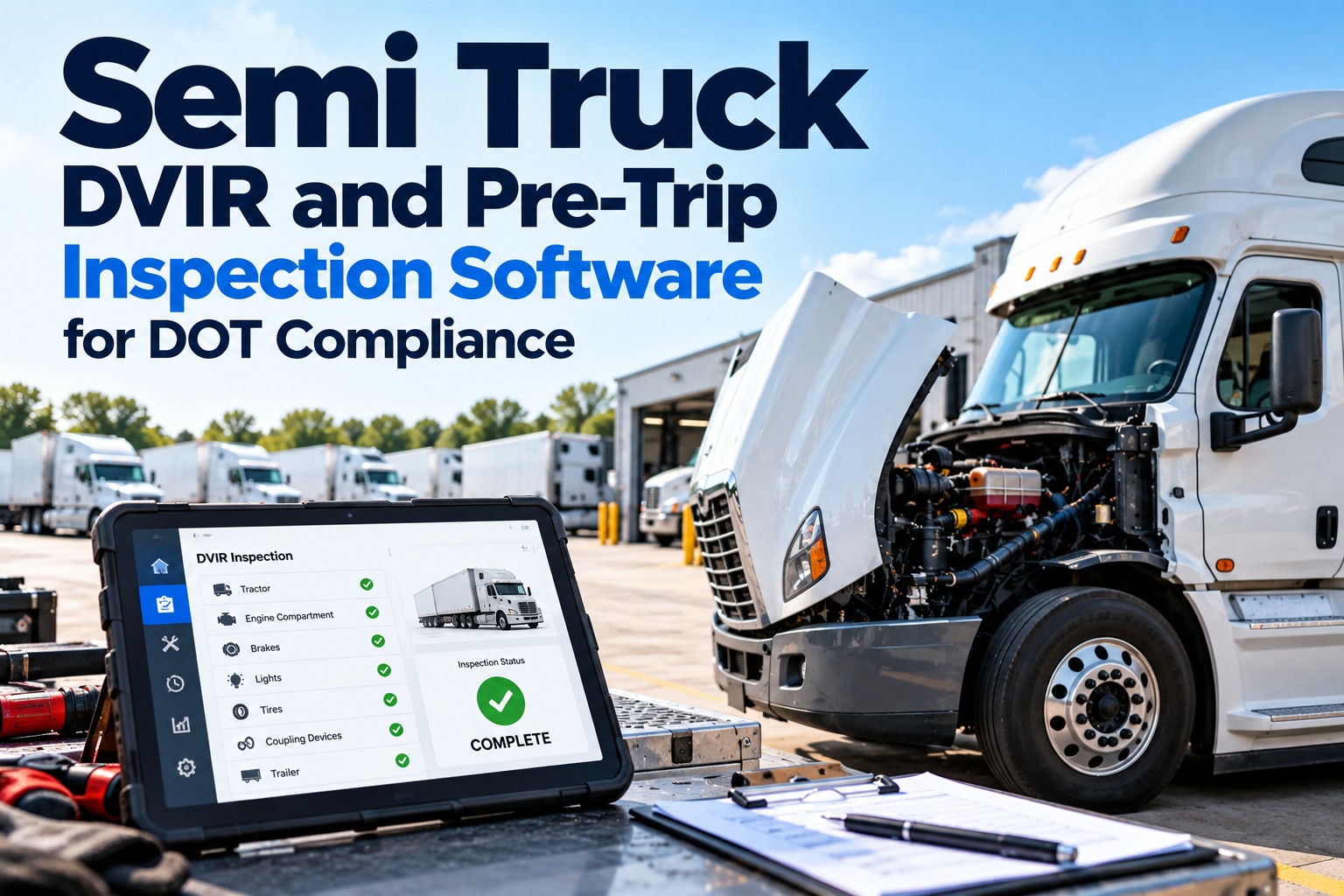
Digital pre-trip inspections enforced through FleetRabbit's DVIR module ensure that every driver completes the same standardized checklist on every vehicle before every departure. Drivers cannot skip steps, estimate completion, or submit partial inspections without creating a documented exception that supervisors can review. The consistency of digital inspection enforcement is the foundation of vehicle-related safety culture — when every vehicle that moves has been inspected against the same standard, the fleet's baseline vehicle safety level rises systematically rather than varying by driver diligence.
02
Deficiency Reporting and Resolution Accountability
A safety culture is only as strong as its deficiency response. When drivers report vehicle defects in paper DVIRs, the path from identification to resolution is invisible — there is no automatic notification to maintenance, no tracking of resolution timeline, and no documentation connecting the reported defect to either repair or continued operation. FleetRabbit's digital DVIR system creates automatic work order generation from reported deficiencies, assigns accountability for resolution, and maintains an auditable record connecting every defect report to its disposition. This closed loop between reporting and resolution is what makes deficiency management a safety culture element rather than a paperwork exercise.
03
Hours of Service Compliance Integration
HOS violations that result from uninformed dispatch decisions — assigning loads that require more hours than a driver has available — are systemic safety failures, not individual driver failures. FleetRabbit's HOS monitoring integration provides dispatchers with real-time available hours for every driver before assignment decisions are made. When dispatch decisions account for HOS constraints automatically, the number of violation-risk scenarios that reach drivers is reduced, and drivers are not placed in the position of having to choose between regulatory compliance and customer commitment delivery pressure.
04
Preventive Maintenance as Proactive Safety
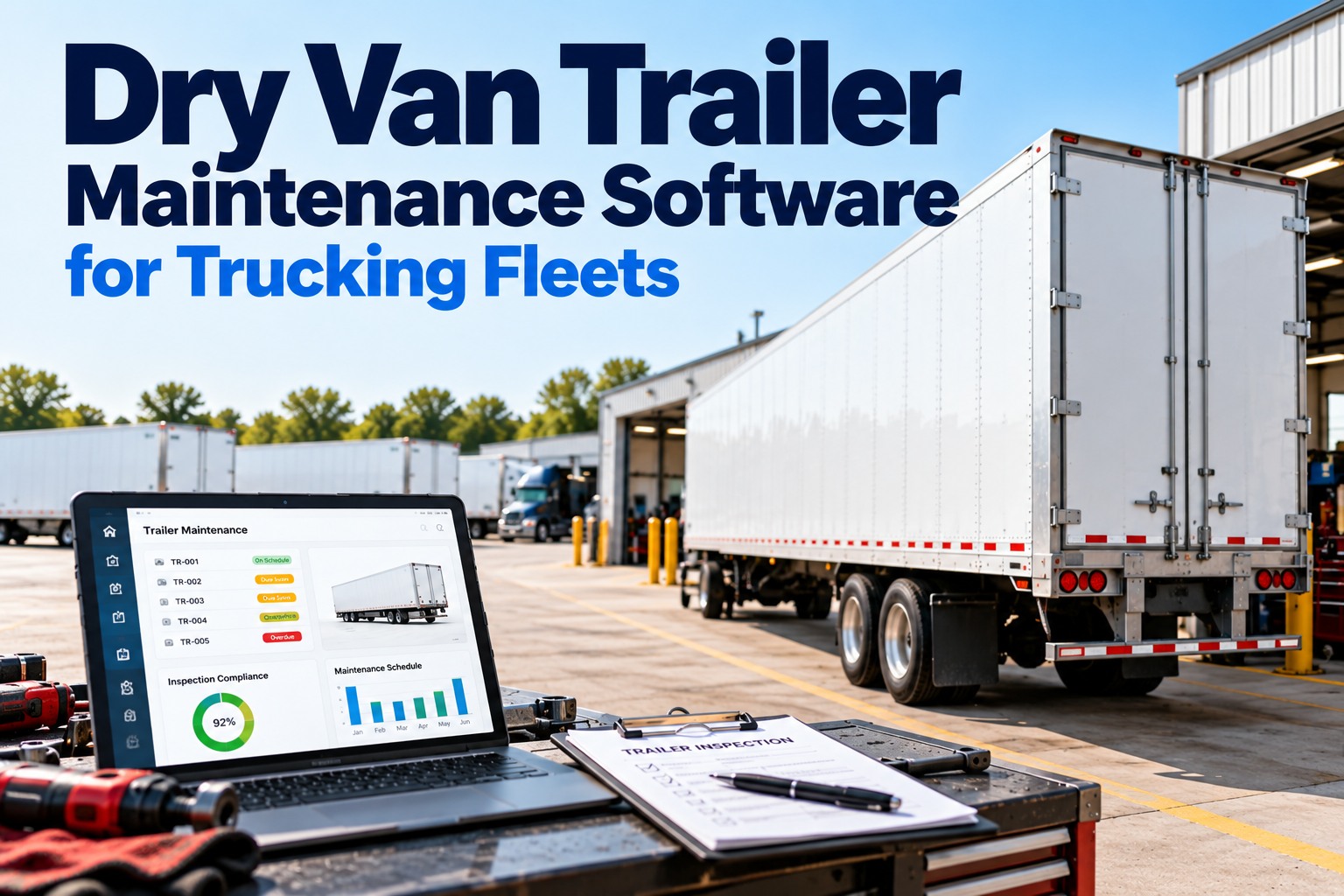
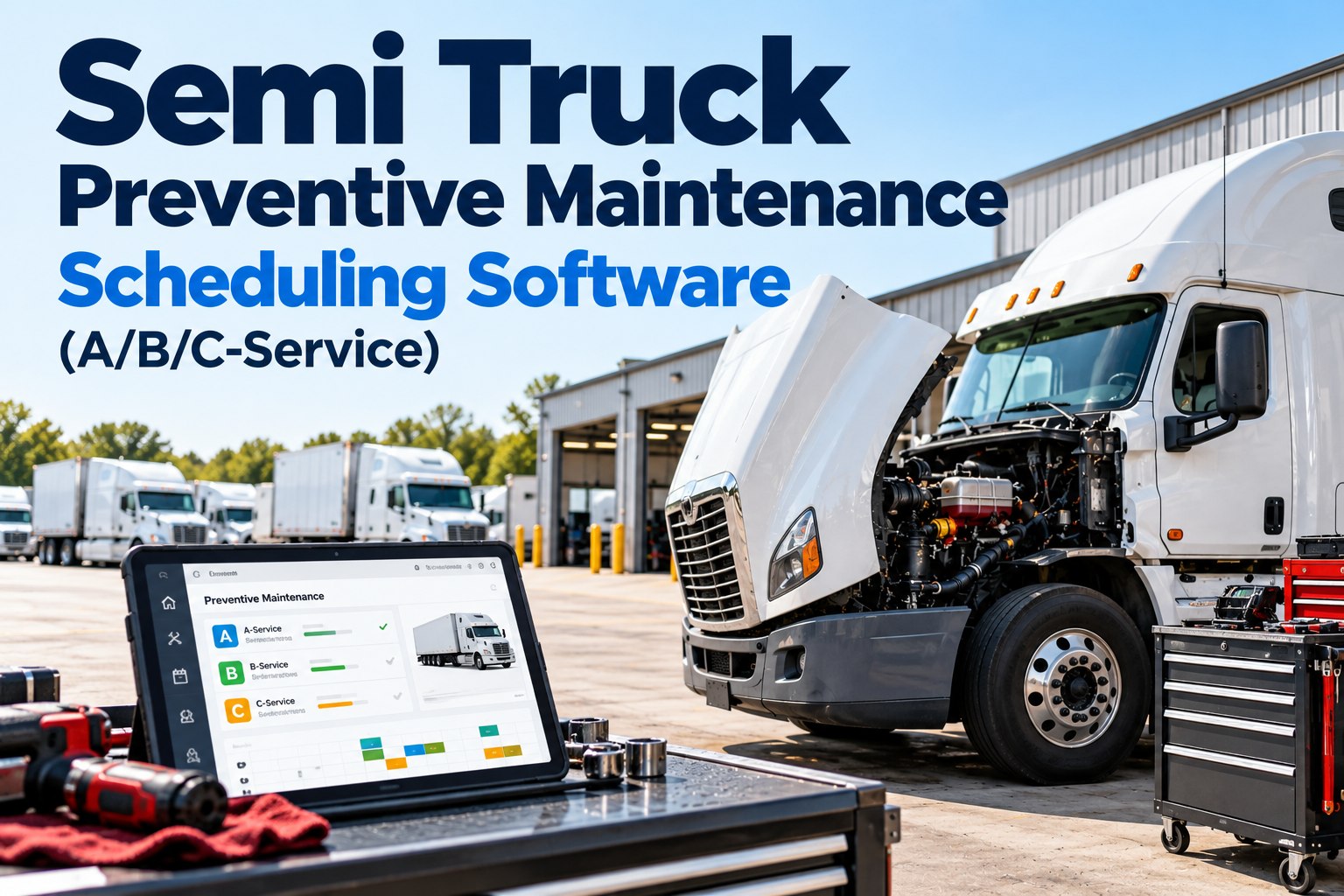
Mechanical failures that occur en route are not random events in well-managed fleets — they are the outcome of deferred or missed preventive maintenance. FleetRabbit's preventive maintenance scheduling tracks service intervals by mileage, engine hours, and calendar time, generates service reminders before vehicles reach overdue status, and maintains complete maintenance history records for every vehicle in the fleet. Fleet managers who have real-time visibility into the maintenance status of every vehicle eliminate the category of preventable mechanical failures that arise from deferred service.
05
Driver Record Documentation and Safety Performance Tracking
Safety culture requires that driver performance is measured consistently and that safety records support training, counseling, and recognition decisions with documented evidence rather than supervisor recollection. FleetRabbit's driver management tools maintain complete records of inspection compliance, HOS status, incident involvement, and safety training completion for every driver in the fleet. When safety performance is documented and visible to fleet managers, accountability is objective rather than perception-based — and objective accountability is the precondition for measurable safety culture improvement.
How FleetRabbit Builds Safety Infrastructure Across Trucking Operations
FleetRabbit provides the integrated fleet management platform that transportation operations need to move from aspirational safety culture to operational safety standards. Each module in the FleetRabbit platform contributes to a specific dimension of safety culture development for fleet managers, dispatchers, and maintenance coordinators.
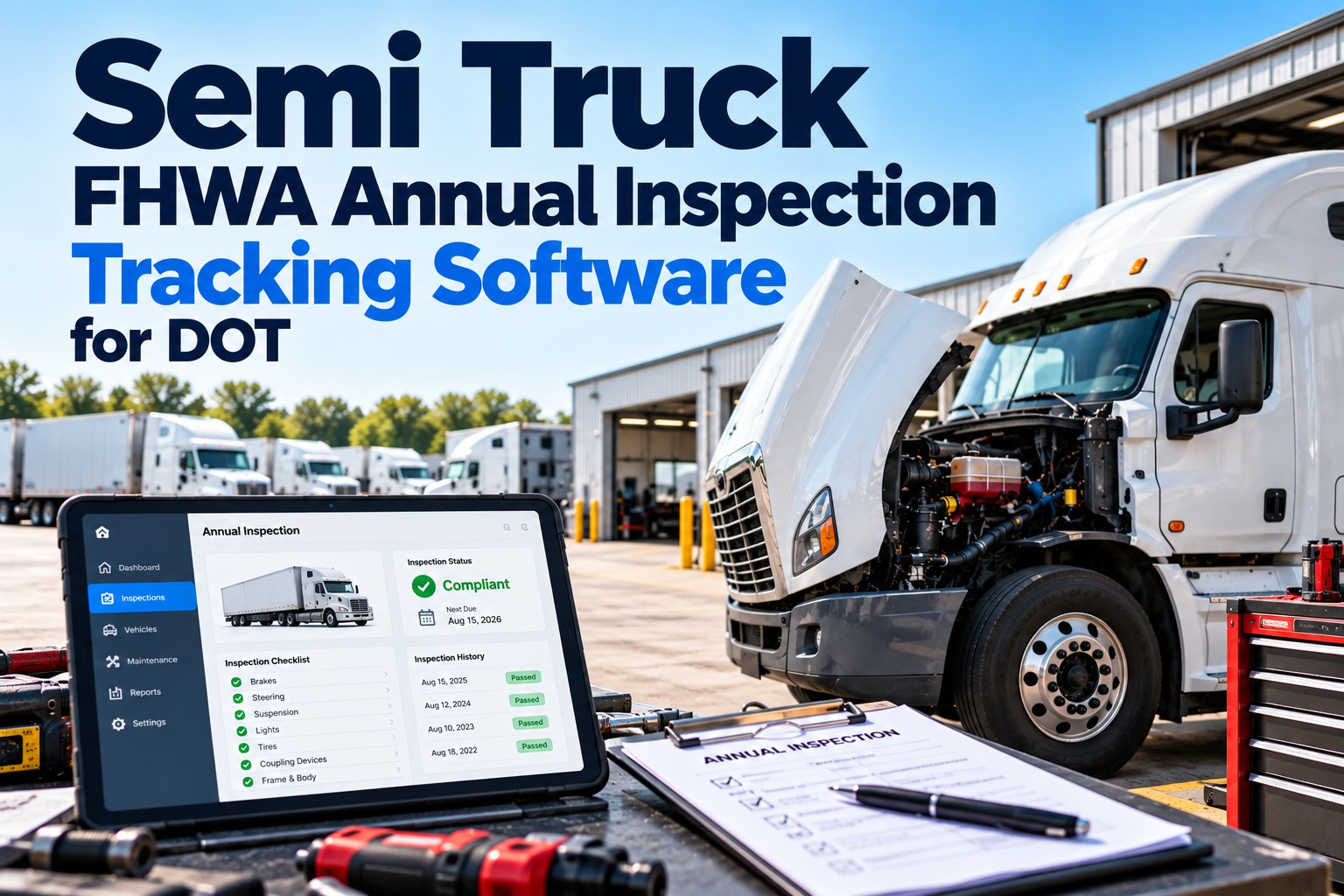
FleetRabbit's digital DVIR module replaces paper pre-trip and post-trip inspection reports with structured digital checklists completed on mobile devices. Inspection data is captured in real-time, deficiency notifications are sent automatically, and all records are stored in a searchable, auditable digital archive that supports DOT compliance reviews and safety investigations without manual document retrieval.
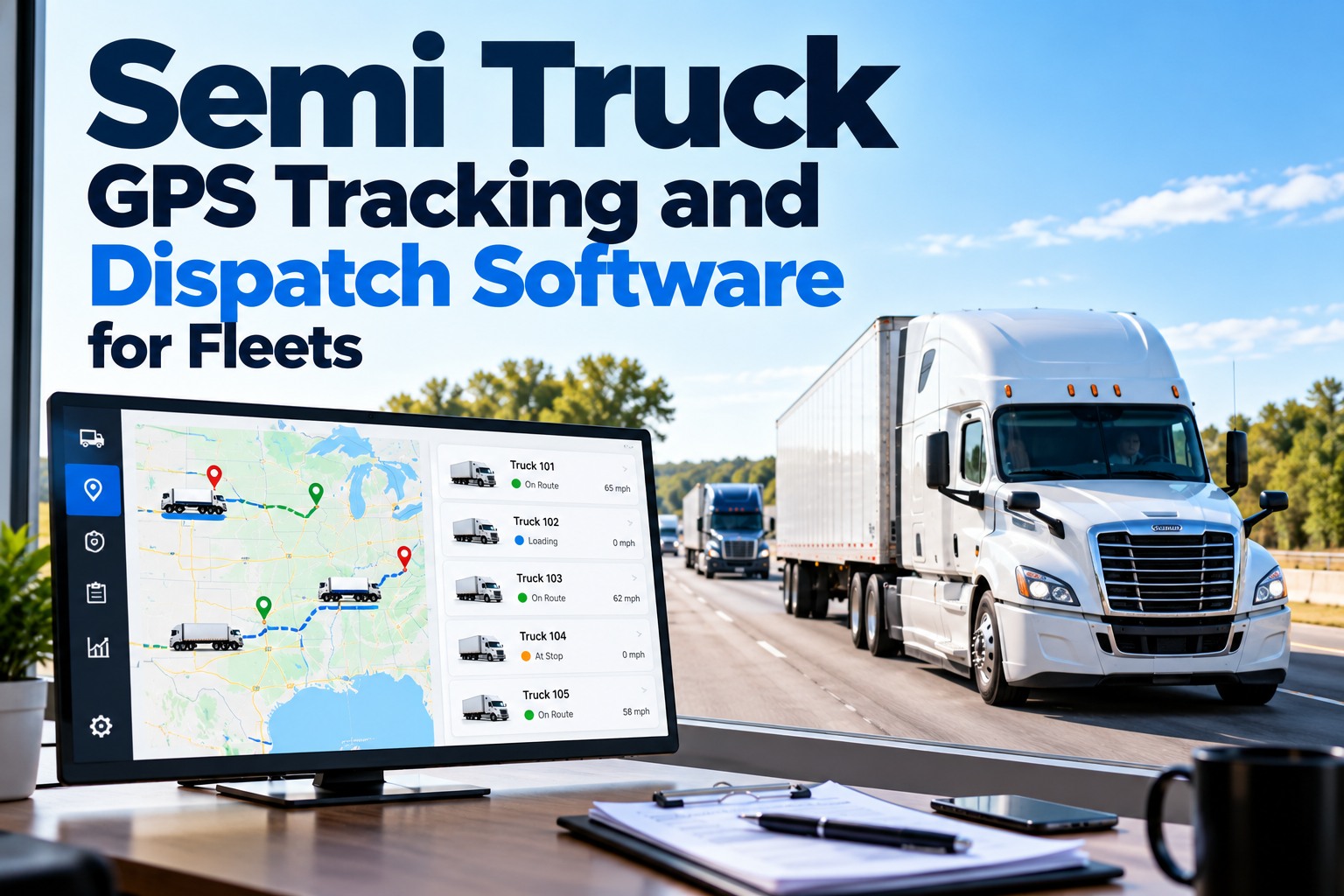
Real-time HOS status for every driver in the fleet gives dispatchers the operational visibility to make assignment decisions that account for regulatory compliance before schedules are committed. HOS violations triggered by uninformed dispatch decisions are eliminated when available hours are visible at the point of assignment rather than discovered after a violation has already occurred.
FleetRabbit's PM scheduling engine tracks service intervals across the entire fleet, generates maintenance reminders before vehicles reach overdue status, and maintains complete service history records. Fleet executives with real-time maintenance status visibility can make informed decisions about which vehicles are operationally ready for specific route types and load conditions.
FleetRabbit's compliance module maintains organized records of inspection reports, maintenance records, driver certifications, and vehicle registrations in a format that supports DOT roadside inspections and compliance reviews. Organizations that can produce complete, accurate compliance documentation during audits demonstrate the operational discipline that regulators associate with strong safety management systems.
When safety incidents occur, FleetRabbit's incident documentation tools capture structured records that include vehicle condition at time of incident, driver HOS status, recent inspection history, and maintenance record context. Complete incident documentation supports insurance claim processing, regulatory investigations, and internal root cause analysis that informs systemic safety improvements rather than one-off corrective actions.
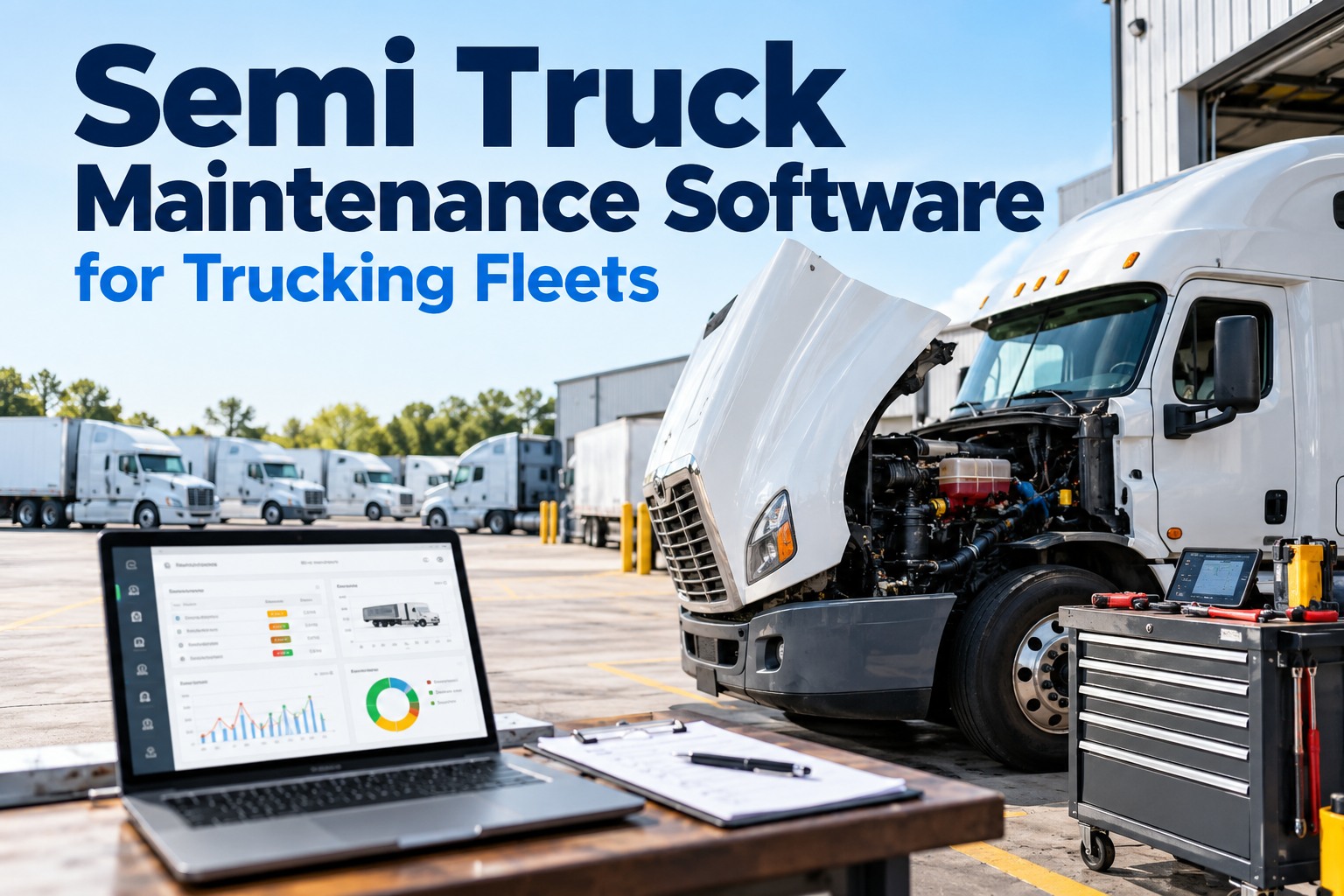
FleetRabbit's analytics and reporting platform gives fleet managers and executives visibility into safety performance trends across the organization — inspection deficiency rates by vehicle and driver, maintenance compliance percentages by fleet segment, HOS utilization patterns, and incident frequency trends. Data-driven safety management replaces anecdotal assessment with measurable performance visibility that informs resource allocation and training prioritization.
Build the Safety Infrastructure That Drives Real Culture Change
FleetRabbit's integrated fleet management platform — digital inspections, HOS monitoring, preventive maintenance scheduling, and compliance documentation — gives your operations the infrastructure to make safety standards consistent, measurable, and accountable across every driver and vehicle in your fleet. Book a demo to see FleetRabbit in action.
The Safety Culture Gap: What High-Performing Fleets Do Differently
Analysis of transportation fleets with consistently strong safety records reveals a pattern of operational practices that distinguish them from organizations with recurring safety performance challenges. The differentiators are not primarily about driver quality or route difficulty — they are about management systems.
| Safety Practice Area |
Reactive Fleet Approach |
Proactive Fleet Approach With FleetRabbit |
| Pre-Trip Inspection |
Paper forms, inconsistent completion, no deficiency tracking |
Digital DVIR with mandatory completion, automatic deficiency alerts, full audit trail |
| HOS Management |
Dispatchers unaware of available hours until driver reports violation risk |
Real-time HOS visibility at point of dispatch assignment, proactive compliance management |
| Maintenance Compliance |
Service reminders based on memory or manual calendar tracking |
Automated PM scheduling with mileage and engine hour triggers, fleet-wide status dashboard |
| Incident Response |
Incident records compiled reactively from multiple paper sources after the fact |
Structured digital incident documentation with vehicle history integration at time of event |
| Driver Accountability |
Performance assessment based on supervisor observation and recall |
Documented inspection compliance records, HOS history, and safety performance data per driver |
Regulatory Compliance as the Foundation of Safety Culture
Federal Motor Carrier Safety Administration regulations are not merely legal obligations — they represent the minimum operational standards that define basic safety culture in commercial trucking. Organizations that meet FMCSA requirements consistently and completely have established the compliance baseline that meaningful safety culture development builds upon.
DVIR Compliance (49 CFR Part 396)
Federal regulations require systematic pre-trip and post-trip vehicle inspections with documented deficiency reporting and repair verification. FleetRabbit's digital DVIR system automates the documentation, deficiency notification, and repair tracking workflows that 49 CFR Part 396 compliance requires.
Hours of Service (49 CFR Part 395)
HOS regulations limit driving time and mandate rest periods to reduce fatigue-related accidents. FleetRabbit's HOS monitoring integration tracks real-time available hours for every driver, enabling dispatch decisions that account for regulatory compliance before assignment commitments are made.
Vehicle Maintenance Records (49 CFR Part 396.3)
Carrier regulations require systematic vehicle maintenance and complete maintenance record retention. FleetRabbit's maintenance management module maintains complete service records for every vehicle, organized for retrieval during DOT inspections and compliance audits.
Driver Qualification Files (49 CFR Part 391)
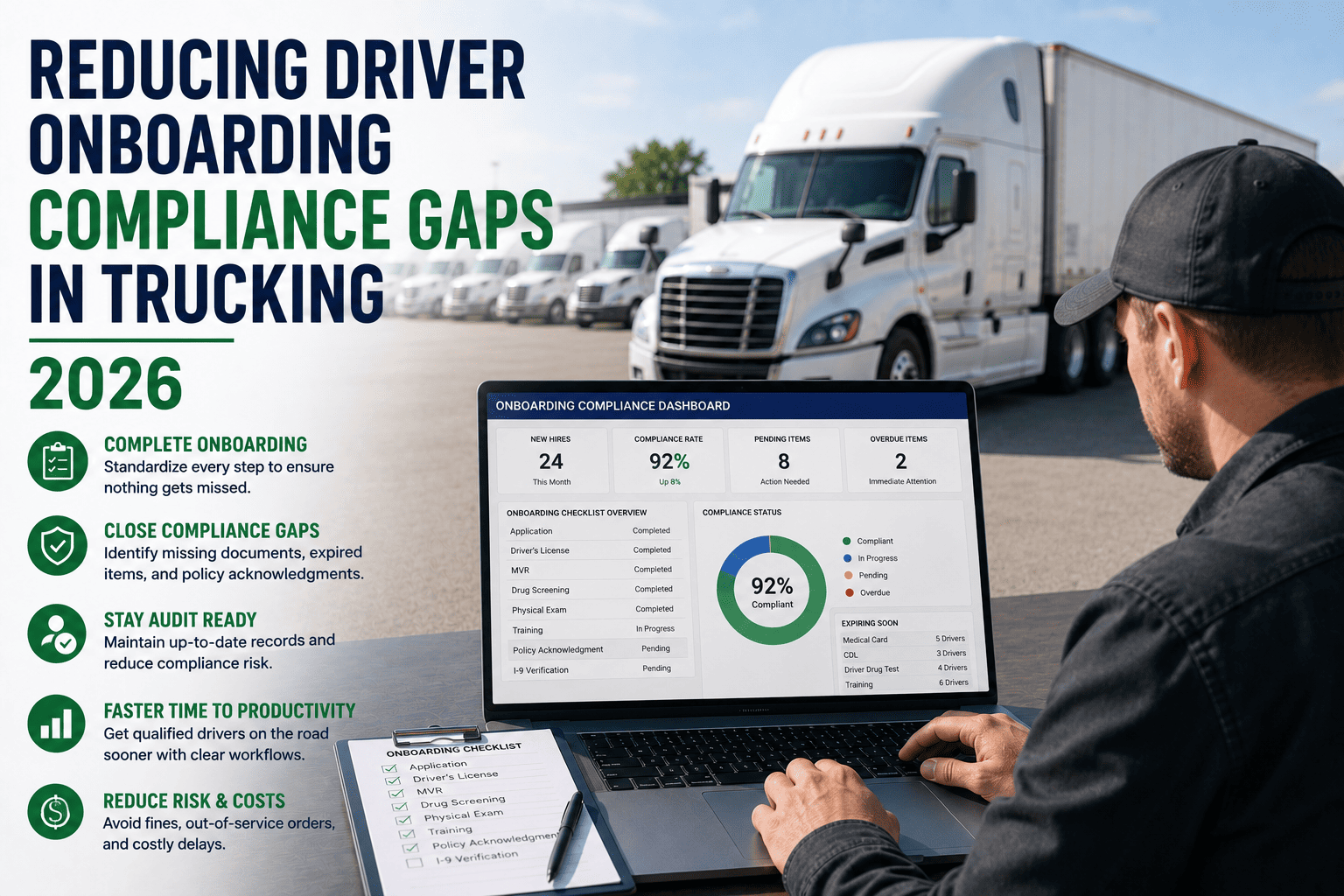
Carrier qualification file requirements mandate retention of driver certification, medical records, and performance documentation. FleetRabbit's driver management system organizes qualification file components with expiration tracking that alerts fleet managers before certification lapses create compliance vulnerabilities.
Measuring Safety Culture Improvement With Fleet Data
Safety culture improvement that cannot be measured cannot be managed. Fleet managers committed to systematic safety improvement need quantifiable metrics that reflect actual operational performance rather than lagging indicators like accident frequency alone. FleetRabbit's analytics platform supports safety culture measurement through operational data that reveals the quality of safety process execution.
Inspection Completion Rate
Percentage of required pre-trip and post-trip inspections completed versus scheduled, disaggregated by driver and vehicle unit. Consistent high completion rates indicate strong inspection discipline; declining rates indicate compliance risk before incident data reflects it.
Deficiency Resolution Time
Average time from deficiency report to confirmed repair, segmented by deficiency severity classification. Extended resolution times on safety-critical items indicate maintenance workflow gaps that create vehicle condition risk.
PM Service Compliance Rate
Percentage of scheduled preventive maintenance services completed on time versus deferred beyond interval. High PM compliance rates correlate strongly with lower roadside inspection violation rates and reduced mechanical failure incidents.
HOS Utilization and Violation Rate
Real-time available hours utilization patterns and exception frequency across the driver pool. Organizations that monitor HOS utilization proactively identify scheduling patterns that create violation risk before violations are recorded in the FMCSA Safety Measurement System.
Common Questions About Fleet Software and Safety Culture
QHow does digital inspection software reduce driver resistance to compliance requirements?
Digital inspection tools reduce friction rather than add it. When drivers can complete inspections on a mobile device with guided prompts, photo documentation for deficiencies, and automatic submission rather than manual paper handling, the inspection process becomes faster and simpler for compliant behavior than paper alternatives. The compliance burden is on the documentation system rather than the driver's memory, and drivers who are inspection-compliant benefit from complete records that protect them in the event of post-trip incidents or roadside inspections.
QCan fleet safety software improve insurance premiums for trucking operations?
Commercial vehicle insurers are increasingly requesting evidence of fleet management system use as part of underwriting assessments for renewal and new policy pricing. Fleets that can demonstrate documented inspection completion rates, systematic maintenance compliance, and organized incident history through digital fleet management platforms are in a materially stronger position during insurance renewal negotiations than those relying on paper-based systems. The correlation between systematic safety documentation and lower claim frequency is actuarially recognized by commercial transportation insurers.
QHow long does it take to see measurable safety improvement after implementing fleet management software?
Most transportation organizations implementing structured digital inspection and compliance management see measurable inspection completion rate improvements within the first 30 to 60 days of deployment, as the digital workflow makes compliance monitoring immediate and visible to managers. Lagging safety indicators like incident rates and roadside inspection violation frequencies typically reflect measurable improvement within 6 to 12 months of consistent platform use, as systemic vehicle condition and compliance issues are identified and resolved. The rate of improvement correlates with the consistency and thoroughness of platform adoption across the organization.
QHow does FleetRabbit support fleet managers in communicating safety performance to executives?
FleetRabbit's analytics and reporting module generates fleet safety performance reports that translate operational data into executive-ready metrics — inspection compliance percentages, maintenance adherence rates, HOS utilization summaries, and incident trend analysis. Fleet managers can schedule automated report delivery to executive stakeholders on a defined cadence, providing consistent visibility into safety program performance without requiring manual data compilation. Executive awareness of safety metrics creates the organizational accountability that sustains safety culture initiatives over time.
Safety Culture Outcomes: What Transportation Fleets Achieve With FleetRabbit
INSPECTION
100%
Digital Inspection Accountability
Every pre-trip and post-trip inspection completed through FleetRabbit is documented, timestamped, and associated with specific driver and vehicle records — creating complete accountability across the fleet.
MAINTENANCE
Proactive
Preventive Maintenance Execution
Automated PM scheduling with multi-trigger interval tracking ensures that no vehicle exceeds recommended service intervals due to administrative oversight or scheduling gaps.
HOS
Real-Time
Hours of Service Visibility
Dispatchers have real-time available hours for every driver before making assignment decisions — eliminating dispatch-originated HOS compliance risks that create driver safety pressure and regulatory exposure.
COMPLIANCE
Audit-Ready
Regulatory Documentation
Complete, organized inspection, maintenance, and driver records available immediately during DOT roadside inspections and compliance audits without manual document retrieval or reconstruction.
Conclusion: Safety Culture Is Built in Daily Operations, Not Annual Planning
Safety culture in trucking is not shaped by policy documents or training events — it is built through the cumulative outcome of thousands of daily operational decisions made by dispatchers, drivers, and maintenance coordinators whose access to accurate information determines whether safety standards are upheld or compromised. FleetRabbit provides the operational infrastructure that makes safety standards the default rather than the exception — embedding compliance into pre-trip inspections, dispatch assignments, maintenance workflows, and incident documentation in ways that create systematic accountability across every dimension of fleet operations.
Transportation organizations that invest in fleet management software as a safety culture infrastructure investment — not merely an administrative efficiency tool — achieve measurably lower incident rates, stronger regulatory compliance standing, and better insurance and customer outcomes than those that continue to manage safety through manual processes that cannot enforce standards consistently across large driver pools and distributed operations.
Make Safety Culture Operational With FleetRabbit
FleetRabbit's comprehensive fleet management platform — digital DVIR, HOS monitoring, preventive maintenance scheduling, compliance documentation, and analytics reporting — gives your operations the infrastructure to transform safety values into measurable, consistent operational standards across every driver, vehicle, and dispatch cycle.
Digital DVIR Inspections
HOS Compliance Monitoring
Preventive Maintenance
Driver Accountability
Fleet Analytics
Incident Documentation
April 17, 2026
By Jason Smith
All Posts