.png)
Fleet management in the transportation industry hinges on regulatory compliance. The Federal Motor Carrier Safety Administration (FMCSA) conducts detailed inspections of freight operations to ensure safety standards are met. For many fleet managers, the DOT audit process represents one of the most stressful operational challenges. A single missed record, an incomplete vehicle inspection report, or improperly documented maintenance activity can result in violations, fines, and operational restrictions. However, when fleets implement digital compliance systems like FleetRabbit's Digital Vehicle Inspection Report (DVIR) platform, DOT audits transform from a source of anxiety into a routine compliance checkpoint.
The Challenge: Manual Compliance Systems and Audit Readiness
A 75-vehicle freight company operating across multiple states faced significant challenges with their DOT compliance program. The company ran a traditional paper-based inspection and maintenance system where drivers completed physical inspection reports at the beginning and end of each shift. These reports were collected, sometimes weeks later, and filed in cabinets across three different locations. Maintenance records were scattered across spreadsheets, vendor invoices, and work order systems that didn't communicate with each other.
When the company's annual DOT audit approached, the compliance manager realized the scope of the problem. To prepare for the audit, the company needed to produce evidence that every vehicle had received proper inspections, that all defects had been addressed within required timeframes, and that maintenance had been performed according to FMCSA guidelines. Gathering this documentation from paper records, emails, and disparate computer systems took the compliance team three months of intensive work. Multiple audits of their records revealed gaps where inspections hadn't been properly documented or where maintenance work orders didn't correlate with inspection reports.
The fundamental issues were clear: paper-based systems created delays in defect reporting, made it difficult to verify that repairs had been completed, eliminated the audit trail needed for compliance verification, and consumed enormous amounts of administrative labor. As the DOT audit date approached, the company's leadership understood that their current system would not withstand regulatory scrutiny.
Transform Your Fleet Into a Compliance Machine
FleetRabbit's digital compliance platform automatically documents every inspection, defect, and repair with timestamps and complete audit trails.
The Solution: Digital DVIR and Automated Compliance
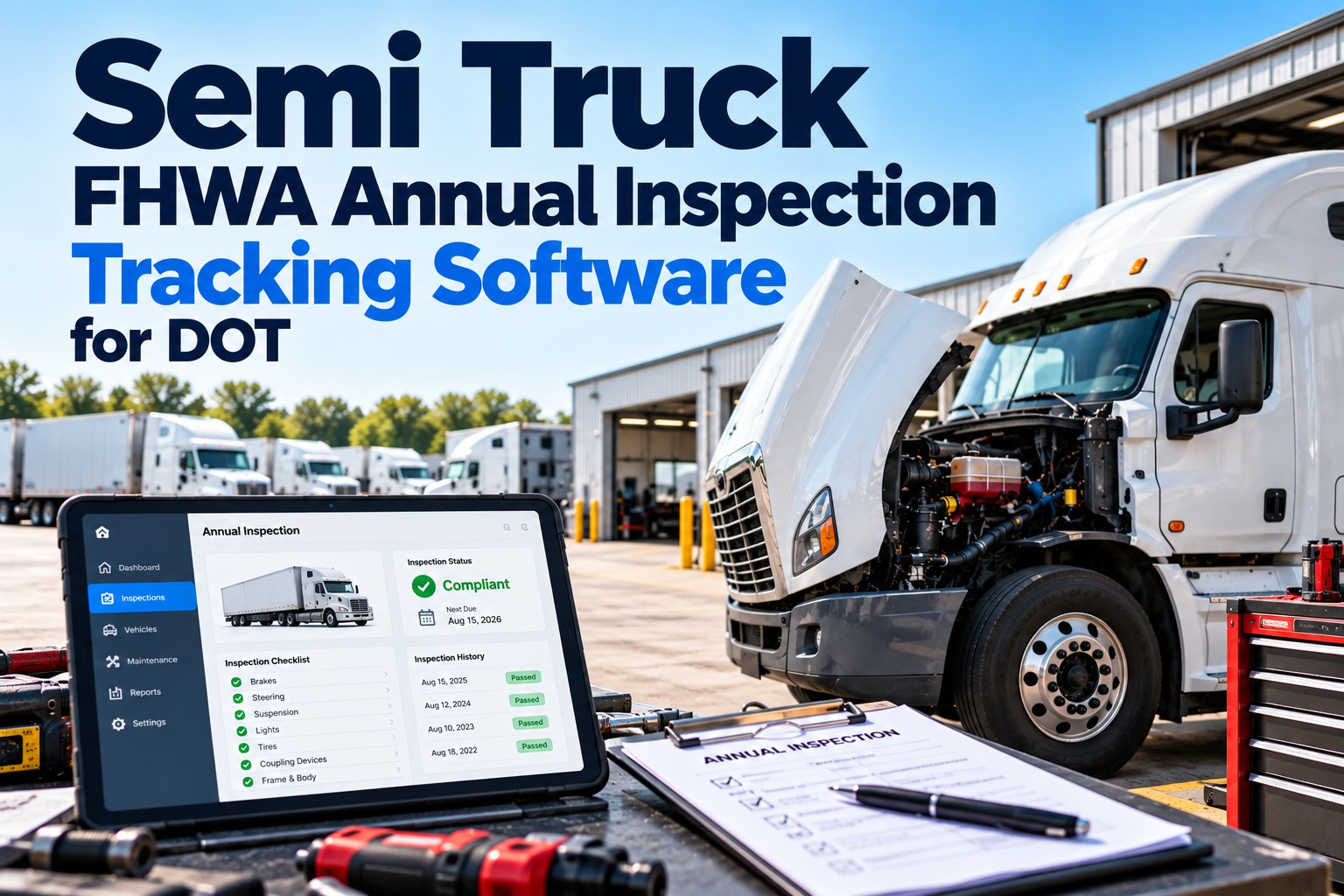
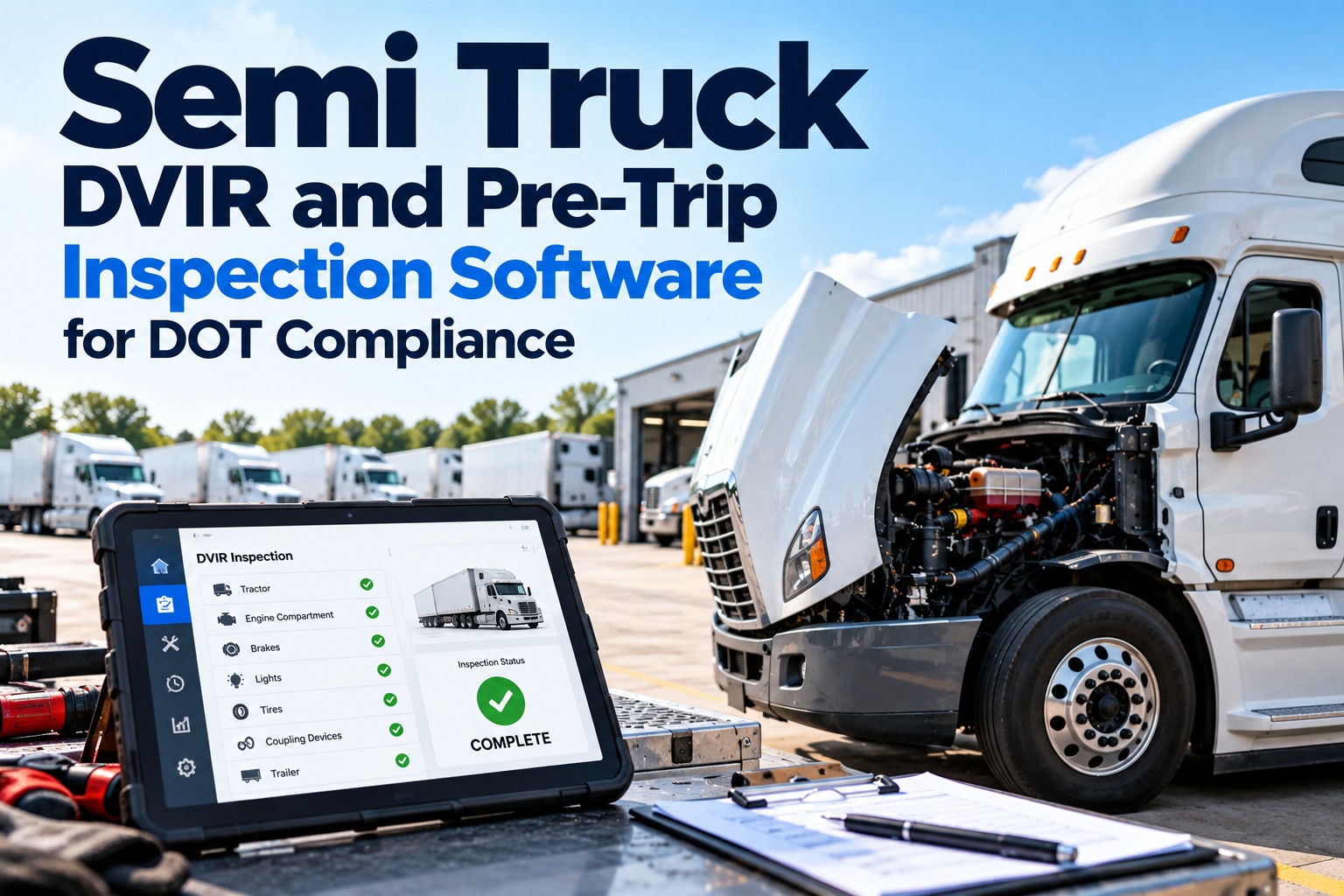
The freight company implemented FleetRabbit's comprehensive Digital Vehicle Inspection Report system across their entire 75-vehicle fleet. The platform replaced paper inspection forms with a mobile-first application that drivers use on smartphones or tablets before and after each shift. When a driver completes a digital inspection, the system immediately captures the inspection timestamp, driver identification, vehicle identification, and detailed defect information including photos and severity classifications.
The Digital DVIR system integrates directly with the company's maintenance management software. When a driver reports a defect during inspection, the system automatically generates a maintenance work order with the defect details, assigns it to the appropriate technician, and tracks the repair from assignment through completion. Once the mechanic completes repairs, they mark the work order as complete, and that completion status flows back to the inspection system. Drivers performing the next pre-trip inspection can verify that previously reported defects have been addressed before operating the vehicle.
All inspection records and maintenance work orders are stored securely in FleetRabbit's cloud infrastructure with complete version history and audit logging. Every action in the system is timestamped and associated with the user who performed it. The platform generates automated compliance reports that pull together inspection records, maintenance documentation, and defect resolution timelines in the exact format required by FMCSA auditors. When the DOT audit team requested documentation, the compliance manager simply generated the automated report from FleetRabbit, which contained every required element in organized, audit-ready format.
Key Features That Ensured Audit Success
Digital DVIR system captures every defect with timestamp, vehicle ID, driver ID, and severity classification. No more lost paper forms or delayed reporting. All defects are immediately visible to maintenance teams.
Every inspection, defect report, maintenance work order, and repair completion is logged with full version history. Auditors can see exactly when inspections occurred and when defects were resolved.
All inspection records are stored securely in the cloud, accessible from any location. No need to gather physical records from multiple buildings or warehouses during audit preparation.
FleetRabbit generates compliance reports in FMCSA-required format with a single click. Reports include inspection histories, defect timelines, and maintenance completion documentation automatically.
Compliance managers monitor open defects in real-time. System alerts flag defects approaching compliance deadlines, ensuring repairs are completed within required timeframes.
Every inspection is associated with the driver who performed it. Inspection patterns are visible, making it clear which drivers conduct thorough inspections and which may need additional training.
The Audit Process and Results
When the DOT audit team arrived, the freight company was prepared. The compliance manager provided the auditors with automated compliance reports generated directly from FleetRabbit. The reports showed comprehensive inspection records for the preceding 12 months, with every vehicle's inspection history, all defects that had been reported, and documentation of repairs completed. The reports included photos of defects taken during inspections and repair completion confirmations from the maintenance team.
The auditors reviewed random samples of inspection records and maintenance work orders. For every defect they selected to investigate, the complete documentation was immediately available. They could see the exact timestamp when the defect was reported, the work order that was generated, when the repair was completed, and how the follow-up inspection documented the repair. The audit trail was so comprehensive and clear that the audit team completed their review in half the time they had allocated.
The audit results exceeded expectations. The freight company received zero violations across all safety and compliance categories. The auditors specifically noted in their report that the company's inspection and maintenance documentation practices exceeded FMCSA standards and represented a best-in-class compliance program. The company's DOT safety rating improved from "Conditional" to "Satisfactory," removing operating restrictions that had previously been imposed.
Audit Results and Impact
Beyond Audit Compliance: Operational Benefits
While the perfect audit was the immediate goal, the freight company discovered that digital DVIR and compliance automation provided benefits extending far beyond regulatory compliance. The immediate availability of inspection and maintenance data revealed patterns that improved vehicle reliability and reduced unplanned downtime.
Mechanics using the digital system reported faster work order completion because they could instantly access driver-reported defects with photos and severity information, eliminating the time previously spent asking questions about vague paper descriptions. The system flagged preventive maintenance due dates based on vehicle usage data, ensuring services occurred before problems developed rather than after vehicles broke down.
Safety improved as well. The system tracks driver inspection quality, and the company identified that drivers conducting more thorough inspections reported more defects, which led to earlier intervention on developing issues. The company implemented targeted training for drivers who performed superficial inspections, improving overall defect detection across the fleet.
Cost savings materialized quickly. The reduction in unplanned maintenance from better preventive care, combined with faster repair completion times, resulted in reduced vehicle downtime. The company estimated saving approximately 40 vehicle-days monthly that would have been lost to maintenance under their previous system. Additional labor savings came from eliminating the administrative time previously spent organizing paper records and manually transferring inspection data between systems.
Implementation Timeline and Change Management
The freight company deployed FleetRabbit's Digital DVIR system across their 75-vehicle fleet in three phases over six weeks. The initial phase involved implementing the system at their largest terminal with 30 vehicles. During this pilot phase, drivers received comprehensive training on the mobile application, and the maintenance team learned how to work with digital work orders. This pilot period allowed the company to identify workflow adjustments needed before rolling out to their other two facilities.
The second phase expanded implementation to 25 additional vehicles at the second facility. By this point, the company had refined their processes and encountered minimal adoption resistance. The third phase brought the remaining 20 vehicles online and included technical staff from all three locations to ensure consistent implementation across their operations.
The company discovered that drivers quickly embraced the digital system despite initial concerns about technology adoption. The mobile application was intuitive, and drivers appreciated that they could photograph defects and provide detailed descriptions rather than struggling with paper forms. Maintenance staff found that digital work orders improved their efficiency by providing clear defect information and reducing communication delays.
Key Lessons for Fleet Compliance Programs
The freight company's success with DOT audit preparation offers valuable lessons for other fleets preparing for regulatory inspections. First, compliance must be built into daily operations rather than scrambled together when audits approach. Digital systems that capture compliance information as part of normal workflows ensure that documentation is complete and current without requiring special audit preparation effort.
Second, automation reduces the burden of compliance documentation while improving accuracy. Manual systems require constant oversight to ensure nothing is missed. Digital systems with automatic workflows ensure that every defect gets a work order, every repair gets documented, and every inspection is properly recorded without human intervention required.
Third, the ability to generate audit-ready reports from your system saves enormous time during actual audits. When auditors request documentation, the ability to instantly provide organized, complete records accelerates the process and demonstrates confidence in your compliance program. The freight company's auditors completed their review in half the allocated time because all requested information was immediately available in organized format.
Finally, investing in compliance infrastructure pays dividends far beyond regulatory compliance. Better inspection and maintenance data leads to improved vehicle reliability, reduced downtime, improved safety outcomes, and ultimately better financial performance. Compliance becomes a source of competitive advantage rather than just a regulatory burden.
Before and After: Compliance Metrics
| Metric | Before FleetRabbit | After FleetRabbit |
|---|---|---|
| Audit Preparation Time | 3 months of intensive work | 2 weeks for report generation |
| Inspection Documentation Gaps | 15-20% of records incomplete | 100% of inspections documented |
| Defect Resolution Time | 7-14 days average | 2-3 days average |
| Monthly Unplanned Downtime | ~80 vehicle-days | ~40 vehicle-days |
| DOT Audit Violations | Not applicable (first audit) | 0 violations |
| Safety Rating | Conditional | Satisfactory |
| Compliance Report Generation | Manual compilation, 3+ weeks | Automated, single click |
| Driver Inspection Training Needs | Unknown due to inconsistent records | Identified and addressed with targeted training |
Industry Context: DOT Audit Challenges
The freight company's experience reflects broader challenges facing the transportation industry. The FMCSA conducts thousands of fleet audits annually, and violations remain common across the industry. Many fleets struggle with the administrative burden of maintaining compliant inspection and maintenance documentation. For large fleets operating multiple terminals, coordinating compliance across locations presents significant operational challenges.
Digital compliance systems address these core challenges by automating documentation capture and storage. Rather than relying on paper forms that can be lost, damaged, or incomplete, digital systems ensure that every inspection and maintenance activity is captured consistently and stored securely. The standardization that digital systems provide makes it possible to scale compliance across multiple vehicles and locations without adding proportional administrative overhead.
Regulatory trends favor digital documentation. The FMCSA has increasingly emphasized electronic logging devices (ELDs) and digital record-keeping as best practices. Fleets that implement digital systems ahead of regulatory requirements position themselves favorably for future compliance requirements and gain operational advantages in the present.
Implementing Digital DVIR in Your Fleet
If your fleet is preparing for a DOT audit or wants to improve compliance readiness, Digital DVIR implementation follows a straightforward process. Begin by assessing your current inspection and maintenance documentation practices. Identify gaps where records are incomplete, duplicated across systems, or difficult to access. These gaps represent your highest audit risk.
Next, select a digital system designed specifically for fleet compliance. The system should capture driver inspections with timestamps and vehicle identification, integrate with your maintenance software, provide automated work order generation from defects, and generate audit-ready compliance reports. FleetRabbit's platform is specifically designed for these requirements and includes training and implementation support to ensure successful adoption.
Plan your implementation in phases, starting with a pilot group of vehicles. This approach allows your team to learn the system and refine processes before full deployment. Allocate adequate time for driver and maintenance staff training. Most operators learn the digital system within one training session and quickly develop proficiency.
After implementation, establish processes to monitor compliance metrics regularly. Review inspection completeness rates, defect resolution timelines, and vehicle maintenance compliance. Use this data to identify areas for continuous improvement. Most fleets find that compliance improves gradually over the first several months as drivers and mechanics adapt to the new system and processes are refined.
Related Topics
Frequently Asked Questions
What is a DOT audit and how often do fleets face inspections?
The FMCSA conducts compliance audits of motor carrier operations based on risk assessment factors. Audits can occur annually or every 2-3 years depending on your safety rating and violation history. Audits examine inspection and maintenance records, driver qualifications, and hours of service compliance. Better documentation practices improve audit outcomes.
Can digital DVIR systems reduce the time spent preparing for DOT audits?
Yes, significantly. Traditional audit preparation requires gathering paper records from multiple locations and manually organizing them. Digital systems maintain organized records continuously, so audit preparation becomes report generation rather than extensive record compilation. Most fleets reduce audit preparation from weeks to days.
How does FleetRabbit's Digital DVIR integrate with existing maintenance systems?
FleetRabbit integrates with most major fleet management and maintenance software platforms through APIs and automated data transfer. Defects reported through digital inspections automatically generate work orders in your maintenance system. Repair completion updates flow back to the inspection system for closure verification.
What happens if a driver doesn't report an inspection?
FleetRabbit alerts fleet managers when inspections are not completed by expected times. System notifications prevent vehicles from operating without completed inspections. Compliance managers can identify drivers needing additional training or coaching to ensure consistent inspection completion.
Are digital inspection records admissible as evidence in DOT audits?
Yes, digital inspection records with complete timestamps and audit trails actually provide better evidence of compliance than paper forms. FMCSA auditors specifically recognize that digital systems provide superior documentation of inspection and maintenance activities. Cloud-stored records with version history strengthen your compliance position.
What training is required for drivers to use digital DVIR?
FleetRabbit's mobile application is designed for intuitive operation requiring minimal training. Most drivers become proficient after a single 30-minute training session. The application guides drivers through the inspection process with clear prompts, making it accessible even for less tech-savvy operators.
How does FleetRabbit ensure data security for audit records?
FleetRabbit uses enterprise-grade cloud infrastructure with encryption, access controls, and backup systems. All records include immutable audit trails showing who accessed what and when. Your compliance data is protected with the same security standards used by major financial institutions.
Can I generate compliance reports for specific vehicles or time periods?
Yes, FleetRabbit's reporting system allows filtering by vehicle, date range, violation type, or other criteria. You can generate comprehensive fleet-wide reports or focus on specific vehicles for detailed analysis. Reports are available in formats suitable for auditor review.
What is the implementation timeline for Digital DVIR across a fleet?
Implementation typically occurs in phases. A pilot phase with 10-20% of vehicles takes 2-4 weeks. Full deployment across larger fleets usually completes within 6-8 weeks. Implementation includes training, system setup, and integration testing with your existing systems. Start with Book Demo to discuss your timeline.
Does FleetRabbit help with other compliance requirements beyond DOT audits?
FleetRabbit's platform supports broader fleet compliance needs including maintenance scheduling, driver hours of service tracking, fuel consumption monitoring, and safety management. The integrated approach ensures your entire compliance program benefits from centralized digital record-keeping. Start Free Trial to explore all features.
Join Fleets Passing Audits With Zero Violations
FleetRabbit's Digital DVIR transforms your compliance program from a burden into a competitive advantage. Perfect DOT audit results start with perfect documentation.