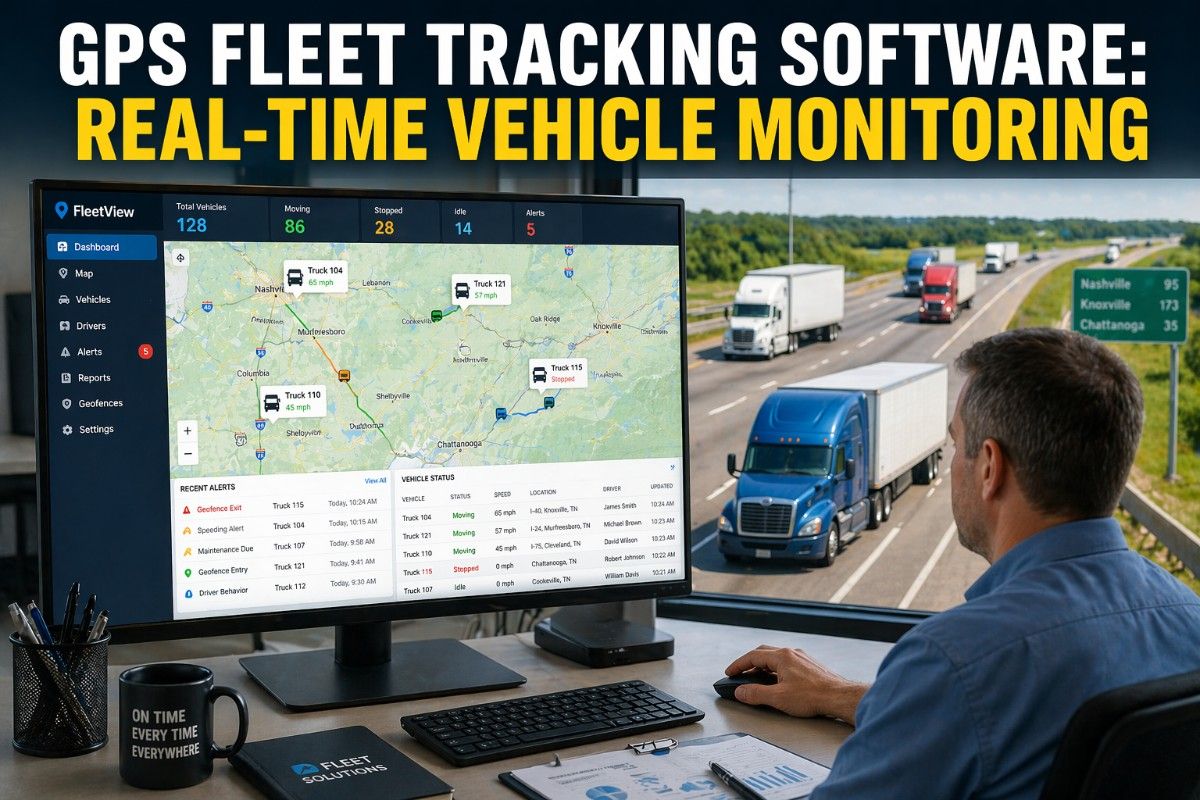
In the transportation and logistics industry, profit margins are tight, and visibility is everything. A fleet operating across state lines or national highways is a complex web of vehicles, drivers, cargo, and delivery windows. For a fleet manager or logistics director at a mid to large-scale operation, the lack of real-time visibility isn't just an inconvenience; it is a direct liability. When a truck is stuck in traffic, takes an unauthorized detour, or idles for too long, the costs accumulate in fuel burns, missed delivery windows, and frustrated customers. Many logistics companies operate with a fragmented view of their assets, relying on periodic driver check-ins or outdated telematics that report location but fail to provide context. This gap between knowing a vehicle's last known position and understanding its current, real-time status is where operational efficiency goes to die. FleetRabbit addresses this fracture at its core, moving beyond simple location pings to offer a comprehensive, real-time vehicle monitoring ecosystem designed specifically for the rigorous demands of modern transportation and logistics.
For transportation and logistics companies, real-time GPS fleet tracking is no longer a luxury but a competitive necessity. FleetRabbit provides a unified dashboard that consolidates live vehicle positions, driver behavior metrics, and engine diagnostics. This eliminates the blind spots created by disparate systems, reduces manual check-in calls by over 70 percent, and provides fleet managers with the verifiable data needed to optimize routes, lower fuel consumption, and prove service delivery to clients. The result is a measurable reduction in operational latency and a significant improvement in asset utilization across the entire fleet.
The Visibility Gap: Why Traditional Tracking Fails Modern Logistics
The transportation sector has evolved beyond simple point A to point B movements. Today, logistics executives are judged on key performance indicators such as on-time in-full delivery rates, cost per mile, and vehicle utilization. Traditional GPS tracking systems, or worse, purely paper-based logs, create a reactive environment. A manager learns about a delay after it has already impacted the customer. They see a vehicle is moving but have no insight into driver behavior, such as harsh braking that increases accident risk or excessive idling that burns unnecessary fuel. Furthermore, coordinating a mixed fleet of long-haul trucks, local delivery vans, and service vehicles across different software platforms leads to data silos. FleetRabbit's architecture is built to collapse these silos. By providing a single, unified view of every asset, the platform transforms raw GPS coordinates into actionable operational intelligence. The difference between knowing a truck is "on route" and seeing that it has been stationary for 20 minutes at an unplanned location is the difference between proactive management and crisis response.
Why Fleet Managers Select FleetRabbit for GPS Fleet Tracking
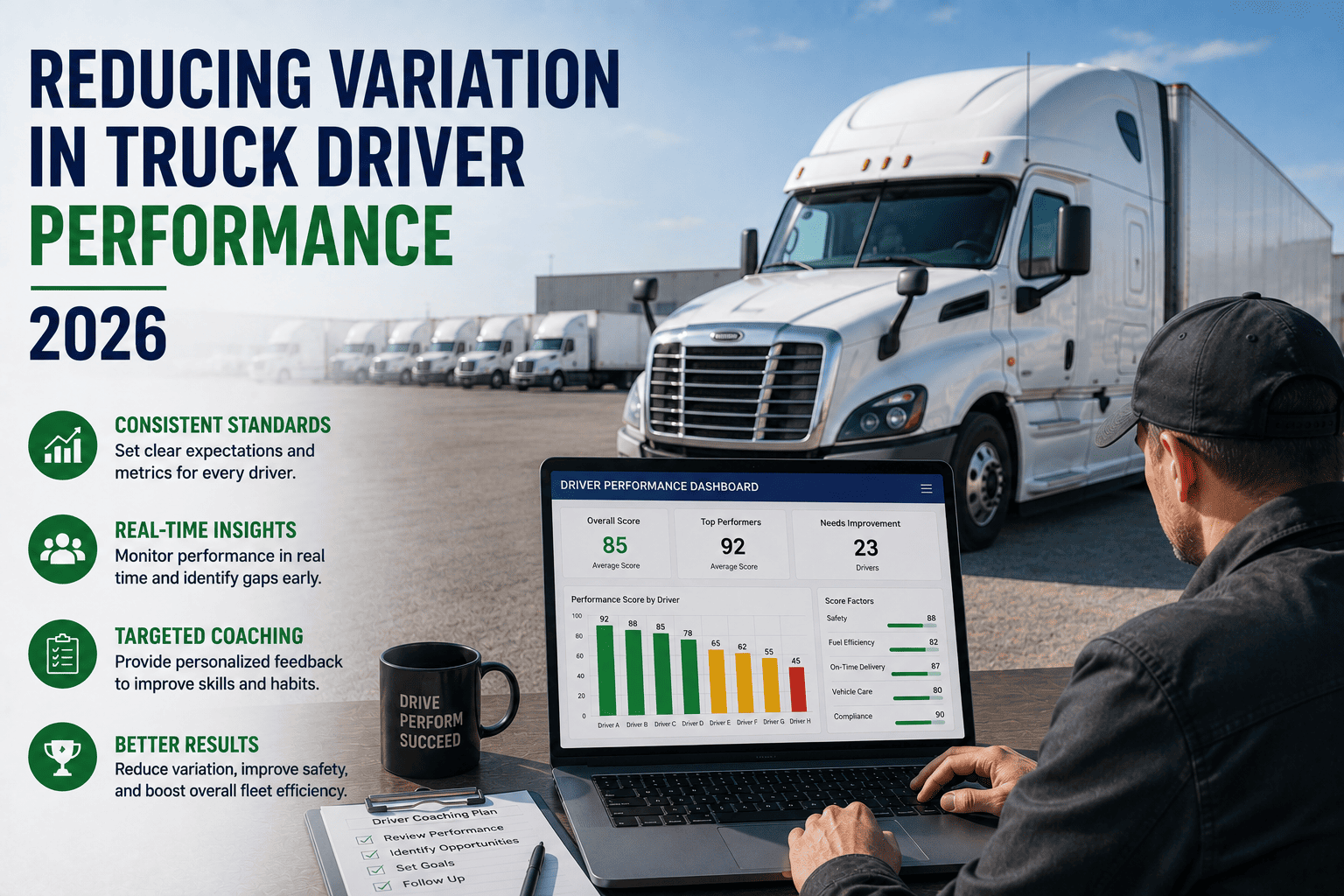
During the vendor evaluation process, logistics leaders prioritize four critical capabilities: refresh rate accuracy, driver behavior analytics, geofencing flexibility, and integration depth. FleetRabbit distinguishes itself from conventional telematics providers by delivering these features not as add-ons but as core components of a unified platform. The architecture prioritizes low-latency data transmission, ensuring that the position displayed on the dispatch dashboard is seconds old, not minutes. For a fleet manager coordinating a just-in-time delivery network, this latency difference is the difference between rerouting a driver before they hit a bottleneck or after they are already stuck in it. Additionally, FleetRabbit's driver behavior scoring system moves beyond binary speed alerts to provide a nuanced view of fuel-efficient driving, vehicle wear and tear impact, and safety risk correlation, enabling targeted coaching sessions that reduce preventable accidents and extend vehicle life.
Live Deployment: From Fragmented Visibility to Unified Command
Implementing a fleet-wide GPS tracking solution across a diverse transportation operation typically presents three challenges: hardware compatibility across different vehicle makes and models, driver acceptance of monitoring, and data clean-up from legacy systems. FleetRabbit's deployment process is structured to address these friction points directly, minimizing operational disruption while accelerating time to value. The hardware layer supports a range of device types, from OBD plug-and-play units for light-duty vehicles to hardwired devices for heavy-duty trucks, ensuring compatibility across the entire asset base. The software layer prioritizes driver privacy and data transparency, framing tracking as a safety and efficiency tool rather than a surveillance mechanism. By the end of the first month, fleet managers transition from manually compiling daily status reports to monitoring live performance dashboards that update automatically from vehicle data streams.
Operational Outcomes: Metrics That Matter to Logistics Executives
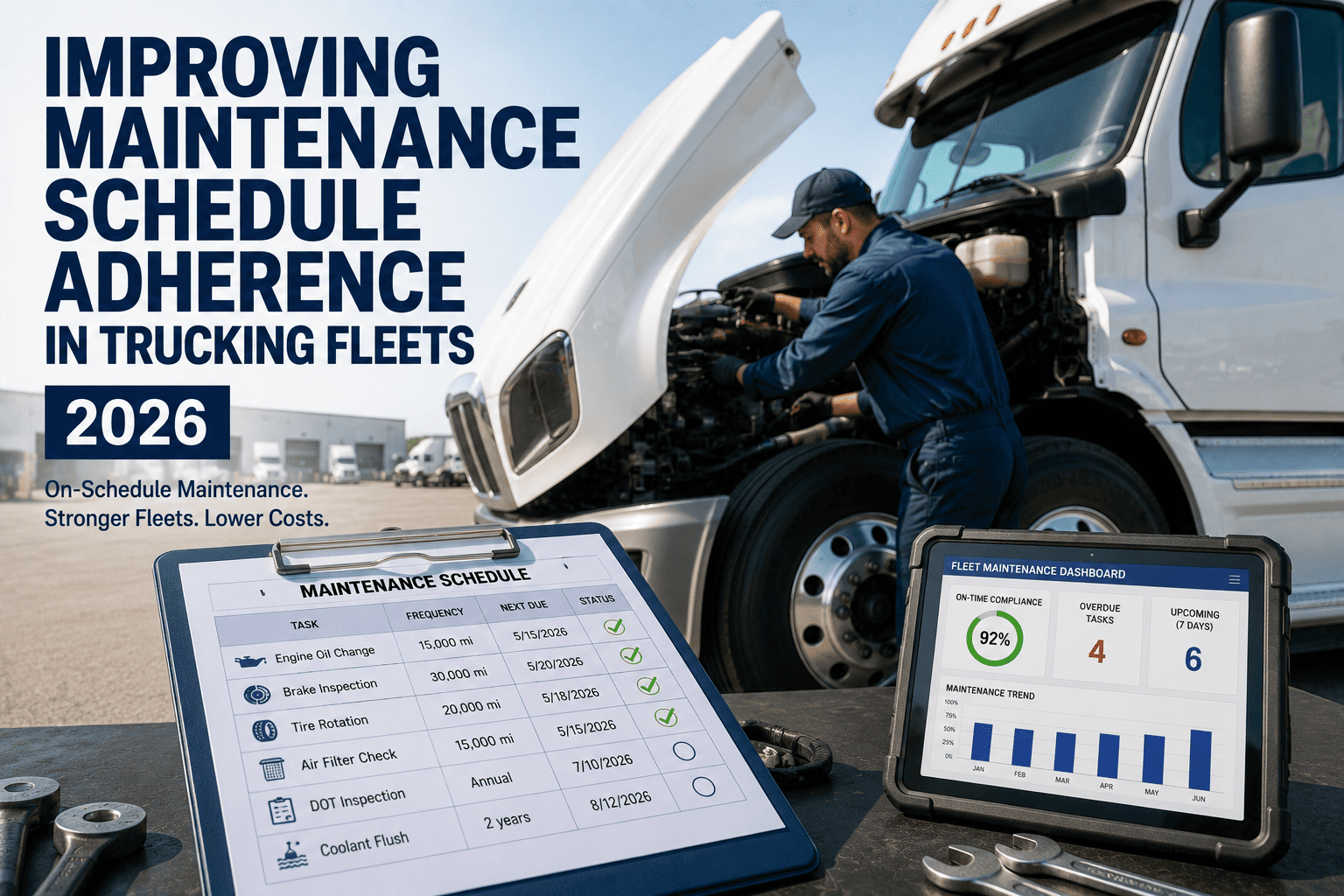
The true measure of a GPS fleet tracking solution is not the technology itself but the operational and financial outcomes it drives. For transportation and logistics companies, the three most sensitive metrics are vehicle utilization, cost per mile, and on-time delivery percentage. FleetRabbit's real-time monitoring and historical reporting capabilities directly influence these metrics by providing the data needed to optimize dispatching decisions, coach driver behavior, and validate maintenance schedules. Within the first 90 days of deployment, logistics leaders typically observe a measurable contraction in idle time as drivers become aware of monitoring and dispatchers proactively reroute based on live traffic data. Simultaneously, the automated maintenance alerts shift the fleet from a reactive breakdown culture to a preventive one, reducing unplanned roadside events that incur tow fees, delay penalties, and customer compensation costs.
Key Performance Indicators: A Before and After Analysis
The transition from fragmented, manual tracking to a unified real-time GPS platform yields quantifiable improvements across the logistics operation. The table below presents typical performance shifts observed in transportation fleets of fifty to three hundred vehicles after twelve months on the FleetRabbit platform. These metrics are drawn from aggregated operational data and reflect the compounding effect of daily visibility on fleet management decisions.
| Operational Metric | Before FleetRabbit | After FleetRabbit (12 Months) |
|---|---|---|
| Daily vehicle location checks | Manual calls or SMS — 30+ minutes per dispatcher shift | Live dashboard — position available instantly for all assets |
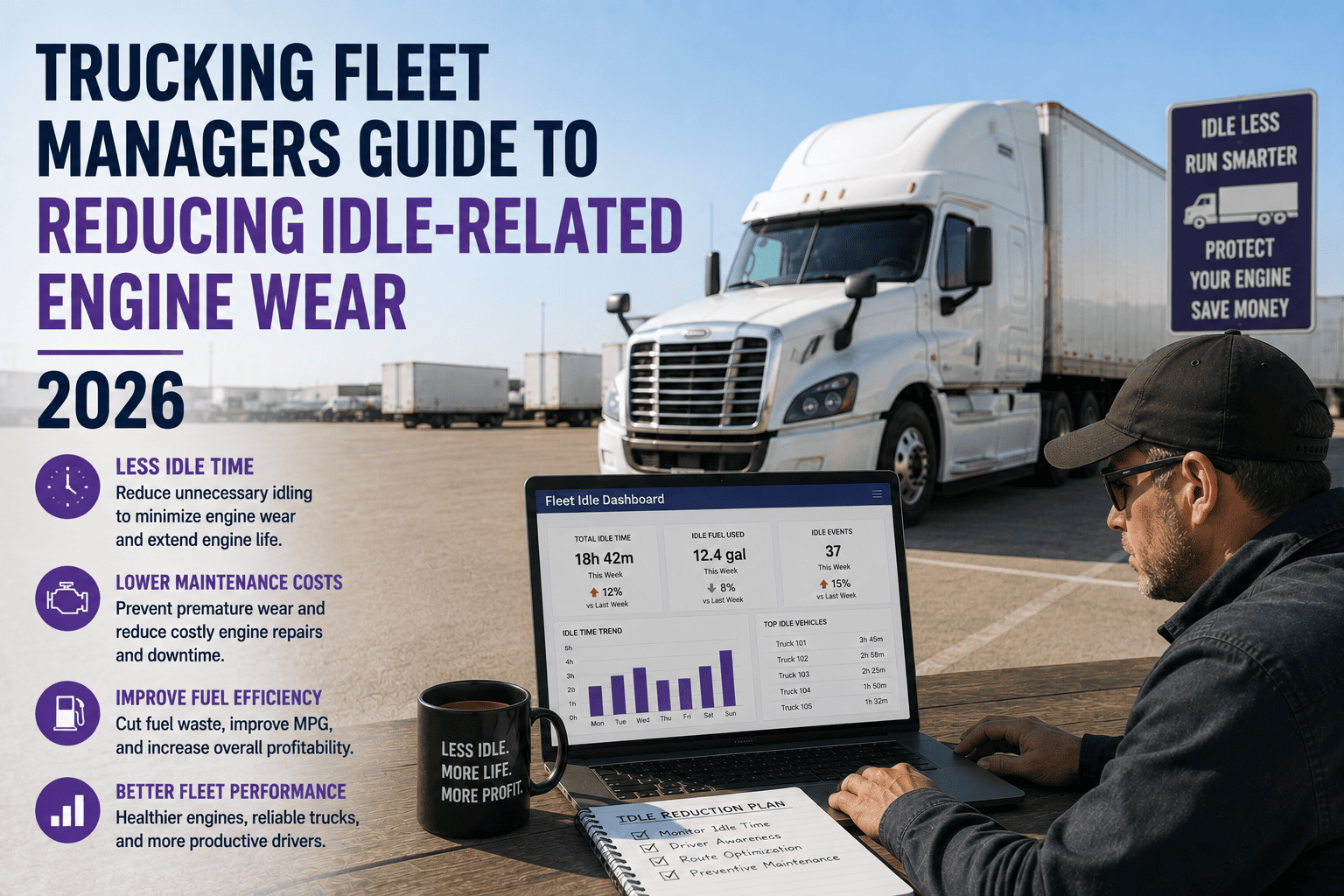
| Idle time per vehicle daily average | 1.8 hours — unmonitored and uncoached | 1.2 hours — real-time idle alerts reduce waste |
| Harsh driving events per 1,000 miles | 12.4 — no objective scoring system | 8.2 — driver scorecards enable targeted coaching |
| Unscheduled breakdowns per month | 4.2 across 100-vehicle fleet | 2.1 — predictive alerts from engine diagnostics |
| Average response time to customer delay inquiry | 12 minutes — required contacting driver directly | 90 seconds — live location provides immediate answer |
| Geofence compliance at customer sites | 78 percent — entry and exit logged inconsistently | 96 percent — automated zone alerts drive adherence |
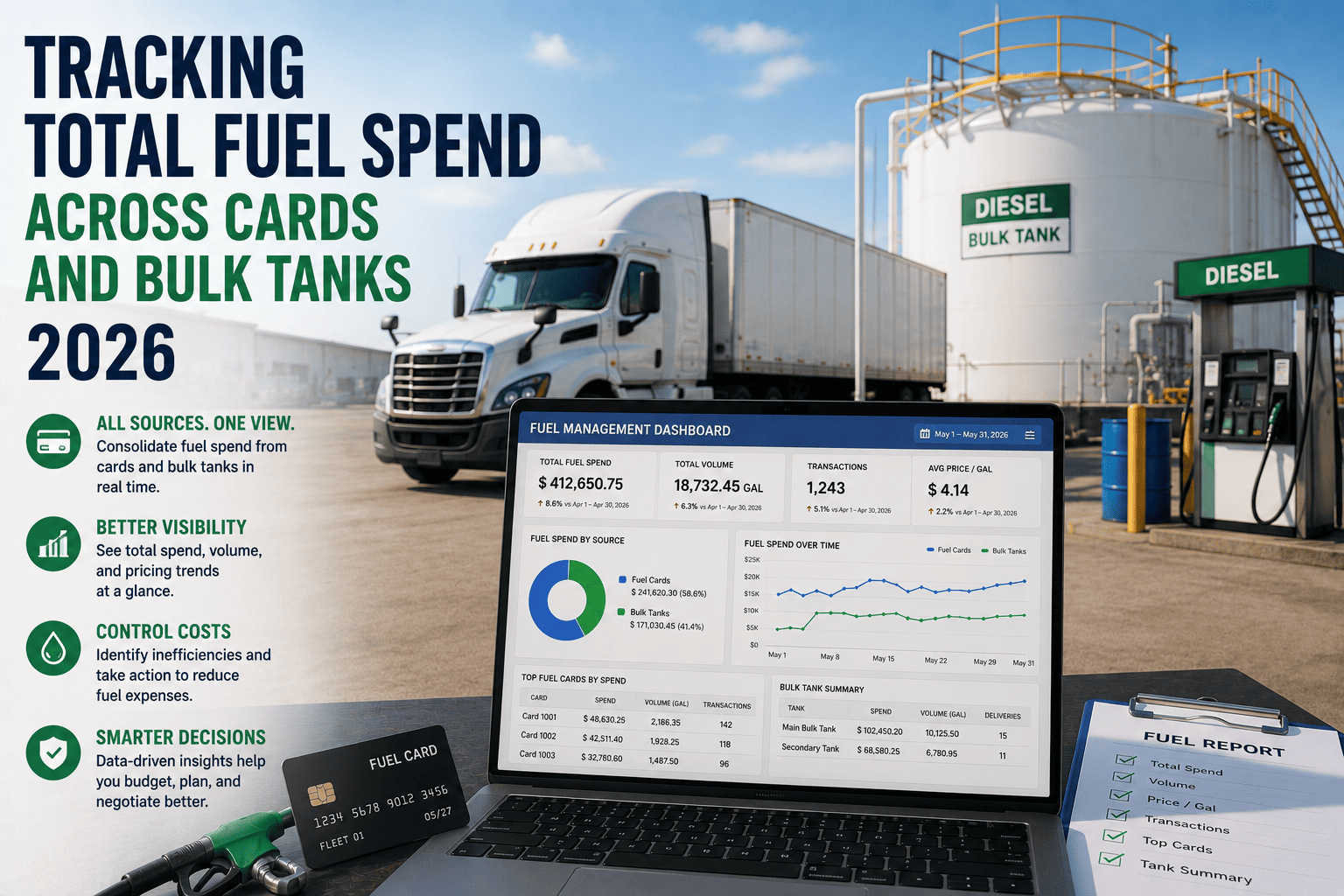
| Monthly fuel cost per vehicle | Baseline established at deployment start | 8 to 12 percent reduction from reduced idle and optimized routing |
Geographic and Regulatory Coverage for Transportation Fleets
Transportation and logistics operations rarely stay within a single jurisdiction. Fleets cross state lines, navigate international borders, and must comply with a patchwork of hours of service regulations, environmental idling restrictions, and tolling policies. FleetRabbit's tracking architecture is designed to maintain consistent performance across these varying regulatory landscapes. The platform does not rely on cellular coverage alone; it buffers data during network gaps and synchronizes automatically when connectivity returns. For fleet managers, this means no blind spots when a truck passes through rural corridors or underground loading docks. Additionally, the reporting engine can be configured to generate compliance documentation required by safety auditors and environmental agencies, reducing administrative overhead associated with proving idling compliance or route adherence during inspections.
| Operational Region | Applicable Regulations | FleetRabbit Documentation Coverage |
|---|---|---|
| United States | FMCSA Hours of Service, ELD Mandate, State Idling Laws | Engine hour logs, geofenced idle reporting, driver status change tracking for HOS compliance |
| Canada | Transport Canada Safety Standards, Provincial Idling Bylaws | Real-time speed and location logs, automated idling violation alerts, cross-province route reporting |
| European Union | Tachograph Rules, Euro VI Emissions Zones, GDPR | GDPR-compliant driver privacy modes, low-emission zone geofencing, digital tachograph data integration |
| Australia | NHVR Fatigue Management, Chain of Responsibility | Driver work diary integration, fatigue risk alerts, primary duty reporting for consignors and carriers |
| Latin America | Cargo Theft Prevention Laws, Local Environmental Standards | Unauthorized route deviation alerts, geofenced safe parking zones, emergency panic button integration |
Live GPS Tracking for Fleets of Any Size or Jurisdiction
FleetRabbit provides real-time vehicle monitoring solutions designed for the specific compliance and operational demands of transportation and logistics companies operating across multiple regulatory regions. The platform maintains consistent tracking performance whether your fleet runs local deliveries or international routes.
Perspective From the Dispatch Desk and the Driver Seat
Technology adoption in transportation fails when it solves problems for the office while creating friction for drivers and dispatchers. FleetRabbit was developed with input from both roles, ensuring that the interface serves the operational reality of a twelve-hour shift. Dispatchers need a clean, uncluttered map view that highlights exceptions rather than all vehicles equally. Drivers, often concerned about privacy and micromanagement, need transparency into how their data is used and visible benefits such as automated arrival logging that reduces paperwork. The following perspectives reflect feedback from logistics professionals who have integrated FleetRabbit into their daily operations.
Frequently Asked Questions About Real-Time GPS Fleet Tracking
From Real-Time Location to Real-Time Operational Control
FleetRabbit transforms raw GPS data into the operational intelligence that transportation and logistics leaders need to reduce waste, improve safety, and deliver reliable service. The platform delivers live vehicle positions, driver behavior analytics, and maintenance alerts through a single dashboard designed for the pace of dispatch operations.