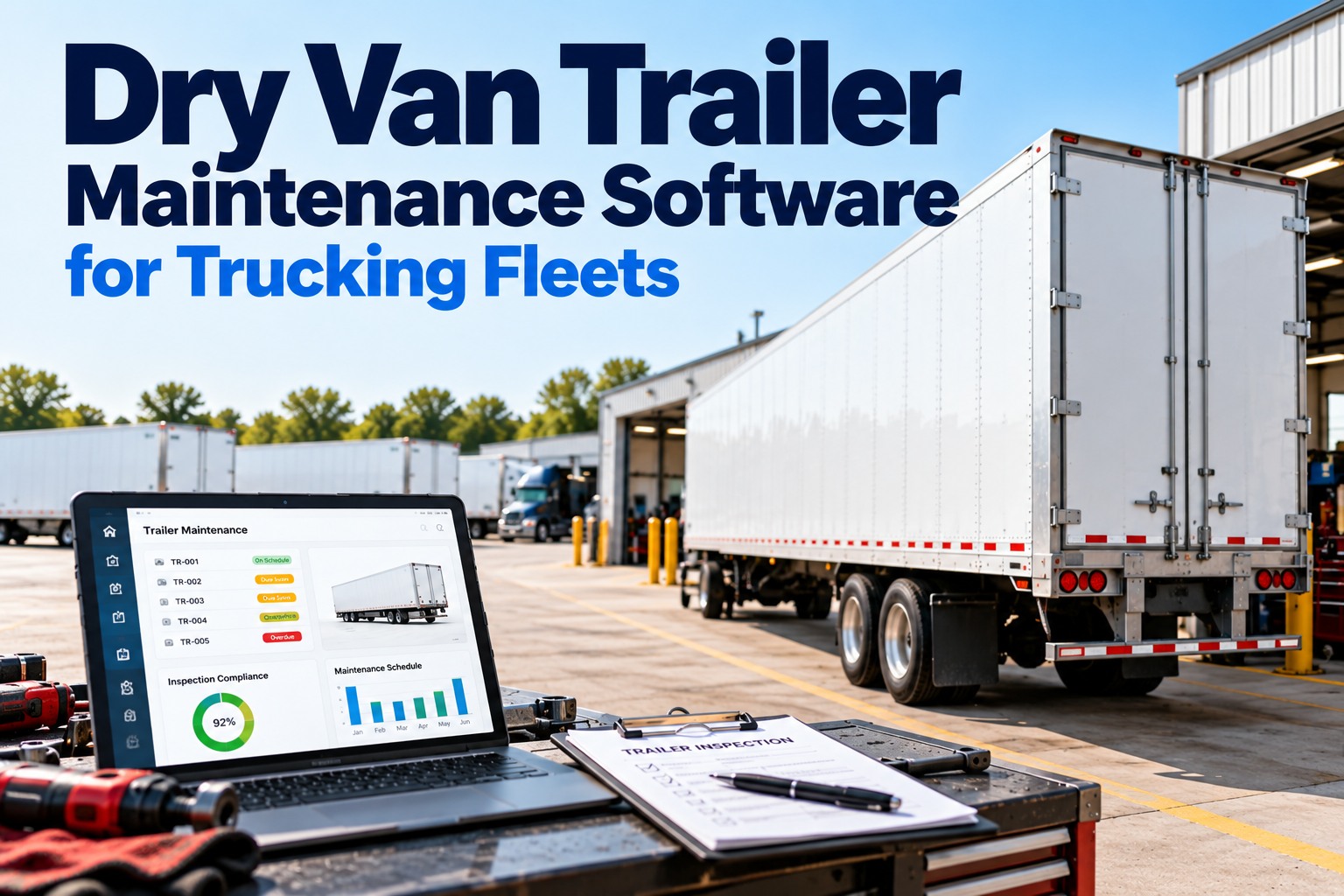
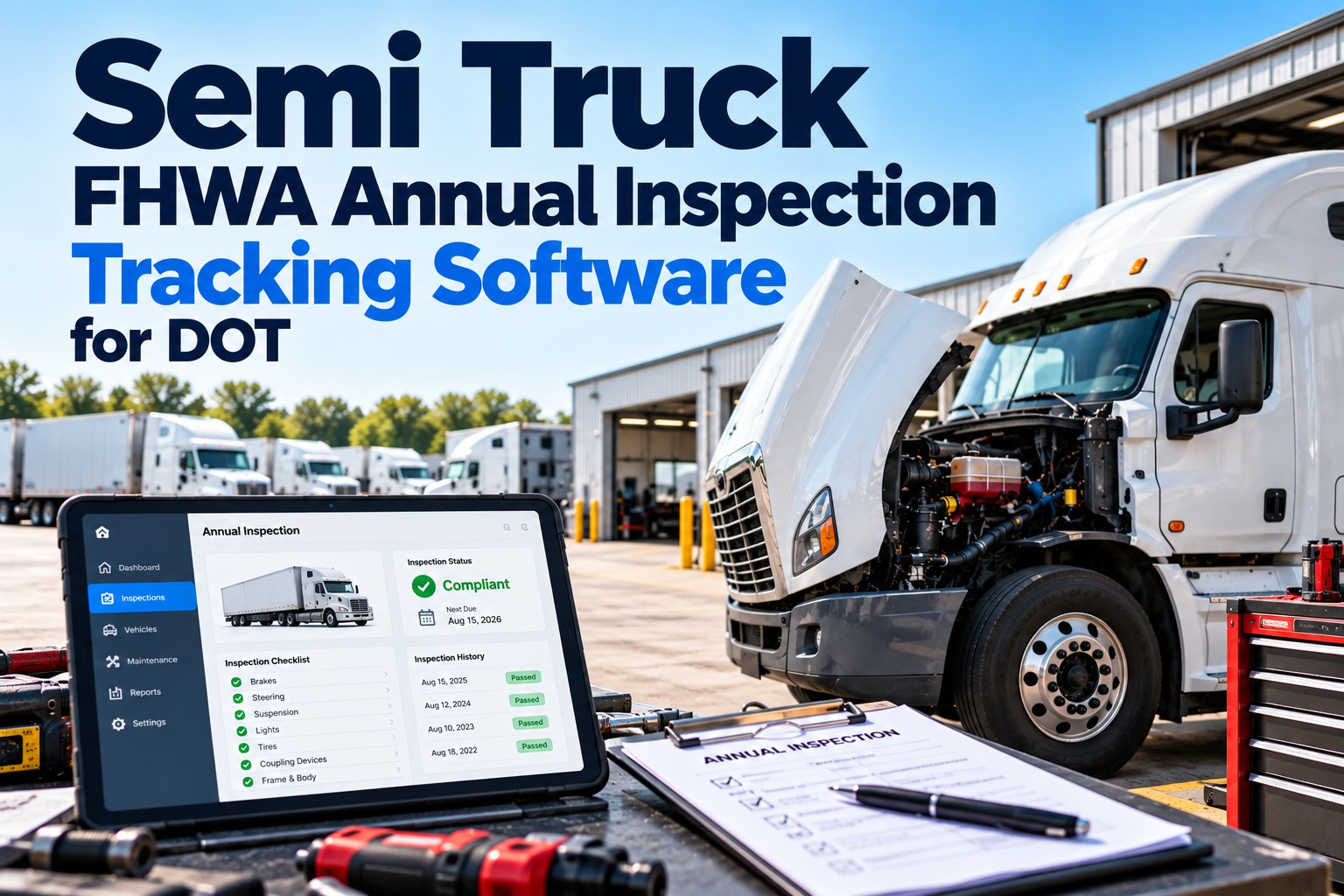
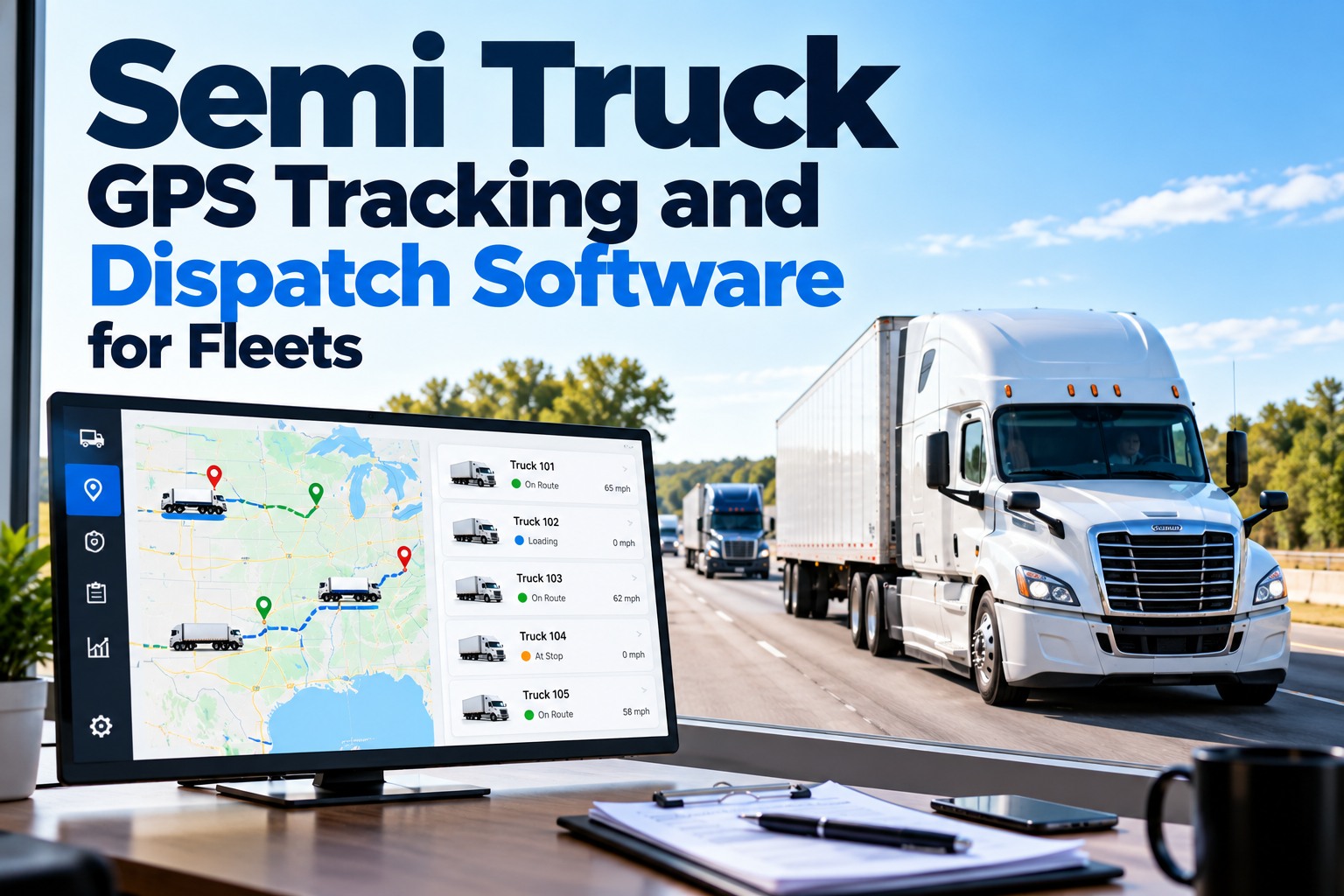
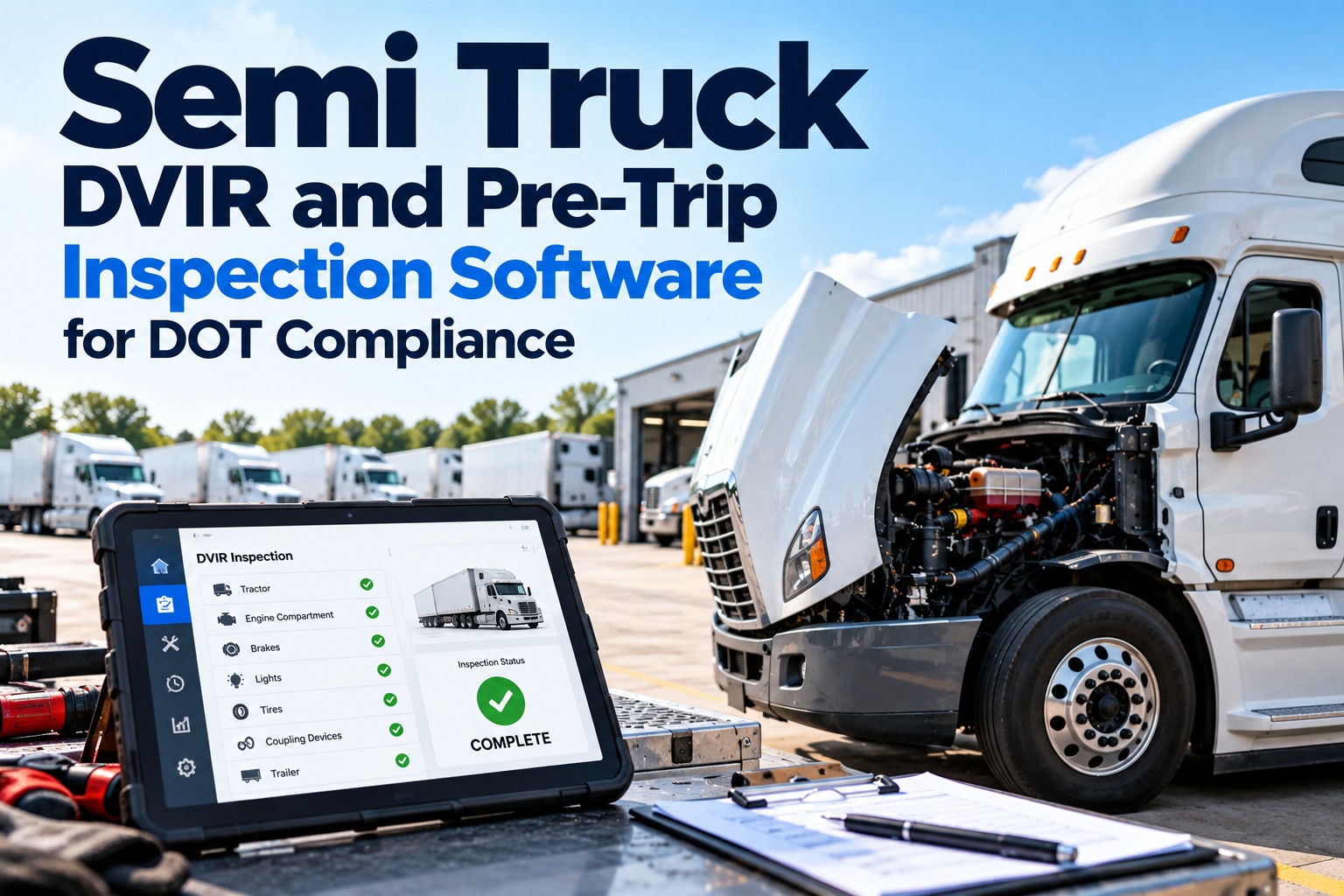
Heavy truck tracking solutions go beyond basic GPS to provide comprehensive visibility into logistics operations. Advanced telematics systems integrate real-time location data with vehicle diagnostics, driver behavior analytics, and load status monitoring — enabling logistics managers to optimize routes, reduce downtime, and ensure on-time deliveries. FleetRabbit's heavy truck tracking platform combines GPS accuracy with predictive analytics, delivering the operational intelligence that modern logistics fleets require for competitive advantage. Book a demo to explore advanced truck tracking capabilities.
99.8%
GPS Tracking Accuracy
24/7
Real-Time Monitoring
35%
Route Efficiency Improvement
50hrs
Monthly Time Saved on Dispatch
Fleet Tracking Challenges in Logistics
Logistics operations face significant challenges with traditional tracking methods. Inaccurate location data, delayed reporting, and lack of predictive insights lead to inefficient routing, increased fuel costs, and compliance risks. Modern heavy truck tracking addresses these pain points with integrated technologies that provide real-time, actionable data.
Inaccurate Route Planning
Without real-time traffic and weather data, routes become inefficient, causing delays and higher fuel consumption.
Unplanned Downtime
Reactive maintenance leads to unexpected breakdowns, disrupting schedules and increasing repair costs.
Driver Safety Risks
Lack of behavior monitoring results in unsafe driving practices, accidents, and regulatory violations.
Cargo Visibility Gaps
Inability to monitor load conditions leads to spoilage, theft, or damage during transit.
Advanced Tracking Technologies Beyond GPS
Modern heavy truck tracking leverages multiple technologies to provide comprehensive fleet visibility. GPS serves as the foundation, but advanced systems incorporate cellular connectivity, satellite communication, and onboard diagnostics for complete operational control.
Telematics Integration
Direct connection to vehicle ECUs provides engine performance data, fuel consumption metrics, and diagnostic trouble codes in real-time.
IoT Sensor Networks
Temperature, pressure, and vibration sensors monitor cargo conditions and vehicle health, alerting operators to potential issues before they impact operations.
AI-Powered Analytics
Machine learning algorithms analyze historical data to predict optimal routes, maintenance schedules, and driver performance trends.
Mobile Connectivity
4G/5G cellular networks ensure reliable data transmission even in remote areas, with satellite backup for complete coverage.
Why Heavy Truck Tracking Matters for Logistics Operations
Logistics fleets face unprecedented pressure to deliver faster, cheaper, and more reliably. Traditional GPS tracking provides location data, but modern heavy truck tracking solutions integrate telematics, predictive maintenance, and compliance monitoring to transform raw data into actionable operational intelligence.
Real-Time Location & Route Optimization
GPS tracking with traffic data and weather integration enables dynamic route adjustments, reducing delivery times by 15-25% and fuel consumption through optimized paths.
Predictive Maintenance Alerts
Engine diagnostics and sensor data predict component failures before they occur, minimizing unplanned downtime and extending vehicle life by 20-30%.
Driver Performance Monitoring
Behavior analytics track safe driving habits, providing coaching opportunities that reduce accidents by 40% and improve fuel efficiency through better driving practices.
Load & Cargo Visibility
Integrated load sensors and temperature monitoring ensure cargo integrity, with real-time alerts for temperature excursions or load shifts during transit.
Implementation & ROI for Logistics Fleets
Heavy truck tracking solutions deliver measurable improvements across key logistics metrics. Implementation typically takes 4-6 weeks, with ROI achieved within 3-6 months through fuel savings, reduced downtime, and improved delivery performance.
| Metric |
Before Tracking |
After Implementation |
Improvement |
| On-Time Delivery Rate |
85% |
96% |
+11% |
| Fuel Efficiency |
6.2 MPG |
7.1 MPG |
+15% |
| Maintenance Costs |
$0.12/mi |
$0.08/mi |
-33% |
| Fleet Utilization |
78% |
92% |
+18% |
Integration and Deployment Process
Deploying heavy truck tracking requires careful planning to minimize disruption. FleetRabbit's phased approach ensures smooth integration with existing systems and quick realization of benefits.
1
Assessment & Planning
Evaluate current fleet size, telematics infrastructure, and integration requirements. Define key performance indicators and success metrics.
2
Hardware Installation
Install tracking devices, sensors, and connectivity modules on vehicles. Configure onboard diagnostics and data transmission protocols.
3
Software Integration
Connect tracking platform with existing ERP, dispatch, and maintenance systems. Set up user roles, alerts, and reporting dashboards.
4
Training & Go-Live
Train drivers and managers on the system. Conduct pilot testing with select vehicles before full fleet deployment.
FleetRabbit Tracking Solutions
Transform Your Logistics Operations with Advanced Truck Tracking
Experience the power of comprehensive heavy truck tracking that goes beyond GPS. FleetRabbit integrates real-time monitoring, predictive analytics, and operational intelligence to optimize your logistics fleet performance. See how advanced tracking can improve your delivery reliability, reduce costs, and enhance customer satisfaction.
96%
On-Time Delivery Rate
$250K
Annual Savings per Fleet
Frequently Asked Questions — Heavy Truck Tracking
QWhat makes FleetRabbit tracking different from basic GPS?
FleetRabbit combines GPS location data with telematics, predictive analytics, and compliance monitoring for comprehensive fleet intelligence. While basic GPS shows where trucks are, FleetRabbit explains why they're there and how to optimize performance.
QCan the system work in remote areas without cellular coverage?
Yes. FleetRabbit includes satellite communication capabilities for areas without cellular service, ensuring continuous tracking even in the most remote locations. Data is stored onboard and transmitted when connectivity is restored.
QHow long does implementation take for existing fleets?
Most implementations are complete within 4-6 weeks, including hardware installation, software configuration, and driver training. We work with your existing telematics providers for seamless integration.
QWhat kind of ROI can we expect from advanced tracking?
Fleets typically see 15-25% improvement in fuel efficiency, 30-40% reduction in unplanned maintenance, and 10-15% increase in on-time deliveries. Combined savings often exceed $200K annually for medium-sized fleets.
April 9, 2026
By Nathan Smith
All Posts