Fleet management software is a crowded market, and the differences between vendors rarely show up clearly on a sales call. Every platform demos well. Every dashboard looks clean in a controlled environment with perfect signal and a rehearsed script. The real test comes later, when hardware fails in the heat, drivers ignore a clunky app, or the $20-per-vehicle quote quietly becomes $45 once installation and add-ons get added in. Choosing well the first time saves months of frustration and a painful mid-contract switch.
Roughly 40 percent of fleet software buyers regret their first choice, usually because they evaluated based on a demo instead of operational reality. The fix is picking software around six specific pillars, testing it with a real trial, and asking the questions vendors hope you won't. You can sign up for a free trial and see how a trucking-specific platform performs on your own vehicles before committing to anything.
Why So Many Fleets Pick The Wrong Platform
Fleet management software is now roughly a 30 billion dollar market, and a striking share of buyers say they'd choose differently if they had to do it again. The pattern is consistent: platforms get chosen based on a slick demo rather than how the software performs on a real truck, in real weather, with a driver who has thirty seconds to spare before pulling out of the yard.
The 6 Pillars Every Trucking Platform Needs
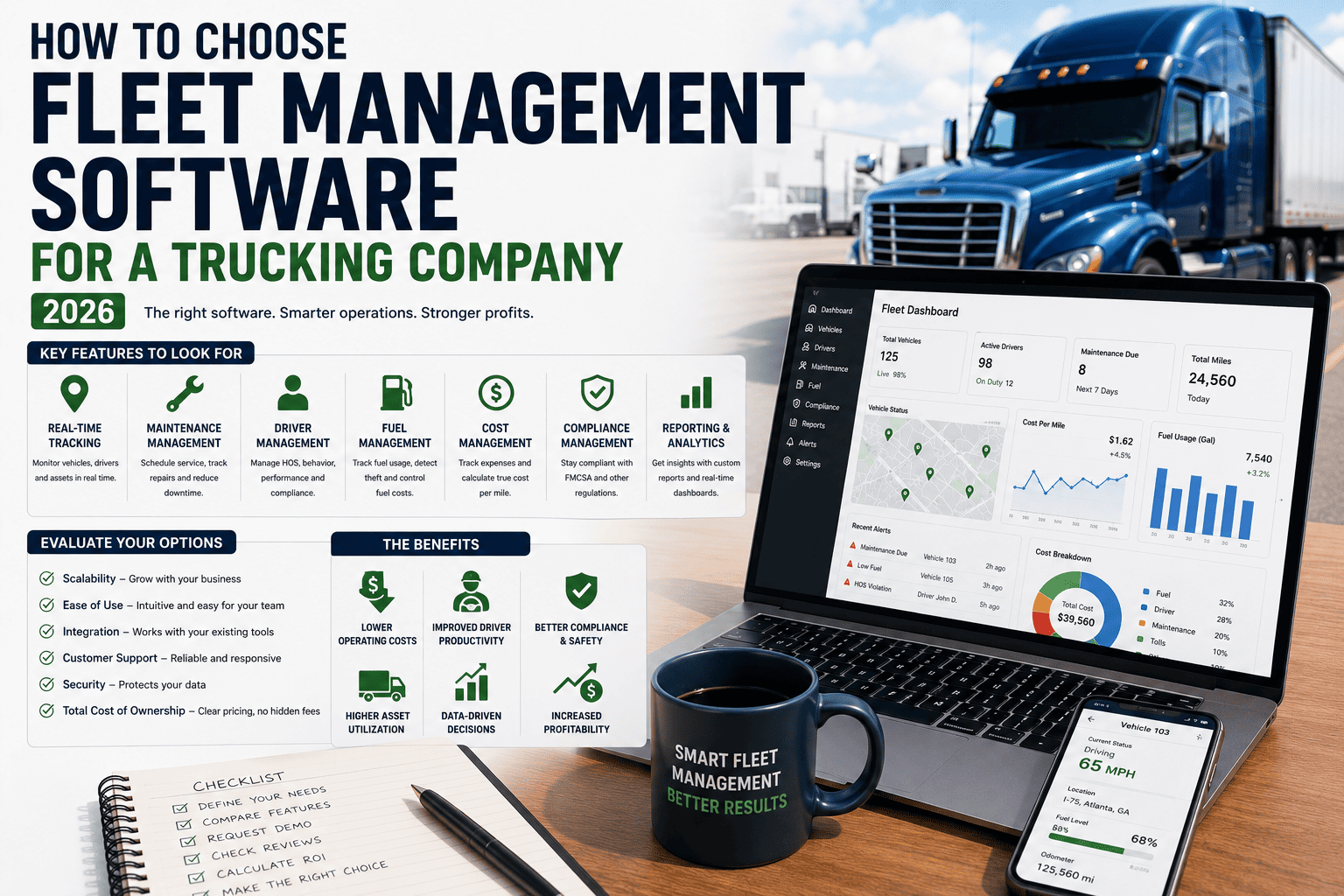
General-purpose fleet tools miss requirements that are specific to trucking. Whatever platform you're considering, these six categories need to work together as one system, not as disconnected add-ons bolted onto a generic GPS tracker.
Compliance And ELD
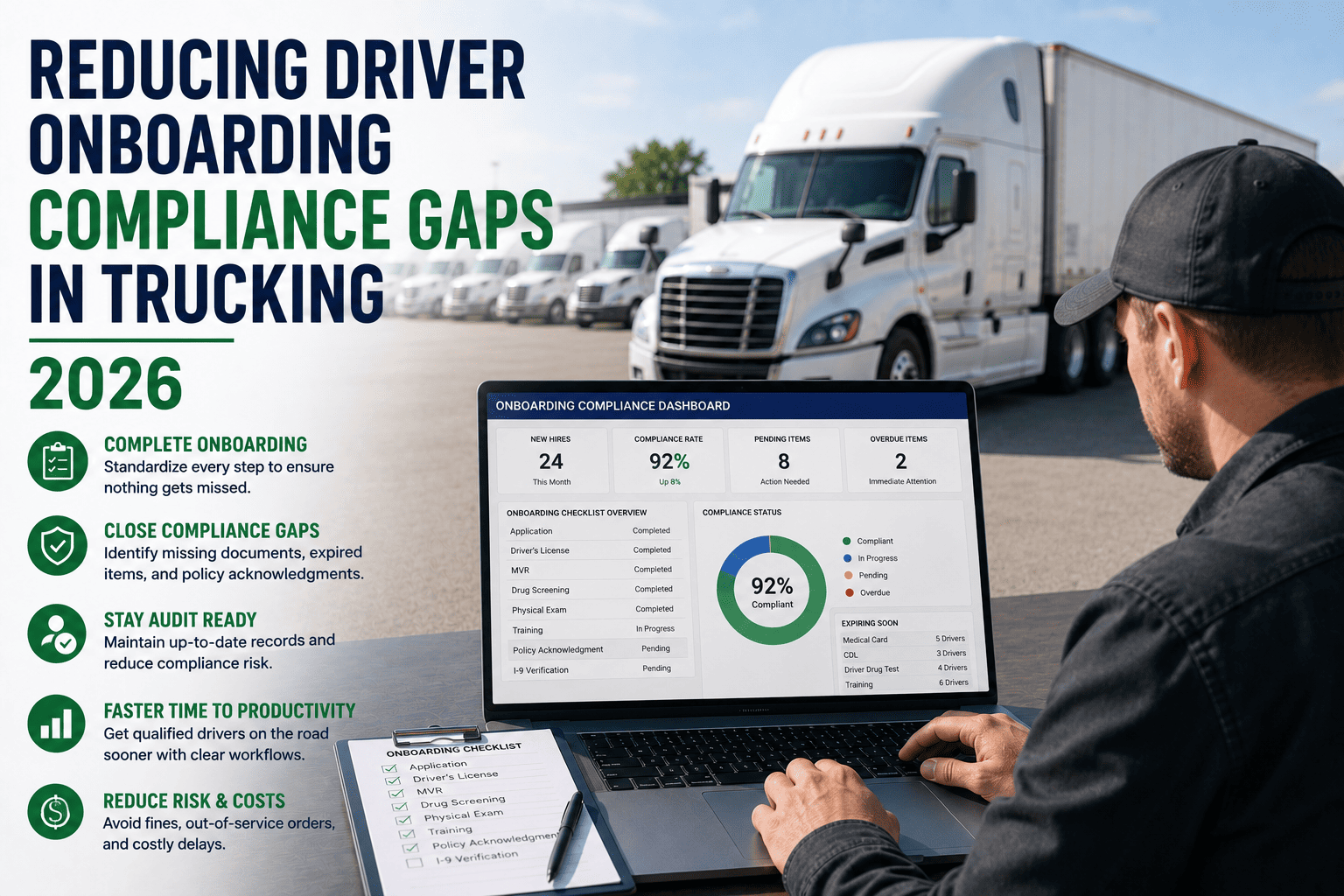
FMCSA-certified logging that automatically records driving time and survives a roadside audit is non-negotiable. Look for a platform that also handles driver qualification files, drug and alcohol Clearinghouse tracking, and IFTA reporting in the same system, not a separate spreadsheet.
Digital DVIR And Inspections
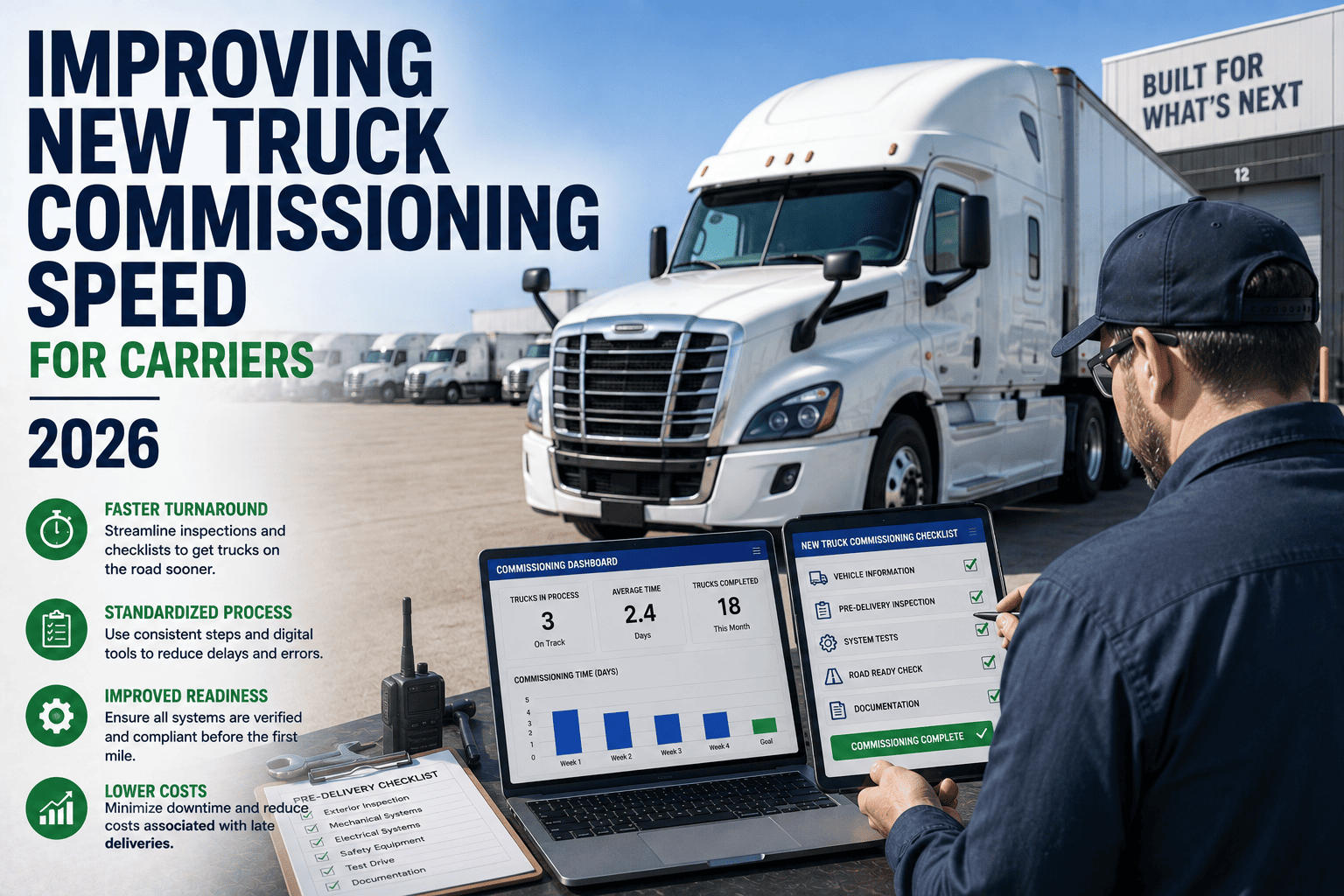
Mobile pre-trip and post-trip inspections with photo capture, forced checklists, and an instant defect-to-work-order flow catch problems before they become roadside violations. Paper inspections lead to rushed, incomplete checklists that miss exactly the defects an auditor will ask about later.
Maintenance And Work Orders
Preventive maintenance schedules based on mileage, hours, or time, paired with automated work orders and parts tracking, shift maintenance from reactive to planned. This single category is where fleets most consistently see downtime and emergency-repair costs drop.
GPS And Telematics
Real-time location, truck-legal routing, and idle time tracking matter, but the real return lives in the behavioral data layered on top, like harsh braking and speeding patterns that feed directly into maintenance costs and insurance premiums.
Fuel Management
Fuel card integration, consumption tracking by vehicle, and anomaly flagging catch problems most fleets never see, like a fill-up larger than the tank capacity or fueling patterns that don't match the route schedule.
Reporting And Analytics
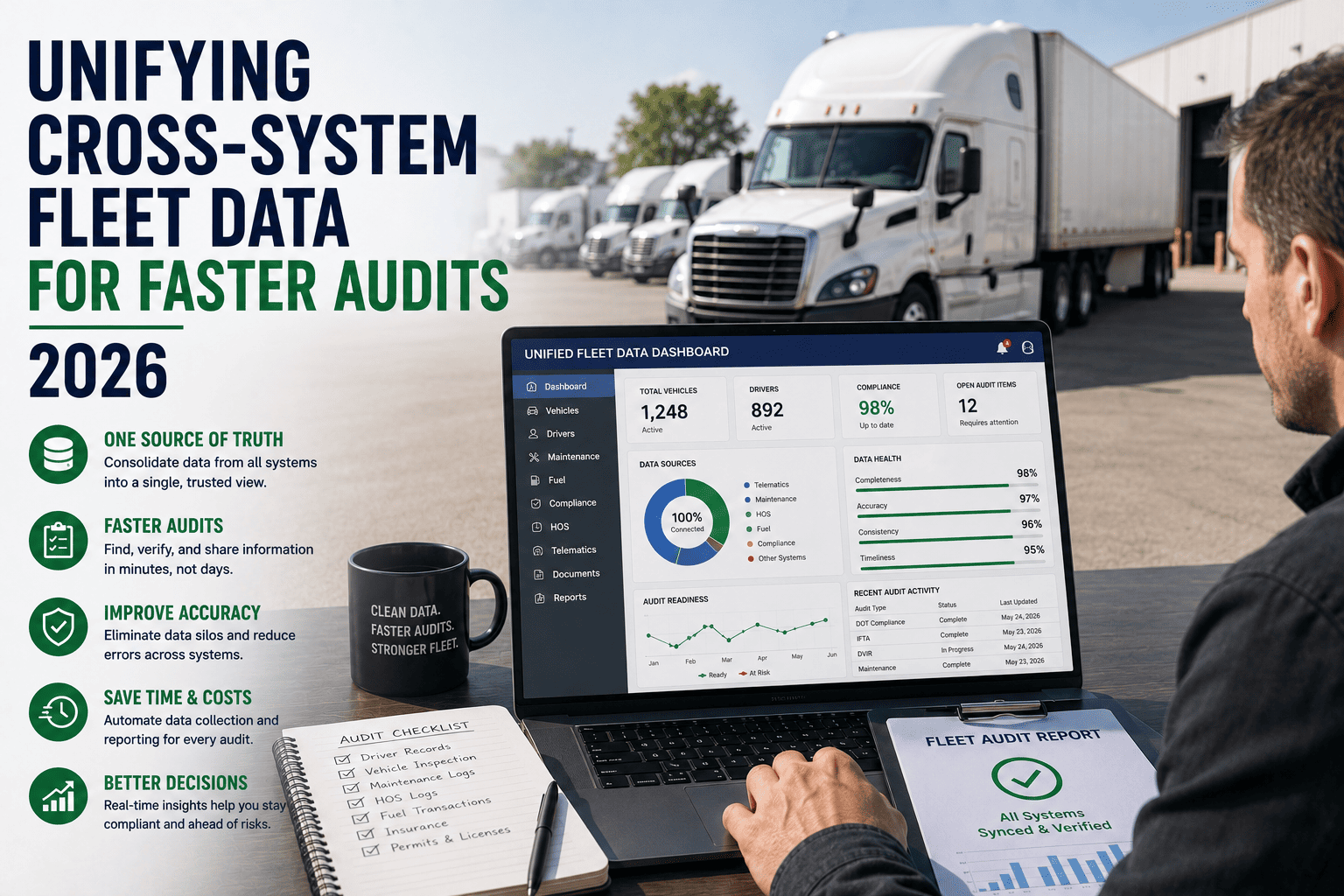
A dashboard should answer questions, not just display data. Cost per mile, maintenance trends, compliance status, and driver scorecards need to be visible at a glance, not buried three clicks deep in a report builder nobody has time to use.
FleetRabbit combines ELD compliance, digital DVIR, maintenance scheduling, GPS tracking, fuel management, and reporting into a single system built specifically for trucking operations, not a general-purpose tracker with compliance bolted on.
Matching Software To Your Fleet Size
The right platform depends heavily on how many vehicles you're running and how much administrative overhead you can support. A tool built for an 800-truck enterprise fleet is often the wrong fit for a 15-truck operation, and vice versa.
| Fleet Size | What Actually Matters | Typical Pricing Range |
|---|---|---|
| Small (5-25 vehicles) | Affordability, ease of use, no long-term contracts | $3 to $15 per vehicle monthly |
| Mid-Size (25-100 vehicles) | Scalable pricing, balance of features and cost | $15 to $35 per vehicle monthly |
| Enterprise (100+ vehicles) | Full feature sets, deep integrations, dedicated support | $27 to $60+ per vehicle monthly |
Questions To Ask Before You Sign Anything
These are the questions vendors hope buyers skip, because the answers usually reveal the real cost of ownership hiding behind the sales quote.
What's The Minimum Contract Commitment
Some platforms lock buyers into multi-year agreements, while others run month to month. If you can't easily remove vehicles or exit early, understand exactly what an early termination costs before you sign.
Do You Own The Hardware Or Lease It
Most vendors bundle hardware into the monthly fee, which means the devices go back if you cancel. If you ever want to switch providers, that's a real switching cost worth planning for in advance.
Which Fleets Similar To Mine Are Already Using This
A platform that thrives with 500-truck long-haul fleets may struggle to serve a 20-van local delivery operation well. Ask for reference customers close to your own fleet size and operating profile, not just a generic case study.
What Happens When Support Is Actually Needed
Trucking runs around the clock, and software support that only operates during business hours leaves gaps exactly when a compliance question or system issue is most urgent. Confirm response times before a crisis, not during one.
A short call with FleetRabbit's team walks through pricing, hardware requirements, and support expectations up front, so you know exactly what you're signing before you commit.
Running A Real Evaluation, Not Just A Demo
The most reliable way to avoid buyer's remorse is to test software the way your fleet will actually use it, not the way a sales team presents it.
Get Drivers Involved Early
Software adoption succeeds or fails based on whether drivers actually use it in the field. Bringing a few drivers into the evaluation, letting them try the inspection app on a real pre-trip check, surfaces usability problems long before a full rollout does.
Trial It On A Few Vehicles First
Run the platform on a small subset of your fleet before committing everything. This reveals GPS accuracy in your actual operating areas, how the mobile app performs for your drivers, and whether the reports genuinely answer the questions you need answered.
Frequently Asked Questions
The Bottom Line
The right fleet management software isn't the one with the flashiest demo, it's the one that holds up on your actual trucks, with your actual drivers, under your actual compliance requirements. Evaluate against the six pillars, ask the questions vendors hope you'll skip, and trial the platform on real vehicles before committing your whole fleet.
Skip the sales script and see how compliance, inspections, maintenance, and reporting actually work together on your own trucks. Most fleets know within weeks whether a platform is the right long-term fit.