.png)
DOT roadside inspections represent one of the most consequential encounters between transportation companies and federal regulators. A single inspection can result in violations costing thousands in fines, out-of-service orders halting operations, or even criminal liability for company leadership. Fleet managers who fail to prepare drivers and vehicles for inspections face higher violation rates, increased insurance premiums, and reputation damage in markets where safety ratings influence customer selection. The difference between passing inspections cleanly and accumulating violations reaches 35-50% of fleets unprepared for inspection procedures, while prepared fleets demonstrate near-perfect compliance records.
DOT roadside inspections follow standardized procedures designed to assess vehicle safety, driver qualifications, hours of service compliance, and operational record integrity. Federal safety officers conduct inspections at predetermined locations on commercial vehicle routes, at weigh stations, and during targeted enforcement sweeps. Understanding what inspectors examine, which violations appear most frequently, and how to prepare your fleet creates the operational discipline that keeps your vehicles on the road rather than sidelined by violations. This guide covers the complete inspection process, from initial officer contact through documentation review, alongside practical preparation strategies that transform roadside encounters from anxiety into confidence.
DOT roadside inspections assess vehicle safety, driver qualifications, hours of service compliance, and operational records. Level 1 inspections are comprehensive audits covering all vehicle systems. Level 2 inspections focus on driver hours compliance and vehicle safety. Single violations cost $1,000-5,000; patterns trigger fleet safety audits. Proper preparation and documentation demonstrate compliance and minimize violation risk across your entire fleet.
Understanding DOT Roadside Inspection Levels and Procedures
The Federal Motor Carrier Safety Administration conducts five levels of roadside inspections, each examining progressively narrower scope of compliance areas. Level 1 inspections, called comprehensive commercial vehicle inspections, examine the entire vehicle system including brakes, lighting, steering, tires, coupling devices, and emergency equipment. Level 2 inspections, called driver and vehicle examinations, focus on driver qualifications and basic vehicle safety. Level 3 inspections examine driver hours of service compliance and record documentation only. Level 4 inspections investigate hazardous material compliance for carriers transporting regulated substances. Level 5 inspections focus on vehicle weight and dimension limits.
When a DOT officer initiates an inspection, they request the driver's credentials, vehicle registration, proof of insurance, and hours of service records. If the officer discovers violations during initial questioning or document review, they proceed with physical vehicle inspection. The officer checks brakes, tires, lighting, steering, coupling devices, emergency equipment, and vehicle structure. Documentation violations discovered during review trigger written citations. Physical vehicle defects discovered during the walk-around inspection trigger repair orders requiring correction before the vehicle can return to service.
Understanding the inspection procedure reduces driver anxiety and improves compliance demonstration. Drivers should know their role during inspections: remain professional and calm, provide requested documents promptly, stand to the side while the officer inspects the vehicle, and answer questions accurately. Evasive behavior, incomplete documentation, or contradictory statements elevate officer concern and increase violation likelihood. Organized documentation, clean vehicles, and cooperative driver attitude demonstrate operational discipline that reduces violation citations.
What DOT Inspectors Look For During Vehicle Examination
DOT roadside inspections focus on specific vehicle safety systems identified as causing accidents and safety incidents. Inspectors prioritize brake system integrity, tire condition and inflation, lighting functionality, steering responsiveness, and coupling device security. These systems directly correlate with accident causation: brake failures cause 25-30% of commercial vehicle accidents, tire blowouts cause 15-20%, lighting failures contribute to nighttime accidents. The FMCSA inspection guidelines direct officer attention to these highest-risk components first.
During physical inspection, officers conduct brake service tests checking brake effectiveness, examine tire tread depth and condition using measurement tools, verify all lighting including headlights, taillights, brake lights, and turn signals, test steering free play to ensure responsiveness, examine coupling devices on trailers, verify emergency equipment including fire extinguisher and warning triangles, check vehicle frame and structure for damage, and review maintenance records if available. Each component receives pass/fail assessment. A single component failing inspection triggers a defective vehicle citation.
Most Common DOT Roadside Inspection Violations
Understanding the most frequently cited violations helps fleet managers focus preparation efforts on the compliance areas presenting highest risk. The FMCSA publishes violation data showing brake defects as the most common violation category, cited on roughly 15-20% of inspected vehicles. Lighting violations occur on 10-15% of inspected vehicles. Hours of service violations appear on 8-12% of inspected vehicles. Tire violations affect 8-10% of inspected vehicles. These violations are preventable through routine maintenance, proper pre-trip inspection processes, and accurate record-keeping.
| Violation Category | Frequency Among Inspected Vehicles | Average Fine per Violation | Prevention Strategy |
|---|---|---|---|
| Brake System Defects | 15-20% of inspections | $1,500-3,000 | Monthly brake inspections, maintain records, replace pads before wear limits |
| Lighting Violations | 10-15% of inspections | $500-1,500 | Pre-trip checks of all lights, replace burned bulbs immediately, maintain electrical system |
| Hours of Service Violations | 8-12% of inspections | $1,000-5,000 | Accurate ELD records, driver training, dispatch HOS-aware assignments |
| Tire Violations | 8-10% of inspections | $500-1,500 | Weekly tire pressure and tread checks, maintain spare tires, replace before minimum limits |
| Steering and Suspension | 5-8% of inspections | $1,000-2,000 | Regular suspension inspections, address steering play immediately, maintain alignment |
| Coupling Device Defects | 4-6% of inspections | $500-1,000 | Visual coupling inspections, replace damaged couplers, maintain fifth wheel lubrication |
| Missing Emergency Equipment | 3-5% of inspections | $250-500 | Vehicle equipment checklist, verify fire extinguisher rating, replace warning triangles |
| Driver Qualification Issues | 3-5% of inspections | $500-1,500 | Maintain current medical certificates, driver licenses, training records |
FleetRabbit's automated maintenance scheduling, driver management, and HOS tracking ensure your fleet maintains inspection readiness continuously. Real-time alerts notify you of maintenance needs before they become violations during roadside stops. Get started free for 3 vehicles.
Pre-Trip Vehicle Inspection Checklist
Drivers should complete a standardized pre-trip inspection before every departure. This critical procedure identifies defects before they become roadside violations. The pre-trip inspection takes 15-20 minutes for experienced drivers and covers all major vehicle systems that DOT inspectors examine. A systematic approach using a printed checklist or mobile app prevents missed inspection items.
Begin exterior inspection by checking tires for proper inflation, tread depth, and damage. Inspect lighting including headlights, taillights, brake lights, turn signals, and clearance lights. Check mirrors for cracks or misalignment. Examine the fifth wheel coupling for damage and proper locking. Verify emergency equipment including fire extinguisher, warning triangles, and spare fuses. Proceed to interior inspection verifying seatbelts function, brakes operate properly, steering responds smoothly, and all gauges display correctly. Document findings on the daily inspection report. If defects appear, report them immediately for repair before driving.
The pre-trip inspection creates three critical benefits: it prevents drivers from operating unsafe vehicles that would fail roadside inspection, it documents driver attention to safety that demonstrates operational discipline to inspectors, and it generates maintenance data revealing trends indicating systemic vehicle issues needing attention. Drivers who consistently complete thorough pre-trip inspections face significantly lower violation rates during roadside inspections.
Driver Qualifications and Documentation Readiness
DOT inspectors verify driver qualifications by reviewing commercial driver's licenses, medical certificates, training records, and hours of service documentation. Drivers must carry current commercial driver's licenses valid for the vehicle class they operate. Medical certificates issued by DOT-approved examiners must be current and carried at all times. Training records for vehicle operation and hazardous materials handling, if applicable, must be available for review.
Hours of service records represent the most frequently cited compliance gap during inspections. Electronic logging devices capture duty status automatically, but they require proper driver input to accurately reflect driving and on-duty periods. Drivers must understand how to correctly log their duty status, record required breaks, and document off-duty periods. Inspectors review the most recent days of records and often request deeper history if discrepancies appear. Accurate, detailed HOS documentation reduces violation citations by 40-50% compared to incomplete or unclear records.
Maintain driver personnel files with copies of current licenses, medical certificates, training documentation, safety training records, and vehicle operation certifications. These files should be organized and accessible for quick retrieval during inspections. Digital files allow instant access during roadside stops when inspectors request verification. Disorganized or unavailable documentation triggers violation citations regardless of actual driver qualifications.
How Inspection Violations Affect Your Fleet's Safety Rating
The FMCSA tracks violations through the Compliance, Safety, and Accountability program, commonly known as CSA. Each violation appears on your carrier safety record for 24 months. Patterns of violations trigger Fleet Safety Audit investigations that examine your complete operational practices. Out-of-service orders from violations prevent your vehicles from operating until violations are corrected. Insurance companies use violation history when calculating premiums and determining coverage availability.
A single inspection can result in multiple violation citations, each carrying separate fines and investigation triggers. A Level 1 inspection discovering three violations results in fines totaling $3,000-15,000 depending on violation severity. Beyond immediate fines, violations trigger increased regulatory scrutiny: your fleet becomes eligible for targeted enforcement sweeps, roadside inspectors increase frequency of inspections when your violation history appears in their systems, and insurance premiums increase 15-30% following violation patterns.
Fleets accumulating 5+ violations within 12 months face Fleet Safety Audits examining your entire operational structure including maintenance procedures, driver hiring and training, dispatch procedures, and safety management practices. These audits require substantial management time and often result in mandated corrective action plans limiting operational flexibility. Prevention through continuous compliance maintenance costs far less than correcting violations discovered during audits.
Preparing Your Fleet for Inspection Season
Inspection activity increases during peak seasons and targeted enforcement periods. Spring and fall enforcement operations focus on specific violation categories, while year-round random inspections continue. Preparing your fleet systematically for these inevitable encounters ensures consistent compliance regardless of inspection timing.
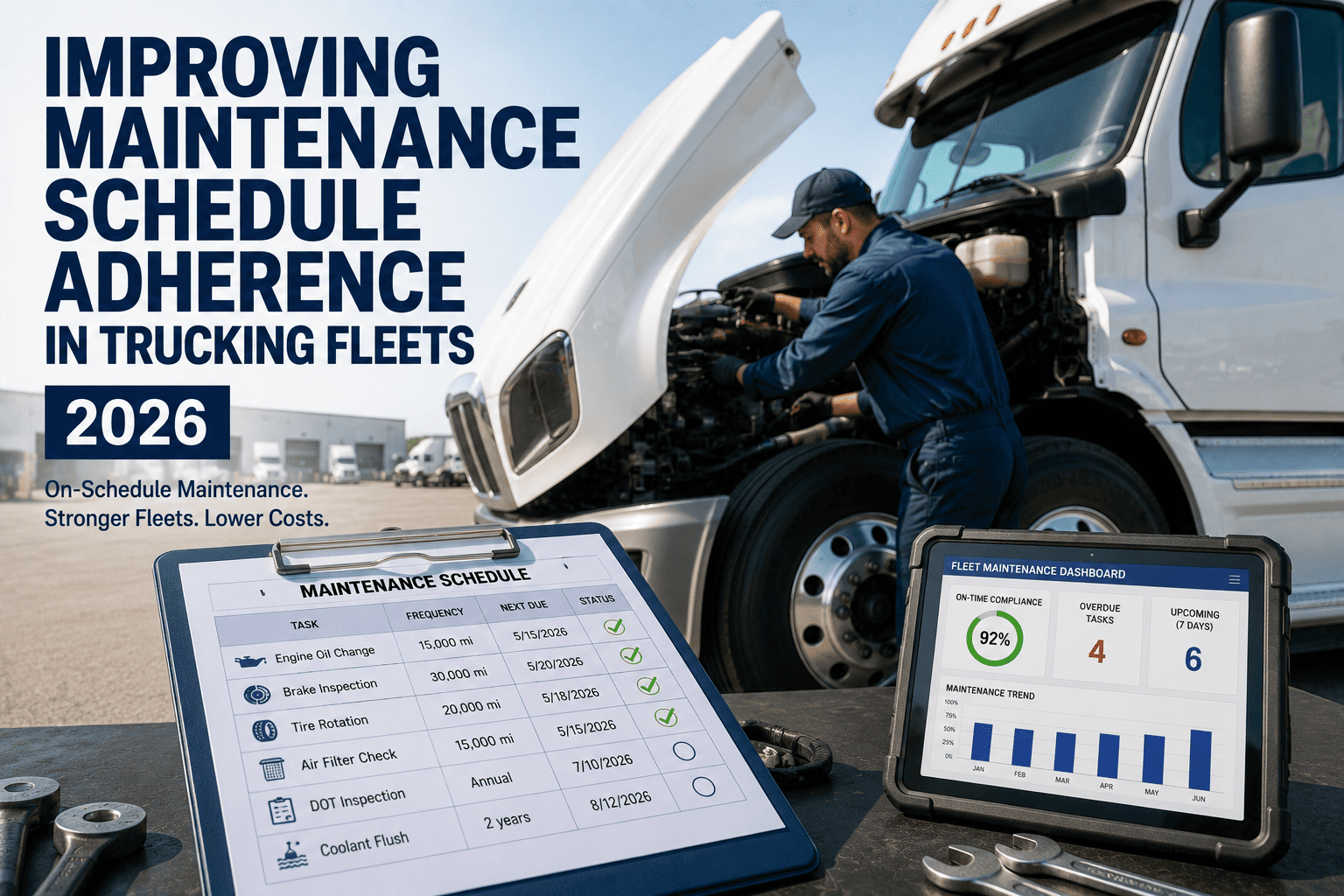
Establish a pre-season maintenance schedule addressing the highest violation categories. Schedule brake system inspections, lighting verification, and tire assessments within 30 days prior to peak inspection season. Complete any needed repairs immediately. Conduct vehicle cleanliness assessment and address any exterior condition issues that might signal poor maintenance to inspectors. The visual impression of vehicle condition influences officer perception before they even begin inspection.
Organize driver documentation into a standardized format easily accessible during inspections. Create driver folders containing current CDL copies, medical certificate photocopies, training records, and safety certifications. Verify all documents current 60 days before peak season begins. Conduct driver safety training covering expected inspection procedures, proper HOS documentation, and vehicle pre-trip inspection procedures. Drivers familiar with inspection processes demonstrate confidence and professionalism that reduces violation likelihood.
Review your hours of service compliance system. Electronic logging devices should be properly configured and synchronized. Any drivers still using paper logs should receive immediate training on FMCSA-compliant documentation. Audit several weeks of historical HOS records examining accuracy and identifying any documentation gaps. Correct any discrepancies discovered before inspection season arrives.
FleetRabbit consolidates maintenance scheduling, driver documentation, HOS tracking, and vehicle management into a single platform. Real-time alerts notify you of maintenance needs and documentation status. Your fleet stays inspection-ready continuously, not just before peak seasons. Start free for 3 vehicles with all features included.
What to Do If You Receive a DOT Violation Citation
If a DOT inspection results in violation citations, take immediate action to address defects and understand your options. Out-of-service defects must be corrected before the vehicle can operate legally. Repair the identified defect and request re-inspection certification from a qualified mechanic. Contact the state enforcement office where the violation was issued to initiate re-inspection if required by the citation. Do not operate vehicles with out-of-service violations.
Review the citation carefully to understand exactly which regulation was violated. Citations specify the specific regulatory section, the observed condition, and the violation severity. If you believe the citation is incorrect, you have the right to appeal. Maintain documentation of the vehicle condition, repair records, and any evidence supporting your position. Appeals typically go through your state's transportation department and require formal documentation of your challenges to the citation.
Violations appear on your CSA record immediately. Fleet Safety Audits are not automatic following single violations, but patterns of violations trigger investigations. Focus on identifying the root cause of violations and implementing changes preventing recurrence. If a brake violation occurred, conduct comprehensive brake system audits. If HOS violations appeared, review your dispatch procedures and driver training. Corrective action plans demonstrating systemic improvement influence future enforcement decisions.
Frequently Asked Questions About DOT Roadside Inspections
FleetRabbit's integrated platform handles maintenance scheduling, driver management, HOS compliance, and vehicle documentation. Never worry about inspection readiness again. Continuous monitoring ensures your fleet stays compliant year-round. Start your free trial today for up to 3 vehicles with all features included.
Tag Section: DOT Compliance Topics
Creating a Culture of Continuous Inspection Readiness
The most successful fleets transform inspection readiness from seasonal preparation into ongoing operational culture. Rather than rushing to fix defects before peak inspection seasons, these fleets maintain continuous compliance through systematic maintenance, regular driver training, and real-time documentation. The operational discipline required for continuous readiness reduces violations, improves safety outcomes, and lowers insurance costs year-round.
Building this culture begins with clear expectations from management. Drivers should understand that inspection readiness is not optional. Regular training sessions covering inspection procedures, proper documentation, and vehicle safety keep inspection awareness top-of-mind. Recognition programs celebrating clean inspection records reinforce the importance of compliance. Management walkthrough inspections mimicking DOT procedures highlight defects before real inspectors discover them.
Technology platforms like FleetRabbit enable this continuous readiness by removing administrative burden from compliance tracking. Rather than spending time manually tracking maintenance schedules, HOS records, and driver documentation, managers receive automated alerts when tasks need attention. Drivers complete pre-trip inspections through mobile apps capturing data automatically. Maintenance teams access real-time vehicle condition data enabling proactive repairs before violations occur. The entire fleet operates from current, accurate information rather than outdated spreadsheets and paper records.
Inspection readiness is achievable through systematic preparation, proper documentation, and continuous compliance monitoring. Use this guide to understand inspection procedures and violation prevention. FleetRabbit automates the tracking and scheduling that keeps your fleet always ready. Start your free trial today with no credit card required.