Knowing why a safety record matters in litigation is one thing. Actually building one that holds up is a different problem entirely, and it's mostly a discipline problem, not a technology problem. Most fleets already generate the right data every single day, inspections, repair tickets, MVR checks, coaching notes, they just don't organize it in a way that survives a subpoena. This is the practical, step-by-step version of that fix.
What a Weak Record Actually Costs
$16,000+
Fine per missing qualification file document
92%
Of paper filing systems fail a modern FMCSA audit
75%
Less audit prep time with organized digital records
The Seven Files Every Defensible Record Is Built On
FMCSA audits follow a standard protocol, and so, in practice, does most litigation discovery. Both review the same seven core areas, which means building toward audit-readiness and building toward litigation-readiness are really the same project. Get these seven organized and you've covered both at once.
01
Driver Qualification Files
Eighteen required items per driver, from license verification through annual MVR review.
02
Drug and Alcohol Testing
Pre-employment results plus ongoing Clearinghouse query records for every active driver.
03
Hours of Service Logs
ELD records showing compliance patterns, not just the absence of violations.
04
Vehicle Maintenance Records
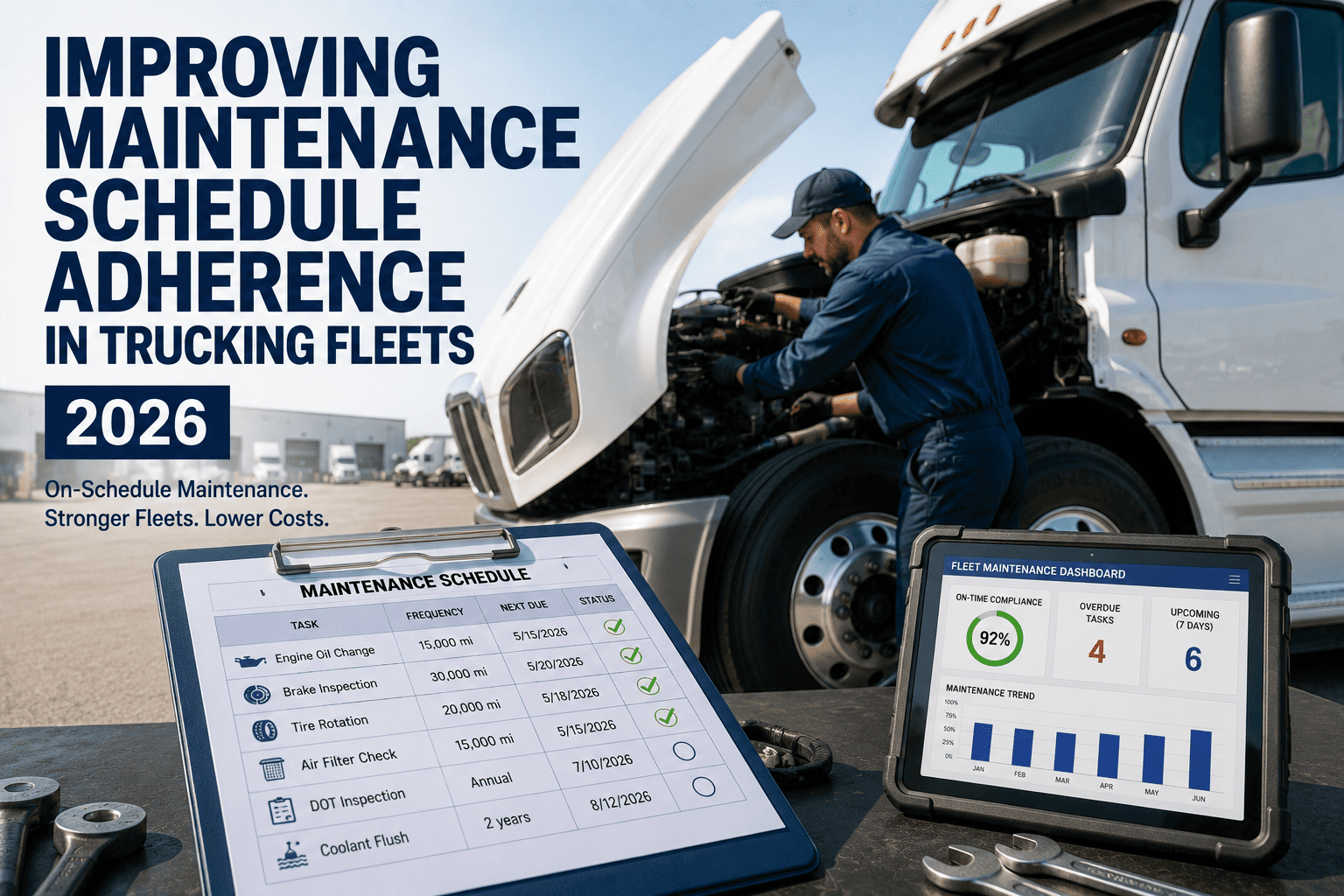
Inspection history and repair completion tied to specific dates and specific vehicles.
05
Hazmat Compliance
Where applicable, the additional certifications and handling records that come with it.
06
Accident Register
A complete, dated log of every reportable incident, not just the serious ones.
07
Insurance Verification
Current coverage documentation that matches your operating authority and vehicle list.
Why Most Violations Aren't Intentional
The most common audit findings aren't fleets ignoring the rules, they're incomplete recordkeeping. A missing signature. A medical certificate that quietly expired three months ago. A maintenance log with a two-week gap nobody noticed. None of these happen because a fleet decided to cut corners. They happen because a manual system has no way to flag a problem before someone goes looking for it.
Stop Finding Gaps the Hard Way
See Every File's Status in One View
FleetRabbit organizes all seven core record categories into one searchable system with automatic expiration tracking. Sign up free to see your current documentation health, or book a demo for a walkthrough of what a complete record actually looks like.
7 Areas
Tracked in One Place
One Click
Audit-Ready Export
The Cadence That Keeps Records Defensible
A defensible record isn't something you build once and file away. It's something you maintain on a rhythm, the same way you'd maintain a truck. Skip the rhythm and the file quietly goes stale until an audit or a claim exposes it.
Daily
Pre-trip and post-trip inspection reports get completed and logged without exception. A skipped DVIR isn't a paperwork shortcut, it's a gap that erases your ability to prove a vehicle was checked before it left the yard.
Weekly
New hire documentation gets reviewed for completeness before a driver's first dispatch, and any flagged telematics events from the week get a documented coaching response, not a mental note.
Quarterly
Every qualification file gets reviewed for upcoming expirations even though the federal requirement is only annual. Catching a medical card sixty or ninety days out gives you time to act. Catching it the week it lapses does not.
Annually
The formal MVR review required under federal regulation happens for every CDL driver, documented with a date and a result, not just performed and forgotten.
1
Daily Inspections
DVIRs completed and logged every single day, no exceptions.
›
2
Weekly Coaching
Flagged events reviewed and responded to within the same week.
›
3
Quarterly File Checks
Every qualification file reviewed for documents nearing expiration.
›
4
Annual MVR Review
The formal federally required review, dated and documented.
Building an Alert System That Actually Catches Problems
The single biggest upgrade most fleets can make isn't a new policy, it's a tiered alert window that gives you real lead time instead of a same-day surprise. A document that's about to expire should trigger warnings at three separate points, each one giving you a different kind of room to act.
| Alert Window |
What It Gives You |
Action to Take |
| 90 Days Out |
Early visibility on medical cards, CDL renewals, and clearinghouse queries |
Schedule the renewal appointment, no urgency yet |
| 60 Days Out |
A second confirmation that the renewal is actually in motion |
Follow up directly with the driver if nothing has moved |
| 30 Days Out |
A hard deadline window before the document lapses |
Escalate to a manager and consider route adjustments if unresolved |
This single change, moving from a same-day discovery to a ninety-day warning, is the difference between a fleet that scrambles before every audit and one that's permanently ready. You can sign up to put this kind of tiered alerting in place for your own fleet starting today.
Get Warned 90 Days Before It's a Problem
Tiered Alerts, Not Same-Day Surprises
FleetRabbit automatically flags every expiring document at 90, 60, and 30 days out, so nothing reaches you the day it actually lapses. Book a 30-minute demo and see the alert system configured for your fleet size.
Digital Versus Paper: Why the Format Itself Matters
FMCSA permits electronic qualification files as long as they're readily accessible, printable on demand, and properly secured. That's a low bar, and it's exactly why so many fleets still rely on filing cabinets and spreadsheets well past the point where it serves them. The problem isn't legal, it's practical. A folder can't warn you when a document is about to expire. A spreadsheet can't flag a missing signature. A filing cabinet has no way to produce a complete, organized file in the middle of an active discovery deadline.
What a Digital Record Adds That Paper Cannot
1
Automatic completeness checking
A system that knows all eighteen required DQF items and flags exactly which ones are missing for which driver.
2
Expiration tracking that runs itself
No human has to remember to check a calendar. The system surfaces the deadline before it becomes a problem.
3
Instant, organized production
A complete file generated in seconds rather than assembled under pressure when an auditor or attorney sets a deadline.
4
A permanent, time-stamped history
Every update, renewal, and coaching note logged with a date, building the consistent record that actually holds up under scrutiny.
75%
Reduction in audit preparation time with organized digital records
10%
Of fleet typically reviewed in detail during a standard DOT audit
15-20%
Insurance discount typically tied to demonstrated record quality
Where Most Fleets Go Wrong
It's rarely a single catastrophic gap that sinks a fleet's record. It's a handful of small, recurring habits that compound quietly over months.
1
Storing related records in separate systems
Clearinghouse queries in one folder, medical cards in another, telematics in a third. Nothing connects, so nothing gets reviewed together.
2
Treating annual reviews as the only checkpoint
Waiting for the federally required annual review means problems sit undetected for up to twelve months at a time.
3
Recording events without recording the response
A flagged hard-braking event with no coaching note attached looks identical to a flagged event nobody ever reviewed.
4
No archive plan for drivers or vehicles that leave the fleet
Retention requirements extend well past separation or sale, and records that quietly disappear can look exactly like records that never existed.
Frequently Asked Questions
QWhat are the seven areas a litigation-defensible record needs to cover
Driver qualification files, drug and alcohol testing records, hours of service logs, vehicle maintenance records, hazmat compliance where applicable, an accident register, and insurance verification. These same seven areas form the backbone of both a standard FMCSA audit and most litigation discovery requests.
QHow often should qualification files actually be reviewed
Federal regulation requires an annual review of each driver's motor vehicle record, but best practice is reviewing files quarterly to catch expiring documents well before they lapse, rather than discovering a gap only when the annual review comes around.
QCan driver qualification files legally be kept electronically
Yes. FMCSA permits electronic files as long as they remain readily accessible at the principal place of business, can be printed on demand, and are stored on a secure, regularly backed-up system. The format matters far less than whether the file is complete and current.
QWhat typically causes a fleet to fail an audit or look bad in discovery
Incomplete recordkeeping, not intentional violations, is the most common cause. Missing signatures, an expired medical certificate nobody caught, or a gap in maintenance logs are far more common findings than a deliberate decision to skip a safety step.
QWhy does an alert window matter more than just tracking expiration dates
A single same-day alert leaves no time to act. A tiered window, typically at 90, 60, and 30 days before a document expires, gives a fleet enough lead time to schedule a renewal, follow up if nothing's moved, and escalate before the document actually lapses.
QHow long do these records actually need to be kept
Retention periods vary by document type, but several extend well beyond a driver's employment or a vehicle's time in the fleet, often a year or more after separation or disposal. An organized archive system separate from active files keeps these records available without cluttering daily operations.
QIs this realistic for a small fleet without a dedicated compliance team
Yes, arguably it matters even more for a small fleet, since there's no dedicated staff to catch a gap manually. A system that automates expiration tracking and flags missing documents does the work a compliance department would otherwise need to do by hand.
Book a demo to see this sized for a smaller operation.
The Bottom Line
A litigation-defensible safety record isn't a single document or a one-time project, it's a habit built from seven well-organized record categories, a consistent review cadence, and an alert system that gives you real lead time instead of a last-minute scramble. None of this requires reinventing how your fleet operates. It requires connecting the data you already generate so it tells one coherent, defensible story instead of sitting scattered across five disconnected places.
Fleets that build this habit early aren't just preparing for an audit that might happen someday. They're quietly protecting the business from the one bad day that could otherwise cost far more than the system ever would. You can sign up free today and start building that record before you ever need it.
Build Your Record Before You Need It
FleetRabbit organizes qualification files, inspections, maintenance, and coaching history into one connected, audit-ready system with automatic 90-day expiration alerts built in.
Driver Qualification Files
Audit-Ready Documentation
Maintenance Records
Inspection Tracking
Compliance Automation
June 19, 2026
By John
All Posts