A single pallet moving through an LTL network rarely travels in a straight line. It gets loaded at the shipper's dock, ridden to a local terminal, pulled off and re-sorted onto a linehaul trailer, hauled to a second hub, broken down again, and finally loaded onto the delivery truck that gets it to the customer's door. That is five separate handling events for one piece of freight, and every one of them is a place where a trailer can sit too long, a dock can run out of space, or equipment that should have been in the shop can break down mid-route. LTL fleet management in 2026 is really the discipline of keeping all of those handoffs working together instead of working against each other.
Why LTL Fleet Operations Are Harder Than They Look
A full truckload carrier manages one relationship per trip: one shipper, one load, one destination. An LTL carrier is managing dozens of relationships inside a single trailer, each with its own pickup window, delivery deadline, and handling requirement, all moving through a shared terminal network where one delayed trailer can ripple into every other load scheduled to cross-dock behind it. Terminal managers oversee dock space and load building. Linehaul planners design the intercity runs between hubs. Dispatch coordinators route local pickup and delivery trucks in real time. None of these roles can succeed in isolation, because a problem in one almost always becomes a problem in the others.
This is also why equipment reliability matters more in LTL than in most other freight segments. A truckload carrier with one broken-down tractor delays one shipment. An LTL carrier with one broken-down linehaul tractor can delay every pallet scheduled to ride that trailer to the next hub, cascading into missed delivery appointments across an entire region. Sign up free to see how connecting terminal, linehaul, and maintenance data closes that gap before it becomes a network-wide delay.
The Five-Touch Journey of a Single Pallet
Understanding why LTL operations are damage-prone and delay-prone starts with following one shipment through the network. Each stop below is a separate opportunity for something to go wrong, and each one depends on the equipment and scheduling decisions made at every other stop.
Every one of those five touches is also a point where freight gets bumped, dropped, or compressed under other pallets, which is exactly why industry data shows LTL damage ratios running noticeably higher than single-touch truckload freight, with the average claim costing well over a thousand dollars once the paperwork, replacement, and customer relationship cost are accounted for.
See Every Touchpoint Before It Becomes A Claim
FleetRabbit connects terminal, linehaul, and delivery data so a delay or damage event gets traced back to the exact handoff that caused it. Sign up for free and bring your network visibility into one dashboard.
The Four Roles Fighting for the Same Fleet Data
One of the quietest sources of inefficiency in LTL operations is that the people managing different parts of the network are often working from different versions of the truth. A terminal manager sees dock activity. A linehaul planner sees route schedules. A maintenance team sees repair tickets. When these systems do not talk to each other, a tractor pulled for unscheduled repair does not automatically update the linehaul plan that was counting on it, and a dispatcher discovers the gap only when a driver calls in from an empty bay.
Density, Class, and Why Equipment Tracking Matters More Than It Looks
LTL pricing is built on freight density, the relationship between a shipment's weight and the cubic space it actually occupies, which determines its freight class and, in turn, what the carrier charges to move it. A shipment that is misclassified, mismeasured, or damaged in transit triggers a reweigh and reclassification that costs both the carrier and the shipper money and time. None of that classification accuracy matters if the trailer carrying the freight is unavailable when scheduled, which is why equipment uptime and terminal scheduling are really the same problem viewed from two different desks.
A trailer pulled out of rotation for an unplanned repair does not just cost the maintenance budget. It can force a terminal to hold freight an extra day, push a linehaul run later than its contracted cut time, and ultimately show up as a missed delivery window the customer notices. Book a free demo to see how linking maintenance schedules to linehaul planning prevents that chain reaction.
Stop Losing Linehaul Slots To Surprise Breakdowns
FleetRabbit flags equipment health issues before a scheduled linehaul run, not after a tractor is already stuck at a hub. Book your demo and connect your maintenance calendar to your dispatch schedule.
Where LTL Fleets Actually Lose Money
The cost of running an LTL network rarely shows up as one large, obvious expense. It accumulates across several smaller, connected leaks, each one easy to dismiss in isolation but expensive when added together across an entire network of terminals and linehaul lanes.
| Cost Source | What Drives It | Why It Compounds |
|---|---|---|
| Damage & Loss Claims | Multiple handling touches increase the odds of a drop, crush, or misload at any single transfer point | Each claim costs over a thousand dollars on average once processing and customer impact are included |
| Dock Dwell Time | Trailers sitting at a terminal longer than scheduled due to congestion, appointment delays, or paperwork gaps | Extended dwell pushes back every linehaul run scheduled to depart from that dock |
| Reclassification Fees | Inaccurate weight or dimension data submitted at pickup, corrected during terminal handling | Reweigh and reclass penalties commonly add fifty to a hundred and fifty dollars per shipment |
| Unplanned Equipment Downtime | Reactive maintenance catching mechanical issues only after a breakdown occurs mid-route | A single down tractor can delay every shipment scheduled on that linehaul run |
Building an LTL Network That Holds Together Under Pressure
The carriers that consistently hit delivery windows and keep damage rates low share a few operational habits that connect terminal, linehaul, and maintenance decisions instead of managing them as separate silos.
Dock crews planning load building around guesswork waste space and time. Live arrival data lets a terminal stage outbound freight before the inbound trailer even pulls in.
A maintenance flag on a tractor scheduled for tonight's linehaul run needs to reach the dispatcher immediately, not surface as a surprise when the driver tries to leave.
A damage event recorded inconsistently across terminals makes it impossible to see whether one hub has a chronic handling problem or the issue is spread evenly across the network.
Reweigh and reclass penalties are a direct signal that pickup data is unreliable, and fixing that upstream is cheaper than absorbing the fee downstream every time.
How FleetRabbit Supports LTL Fleet Operations
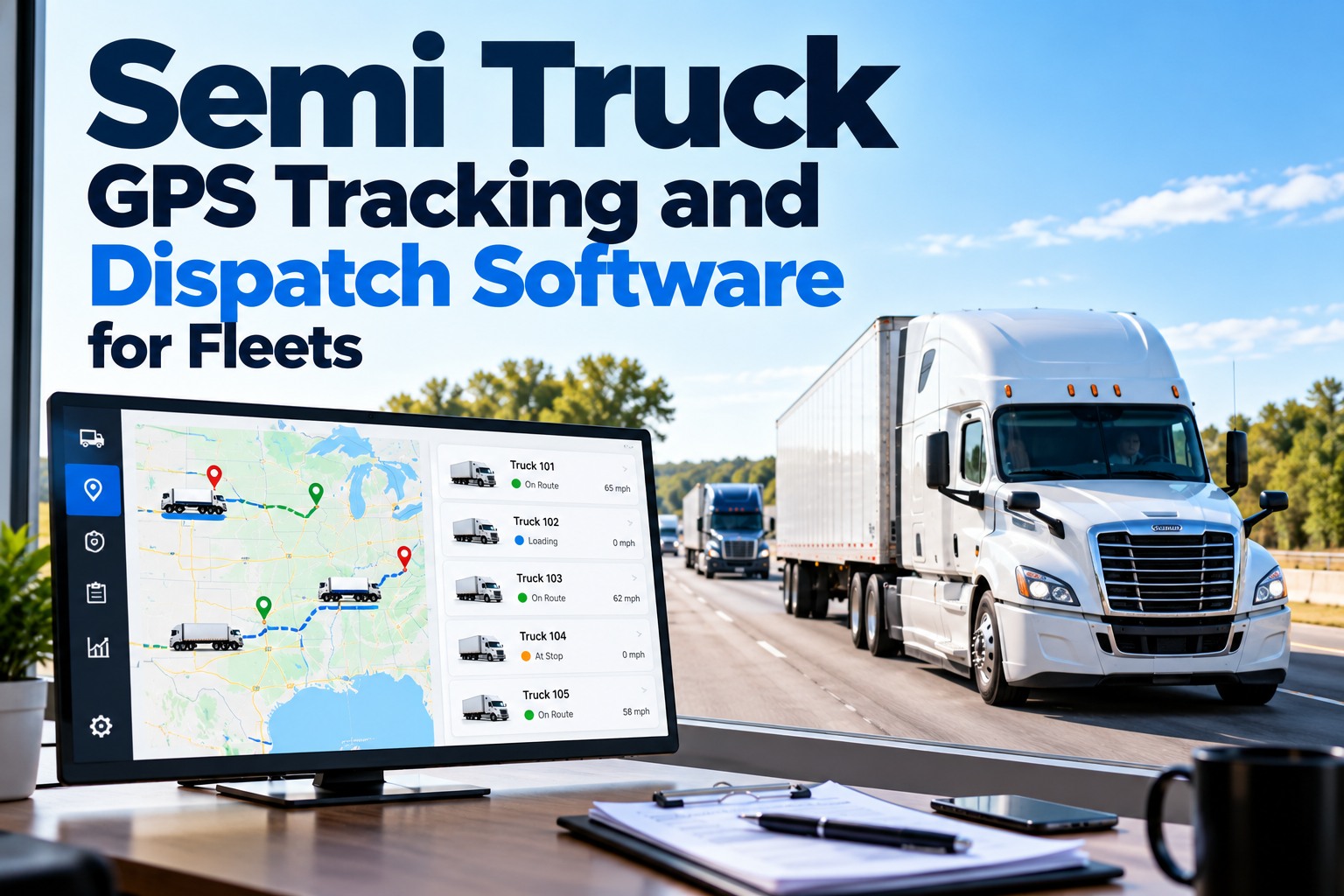
FleetRabbit brings terminal activity, linehaul scheduling, and equipment maintenance into a single connected view, so a tractor flagged for repair shows up immediately against the linehaul runs it was assigned to, instead of being discovered after a driver is already stuck at the dock. Real-time GPS and status data lets dispatch coordinators see exactly where every pickup, delivery, and linehaul vehicle is at any moment, while terminal managers get advance visibility into inbound trailers to plan dock space and load building before freight actually arrives.
Maintenance scheduling is built around how an LTL fleet actually runs, prioritizing service windows that do not conflict with a vehicle's next scheduled linehaul commitment. Every damage incident, dwell delay, and equipment issue is logged in a structured, searchable format, making it possible to see whether a problem is isolated to one terminal or recurring across the network. Create a free account to connect your terminals, linehaul schedule, and fleet maintenance data into one operational view.
Bringing a Multi-Terminal Network Online Without Disruption
Carriers running several terminals often assume a unified platform means a disruptive rip-and-replace of existing workflows. In practice, most fleets connect terminal by terminal, starting with the highest-volume hub and expanding outward, with existing dispatch and maintenance processes continuing to run while the new visibility layer is built underneath them.
Frequently Asked Questions
The Bottom Line on LTL Fleet Management
An LTL network succeeds or fails on its weakest handoff, not its strongest terminal. A carrier can run an efficient dock at one hub and still lose money and customer trust if a linehaul tractor breaks down unexpectedly, a reweigh penalty stacks onto a misclassified shipment, or a damage incident at a single transfer point goes unrecorded and unaddressed. The carriers winning in 2026 are the ones connecting terminal operations, linehaul planning, and fleet maintenance into one system that shows every handoff clearly, rather than managing each piece of the network as its own isolated island.
Connect Every Terminal, Every Linehaul Run, One Platform
FleetRabbit gives LTL carriers a single view of terminal activity, linehaul scheduling, and equipment health, so handoffs stop being where freight and revenue quietly disappear. Get started free with no credit card required, or talk through your network's specific structure with our team.