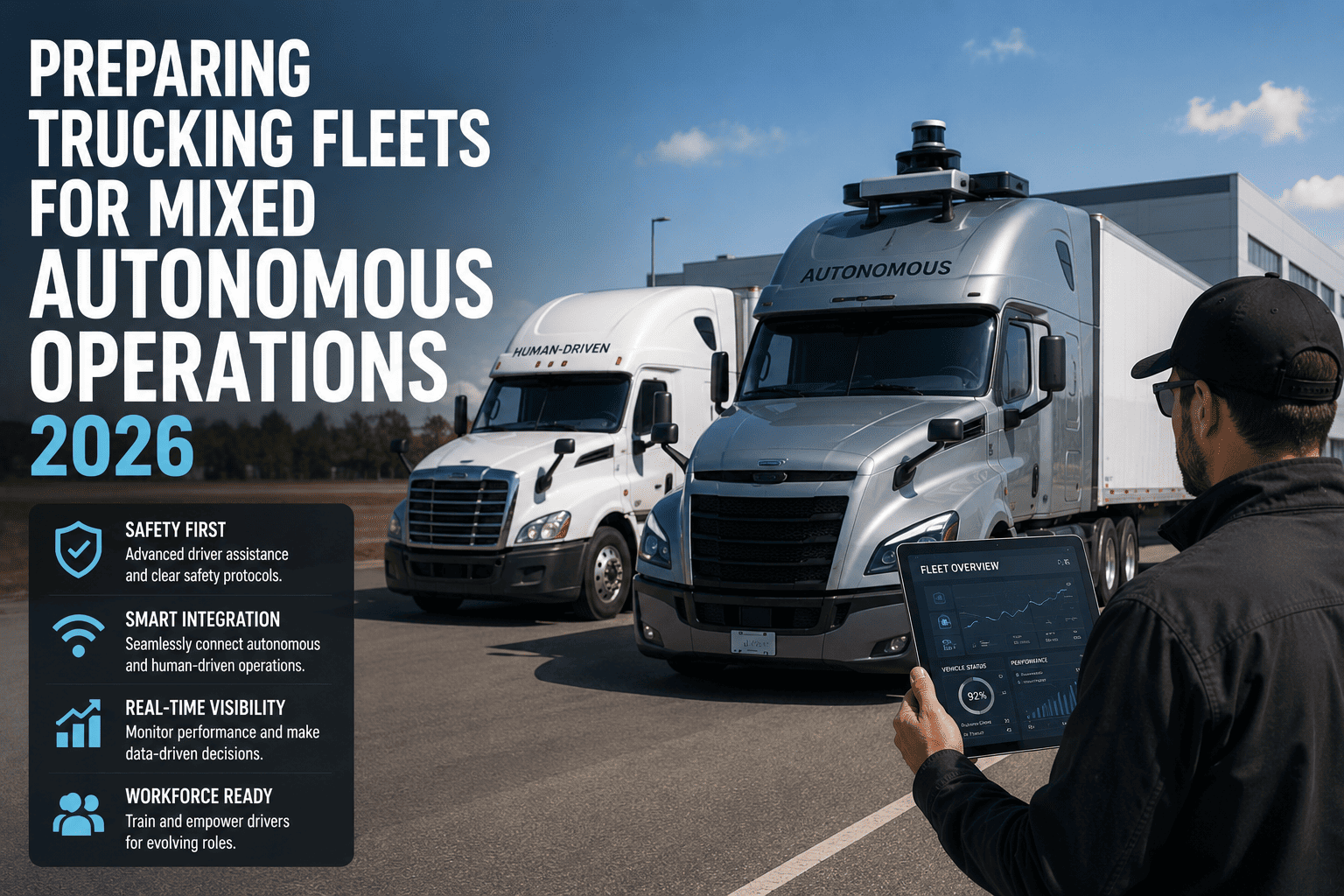
Somewhere on a highway in the Permian Basin right now, a Class 8 truck is hauling frac sand with nobody in the cab. A few states over, a supervised autonomous truck is running the same lane with a safety driver on board just in case. And a few miles down the road, a human driver is threading a rig through a loading dock that no sensor suite has fully mapped yet. This is not a future scenario. This is 2026, and it is exactly why "autonomous fleet" is quickly becoming the wrong question. The real question every fleet manager needs to answer is how to run autonomous and human-driven trucks side by side, in the same network, without either one becoming the weak link.
2026 marks the shift from autonomous trucking demos to commercial contracts, with the freight autonomy segment valued at 575.7 million dollars and projected to reach 3.25 billion dollars by 2035. Most deployments follow a hub-to-hub model: autonomous trucks handle predictable highway miles while human drivers manage first and last mile, docks, and urban navigation. Coexistence between autonomy and CDL-driven trucks is expected to last for years, not months, making mixed-fleet readiness the priority over full automation.
Why Mixed Fleets Are the Default, Not a Transition Phase
It is tempting to think of autonomous trucking as a switch that flips once technology matures enough. The reality on the ground looks different. Industry leaders have been direct about it: sign up for FleetRabbit today and you will be managing a network where autonomy and human drivers coexist for years, not a brief handover period. A driver shortage exceeding 80,000 today and projected to reach 160,000 by 2030 means autonomous capacity is being absorbed as an addition to the workforce, not a replacement for it. Fleets that plan for permanent coexistence make better technology and staffing decisions than fleets waiting for a fully driverless future that keeps moving further out.
The Hub-to-Hub Model Explained
The dominant operating pattern in 2026 assigns each type of driving to where it performs best. Autonomous trucks run the long, predictable highway segments between logistics transfer points, operating for extended hours without the rest breaks human drivers require. Human drivers then take over for first-mile pickup, last-mile delivery, complex urban navigation, and the loading dock interactions that sensors still struggle to handle reliably. This division of labor is why so many current deployments describe themselves as hub-to-hub rather than fully driverless door-to-door.
What This Means for Daily Operations
In practice, a shipment might start with a human driver pulling a trailer from a warehouse dock, hand it off to an autonomous truck at a transfer hub for the highway leg, and finish with another human driver completing final delivery. Coordinating that handoff cleanly requires the same visibility tools fleets already use for human-only operations, just applied across a wider set of vehicle types and driver roles.
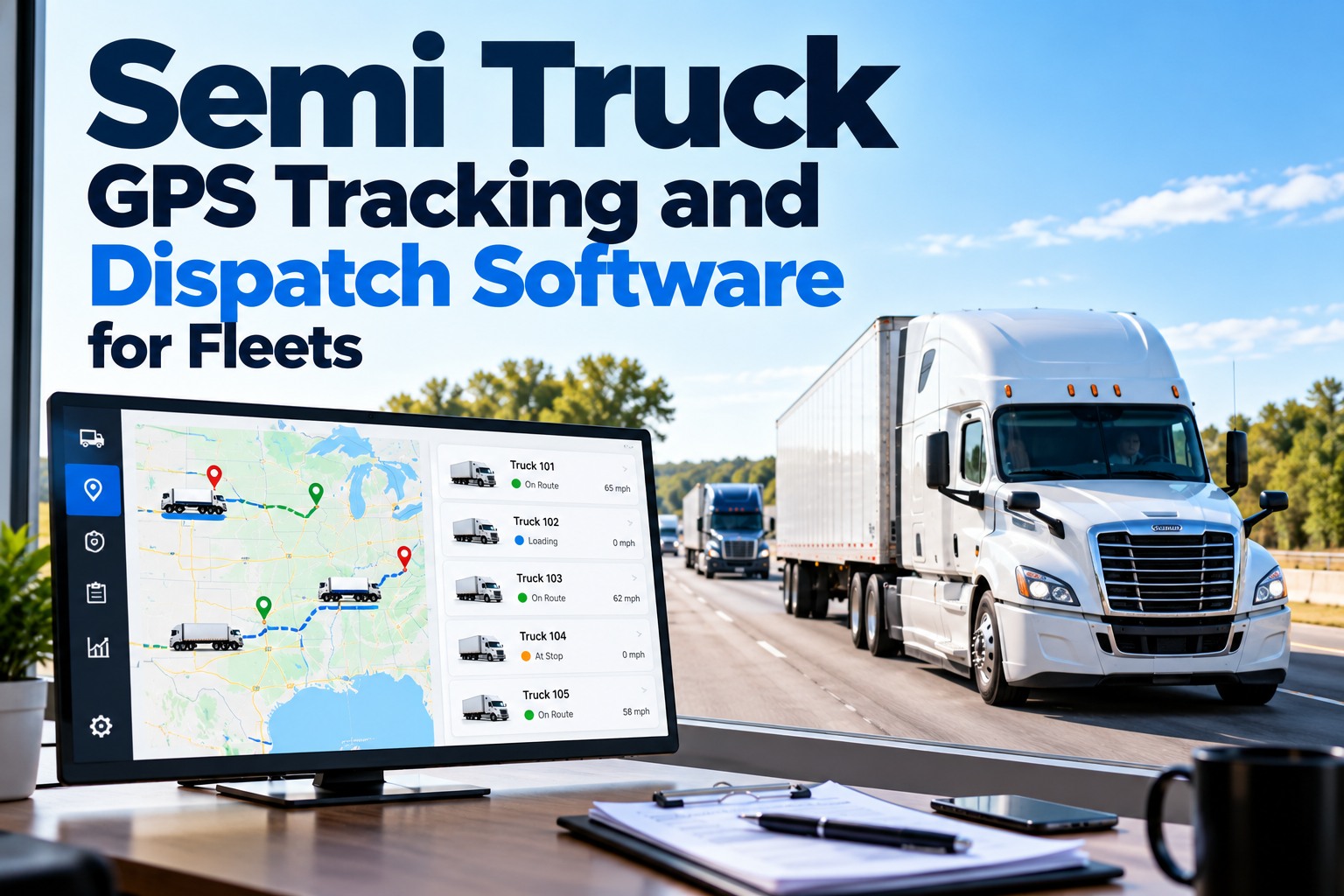
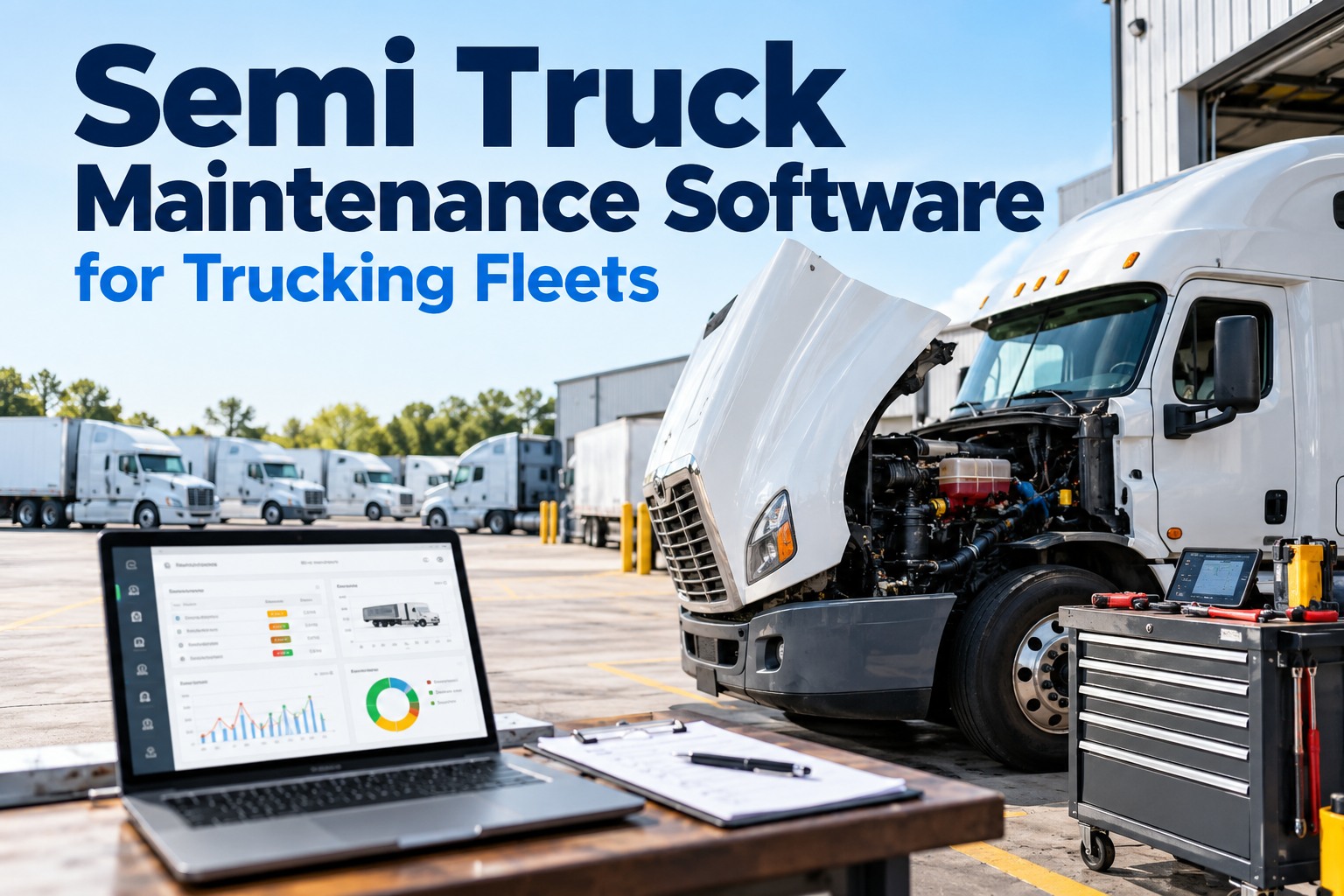
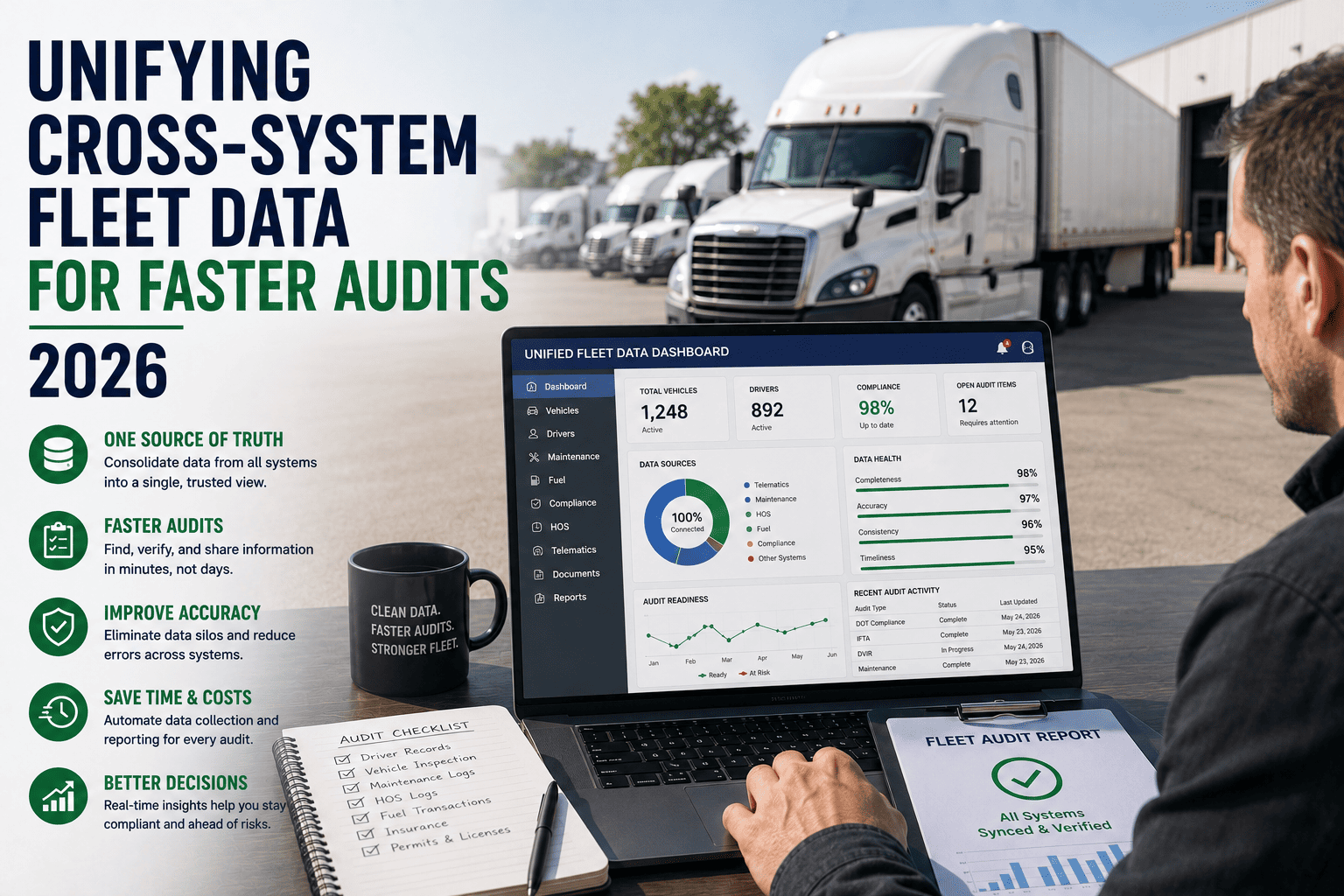
FleetRabbit brings human-driven and autonomous vehicle data into a single view, so handoffs, maintenance, and compliance never fall through the cracks. Sign up for a free trial and see your entire operation in one dashboard.
Human-Driven vs. Autonomous vs. Mixed: What Actually Changes
Fleet managers evaluating autonomous capacity often assume it works like adding another human driver with better uptime. The operational reality is more nuanced, and understanding the differences upfront prevents costly missteps during rollout.
| Operational Factor | Human-Driven Trucks | Autonomous Trucks | Mixed Fleet Approach |
|---|---|---|---|
| Route Type | All routes including urban and dock work | Predictable highway corridors, hub-to-hub | Autonomous handles highway legs, humans handle first and last mile |
| Operating Hours | Limited by hours-of-service regulations | Can run 20+ hours daily without mandated rest | Combined utilization exceeds either model alone |
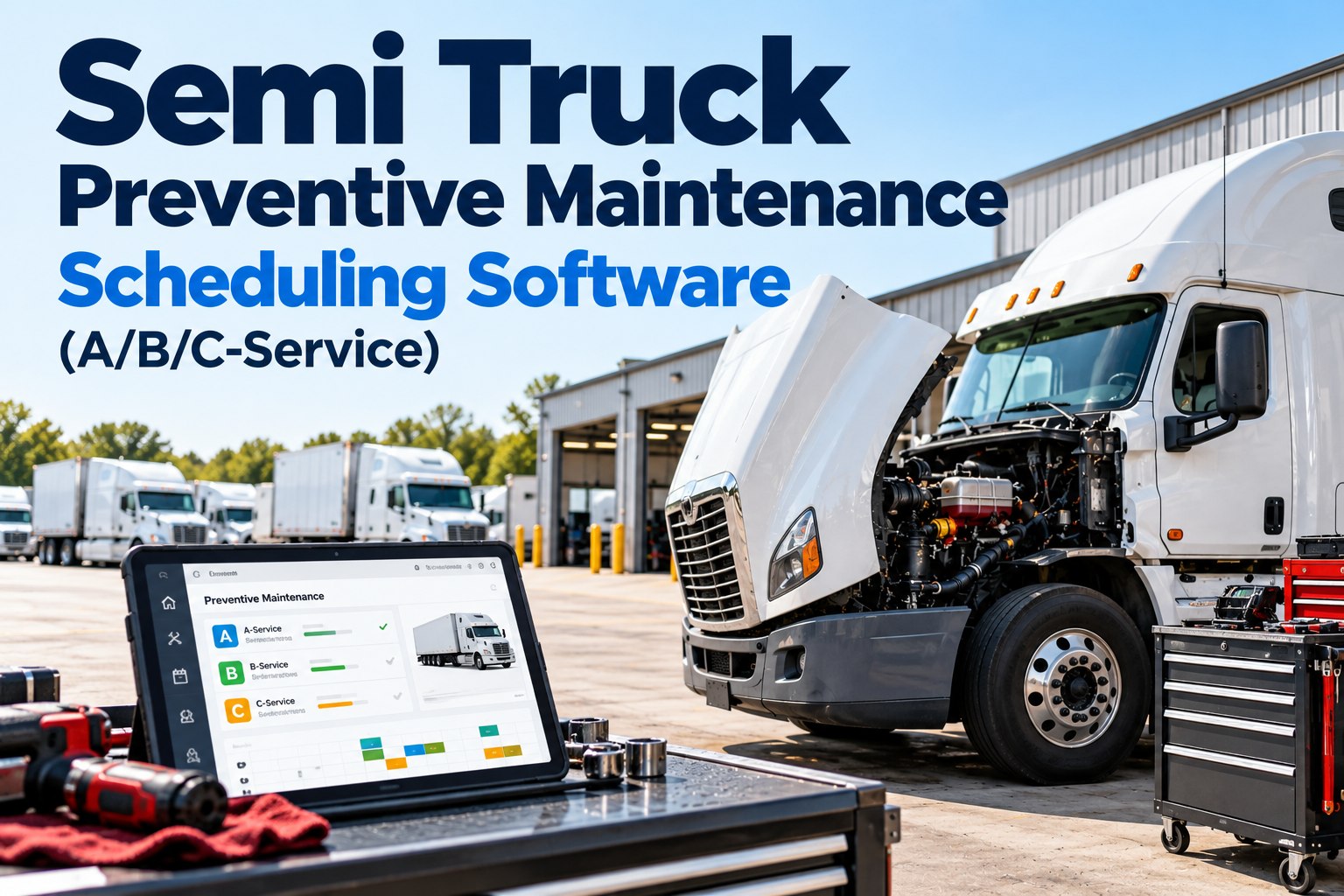
| Maintenance Needs | Standard preventive maintenance cycles | Additional sensor, redundancy, and hardware checks | Unified schedule covering both vehicle categories |
| Safety Monitoring | Driver behavior scoring, dash cams, HOS logs | Sensor diagnostics, incident data, system uptime | Combined dashboard comparing both fairly |
| Regulatory Exposure | Established, stable compliance requirements | State-by-state permits, evolving rapidly | Ongoing monitoring required across both frameworks |
Building an Operational Readiness Checklist
Preparing for mixed autonomous operations does not require overhauling your entire technology stack overnight. It requires sequencing the right capabilities in the right order, so your fleet is ready the moment autonomous capacity becomes available in your lanes.
Start With Data, Not Hardware
Before evaluating a single autonomous truck partner, make sure your existing fleet data is clean, centralized, and accessible. Fleets that already have strong telematics, maintenance, and compliance visibility integrate autonomous capacity far faster than those still working from spreadsheets and disconnected systems. This is the foundation every later step depends on.
Auditing Your Current Systems
Review whether your telematics, maintenance software, and compliance tools can accept new data types, including sensor health reports and autonomous system status updates. Many platforms built only for human-driven fleets were never designed to ingest this kind of data, which becomes a costly gap once autonomous partners enter the picture.
Plan the Workforce Transition Early
Retraining timelines take months, not weeks. Fleets that wait until autonomous trucks arrive to start reassigning human drivers toward urban delivery, specialized cargo, and oversight roles create unnecessary disruption. Early planning turns a potentially disruptive shift into a smooth reallocation of talent toward the roles where humans remain essential.
Track Regulatory Change as an Ongoing Process
Because policy is currently the biggest variable affecting deployment pace, fleets need someone actively monitoring permit expansions, insurance rate changes, and state rule updates rather than treating regulation as a one-time compliance check. This is an ongoing operational responsibility, not a project with an end date.
Every fleet's path to mixed autonomous operations looks different depending on lanes, cargo type, and current systems. Book a demo and our team will help you map out exactly what to prepare first.
Frequently Asked Questions
Mixed autonomous operations are not a future scenario to plan for someday. They are already reshaping freight networks in 2026. FleetRabbit gives you one unified view across every vehicle type, driver role, and maintenance schedule, so your fleet stays ready no matter how fast autonomy scales into your lanes. Start your free trial with no credit card required, or talk to our team about your specific rollout.