Preventive Maintenance Checklist for Commercial Fleet Vehicles
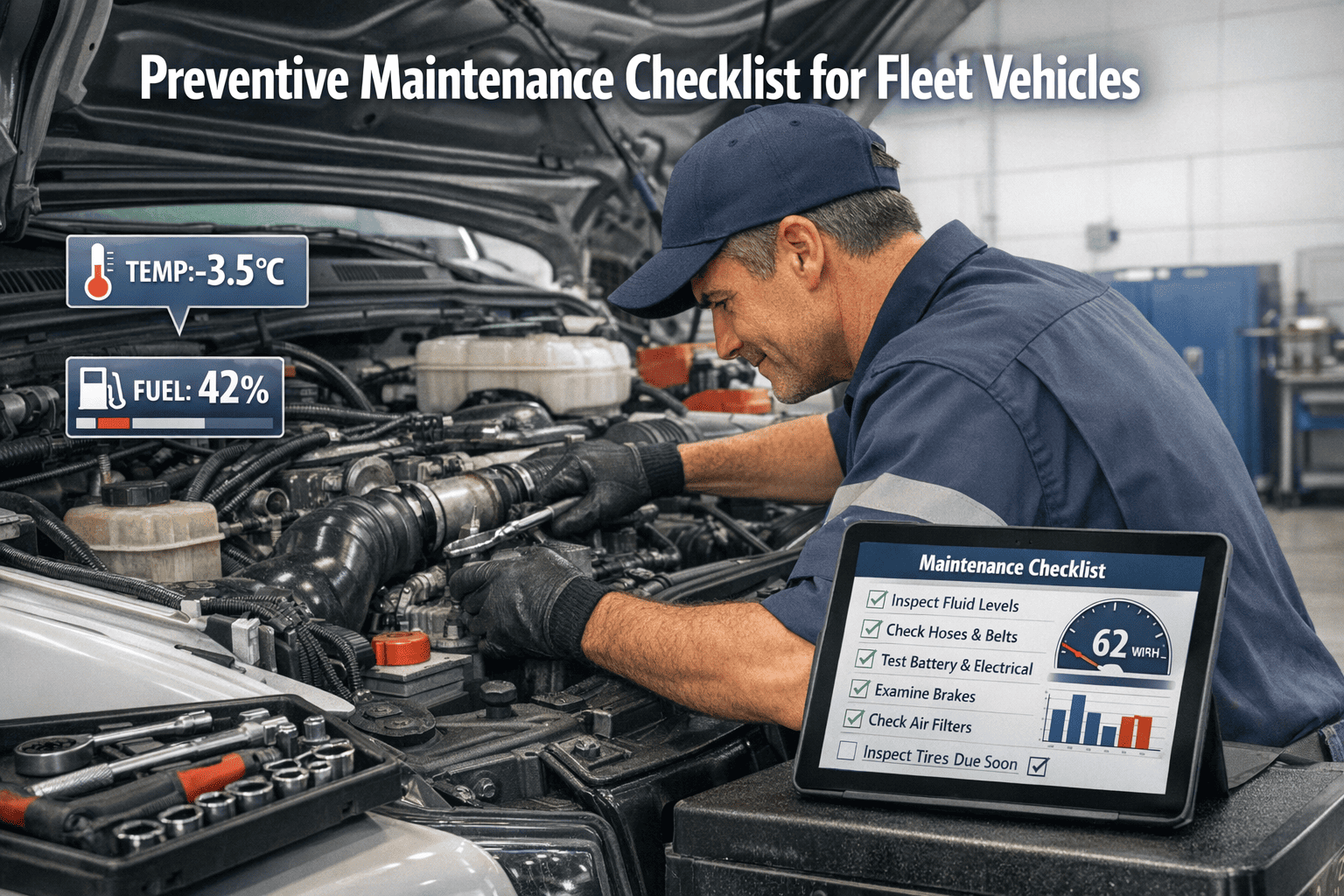
Preventive maintenance is the single most effective strategy for reducing unplanned downtime, extending vehicle service life, and controlling maintenance costs in commercial fleet operations. Unlike reactive repair—which waits for a component to fail before taking action—preventive maintenance schedules component service, inspection, and replacement based on time intervals, mileage thresholds, or engine hours before failure occurs. A complete preventive maintenance checklist transforms a reactive shop into a proactive maintenance operation, where technicians identify developing issues during scheduled PM services rather than during roadside emergencies. This checklist provides fleet maintenance managers, shop supervisors, and owner-operators with a comprehensive preventive maintenance framework organized by vehicle system, interval specification, and inspection criteria. FleetRabbit digitizes the entire preventive maintenance workflow, connecting PM checklists to work order generation, technician task assignment, parts inventory tracking, and complete vehicle history records in a single auditable platform.
58%
Reduction in roadside breakdowns reported by fleets implementing scheduled preventive maintenance programs with digital PM checklists versus reactive maintenance operations.
$1,800+
Average cost savings per vehicle annually from preventive maintenance programs, calculated as avoided tow events, reduced component failure repairs, and extended component life cycles.
3x
Longer engine life in fleets adhering to OEM-specified preventive maintenance intervals compared to fleets extending PM intervals beyond manufacturer recommendations.
76%
Of unplanned maintenance events are preventable with a documented and consistently executed preventive maintenance inspection program, according to fleet maintenance research data.
How FleetRabbit Transforms Preventive Maintenance from Calendar Events to Predictive Workflows
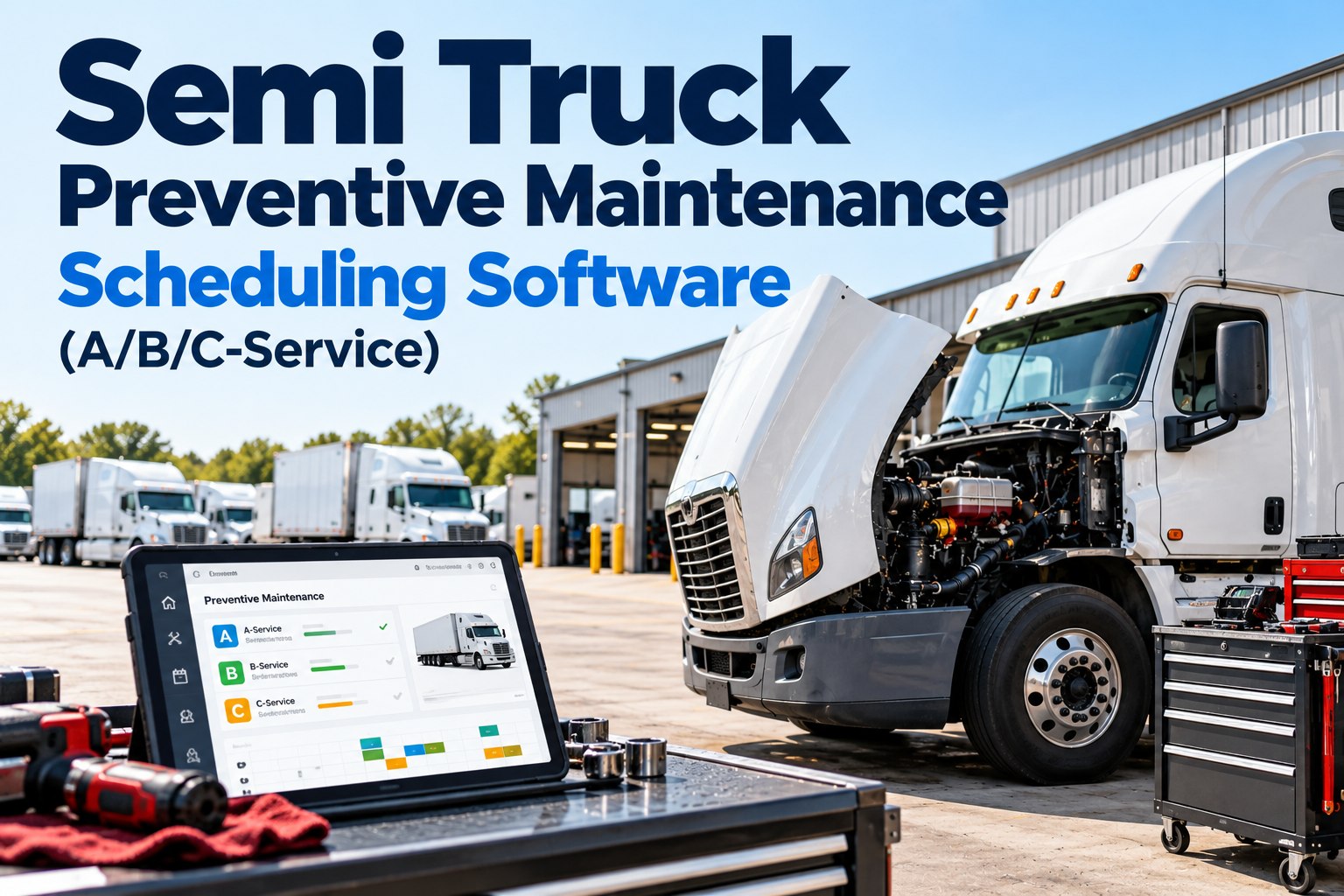
Traditional preventive maintenance relies on paper checklists and manual interval tracking—a technician receives a paper PM form, completes inspections by checking boxes, and returns the form to a filing cabinet where it cannot be analyzed for trends or accessed during audits. FleetRabbit replaces that analog process with a digital preventive maintenance platform that connects PM interval scheduling, technician checklist completion, parts consumption tracking, and vehicle maintenance history in a single system. When a vehicle reaches its PM due threshold—by miles, engine hours, or calendar date—FleetRabbit automatically generates a preventive maintenance work order and assigns it to the appropriate shop location. Technicians complete PM checklists on the FleetRabbit mobile app, capturing measurements, photo documentation, and part replacement records at each inspection point. The complete PM record attaches to the vehicle history file, creating a permanent, searchable maintenance record that supports warranty claims, resale valuation, and DOT audit defense. Every item on this preventive maintenance checklist corresponds to a digital field within the FleetRabbit platform that can be configured by vehicle type, PM level, and fleet-specific inspection criteria.
Preventive Maintenance Interval Classification and Scope
PM Level
Interval Specification
Inspection Scope
FleetRabbit Automation
PM A — Basic Service
Every 10,000 miles or 250 engine hours or 3 months
Fluid level checks, visual inspection of belts and hoses, lighting verification, tire pressure and tread inspection
Automatic work order generation at threshold, driver notification, assigned technician queue
PM B — Intermediate Service
Every 20,000 miles or 500 engine hours or 6 months
PM A items plus oil and filter change, chassis lubrication, brake adjustment measurement, air dryer service, battery load test
Parts pre-pick list generated, torque specifications displayed, photo capture required for brake measurements
PM C — Major Service
Every 40,000 miles or 1,000 engine hours or 12 months
PM B items plus transmission fluid and filter change, differential service, coolant flush and replace, wheel bearing repack, valve adjustment inspection
Multi-day work order sequencing, parts order creation for non-stock items, supervisor review gate before closure
PM D — Comprehensive Overhaul Service
Every 120,000 miles or 3,000 engine hours or 36 months
PM C items plus injector testing, turbocharger inspection, aftertreatment system service, suspension bushing inspection, full chassis fastener torque verification
Stop-sale flag until completion, extended labor hour budgeting, component lifecycle data recording
See how FleetRabbit's digital preventive maintenance platform connects PM interval scheduling, technician checklist completion, parts inventory tracking, and DOT-defensible documentation in a single system. We demonstrate against your fleet's vehicle types and PM program specifications—not in a generic demo environment.
Part 1: Engine System Preventive Maintenance Inspection
Engine preventive maintenance is the foundation of any commercial fleet PM program. Engine failures are the most expensive and time-consuming repairs in fleet operations, and they are almost always preceded by detectable warning signs during properly executed PM inspections. The engine system inspection items below cover fluid analysis, belt and hose integrity, air induction system condition, cooling system performance, and aftertreatment component function—all of which must be verified at every PM interval, not only when a driver reports a performance complaint.
Fluid Analysis and Level Verification
Belt, Hose, and Air Induction System
Part 2: Brake System Preventive Maintenance Verification
Brake system preventive maintenance is the highest-compliance component of any fleet PM program. FMCSA regulations explicitly require that brake systems be inspected and maintained to specific performance standards—and brake defects consistently rank as the leading cause of out-of-service orders at roadside inspections. The brake system verification items below must be completed at every PM interval where wheels are removed or brake components are accessible, with measurement data recorded rather than estimated or approximated.
Foundation Brake Measurement and Adjustment
Air System and Brake Actuation Verification
FleetRabbit Brake PM Documentation and Measurement Recording
FleetRabbit's preventive maintenance module records per-axle, per-position brake measurement data directly in the digital work order, creating a permanent, searchable brake service history for every vehicle in the fleet. The PM checklist requires numerical entry for pushrod stroke and lining thickness—technicians cannot bypass measurement fields with pass-fail shortcuts or text notes. Brake measurement history is plotted over time, allowing fleet managers to identify accelerating wear patterns before components reach discard limits. When a DOT inspector requests brake maintenance documentation during a roadside inspection or compliance review, the fleet manager provides a complete record showing measurement data, technician identity, and PM completion date—not a generic notation that brakes were serviced.
Part 3: Tire, Wheel, and Suspension Preventive Maintenance
Tire and wheel-related failures account for more than 30 percent of roadside out-of-service violations and are a leading contributor to commercial vehicle crashes. Unlike engine or transmission failures that often provide warning signs, tire failures occur suddenly and catastrophically when preventive maintenance is incomplete. The tire, wheel, and suspension verification items below must be completed at every PM interval where wheels are accessible, with documented torque verification and tread depth measurements recorded by tire position.
Tire Condition and Inflation Management
Wheel Hardware and Torque Verification
Suspension and Steering Component Inspection
Part 4: Electrical, Lighting, and Cab Systems Preventive Maintenance
Electrical system preventive maintenance is frequently overlooked in fleet PM programs because electrical issues are often intermittent and difficult to diagnose. However, electrical failures—particularly charging system failures—cause more unplanned roadside events than engine mechanical failures in many fleets. The electrical system verification items below cover battery testing, charging system output, lighting circuit verification, and cab climate system function—all of which must be tested at every PM interval, not only when the driver reports a problem.
Battery and Charging System Verification
Lighting and Safety Systems Verification
Cab HVAC, Wipers, and Visibility Systems
Part 5: Preventive Maintenance Documentation, Scheduling, and Continuous Improvement
A preventive maintenance checklist that produces records that cannot be analyzed, scheduled, or trended is a compliance exercise, not a maintenance strategy. The documentation and scheduling framework below establishes the processes for PM interval tracking, work order closure standards, parts inventory integration, and continuous improvement through defect trend analysis—transforming preventive maintenance from a reactive event into a predictive fleet management tool.
PM Completion Documentation and Work Order Closure
PM Scheduling and Interval Compliance
Parts Inventory Integration for PM Services
FleetRabbit PM Analytics and Predictive Maintenance
FleetRabbit's preventive maintenance analytics module processes PM inspection data across the entire fleet, generating automated component life predictions based on actual wear rates—not OEM estimates. The platform identifies components that consistently fail before reaching the next PM interval and recommends interval adjustments or component upgrades. Fleet managers access real-time PM compliance metrics through the FleetRabbit command center, eliminating the need to manually review paper PM forms to verify inspection completion. The system's predictive maintenance engine analyzes wear metal trends from oil analysis, brake lining wear rates, and tire tread depth degradation to generate early warning alerts for components approaching failure—converting scheduled preventive maintenance into condition-based predictive maintenance.
Frequently Asked Questions
What is the difference between preventive maintenance and routine inspection?
Preventive maintenance encompasses both inspection and component replacement activities performed on a scheduled basis—including oil changes, filter replacements, belt changes, and fluid flushes. Routine inspection is a subset of preventive maintenance that involves visual and tactile checks of component condition without automatically replacing components. A complete preventive maintenance checklist includes both inspection items (check brake lining thickness, inspect belt condition) and replacement items (change oil and filter, replace fuel filters). FleetRabbit's PM checklists distinguish between inspection and replacement tasks, ensuring both activities are captured in the work order.
How do I determine the correct preventive maintenance interval for my fleet vehicles?
Preventive maintenance intervals should be established based on the most restrictive of three factors: OEM specifications for major components (engine, transmission, axles), vehicle duty cycle (highway versus city, loaded versus empty, towing versus non-towing), and operating environment (dusty conditions, extreme temperatures, corrosive environments). Most fleets operate with three to four PM levels—A (basic inspection every 10,000-15,000 miles), B (intermediate service with oil change every 20,000-30,000 miles), C (major service with transmission and coolant service every 40,000-60,000 miles), and D (comprehensive overhaul service every 120,000-180,000 miles). FleetRabbit's interval optimization analysis helps fleets adjust intervals based on actual component wear data from PM inspections.
What documentation is required for a preventive maintenance program under FMCSA?
FMCSA does not prescribe a specific preventive maintenance program format, but the regulation 49 CFR 396.3 requires that every motor carrier systematically inspect, repair, and maintain all motor vehicles under its control. For a preventive maintenance program to satisfy this requirement, the carrier must maintain records documenting that each vehicle received the required inspection and maintenance, the date of the maintenance action, the identity of the person performing the action, and the vehicle identification number. The maintenance records must be retained for the period during which the carrier operates the vehicle plus six months after disposal. FleetRabbit's digital PM work orders capture all of these elements as mandatory fields, ensuring that every PM record meets FMCSA documentation requirements.
Can preventive maintenance intervals be extended beyond OEM recommendations?
Extending preventive maintenance intervals beyond OEM recommendations is permitted under FMCSA provided the carrier has documented data demonstrating that the extended interval does not compromise safety or accelerate component wear beyond acceptable limits. The burden of proof falls on the carrier—not the OEM—if a safety violation occurs related to a component that failed within the extended interval but within the OEM-recommended interval. Most fleets that extend intervals do so gradually—extending oil change intervals from 20,000 miles to 25,000 miles with oil analysis at both intervals to verify that oil condition remains within acceptable limits at the extended interval. FleetRabbit tracks actual component life at extended intervals and provides data for engineering-based interval decisions.
How does FleetRabbit integrate with existing parts inventory systems?
FleetRabbit integrates with parts inventory systems through API connections to major parts management platforms (including CDK, RTA, and proprietary dealer systems) and through CSV import-export workflows for fleets without an electronic parts system. When a PM work order is generated, FleetRabbit sends a parts pre-pick list to the inventory system or to the parts room printer, notifying staff of components required for the service. When a technician records part consumption in the FleetRabbit mobile app, the parts system inventory level is decremented automatically. For fleets without electronic parts tracking, FleetRabbit maintains its own parts inventory module with min-max reorder points and automated purchase order generation when stock reaches reorder threshold.
What happens if a technician discovers a critical defect during a preventive maintenance inspection?
When a technician identifies a critical defect during a PM inspection—any condition that would result in an out-of-service order at roadside—FleetRabbit automatically escalates the defect to a supervisor notification and flags the vehicle as out-of-service. The vehicle cannot be returned to service until the defect is repaired and re-verified by a second technician if required by fleet policy. If the PM was scheduled for a time when the shop cannot perform the repair immediately (for example, a Friday afternoon PM that identifies brake lining below minimum), the vehicle is placed into a holding status until repair capacity is available—the vehicle does not return to service under any circumstances with a known critical defect unresolved. This automated enforcement eliminates the common failure mode where a vehicle returns to service with a documented but unrepaired defect because the shop manager was not notified of the defect severity.
How does digital preventive maintenance documentation support warranty claims?
Digital preventive maintenance documentation provides the evidence required to support warranty claims when component failures occur within the warranty period. Most OEM warranties require proof that the vehicle received all required preventive maintenance at specified intervals using approved parts and fluids. FleetRabbit's PM work order records include mileage at service, oil and filter part numbers, coolant type and concentration, and technician certification—all of which can be exported as a warranty support package when a claim is filed. The time-stamped, auditable trail of PM compliance prevents warranty denials based on unsubstantiated claims of missed maintenance—a common warranty rejection reason for fleets using paper PM records that cannot be verified.
Build Your Preventive Maintenance Program with FleetRabbit
FleetRabbit's preventive maintenance platform includes pre-built PM checklists for every vehicle system category in this guide, configurable to your fleet's specific interval specifications, vehicle types, and inspection criteria. Implement digital preventive maintenance across your entire fleet without managing paper forms, tracking PM due dates manually, or relying on technician discretion about which inspection items to complete.
Fleet managers using FleetRabbit's PM platform report extended component life, reduced roadside breakdowns, and significantly faster warranty claim processing through complete digital maintenance records. The platform is deployed fleet-wide with role-specific training for technicians, shop supervisors, and parts room personnel—not as a generic work order system, but as a configured preventive maintenance solution built around your fleet's PM program and operational requirements.
Schedule Your FleetRabbit Preventive Maintenance Platform Demonstration
See how FleetRabbit's digital preventive maintenance system connects PM scheduling, technician checklists, parts inventory integration, and DOT-defensible documentation in a single platform. We demonstrate against your fleet's vehicle types and PM specifications—not in a generic demo environment.