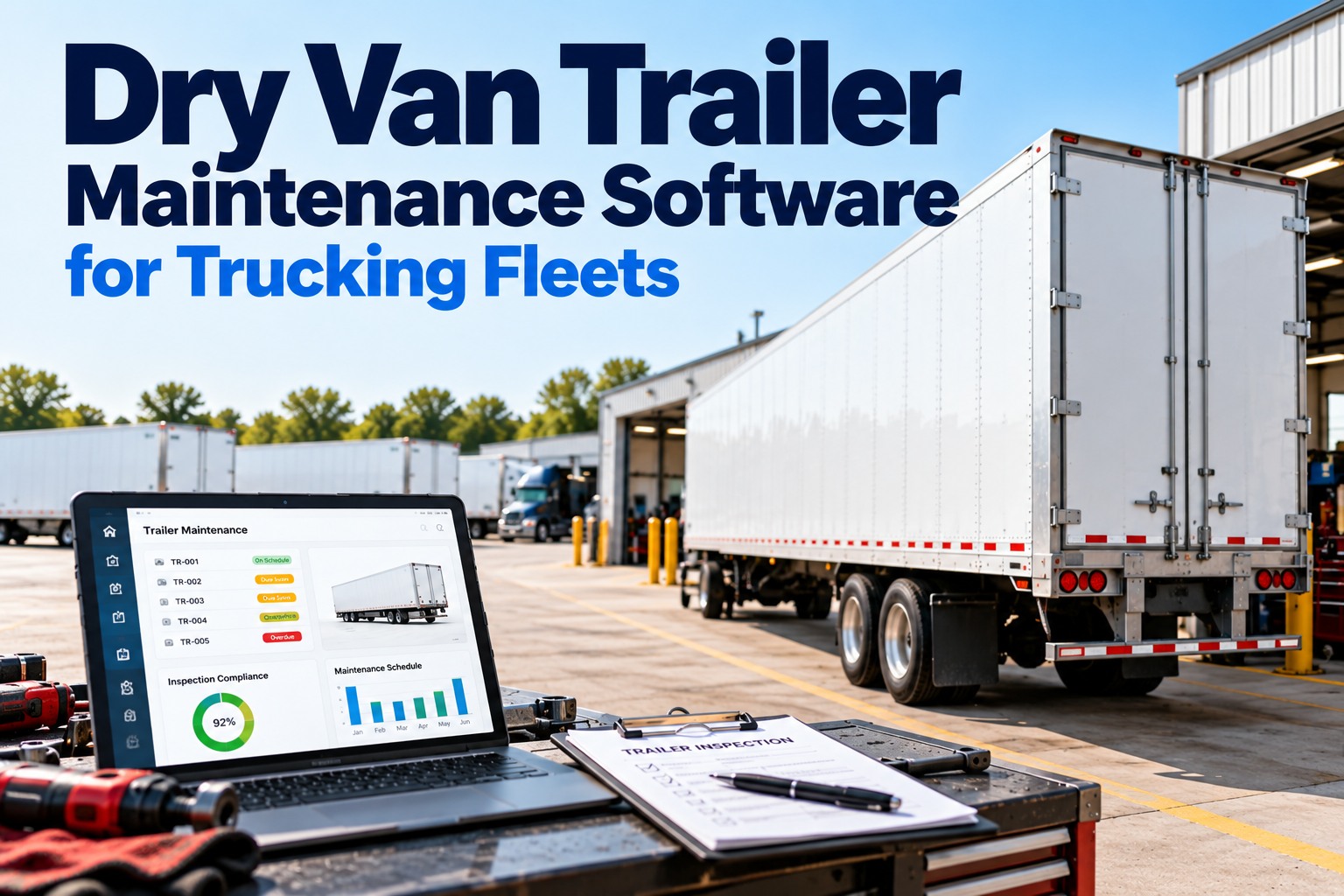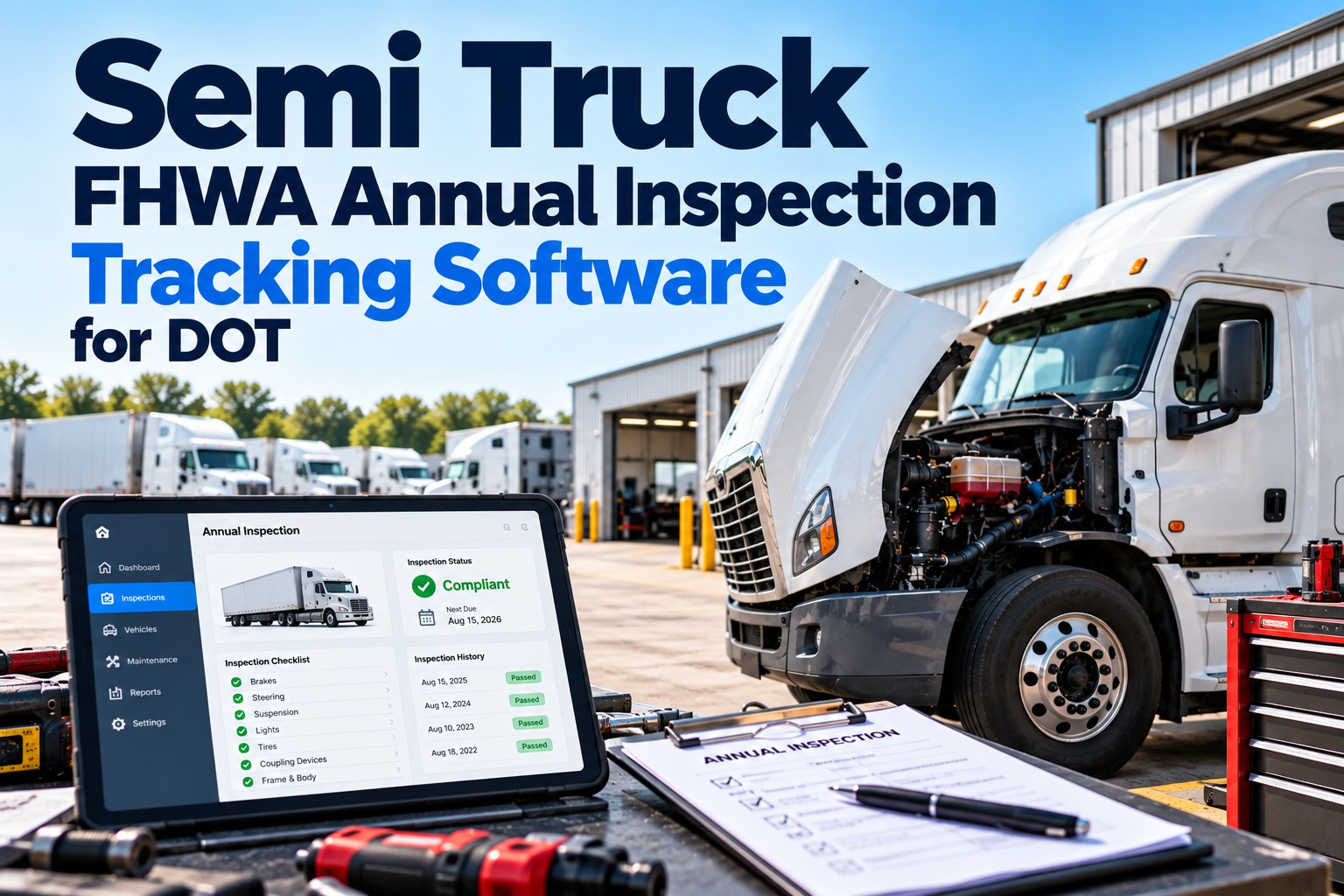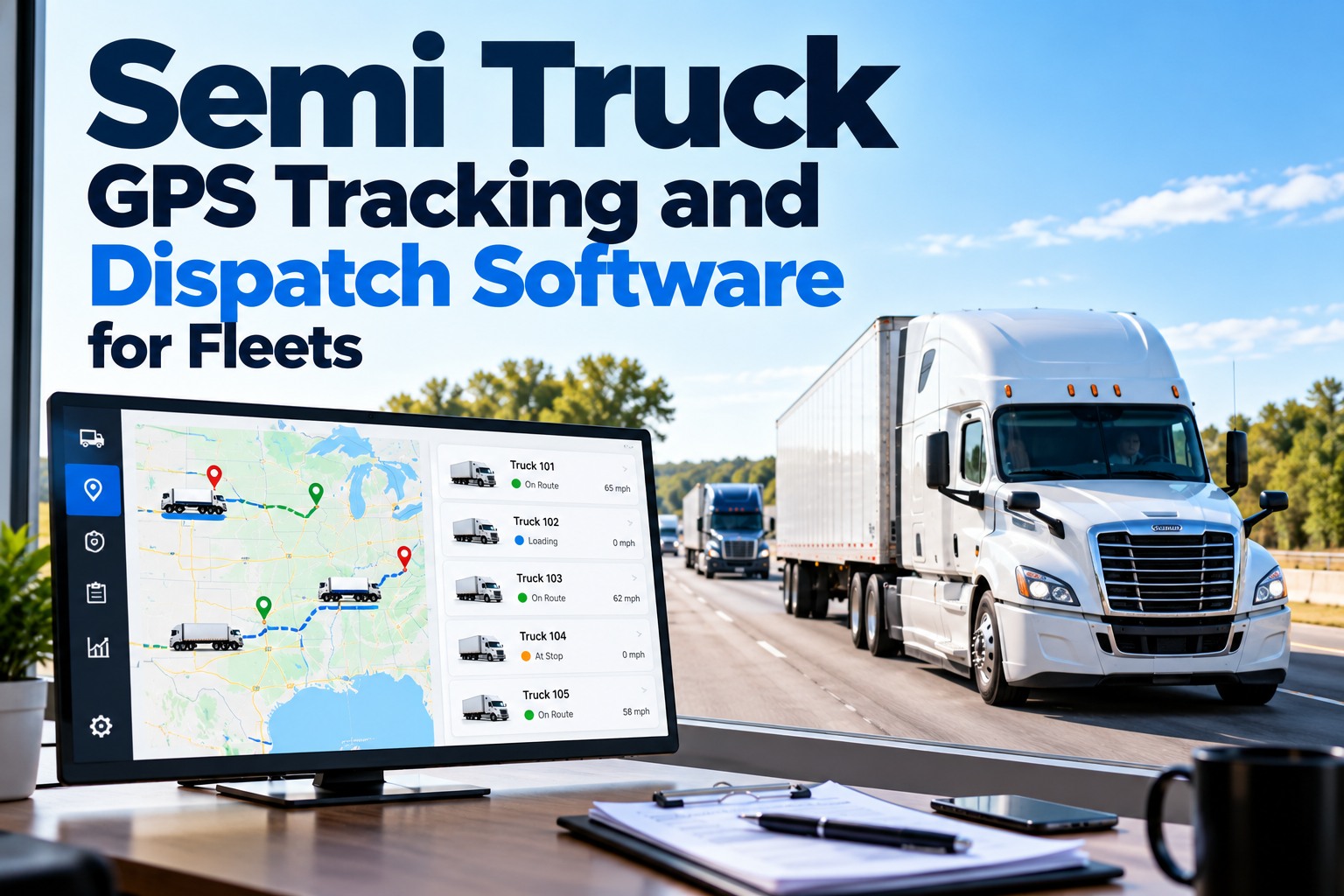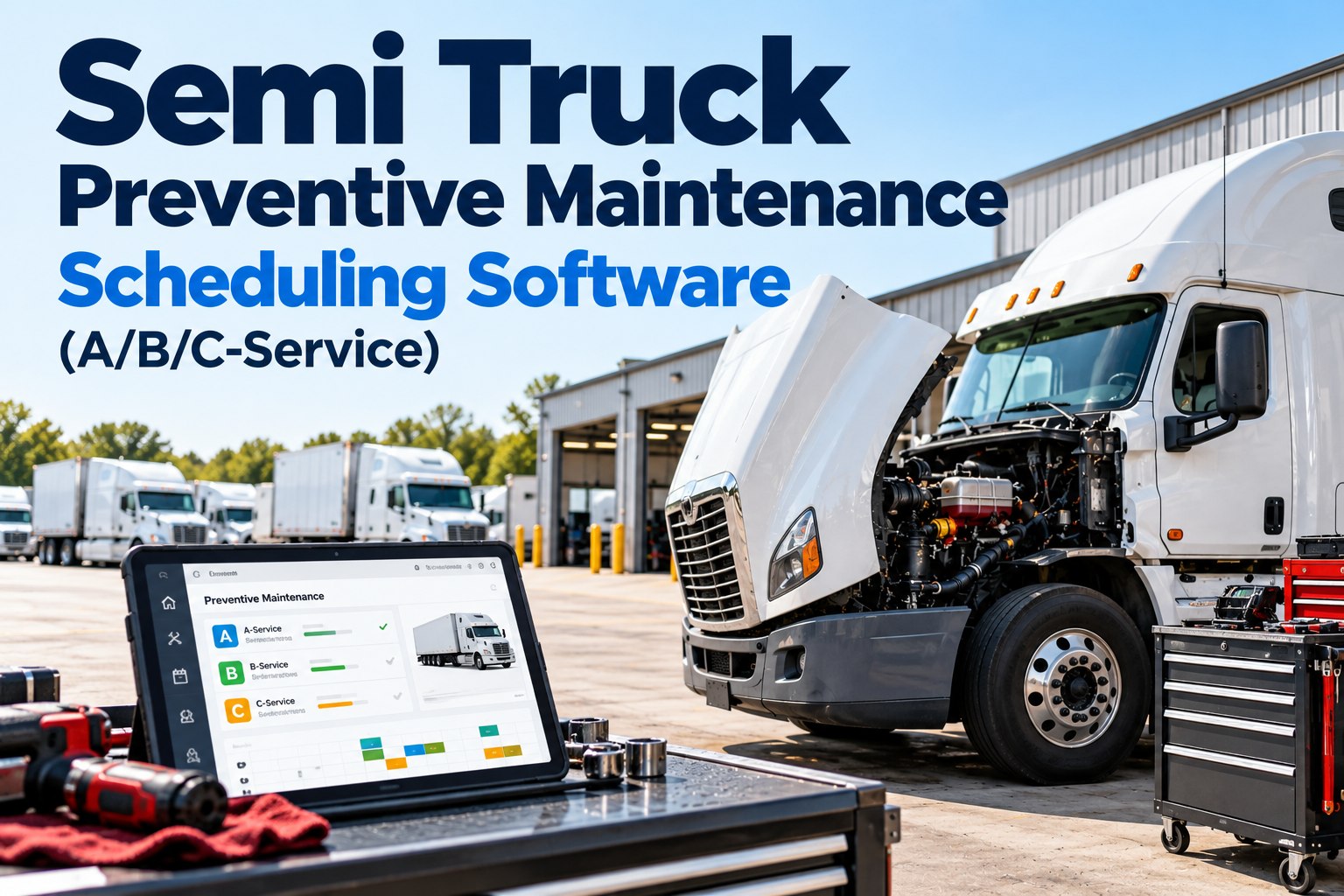
Commercial truck fleets operating without a structured preventive maintenance program pay a compounding cost that manifests in three distinct ways: emergency repair expenses that carry a 40 to 60 percent labor rate premium over planned maintenance events, unplanned vehicle downtime that eliminates revenue-generating capacity during hours when loads are waiting to be moved, and accelerated equipment degradation that shortens vehicle service life and increases the frequency of capital replacement expenditure. Each of these cost categories is measurably larger in fleets that maintain a reactive maintenance posture than in those that maintain consistent PM compliance, yet research from the Technology and Maintenance Council consistently shows that the majority of commercial truck fleets fail to execute more than 60 to 65 percent of scheduled PM tasks on time. The structural gap between that performance and the 85 to 90 percent planned maintenance ratio achieved by top-quartile fleet operators is not primarily a budget gap or an equipment age gap. It is a scheduling, visibility, and accountability gap that FleetRabbit's preventive maintenance module is designed to close. Book a demo to see how FleetRabbit automates PM scheduling and compliance tracking across your commercial truck fleet.
This guide provides fleet managers and maintenance directors with a comprehensive framework for building and sustaining a preventive maintenance program for commercial truck fleets, covering PM interval structures by vehicle class and operating environment, the operational practices that separate high-compliance PM programs from low-compliance ones, and the specific capabilities in FleetRabbit's preventive maintenance module that automate scheduling, alert management, work order generation, and compliance reporting to sustain high PM compliance without adding administrative overhead.
Why Commercial Truck Preventive Maintenance Programs Fail
Understanding why PM programs fail in practice is as important as understanding what an effective PM program looks like in theory. Fleet managers who have attempted to implement PM programs using paper-based schedules, manual tracking spreadsheets, or legacy CMMS systems that are not connected to live dispatch mileage data have experienced the specific failure modes that undermine PM compliance. These failure modes are well-documented and consistently cited by maintenance directors across the industry.
The first and most common failure mode is interval trigger inaccuracy. When PM intervals are defined by mileage and the mileage tracking system is not connected to the dispatch system, the maintenance team does not know that a vehicle has crossed its service interval until the driver reports the mileage or the vehicle comes in for another reason. By the time the interval is confirmed as exceeded, the alert opportunity has passed and the maintenance event is already reactive rather than preventive.
The second failure mode is scheduling fragmentation. In fleets without centralized PM scheduling visibility, individual terminal managers or shop foremen schedule PM events based on their local shop capacity and the vehicles they happen to know need service, while vehicles at other locations or assigned to out-of-town runs fall through the scheduling gap. No single person has visibility into PM status across the entire fleet, so systematic compliance reporting is impossible and systematic compliance improvement is structurally prevented.
The third failure mode is accountability absence. Without a PM compliance metric tracked and reported to fleet leadership on a regular basis, there is no organizational accountability for PM execution rates. Deferred PM events are individually rationalized based on competing operational priorities, and the cumulative effect of systematic deferral is not visible until a breakdown wave reveals the scope of the deferred maintenance backlog.
FleetRabbit's preventive maintenance module is specifically designed to close all three failure modes. Live mileage triggers connected to dispatch data eliminate interval inaccuracy. Centralized fleet-wide PM scheduling visibility eliminates fragmentation. And automated compliance reporting with vehicle-level and fleet-level PM metrics creates the accountability structure that sustains improvement after the PM program is initially established.
PM Interval Frameworks for Commercial Truck Classes and Operating Environments
Preventive maintenance interval structures for commercial trucks must account for vehicle class, operating environment, annual mileage, and engine duty cycle to be both financially effective and mechanically appropriate. The same mileage-based oil change interval appropriate for an over-the-road Class 8 tractor running at highway speeds will not protect a Class 6 medium-duty truck operating in heavy urban stop-and-go traffic at the same mileage interval because the duty cycle and lubricant degradation rates are fundamentally different in the two operating environments.
FleetRabbit's preventive maintenance module allows fleet managers to configure custom PM intervals for each vehicle type and task combination in their fleet, with trigger types selectable as mileage-based, calendar-based, engine-hour-based, or dual-trigger where the first condition reached initiates the PM event. This configuration flexibility means that a fleet managing Class 8 over-the-road tractors, Class 6 regional distribution trucks, and terminal tractors simultaneously can maintain separate PM interval structures appropriate to each vehicle class and operating environment from within the same platform, without the management complexity of maintaining separate tracking systems by vehicle category.
The Five PM Compliance Levers That FleetRabbit Controls
PM compliance improvement requires control over five specific operational variables that collectively determine whether scheduled maintenance gets executed on time across the fleet. FleetRabbit's preventive maintenance module provides specific capabilities that directly control each variable.
DVIR Integration With Preventive Maintenance Scheduling
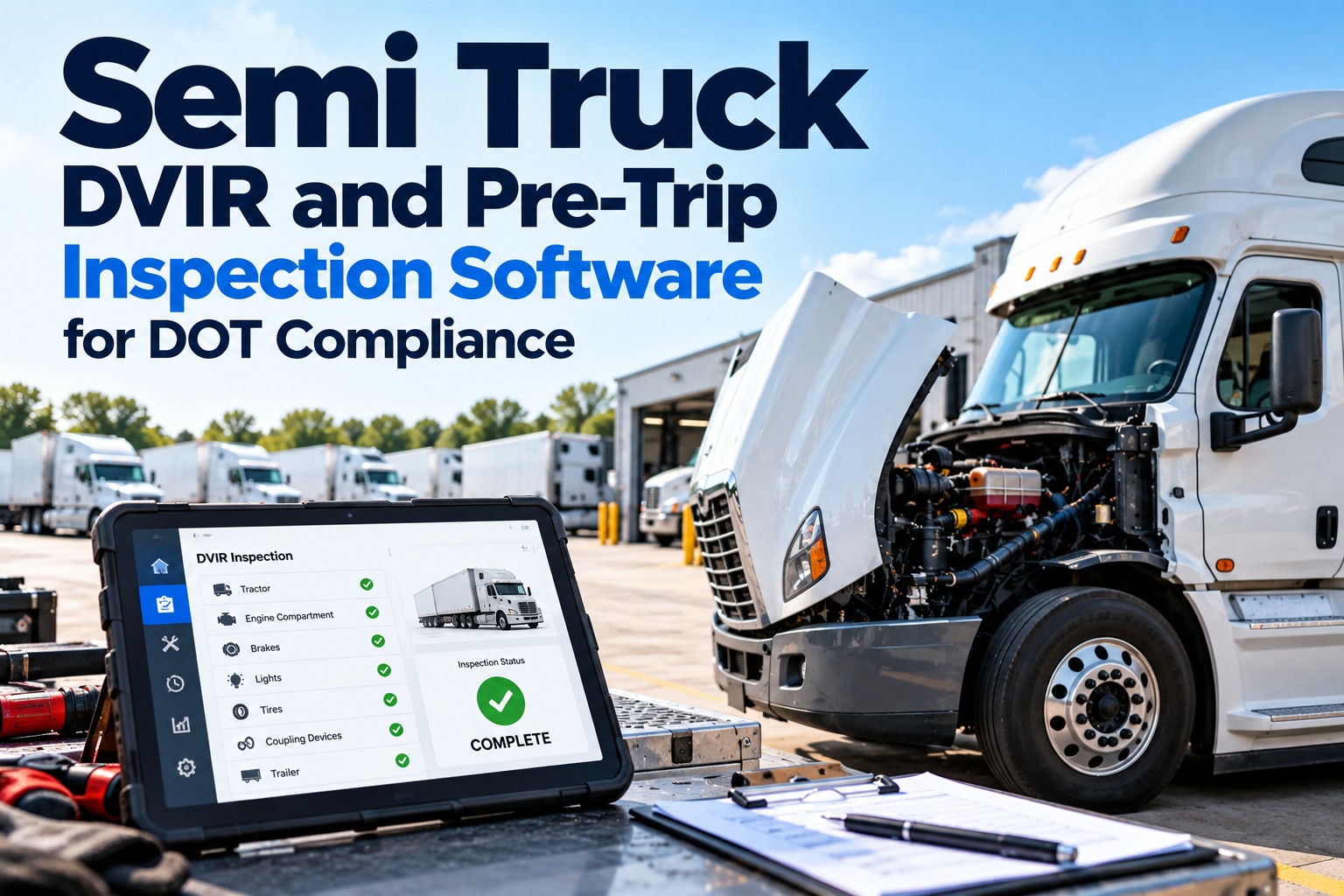
Driver Vehicle Inspection Reports are a federally mandated compliance requirement for commercial motor vehicles, but they are also one of the most valuable sources of early-stage defect detection available to fleet maintenance programs when they are properly structured and their inputs are systematically processed. A driver who completes a thorough pre-trip inspection and reports an unusual noise from the front wheel end or a developing air leak in the brake system has provided maintenance intelligence that, if acted upon before the defect progresses, can prevent a breakdown event that would otherwise occur during the next revenue run.
In fleets without integrated DVIR and maintenance systems, driver-reported defects frequently fail to translate into prompt maintenance action because the DVIR record is processed independently from the preventive maintenance scheduling workflow. A paper DVIR submitted at the end of a run may sit in a dispatch office folder for 24 to 48 hours before a maintenance supervisor reviews it, by which time the driver may have already been redispatched in the same vehicle for another run with the defect still present.
FleetRabbit's DVIR DOT inspection module integrates directly with the preventive maintenance work order system. When a driver submits a DVIR through FleetRabbit's mobile application reporting a defect that requires shop attention, the system automatically generates a corrective work order linked to the DVIR record and notifies the maintenance manager for scheduling. This eliminates the processing delay between defect report and maintenance action, ensures that no reported defect falls through the administrative gap between inspection and shop response, and creates the complete, timestamped documentation trail from defect identification through corrective action completion that DOT compliance regulations require.
Parts and Inventory Management for PM Program Efficiency
A PM program that is well-scheduled but poorly supplied is not substantially better than no PM program at all. When a vehicle arrives for scheduled maintenance and the required parts are not in stock, the maintenance event must either be rescheduled, extending the interval exceedance, or completed partially, leaving some PM tasks deferred. Both outcomes undermine the compliance integrity that PM scheduling is designed to produce, and both represent a shop efficiency failure that adds administrative overhead without improving maintenance quality.
FleetRabbit's parts and inventory module addresses this problem by connecting PM schedule data to parts stock management. When the PM schedule shows that a particular vehicle class will require 12 service events in the next 60 days, and each event requires an oil filter and air filter specific to that engine configuration, FleetRabbit's inventory module can project the parts depletion against current stock levels and generate a replenishment alert before the stock falls below the minimum level required to support the scheduled PM volume.
This forecasting capability converts parts management from a reactive stock-replenishment activity, where parts are ordered after they run out, to a proactive schedule-aligned inventory management process where stock levels are maintained in relation to known upcoming PM demand. Fleets that use FleetRabbit's integrated parts and PM scheduling consistently report significant reductions in maintenance event rescheduling due to parts unavailability and corresponding improvements in shop efficiency and PM completion rates.
Recall Tracking Integration With Preventive Maintenance Records
Vehicle safety recalls represent a specific preventive maintenance category that carries unique compliance urgency. Unlike time-based or mileage-based PM intervals, recall remediation does not have a configurable compliance window. Federal Motor Vehicle Safety Standards require that recall repairs be completed within the prescribed timeframe, and operating a recalled vehicle that is subject to a safety stop-drive notice constitutes a regulatory compliance violation that exposes the carrier to both DOT enforcement action and liability amplification in the event of an incident involving the recalled component.
FleetRabbit's recall tracking feature monitors the fleet's vehicle register against published NHTSA recall database entries and alerts fleet managers when any registered vehicle in the fleet is subject to an active recall. The recall alert includes the recall number, affected component description, required remedy, and deadline for completion, integrated directly into the vehicle's FleetRabbit maintenance record. Fleet managers can generate a recall status report across the entire fleet at any time, showing which vehicles have open recalls, which have been remediated and documented, and which recalls are approaching their completion deadline.
This recall tracking capability, integrated within the same FleetRabbit maintenance management platform used for daily PM scheduling, eliminates the risk of recall compliance gaps that occur when recall monitoring is managed separately from fleet records and maintenance scheduling. Recall status is visible alongside PM compliance status for each vehicle in the fleet, providing maintenance directors and compliance managers with a complete vehicle compliance picture from a single system view.
See How FleetRabbit Manages Your Fleet PM Schedule Automatically
FleetRabbit automates PM interval triggering, work order generation, parts demand forecasting, and compliance reporting for commercial truck fleets of every size and configuration. No manual tracking. No missed intervals. No compliance gaps on safety-critical maintenance. Book a demo to see the preventive maintenance module configured for your vehicle classes and shop structure.
Building Executive Accountability Into Fleet PM Management
One of the most persistently underappreciated enablers of high PM compliance is executive visibility into PM performance metrics. Fleets where PM compliance data is reviewed by operations leadership on a regular basis consistently outperform fleets where PM management is treated as a purely operational-level function invisible to fleet executives. The reason is not that executives micro-manage maintenance activities but that visible executive attention to PM compliance creates an organizational priority signal that makes PM compliance a non-negotiable operational standard rather than a target that competes with revenue operations for priority.
FleetRabbit provides the executive-level PM reporting that makes this visibility operationally straightforward. Fleet directors and VPs of Operations can access a rolling PM compliance dashboard showing the percentage of PM events completed on time, by terminal, by vehicle class, and by maintenance category, updated daily from work order completion data without requiring manual report assembly from shop records. When PM compliance data is reviewed in weekly executive operations meetings alongside cost-per-mile, on-time delivery rate, and driver utilization metrics, PM performance becomes a tracked organizational indicator with the same accountability structure as other fleet KPIs.
Frequently Asked Questions About Truck Fleet Preventive Maintenance
Build a PM Program That Holds at 85 Percent and Above With FleetRabbit
FleetRabbit automates the scheduling, alerting, work order generation, parts forecasting, and compliance reporting that sustain high preventive maintenance compliance in commercial truck fleets without adding administrative overhead to your maintenance team. Fewer breakdowns. Lower repair costs. Longer asset life. Stronger DOT compliance standing.