Real-time fleet tracking has moved from a competitive advantage to an operational necessity for transportation and logistics companies. Fleet operators who rely on periodic driver check-ins or static route plans operate with blind spots that directly impact fuel costs, customer satisfaction, and safety performance. Live vehicle visibility enables fleet managers to make informed decisions about rerouting, customer communication, and exception management — transforming fleet tracking from a passive monitoring tool into an active cost-reduction and service-improvement platform.
Real-Time Tracking
Fleet Technology
High Priority
9 min read
Guide Overview
This guide covers the complete business case for real-time fleet tracking — from core functionality and cost reduction mechanisms to implementation best practices and ROI analysis. FleetRabbit's real-time tracking platform provides live vehicle locations, automated alerts, and historical route analysis that transforms raw GPS data into actionable fleet intelligence.
12-18%
reduction in fuel consumption achievable through real-time idle alerts and route optimisation based on live traffic conditions
25-40%
improvement in ETA accuracy when fleets use real-time tracking with predictive arrival algorithms
15-20%
reduction in insurance premiums available to fleets with documented real-time tracking and driver behaviour monitoring programmes
30-50%
decrease in unauthorised vehicle use and after-hours mileage when real-time tracking is visible to drivers
What Is Real-Time Fleet Tracking and How Does It Work?
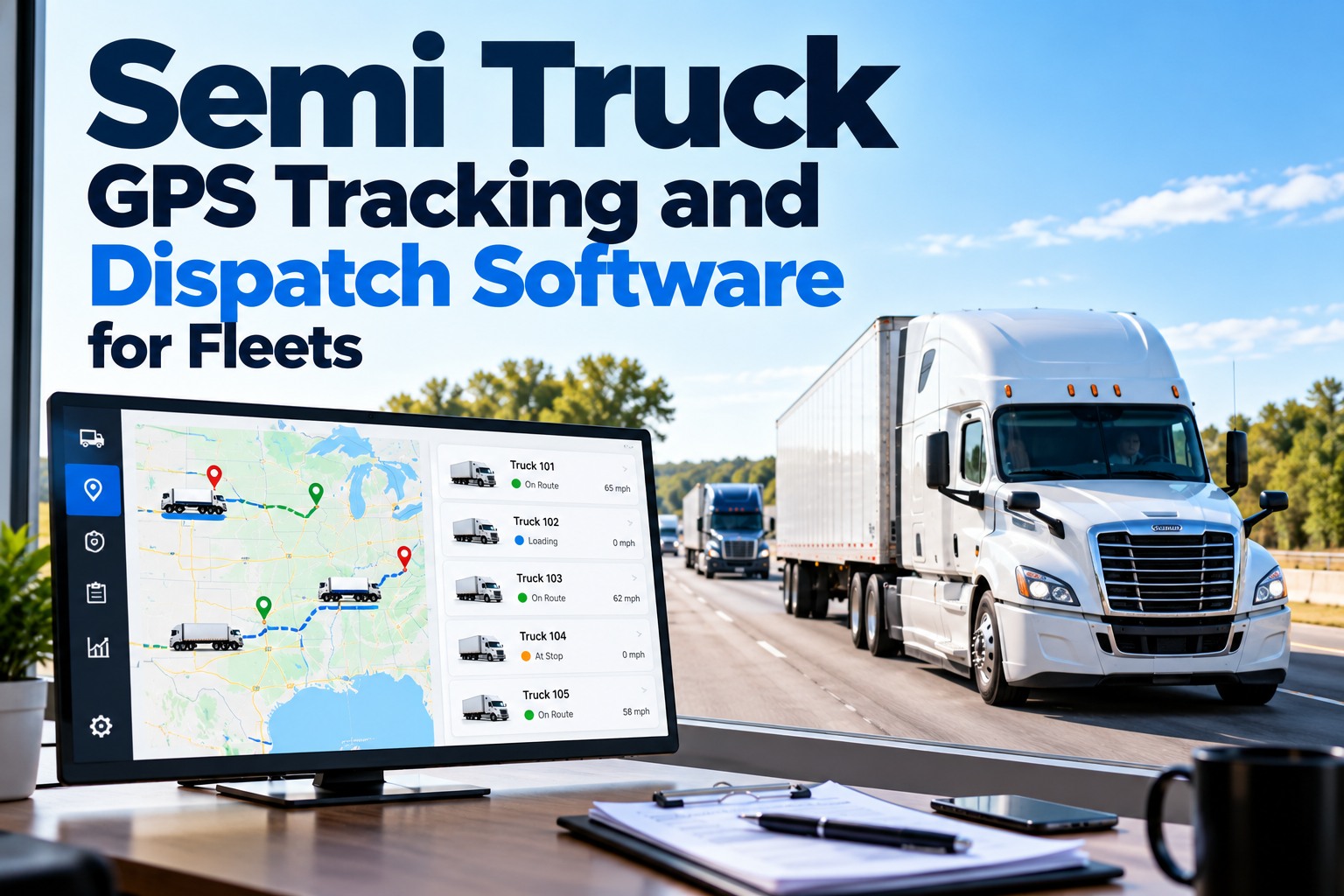
Real-time fleet tracking uses GPS hardware installed in vehicles to transmit location, speed, engine status, and other telematics data to cloud-based software platforms at frequent intervals — typically every 30 to 60 seconds. Fleet managers access this data through web dashboards or mobile applications that display vehicle positions on interactive maps, show historical routes, and generate alerts when vehicles deviate from planned routes or enter or exit geographic boundaries.
The technology stack includes GPS receivers that triangulate position from satellite signals, cellular modems that transmit data to cloud servers, and software platforms that process, store, and visualise the data. Modern systems integrate real-time tracking with other fleet management functions — including route optimisation, maintenance alerts, driver behaviour monitoring, and customer notification systems. The result is a comprehensive visibility layer that eliminates the operational blind spots inherent in manual tracking methods.
Core Capability
Live Vehicle Location and Status
Real-time position updates displayed on interactive maps with vehicle identifiers, speed, heading, and status indicators. Fleet managers can see every vehicle's location at a glance, drill down for detailed information, and refresh views on demand. Live tracking eliminates the need for driver check-in calls and provides immediate visibility into schedule adherence and route compliance.
Core Capability
Geofencing and Boundary Alerts
Virtual boundaries around customer locations, depots, restricted zones, or service areas. Geofencing triggers automatic alerts when vehicles enter or exit these boundaries — enabling automated arrival and departure notifications, unauthorised use detection, and compliance monitoring for low-emission zones or restricted routes.
Core Capability
Route Replay and History
Complete historical record of vehicle movements by date, time, and driver. Route replay functionality allows fleet managers to review actual routes driven against planned routes — identifying unauthorised detours, unnecessary mileage, and opportunities for route optimisation. Historical data also supports customer dispute resolution and driver coaching.
Core Capability
Idle Time Detection and Alerts
Automatic detection of stationary periods with engine running, with configurable alerts when idle duration exceeds user-defined thresholds. Idle time represents pure waste — fuel consumed without revenue-generating movement. Real-time idle alerts enable immediate intervention, shifting idle reduction from after-the-fact reporting to active management.
Why Real-Time Fleet Tracking Is No Longer Optional
Several converging market forces have transformed real-time tracking from a nice-to-have technology into a competitive necessity for transportation fleets. Understanding these drivers helps fleet managers build the business case for implementation.
01
Customer Expectation for Real-Time Visibility
Customers increasingly expect live tracking links for their deliveries — similar to the visibility they receive from major parcel carriers. Transportation companies without real-time tracking capabilities lose bids to competitors who can provide customer-facing tracking portals, automated delivery notifications, and live ETA updates.
02
Shipper and Broker Compliance Requirements
Third-party logistics providers and freight brokers increasingly mandate real-time tracking as a condition of doing business. Shipper scorecards now include tracking compliance metrics, and brokers require live visibility to provide their customers with accurate status updates. Fleets without tracking capability lose access to preferred carrier programmes and higher-margin freight.
03
Insurance Carrier Requirements
Commercial auto insurers now offer premium discounts for fleets with documented real-time tracking and driver behaviour monitoring programmes. Some carriers require tracking as a condition of coverage for high-risk fleet segments or fleets with poor loss history. Real-time tracking demonstrates active risk management to underwriters.
04
Theft Recovery and Asset Protection
Vehicle and cargo theft impose significant costs on transportation fleets. Real-time tracking enables rapid theft recovery, reduces insurance losses, and deters unauthorised use. Stolen vehicle recovery rates approach 90 percent for tracked assets, compared to less than 50 percent for untracked vehicles.
Get Real-Time Visibility Across Your Entire Fleet
FleetRabbit's real-time tracking platform provides live vehicle locations, geofencing alerts, and historical route analysis — giving fleet managers the visibility required to reduce fuel costs, improve ETAs, and lower insurance premiums.
Cost Reduction Through Real-Time Fleet Tracking
The financial case for real-time tracking rests on measurable cost reductions across multiple operating expense categories. Fleet managers who quantify these savings typically find payback periods of six months or less.
Cost Category
Fuel Cost Reduction
Real-time tracking reduces fuel consumption through idle time alerts that eliminate unnecessary engine runtime, route adherence monitoring that prevents unauthorised detours and excessive mileage, and live traffic rerouting that avoids congestion and extended drive times. Fleets implementing real-time tracking typically achieve 8 to 12 percent fuel savings from idle reduction alone, with additional savings from route optimisation.
Cost Category
Labour Productivity Gains
Real-time visibility eliminates manual check-in calls and position verification tasks that consume dispatcher time. Automated arrival and departure alerts reduce administrative overhead while providing more accurate status updates. Fleet managers using live tracking typically save two to four hours per dispatcher per day compared to manual tracking methods.
Cost Category
Insurance Premium Reduction
Insurers recognise real-time tracking as an effective risk mitigation tool. Documented tracking programmes with driver behaviour monitoring typically qualify for 10 to 20 percent premium discounts on commercial auto policies. Tracking also supports more favourable outcomes in accident investigations by providing objective speed and location data.
Cost Category
Theft and Unauthorised Use Reduction
Vehicle and cargo theft impose direct costs for asset replacement, customer claims, and business interruption. Real-time tracking enables rapid recovery of stolen assets — often within hours rather than days. Geofencing alerts notify fleet managers when vehicles operate outside authorised hours or locations, enabling immediate intervention and reducing unauthorised use.
Cost Category
Maintenance Optimisation
Real-time tracking provides odometer readings and engine hour data that enable accurate preventive maintenance scheduling. Vehicles receive service at appropriate intervals rather than estimated schedules, preventing both over-maintenance and missed maintenance. Real-time diagnostic alerts notify fleet managers of developing mechanical issues before they become costly breakdowns.
Cost Category
Customer Service Cost Reduction
Real-time tracking reduces customer service costs by providing accurate ETAs that prevent status inquiry calls. Customer-facing tracking portals allow customers to self-serve status information, reducing call volume to dispatch and customer service teams. Automated delivery notifications eliminate manual notification processes.
Real-Time Tracking Benefits Beyond Cost Reduction
While cost reduction drives most tracking investments, real-time visibility delivers additional benefits that affect revenue, safety, and compliance performance.
Improved ETA Accuracy and Customer Satisfaction
Real-time tracking with predictive arrival algorithms produces ETAs that account for current traffic conditions, live vehicle positions, and historical route performance. Accurate ETAs reduce customer frustration from missed or inaccurate delivery windows and enable proactive communication when delays occur. Fleets implementing real-time tracking typically see ETA accuracy improve by 25 to 40 percent, with corresponding improvements in customer satisfaction scores.
Enhanced Driver Safety and Coaching
Real-time speed monitoring enables immediate intervention when drivers exceed posted limits. Harsh braking, rapid acceleration, and hard cornering events are captured and attributed to specific drivers for coaching purposes. Safety event frequency typically declines by 20 to 30 percent within six months of implementing real-time driver monitoring with active coaching programmes.
Regulatory Compliance Support
Electronic logging device integration allows real-time tracking platforms to capture hours-of-service data alongside location information. Geofencing supports automatic duty status changes when vehicles enter or exit customer locations. Route history provides audit trails for compliance reviews and customer billing verification.
Theft Deterrence and Recovery
Visible tracking hardware and known monitoring programmes deter employee theft of time and fuel. Geofencing alerts notify fleet managers of after-hours vehicle movement, enabling rapid response to unauthorised use. For stolen vehicles, real-time tracking provides law enforcement with precise location data that dramatically increases recovery rates compared to untracked assets.
Implementation Roadmap for Real-Time Fleet Tracking
Successful real-time tracking implementation requires more than hardware installation. Fleet managers must establish the operational processes, exception protocols, and change management activities that translate tracking data into action.
Phase One
Hardware Selection and Deployment
Select tracking hardware appropriate for fleet composition and operating environment. Plug-and-play devices suitable for light-duty vehicles with OBD-II ports. Hardwired installations required for heavy-duty trucks and vehicles without accessible diagnostic ports. Install tracking devices across the fleet, verify data transmission, and establish baseline connectivity. FleetRabbit's platform supports all major GPS hardware providers, enabling fleets to use existing devices or deploy new hardware through the platform.
Phase Two
Geofencing and Alert Configuration
Establish geofences around customer locations, depot facilities, restricted zones, and low-emission areas. Configure alert thresholds for geofence entry and exit, idle duration, speeding events, and after-hours vehicle movement. Set alert delivery methods — dashboard notification, email, SMS — based on severity and recipient role. Test alert functionality with pilot vehicles before full deployment.
Phase Three
Dashboard Configuration and Team Training
Configure tracking dashboards for dispatchers, fleet managers, and operations supervisors. Establish default views, vehicle groupings, and data refresh preferences. Train dispatch teams on live map navigation, alert response protocols, and exception management workflows. Train drivers on tracking expectations and the relationship between tracking data and performance evaluation.
Phase Four
Customer-Facing Portal Launch and Integration
Deploy customer-facing tracking portals if required by service level agreements. Configure automated delivery notifications and ETA updates. Integrate tracking data with dispatch systems, route optimisation software, and customer relationship management platforms. Establish reporting cadence for tracking compliance metrics, ETA accuracy, and on-time performance.
Real-Time Tracking ROI Calculation
Fleet managers must quantify tracking ROI to justify investment and prioritise features. The calculation below provides a framework for estimating returns based on fleet-specific parameters.
ROI Component
Typical Annual Saving Per Vehicle
Calculation Basis
Fuel from Idle Reduction
$800–$1,500
10-15% idle reduction × average hourly fuel consumption × idle hours per vehicle
Fuel from Route Optimisation
$600–$1,200
5-8% mileage reduction × average fuel cost × annual miles per vehicle
Insurance Premium Reduction
$400–$1,000
10-20% premium discount × annual premium per vehicle
Labour Productivity
$1,000–$3,000
Reduced dispatcher check-in time × loaded hourly cost
Theft and Unauthorised Use
$200–$800
Reduced after-hours mileage and theft recovery value
Annual Savings Total
$3,000–$7,500
Sum of category savings per vehicle
Overcoming Common Real-Time Tracking Implementation Objections
Fleet managers frequently encounter resistance to real-time tracking implementation from drivers, management, or ownership. Addressing these objections with data and clear communication improves adoption rates and return on investment.
Driver Resistance: Our drivers feel tracking is an invasion of privacy. How do we overcome this?
Common Objection
Tracking monitors vehicles, not personal activities. Emphasise that tracking data protects drivers by providing objective evidence in accident disputes, deters false customer complaints, and supports fair performance evaluation. Establish clear policies that tracking is active only during operating hours and that personal use of vehicles is not tracked or reviewed.
Cost Objection: Tracking hardware and software fees are too expensive for our fleet size.
Common Objection
Rising fuel costs and insurance premiums have made tracking more valuable than ever. Calculate the payback period using the ROI framework above. Most fleets recover hardware and software costs within 6 to 12 months through fuel savings alone, with additional savings from insurance reductions and productivity gains. FleetRabbit's platform offers flexible pricing for fleets of all sizes, reducing the upfront investment barrier.
Implementation Complexity: We do not have technical staff to install and maintain tracking systems.
Common Objection
Plug-and-play tracking devices require no technical expertise for installation — simply plug into the OBD-II port available in most light-duty vehicles. For heavy-duty fleets requiring hardwired installation, most tracking providers offer professional installation services or can recommend local installers. Ongoing maintenance is handled through cloud-based platforms with no on-premise software to manage.
Real-Time Tracking and Customer Experience
Real-time tracking directly improves customer experience through accurate ETAs, proactive notifications, and self-service visibility. Understanding these customer-facing benefits strengthens the business case for tracking investment.
Customer Benefit
Live tracking links embedded in customer notifications allow recipients to see delivery vehicle location, current ETA, and driver status without calling dispatch. Self-service visibility reduces customer service call volume while improving customer satisfaction through transparency.
Customer Benefit
Automated SMS or email notifications triggered by geofence arrival and departure events keep customers informed without requiring manual dispatcher intervention. Notifications include delivery confirmation, proof of delivery links, and driver contact information.
Customer Benefit
Real-time tracking data supports proactive delay communication when vehicles encounter unexpected traffic, mechanical issues, or route deviations. Fleet managers receive exception alerts and can notify affected customers before customers initiate status inquiries.
Customer Benefit
Historical tracking data provides objective evidence for customer disputes about delivery times, missed windows, or proof of delivery. Route replay functionality resolves disputes that previously required time-consuming manual investigation.
Deploy Real-Time Tracking Across Your Fleet Today
FleetRabbit's real-time tracking platform delivers live vehicle locations, geofencing alerts, and customer-facing visibility — enabling fuel savings, insurance reductions, and service improvements. Book a demo to see the platform in action.
Frequently Asked Questions About Real-Time Fleet Tracking
How accurate is real-time GPS vehicle tracking?
Consumer-grade GPS tracking typically provides accuracy within 5 to 15 metres under normal operating conditions. Commercial fleet tracking systems achieve similar accuracy, which is sufficient for route verification, geofencing, and customer ETA updates. Factors affecting accuracy include satellite signal strength, urban canyons, tunnels, and weather conditions. Most tracking systems maintain continuous location history even during signal loss, updating position when connectivity returns.
Does real-time tracking work for vehicles without OBD-II ports?
Yes. While many light-duty vehicles use OBD-II plug-and-play devices, heavy-duty trucks, older vehicles, and specialised equipment may require hardwired installations. Hardwired trackers connect directly to vehicle power and ground, with optional connections to ignition, speed sensors, and other data sources. Professional installation is recommended for hardwired devices. FleetRabbit supports both OBD-II and hardwired tracking hardware, allowing mixed fleets to use a single platform.
How often does real-time tracking update vehicle positions?
Update frequency is configurable based on tracking needs and data plan constraints. Standard configurations update every 30 to 60 seconds during vehicle operation, providing sufficient granularity for route verification and ETA calculation. Higher frequency updates of every 10 to 15 seconds are available for fleets requiring more precise tracking — such as high-value cargo or time-critical deliveries. Lower frequency updates of every 5 to 10 minutes reduce data consumption for fleets with basic tracking requirements.
Can real-time tracking reduce my insurance costs?
Yes. Many commercial auto insurers offer premium discounts for fleets with documented real-time tracking and driver behaviour monitoring programmes. Discounts typically range from 10 to 20 percent of commercial auto premiums, providing annual savings that offset a significant portion of tracking system costs. To qualify, fleets must demonstrate active use of tracking data for driver coaching, speed monitoring, and route compliance. FleetRabbit's reporting features generate the documentation insurers require for premium discounts.
How does real-time tracking integrate with other fleet management software?
Modern tracking platforms provide API access and pre-built integrations with dispatch systems, route optimisation software, maintenance platforms, and customer relationship management tools. Integration eliminates duplicate data entry and ensures consistent vehicle information across systems. FleetRabbit's platform integrates with major telematics hardware providers and offers API access for custom integrations, enabling fleets to add real-time tracking to their existing technology stack without replacing current systems.
Book a demo to discuss integration requirements for your fleet.
Start Tracking Your Fleet in Real Time Today
FleetRabbit's real-time tracking platform gives transportation companies the live visibility, automated alerts, and customer-facing tools required to reduce fuel costs, improve ETA accuracy, and lower insurance premiums. Start your free trial or book a demo to see the platform in action.
Real Time Fleet Tracking
Live GPS Monitoring
Geofencing Alerts
Fleet Visibility
Idle Time Reduction
ETA Accuracy
April 28, 2026
By Jason Smith
All Posts