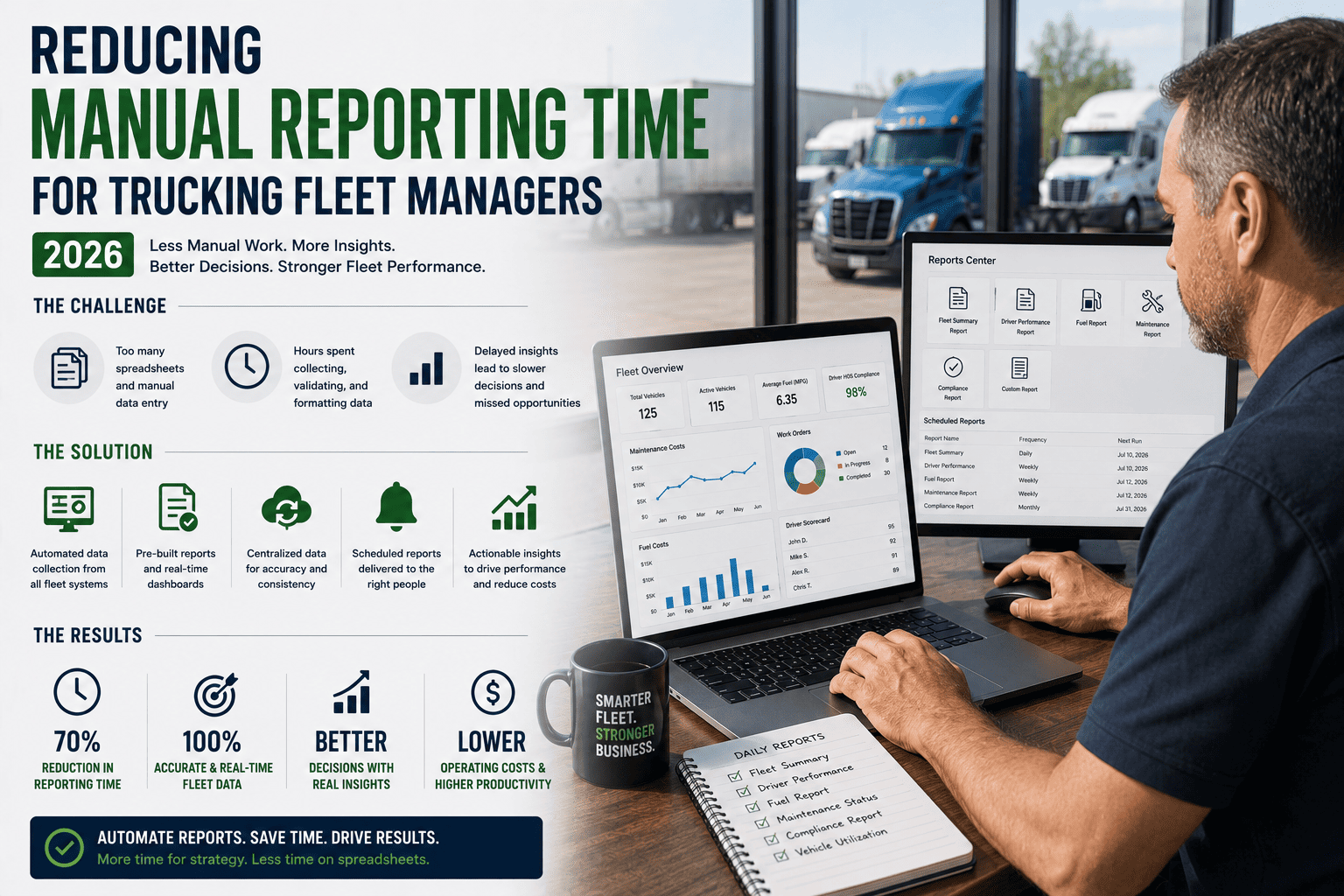
Ask a fleet manager what happened last Friday afternoon and a lot of them will describe the same ritual: exporting data from the GPS system, downloading fuel card statements, pulling maintenance records from a shop binder, and spending hours lining it all up in a spreadsheet before it can be called a report. By the time that report reaches anyone who needs it, the numbers are already a week old and the next set of problems has already started.
Fleet managers typically spend 5 to 10 hours a week manually compiling reports from disconnected systems, with administrative tasks consuming up to 30 percent of total working time. Automated reporting dashboards cut this by 50 percent or more, reclaiming over 250 hours a year, roughly six full workweeks, for the operational work that actually improves the fleet.
Where Fleet Reporting Time Actually Goes
Manual reporting rarely fails because a fleet manager is disorganized. It fails because the work was never designed to scale. A spreadsheet that worked fine for 10 trucks becomes a liability at 50, not because the formulas changed, but because the number of systems feeding it multiplied. GPS data lives in one portal, fuel transactions live in another, maintenance history sits in a shop's own system, and DVIR records might still be on paper. Pulling all of that into one coherent picture is a data reconciliation project disguised as a reporting task.
Rebuilding The Same Report Every Week
Most of the hours lost to manual reporting aren't spent on analysis. They're spent rebuilding the same structure every single week: re-exporting the same fields, re-applying the same formulas, and re-checking the same totals against last month's numbers to catch anything that looks off. That repetition is exactly the kind of task automation was built to remove.
Chasing Records Instead Of Reviewing Them
A meaningful share of reporting time goes into chasing information that should already be centralized: calling a terminal for last week's inspection forms, emailing a shop for repair invoices, or asking a driver to resend a fuel receipt. Every one of those exchanges adds a delay before the report can even begin.
FleetRabbit pulls telematics, fuel, maintenance, and inspection data into one live dashboard, so the report you used to build by hand is already sitting there, current and ready, every single day.
Manual Versus Automated Reporting, By The Numbers
The clearest way to see the cost of manual reporting is to put the two workflows side by side for the same tasks.
| Reporting Task | Manual Time Cost | Automated Time Cost |
|---|---|---|
| Weekly Cost Per Vehicle Report | 2 to 3 hours of exporting and matching data | Generated instantly from live records |
| Monthly Fleet Cost Summary | A full day of data gathering and reconciliation | Available on demand, always current |
| Compliance And Inspection Status | Hours spent chasing paper forms and shop records | Real-time status visible across the whole fleet |
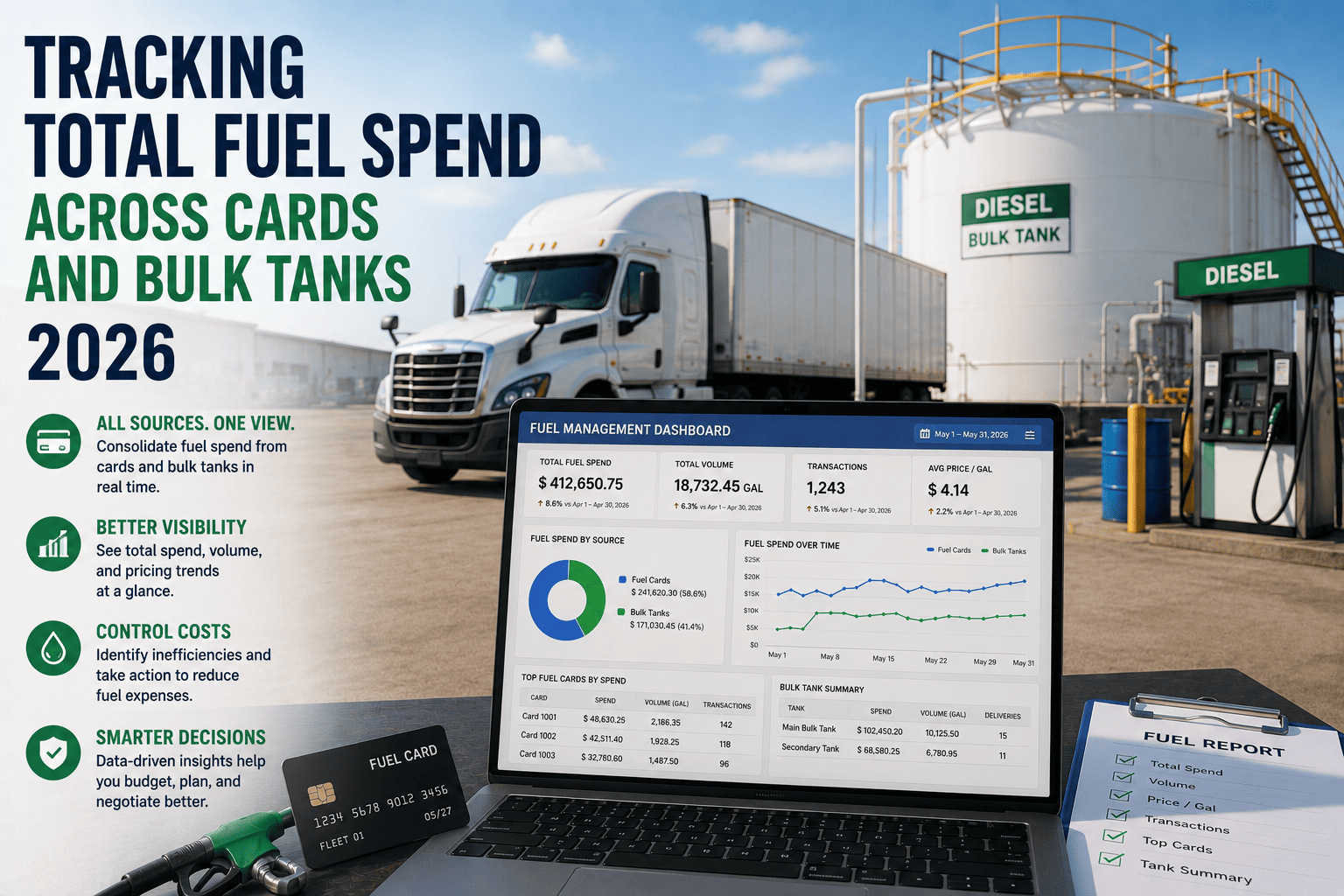
| Fuel Versus Maintenance Spend | Manually cross-referencing two separate systems | Combined automatically on one dashboard |
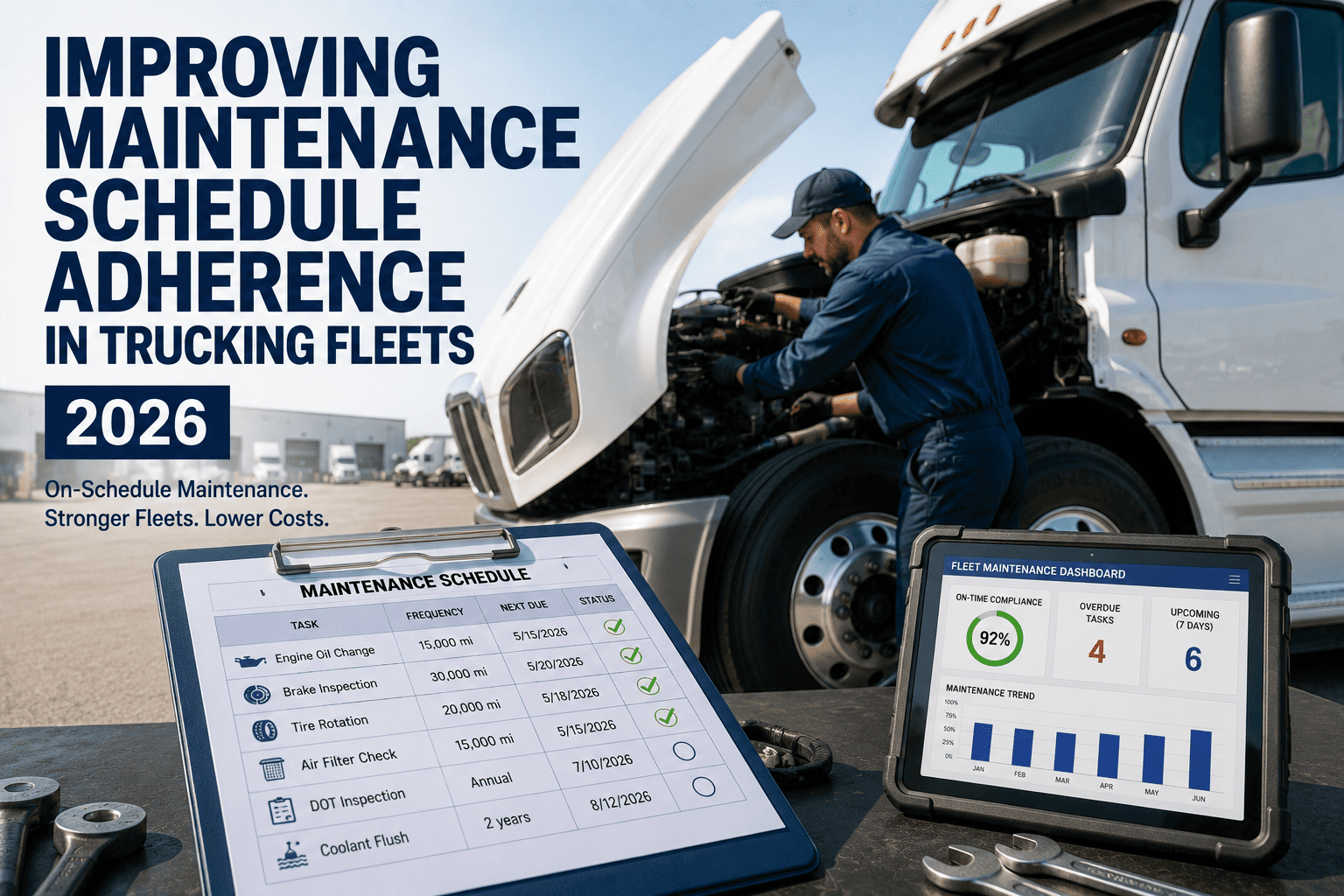
| Utilization And PM Compliance | Recalculated by hand from mileage logs | Tracked continuously from telematics data |
What Automated Fleet Reporting Looks Like In 2026
Modern fleet reporting doesn't wait for someone to build it. It runs continuously in the background and simply presents itself when a manager needs it, whether that's a live dashboard checked once a day or a scheduled report delivered automatically every Monday morning.
Live Dashboards Instead Of Static Files
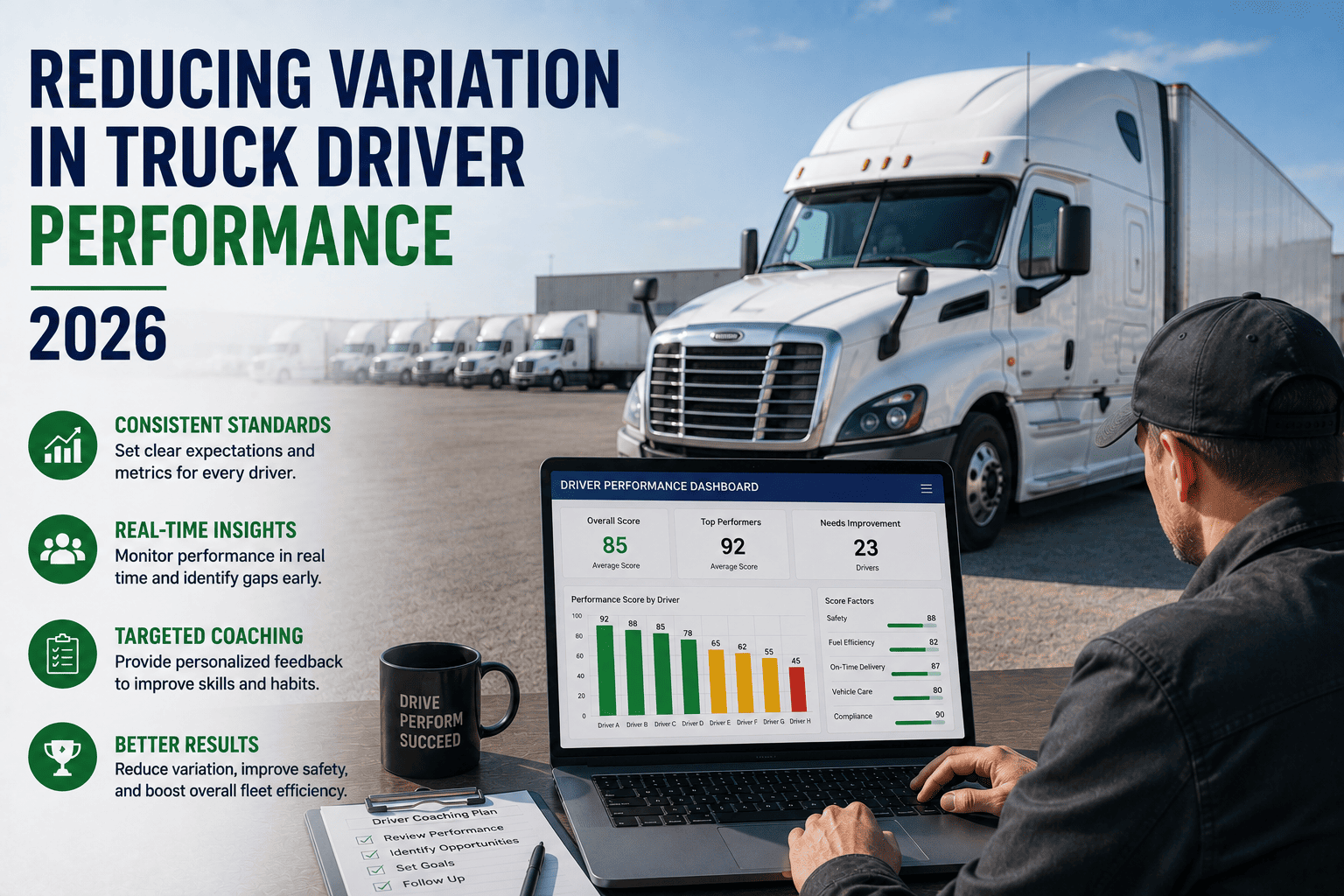
Instead of a spreadsheet that's accurate the day it was built and stale the next, a live dashboard reflects the fleet as it actually stands right now. Cost per vehicle, fuel-to-maintenance ratio, and inspection completion status update automatically as new data arrives from telematics, fuel cards, and work orders.
Scheduled Reports That Arrive Without Being Asked
Recurring reports, the weekly summary, the monthly cost breakdown, the compliance snapshot, can be configured once and delivered automatically on a schedule, removing the need for anyone to remember to build them at all.
One Source Instead Of Four
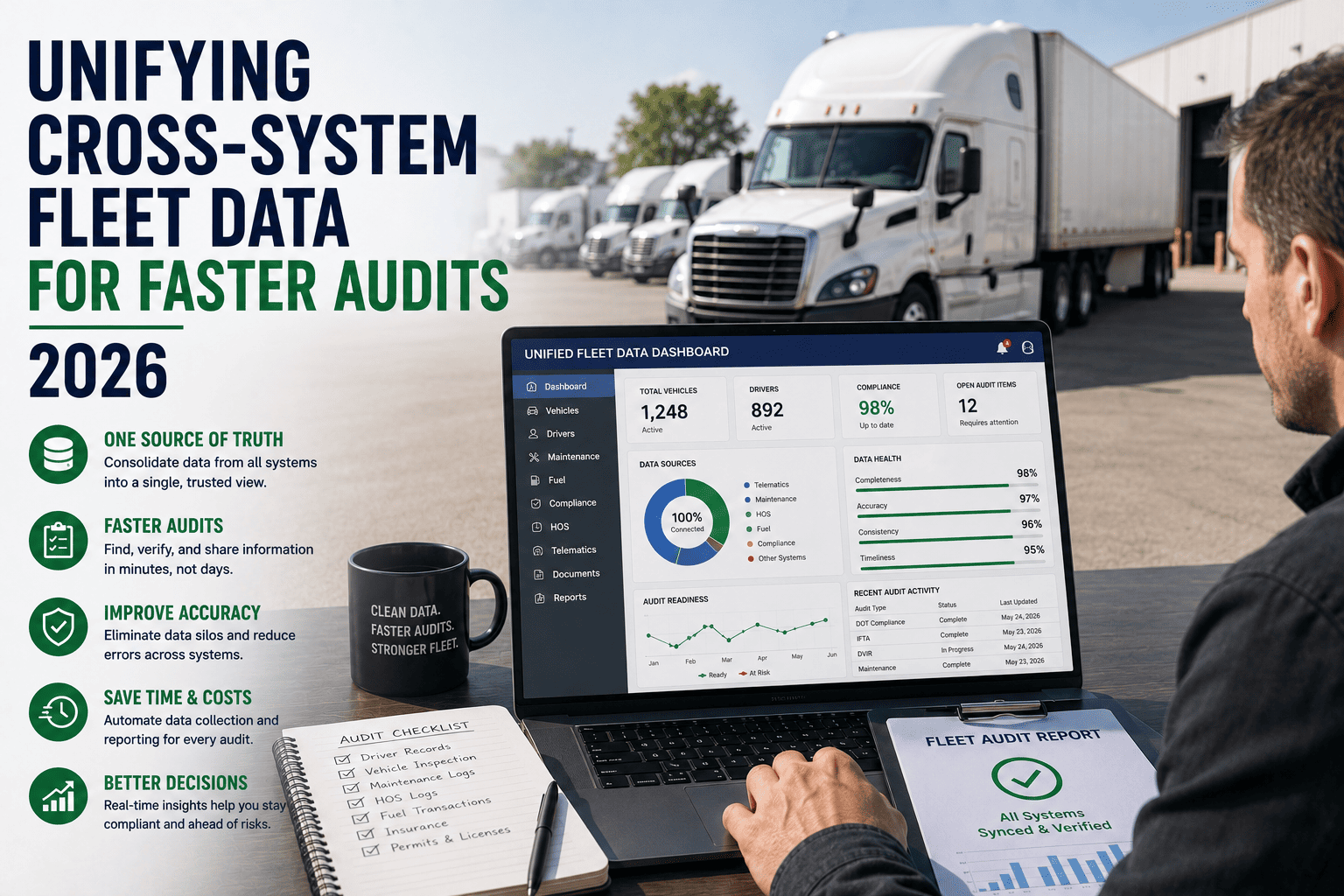
The single biggest shift is consolidation. Once GPS, fuel, maintenance, and inspection data live in one connected system, a report is just a filtered view of information that's already there, not a project that has to be assembled from scratch. Signing up for FleetRabbit connects those data sources automatically, so your first live dashboard is ready the same day.
FleetRabbit connects telematics, fuel, and maintenance data automatically and delivers scheduled reports straight to your inbox, so the numbers are always current and nobody has to chase them down.
Signals It's Time To Automate Your Reporting
A short checklist reveals whether your fleet has quietly outgrown manual reporting, well before it becomes an obvious operational problem.
Monthly Reporting Takes More Than Two Hours
If assembling a single monthly report regularly takes more than two hours, that time is a recurring cost, not a one-time inconvenience, and it repeats every single month regardless of fleet size.
You Can't Answer A Cost Question On The Spot
If a simple question like "what did this vehicle cost us last quarter" requires opening three files and cross-referencing rows, your reporting system is working against you instead of for you.
Multiple People Edit The Same File
Shared spreadsheets edited by more than one person eventually produce version conflicts, overwritten formulas, and numbers nobody can fully vouch for. That fragility grows with every vehicle added to the fleet.
Most fleets that recognize two or more of these signs are already losing meaningful time every week. Booking a demo is the fastest way to see exactly how much of that time a connected reporting system would give back.
Key Takeaways
Manual fleet reporting is expensive in a way that never shows up on an invoice. It shows up as hours spent every week reconciling spreadsheets, reports that are already outdated by the time anyone reads them, and numbers that take so much effort to produce that people stop fully trusting them. None of this is a reflection of a fleet manager's skill. It's simply what happens when a growing fleet keeps running its reporting through a tool that was never built to scale with it.
The fix isn't more spreadsheet training or a better template. It's connecting the data sources that already exist, telematics, fuel, maintenance, and inspections, into one place where a report is just a view of live information rather than a project rebuilt from scratch every week. Fleets that make this shift consistently reclaim 250 or more hours a year, time that goes directly back into decisions that improve the fleet instead of describing it after the fact.
FleetRabbit connects your telematics, fuel, and maintenance data into one live dashboard with scheduled reports built in, so your numbers are always current and your Friday afternoons are finally free. Start free and see it built from your own data.