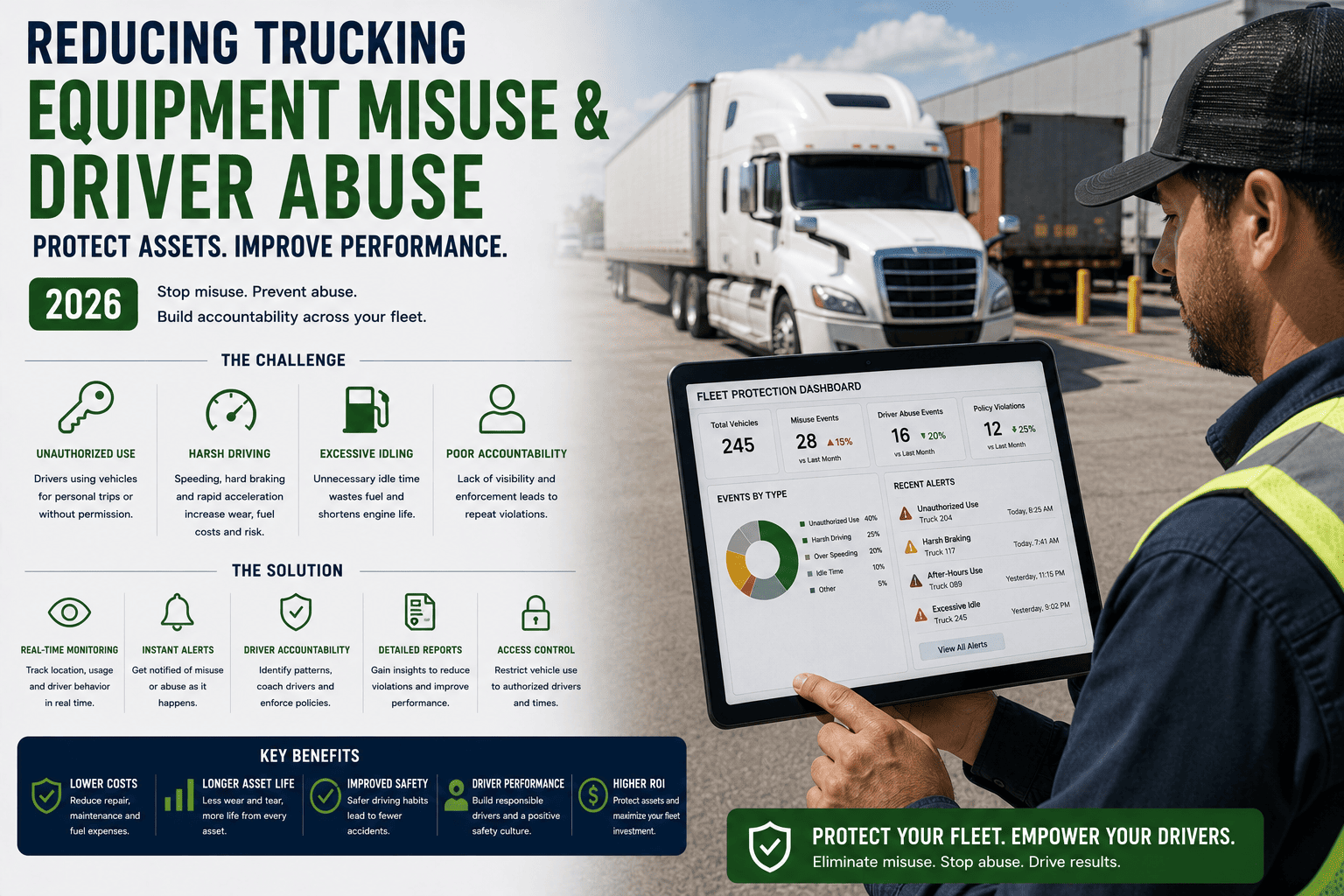
Two trucks can drive the exact same route, carry the exact same load, and roll off the lot on the exact same day, yet one needs new brake pads at 40,000 miles while the other makes it to 70,000. The difference is rarely the truck. It is almost always the driving. Harsh braking, rapid acceleration, and constant idling do not show up as a single dramatic event, they show up months later as an early brake job, a worn-out clutch, or a transmission that failed years ahead of schedule.
Motor vehicle maintenance and repair costs are running roughly 5 percent higher year over year in 2026, and driver behavior is one of the few variables fleets can actually control. Monitoring and correcting harsh braking and rapid acceleration can extend brake and tire component life by up to 25 percent, while a single overlooked fault can mean the difference between a 200 dollar sensor fix and a 15,000 to 25,000 dollar engine overhaul.
What Equipment Misuse Actually Looks Like Day to Day
Equipment misuse rarely looks like sabotage. It looks like a driver riding the brakes down every grade instead of downshifting, a habit of flooring the accelerator from every stop light, or a truck left idling for an hour at a loading dock because it is easier than restarting it. None of these habits feel like abuse in the moment, but each one quietly shortens the life of a specific, expensive component.
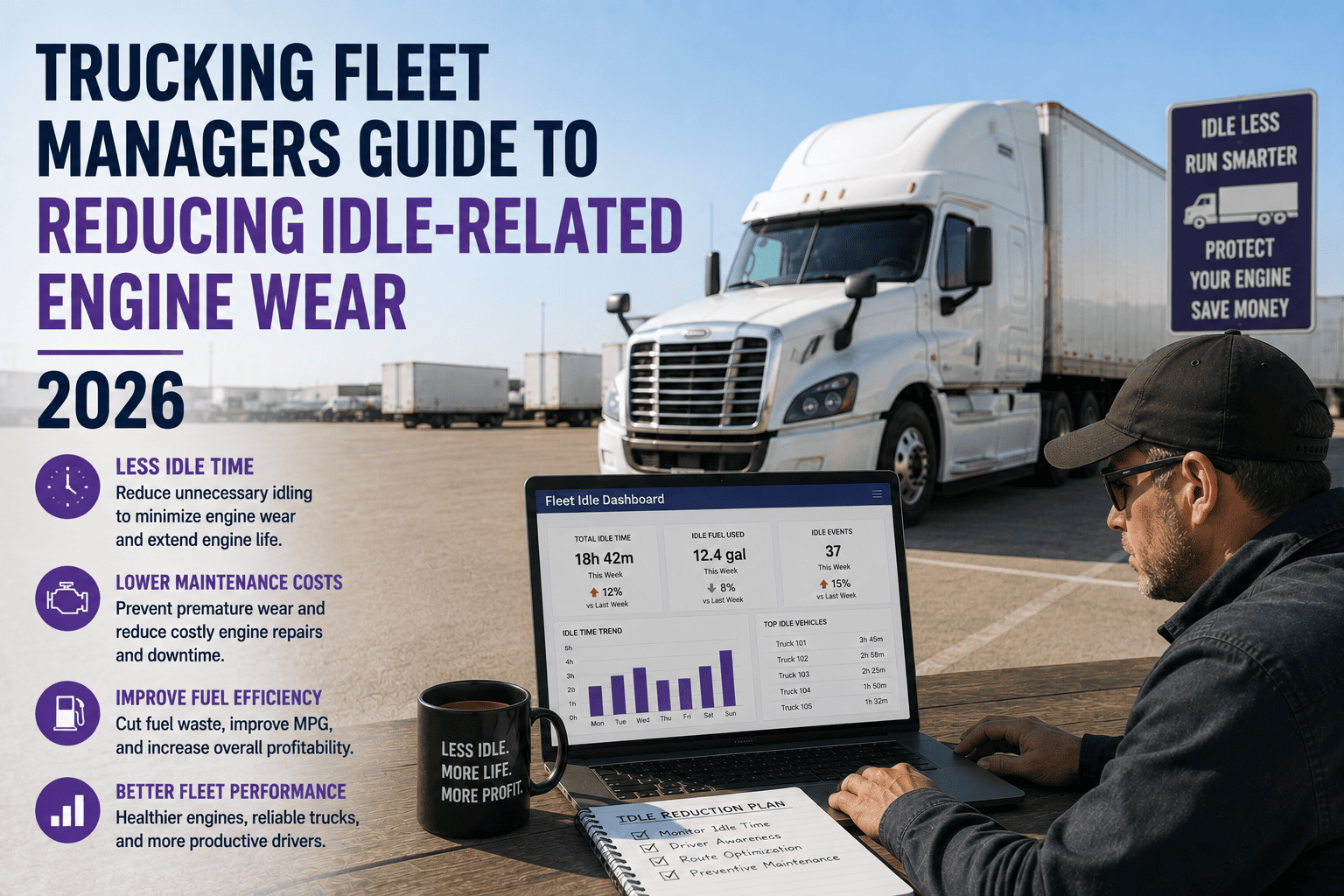
The financial pattern is consistent across fleets of every size. Brake pads, rotors, and tires absorb the stress of harsh braking and hard cornering first, wearing out well ahead of their expected service interval. Idling burns roughly one gallon of diesel per hour while contributing zero productive miles, and it adds engine wear on top of the fuel cost. None of it shows up as a single line item, it shows up as a maintenance budget that runs high every single month without an obvious explanation.
The Four Habits Driving Up Your Repair Bill
Most excess wear traces back to a small number of repeatable driving behaviors, and each one has a distinct fingerprint in telematics data.
What Each Habit Actually Costs You
Telematics data makes the connection between behavior and cost concrete instead of anecdotal. The table below breaks down what each habit tends to accelerate, and roughly how much runway that habit removes from a component's expected lifespan.
| Driving Behavior | Component Most Affected | Typical Impact | How Telematics Catches It |
|---|---|---|---|
| Harsh Braking | Brake pads, rotors, and drums | Significantly shortened service interval versus rated mileage | Deceleration rate flagged per event, tracked per driver |
| Rapid Acceleration | Clutch, transmission, and tires | Extra drivetrain stress and noticeably higher fuel burn per mile | Throttle position and acceleration rate logged in real time |
| Excessive Idling | Engine and fuel budget | Roughly one gallon of fuel burned per idle hour, zero miles gained | Engine-on with zero movement tracked against total engine-on time |
| Aggressive Cornering | Suspension and tires | Uneven tire wear leading to earlier, unplanned replacement | Lateral acceleration and turn severity flagged per event |
| Ignored Fault Codes | Engine and major systems | A 150 to 200 dollar sensor issue escalating into a 15,000 to 25,000 dollar overhaul | Real-time diagnostic codes surfaced before failure, not after |
FleetRabbit tracks harsh braking, rapid acceleration, idling, and fault codes per vehicle and per driver, so you can see exactly which habits are driving up your maintenance bill instead of guessing. You can sign up free and start monitoring your fleet's behavior data today.
From Raw Data to Actual Behavior Change
Collecting harsh braking and idling data only matters if it changes what happens behind the wheel. The fleets that see real improvement do not just review a monthly report, they turn the data into a routine feedback loop that drivers actually respond to.
Building a Driver Scorecard That Works
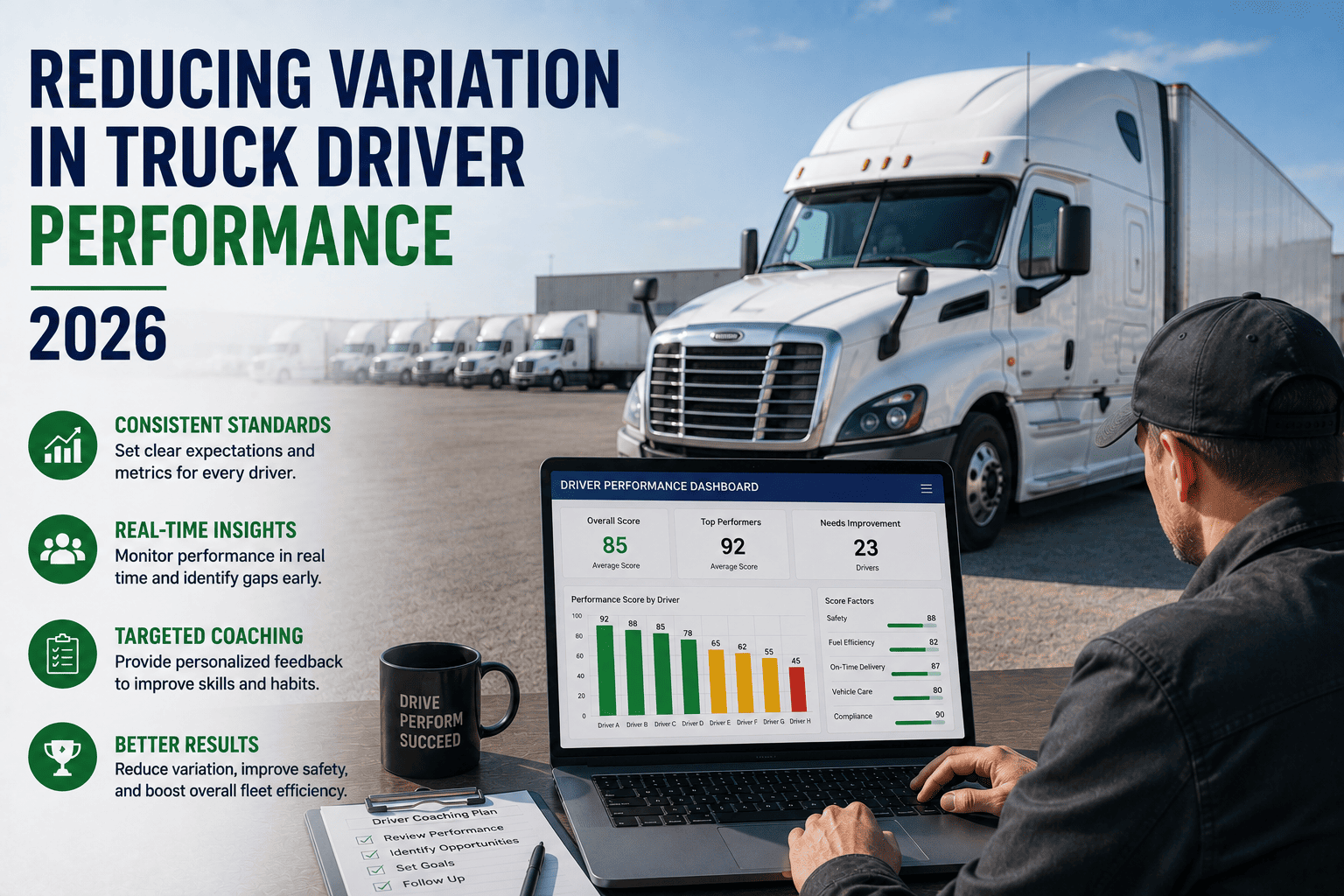
A useful scorecard ranks drivers on the behaviors that actually predict wear and cost: harsh braking events per hundred miles, idling hours per shift, hard acceleration counts, and fault codes acknowledged versus ignored. Ranking drivers against the fleet average, rather than an arbitrary target, makes the comparison fair and makes coaching conversations concrete instead of vague.
Coaching in the Moment, Not the Month After
Real-time in-cab alerts for harsh events let a driver correct the habit on the same trip, rather than hearing about it weeks later in a review meeting where the specific moment is impossible to recall. AI-assisted coaching platforms can flag the highest-severity events automatically, so managers spend their time on the patterns that actually move the maintenance budget instead of chasing every minor blip.
Why Fixing This Pays Off Twice
Correcting equipment misuse is one of the rare fleet initiatives that pays back on two fronts at once. On the maintenance side, catching a developing fault early turns a 15,000 to 25,000 dollar engine overhaul into a 150 to 200 dollar sensor replacement, and reduced harsh braking directly extends the service life of brake and tire components. On the insurance side, underwriters increasingly price policies around actual behavior data rather than industry averages, and fleets that can demonstrate consistently low harsh-event rates are seeing meaningful premium credits as a result.
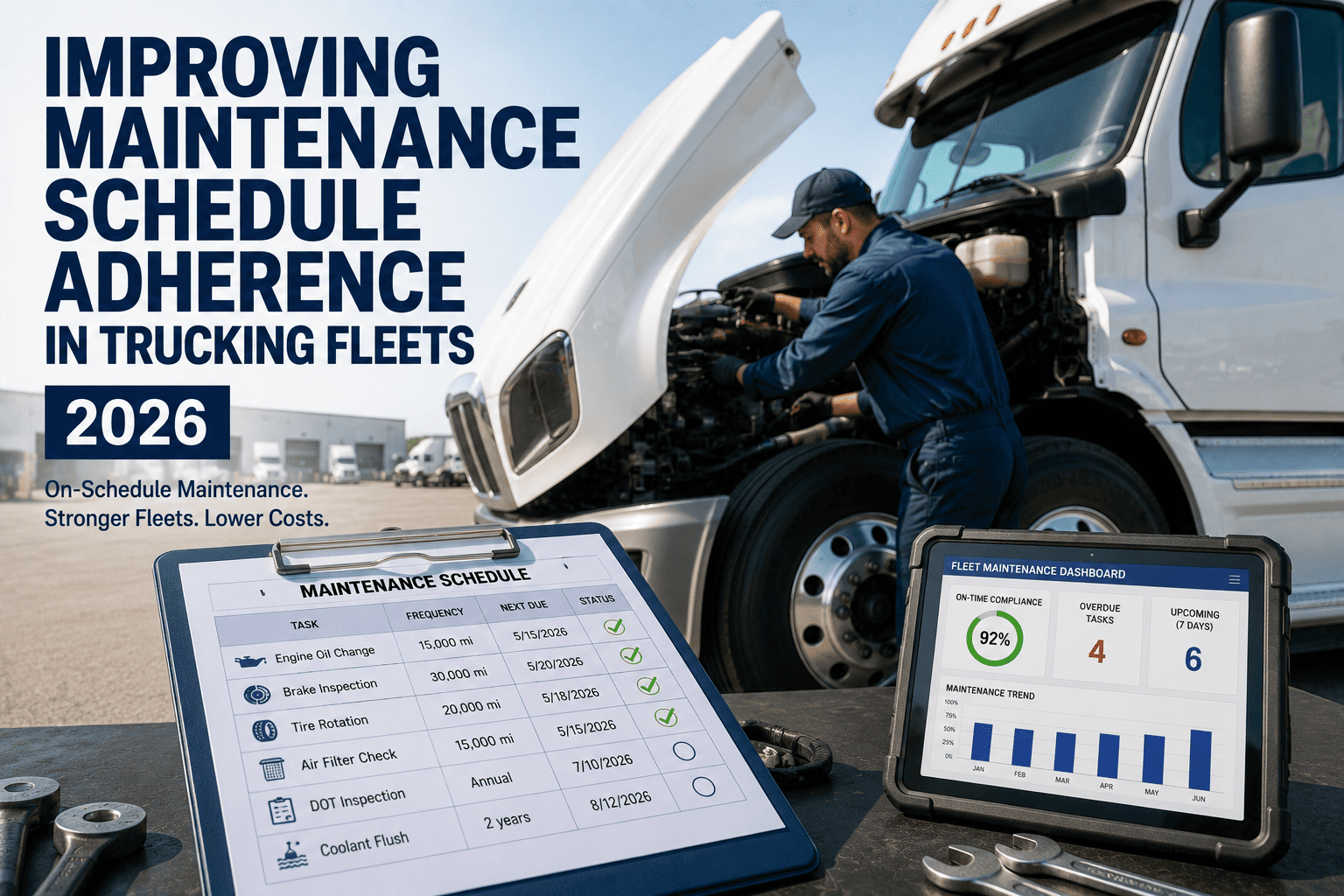
Unplanned repairs triggered by neglected wear typically cost three to five times more than the same service performed on a scheduled, preventive basis, and that gap only grows as a fleet ages. Correcting driver behavior earlier in a vehicle's life protects both the near-term repair bill and the truck's long-term resale value.
FleetRabbit surfaces the highest-severity harsh braking, acceleration, and idling events automatically, so your team coaches the habits that actually move your maintenance budget. Reach out and book a demo to see a live driver scorecard in action.
Frequently Asked Questions
Key Takeaways
Equipment misuse is rarely a single reckless moment, it is a slow accumulation of small habits that quietly shorten the life of your most expensive components. Harsh braking, rapid acceleration, and excessive idling all leave a clear fingerprint in telematics data, and turning that data into a driver scorecard and real-time coaching is what actually changes behavior instead of just documenting the damage after it happens. Fleets that close this gap protect their maintenance budget, their insurance costs, and the long-term value of every truck on the lot.
FleetRabbit tracks harsh braking, rapid acceleration, idling, and fault codes per driver and per vehicle, turning raw telematics data into a scorecard your team can actually coach against. Start your free trial today with no credit card required, or book a demo to see your fleet's behavior data in action.