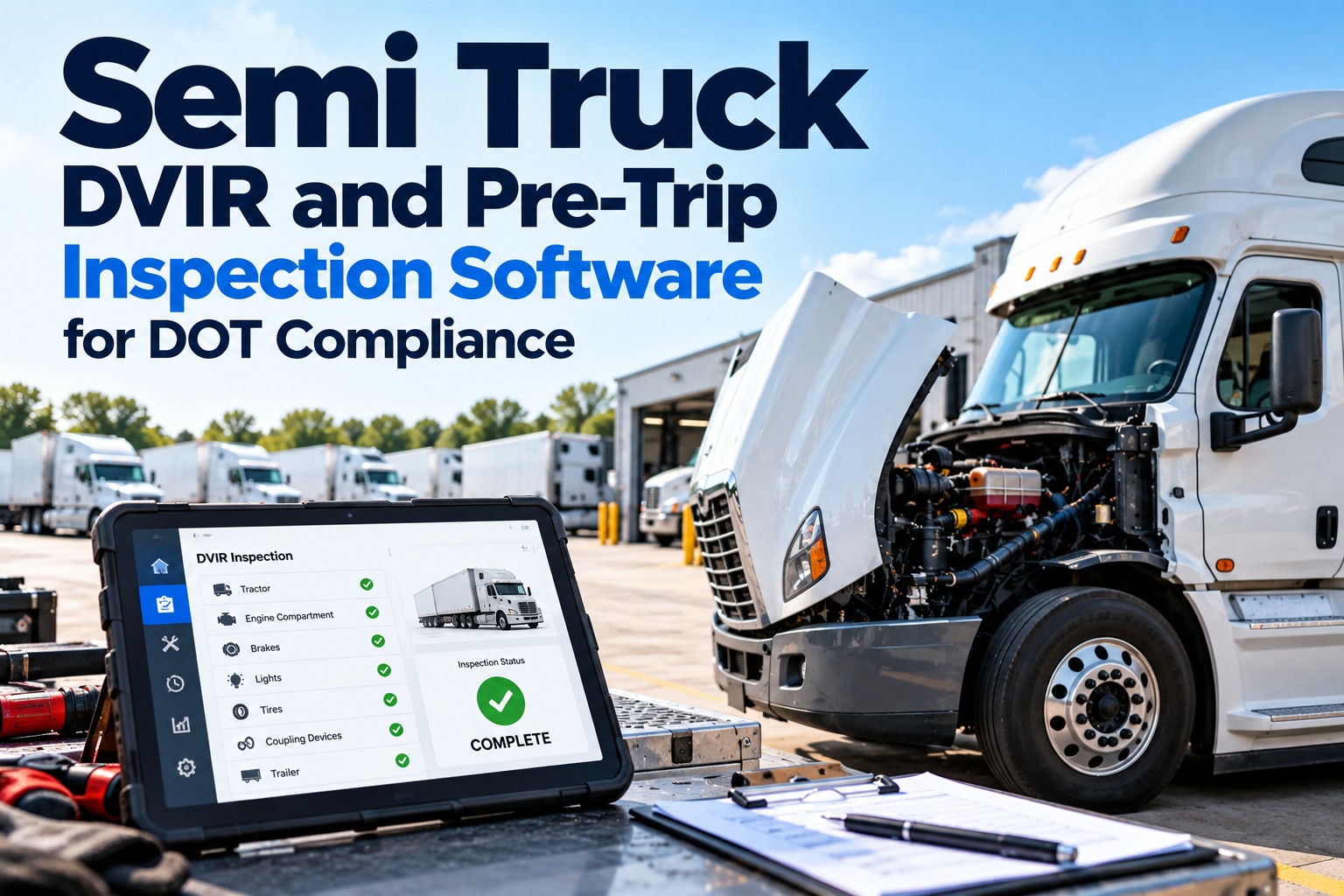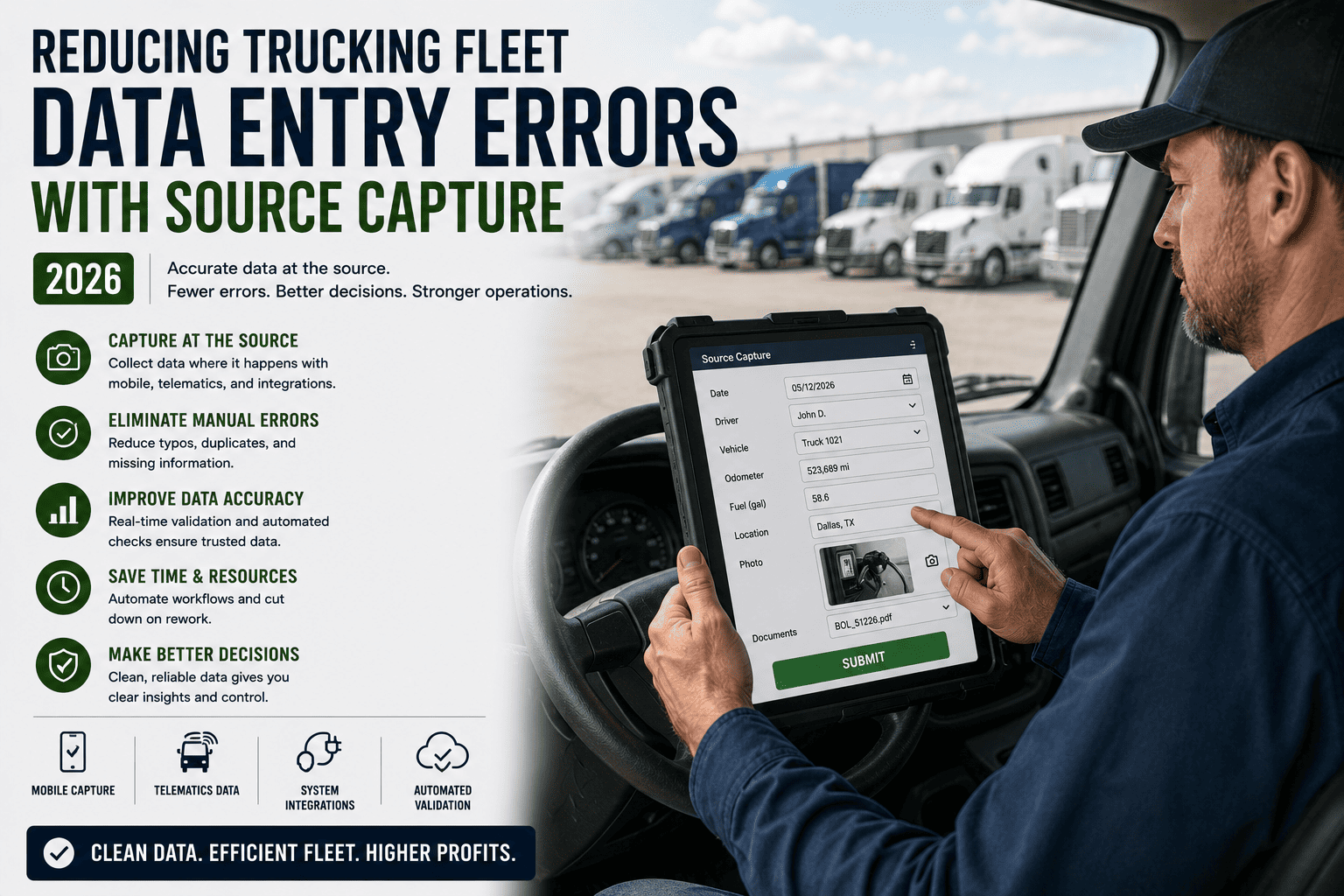
A driver finishes a pre-trip inspection on paper. That paper sits on a dashboard until Friday, when someone in the office retypes it into a spreadsheet. A digit gets transposed, a defect note gets summarized instead of copied exactly, and by the time anyone notices, the record no longer matches what actually happened on the truck. This isn't a rare mistake, it's the default outcome of any process that asks a human to type the same information twice. The fix isn't stricter proofreading, it's removing the second typing step entirely by capturing data once, at the source, the moment it's created.
Manual re-entry of fleet data typically carries a 1 to 4 percent error rate, compared with under 1 percent when data flows directly from its source. Source capture means pulling data straight from DVIRs, GPS and telematics, fuel cards, and maintenance systems into one platform automatically, instead of a person retyping it later. For a mid-sized fleet, closing that gap can remove tens of thousands of dollars in hidden annual cost tied to re-entry hours and correction work.
Where Fleet Data Actually Breaks
Most data entry errors don't happen because a fleet manager isn't careful. They happen because information passes through too many hands before it lands in a report. A driver writes a note, an office administrator interprets it, a spreadsheet formula rounds it, and a manager reads a number that's three steps removed from what actually happened. Each handoff is a chance for the truth to drift.
Every one of those four steps is a place where a typo, a missed field, or a rounded number quietly enters your records. Source capture collapses that chain into a single step: the driver's inspection, the truck's GPS ping, and the fuel card swipe all land directly in your platform the moment they happen. You can see how that looks with your own fleet by choosing to sign up for a free trial and connecting your first data sources.
The Five Places Fleet Data Should Be Captured At The Source
Nearly every fleet record traces back to one of five origin points. Automating capture at each one removes the retyping step where most errors are introduced.
FleetRabbit connects DVIRs, GPS, fuel cards, and maintenance records directly into one platform, so information flows in automatically instead of being retyped by hand at every stage.
What Manual Re-Entry Actually Costs
The gap between manual and automated data entry isn't just an accuracy statistic, it's a line item most fleets never see clearly. Manual data entry across trucking operations typically carries an error rate between 1 and 4 percent, while data captured directly from source systems runs under 1 percent. For a medium-sized carrier, the hidden cost of manual data entry and correction work can exceed $50,000 a year once you count the 15 to 20 hours per week many offices spend retyping records that already existed somewhere else.
Where That Hidden Cost Comes From
| Cost Driver | Manual Process | Source Capture | Why It Matters |
|---|---|---|---|
| Inspection Time | Paper DVIRs, filed and retyped later | Mobile DVIR completed in 2 to 3 minutes | Roughly 60 percent faster and no transcription step |
| Mileage & Utilization | Driver-reported odometer readings | Automatic GPS and telematics feed | Removes rounding errors and forgotten entries |
| Fuel Reconciliation | Manual receipt matching against fuel card statements | Automatic sync with vehicle and driver ID | Flags unauthorized purchases without a manual audit |
| Compliance Tracking | Spreadsheet reminders for renewals | Automatic expiration alerts | Prevents missed certifications that trigger audit findings |
| Maintenance History | Paper shop tickets filed by hand | Digital work orders synced to vehicle profile | Creates one searchable history instead of a filing cabinet |
A Small Error That Becomes A Big Problem
A single mistyped odometer reading looks minor in isolation. But if it feeds a maintenance schedule based on mileage intervals, that one typo can push a service date weeks off target, sometimes early enough to be wasteful, sometimes late enough to void a warranty claim. Source capture removes the typo entirely because the number never passes through a human keyboard.
From Paper Trail To Audit-Ready Record
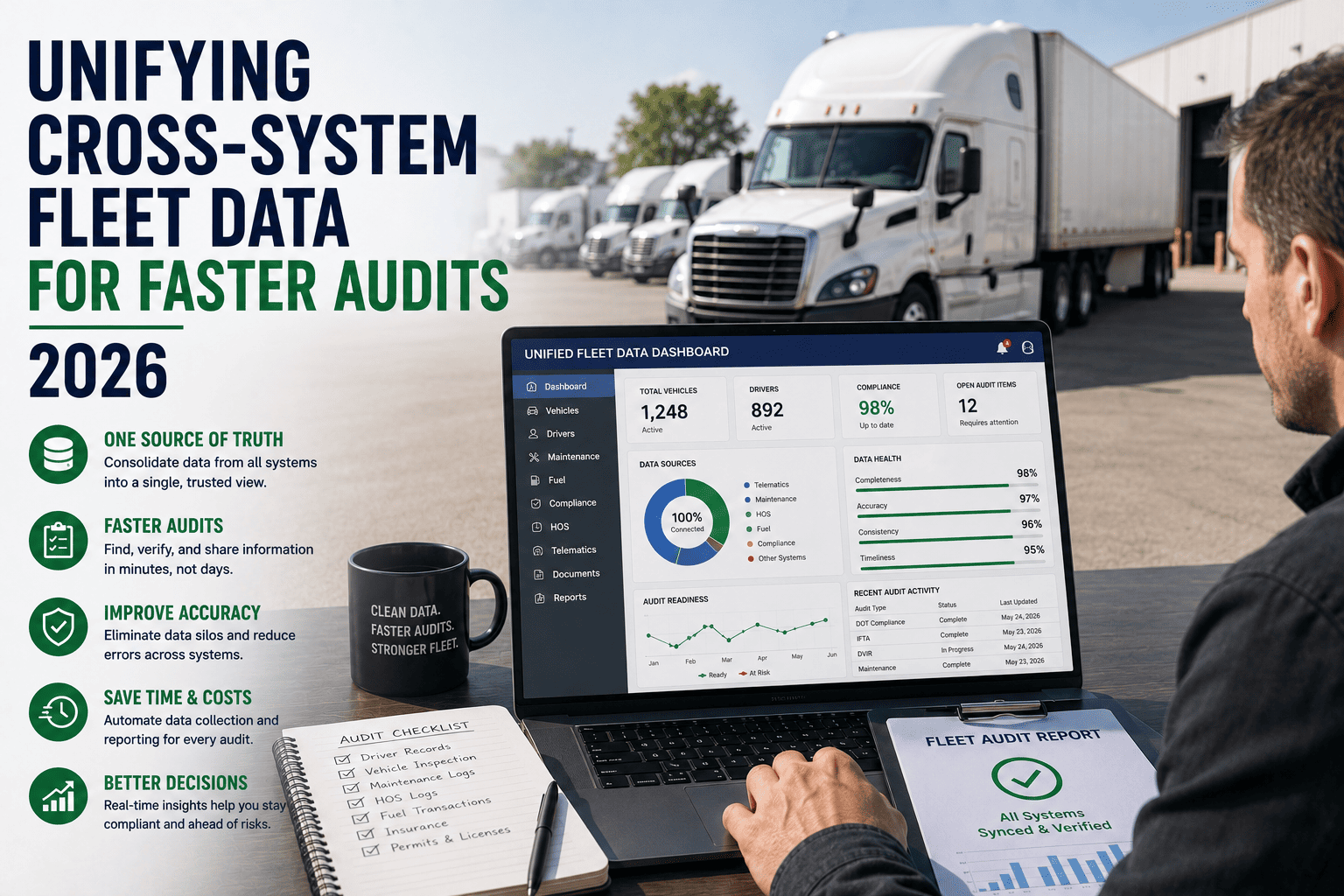
Compliance is where data errors carry the sharpest penalty. Reporting timelines for accidents and inspections are strict, and Compliance, Safety, and Accountability scores act as a public record of how well your data holds up. Automated capture means DVIR records, maintenance histories, and driver qualification files are already organized in the formats regulators expect, generated automatically rather than assembled by hand before an audit.
The Rollout Path Most Fleets Follow
Most fleets complete a digital DVIR rollout within one to two weeks, with additional modules like work orders and compliance reporting layered in over the following weeks. If you'd like a walkthrough of how this fits your current telematics setup, you're welcome to book a demo and bring your existing systems into the conversation.
FleetRabbit organizes DVIRs, maintenance history, and compliance documentation the moment they're captured, so records are always ready for a regulator, an insurer, or your own weekly review.
Ready To Remove The Retyping Step
Every hour your team spends re-typing a number that already exists somewhere else is an hour it isn't spent catching the next maintenance issue or coaching a driver. Source capture isn't a bigger system to learn, it's fewer steps between what happens on the road and what shows up in your records. When you're ready, you can sign up and start a free trial with your own fleet, or if you'd rather see it mapped against your current tools first, book a 30-minute demo with our team.
Every manual re-entry step is a place for the truth to drift. FleetRabbit captures DVIRs, GPS data, fuel activity, and maintenance records at the source, so your reports match what actually happened on the road.