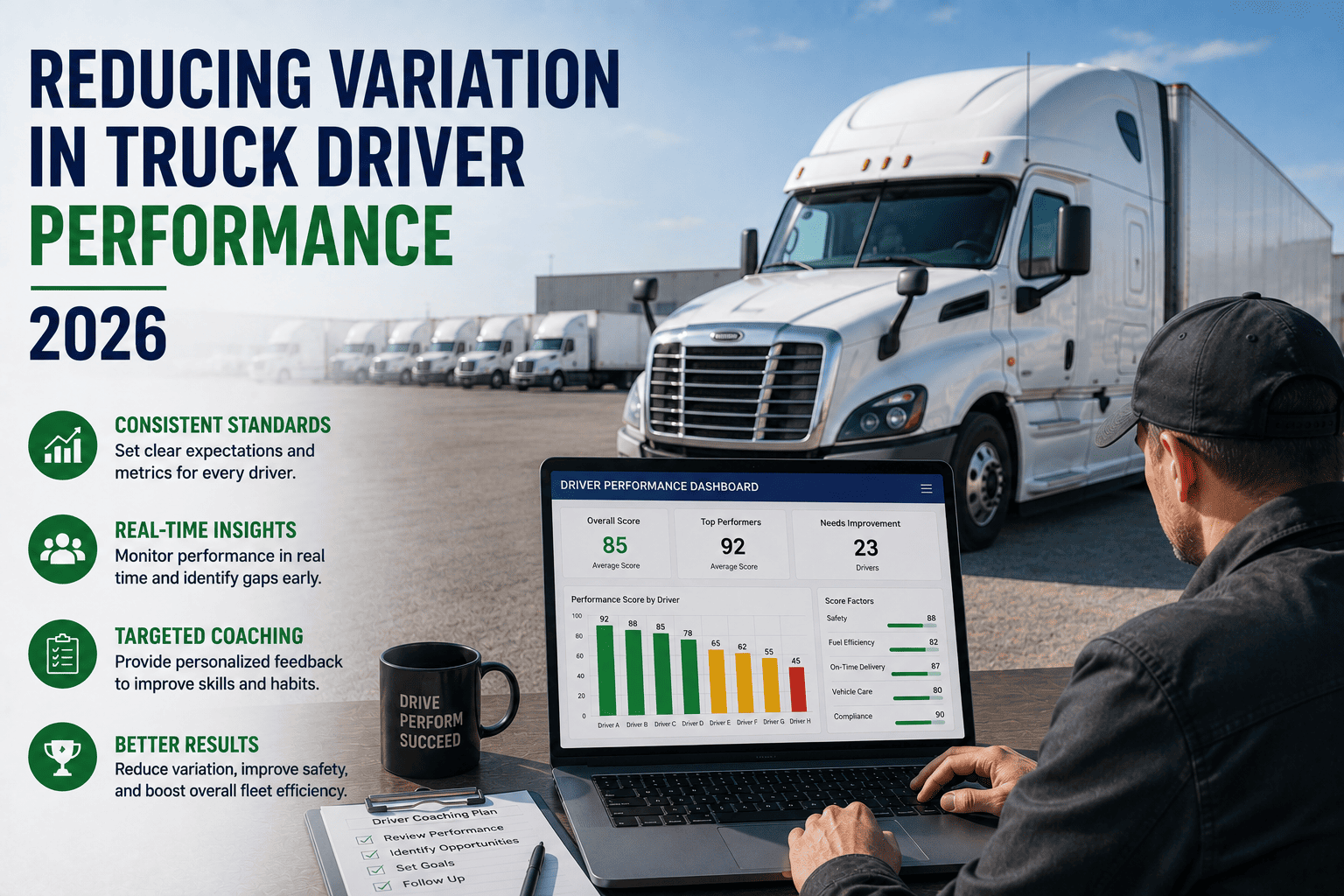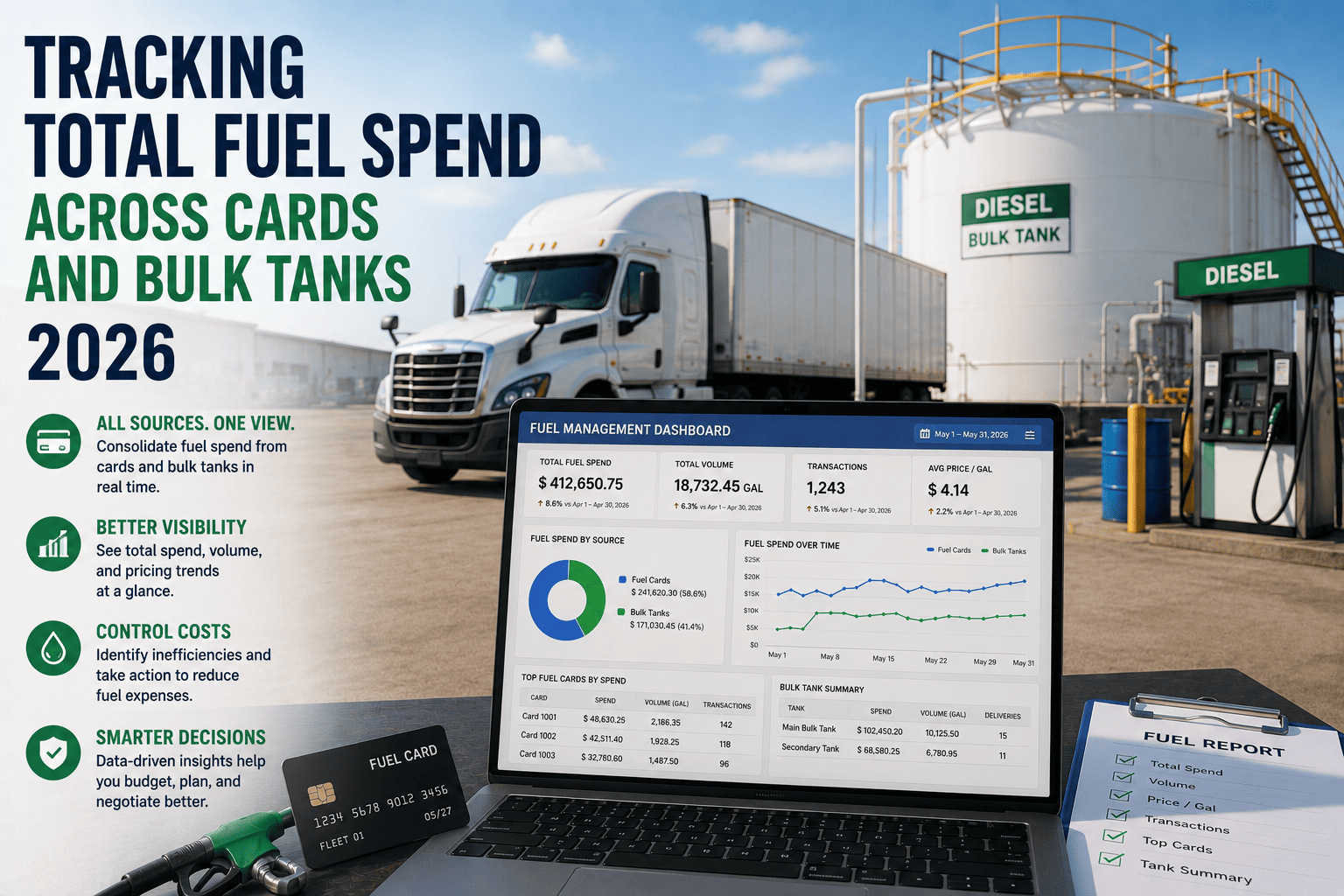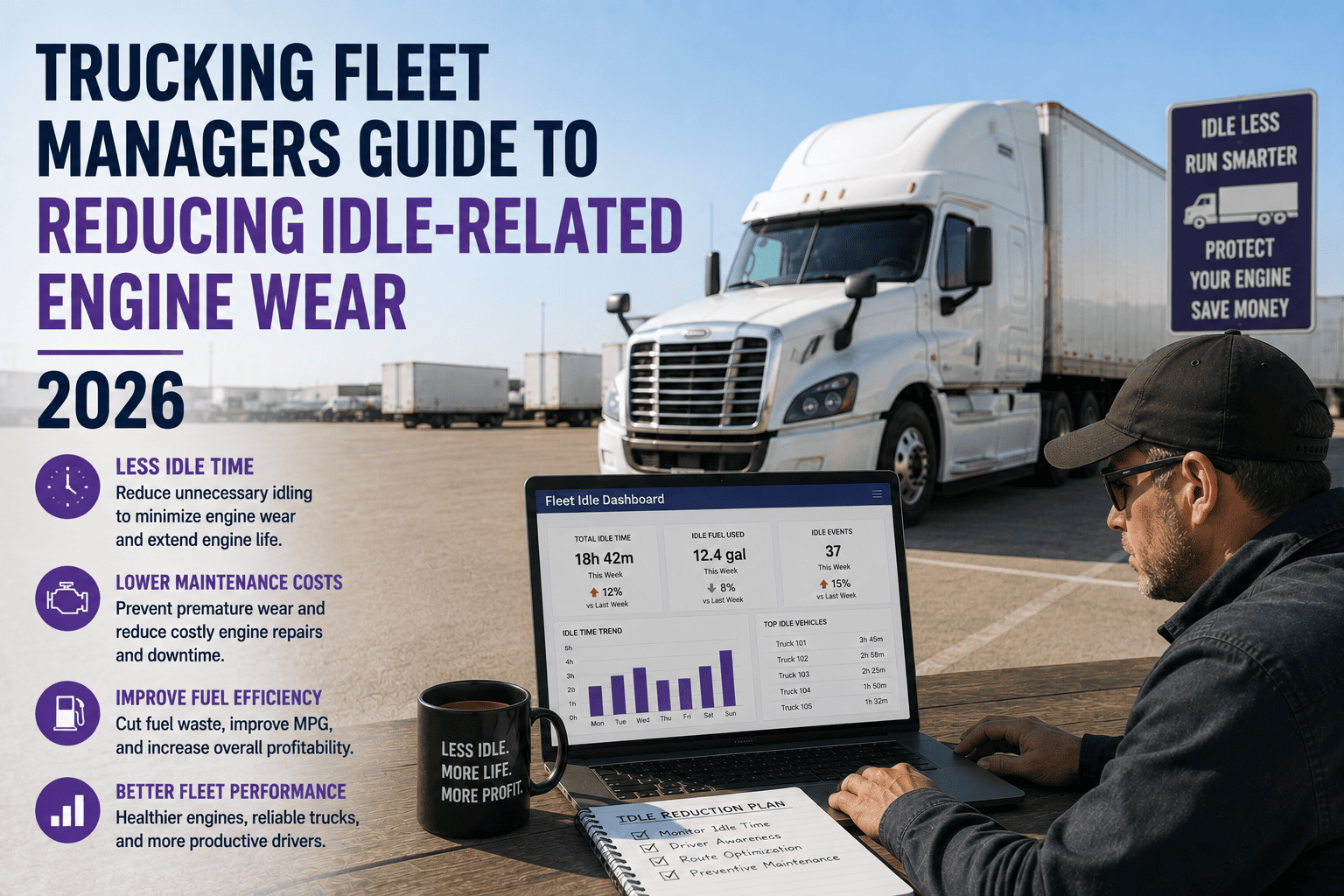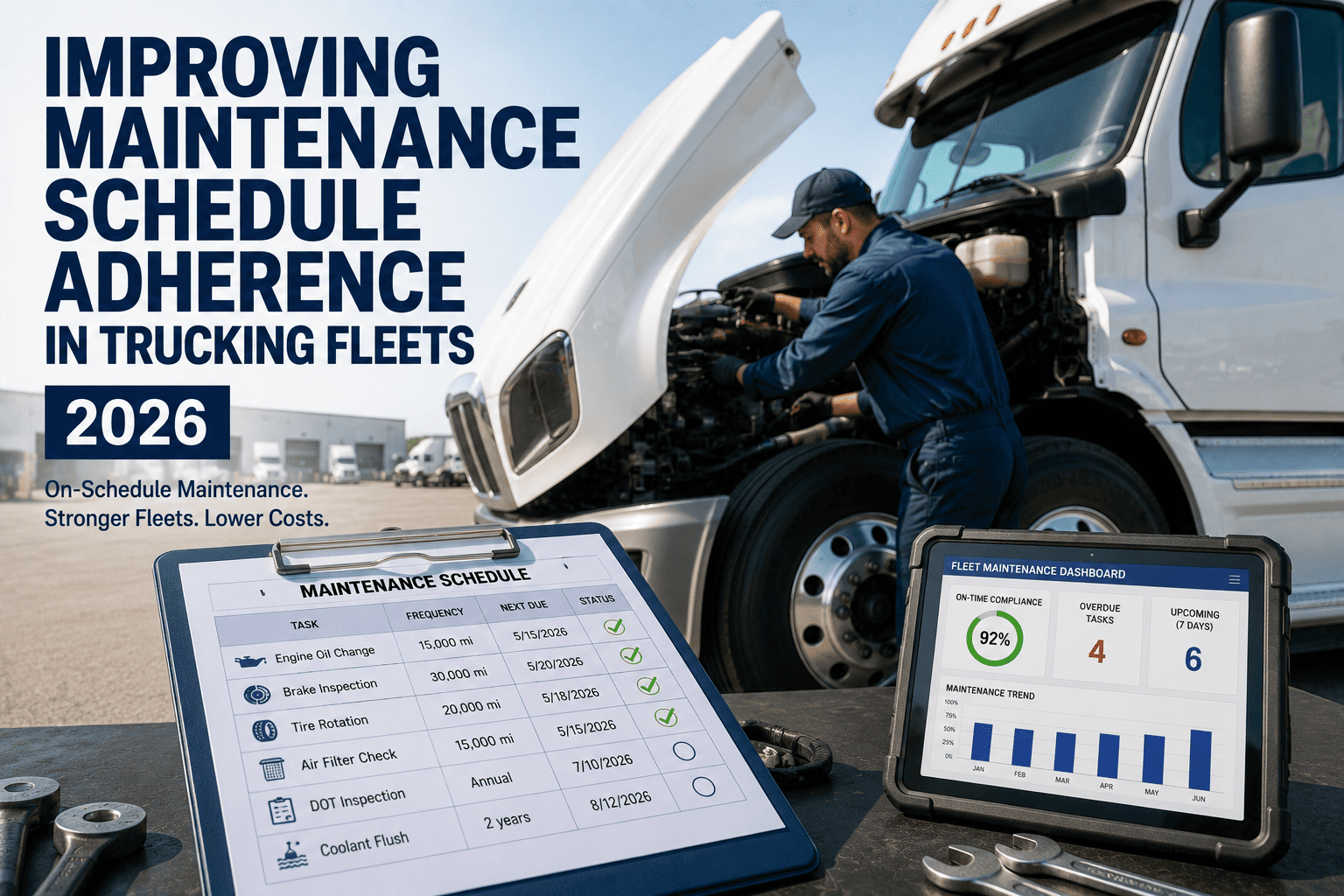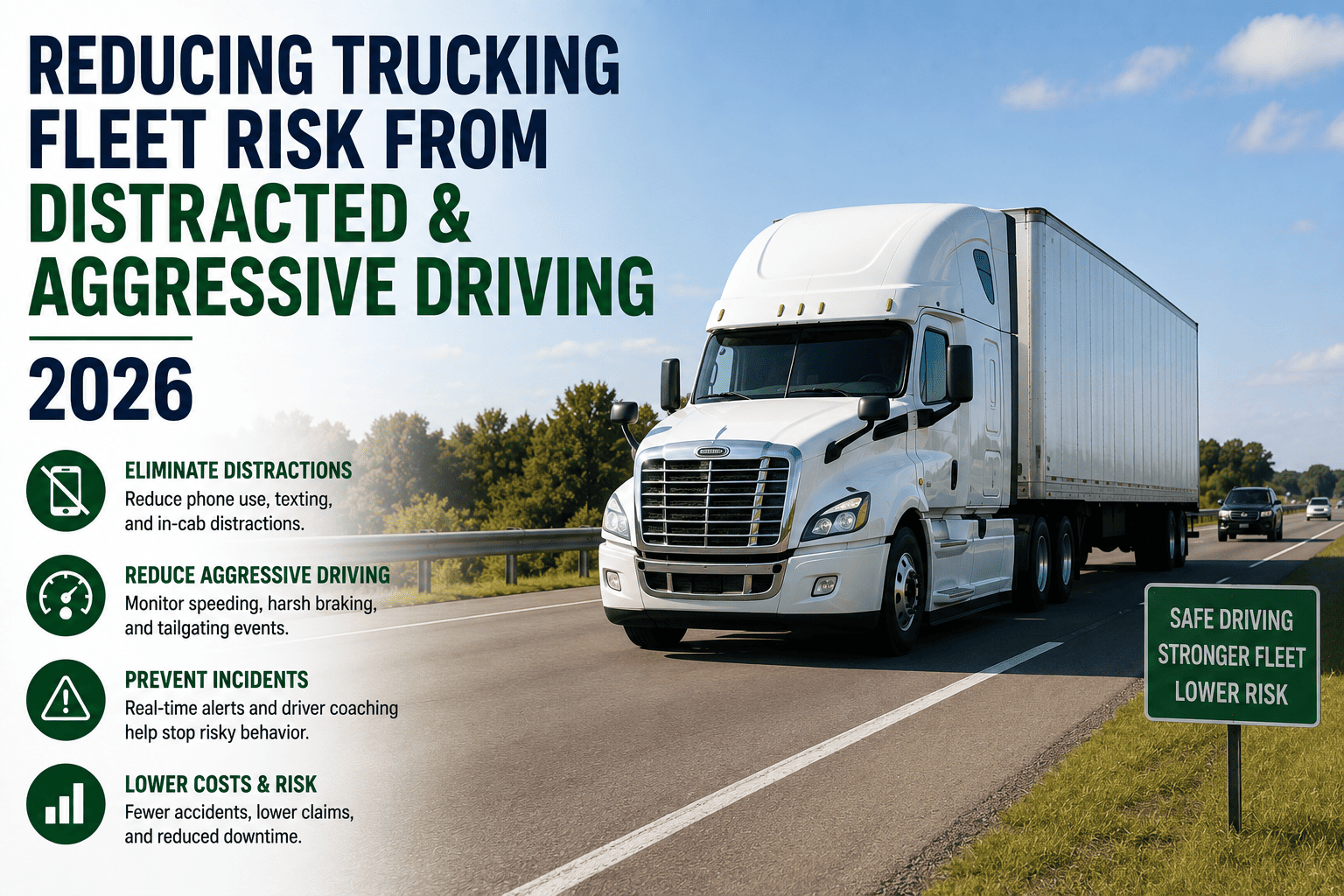
It takes about five seconds to read a text message at highway speed, long enough to cover the length of a football field with nobody actually watching the road. Multiply that by every driver in a fleet, every shift, every week, and distracted and aggressive driving stops being a personal habit and starts being one of the biggest risk lines on a trucking company's balance sheet. Reducing that risk isn't about hoping drivers make better choices. It's about giving fleet managers a way to see risky behavior the moment it happens and coach it out before it becomes a claim.
AI-powered driver monitoring detects distraction, phone use, harsh braking, and aggressive driving in real time, cutting distracted driving incidents by up to 80 percent and overall crash rates by up to 73 percent over 30 months. 70 percent of fleet managers report experiencing distracted driving incidents firsthand, while nuclear verdicts over 10 million dollars are rising 27 percent year over year. Sign up free to see how AI monitoring reduces risk across your fleet.
What Distracted and Aggressive Driving Actually Costs a Fleet
Every fleet manager has lived some version of the same phone call: a driver involved in a preventable incident, a claim that takes months to settle, and an insurance renewal that arrives with a number nobody wants to say out loud. Commercial auto premiums are climbing more than 9 percent industry-wide, and jury verdicts exceeding 10 million dollars are becoming more common every year, which means the cost of one bad incident no longer stays contained to a single truck or a single driver.
The Behaviors Quietly Driving Up Risk
Phone Use Behind the Wheel
Texting, calling, or scrolling at speed remains the single most cited cause of distracted driving incidents reported by fleet managers.
Harsh Braking and Acceleration
Sudden stops and aggressive throttle use signal following-too-close habits long before they end in a rear-end collision.
Fatigue and Drowsiness
Micro-sleeps and slow blink rates are detectable in real time, well before a driver would ever self-report feeling unsafe to continue.
Speeding and Lane Departure
Consistent over-limit driving and unintentional lane drift correlate strongly with the incidents that turn into the largest liability claims.
FleetRabbit's AI-powered driver monitoring flags distraction, harsh braking, speeding, and fatigue in real time, giving your team the chance to coach drivers before a preventable incident happens.
How AI Driver Monitoring Actually Reduces Risk
The shift that changed fleet safety in the last few years wasn't a better camera lens, it was moving from reviewing footage after an incident to catching risk while it's still preventable.
Real-Time Detection
Dual-facing AI cameras continuously watch both the road and the driver, identifying distraction, drowsiness, and unsafe behavior as it happens.
Instant In-Cab Alerts
The driver gets an immediate, private alert the moment a risky pattern is detected, often preventing the incident before it starts.
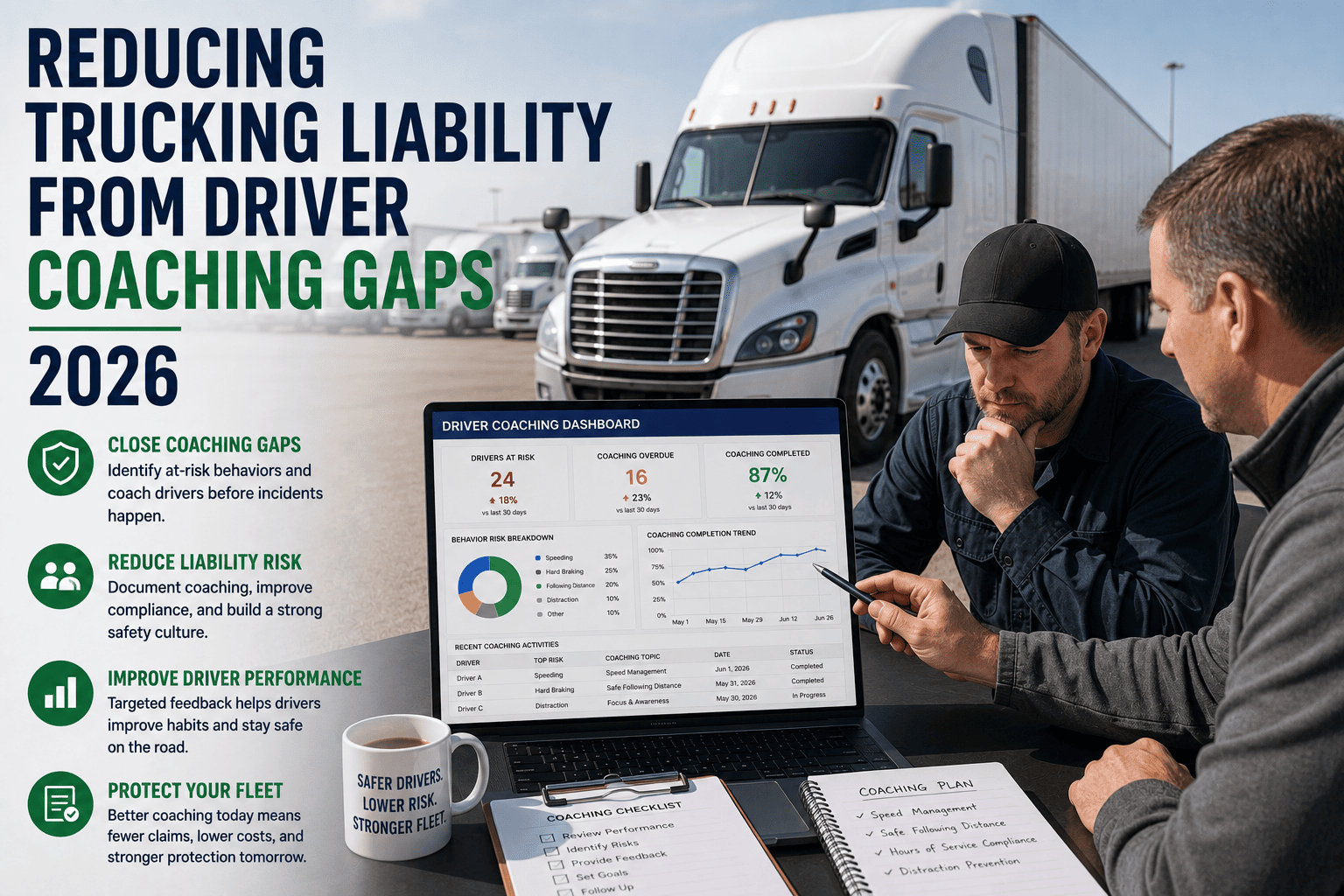
Automatic Coaching Records
Every flagged event generates a coaching record and updates the driver's safety score, without a manager having to review hours of footage.
Pattern-Level Risk Reports
Managers see which drivers are trending toward risk over time, allowing targeted coaching before a pattern turns into an incident.
Before AI Monitoring vs. After AI Monitoring
Fleets that layer AI dashcams, telematics, and structured coaching together consistently report the same shape of results, even though the exact numbers vary by operation size and starting point.
| Risk Metric | Before AI Monitoring | After AI Monitoring |
|---|---|---|
| Distracted Driving Incidents | Reactive, discovered only after a claim is filed | Reduced by up to 80 percent with real-time detection |
| Overall Crash Rate | Trending with industry averages, no early warning | Reduced by up to 73 percent over 30 months with coaching |
| Accident Frequency | Reviewed after the fact, patterns go unnoticed | Reduced by up to 52 percent with proactive alerts |
| Coaching Workflow | Manual footage review, hours per flagged event | Automatic event flagging and coaching record generation |
| Insurance Exposure | Premiums set on fleet averages, limited negotiating leverage | Documented safety scores support premium reduction requests |
What to Look For in Driver Risk Monitoring Software
Features That Actually Prevent Incidents
Dual-Facing AI Cameras
Simultaneous road-facing and driver-facing analysis catches both external hazards and internal distraction in the same event.
Real-Time In-Cab Alerts
Immediate, private feedback to the driver the moment risky behavior is detected, not a report reviewed days later.
Automated Driver Safety Scoring
A continuously updated score per driver that highlights who needs coaching before their pattern becomes an incident.
Video-Based Exoneration
Clear footage that protects drivers from false claims, avoiding costly settlements and unjustified liability exposure.
Fleet-Wide Trend Reporting
Aggregate risk data across every driver and route, showing exactly where coaching investment will have the biggest impact.
Telematics Integration
Combining video with GPS, speed, and engine data builds a complete risk picture instead of isolated, disconnected alerts.
Getting this right isn't just about avoiding accidents, it's about protecting drivers from being wrongly blamed and protecting the business from claims that were never their fault to begin with. If you want to see what a documented safety program looks like on your own routes, you can book a free demo before making any commitment.
FleetRabbit combines AI dashcams, driver scoring, and telematics into one safety program, giving you the evidence and coaching tools to reduce risk and defend against unjustified claims.
Frequently Asked Questions
FleetRabbit gives your team real-time visibility into distracted and aggressive driving, turning risky moments into coaching opportunities before they turn into claims.