How a Regional Carrier Cut Fuel Costs by $2,400 Per Truck Per Year with FleetRabbit

regional-carrier-cut-fuel-costs-with-fleetrabbit-(1)

A regional carrier operating 45 trucks across the Midwest faced mounting fuel costs that consumed over 30% of their operational budget. Rising diesel prices, inefficient routes, and excessive idle time were eroding their profit margins. They needed a solution that could deliver measurable fuel savings without requiring major operational changes or driver retraining.

Fuel Cost Case Study 2026
How a Regional Carrier Cut Fuel Costs by $2,400 Per Truck Per Year with FleetRabbit
Route optimization and idle reduction delivered 17% total fuel savings. See the exact numbers, timeline, and implementation strategy that drove real ROI.
$2,400
Fuel savings per truck per year
17%
Total fuel spend reduction
6 Months
Time to positive ROI
$108K
Annual savings across 45 trucks

The Challenge: Fuel Costs Spiraling Out of Control

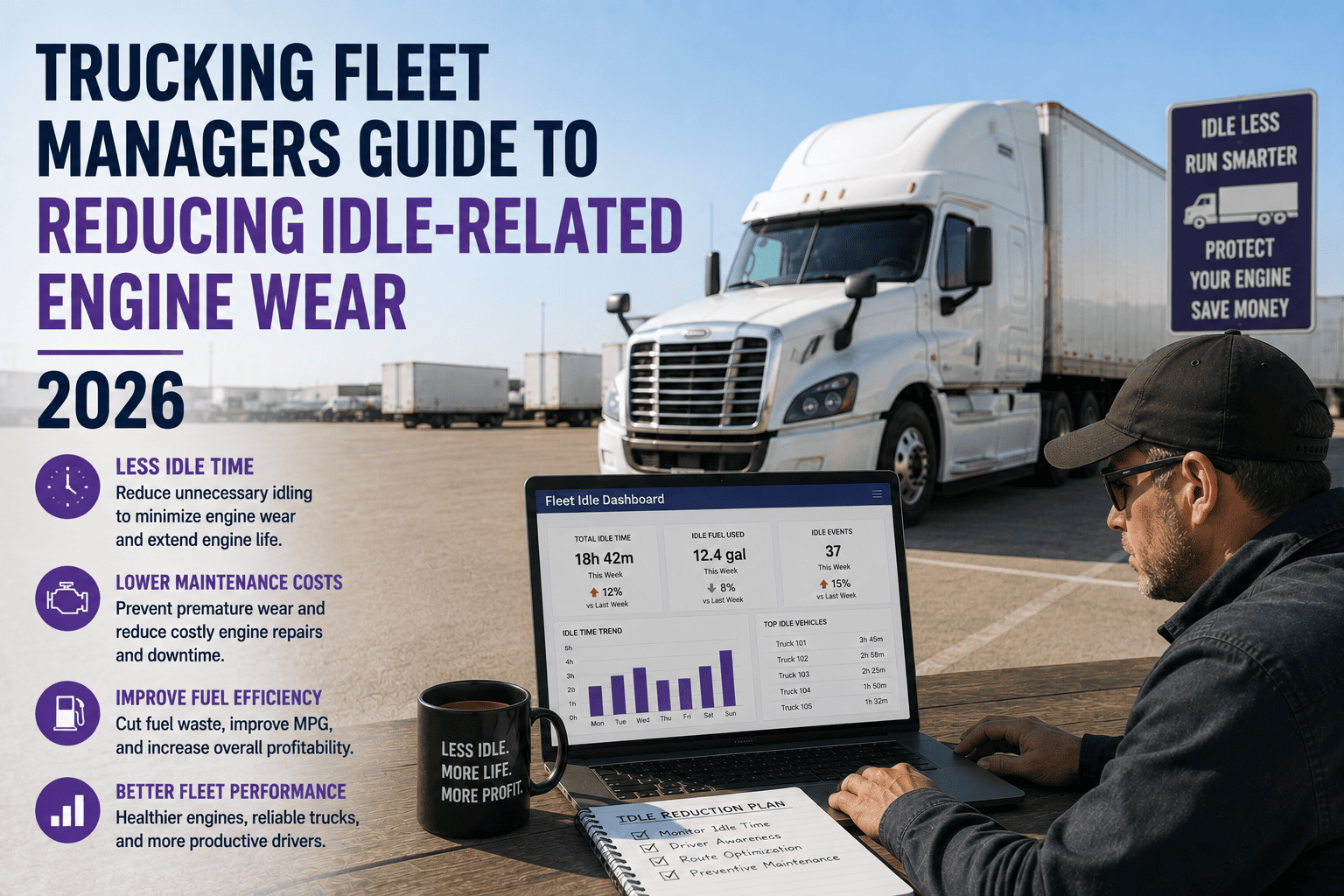
By Q2 2025, this regional carrier's fuel spend had climbed to $84,000 per month for their 45-truck fleet. Drivers were taking inefficient routes, frequent traffic backups were causing excessive idle time, and there was no real-time visibility into which vehicles were burning fuel at above-normal rates. The dispatch team relied on outdated maps and manual route planning, often resulting in longer distances and wasted fuel. Idle time in shipping yards and at loading docks contributed an estimated 12% of total fuel consumption.

Fleet managers could see the problem in their monthly fuel reports, but lacked the tools to pinpoint root causes or make data-driven improvements. A 2% savings target seemed impossible without cutting driver pay or forcing aggressive speed restrictions that could compromise safety.

See how route optimization works in real fleets

Watch a 15-minute walkthrough of FleetRabbit's fuel savings features and see the exact reports that helped this carrier cut costs.

Book a Demo

The Solution: Multi-Layer Fuel Optimization

FleetRabbit's platform delivers fuel savings through three interconnected systems: real-time route optimization, idle time tracking and alerts, and driver behavior monitoring. Unlike generic fleet software, FleetRabbit connects GPS tracking data, telematics, and dispatch workflows into a single fuel reduction engine.

1
Route Optimization Engine
FleetRabbit analyzes real-time traffic, weather, road conditions, and delivery windows to calculate the shortest, most fuel-efficient routes. The system automatically updates routes when traffic congestion or delays occur, preventing drivers from sitting in idle traffic.
Impact: 6% reduction in fuel burn from optimized routing
2
Idle Reduction & Real-Time Alerts
Every second of unnecessary idle time burns fuel and creates emissions. FleetRabbit tracks idle duration and cost, sending instant alerts to drivers and dispatchers when idle exceeds thresholds. Yard idle tracking and dock wait time monitoring identify bottlenecks in pickup and delivery workflows.
Impact: 8% fuel savings from idle time elimination
3
Driver Behavior & Fuel Efficiency Coaching
Aggressive acceleration, speeding, and harsh braking consume excess fuel. FleetRabbit provides drivers with real-time feedback on fuel-efficient driving techniques and generates personalized efficiency scorecards. Top performers are recognized, while those with improvement opportunities receive coaching.
Impact: 3% fuel reduction from behavior optimization

Implementation Timeline and Rollout

Deployment & Adoption Milestones
Week 1-2: Setup
Fleet data import, telematics integration, driver mobile app deployment, customer success kickoff
All 45 trucks onboarded to FleetRabbit platform
Week 3-4: Optimization
Route optimization enabled in dispatch system, idle alerts activated, driver efficiency scorecards launched
First fuel savings signal visible in daily telematics
Month 2: Scale
Full adoption of optimized routes, idle reduction workflows mature, dispatch team training on advanced features
5-8% fuel reduction achieved across fleet
Month 3-6: Refinement
Continuous route tuning, driver behavior improvements compound, yield optimization for delivery density
Full 17% fuel reduction locked in, positive ROI achieved

The Numbers: Detailed ROI Breakdown

Fuel Savings Metric
Baseline (Pre-FleetRabbit)
After FleetRabbit (Month 6)
Total Savings
Monthly Fleet Fuel Spend
$84,000
$69,720
$14,280/month
Fuel Cost Per Truck Per Month
$1,867
$1,549
$318/truck/month
Annual Fuel Savings Per Truck
N/A
N/A
$2,400/year
Fleet-Wide Annual Savings
N/A
N/A
$108,000/year
FleetRabbit Annual Cost (45 trucks)
N/A
N/A
$1,620/year
Net Annual Benefit
N/A
N/A
$106,380/year

Key Results and Secondary Benefits

Fuel Consumption per Mile
6.2 MPG
Before: 5.3 MPG
Route optimization and driver behavior improvements increased fuel economy across the entire fleet, reducing environmental impact.
Idle Time Reduction
2.4 hours/week/truck
Before: 4.8 hours/week/truck
Real-time idle alerts and dispatch workflow optimization cut unnecessary idle time in half, freeing up driver time for deliveries.
On-Time Delivery Rate
96%
Before: 91%
Optimized routes actually improved delivery performance because drivers no longer sat in traffic or took inefficient detours.
Driver Engagement
78% adoption
Before: No baseline
Drivers actively checked their efficiency scorecards and competed to improve rankings, creating a culture of fuel-conscious driving.

Three Fuel Savings Tags Every Fleet Should Understand

Learn which fuel reduction strategies apply to your fleet

Route Optimization
Shorter distances, fewer traffic delays, dynamic rerouting around congestion. Best for regional and long-haul operations.

Idle Reduction
Eliminating unnecessary engine running time at docks, yards, and traffic lights. Fast wins for all fleets.

Driver Behavior
Smooth acceleration, steady speeds, efficient braking. Sustained through gamification and peer competition.

Why This Fleet Chose FleetRabbit Over Alternatives

The carrier evaluated three competing platforms. FleetRabbit stood out because it combined real-time route optimization, idle tracking, and driver coaching in a single unified platform. Other solutions required integration between separate route planning software, telematics, and driver apps. FleetRabbit's mobile-first approach also meant drivers received alerts and feedback instantly, not hours later through email reports.

Critically, the carrier could see projected fuel savings before committing to a multi-year contract. FleetRabbit's transparent ROI modeling and quick deployment meant they were generating measurable results within 30 days, not waiting months for enterprise implementations to complete.

FAQ: Fleet Fuel Savings and Route Optimization

Fleets typically see 8-17% fuel reductions within 6 months. Results vary based on baseline routing efficiency, driver behavior, and fleet composition. Regional carriers with frequent route optimization opportunities often achieve higher savings than long-haul operations.
No. FleetRabbit calculates optimal routes during dispatch planning, then drivers execute them as normal. Routes are updated only when traffic, weather, or operational changes occur. Most drivers appreciate optimized routes because they reduce idle time and actual drive time.
Idle time (sitting at docks, in traffic, waiting for loads) burns fuel but generates zero revenue. FleetRabbit alerts drivers and dispatchers when idle exceeds thresholds, enabling faster turnarounds. The carrier in this case study actually improved on-time delivery despite cutting idle time.
FleetRabbit deploys in 2-4 weeks. Initial fuel savings appear within 30 days as drivers adopt optimized routes. Full optimization takes 60-90 days as driver behavior changes compound and dispatch workflows mature.
Yes. Smaller fleets often see faster adoption and higher percentage savings because each truck's optimization has immediate impact. A 10-truck fleet might achieve $24,000 in annual fuel savings at similar reduction percentages.
What if our drivers don't use smartphones or resist the app?
FleetRabbit works on basic smartphones, tablets, and even older devices. This carrier saw 78% adoption without mandatory enforcement. The real driver engagement came from transparent scorecards, recognition programs, and seeing real improvements in their efficiency.
Does the platform work for mixed fleets (different vehicle types, weights)?
FleetRabbit supports all commercial vehicle types: straight trucks, tractors with trailers, dump trucks, tankers, and specialty equipment. Route optimization accounts for weight, size, and axle restrictions specific to each vehicle class.
Can we track fuel savings by driver, route, or time period?
Yes. FleetRabbit reports on fuel cost per truck, per driver, per route, and by any time period. The carrier in this case study used vehicle-level reporting to identify their top and bottom performers within weeks of deployment.
Is fuel savings data available to drivers in real time?
Yes. Drivers see efficiency scorecards during and after every shift. Real-time feedback on idle time and acceleration helps drivers make immediate improvements. Transparent data creates engagement without feeling punitive.
How does pricing work, and does it offset fuel savings?
FleetRabbit starts at $3 per vehicle per month with no setup fees or long-term contracts. This carrier pays $36 per truck annually (45 trucks x $12/year discount). ROI is achieved within 60-90 days from fuel savings alone. Book a demo to see exact pricing and start a free trial.

Calculate your fleet's fuel savings potential

See how much your operation could save in fuel costs, idle time, and maintenance using FleetRabbit's fuel optimization engine. Results in under 5 minutes.

What This Case Study Teaches About Fleet Optimization

Fleet fuel savings rarely come from a single intervention. This regional carrier achieved 17% reduction through a combination of smarter routing, elimination of wasted idle time, and driver behavior improvements. Each component contributed meaningfully: 6% from route optimization, 8% from idle reduction, and 3% from efficient driving practices.

The platform's speed to value was equally important. Deploying in 2-4 weeks rather than 6-12 months meant the carrier saw results in the first month and achieved full ROI within six months. The mobile-first design and real-time feedback loops kept drivers engaged without requiring extensive training or operational disruption.

Perhaps most importantly, fuel savings created positive momentum across the organization. Dispatchers refined routes knowing they would deliver better results. Drivers competed on efficiency scorecards. Management had transparent visibility into which vehicles and routes were performing. This alignment across all layers is what separates sustainable, lasting savings from one-time improvements.

Start Optimizing Your Fleet's Fuel Costs Today

Join hundreds of regional carriers, long-haul operators, and delivery fleets already saving 8-17% on fuel. FleetRabbit combines route optimization, idle reduction, and driver coaching in one unified platform. See your fleet's fuel savings potential within 30 days of deployment.
Route Optimization Idle Reduction Driver Behavior Real-Time Alerts Fuel Cost Tracking

May 30, 2026 By Herry smith
All Posts

Share This Story, Choose Your Platform!

Latest Posts

Scroll