Fleet Analytics Guide | FleetRabbit
Sensor Data and Telematics Integration in Logistics Fleets
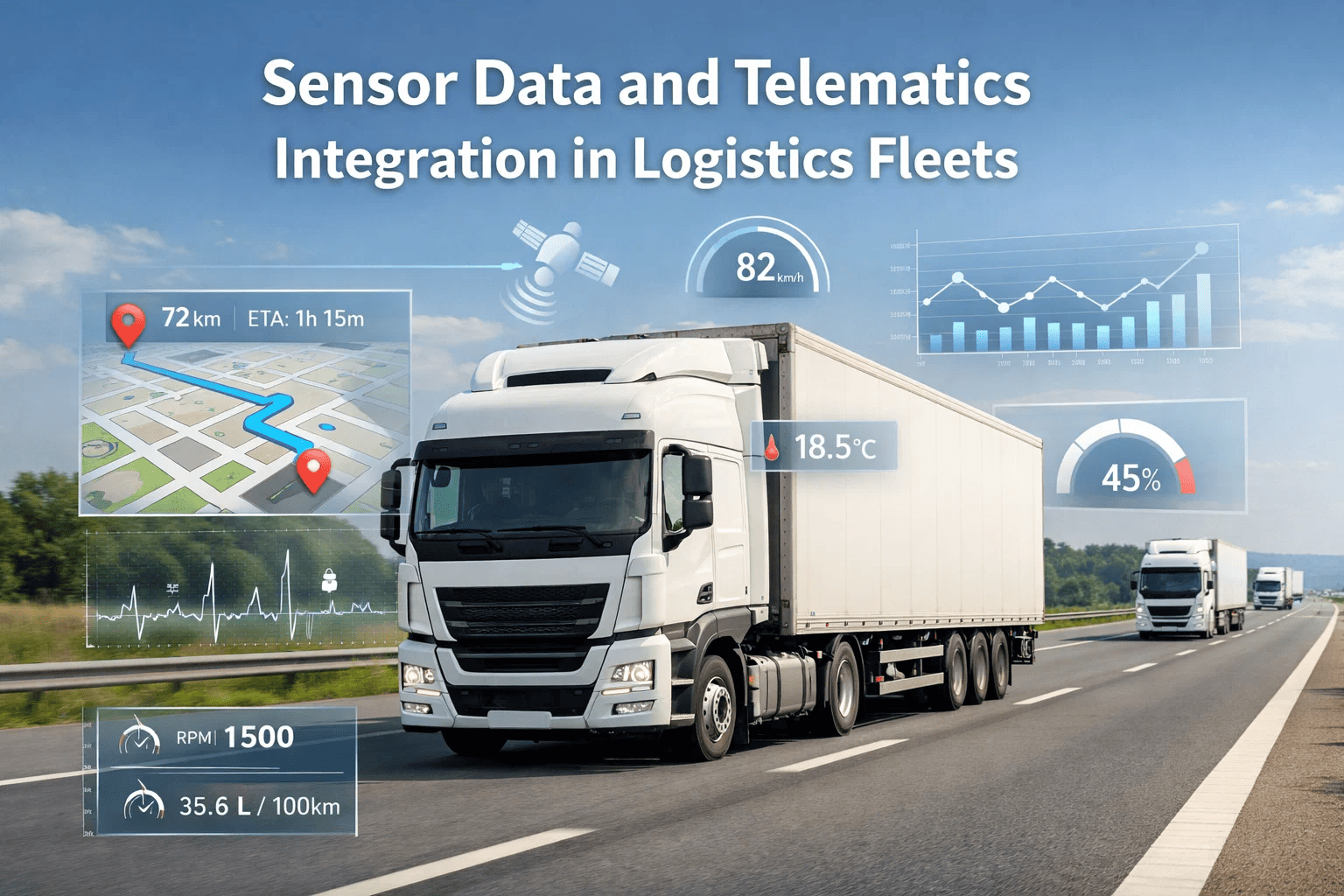
Modern logistics is rapidly evolving with the integration of telematics and real-time sensor data, transforming how fleets operate, optimize, and scale. By leveraging IoT-enabled fleet management systems, companies can track vehicle performance, fuel consumption, driver behavior, and route efficiency in real time—leading to smarter decision-making and significant cost savings. Advanced telematics solutions enable predictive maintenance by identifying potential vehicle issues before they cause breakdowns, reducing downtime and improving fleet reliability. Additionally, real-time truck tracking enhances visibility across the supply chain, ensuring timely deliveries and better customer satisfaction. As data-driven logistics becomes the industry standard, businesses that adopt telematics integration gain a powerful competitive edge through improved efficiency, safety, and operational transparency.
What Is Telematics and Why It Matters for Logistics Fleets
Telematics is the integrated use of telecommunications, GPS tracking, onboard diagnostics, and sensor data to monitor and manage fleet vehicles in real time. For transportation and logistics operations, telematics is no longer a technology advantage — it is a baseline operational requirement. Fleets that operate without telematics are flying blind across thousands of miles, relying on manual reporting, phone calls, and paper logs to understand where their assets are and how they are performing.
Modern logistics fleets generate enormous volumes of data every single day. Each vehicle transmits location coordinates, engine performance readings, fuel consumption rates, brake usage, idle time, driver behavior scores, load status, and diagnostic fault codes. When this data is captured, organized, and analyzed in a unified platform, fleet managers gain a level of visibility that transforms decision-making from reactive to predictive.
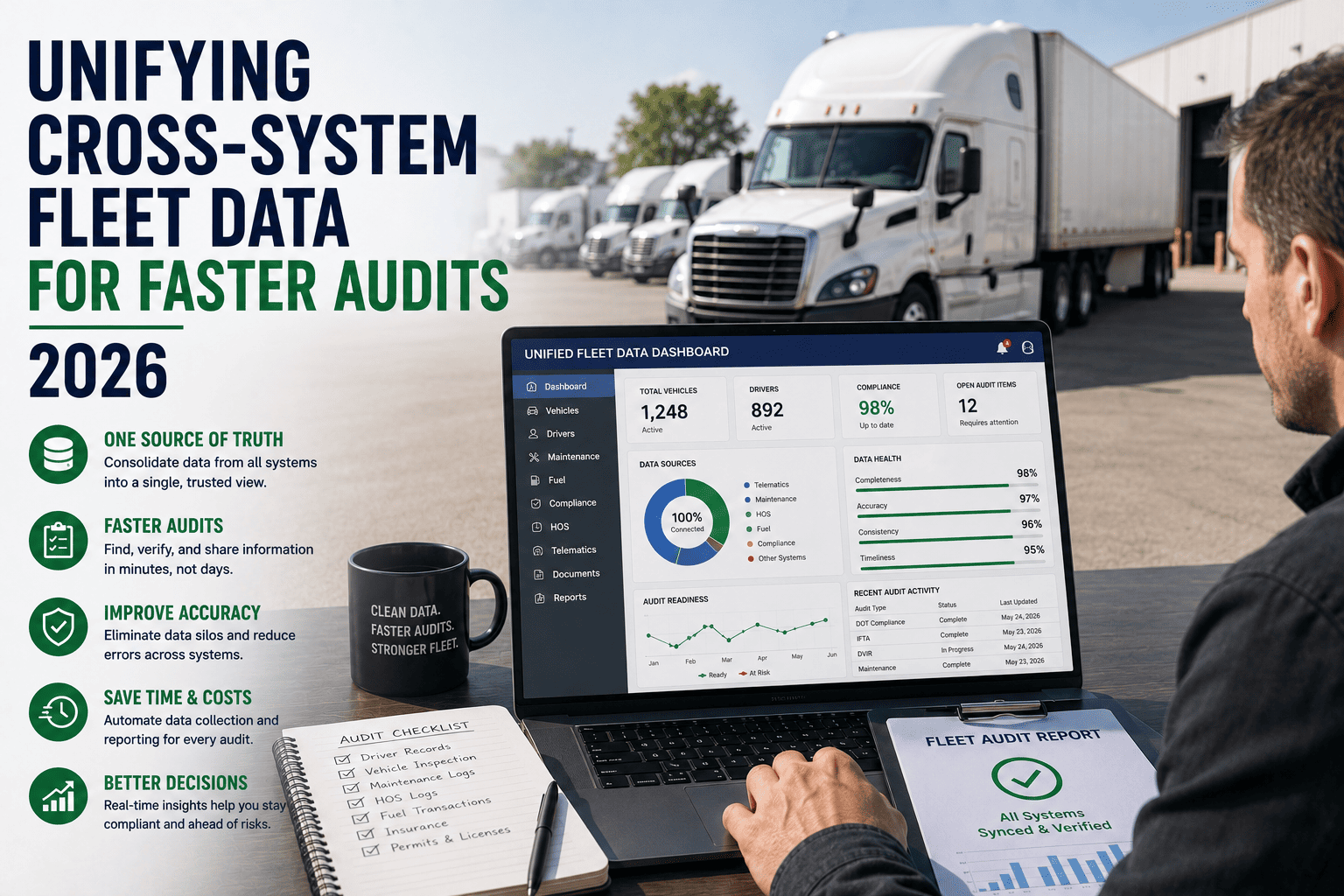
FleetRabbit integrates GPS telematics, OEM vehicle data feeds, and sensor inputs into a single operations platform, giving logistics companies a comprehensive view of their entire fleet from a single dashboard. Whether you manage 10 trucks or 1,000, real-time sensor data is the foundation for operational excellence.
27%
Average reduction in fuel costs when telematics with idle detection is implemented across logistics fleets
35%
Decrease in unplanned vehicle downtime through sensor-triggered predictive maintenance alerts
18%
Improvement in on-time delivery performance when real-time tracking is combined with dynamic routing
40%
Reduction in manual reporting hours when telematics data is automatically synced to fleet management systems
Core Components of a Logistics Telematics System
A fully integrated telematics system for logistics operations is built on several interconnected data layers. Understanding each component helps fleet managers make informed decisions about implementation and data utilization.
GPS Vehicle Tracking
Real-time GPS tracking provides continuous location data for every vehicle in the fleet. Beyond simple dot-on-map tracking, modern GPS telematics delivers geofencing alerts, route adherence monitoring, estimated time of arrival calculations, and historical route replay. Dispatchers can verify that drivers are on assigned routes, customers can receive live delivery updates, and management can audit trip histories for compliance and efficiency analysis.
Engine and Onboard Diagnostics (OBD)
OBD-II port connections and J1939 CAN bus integrations pull live engine data including RPM, coolant temperature, oil pressure, transmission performance, and diagnostic trouble codes (DTCs). When an engine fault code triggers, fleet managers receive immediate alerts before a minor issue becomes a roadside breakdown. This diagnostic layer is the foundation of predictive maintenance strategy.
Driver Behavior Sensors
Accelerometers and gyroscopes within telematics devices capture harsh braking events, rapid acceleration, sharp cornering, and lane departure patterns. This data feeds driver scorecards that help fleet managers identify coaching opportunities, reduce accident risk, and lower insurance premiums. Consistent driver behavior monitoring creates a culture of accountability and professionalism across the fleet.
Fuel Consumption Monitoring
Fuel sensors integrated with telematics platforms track real-time fuel levels, consumption rates per mile, idle fuel burn, and total fuel spend per vehicle. Comparing fuel data across drivers and routes identifies inefficiencies that, when corrected, can deliver thousands of dollars in annual savings per vehicle. Fuel card integration further automates expense reconciliation and fraud detection.
Temperature and Cargo Sensors
For refrigerated freight and temperature-sensitive logistics, trailer temperature sensors transmit continuous readings to the telematics platform. Out-of-range alerts notify drivers and dispatchers before cargo is compromised. Door sensors confirm loading and unloading events, providing timestamp evidence for proof of delivery and chain-of-custody documentation.
ELD and HOS Integration
Electronic Logging Devices integrated within the telematics ecosystem automatically capture driving time, duty status changes, and Hours of Service compliance data. This eliminates manual log falsification and ensures drivers remain within FMCSA-mandated HOS limits while reducing administrative paperwork for both drivers and compliance managers.
How FleetRabbit Turns Sensor Data Into Operational Intelligence
Raw sensor data alone has limited value. The real power comes from a platform that aggregates, contextualizes, and presents data in ways that enable faster and better decisions. FleetRabbit is purpose-built for logistics operations that need to convert telematics data streams into actionable fleet intelligence.
Real-Time Fleet Dashboard
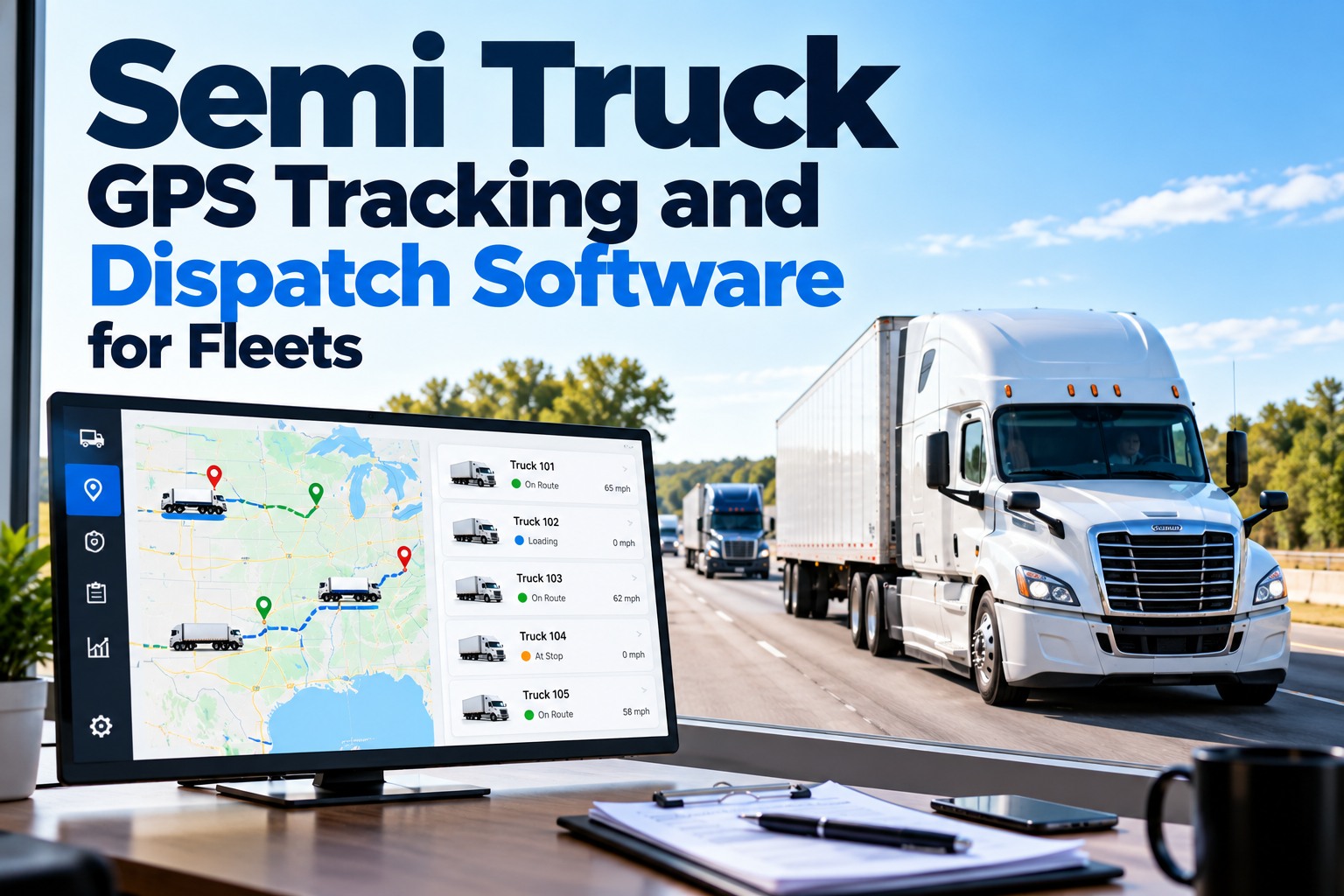
FleetRabbit's live operations dashboard displays every vehicle's GPS position, engine status, driver HOS availability, fuel level, and active alerts on a single screen. Dispatchers can monitor the entire fleet simultaneously and respond to exceptions within minutes rather than hours. The dashboard eliminates the need to contact drivers for status updates, freeing communications capacity for critical coordination only.
Predictive Maintenance Triggers
When engine sensors detect anomalies — elevated oil temperature, abnormal RPM patterns, escalating DTC frequency — FleetRabbit automatically generates maintenance work orders and routes them to the designated shop or mobile mechanic. Maintenance teams receive the vehicle's fault history, current sensor readings, and recommended service procedures before the vehicle even arrives at the shop, reducing diagnostic time and parts procurement delays.
Automated Compliance Reporting
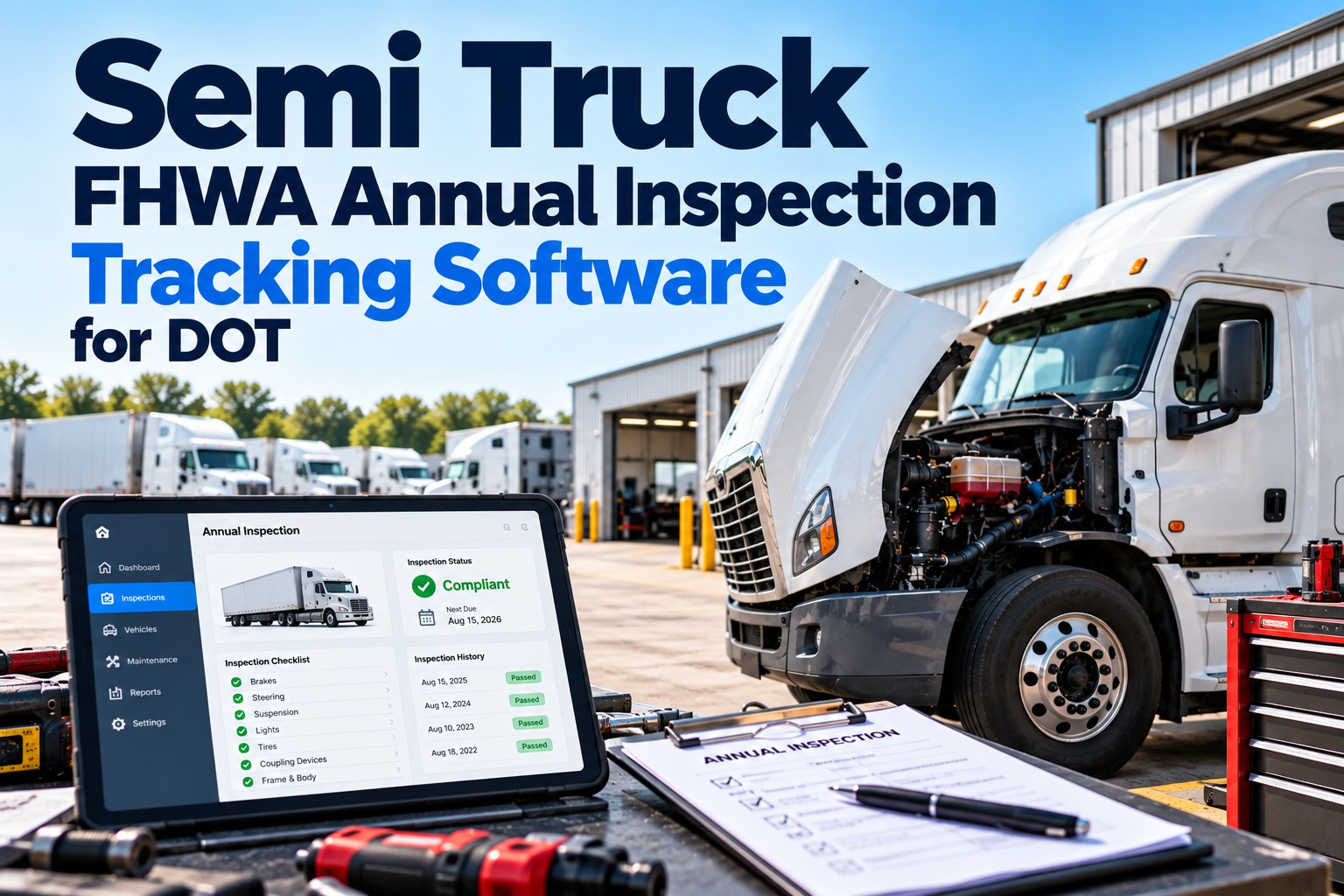
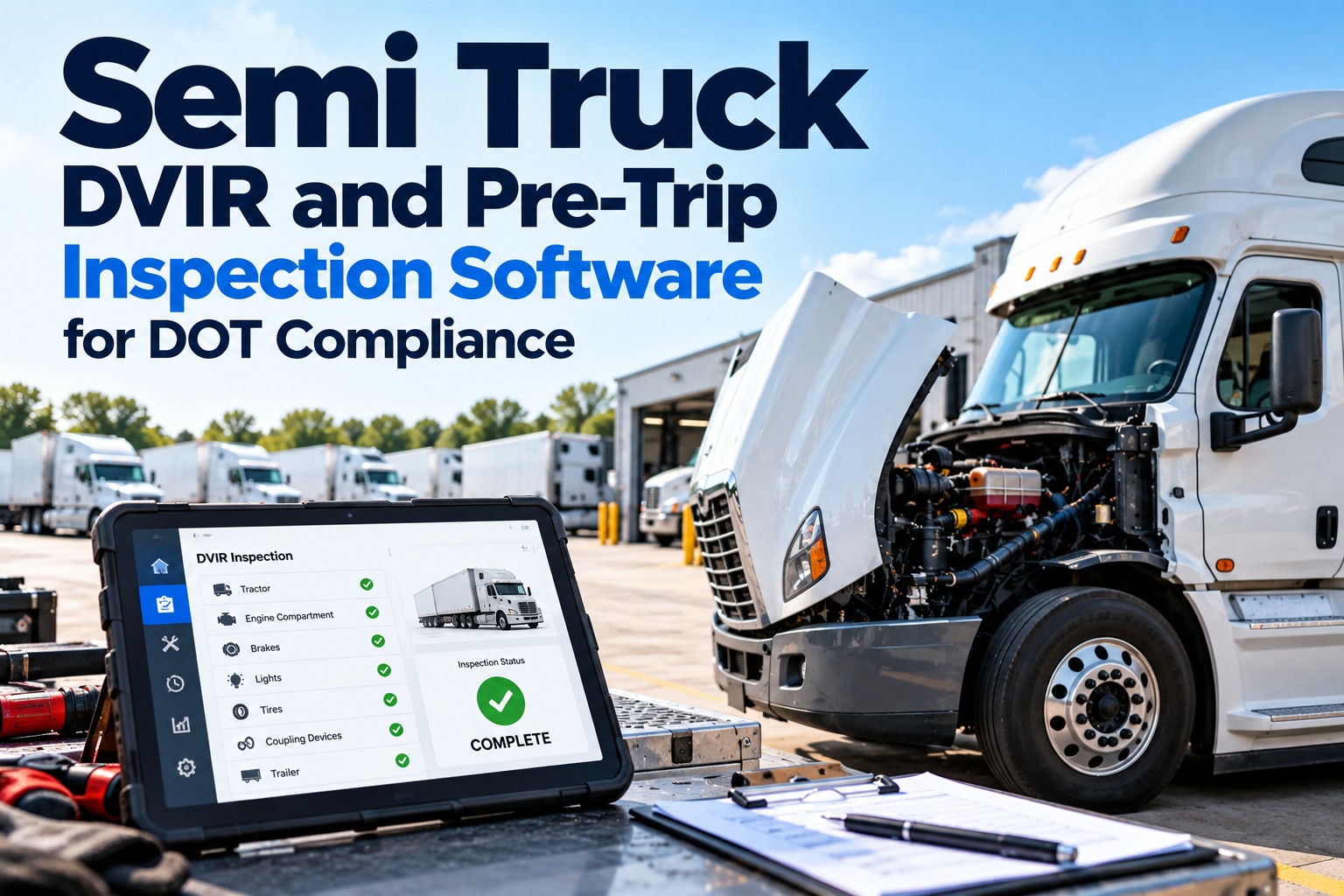
HOS records, DVIR inspection completions, driver behavior events, and fuel usage summaries are automatically compiled into DOT-compliant reports within FleetRabbit. Audit preparation that previously required hours of manual data assembly is reduced to a few clicks. Compliance dashboards give safety managers instant visibility into which drivers and vehicles need attention before violations occur.
Fleet-Wide Analytics and Benchmarking
FleetRabbit's analytics module aggregates sensor data across the entire fleet to produce performance benchmarks by driver, vehicle, route, and time period. Fleet managers can identify which trucks consume the most fuel per mile, which routes generate the highest driver fatigue risk, and which vehicle models have the best uptime records. These insights drive procurement decisions, route optimization, and driver training investment.
Sensor-Driven Predictive Maintenance for Logistics Fleets
Unplanned vehicle downtime is among the most costly events a logistics operation can experience. A single truck breakdown on a major route can cost thousands of dollars in recovery, towing, missed delivery penalties, and driver detention time. Sensor-driven predictive maintenance changes the equation by making equipment failures predictable rather than surprise events.
Vibration and Bearing Analysis
Advanced sensor arrays detect abnormal vibration signatures in drivetrain components including differentials, wheel bearings, and driveshafts. These patterns often precede mechanical failure by hundreds of miles, giving maintenance teams a window to schedule repairs during planned downtime rather than on the side of a highway.
Brake System Monitoring
Air pressure sensors in the braking system detect slow leaks, worn brake pads, and malfunctioning slack adjusters before they produce safety-critical failures. Brake defects are among the leading causes of commercial vehicle accidents and CSA violations. Real-time brake monitoring is both a safety and compliance priority.
Engine Coolant and Oil Pressure
Sensors monitoring coolant temperature and oil pressure provide early warning of cooling system leaks, thermostat failures, and lubrication problems. Left undetected, these issues lead to catastrophic engine damage costing tens of thousands of dollars. Sensor alerts allow drivers to pull over safely and schedule repairs before engine damage occurs.
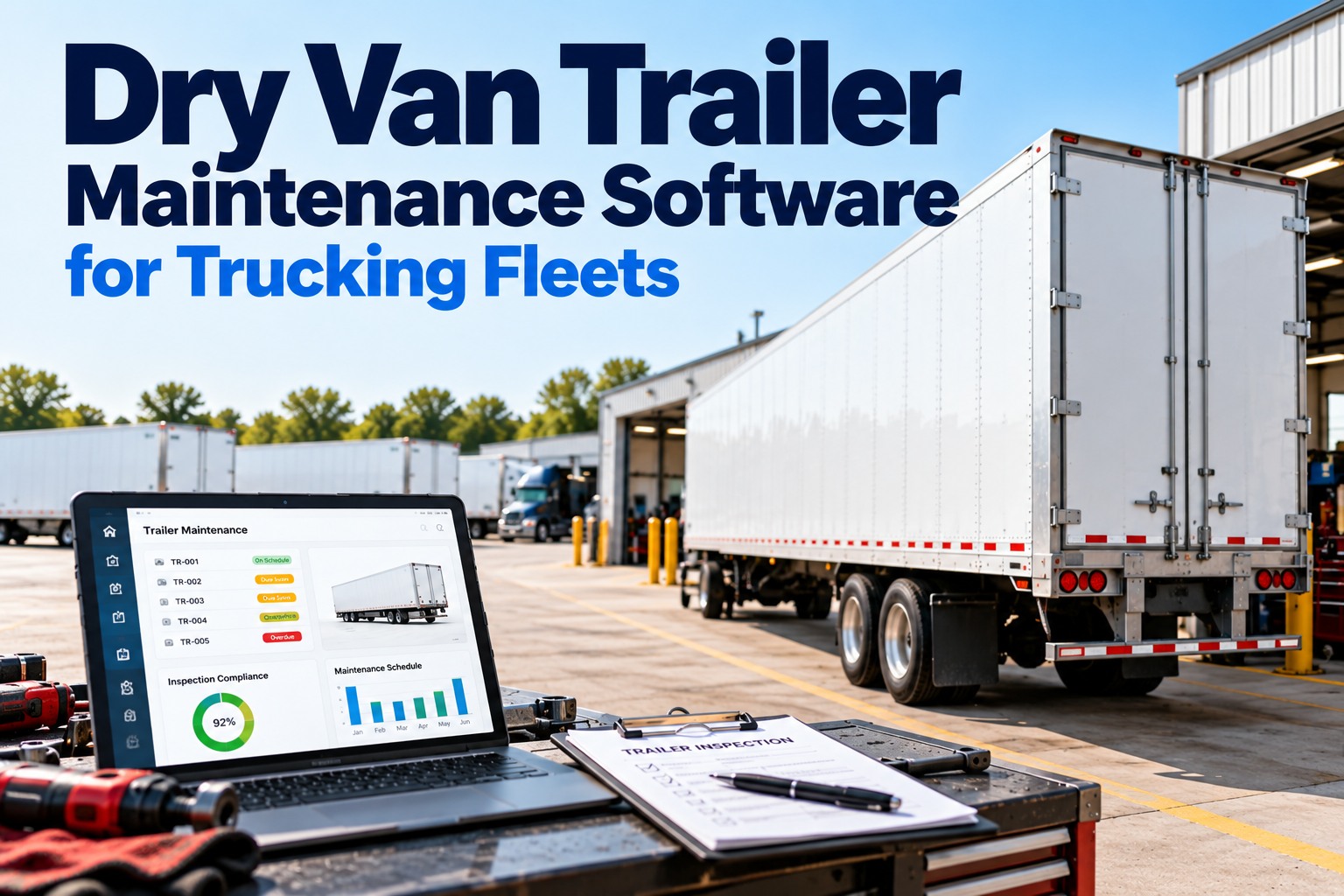
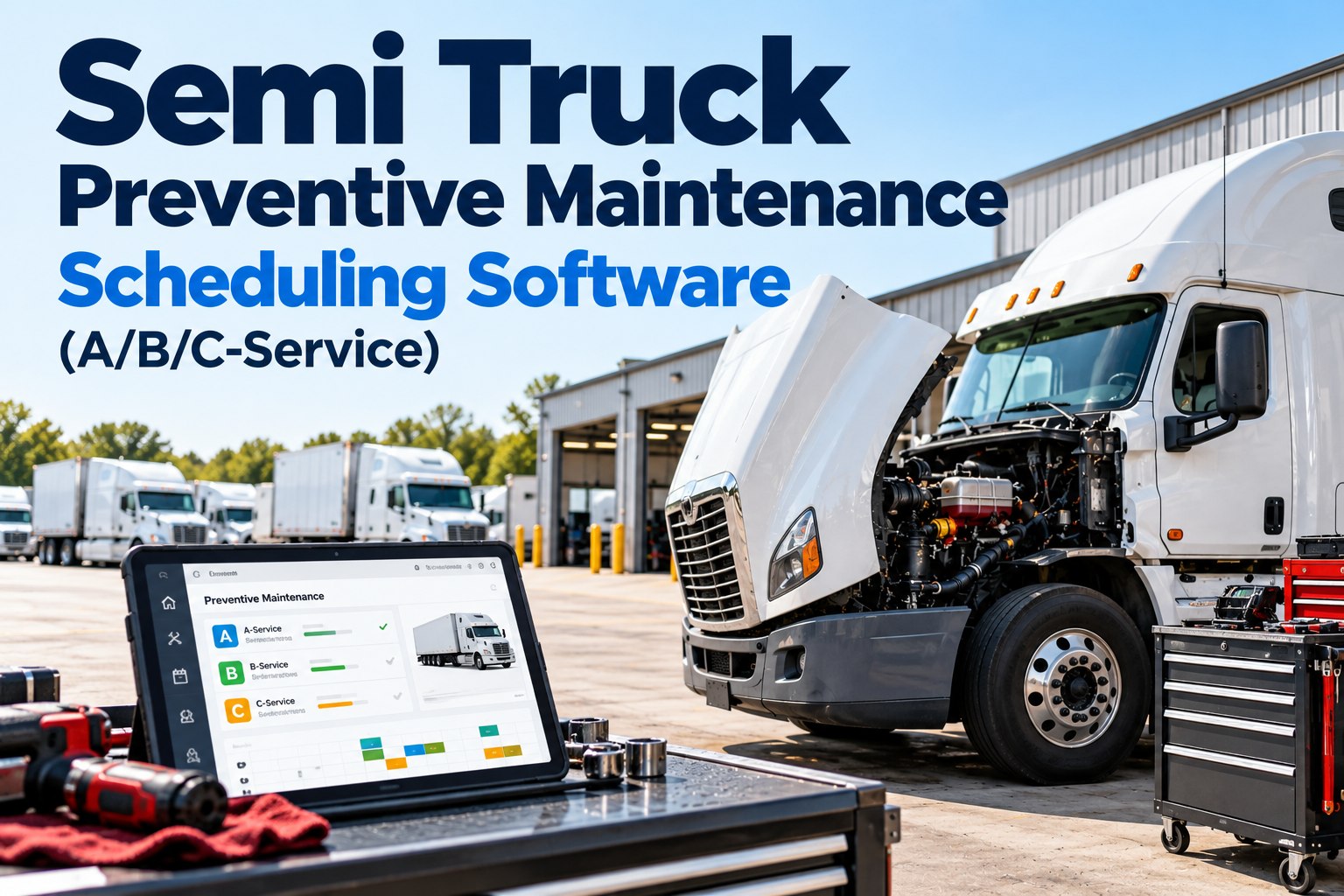
FleetRabbit's preventive maintenance scheduler uses sensor data, mileage, engine hours, and manufacturer service intervals to automatically generate maintenance tasks before components reach failure thresholds. The platform tracks completion of every service item, maintains a complete digital service history, and produces maintenance compliance reports for DOT inspections and insurance audits.
Integrating Telematics With Fleet Management Operations
Telematics data only delivers its full value when it is connected to the broader fleet management workflow — maintenance scheduling, compliance management, driver performance, and financial reporting. Siloed telematics systems that cannot share data with operational platforms create manual reconciliation work that erodes the efficiency gains telematics is supposed to deliver.
FleetRabbit integrates with leading GPS and telematics providers including Samsara, Verizon Connect, Motive, and OEM telematics systems from major truck manufacturers. This integration allows sensor data, vehicle alerts, and driver events to flow directly into FleetRabbit's maintenance, compliance, and analytics modules without manual data transfer. Fleet managers get a single system of record for all operational data, streamlining both daily management and strategic analysis.
FleetRabbit GPS and Telematics Integration
Connect your existing GPS or telematics provider to FleetRabbit in minutes using native integrations or API connections. Vehicle location, engine data, driver events, and fault codes flow automatically into FleetRabbit's maintenance, compliance, and analytics workflows. No manual data entry, no duplicate systems, no information gaps.
Explore FleetRabbit's GPS and Telematics Integration at fleetrabbit.com/integration/gps
Frequently Asked Questions
What types of sensors are most important for logistics fleet telematics?
The highest-priority sensors for logistics fleets are GPS location transmitters, OBD engine diagnostic readers, fuel consumption monitors, ELD devices for HOS compliance, and brake system pressure sensors. Fleets carrying temperature-sensitive freight should also prioritize refrigeration trailer temperature sensors. The specific sensor mix should align with the fleet's primary operational risks and compliance requirements.
How does FleetRabbit integrate with existing GPS telematics providers?
FleetRabbit integrates with major telematics providers including Samsara, Verizon Connect, Motive, and OEM telematics systems through native API connections. Vehicle location data, engine fault codes, driver behavior events, and fuel data sync automatically into FleetRabbit's maintenance, compliance, and analytics modules. FleetRabbit's integration team supports setup and configuration to ensure data flows correctly from day one.
How quickly can a logistics fleet see ROI from telematics integration?
Most logistics fleets begin seeing measurable ROI within 60 to 90 days of full telematics deployment. Early wins typically come from fuel savings through idle reduction, reduced over-the-road breakdowns from predictive maintenance alerts, and decreased administrative time from automated reporting. Full ROI — including insurance savings, fewer accidents, and improved delivery performance — typically materializes within six to twelve months depending on fleet size and baseline operational efficiency.
Can telematics help reduce insurance premiums for trucking fleets?
Yes. Many commercial trucking insurers offer premium discounts for fleets that implement telematics with driver behavior monitoring. Documented improvement in harsh braking scores, speeding events, and accident rates provides evidence of reduced risk that insurers reward with lower premiums. Fleets using FleetRabbit can generate driver performance reports on demand for submission to insurance carriers during renewal negotiations.
What data does FleetRabbit retain from telematics sensors and for how long?
FleetRabbit retains GPS trip histories, engine fault event logs, driver behavior records, and maintenance alert data according to configurable retention policies. Standard retention covers a rolling 24-month period, which aligns with FMCSA record-keeping requirements. Extended retention options are available for fleets with longer audit or litigation hold requirements. All data is stored securely and accessible through the FleetRabbit portal and API.
How does sensor data support FMCSA compliance for logistics fleets?
Sensor data from ELD devices, DVIR systems, and vehicle diagnostics directly supports FMCSA compliance by creating a continuous, tamper-resistant digital record of driver Hours of Service, pre-trip and post-trip vehicle inspections, and vehicle roadworthiness. FleetRabbit compiles this data into DOT-audit-ready reports, reducing compliance preparation time and ensuring nothing is overlooked during roadside inspections or formal audits.
Transform Your Logistics Fleet With FleetRabbit Telematics Integration
Sensor data and telematics integration is the most powerful operational lever available to logistics fleet managers today. The ability to see every vehicle in real time, predict maintenance needs before failures occur, monitor driver performance continuously, and generate compliance documentation automatically creates a competitive advantage that compounds over time.
FleetRabbit provides the unified platform that makes telematics data operational — connecting GPS and sensor inputs to maintenance workflows, compliance management, driver coaching, and executive reporting in a single, purpose-built system for transportation and logistics fleets.
See FleetRabbit in Action
Schedule a live demonstration with a FleetRabbit logistics specialist and see how telematics integration, predictive maintenance, and real-time fleet visibility work together in a connected fleet management platform built specifically for transportation and logistics operations.
Book a Free Demo
Start Free Trial
April 14, 2026
By Nathan Smith
All Posts