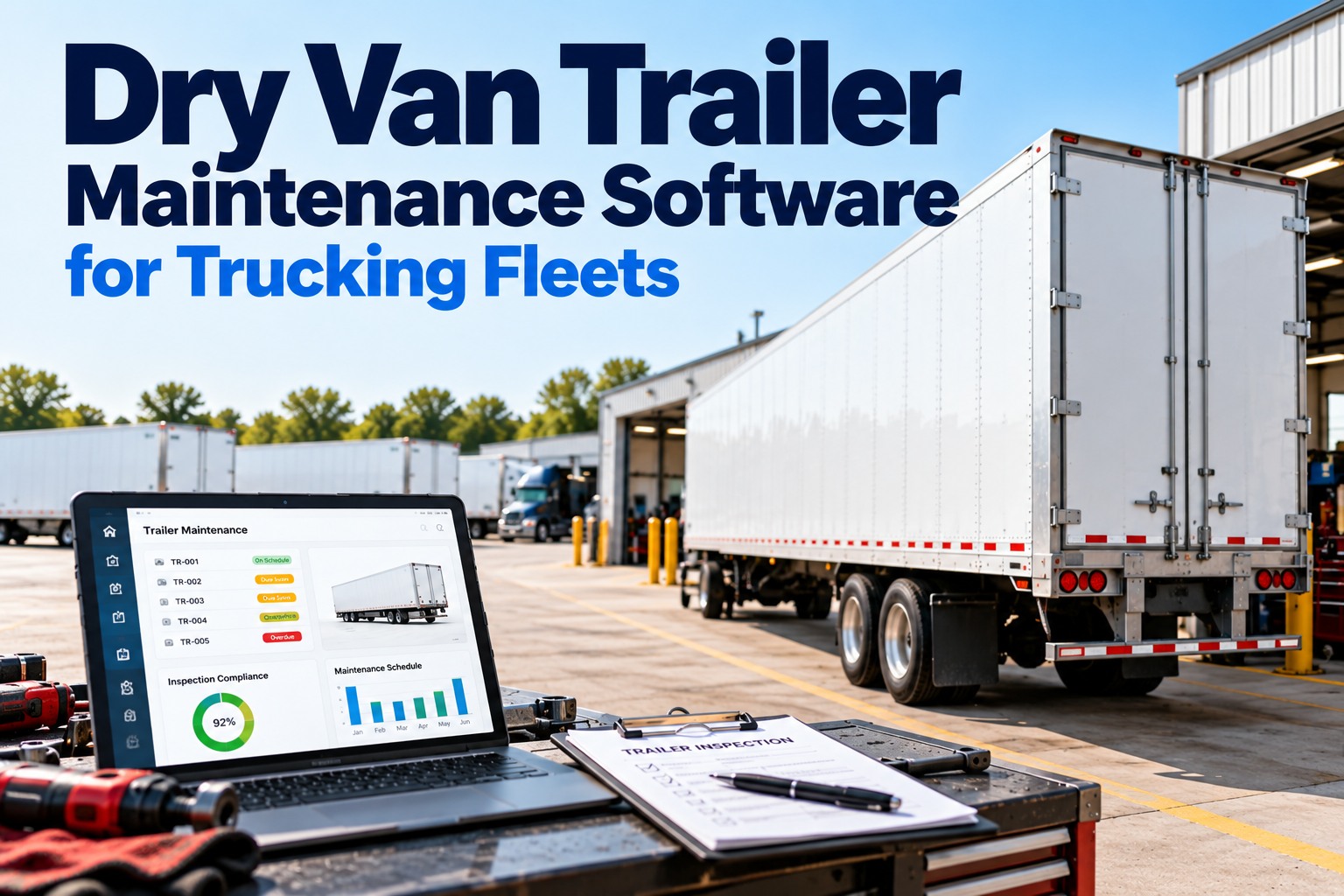
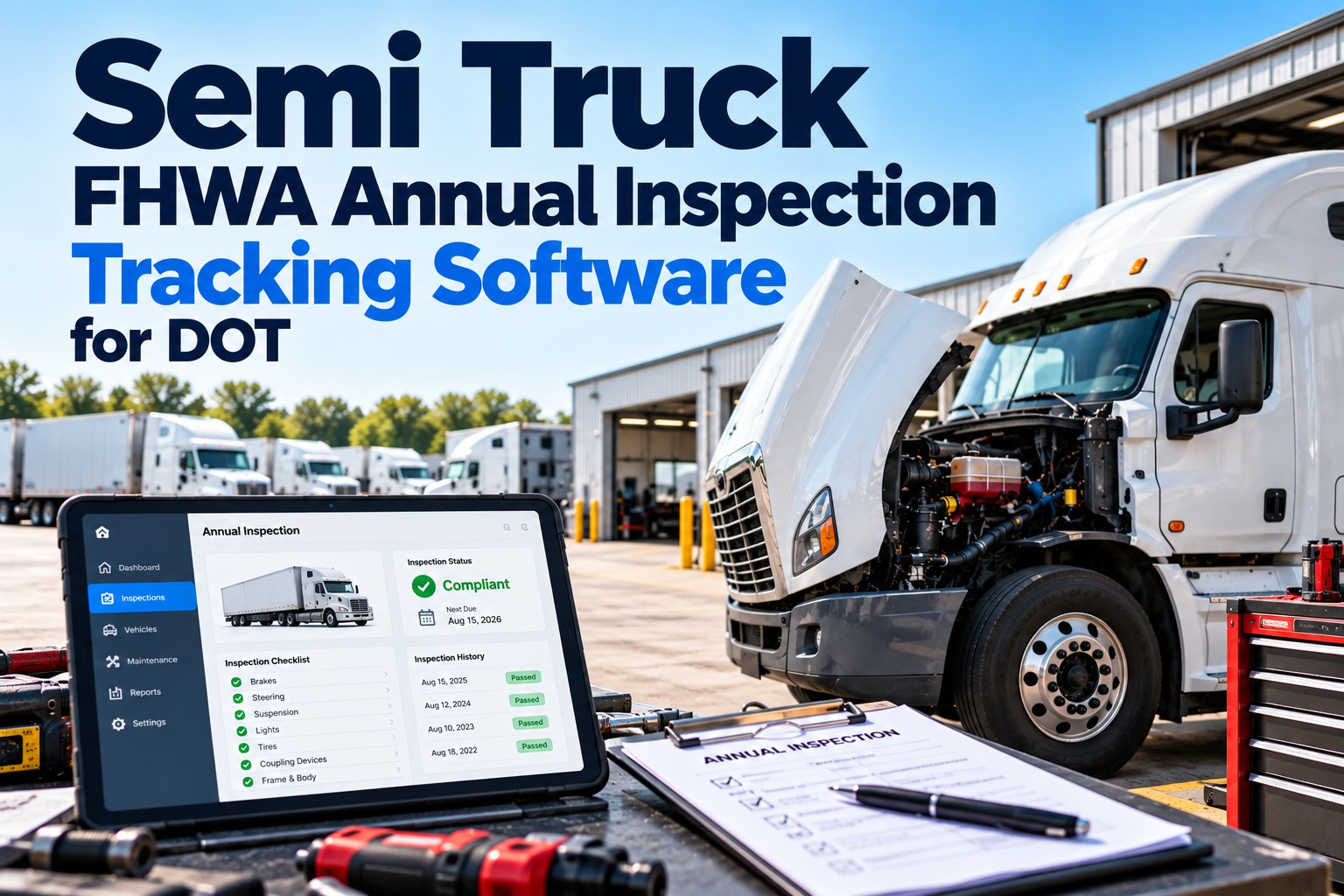
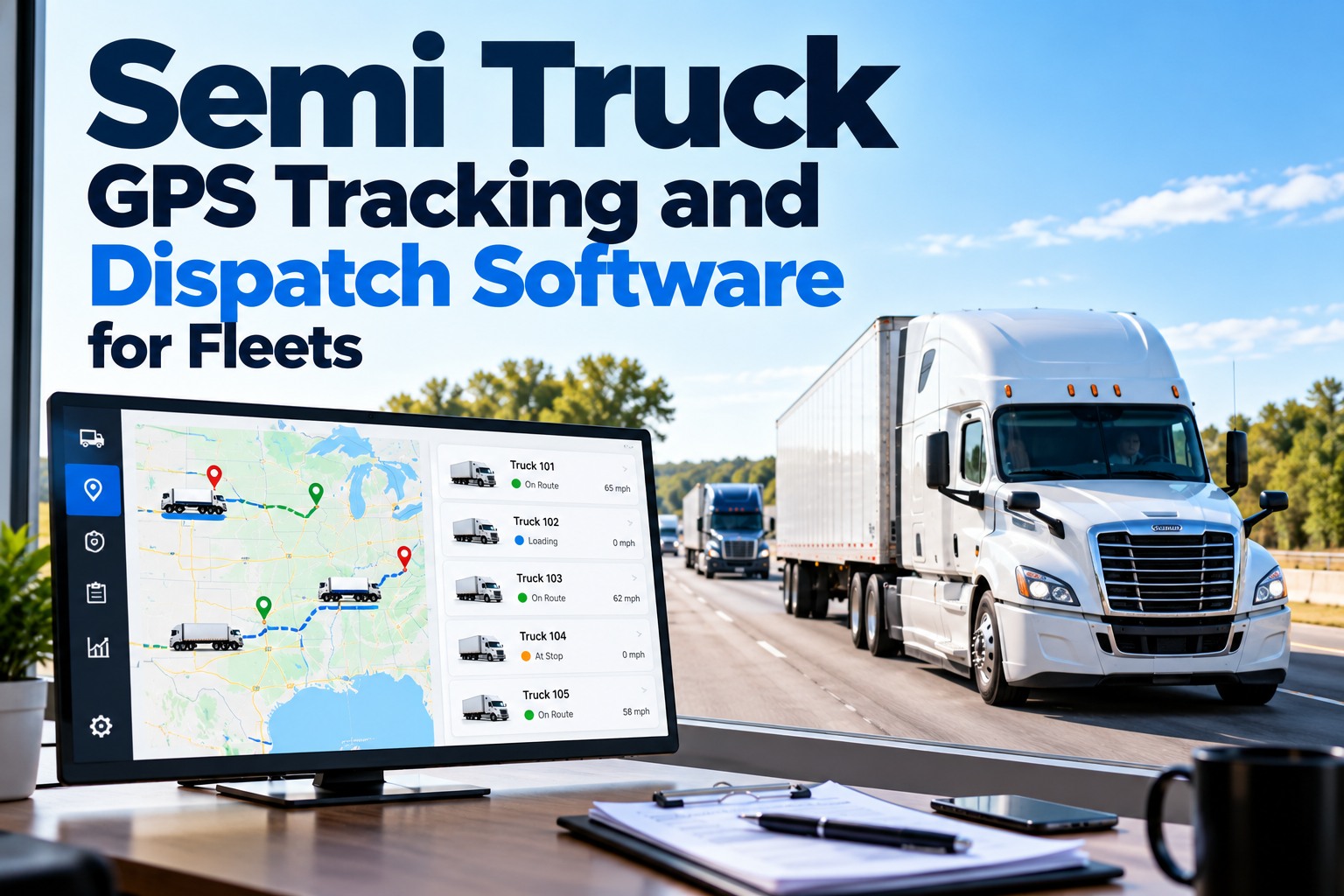
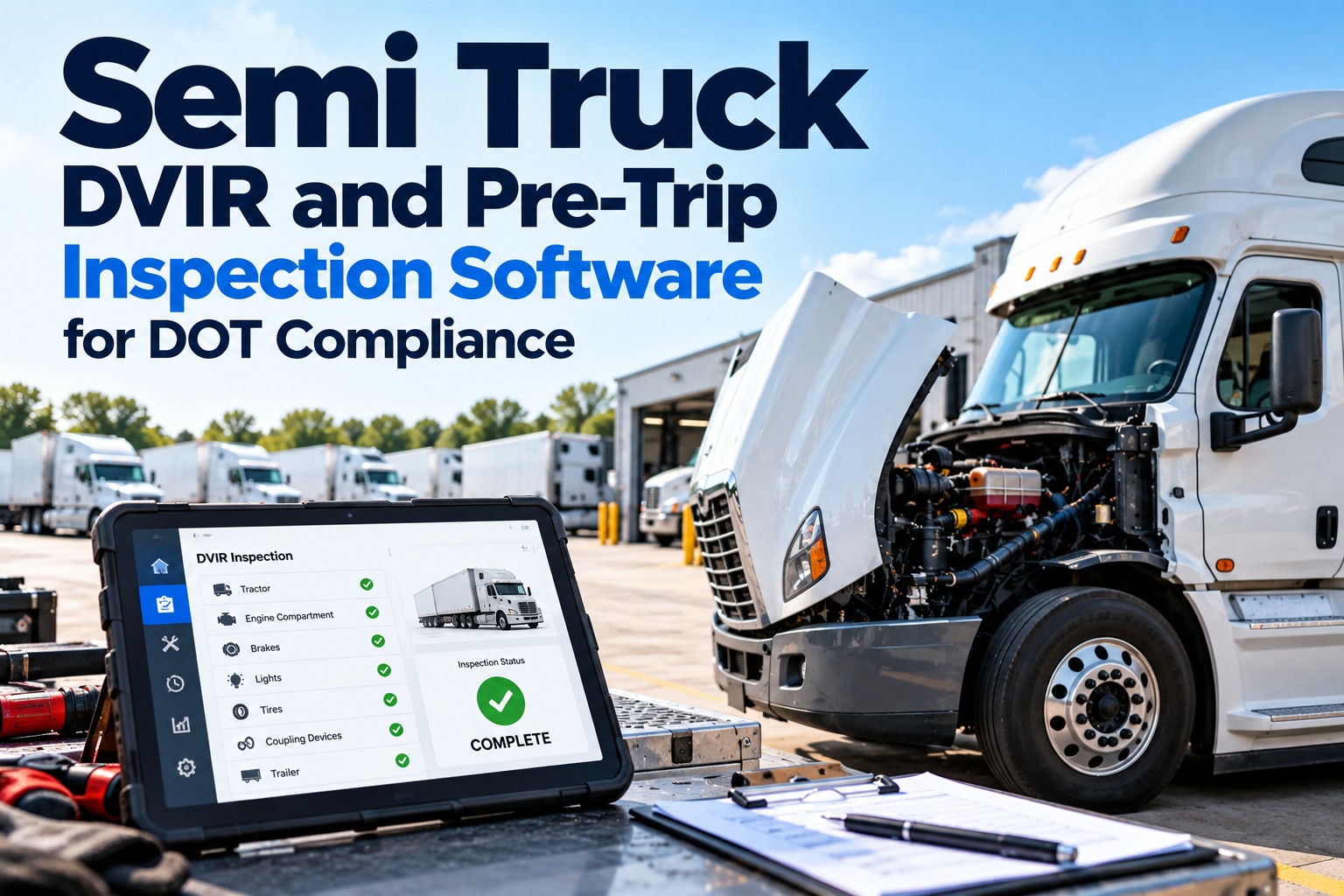
.png)
For transportation fleet operators, the gap between a well-managed operation and a chaotic one often comes down to software capabilities. Spreadsheets, manual tracking systems, and disconnected tools create inefficiencies that compound into serious operational problems. Fleet managers struggling with visibility, compliance, cost control, and driver management often don't realize that better software could solve most of these issues. The question is not whether you need fleet management software—it's whether your current software is adequate for your operation's actual complexity. Here are 10 warning signs that your fleet software is holding you back and why FleetRabbit's integrated platform addresses each problem systematically.
This guide explores 10 critical warning signs that your current fleet management approach is inadequate for your operation's scale and complexity. You'll learn how to recognize software limitations that impact visibility, compliance, cost control, and team efficiency, and how FleetRabbit's integrated platform eliminates each problem category through automation, real-time data, and streamlined workflows.
Evaluate Your Fleet Software Now
Not sure if your current system is limiting your operation? FleetRabbit's comprehensive platform consolidates all fleet management functions into one integrated solution. Book a demo to see how FleetRabbit handles the problems you're struggling with today.
Sign 1: Your Fleet Data Lives in Multiple Disconnected Systems
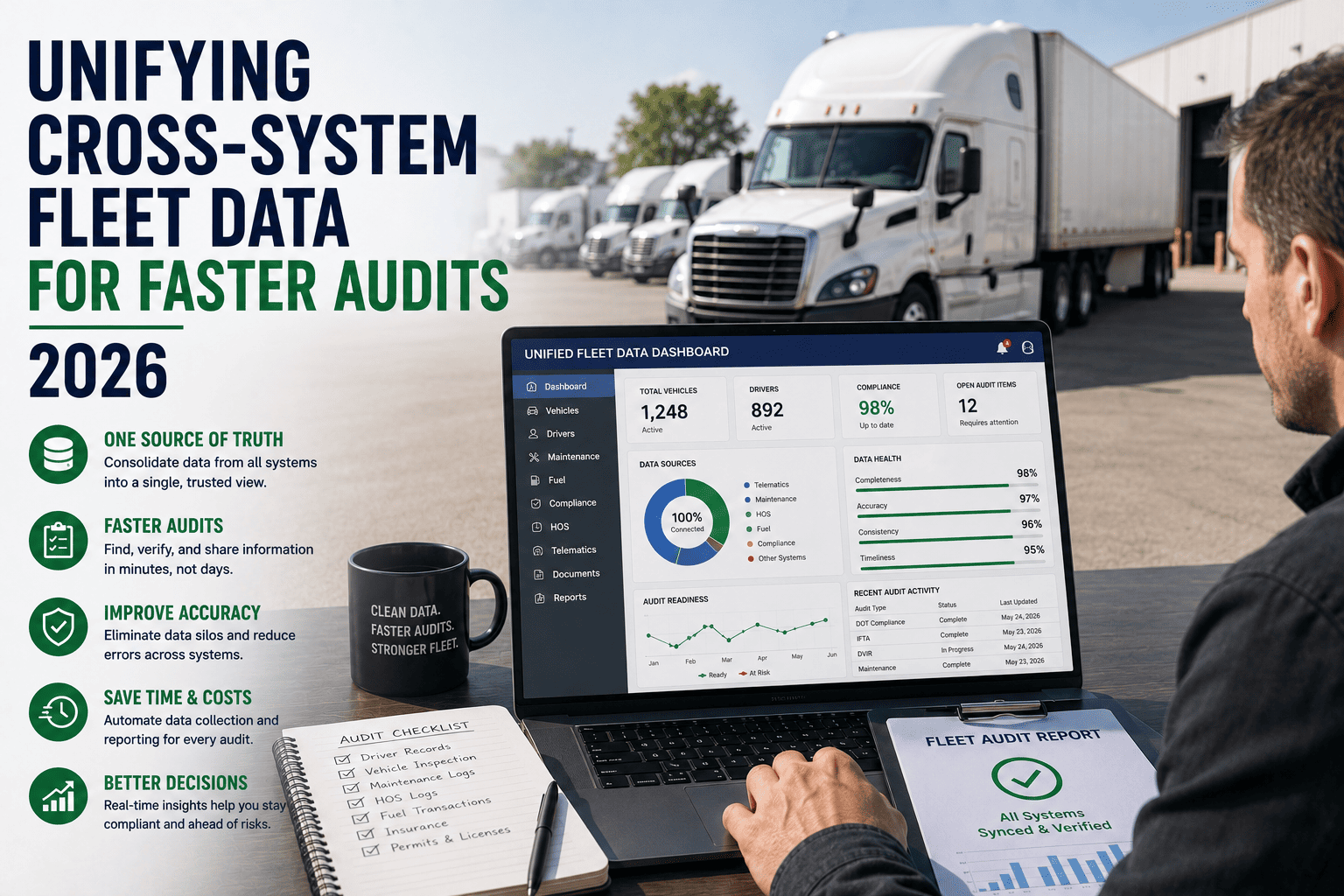
Fuel data sits in one system, maintenance records in another, payroll in a third, and dispatch information scattered across a fourth. Fleet managers spend hours each week manually pulling data from different sources, copying it into spreadsheets, and reconciling inconsistencies. This fragmented approach creates accuracy problems because data pulled on different days from different systems is never truly synchronized. By the time you compile a complete picture of your operation's status, the information is already days old. FleetRabbit consolidates all operational data into one unified platform, pulling live information from fuel cards, maintenance systems, telematics, and dispatch in real time. You access complete, current information from a single dashboard instead of assembling it manually across multiple tools.
Sign 2: Manual Compliance Tracking Consumes Excessive Management Time
Hours of Service, vehicle inspections, driver certifications, maintenance schedules, and regulatory documentation are critical to fleet compliance, but managing these manually through spreadsheets or paper systems is both time-consuming and error-prone. Compliance gaps often go undetected until an inspection reveals missing documentation or violations accumulate into fines. Fleet managers report spending 8 to 12 hours per week on compliance-related tasks that are largely administrative. FleetRabbit's compliance module automates HOS tracking, inspection scheduling, driver certification management, and regulatory reporting. Alerts fire automatically when compliance windows approach, and reporting is generated with a few clicks rather than assembled manually over days.
Sign 3: You Cannot Access Real-Time Fleet Location and Status Information
Dispatchers make routing and assignment decisions without current visibility into where vehicles actually are, whether drivers have compliant HOS status, or what loads are pending assignment. This information gap forces dispatchers to rely on driver communication or rough estimates, leading to inefficient assignments, missed load opportunities, and longer deadhead miles. Without real-time fleet visibility, you cannot optimize dispatch decisions or respond quickly to operational changes. FleetRabbit's dispatch module provides live vehicle location, driver HOS status, load information, and fuel status in one integrated view. Dispatchers see recommended optimal assignments ranked by deadhead distance and driver availability, enabling faster, more efficient dispatch decisions that improve asset utilization and reduce empty miles.
Sign 4: Your Preventive Maintenance Ratio is Below 60 Percent
When you track preventive maintenance through paper schedules or spreadsheets, compliance slips during busy periods and deferred maintenance accumulates. Low planned maintenance ratios mean most repairs are reactive emergency events that carry emergency labor premiums, extended vehicle downtime, and higher total repair costs. Vehicles in your fleet should operate on planned maintenance schedules at least 75 to 80 percent of the time. If your ratio is below 60 percent, your software is not effectively enforcing PM discipline. FleetRabbit's preventive maintenance module schedules tasks by mileage, engine hours, and calendar date, fires automatic alerts before intervals expire, and tracks completion. Your planned maintenance ratio improves dramatically because PM tasks are visible to drivers, dispatchers, and maintenance managers simultaneously, and completion tracking is automated.
Sign 5: Driver Performance Visibility is Limited or Based on Complaints
Without automated tracking, you only know about driver performance issues when a customer complains, an accident occurs, or an inspection reveals a violation. Proactive driver coaching requires visibility into fuel efficiency, HOS compliance, safety events, and vehicle condition. Most fleets without dedicated driver management software cannot generate performance reports or identify coaching opportunities until problems become serious. FleetRabbit's team management features provide driver-level performance metrics including fuel efficiency, HOS compliance, safety events, and vehicle condition ratings. You identify underperforming drivers for coaching before issues escalate and recognize top performers for retention and advancement.
Sign 6: You Cannot Calculate Accurate Cost-Per-Mile or Identify Cost Drivers
Cost-per-mile is the single most important metric for fleet profitability, but calculating it accurately requires consolidating fuel costs, maintenance expenses, driver labor, overhead, and depreciation—often tracked in separate systems. Many fleet managers can only generate cost-per-mile figures weeks after a period ends, making it impossible to identify cost problems in real time or adjust operations to control costs. Without visibility into which cost categories are inflating cost-per-mile, you cannot prioritize improvement initiatives effectively. FleetRabbit calculates live cost-per-mile by vehicle, route, and fleet segment, with breakdowns showing fuel cost per mile, maintenance cost per mile, driver cost per mile, and overhead allocation. You see not only total cost-per-mile trends but which cost categories are driving improvement or deterioration at any time.
Sign 7: Maintenance Work Orders and Completion Tracking Are Largely Manual
Paper work orders, spreadsheet tracking, and manual transcription of maintenance activities create gaps in data accuracy and make it difficult to forecast parts requirements or plan shop capacity. Maintenance managers cannot easily determine which vehicles need attention, what parts are required, or how long repairs will take without reviewing scattered documentation. This manual process extends repair turnaround time and leaves questions about work order completion status unresolved. FleetRabbit's maintenance management module automatically generates work orders from PM alerts, tracks completion in real time, and maintains a complete service history for every asset. Parts requirements are forecasted based on PM schedules and historical usage, reducing stock-outs and repair delays.
Sign 8: Fuel Cost Anomalies Go Undetected Until Monthly Accounting Review
Fuel typically represents 30 to 40 percent of operating costs, but many fleets cannot identify inefficient fuel consumption, unauthorized purchases, or pricing anomalies until after fuel cards are reconciled during accounting review. By that time, the inefficiency has accumulated across multiple fill-ups and vehicles, and the opportunity to identify and correct the root cause is lost. Without real-time fuel consumption tracking by vehicle and driver, you cannot detect maintenance issues affecting fuel efficiency or driver behaviors inflating consumption. FleetRabbit's fuel management module connects to fuel card systems and tracks miles-per-gallon by vehicle in real time. Anomaly alerts fire when consumption deviates from baseline, allowing you to investigate maintenance issues or driver behavior before additional cost accumulates.
Sign 9: Fleet Asset Utilization is Unknown, Making Right-Sizing Decisions Difficult
Many fleet operators carry excess vehicles that generate fixed costs without corresponding revenue, but identifying which assets should be disposed of or redeployed requires utilization data that is difficult to assemble manually. Decisions about fleet size and composition are made based on gut feel or historical patterns rather than objective performance data. This often results in over-investment in equipment and higher cost-per-mile across the entire fleet. FleetRabbit's utilization analytics rank assets by revenue miles, productive hours, and load factor, identifying chronically underperforming vehicles. You make fleet right-sizing decisions based on objective data rather than estimates, reducing capital tied up in low-performing assets and improving overall fleet profitability.
Sign 10: Your Software Vendor Provides Limited Support and Frequent System Outages
Legacy fleet software systems sometimes suffer from poor customer support, frequent downtime, and limited willingness to integrate with other critical systems. When your software goes down or performs poorly, your entire operation may be affected because you cannot access vehicle data, dispatch assignments, or maintenance records. Additionally, if your software cannot integrate with telematics, fuel card systems, or accounting platforms, you remain stuck with manual data transfers. FleetRabbit's cloud-based platform provides reliable uptime, dedicated customer support, and open integrations with telematics providers, fuel card programs, and accounting software. You get a system built for your operation's actual technology landscape, not one that isolates you from tools you already use.
How to Evaluate Fleet Management Software for Your Operation
When comparing fleet management platforms, focus on capability across the entire operational spectrum rather than just one functional area. Your software should consolidate fuel management, maintenance scheduling, compliance tracking, dispatch optimization, and cost analysis. Integration capability is equally important—your system should connect with telematics providers, fuel card programs, and accounting software without requiring manual data transfers. Support quality matters because fleet operations run 24 hours per day and system downtime directly impacts your business. Finally, verify that the platform has been deployed successfully on fleets similar to yours in size and operational structure. FleetRabbit serves fleets from 10 to 500 vehicles across truckload, LTL, regional, and specialized operations, with integrations spanning telematics, fuel programs, and major accounting platforms. Book a demo to see how FleetRabbit addresses the specific pain points your operation faces.
The Cost of Staying With Inadequate Fleet Software
The direct costs of poor fleet management software include time spent on manual data entry and reconciliation, compliance risk from gaps in tracking, and delayed operational visibility. Indirect costs include higher maintenance expenses from reactive rather than planned repair, excess fuel consumption from undetected anomalies, poor dispatch efficiency from incomplete visibility, and excess fixed costs from unoptimized fleet size. For a 50-vehicle fleet operating 200,000 miles annually per truck, these inefficiencies compound into $8,000 to $15,000 in annual unnecessary costs that better software could prevent. For larger fleets, the cost impact scales proportionally. The investment in modern fleet management software typically pays for itself within 3 to 6 months through efficiency improvements alone, and continues generating savings and operational improvement year after year.
FleetRabbit: A Complete Fleet Management Platform Built for Transportation Operators
Rather than offering point solutions that address only one functional area, FleetRabbit consolidates fuel management, preventive maintenance, compliance tracking, dispatch optimization, cost analysis, and driver performance into one integrated platform. Data flows between modules automatically, eliminating manual transfers and ensuring that all operational functions work from the same current information. Real-time dashboards give fleet managers and executives visibility into cost-per-mile, maintenance status, compliance position, driver performance, and asset utilization simultaneously. Integrations with telematics, fuel card programs, and accounting software ensure that FleetRabbit works within your existing technology landscape rather than requiring you to abandon tools you already use. FleetRabbit is deployed on fleets of every size from 10 to 500 vehicles, with customers consistently reporting 20 to 30 percent reductions in operational costs and 40 to 50 percent reductions in manual management time within the first year.
Stop Struggling With Inadequate Fleet Software
If you recognize your operation in several of these 10 warning signs, it's time to evaluate whether your current fleet management approach is adequate for your needs. FleetRabbit consolidates all fleet operations functions into one integrated platform with real-time visibility, automated compliance, and comprehensive cost analytics. Book a demo to see FleetRabbit in action and understand how it solves the specific problems you're experiencing today.
Frequently Asked Questions
See How FleetRabbit Solves Your Fleet Management Challenges
Stop managing fleet operations across disconnected systems and spreadsheets. FleetRabbit consolidates all fleet management functions into one integrated platform with real-time visibility, automated compliance, and comprehensive operational analytics. Your team spends less time on manual tasks and more time on strategic improvement.