Fleet Software Solutions for Small and Medium Trucking Companies

small-medium-trucking-fleet-software

Small and medium trucking companies operate in a paradox: the operational complexity they face is nearly identical to enterprise fleets — driver management, compliance deadlines, maintenance scheduling, fuel efficiency — but the management tools available to them have historically been built for organizations with dedicated IT departments, software budgets, and implementation teams. FleetRabbit breaks that barrier. Designed for transportation businesses managing 5 to 150 trucks, FleetRabbit delivers enterprise-level fleet visibility, compliance automation, and maintenance control through a platform built for the operational reality of growing trucking companies. Book a demo to see how FleetRabbit fits your fleet size and operational structure.

Fleet Management Guide Fleet Software Solutions for Small and Medium Trucking Companies: What Works, What Doesn't, and What FleetRabbit Delivers
TRANSPORTATION & LOGISTICS — SMB FLEET OPERATIONS

Enterprise Fleet Intelligence — Built for the Way Small and Mid-Size Trucking Companies Actually Operate

Most fleet software was built for fleets of 500+ and then scaled down in ways that eliminate the features smaller fleets need most while keeping the complexity they don't. FleetRabbit starts from the operational reality of growing trucking businesses — and delivers all the critical capabilities without the enterprise overhead.

$34,000
Average annual savings for a 25-truck fleet switching from spreadsheet-based to FleetRabbit management
3 weeks
Typical implementation time from account creation to full fleet visibility — no IT involvement required
62%
Reduction in compliance-related administrative time for fleets migrating from manual record-keeping

The Five Operational Problems That Cost Small and Medium Trucking Companies the Most

01
Maintenance Managed by Memory and Physical Files
Small and medium trucking operators typically track oil changes, tire rotations, and DOT inspection due dates across a combination of physical log books, spreadsheet tabs, and driver phone reminders. When the fleet manager is unavailable, this system collapses. Trucks miss service windows. Inspections get delayed. Emergency breakdowns follow — at an average cost of $8,500–$22,000 per event.
Annual cost without FleetRabbit: 2–4 preventable breakdowns = $17,000–$88,000
02
Driver Communication Running Through Personal Phones and Group Texts
Dispatch instructions, route changes, load updates, and HSE notifications communicated via personal phone calls and group SMS threads create a documentation gap that exposes growing fleets to liability. When a compliance question arises or a driver dispute occurs, there is no documented communication trail. Instructions get missed. Drivers receive contradictory information from multiple supervisors.
Annual cost: Compliance violations at $11,000 average, plus operational errors from miscommunication
03
Hours of Service Compliance Managed on Paper or Disconnected ELD Systems
Small fleets using entry-level ELD solutions get hours logging without fleet-level compliance visibility. The fleet manager cannot see at a glance which drivers are approaching HOS limits before dispatch decisions are made — leading to violations discovered after the fact, during audits or roadside inspections. Each DOT violation carries $16,000 in maximum civil penalties and direct CSA score impact.
Annual risk exposure: $16,000 per violation — small fleets average 2–3 avoidable violations annually
04
Fuel Cost Visibility Limited to Monthly Statements
Without real-time fuel efficiency data per vehicle, fleet managers at growing trucking companies have no way to identify underperforming trucks, detect fuel card misuse, or quantify the fuel efficiency impact of routing decisions. At $4.20+ per gallon with commercial trucks averaging 6.5 MPG, a 10% efficiency variance across a 25-truck fleet represents $28,000–$45,000 in annual unrecoverable fuel cost.
Annual opportunity: $28,000–$45,000 in fuel savings achievable with real-time mpg monitoring
05
Vehicle Location and Delivery Status Communicated Reactively
Shippers and customers expecting real-time status updates are calling drivers directly — disrupting drivers during operation and creating a customer experience that positions your company as operationally less sophisticated than competitors offering tracking portals. Fleet managers responding to "where is my shipment" calls instead of proactive status communication is a direct capacity cost at the management level.
Annual impact: 6–8 hours per week of management time on reactive location inquiries

FleetRabbit's Core Capability Suite for Small and Medium Trucking Fleets

Preventive Maintenance Scheduling
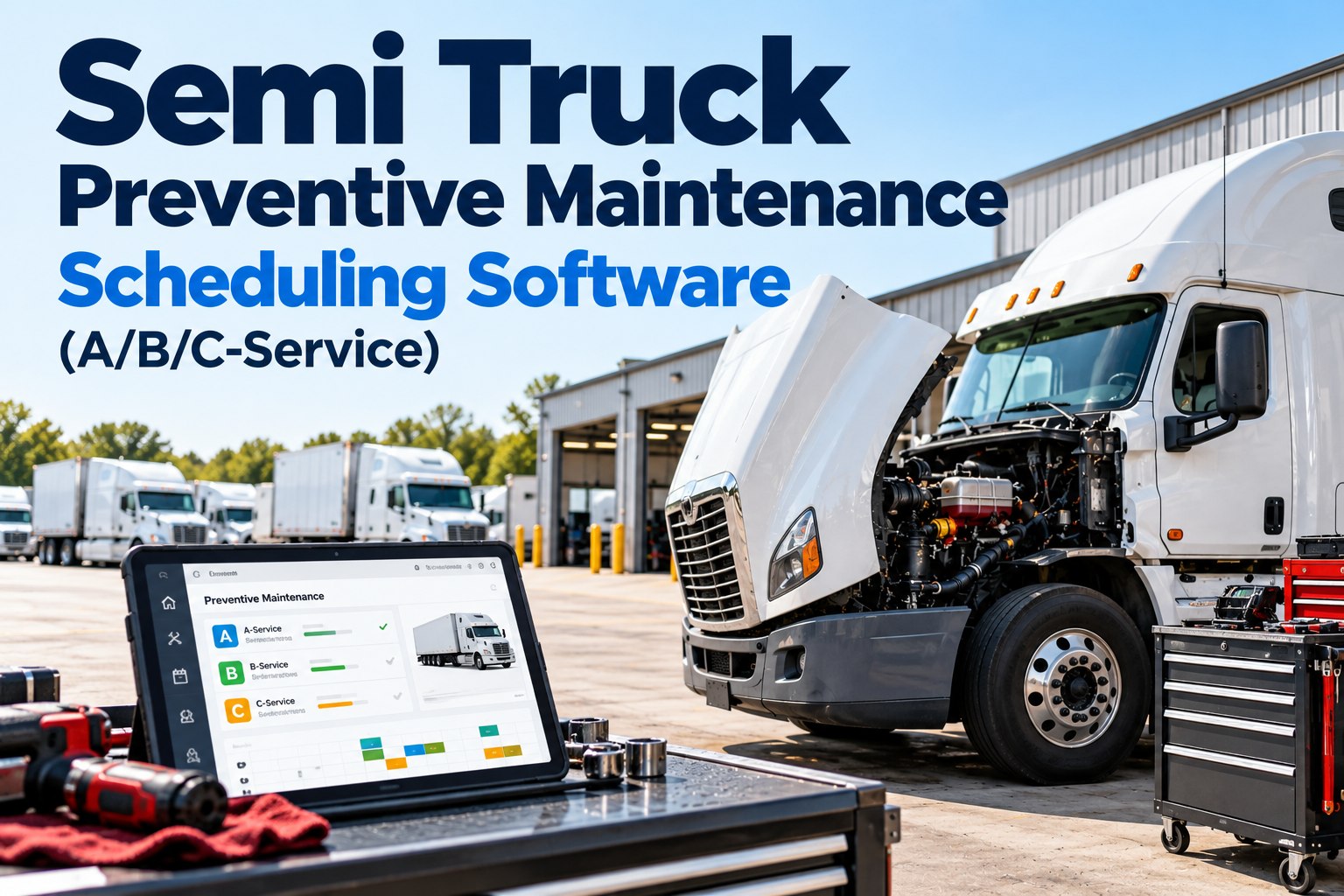
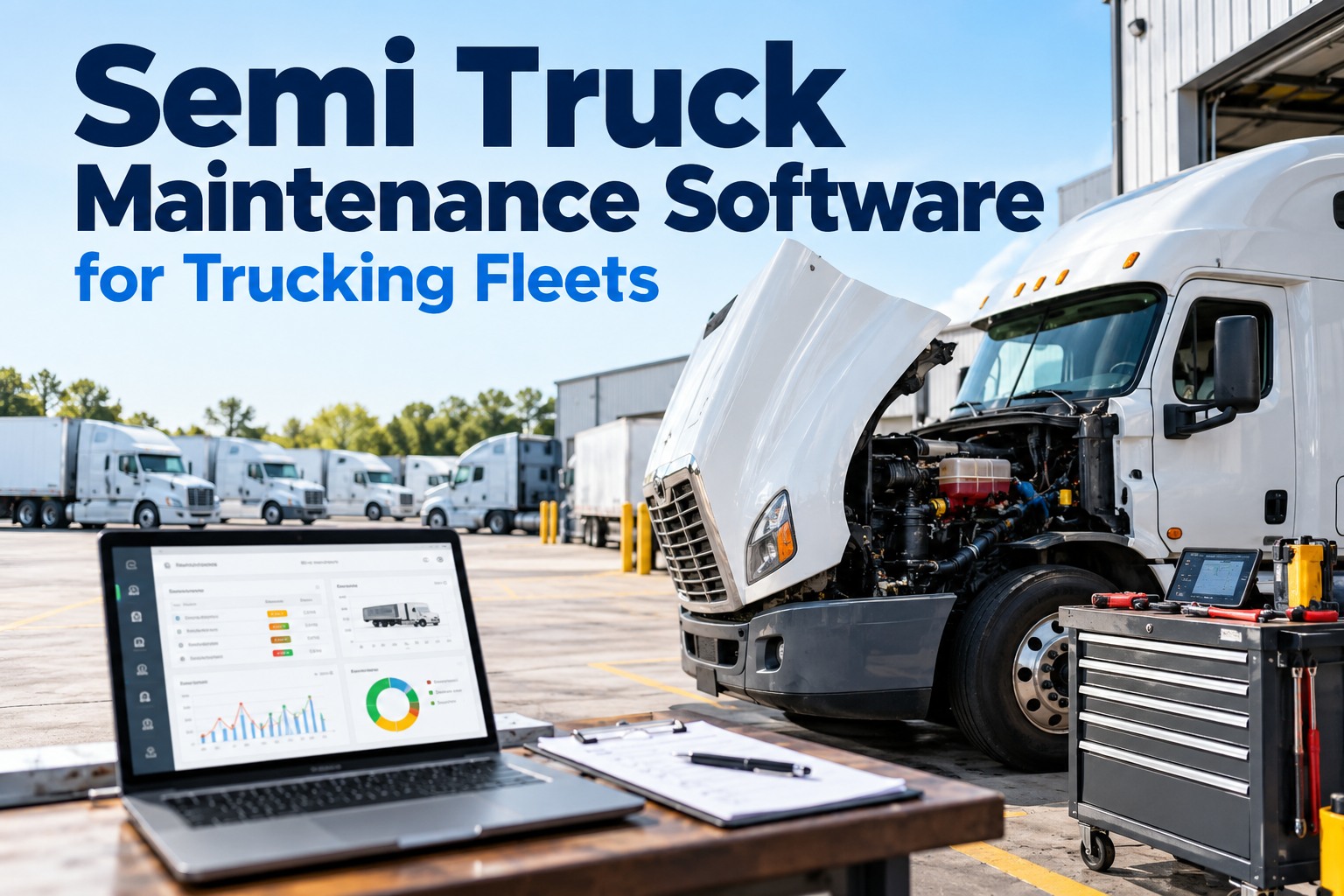
FleetRabbit tracks all maintenance intervals per vehicle — oil changes, tire rotations, filter replacements, DOT inspections — and sends automatic reminders to fleet managers and drivers when service is approaching. No more missed service windows. No more maintenance decisions based on memory. Every vehicle in your fleet maintained to specification without a full-time maintenance coordinator.
Digital DVIR and Inspection Management
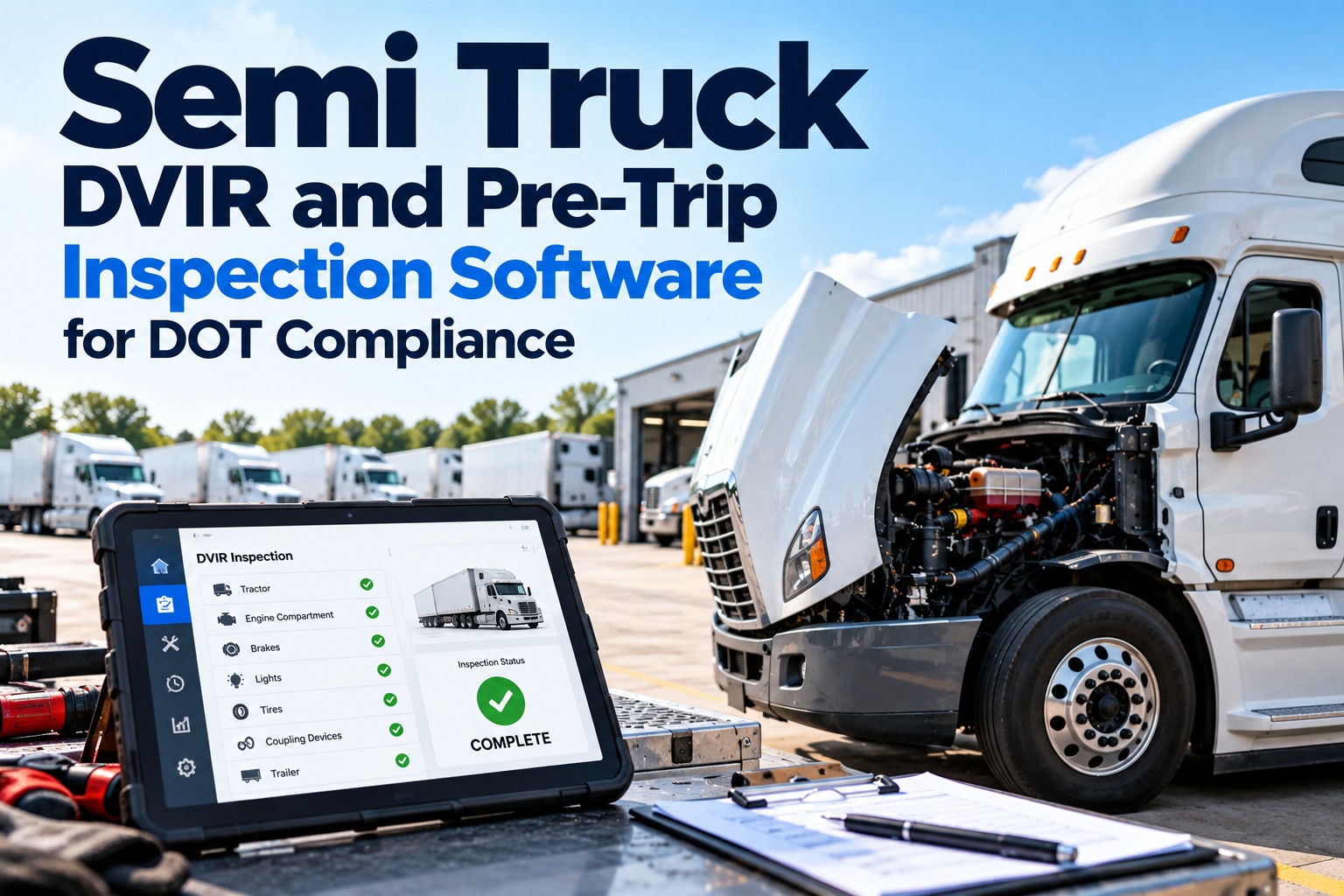
Standardized digital inspection checklists replace paper DVIRs across your entire fleet. Drivers complete inspections on the FleetRabbit mobile app. Critical findings escalate automatically. Complete inspection history is maintained with timestamps and driver signatures — providing DOT-qualified documentation that stands audit scrutiny without manual record assembly.
Real-Time GPS Tracking and Dispatch Visibility
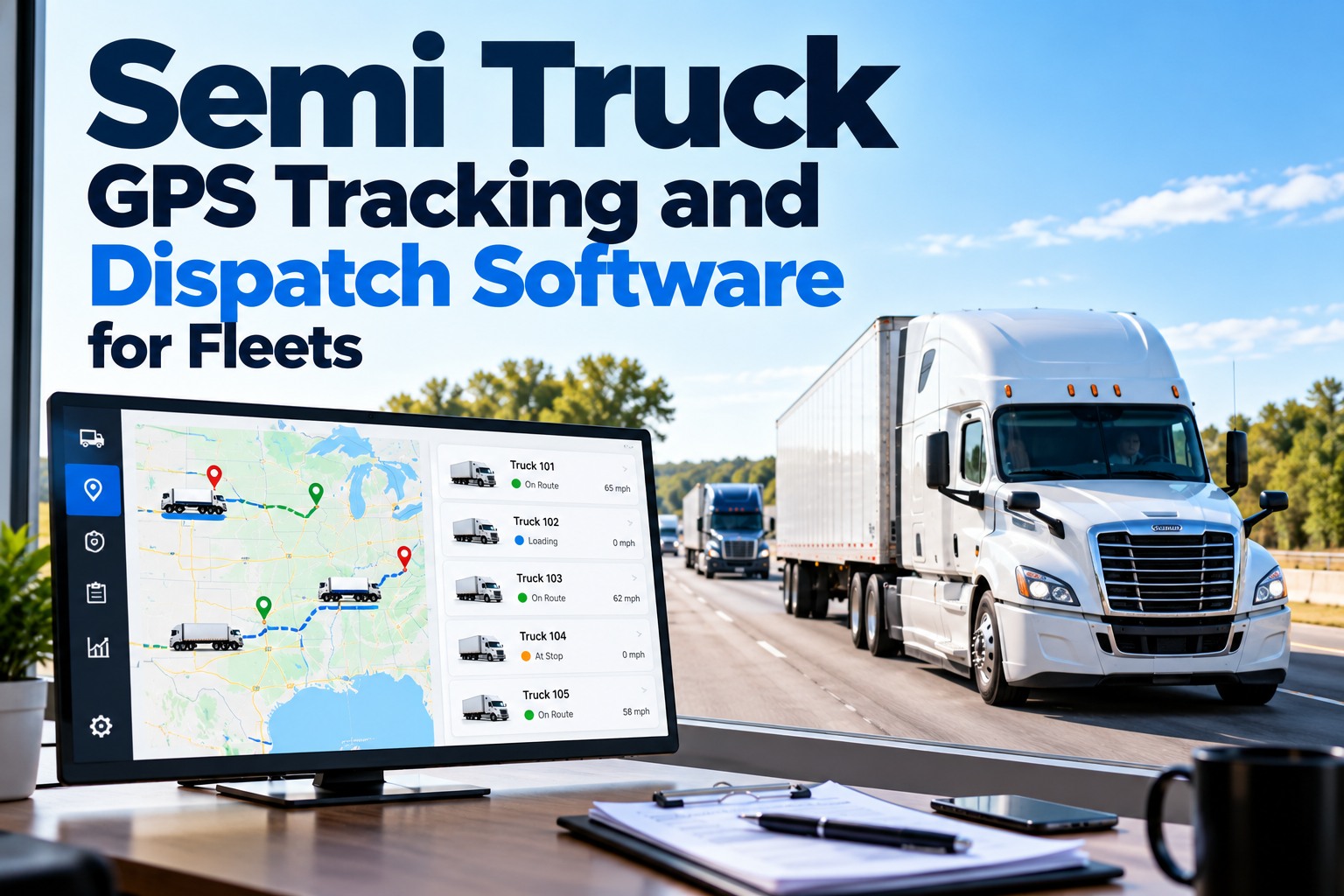
Live vehicle location across your entire fleet from a single dashboard. Dispatchers see truck positions, speeds, and ETAs in real time. Route deviations are flagged automatically. Customer-facing delivery status is always current. Management time spent on reactive location inquiries drops to near zero.
Driver Hours of Service (HOS) Monitoring
Fleet-level HOS compliance dashboard shows every driver's current status, remaining hours, and violation risk in real time. Dispatch decisions are made with full compliance awareness — before a driver is assigned a load that would force a violation. Pre-trip alerts notify drivers approaching daily or weekly limits before they become violations.
Fuel Efficiency Monitoring and Reporting
Per-vehicle fuel efficiency tracked continuously. Fleet-average and vehicle-specific MPG dashboards identify underperforming trucks and driver behavior patterns driving excessive fuel consumption. Monthly fuel cost reports provide actionable data for equipment replacement decisions, route optimization, and driver coaching targets.
Document and Compliance Management
Driver licenses, medical certificates, vehicle registrations, insurance documents, and IFTA records stored and tracked in FleetRabbit with automatic expiry alerts. Compliance coordinators eliminate the annual scramble during audit periods. Every required document maintained, current, and immediately retrievable from any device.

Join Small and Medium Trucking Companies Achieving 34% Better Fleet Efficiency With FleetRabbit

FleetRabbit is operational within 3 weeks — no IT department, no integration consultant, no implementation project required.

How FleetRabbit Scales With Your Trucking Business

The most common complaint trucking company owners have about fleet software is that they outgrow it — requiring a disruptive migration just as the business is gaining momentum. FleetRabbit's architecture scales from single-truck owner-operators to regional carriers with 150+ vehicles without platform migration, pricing jumps, or feature unlocks that change operational workflows.

5 – 25 Trucks
Growing Trucking Operation
GPS tracking and basic dispatch visibility
Preventive maintenance scheduling per vehicle
Digital DVIR with automatic escalation
HOS compliance dashboard for all drivers
Document expiry tracking and alerts
Mobile app for drivers and managers
Typical time-to-value: 2–3 weeks from activation to full operational visibility
76 – 150 Trucks
High-Growth Fleet Operation
Everything in Established tier, plus:
Multi-terminal operations management
Advanced predictive maintenance analytics
Fleet performance benchmarking by route and driver
Integration with TMS and dispatch software
Executive KPI dashboards with custom metrics
API access for custom data workflows
Structured for operational sophistication of carriers scaling toward enterprise without platform replacement

Implementation Guide: Getting Your Fleet On FleetRabbit in Three Weeks

Week 1
Account Setup and Vehicle Import
Fleet vehicle data, driver profiles, and existing maintenance schedules are imported. Telematics integrations connected. FleetRabbit support team guides the entire process — no IT expertise required from your side. Basic GPS tracking, dispatch visibility, and HOS monitoring are live by end of Week 1.
Week 2
Driver App Training and DVIR Launch
Drivers download the FleetRabbit mobile app and complete a guided orientation. Pre-trip and post-trip digital inspection workflows go live. Maintenance scheduling intervals are configured per vehicle based on OEM specifications and your actual service history. Compliance document tracking activated with expiry alert configuration.
Week 3
Full Operational Visibility and Executive Dashboard Configuration
Fleet manager and executive dashboards are configured to your specific KPI reporting requirements. First fuel efficiency baseline data available. Maintenance alerts triggered by mileage and time intervals for all vehicles. Compliance calendar fully populated. Full ROI measurement capabilities active.

Frequently Asked Questions: Fleet Software for Small and Medium Trucking Companies

Do I need to replace my current ELD system to use FleetRabbit?
No — FleetRabbit integrates with your existing ELD solution rather than replacing it. If your drivers are already using a compliant ELD, FleetRabbit ingests the HOS data and presents it in the fleet-level compliance dashboard without requiring drivers to change devices or apps. For fleets needing a complete ELD solution, FleetRabbit includes integrated HOS logging that meets FMCSA mandate requirements.
How much technical knowledge is required to implement FleetRabbit?
None. FleetRabbit's onboarding team handles all technical aspects of integration. Fleet managers can import vehicle data from a spreadsheet or have the team assist with data entry. Driver app setup takes under 10 minutes per device. The platform is designed for owner-operators and small fleet managers — not for IT departments. If you can use a smartphone, you can use FleetRabbit.
What is the minimum fleet size FleetRabbit supports effectively?
FleetRabbit delivers measurable value starting at as few as 5 vehicles — particularly for compliance management, DVIR automation, and maintenance scheduling. At 5–10 trucks, the platform eliminates manual spreadsheet maintenance scheduling and paper DVIR processes that create audit liability for small fleets. The ROI case is strongest between 15 and 100 vehicles where maintenance and compliance complexity outpace manual management capacity.
Can FleetRabbit help with IFTA reporting and fuel tax compliance?
Yes — FleetRabbit tracks mileage per state for all vehicles in your fleet, generating the data required for quarterly IFTA fuel tax reporting. Fleet managers can export state-by-state mileage reports formatted for IFTA submission. This eliminates the end-of-quarter scramble to reconstruct trip records and dramatically reduces the audit risk associated with manual IFTA calculations based on driver memory or paper logs.
How does FleetRabbit handle multi-terminal or multi-location operations?
FleetRabbit supports multi-location operations with location-segregated fleet views that allow terminal managers to see their specific vehicles while corporate-level users see the entire fleet. Maintenance schedules, compliance calendars, and driver rosters can be managed at the terminal level with roll-up reporting to the ownership or executive level. This structure scales as you add terminals without requiring separate platform instances or additional implementations.
What happens to our data if we grow beyond the platform's capabilities?
FleetRabbit is built to scale through growth to 500+ vehicles without platform migration. Your historical data, vehicle profiles, maintenance records, and compliance documentation is always accessible and exportable in standard formats. If you ever need to migrate to a different system — which FleetRabbit is designed to make unnecessary — complete data export is available at any time. No vendor lock-in on your operational data.

Ready to Run Your Trucking Fleet Like a Professional Operation?

Fleet management doesn't have to be complicated to be effective. FleetRabbit gives small and medium trucking companies the tools, visibility, and compliance automation that previously required a full operations team and enterprise budget. See how companies like yours achieve 34% better operational efficiency within 90 days.
Fleet Maintenance Scheduling Digital DVIR HOS Compliance GPS Tracking Fuel Monitoring Document Management

April 15, 2026 By Nathan Smith
All Posts

Share This Story, Choose Your Platform!

Latest Posts

Scroll