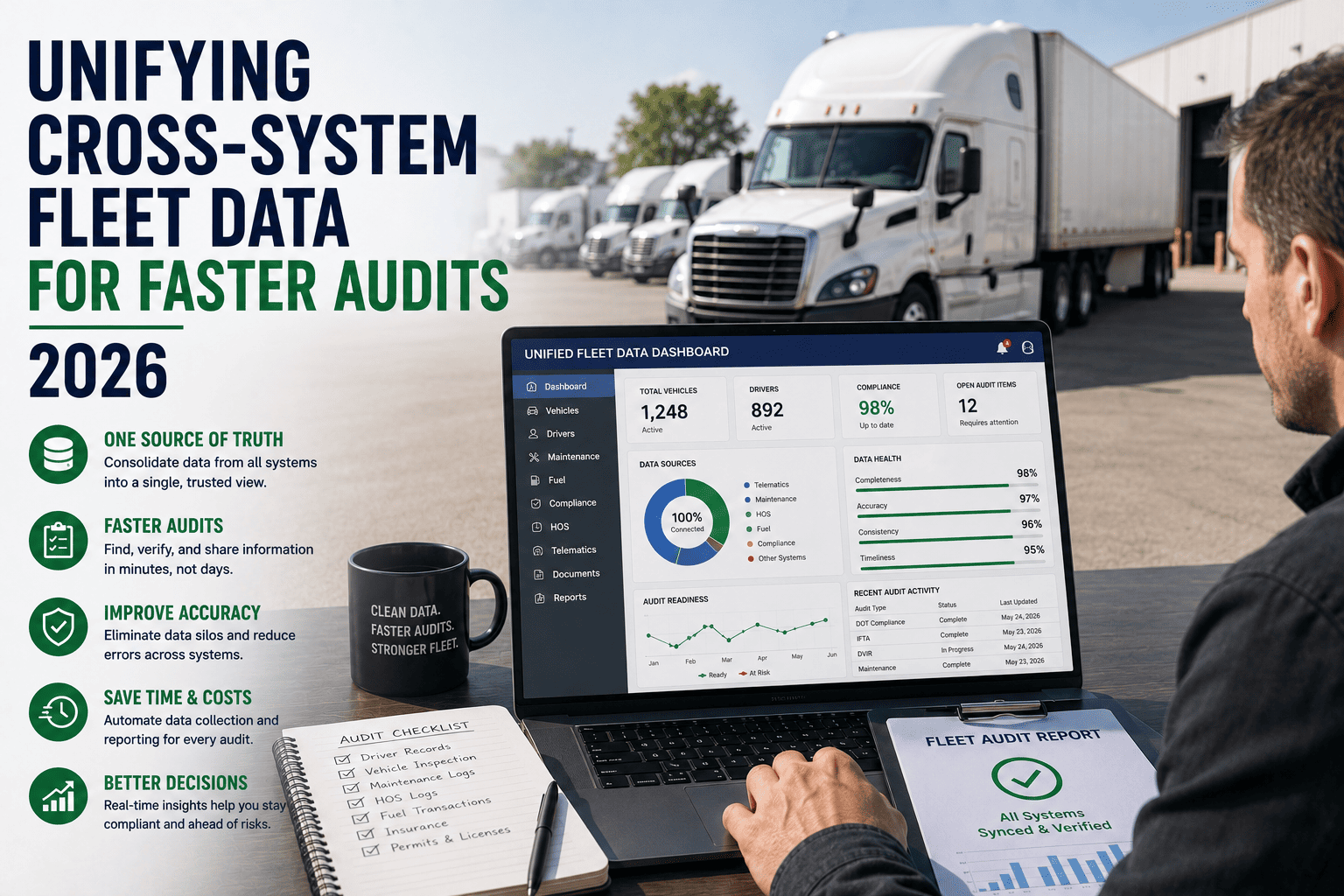
Refrigerated and specialty logistics operations face a fundamentally different management challenge than standard dry freight transportation. Temperature-sensitive cargo creates compliance and quality obligations that extend through every phase of the operation — from pre-trip reefer unit inspection through cargo loading, transit monitoring, and final delivery documentation. Specialty cargo categories including hazardous materials, oversized loads, and pharmaceuticals add regulatory complexity that standard fleet management tools cannot address. Organizations managing these operations without purpose-configured fleet software compound their operational risk with documentation gaps that create regulatory exposure, insurance liability, and customer relationship consequences. Book a demo to see how FleetRabbit's configurable fleet platform supports refrigerated and specialty logistics operations across your entire fleet.
Best Practices
Fleet Software for Refrigerated and Specialty Logistics: Cold Chain Management, Compliance Documentation, and Operational Excellence for Temperature-Controlled and Specialized Transportation
SPECIALIZED LOGISTICS & FLEET MANAGEMENT GUIDE
Refrigerated and Specialty Logistics Fleet Management: The Digital Platform Advantage in High-Compliance Transportation
The regulatory complexity, cargo liability exposure, and operational precision demands of refrigerated and specialty logistics require fleet management capabilities that go significantly beyond standard dry freight tools. FleetRabbit's configurable platform adapts to the specific inspection, documentation, maintenance, and compliance requirements of reefer fleets, hazmat carriers, oversized load operators, and pharmaceutical logistics providers — giving fleet managers and operations executives the structured digital infrastructure that high-compliance specialty transportation demands.
The Operational Stakes in Refrigerated and Specialty Logistics
The cost consequences of operational failures in refrigerated and specialty logistics are an order of magnitude higher than in standard dry freight transportation. A temperature excursion that compromises a full refrigerated trailer load of pharmaceutical product can result in cargo loss exceeding $500,000 and regulatory reporting obligations that trigger FDA investigation. A documentation gap in hazardous materials transport records creates criminal liability exposure for the carrier, not just financial penalty. An oversized load permit violation that results in bridge structural damage creates catastrophic liability that no standard commercial auto policy covers.
Refrigerated Cargo
Temperature Excursion Risk
$50,000–$500,000+
Cargo loss value for compromised loads of pharmaceuticals, premium food products, or temperature-sensitive industrial materials. Regulatory reporting and customer relationship consequences compound direct cargo loss.
Hazardous Materials
Documentation Non-Compliance
$10,000–$82,000+
PHMSA civil penalty exposure per violation for hazmat documentation deficiencies. Criminal liability potential for serious violations. Carrier reputation impact affecting shipper relationships and insurance renewal terms.
Oversized Load
Permit and Routing Violations
$5,000–$250,000+
Fine exposure plus infrastructure damage liability for oversized load routing or weight permit violations. Bridge damage claims can exceed insurance limits and create personal liability for carrier principals.
Pharmaceutical Logistics
GDP and DSCSA Documentation
FDA Investigation + Customer Loss
Good Distribution Practice documentation gaps trigger FDA regulatory inspection. Loss of pharmaceutical shipper relationships represents $1M+ annual revenue exposure for carriers dependent on this freight category.
Refrigerated Fleet Management: Cold Chain Integrity From Pre-Trip to Delivery
Cold chain integrity in refrigerated logistics is only as reliable as the documentation and monitoring system that tracks temperature compliance at every stage of the cargo's journey. Manual temperature logging — paper charts, hand-entered readings — creates documentation gaps that quality auditors and regulatory reviewers identify immediately. FleetRabbit's configurable inspection and documentation platform provides the structured digital workflows that maintain cold chain documentation integrity from trailer pre-conditioning through final delivery.
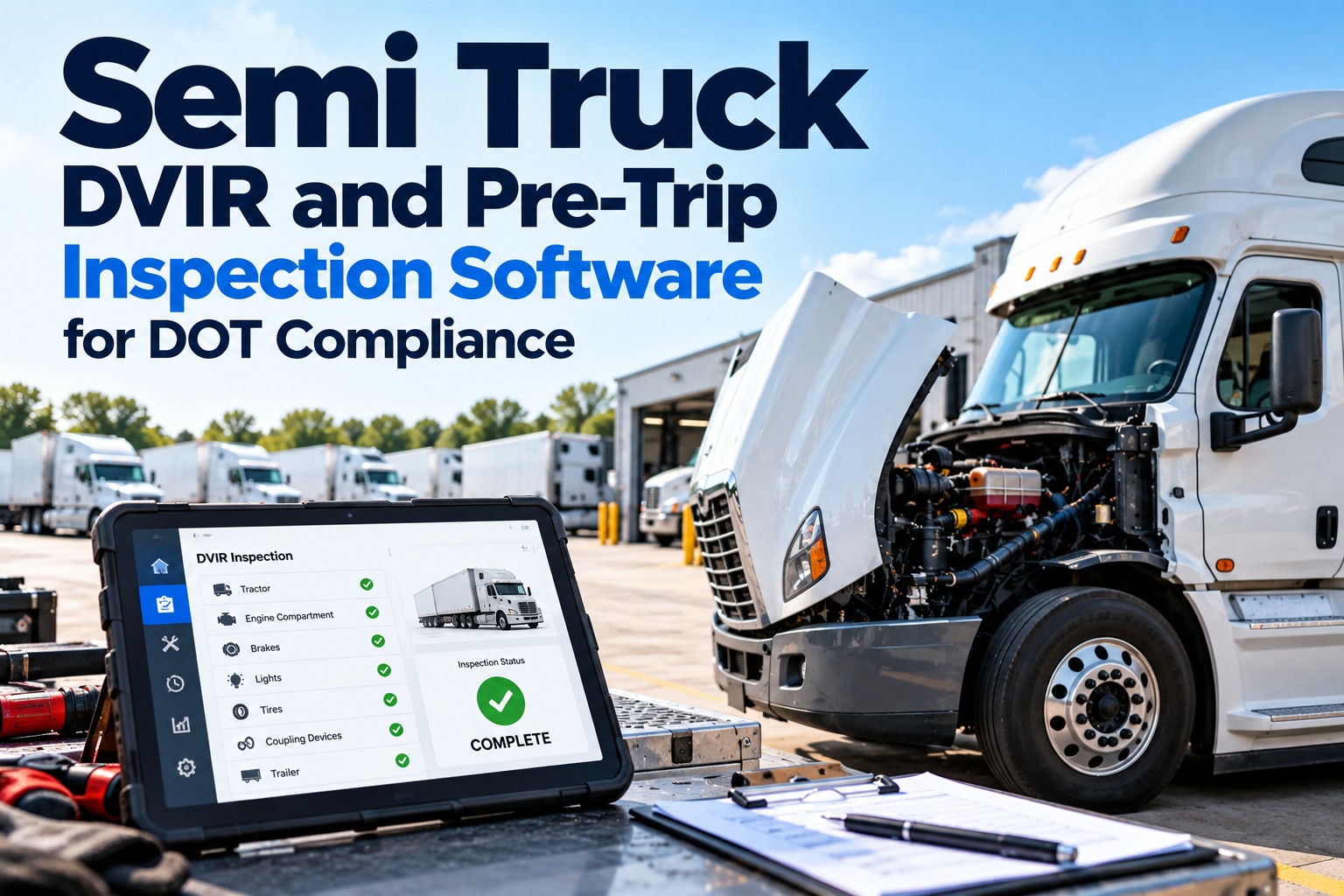
FleetRabbit's reefer fleet inspection checklists include reefer unit-specific items beyond standard trailer pre-trip requirements: fuel level for reefer unit, reefer unit operational status verification, set point confirmation against load specification, pre-cool temperature achievement confirmation, door seal condition, and unit hour meter reading. These items are captured digitally with driver signature and timestamp — creating a pre-departure cold chain record that meets customer quality audit and regulatory documentation requirements.
FleetRabbit: Reefer-specific DVIR checklist templates configurable to your specific unit types and customer cold chain documentation requirements.
Temperature at time of cargo loading is a critical cold chain documentation point — many temperature excursion disputes hinge on whether cargo was loaded at specification temperature or whether a deviation occurred at origin before carrier responsibility commenced. FleetRabbit's loading documentation workflow captures cargo temperature at loading, seal number applied at origin, and driver certification of cargo condition at acceptance — creating a documented transfer of custody record that protects the carrier's liability position in cargo damage disputes.
FleetRabbit: Loading checklist with cargo temperature capture, seal number recording, and driver certification for cold chain transfer-of-custody documentation.
FleetRabbit integrates with GPS and telematics providers that capture reefer unit performance data — temperature readings, set point status, and unit alarm events — in the fleet management platform. When integrated telematics data shows a temperature excursion event, FleetRabbit's alert system immediately notifies the dispatch team and fleet manager. Drivers receive in-cab notification through connected systems requiring them to investigate and document the event. The complete temperature monitoring record is available for cargo quality audit purposes at delivery and beyond.
FleetRabbit: GPS and telematics integration supporting reefer unit performance data capture and real-time temperature excursion alerting for connected fleets.
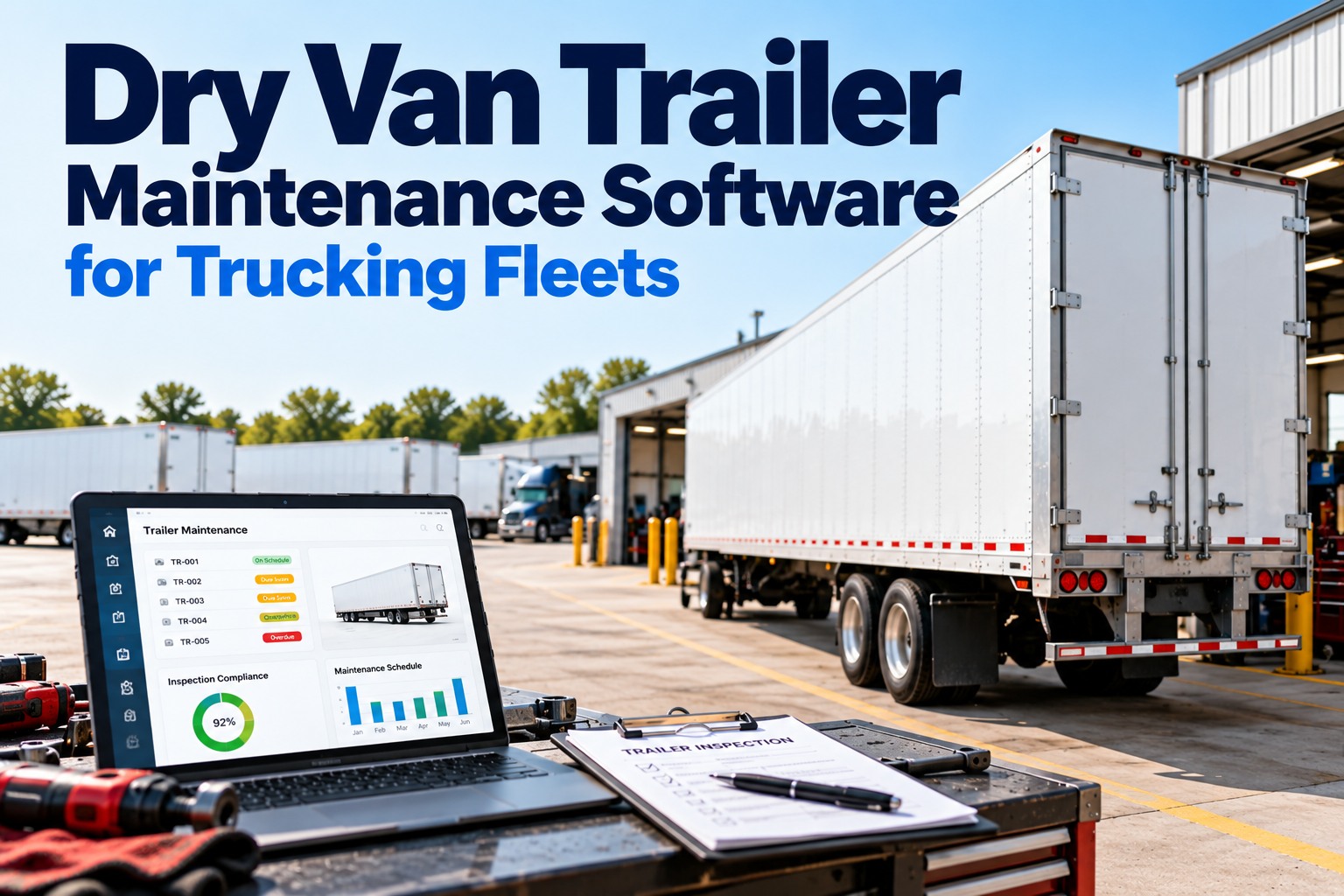
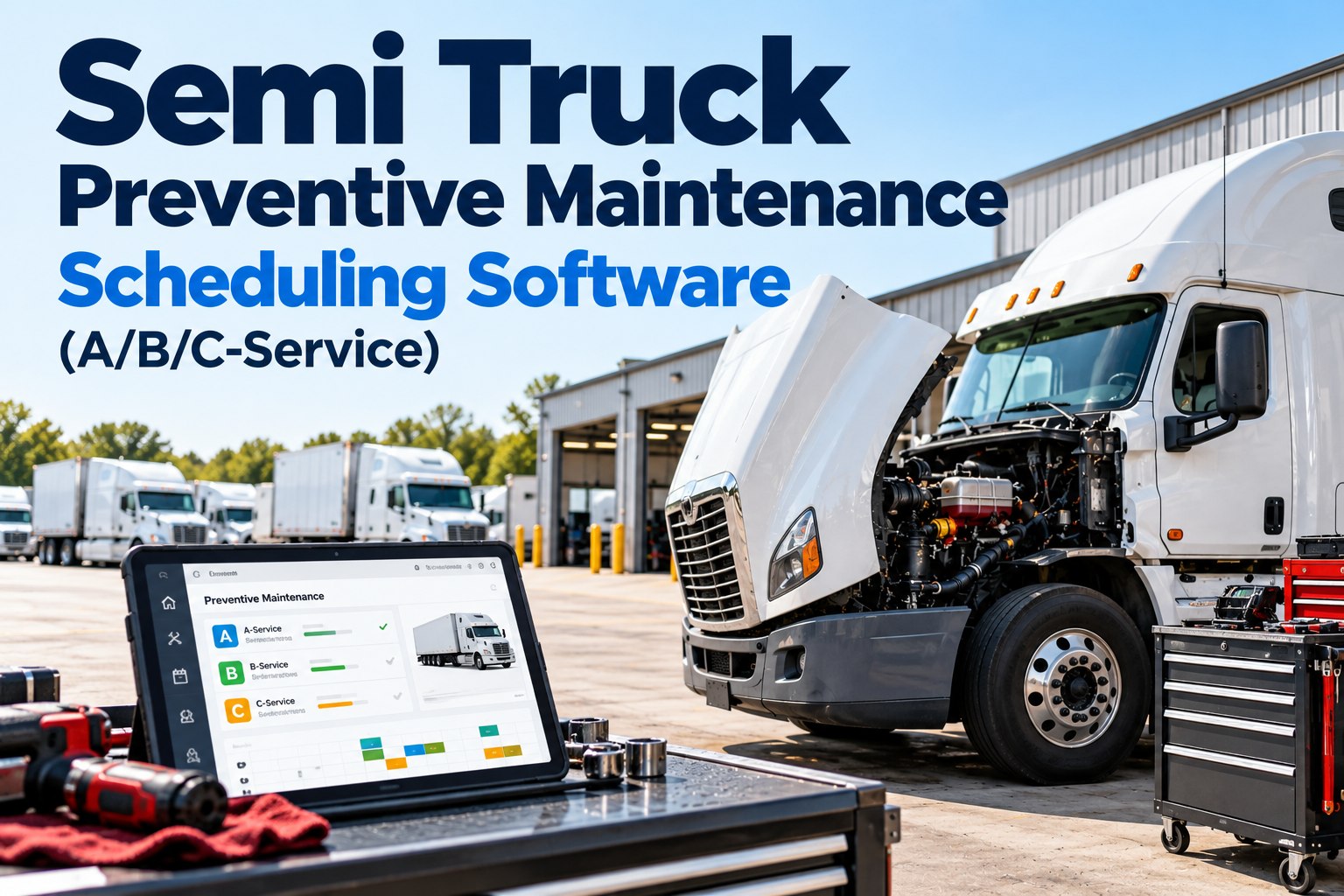
Refrigeration unit maintenance has different service interval requirements than tractor or trailer structural maintenance — governed by reefer unit hours of operation rather than vehicle mileage. FleetRabbit's PM scheduling module supports hour-based maintenance triggers for reefer units, ensuring that belt replacements, filter changes, and refrigerant system inspections are scheduled based on actual unit run time rather than vehicle mileage that bears no relationship to reefer unit operating wear. Reefer unit maintenance history is tracked separately within the trailer asset record for accurate lifecycle cost analysis.
FleetRabbit: Hour-based PM scheduling for reefer units with separate maintenance history tracking within trailer asset lifecycle records.
How FleetRabbit's Platform Adapts to Specialty Logistics Requirements
Configurable Inspection Checklists for Every Cargo Category
FleetRabbit's DVIR module supports unlimited custom inspection checklists organized by vehicle type, cargo category, and customer requirement. Hazmat loads trigger hazmat-specific pre-trip items. Pharmaceutical shipments require GDP documentation checklist completion before departure authorization. Oversized loads require permit verification and escort confirmation checklist items. Custom checklists ensure that drivers complete the specific inspection requirements relevant to each load type without relying on memory or informal training.
Driver Qualification and Certification Tracking for Specialty Operations
Specialty cargo operations require drivers with specific qualifications — hazmat endorsements for HM transport, specialized training certifications for pharmaceutical logistics, escort driving certification for oversized load operations. FleetRabbit's driver profile system maintains all qualification records, training completion certificates, and endorsement expiration dates. Dispatch integration prevents assignment of specialty loads to drivers without current required qualifications — eliminating the eligibility errors that create regulatory exposure and insurance voiding risk.
Customer-Specific Documentation Requirements
Major shippers in pharmaceutical, food service, and retail distribution categories impose carrier-specific documentation requirements that go beyond regulatory minimums — temperature logs in specific formats, chain-of-custody documentation signed at each transfer point, carrier compliance certifications updated annually. FleetRabbit's configurable document management system maintains customer-specific compliance documents against carrier and individual vehicle profiles, enabling systematic compliance with each customer's unique documentation obligations.
Incident and Deviation Documentation
Temperature deviations, cargo damage events, seal discrepancies, and security incidents in specialty logistics operations require structured documentation that meets both regulatory reporting obligations and customer quality management system requirements. FleetRabbit's incident documentation module captures structured records with mandatory fields, photo attachment capability, and timestamped driver certification — creating incident records that meet FDA, USDA, and customer quality audit documentation standards without requiring manual report assembly after the event.
Parts and Inventory for Specialty Equipment
Refrigerated fleets maintain critical spare parts inventory for reefer unit components — thermostatic controls, belts, fuel filters, and refrigerant supplies — that are not stocked in standard truck stop parts counters. If a reefer unit fails in a remote location without the correct spare components on hand, the cargo is at risk regardless of how quickly a technician arrives on site. FleetRabbit's parts and inventory module tracks specialty equipment spare parts against reefer unit maintenance schedules, ensuring critical components are available before they are needed.
Analytics for Specialty Fleet Optimization
Specialty fleet economics differ significantly from dry freight — reefer unit fuel consumption adds 15–25% to operating cost, specialty equipment commands different depreciation profiles, and compliance failure costs are far higher per incident. FleetRabbit's analytics module enables specialty fleet managers to track cost-per-mile by cargo category, reefer unit performance by asset, compliance documentation completion rates by driver and route, and equipment availability rates for refrigerated units separately from the general fleet pool.
Manage Your Refrigerated and Specialty Fleet With Purpose-Built Digital Tools
FleetRabbit's configurable platform adapts to the specific inspection, compliance, documentation, and maintenance requirements of refrigerated and specialty logistics operations — giving fleet managers the structured digital infrastructure that high-stakes specialty transportation demands. Book a demo to see FleetRabbit's specialty fleet management capabilities.
Compliance Checklist for Refrigerated and Specialty Fleet Operators
Use the following compliance requirements framework to assess your organization's current documentation posture across the primary specialty logistics regulatory dimensions. Each item represents a documentation obligation that FleetRabbit's platform supports through configurable inspection workflows, driver training records, and digital record archiving.
Cold Chain Documentation Requirements
Pre-trip reefer unit inspection record with temperature set point confirmation
FleetRabbit: Configurable reefer DVIR checklist with mandatory temperature set point field
Cargo loading temperature documentation with driver certification
FleetRabbit: Loading workflow with cargo temperature capture and digital driver certification
Continuous or interval temperature monitoring record with audit trail
FleetRabbit: Telematics integration for automated temperature monitoring data capture
Temperature excursion event documentation with deviation report
FleetRabbit: Incident documentation module with mandatory excursion reporting workflow
Delivery temperature confirmation with seal intact documentation
FleetRabbit: Post-trip delivery documentation with seal verification and temperature record
Driver Qualification Documentation
Hazmat endorsement current and valid for all HM transport drivers
FleetRabbit: Driver profile with endorsement expiration monitoring and dispatch eligibility enforcement
Specialty cargo training certifications maintained and current
FleetRabbit: Training certificate tracking with expiration alerts and recertification scheduling
Customer-required carrier compliance certifications on file and current
FleetRabbit: Document management with customer-specific compliance certificate tracking
Equipment Maintenance Documentation
Reefer unit PM service records with hour-based intervals documented
FleetRabbit: Hour-based PM scheduling with complete service history in reefer unit asset record
Refrigerant management records for environmental compliance
FleetRabbit: Configurable work order fields capture refrigerant usage and disposal documentation
Annual trailer inspection records current for all refrigerated trailers
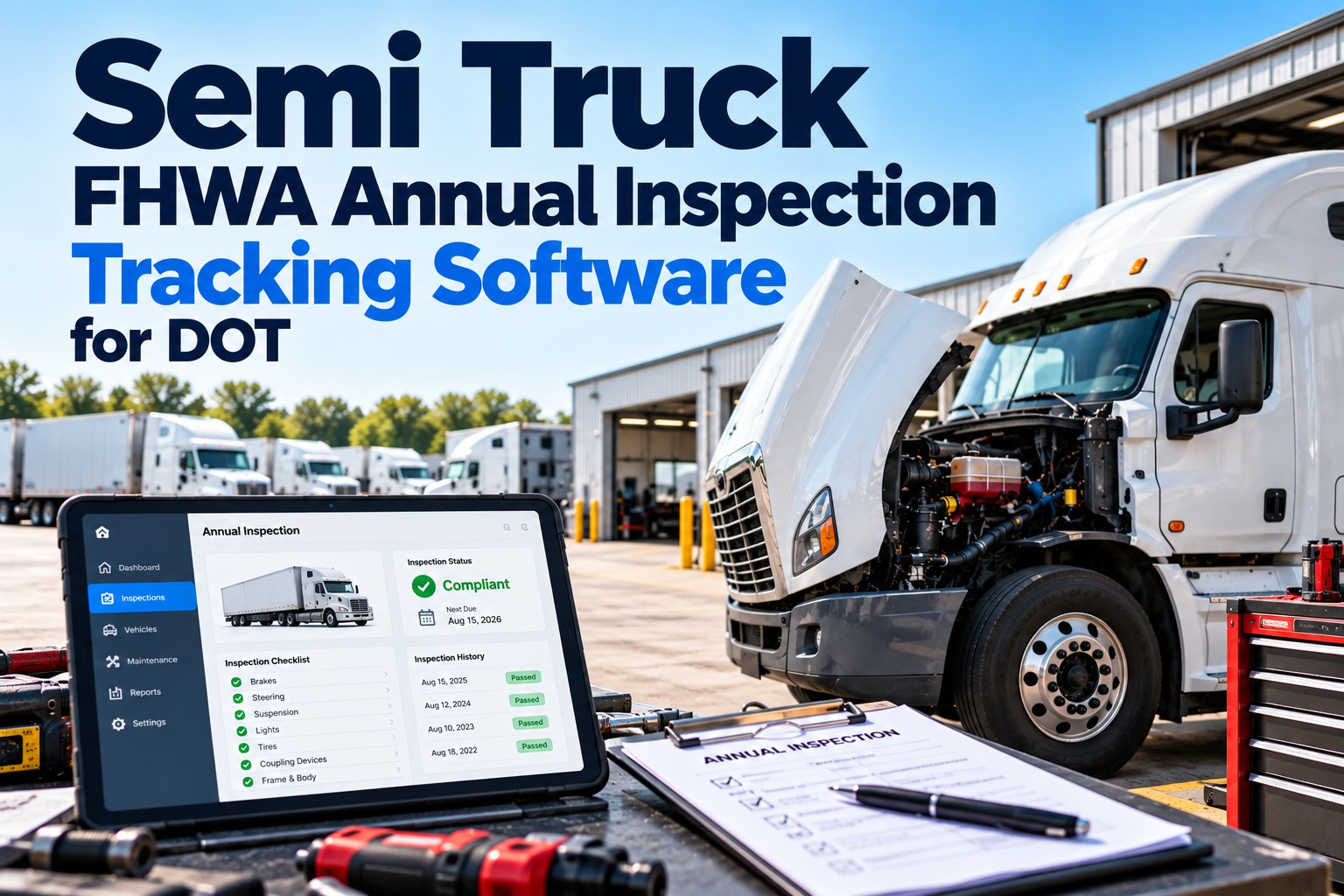
FleetRabbit: Annual inspection due date tracking with advance notification and completion archiving
Common Questions About Fleet Software for Refrigerated and Specialty Logistics
QCan FleetRabbit integrate with Thermo King, Carrier Transicold, or other reefer unit telematics systems?
FleetRabbit supports GPS and telematics integrations that can incorporate reefer unit performance data from telematics providers who capture refrigeration unit sensor data. Integration scope depends on the specific telematics provider and data API capabilities available in your fleet's telematics environment. During the FleetRabbit onboarding process, your implementation team reviews your current telematics setup and identifies available integration pathways for reefer unit data capture and temperature monitoring within the FleetRabbit platform.
QHow does FleetRabbit support pharmaceutical Good Distribution Practice documentation requirements?
FleetRabbit's configurable inspection and documentation platform can be configured to capture the specific documentation elements required for pharmaceutical GDP compliance — temperature monitoring records, chain-of-custody transfer documentation, vehicle qualification records, driver training certifications, and deviation reporting. The platform's digital archive with timestamp and user identity attribution meets the recordkeeping integrity requirements of GDP frameworks. Specific GDP documentation configuration is reviewed during the onboarding process with carriers serving pharmaceutical shipper customers.
QDoes FleetRabbit support oversized and overweight load permit management?
FleetRabbit's document management and inspection workflow system can be configured to incorporate permit documentation requirements into pre-dispatch checklists for oversized and overweight loads — including permit number recording, authorized route confirmation, and escort requirement verification. Driver qualification profiles can include oversized load operating certifications with expiration monitoring. Specific oversized load dispatch workflow configurations are reviewed with carriers who regularly manage permitted load operations during the FleetRabbit implementation process.
QHow does FleetRabbit handle fleet management for mixed operations — both dry van and refrigerated assets in the same fleet?
FleetRabbit's platform fully supports mixed fleet configurations where dry van, refrigerated, and specialty equipment are managed within the same organizational account. Each asset type is configured with its specific inspection checklists, maintenance schedule requirements, and documentation workflows. Fleet managers see unified performance reporting across all equipment types while drivers always receive the appropriate vehicle-specific inspection requirements for their assigned equipment. Mixed fleet visibility enables operations directors to assess asset utilization and availability across all equipment categories from a single dashboard.
QWhat reporting does FleetRabbit provide for customer quality audits in refrigerated logistics?
FleetRabbit's reporting module can generate documentation packages for customer quality audits that include: pre-trip inspection records for specified shipments, temperature monitoring summaries from integrated telematics data, driver qualification records for assigned drivers, vehicle maintenance and qualification records, and any incident or deviation reports associated with specific load records. Audit documentation can be filtered by shipment, vehicle, driver, or date range and exported in standard formats for customer quality management review.
Outcomes for Refrigerated and Specialty Fleet Operations
100%
Cold Chain Documentation Completeness
Digital workflows with mandatory field completion ensure that every required cold chain documentation element is captured for every load — eliminating the selective record-keeping gaps that create audit exposure.
Zero
Unqualified Driver Dispatch Events
Driver qualification integration in dispatch workflows prevents specialty load assignment to drivers with lapsed endorsements, expired certifications, or missing customer-required training credentials.
Instant
Temperature Excursion Alert Response
Telematics integration enables real-time temperature excursion alerts — giving operations teams the earliest possible notification to intervene before cargo is compromised beyond salvageability.
Configurable
To Every Specialty Cargo Category
FleetRabbit's inspection, documentation, and maintenance workflows adapt to pharmaceutical, hazmat, oversized, food service, and any other specialty cargo operation through configurable platform architecture.
Conclusion: Specialty Logistics Demands Specialty Fleet Management
The gap between what refrigerated and specialty logistics operations require and what standard fleet management tools provide is not a minor feature gap — it is a fundamental misalignment of capability to operational complexity. Documentation standards, compliance obligations, equipment maintenance requirements, and cargo liability exposure in specialty logistics all exceed what generic fleet management platforms are designed to address.
FleetRabbit's configurable platform bridges this gap by providing the digital infrastructure, workflow customization, and documentation capabilities that refrigerated and specialty logistics operations require to manage compliantly, efficiently, and with the operational confidence that high-stakes specialty transportation demands. Fleet managers who invest in purpose-configured fleet management tools for their specialty operations reduce compliance exposure, improve customer audit outcomes, and protect the specialized service relationships that drive premium revenue for high-capability transportation operators.
Configure FleetRabbit for Your Refrigerated and Specialty Fleet
FleetRabbit's adaptable platform gives refrigerated and specialty logistics operators the configurable inspection workflows, compliance documentation tools, and equipment maintenance management capabilities that high-stakes specialty transportation operations require. See how leading reefer, hazmat, and specialty carriers use FleetRabbit to manage compliance, protect cargo quality, and maintain the documentation standards their customers and regulators demand.
Refrigerated Fleet Management
Cold Chain Compliance
Specialty Logistics
Temperature Monitoring
Hazmat Transport
April 16, 2026
By Jason Smirth
All Posts