GPS tracking shows you where your vehicles are. Telematics shows you everything about your vehicles — location, engine performance, driver behavior, fuel consumption, maintenance needs, and real-time operational intelligence. While many logistics companies treat GPS and telematics as interchangeable terms, they are fundamentally different technologies that serve distinct operational purposes. GPS is a location layer. Telematics is a complete operational intelligence system. Understanding the difference between these two tracking approaches is essential for transportation fleet managers making technology decisions that will impact fleet safety, cost management, compliance, and operational visibility for years to come.
GPS Tracking vs Telematics: Fundamentally Different Technologies for Fleet Operations
The distinction between GPS tracking and telematics often gets blurred in fleet management conversations, but the difference is clear when you examine what data each technology captures and how transportation companies use that data to make operational decisions. A GPS tracker tells you where a truck is right now. Telematics tells you where the truck is, what condition it is in, how it is being driven, what maintenance it needs, whether it is compliant with regulations, and what operational improvements will most directly reduce your fleet's cost per mile. The value difference between simple location awareness and comprehensive operational intelligence is the difference between reactive fleet management and intelligence-driven fleet operations.
Location Data Only
GPS tracking provides real-time vehicle location, trip history, geofencing alerts, and route verification. Useful for basic dispatch and stolen vehicle recovery.
Complete Vehicle Intelligence
Telematics captures location plus engine diagnostics, driver behavior, fuel efficiency, maintenance alerts, and performance metrics — delivering actionable intelligence for cost reduction and compliance.
GPS Hardware Focus
Traditional GPS systems emphasize hardware devices and connectivity management. Limited data analysis capability without additional platforms.
Telematics Platform Approach
Telematics integrates hardware sensors with cloud-based analytics, real-time alerts, predictive maintenance, and executive reporting — a complete fleet intelligence ecosystem.
What GPS Tracking Actually Does for Transportation Fleets
GPS tracking technology has been a fundamental component of fleet management for over two decades. At its core, GPS tracking uses satellite positioning to determine vehicle location, transmit that location to a central platform, and store historical location data that fleet managers can access through dashboards and reports. For basic fleet visibility requirements, GPS tracking delivers clear value. Dispatchers can see where available vehicles are located relative to pickup requests. Route verification confirms that drivers are following assigned routes rather than taking personal detours that extend trip time and increase fuel consumption. Geofencing provides alerts when vehicles enter or leave defined geographic zones. Stolen vehicle recovery systems use GPS location data to help law enforcement locate stolen trucks. For these specific use cases, GPS tracking is effective, proven technology that most transportation companies consider a baseline operational requirement.
GPS Tracking: The Right Choice When
Your primary requirement is location visibility and route verification. You operate primarily local or regional routes where driver behavior patterns are well-established. You need basic theft recovery capability. You are operating a small fleet where per-vehicle hardware and data costs must be minimized. Your drivers are highly experienced and manual oversight is sufficient for safety and compliance monitoring.
What Telematics Delivers That GPS Tracking Cannot
Telematics extends far beyond location tracking. The term "telematics" refers to the integration of telecommunications and informatics — capturing data from vehicle systems, transmitting that data to cloud infrastructure, analyzing patterns, and delivering actionable intelligence to fleet managers. A modern telematics platform connects to vehicle diagnostic systems (OBD-II interfaces for vehicles manufactured after 2008), captures real-time engine data, driver interaction data, maintenance sensor data, and fuel system data, then processes that information through analytics algorithms that identify performance patterns, predict maintenance needs, calculate fuel efficiency scores, and flag safety or compliance concerns that require immediate attention. The operational value of telematics extends far beyond location awareness — it touches every aspect of how modern transportation companies manage costs, ensure compliance, and reduce operational risk.
Engine Diagnostics and Health Monitoring
Telematics monitors engine temperature, oil pressure, battery voltage, transmission performance, and emissions system health in real time. Vehicles can be serviced before critical failures occur, reducing unexpected downtime and expensive roadside repairs. FleetRabbit's diagnostic integration captures engine codes and alerts maintenance teams to emerging issues before they impact operations.
Driver Behavior and Safety Scoring
Telematics tracks acceleration, braking, cornering, speed variation, and seatbelt usage patterns. Driver scores identify risky behaviors that increase accident probability and insurance costs. Safety interventions improve driver performance and reduce insurance premiums. FleetRabbit's driver scoring provides actionable feedback to improve safety outcomes.
Fuel Consumption and Efficiency Analytics
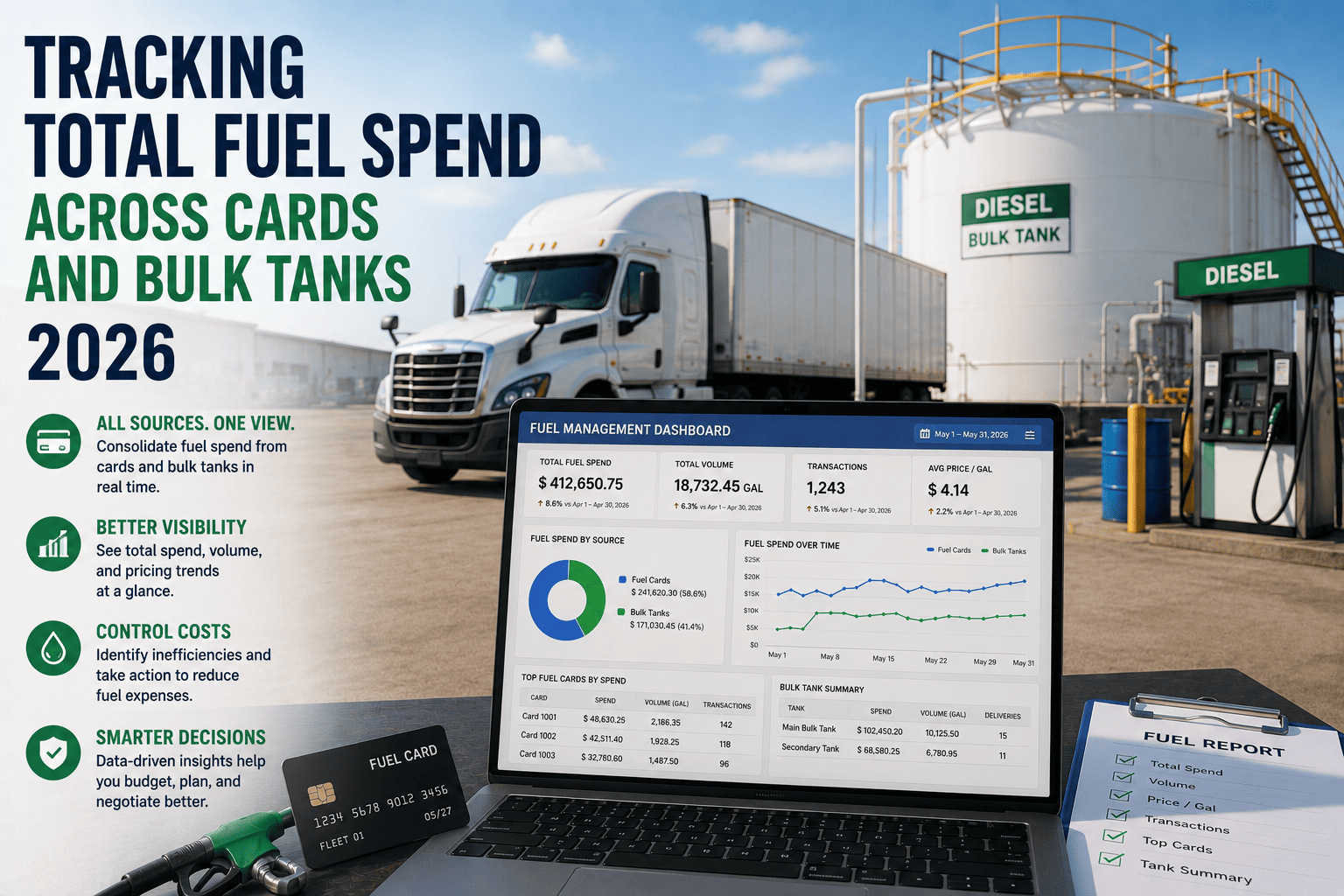
GPS shows distance traveled. Telematics shows how efficiently that distance was covered. Fuel economy data identifies inefficient driving patterns, poorly maintained vehicles, or route choices that increase consumption. Fleet-wide fuel optimization typically reduces fuel costs by 8-15% compared to GPS-only visibility.
Predictive Maintenance and Downtime Prevention
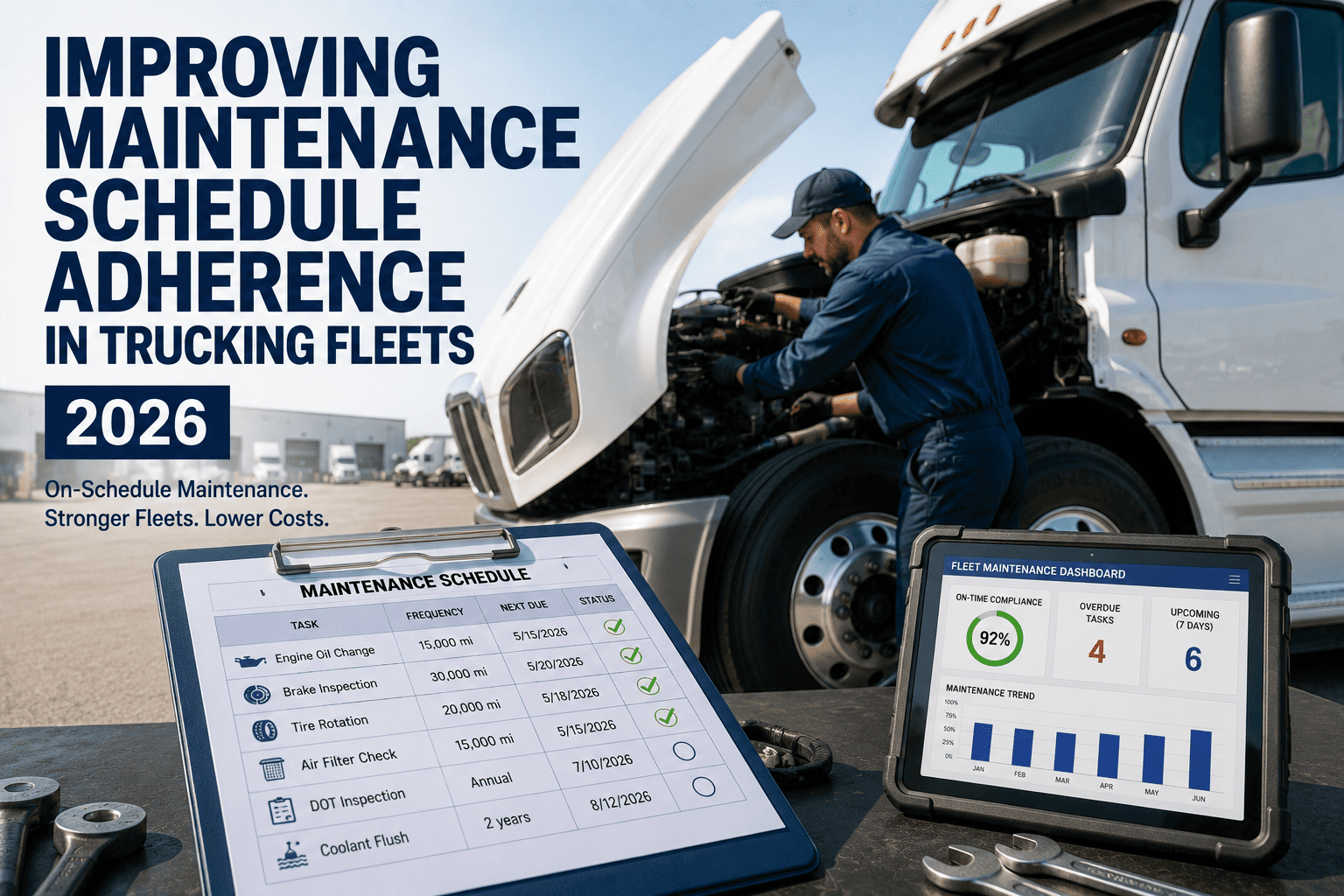
Telematics predicts maintenance needs before failures occur. Engine condition data, mileage patterns, and service history combine to forecast when vehicles need preventive maintenance. FleetRabbit's predictive maintenance alerts prevent unexpected breakdowns that disrupt operations and create emergency repair costs.
Hours of Service and Compliance Automation
Telematics integrates with ELD systems to monitor driver hours automatically. Dispatch teams receive alerts when drivers approach HOS limits. Compliance documentation is generated automatically. Manual HOS tracking and violation risk are eliminated. FleetRabbit's HOS integration ensures real-time compliance monitoring across your entire fleet.
Vehicle Utilization and Performance Metrics
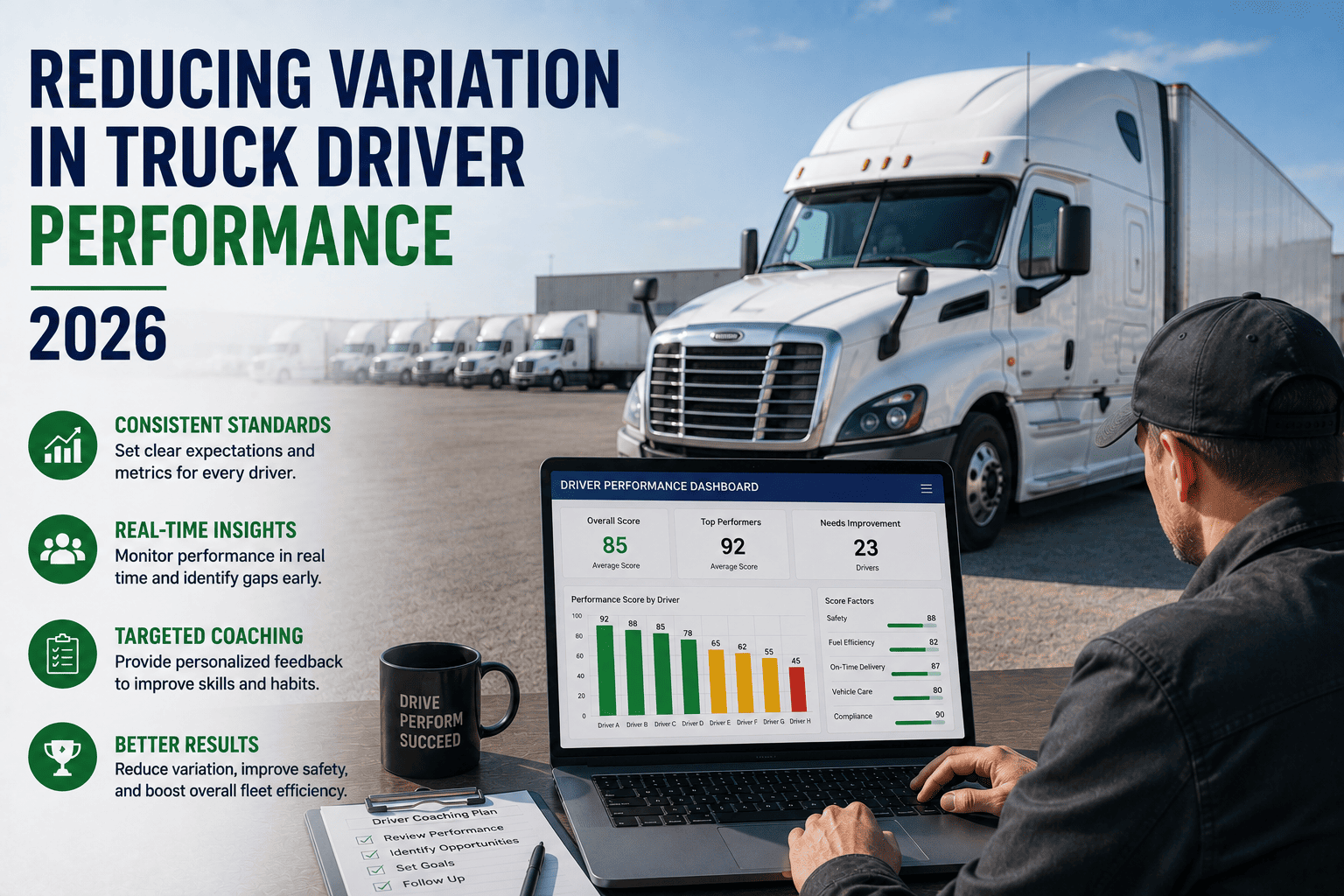
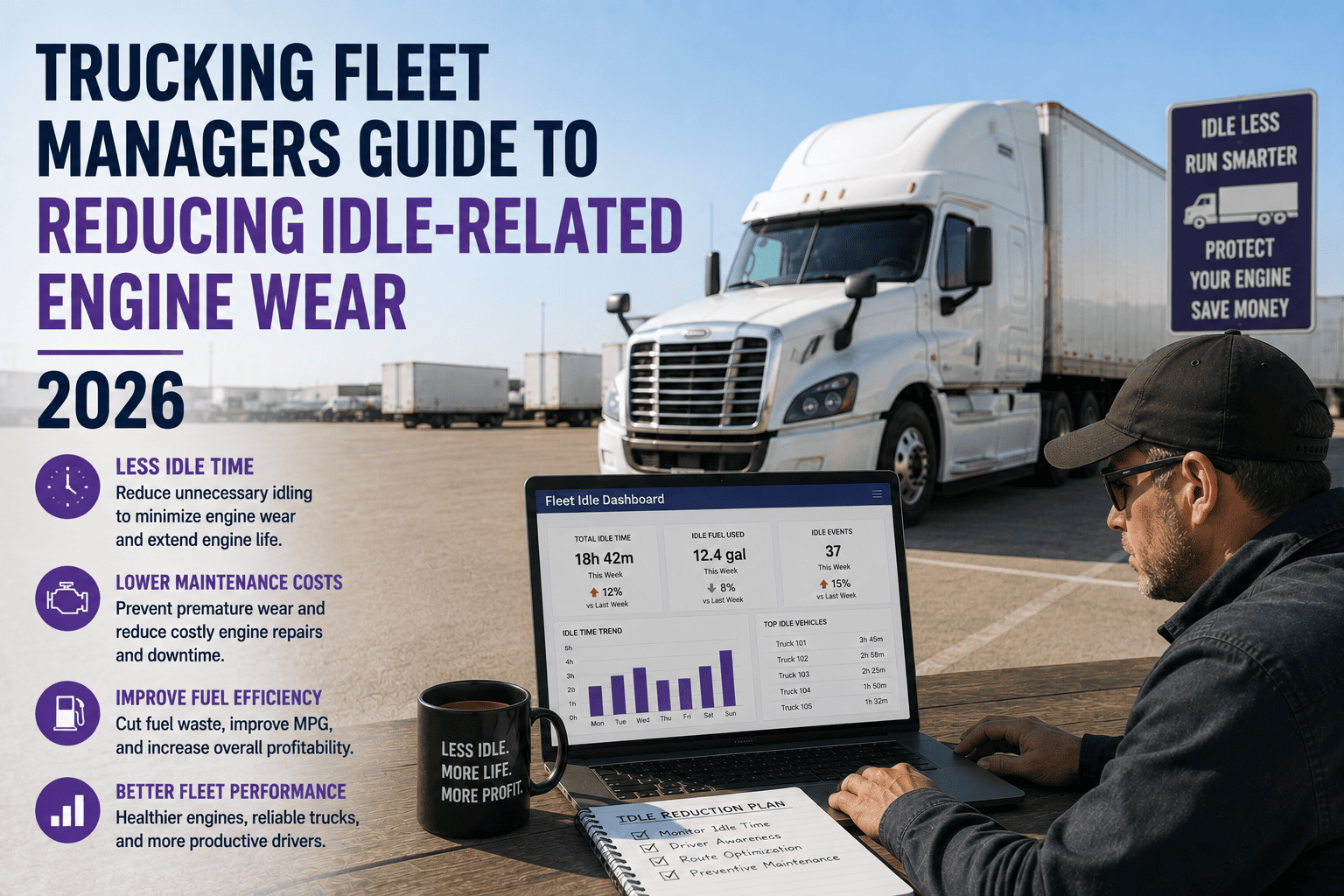
Telematics tracks idle time, active driving, vehicle utilization rates, and cost per mile by vehicle. Fleet managers identify underutilized assets, poorly performing vehicles, and opportunities to optimize the fleet composition. Data-driven decisions replace assumptions about vehicle productivity and profitability.
Direct Comparison: GPS Tracking vs Telematics for Transportation Fleets
Understanding how GPS and telematics differ across specific operational dimensions helps transportation company decision-makers evaluate which technology addresses their most critical fleet management challenges. The comparison below illustrates the capability gap between location-only tracking and comprehensive telematics intelligence across seven operational dimensions that directly impact fleet profitability and safety.
| Operational Dimension |
GPS Tracking |
Telematics Platform |
| Vehicle Location |
Real-time position, route history, geofencing |
Real-time position plus engine health, fuel efficiency, maintenance status |
| Vehicle Health |
No visibility into mechanical condition |
Real-time engine diagnostics, fluid levels, system alerts, predictive maintenance |
| Driver Safety |
Trip speed verification, basic route monitoring |
Acceleration, braking, cornering scores, seatbelt monitoring, safety coaching |
| Fuel Efficiency |
Distance calculation from routes traveled |
Real-time fuel consumption, efficiency scoring, optimization recommendations |
| Regulatory Compliance |
Limited documentation support |
Automated HOS monitoring, ELD integration, DVIR documentation, compliance reporting |
| Cost Per Mile Analysis |
Basic fuel cost estimates from distance |
Precise cost calculations including fuel, maintenance, depreciation, utilization |
| Integration with Other Systems |
Limited API capability, manual data entry required |
Open API, ELD integration, maintenance platform sync, accounting system connection |
Why This Matters for Your Fleet's Bottom Line
Transportation companies using GPS-only tracking typically incur higher costs across fuel, maintenance, and downtime compared to companies with comprehensive telematics visibility. The cost difference emerges because GPS tracking answers the question "where are my vehicles?" but cannot answer the critical operational questions that drive profitability: "How efficiently are they being driven?" "What maintenance is needed before they break down?" "Which drivers are creating safety and insurance risk?" "How can I reduce fuel costs?" Telematics answers all of these questions with real-time data and actionable intelligence that GPS tracking alone cannot provide.
Why Transportation Fleets Need Both GPS and Telematics
The question is not whether to choose GPS or telematics, but rather how to ensure your fleet has access to both location intelligence and operational intelligence within an integrated platform. Modern transportation operations require location visibility for dispatch efficiency and customer transparency. They equally require vehicle health monitoring, driver safety oversight, fuel efficiency optimization, and compliance automation. FleetRabbit integrates comprehensive GPS tracking with full telematics capabilities within a single unified platform, eliminating the need for multiple disconnected systems. Vehicles are tracked in real time while simultaneously capturing engine diagnostics, driver behavior data, fuel consumption metrics, and maintenance indicators that feed predictive maintenance algorithms and compliance automation workflows.
Dispatch and Route Optimization
GPS provides location awareness for intelligent dispatch decisions. Telematics adds driver availability data, vehicle condition status, and fuel level information to optimize which vehicle and driver should be assigned to each load for maximum efficiency and safety.
Cost Reduction Across Multiple Dimensions
GPS shows where vehicles are traveling. Telematics shows how efficiently they are traveling, what maintenance will prevent expensive repairs, and what driver coaching will reduce fuel consumption and insurance costs. The combined intelligence drives cost reduction across fuel, maintenance, insurance, and downtime.
Safety and Compliance as Integrated Functions
GPS verifies route compliance. Telematics monitors driver safety behaviors, tracks HOS compliance automatically, maintains DVIR documentation, and alerts managers to safety concerns in real time. Safety becomes a data-driven operational function rather than a documentation requirement.
Predictive Operations Management
GPS tracking is reactive — it shows what happened. Telematics is predictive — it forecasts what will happen. Maintenance needs are predicted before failures occur. Safety risks are identified before accidents happen. Resource needs are anticipated before shortages impact operations. Predictive intelligence enables proactive fleet management.
How FleetRabbit Integrates GPS Tracking and Telematics for Transportation Fleets
FleetRabbit's fleet management platform delivers both GPS location tracking and comprehensive telematics capability within a unified cloud-based system. Real-time vehicle location is captured and displayed through interactive maps and geofencing controls. Simultaneously, telematics data flows from vehicle diagnostic systems into the platform, where it is processed through analytics engines that calculate driver safety scores, predict maintenance needs, optimize fuel efficiency recommendations, monitor HOS compliance, and generate automated compliance documentation. Fleet managers access integrated dashboards that show vehicle location alongside vehicle health, driver performance, fuel efficiency, and maintenance status. The integration eliminates data silos and ensures that operational decisions are informed by complete intelligence rather than location awareness alone.
FleetRabbit's Integrated Approach
GPS tracking is built into FleetRabbit's core platform. Real-time vehicle location, trip history, route mapping, and geofencing controls are available on all plans. Additionally, FleetRabbit's telematics integration connects to vehicle OBD-II diagnostic systems, captures engine health data, driver behavior metrics, fuel consumption information, and maintenance predictors. The combination delivers complete fleet visibility with actionable intelligence that addresses the specific operational challenges transportation companies face: reducing downtime through predictive maintenance, reducing costs through fuel efficiency and driver optimization, and reducing risk through safety and compliance automation.
Frequently Asked Questions
What is the practical difference between GPS tracking and telematics for a 30-truck fleet?
GPS shows dispatcher where the 30 trucks are located for routing purposes. Telematics shows which trucks are about to need maintenance before failures occur, which drivers are creating safety risks, how efficiently fuel is being consumed across the fleet, and whether drivers are compliant with HOS regulations. For a 30-truck fleet, the operational and financial value of telematics intelligence typically exceeds the cost by a significant margin.
Can GPS tracking and telematics work together in the same system?
Yes. FleetRabbit integrates both GPS location tracking and comprehensive telematics capability within one unified platform. Real-time location data is paired with engine diagnostics, driver safety data, fuel metrics, and maintenance information, delivering integrated intelligence that neither technology provides independently.
Does telematics require special hardware in every vehicle?
Modern vehicles (2008 and later) have OBD-II diagnostic ports that telematics systems connect to without requiring additional hardware installation beyond a small connection device. FleetRabbit's telematics integration works with standard OBD-II ports on most commercial vehicles. For specific vehicle compatibility questions, contact FleetRabbit at Book a Demo.
How much does comprehensive telematics cost compared to basic GPS tracking?
FleetRabbit's pricing is structured on a per-vehicle basis that includes both GPS tracking and telematics capability. Basic GPS-only services typically cost $8-15 per vehicle monthly. Comprehensive telematics platforms cost more but deliver fuel savings, maintenance cost reduction, and safety improvements that typically exceed the software cost within 4-6 months of deployment.
What type of transportation operation benefits most from telematics?
Any fleet where fuel costs, maintenance expenses, or downtime represent significant operational expenses benefits from telematics intelligence. Long-haul trucking, regional carrier operations, and multi-stop delivery fleets typically see 10-20% operational cost reduction from comprehensive telematics compared to GPS-only tracking.
How do I get started with integrated GPS tracking and telematics through FleetRabbit?
Start with a free trial at Start Free Trial to explore GPS and telematics capability on your own fleet data. For detailed walkthrough of how the platform works for your specific fleet type, Book a Demo with FleetRabbit's team.
See How GPS and Telematics Work Together in FleetRabbit
Real-time location tracking combined with predictive maintenance, driver safety monitoring, fuel optimization, and compliance automation. One platform. Complete fleet intelligence. Request a personalized demonstration to see exactly how FleetRabbit's integrated GPS and telematics capabilities address your fleet's specific operational challenges.
Book a Demo
Start Free Trial
May 29, 2026
By Herry smith
All Posts
.png)