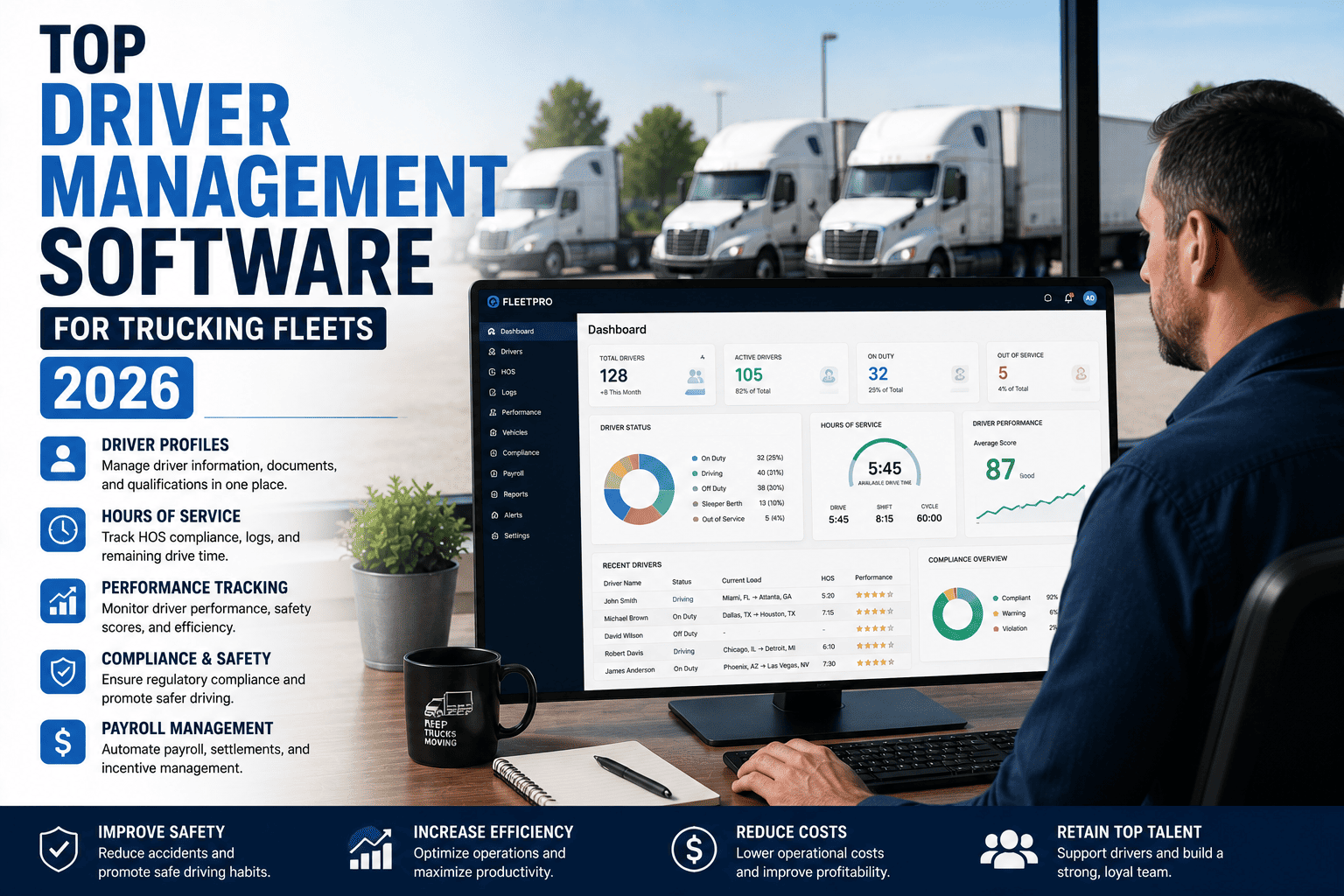
Ask most fleet managers what keeps them up at night and it's rarely the trucks. It's the drivers. Did someone's medical card quietly expire last week? Is a CDL renewal sitting unflagged in a filing cabinet? Is your best driver one bad week away from quitting because nobody's noticed they're struggling? Driver management software exists because a spreadsheet can't answer any of those questions fast enough to matter.
The Driver Lifecycle Most Fleets Manage Badly
Driver management isn't one task, it's a chain of them, and most fleets only have software for one or two links while the rest run on memory, sticky notes, and hope. A driver walks in the door, gets hired, gets qualified, drives for years, and either grows with you or leaves. Good software follows that entire arc instead of just one slice of it.
The Four Stages Software Needs to Cover
Why most fleets only have half the picture
It's common to have a telematics tool for stage three and a folder of PDFs for stage two, with no link between them. That gap is exactly where a driver with a great safety score still gets pulled out of service because nobody caught an expired medical card, and where a driver quietly heading for the exit never shows up on anyone's radar until they've already handed in their notice.
FleetRabbit connects qualification files, safety scores, and compliance deadlines so nothing falls through the cracks between departments. Sign up free to see your own driver roster mapped out this way, or book a demo if you'd rather walk through it live.
What Good Onboarding Software Actually Tracks
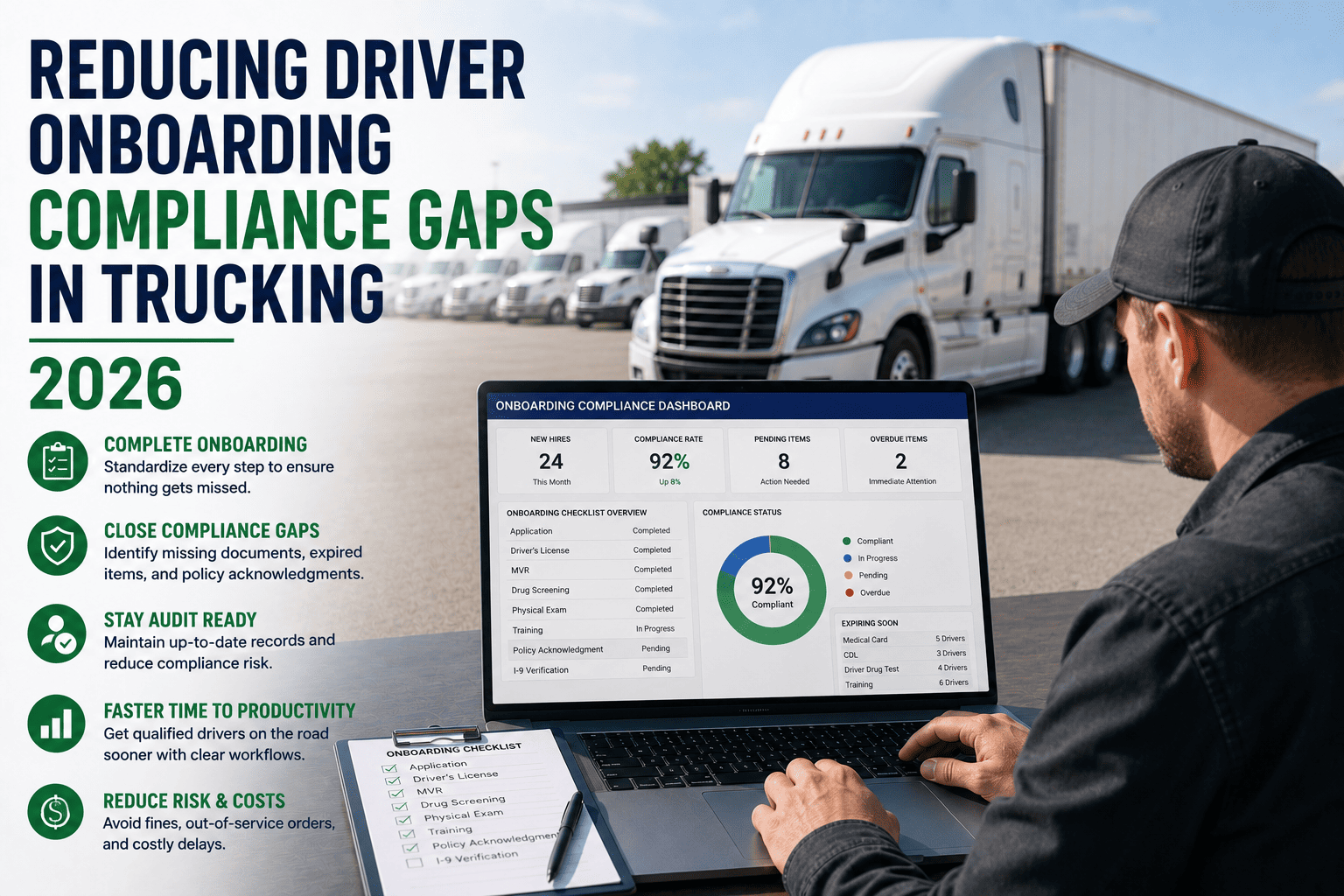
Onboarding is where compliance risk is born or avoided. FMCSA rules require a complete driver qualification file within 30 days of hire, and the file itself isn't one document, it's roughly eighteen separate pieces spanning pre-employment records, annual reviews, and ongoing testing. Auditors open this file first, and it's the one most often found short.
Keeping Qualification Files Audit-Ready Without Babysitting Them
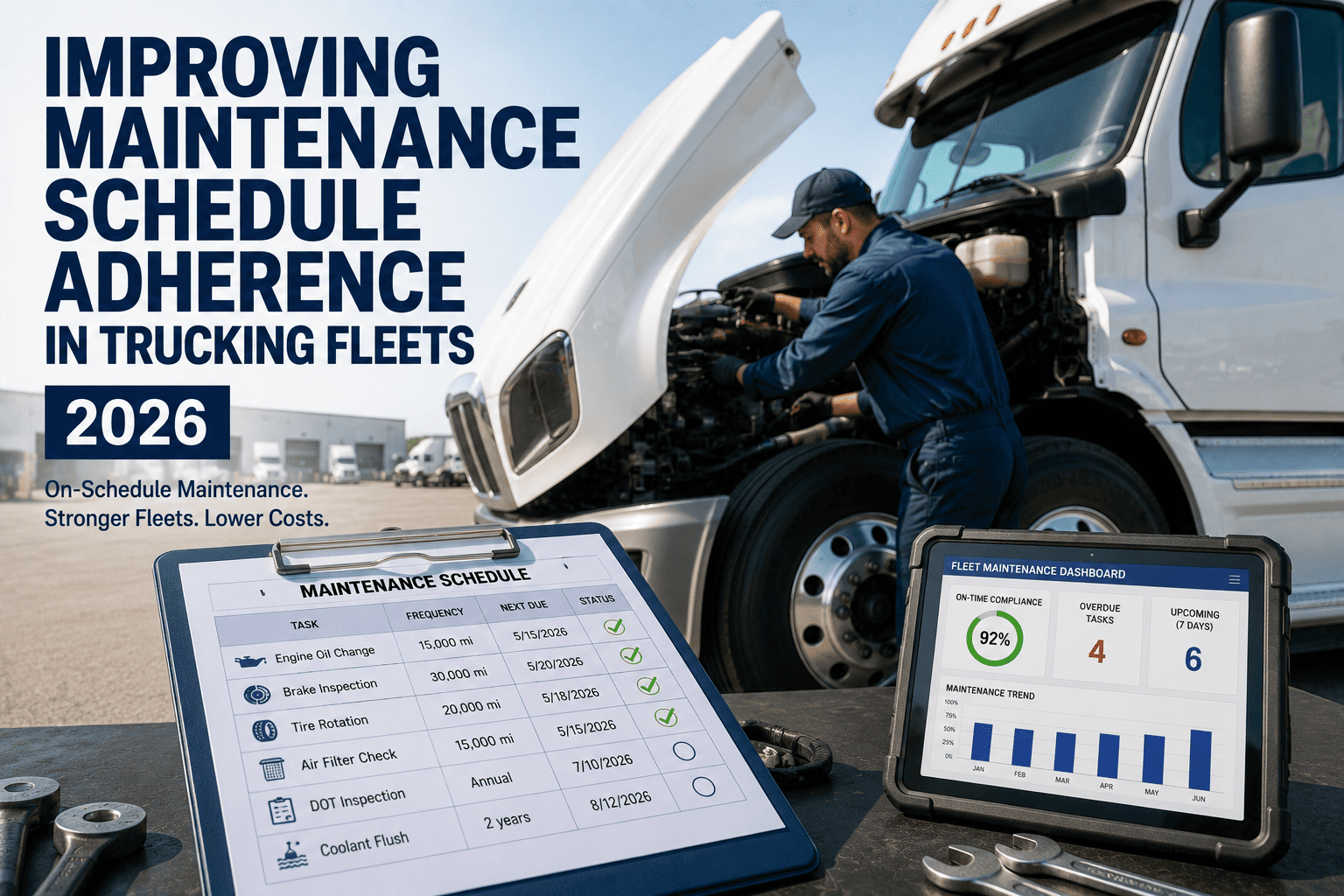
This is the part of driver management that quietly costs fleets the most money, not because it's complicated, but because it's tedious enough that humans forget it. Medical cards expire. CDLs need renewal. Annual clearinghouse queries are required for every currently employed CDL driver, and missed annual queries are one of the fastest-growing citation categories this year. None of these failures happen because a fleet didn't know the rule. They happen because nobody was watching the calendar.
What the Right System Does Differently
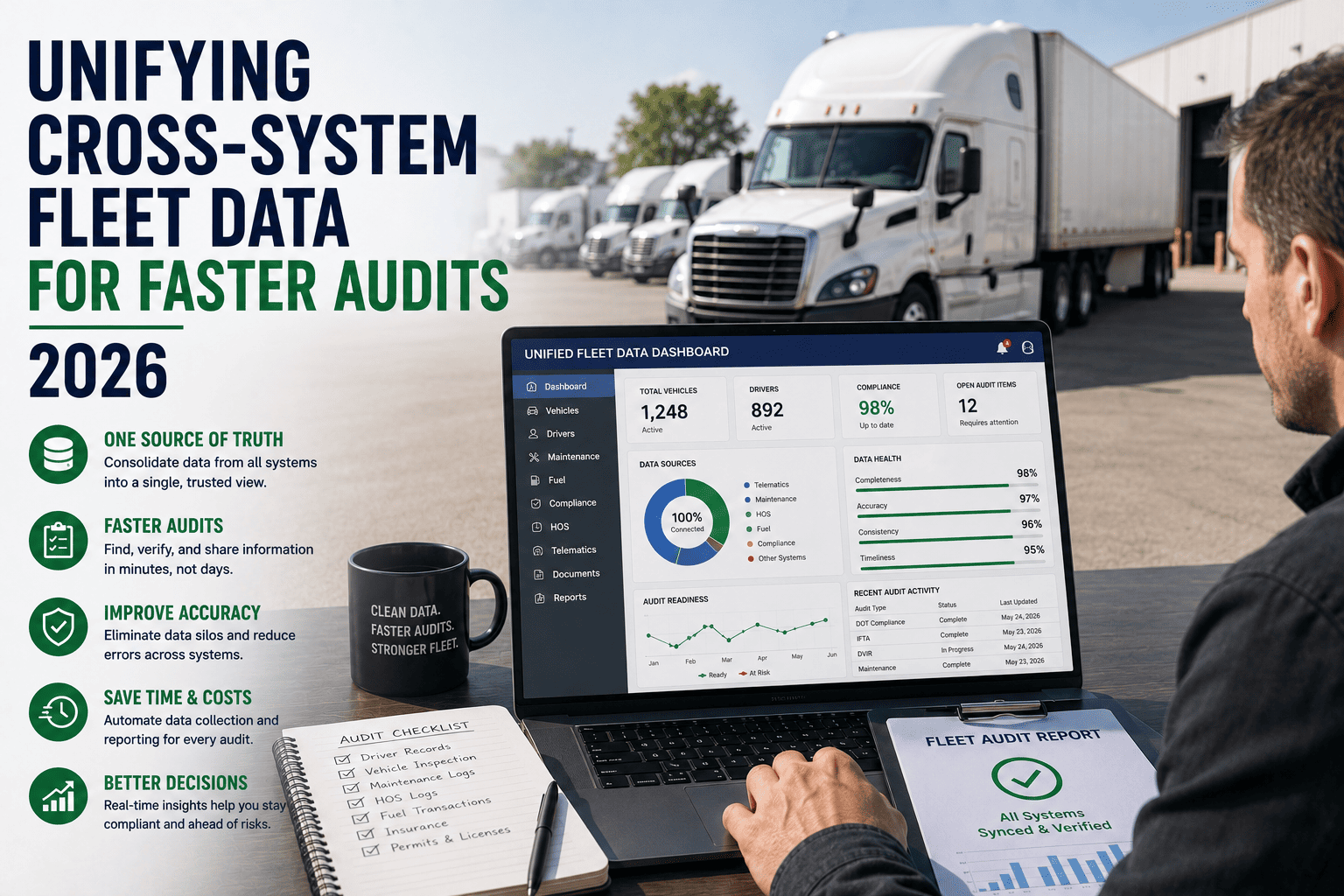
The fleets that stop scrambling before audits aren't doing more paperwork, they're doing the same paperwork on autopilot. A system that flags a medical card sixty days before it lapses gives you time to rebalance routes before a driver goes out of service, instead of finding out the morning dispatch tries to call them. Fleets using this kind of automated tracking report a 75 percent reduction in audit preparation time, turning what used to be a week of scrambling into a same-day report.
Turning Driver Behavior Into a Number Everyone Understands
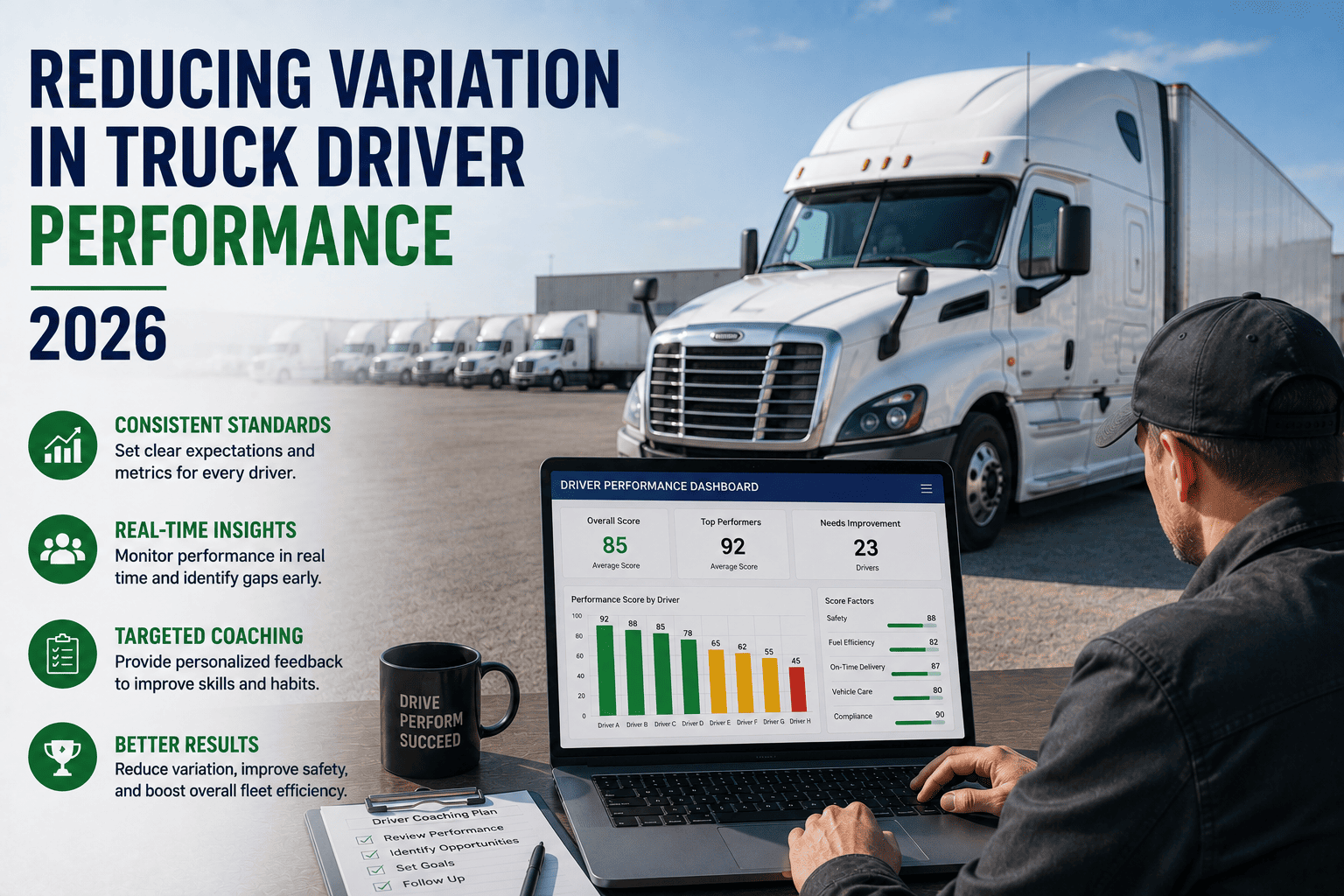
Hard braking, speeding, and following distance feel like vague impressions until they're scored. A driver scorecard takes everyday telematics events and weights them into a single figure, usually out of 100, that lets you compare drivers fairly and spot who needs a coaching conversation before that conversation gets forced by an accident report. Only about a third of fleets currently run a formal scorecard program. The rest are still managing safety by gut feeling and occasional ride-alongs.
What typically goes into the score
Most scoring models weight hard braking and acceleration most heavily, since braking events are the single strongest predictor of crash involvement across telematics studies, then layer in speeding violations, hours-of-service compliance, inspection completion, and sometimes fuel efficiency and idle time. The exact weighting matters less than having one consistent number, tracked the same way for every driver, every week.
| Scorecard Component | Typical Weight | Why It's Tracked |
|---|---|---|
| Hard Braking and Acceleration | 20-25% | Strongest single predictor of crash risk in commercial driving |
| Speeding Violations | 15-20% | Each increment over the limit sharply increases stopping distance |
| HOS Compliance | 15% | Fatigue-related violations carry both safety and legal exposure |
| Inspection Completion | 15% | Skipped DVIRs hide developing vehicle problems |
| Fuel Efficiency and Idle Time | 10-15% | Reflects both driving smoothness and cost discipline |
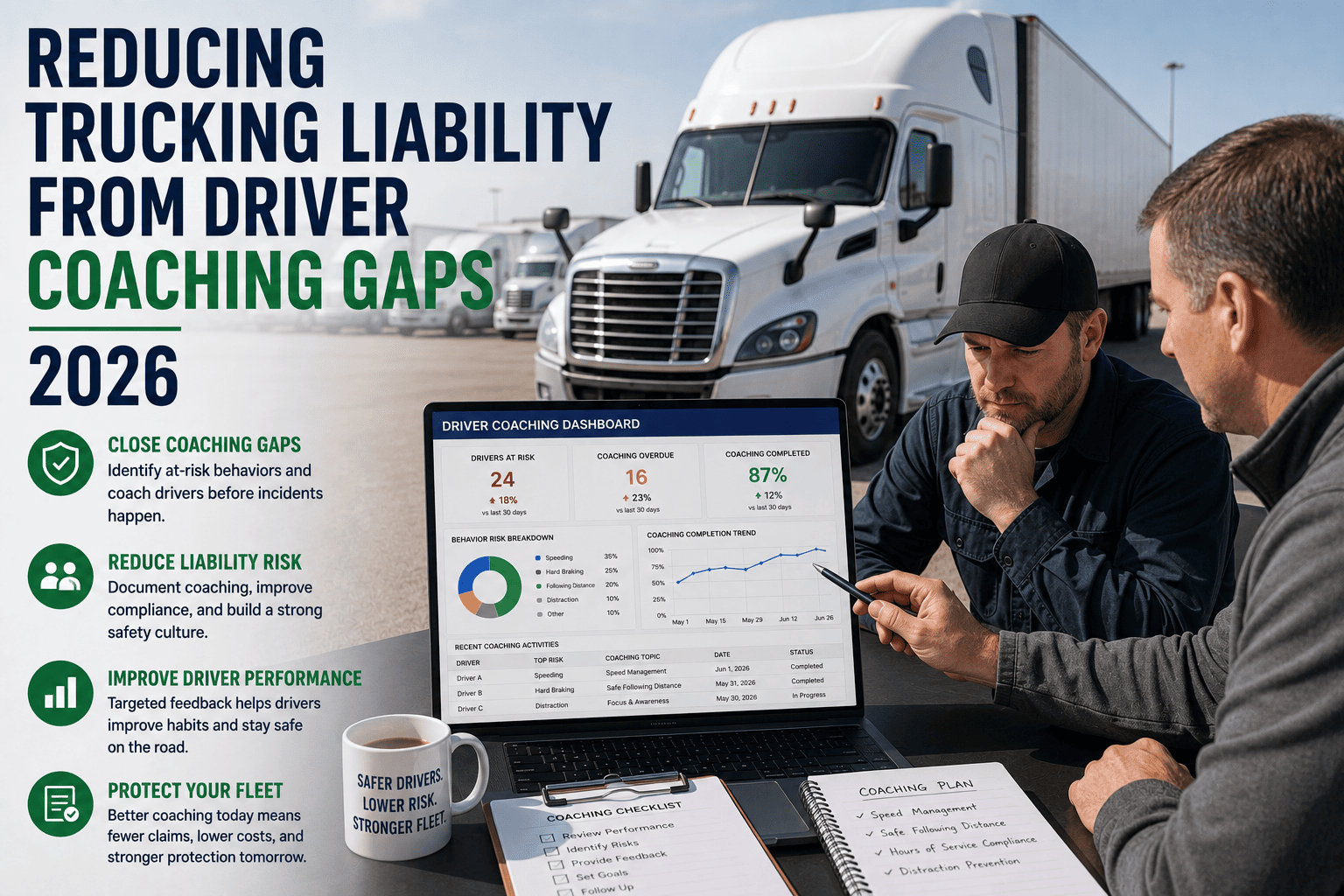
Fleets that actively track and coach on these scores see meaningful reductions in accident-related costs and lower insurance premiums within about eighteen months. More importantly, drivers in 2026 respond better to a system that shows them their number and lets them watch it improve than to a manager who only shows up after something has already gone wrong. You can sign up to see what a live scorecard looks like for your own roster.
FleetRabbit turns braking, speeding, and HOS data into one clear score per driver, with coaching prompts built right in. Book a 30-minute demo and we'll walk through a live scorecard for your fleet type.
Retention Is a Data Problem, Not Just an HR Problem
Replacing a single driver costs more than 12,000 dollars once recruiting, training, lost productivity, and the elevated accident risk of a brand-new hire's first ninety days are all added up. At 94 percent annual turnover for large truckload carriers, that's not a rounding error, it's one of the biggest line items most fleets never formally measure. The fleets winning the retention fight aren't paying more, they're noticing sooner.
Three Early Warning Signs Software Can Actually Catch
A driver whose safety score has quietly dropped over three weeks is often a driver who's tired, frustrated, or distracted, not a driver who suddenly forgot how to drive. A driver who stops volunteering for extra routes after months of taking them is telling you something before they tell HR. A driver whose HOS patterns shift toward maxing out every available hour might be chasing a paycheck that's no longer keeping up with their bills. None of these show up on a spreadsheet updated once a month. All of them show up immediately on a connected dashboard that's actually watching.
What to Look For Before You Buy
The market is full of point solutions that do one piece of this well and ignore the rest. Before committing budget, it's worth checking whether a platform actually connects the stages instead of just digitizing one of them in isolation.
Frequently Asked Questions
The Bottom Line
Driver management software earns its place when it stops treating onboarding, compliance, performance, and retention as four separate problems and starts treating them as one connected story about each person driving your trucks. A medical card expiring, a safety score slipping, and a driver quietly disengaging are all signals of the same underlying thing, a person who needs attention before a small problem becomes an expensive one.
The fleets that get ahead of this in 2026 aren't necessarily spending more on software. They're spending it on a system that actually connects the dots between departments that have historically never talked to each other.
FleetRabbit brings qualification files, compliance deadlines, and safety scorecards into one connected view, so nothing about your drivers slips through the cracks between departments.