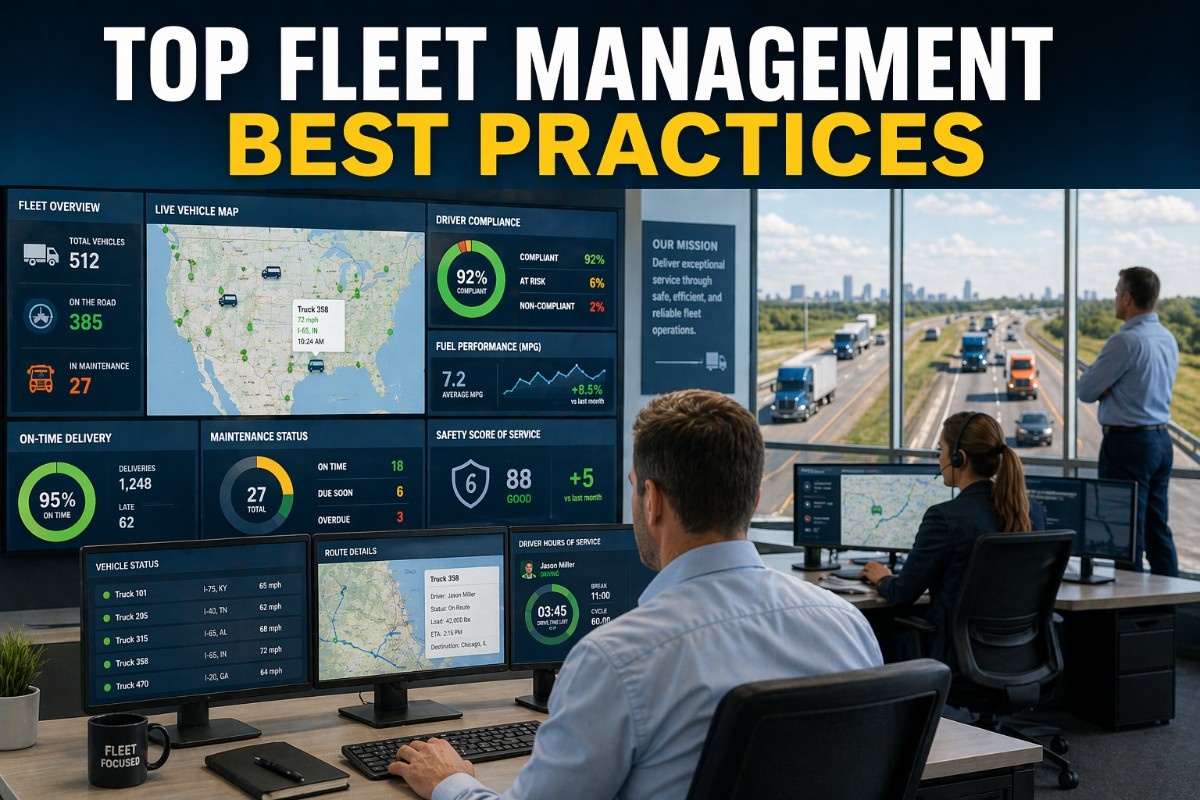
Managing a modern transportation and logistics fleet requires balancing numerous variables: fuel costs, driver hours, vehicle health, regulatory compliance, and customer expectations. For fleet managers and logistics executives, inefficiencies in any single area can quickly erode profit margins and service reliability. FleetRabbit addresses these challenges directly through a unified digital platform that structures maintenance, compliance, and operational data into actionable workflows. This guide outlines ten proven fleet management best practices and demonstrates how FleetRabbit's solutions automate these principles across your entire operation.
Implementing structured digital maintenance programs, automated inspection workflows, and centralized compliance documentation forms the foundation of efficient fleet operations. FleetRabbit enables fleet managers to reduce unplanned downtime by shifting from reactive to planned maintenance, improve inspection completion rates through mobile-first DVIR tools, and maintain continuous audit readiness with automatically organized service records. The platform's analytics dashboard transforms raw vehicle data into cost-per-mile trends and predictive alerts, empowering logistics executives to make data-backed decisions about asset replacement and maintenance budgeting.
Best Practice 1: Implement a Predictive Preventive Maintenance Schedule
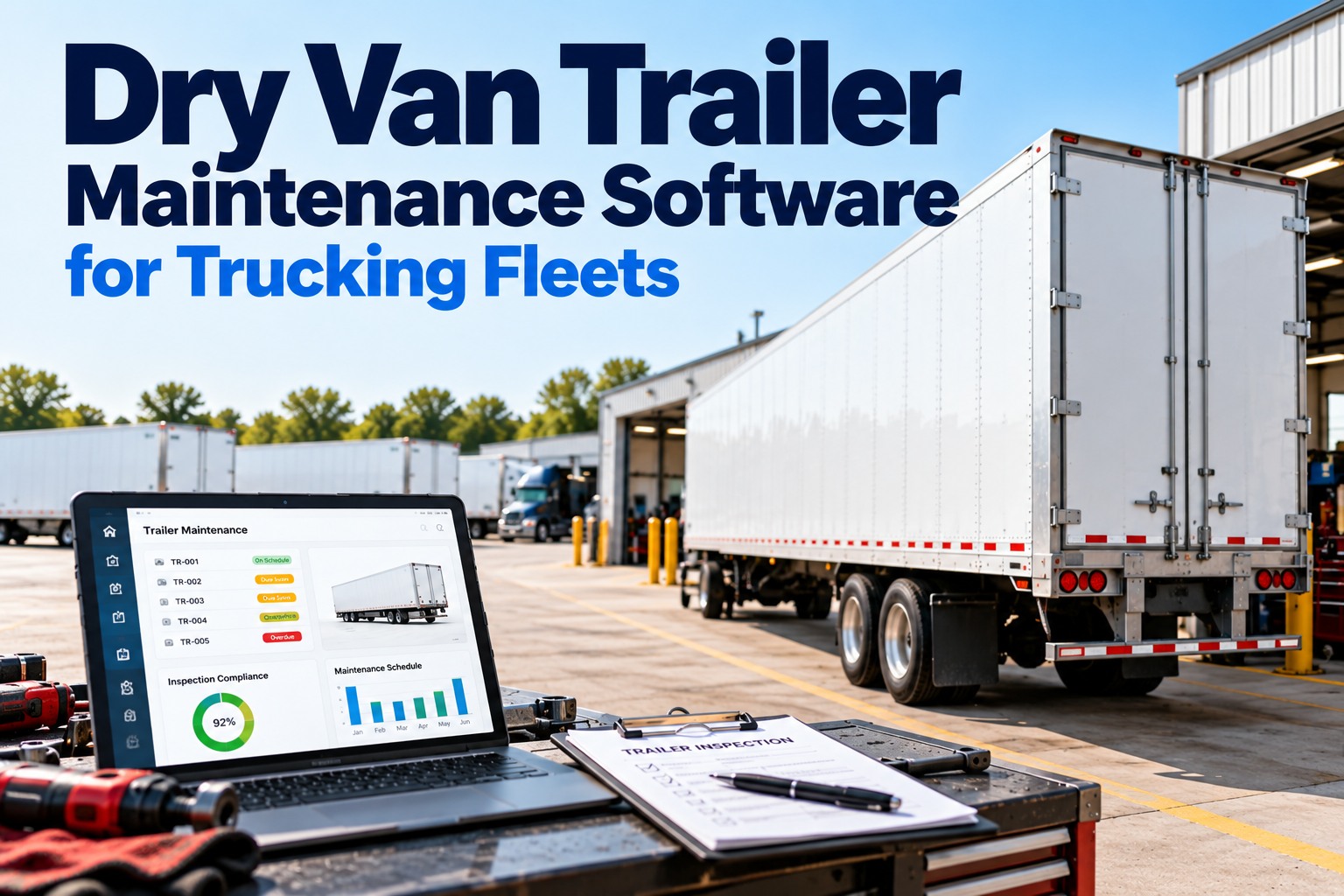
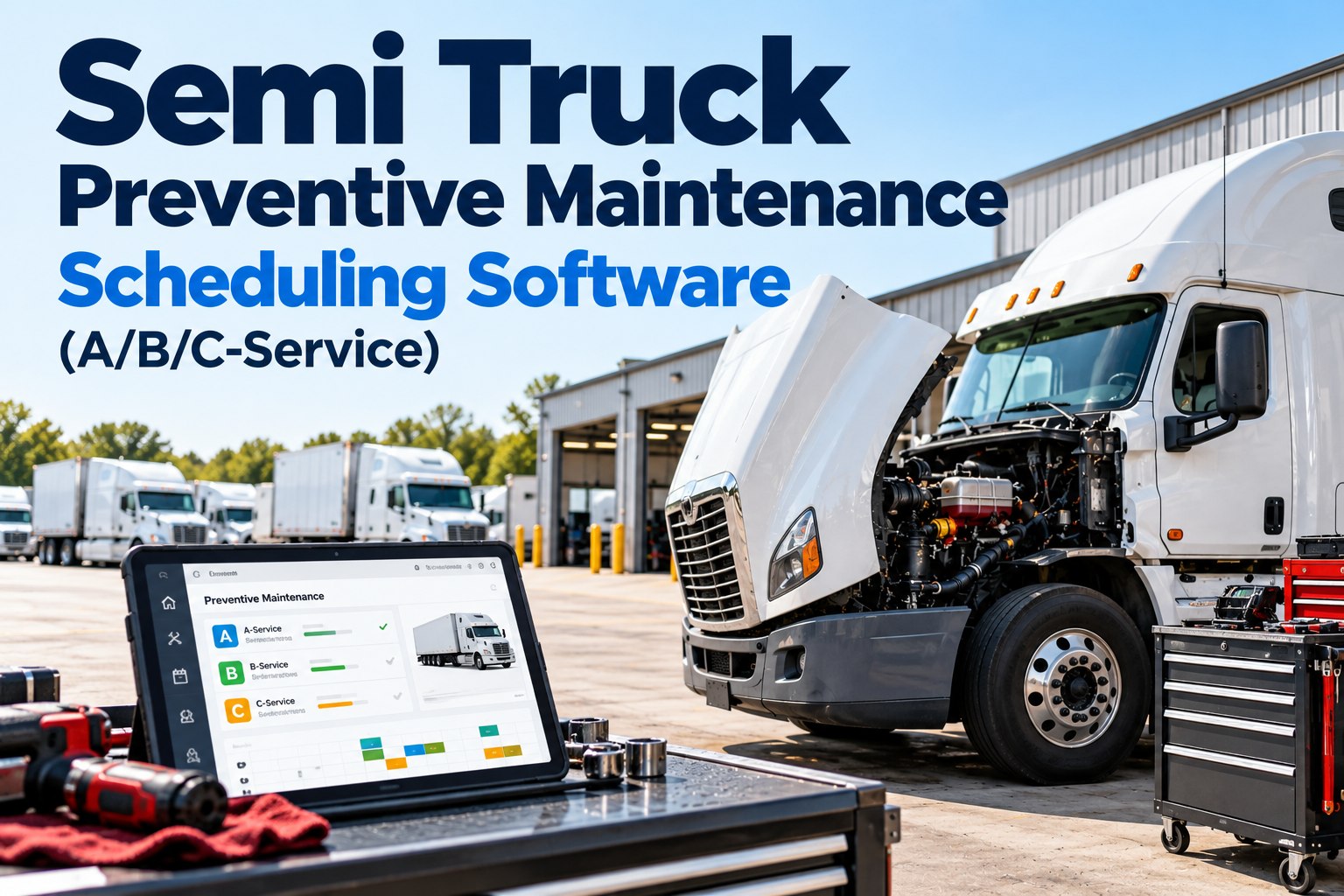
Reactive maintenance remains the most expensive approach to fleet management. Unplanned breakdowns create cascading costs: emergency repair premiums, tow fees, missed delivery windows, driver downtime, and customer penalties. A structured preventive maintenance program shifts the curve toward planned activities, but paper-based or spreadsheet-dependent schedules inevitably develop gaps. FleetRabbit digitizes the entire preventive maintenance cycle with configurable PM schedules, automatic work order generation based on mileage or engine hours, and mobile technician checklists that enforce inspection completion before vehicle release.
For logistics executives, the platform provides a portfolio dashboard showing PM compliance rates across the entire fleet, highlighting assets approaching service thresholds before they trigger breakdowns. When a truck enters the shop for scheduled service, FleetRabbit automatically captures labor hours, parts used, and follow-up requirements, creating a complete maintenance history that improves resale value and satisfies auditor requests for asset documentation.
Best Practice 2: Digitize Driver Vehicle Inspection Reports
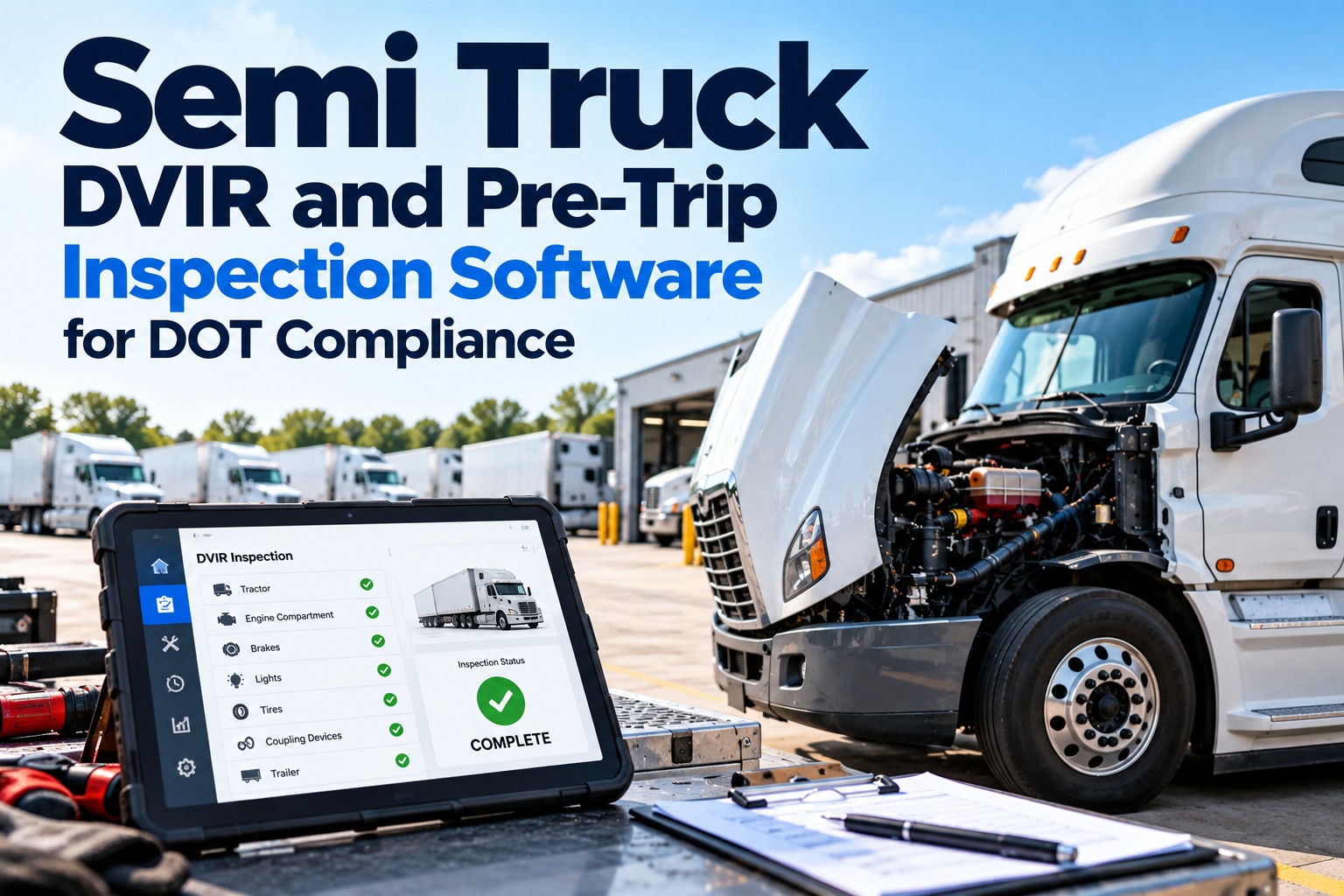
Paper DVIR processes suffer from illegible handwriting, missing pages, delayed submission, and inconsistent enforcement. When a driver identifies a safety defect on paper, the mechanic often does not see the report until the truck returns to the depot hours later. FleetRabbit replaces paper DVIR with mobile-first inspection forms that drivers complete in under two minutes using smartphones or tablets. Each inspection captures timestamp, GPS location, driver ID, vehicle unit number, and defect photos. Critical defects trigger immediate alerts to maintenance supervisors and automatically generate repair work orders, eliminating the information lag that allows minor issues to escalate into roadside failures.
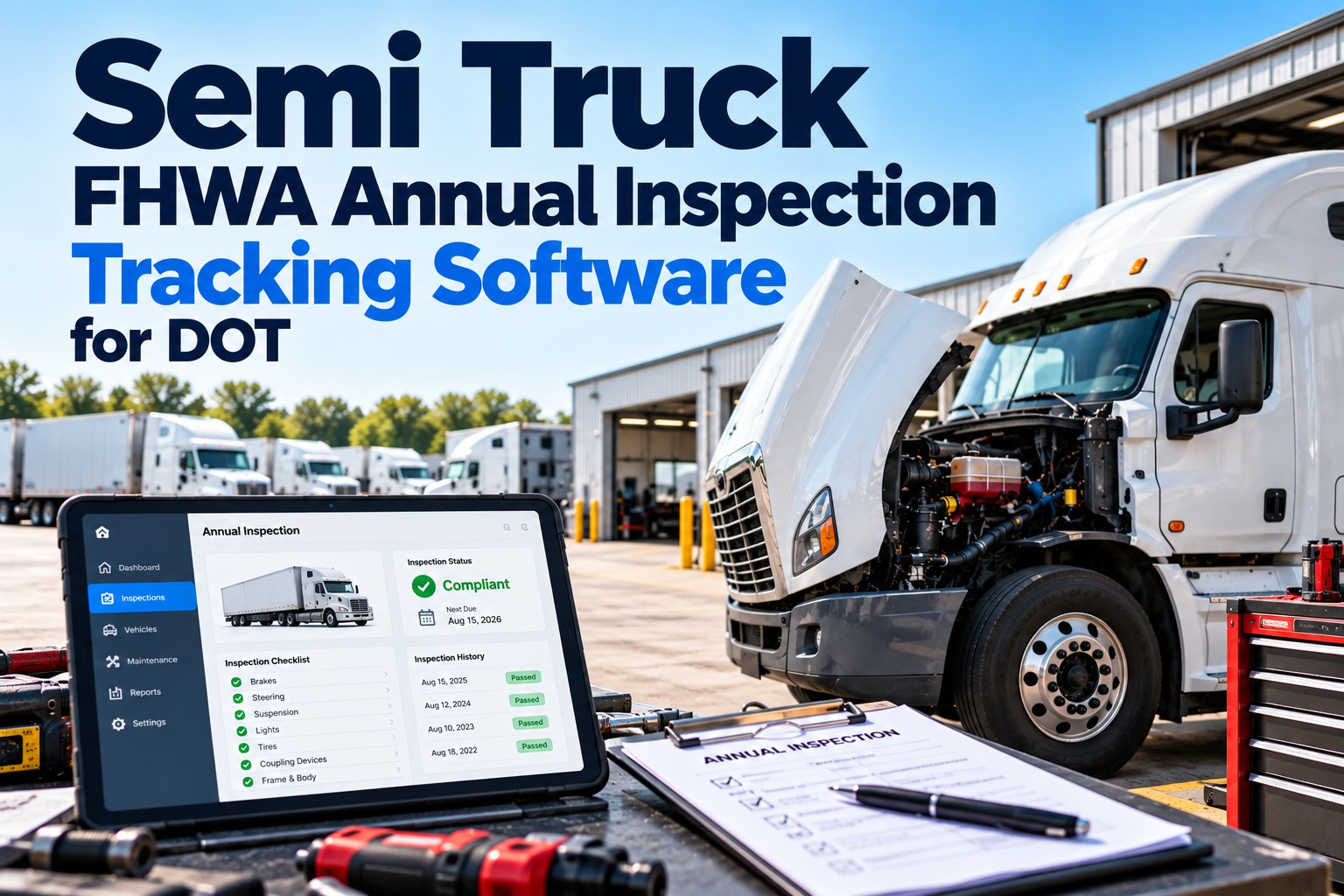
The platform maintains an unbroken chain of inspection records organized by vehicle and date, which proves invaluable during DOT audits or internal safety reviews. Fleet managers can monitor inspection completion rates in real time and address non-compliant drivers directly from the dashboard.
Best Practice 3: Establish Centralized Asset Lifecycle Records
Fleet managers need complete visibility into each vehicle's maintenance history, inspection outcomes, repair costs, and component replacement patterns to make informed decisions about repair versus replace. When this data lives in multiple locations — shop management software, spreadsheets, paper files — the full picture never emerges. FleetRabbit consolidates all asset records into a single digital registry where each vehicle maintains a complete chronology from acquisition to disposal.
The platform's asset lifecycle module tracks original specifications, warranty expiration dates, major component replacements, and cumulative maintenance cost. When a truck approaches the point where accumulated repair costs exceed residual value, FleetRabbit surfaces this insight automatically, enabling data-backed replacement decisions rather than reactive purchases under pressure. For leased fleets, the platform ensures that maintenance documentation required for lease return is organized and accessible without last-minute searches.
Best Practice 4: Automate Work Order Management and Technician Tracking
Manual work order processes introduce delays and errors at every step: writing repair requests, assigning technicians, tracking labor hours, closing work orders, and capturing parts usage. FleetRabbit automates this workflow from initiation to completion. When a driver submits an inspection defect, the platform creates a work order, assigns priority based on defect severity, and routes it to the appropriate technician queue. Technicians access work orders on mobile devices, log time against specific tasks, scan parts barcodes for inventory tracking, and add completion notes with photos.
Supervisors gain real-time visibility into shop workload, technician productivity, and work order aging. Invoices from external vendors can be attached directly to work orders, creating a complete cost record for each repair event. This structured data feeds directly into the platform's cost analytics, enabling per-vehicle and per-mile maintenance cost reporting without manual data entry.
Best Practice 5: Integrate Telematics and ELD Data with Maintenance Workflows
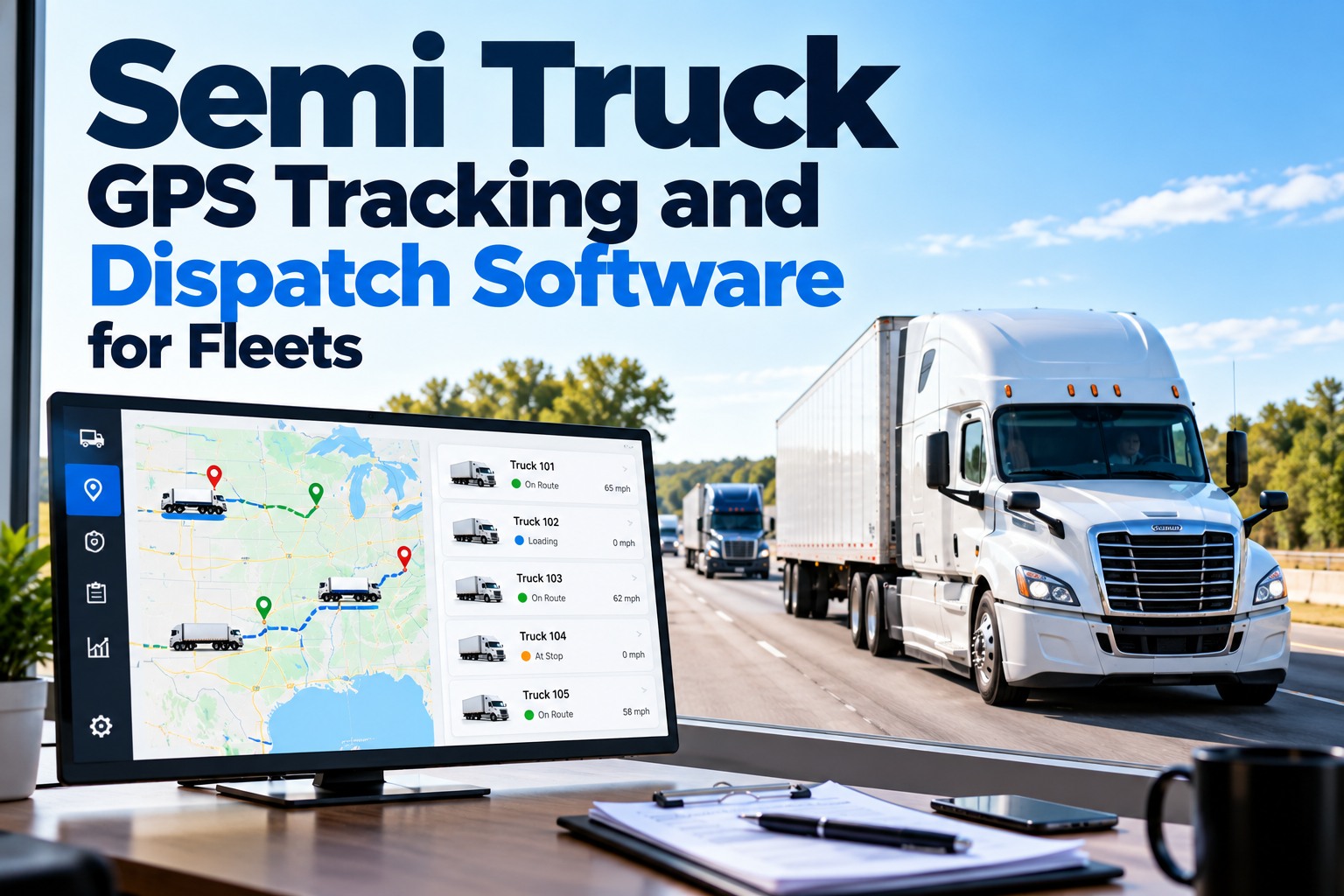
Telematics devices generate continuous streams of vehicle data: engine fault codes, fuel consumption, braking events, idle time, and location history. Most fleets use this data for dispatch and driver management while leaving maintenance teams disconnected from the same information. FleetRabbit bridges this gap by integrating telematics and ELD data directly into maintenance workflows. When an engine fault code activates, the platform can automatically create an inspection work order, alert the maintenance supervisor, and schedule a diagnostic appointment based on vehicle location and shop capacity.
For logistics executives, this integration provides the ability to correlate maintenance events with operating conditions. The platform can answer questions such as: do vehicles operating on specific routes show higher brake wear? Does idle time correlate with DPF regeneration frequency? These insights inform both maintenance strategy and driver coaching programs.
Best Practice 6: Implement Parts Inventory Management
Parts availability directly impacts vehicle uptime. Overstocking consumes working capital; understocking creates unnecessary downtime while waiting for parts deliveries. FleetRabbit includes inventory management modules that track parts consumption, set reorder points, and generate purchase orders when stock falls below thresholds. Each part transaction — receiving, issuing to a work order, returning damaged components — creates an audit trail that supports cost allocation and warranty claims.
The platform identifies frequently used parts across the fleet and can recommend min-max inventory levels based on consumption patterns. When a common part is issued to multiple work orders, FleetRabbit captures trend data that supports bulk purchasing decisions and supplier negotiations. For shops with multiple technicians, the platform prevents the problem of mechanics stockpiling parts without proper requisition, maintaining accurate on-hand quantities at all times.
Best Practice 7: Track True Maintenance Cost Per Mile
Many fleet managers calculate maintenance cost per mile using high-level totals divided by fleet miles. This approach masks variation between vehicles and prevents identification of specific cost drivers. FleetRabbit captures maintenance costs at the individual work order level, allocated by vehicle, and calculates true cost per mile using odometer readings recorded at each service event. The platform segments costs by category — preventive maintenance, unscheduled repairs, tires, brakes, emissions systems — giving fleet leaders granular visibility into where inefficiencies exist.
When a specific vehicle shows cost per mile trending above fleet average, maintenance supervisors can review the complete work order history to identify root causes. The platform also tracks maintenance cost as a percentage of vehicle value, supporting lease vs. own analysis and helping finance teams build accurate operating budgets. For fleets operating under customer contracts with maintenance cost pass-through provisions, FleetRabbit generates the supporting documentation required for customer billing without manual reconciliation.
Best Practice 8: Create Closed-Loop Defect Resolution
Identifying vehicle defects serves little purpose if the resolution process remains disconnected from the discovery. Traditional inspection processes often end when the driver submits the form. FleetRabbit creates a closed-loop system where every inspection defect follows a defined workflow: detection, work order creation, technician assignment, repair execution, quality verification, and driver notification of completion. This loop ensures that no identified defect falls through the cracks and that drivers know when reported issues have been resolved.
The platform maintains audit trails of the entire resolution cycle, including time from defect identification to repair completion, parts used, and final inspection sign-off. For safety-critical defects, FleetRabbit enforces that the vehicle cannot return to service until the repair is verified. This closed-loop approach reduces liability exposure and improves driver confidence that their safety concerns receive appropriate management attention.
Best Practice 9: Standardize Vendor and External Repair Management
Fleets that outsource a portion of maintenance face challenges in capturing complete repair records. External vendors may provide paper invoices or PDFs that never get entered into the fleet's maintenance system. FleetRabbit addresses this by allowing fleet managers to create work orders for external vendors, attach vendor invoices, and capture technician notes from third-party shops. The platform maintains the same structured data for vendor repairs as for internal work, ensuring complete maintenance history regardless of where the work occurred.
For logistics executives managing multiple shop locations or external service networks, FleetRabbit provides consolidated visibility into vendor performance metrics: average repair time, first-time fix rate, and cost variance from estimates. This data supports vendor scorecards and informed decisions about which external partners deliver the best value for specific repair types.
Fleet Management Solutions Built for Transportation Leaders
FleetRabbit provides a unified platform for digital maintenance, mobile inspections, compliance documentation, and fleet analytics. Transportation companies of all sizes use FleetRabbit to reduce unplanned downtime, control maintenance costs, and maintain continuous audit readiness.
Best Practice 10: Use Data Analytics for Continuous Improvement
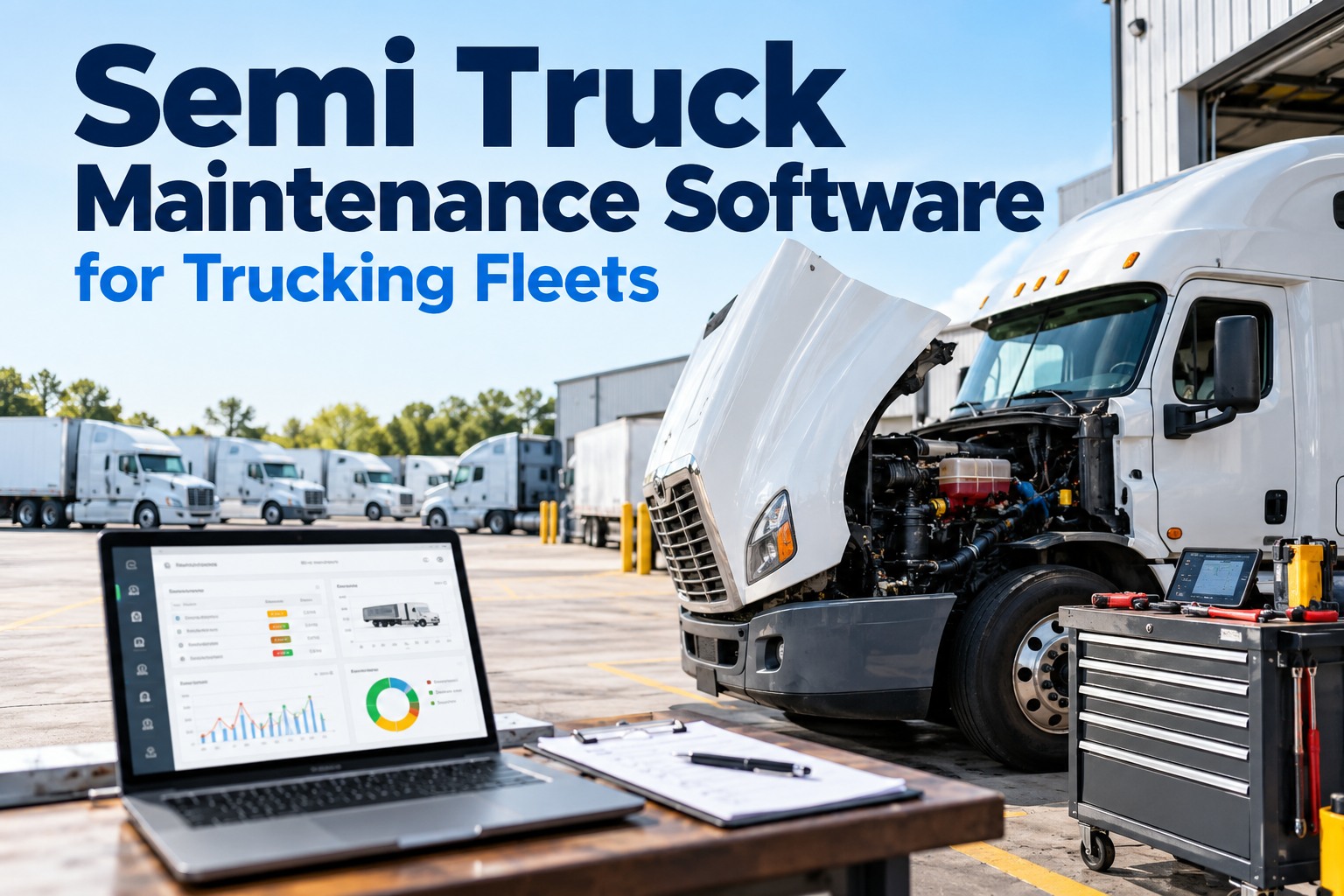
Collecting maintenance data delivers limited value without analysis and action. FleetRabbit's analytics engine transforms raw work order and inspection data into actionable intelligence through configurable dashboards and automated reports. Fleet managers can monitor real-time KPIs including PM compliance percentage, work order aging by priority, technician productivity, parts consumption velocity, and maintenance cost by asset type.
For executive audiences, the platform provides portfolio-level views that compare performance across depots, vehicle classes, or driver groups. Automated alerting notifies managers when vehicles exceed established cost-per-mile thresholds or when any asset misses scheduled PM by a configurable margin. These analytics shift fleet management from reactive problem-solving to proactive performance management, enabling continuous improvement across maintenance, operations, and procurement functions.
Connect Your Fleet Data into a Single Management Platform
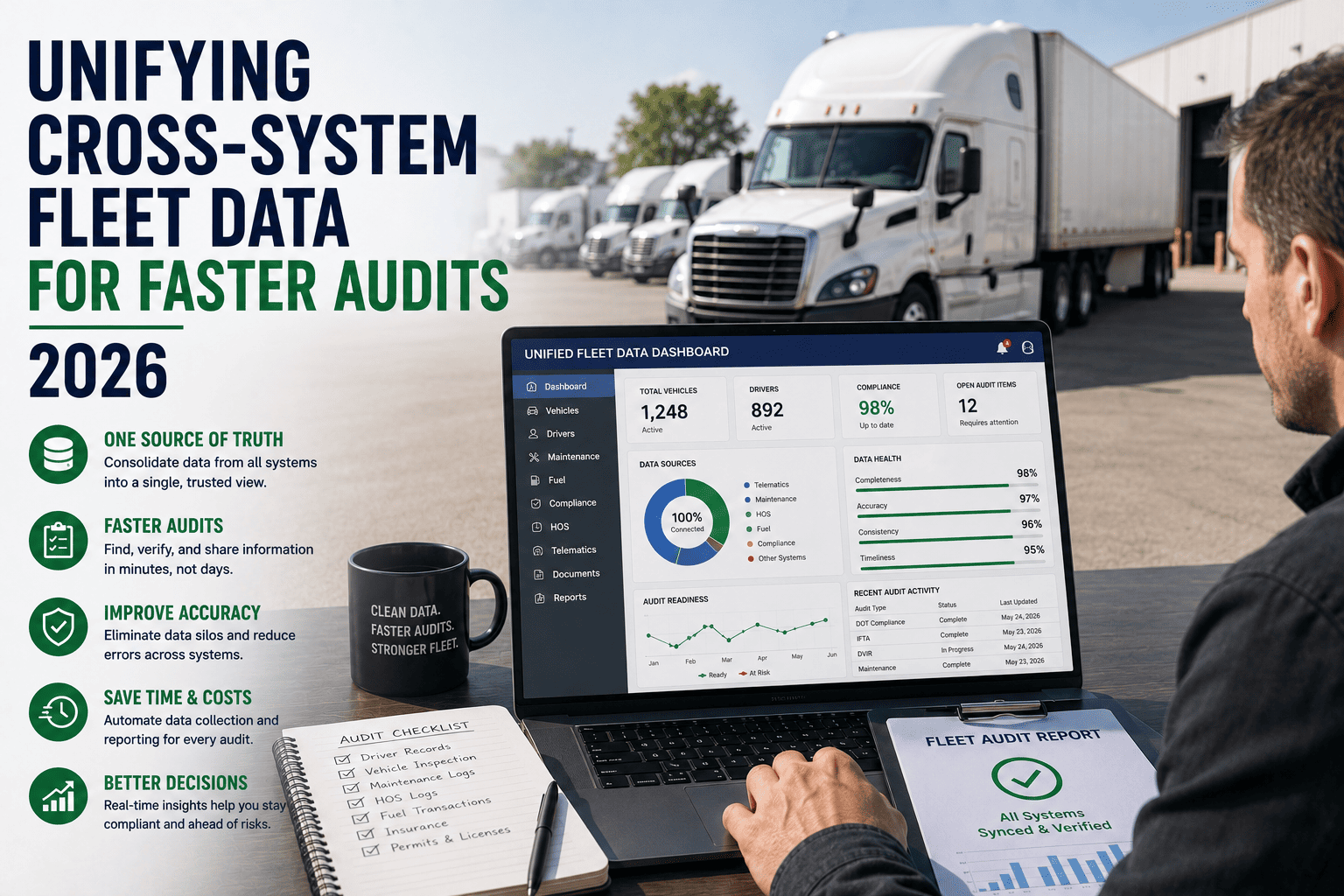
FleetRabbit structures maintenance schedules, inspection records, work orders, and compliance documentation into a unified digital system. Fleet managers access real-time visibility into vehicle health, technician productivity, and maintenance costs from any device. The platform deploys in days, not months, without dedicated IT resources.
Fleet Management Solutions by Region
| Region | Coverage & Compliance Frameworks | FleetRabbit Documentation & Workflows |
|---|---|---|
| United States & Canada | DOT, FMCSA, ELD Mandate, CSA, HOS, CVSA Inspection Levels | ELD-integrated DVIR, driver logs, maintenance records structured for DOT audit requirements, roadside inspection document packages |
| European Union & UK | EU Drivers Hours, Tachograph Rules, DVSA GV262, O-licensing | Digital maintenance records, inspection documentation for DVSA compliance, tachograph data integration, defect reporting |
| Australia & New Zealand | NHVR, CoR (Chain of Responsibility), HVNL, NZTA vehicle standards | Maintenance management systems for CoR compliance, inspection records, scheduled servicing documentation, brake testing records |
| Middle East & Asia | Local transport authorities, safety inspections, fleet permit requirements | Asset registry, maintenance scheduling, inspection logs, multi-location fleet consolidation, compliance reporting |
Frequently Asked Questions About Fleet Management Best Practices
Achieve Audit-Ready Fleet Maintenance Without the Weekly Paper Chase
FleetRabbit automates preventive maintenance scheduling, digitizes driver inspections, centralizes compliance records, and provides real-time maintenance cost analytics. Fleet managers reduce unplanned downtime, control maintenance spend, and maintain continuous audit readiness — all from a single platform that deploys in days.