.png)
Transportation fleet managers face mounting pressure to reduce costs, minimize downtime, and maintain compliance—all while managing increasingly complex operations. Between vehicle tracking challenges, maintenance scheduling headaches, compliance documentation burdens, driver management complexities, and fuel cost volatility, fleet operations have become a coordination nightmare. The problem isn't that solutions don't exist; it's that most fleet managers are juggling disconnected tools, paper records, and spreadsheets that don't talk to each other.
FleetRabbit solves fleet management by connecting GPS tracking, maintenance management, compliance automation, and AI-powered analytics into one unified platform. Instead of managing inspections in one system, maintenance in another, and compliance documents scattered across folders, FleetRabbit gives you real-time visibility across your entire fleet operation.
The Five Fleet Management Challenges That Compound Operational Costs
Fleet management challenges don't exist in isolation. A maintenance scheduling failure creates cascading problems: unplanned downtime increases operating costs, which triggers urgent fuel purchases at inflated prices, which creates driver stress and performance issues. Compliance gaps expose the company to regulatory fines and safety liability. Each challenge amplifies the others, turning operational friction into financial damage.
Challenge 1: Real-Time Vehicle Visibility and GPS Tracking Gaps
Traditional GPS tracking tells you where a truck is right now. It doesn't tell you what condition the truck is in, whether it passed its last inspection, when it needs maintenance, or whether the driver is fatigued. Fleet managers making decisions with incomplete information make bad decisions.
FleetRabbit's real-time vehicle tracking integrates GPS location with inspection status, maintenance history, driver behavior, and fuel consumption. Instead of logging into multiple dashboards to piece together vehicle status, managers see a complete operational picture. The system shows which vehicles are compliant, which ones have pending maintenance, which drivers are approaching HOS limits, and which vehicles have abnormal fuel consumption.
Real-time visibility enables proactive management. A mechanic sees that Vehicle #42 is approaching its 50,000-mile PM service, so parts are ordered in advance. A dispatcher sees that a driver is 2 hours from reaching HOS limits and plans accordingly. A manager sees a vehicle's fuel consumption has spiked 12 percent and investigates idling or maintenance issues. This proactive approach prevents emergency repairs, schedule disruptions, and compliance violations.
Challenge 2: Maintenance Scheduling and Preventive Work Order Management
Reactive maintenance—fixing problems after they break—is always more expensive than preventive maintenance scheduled before failure occurs. But preventive maintenance requires coordination across vehicle maintenance intervals, parts availability, mechanic schedules, and customer service windows. Without integrated maintenance management, scheduling falls apart.
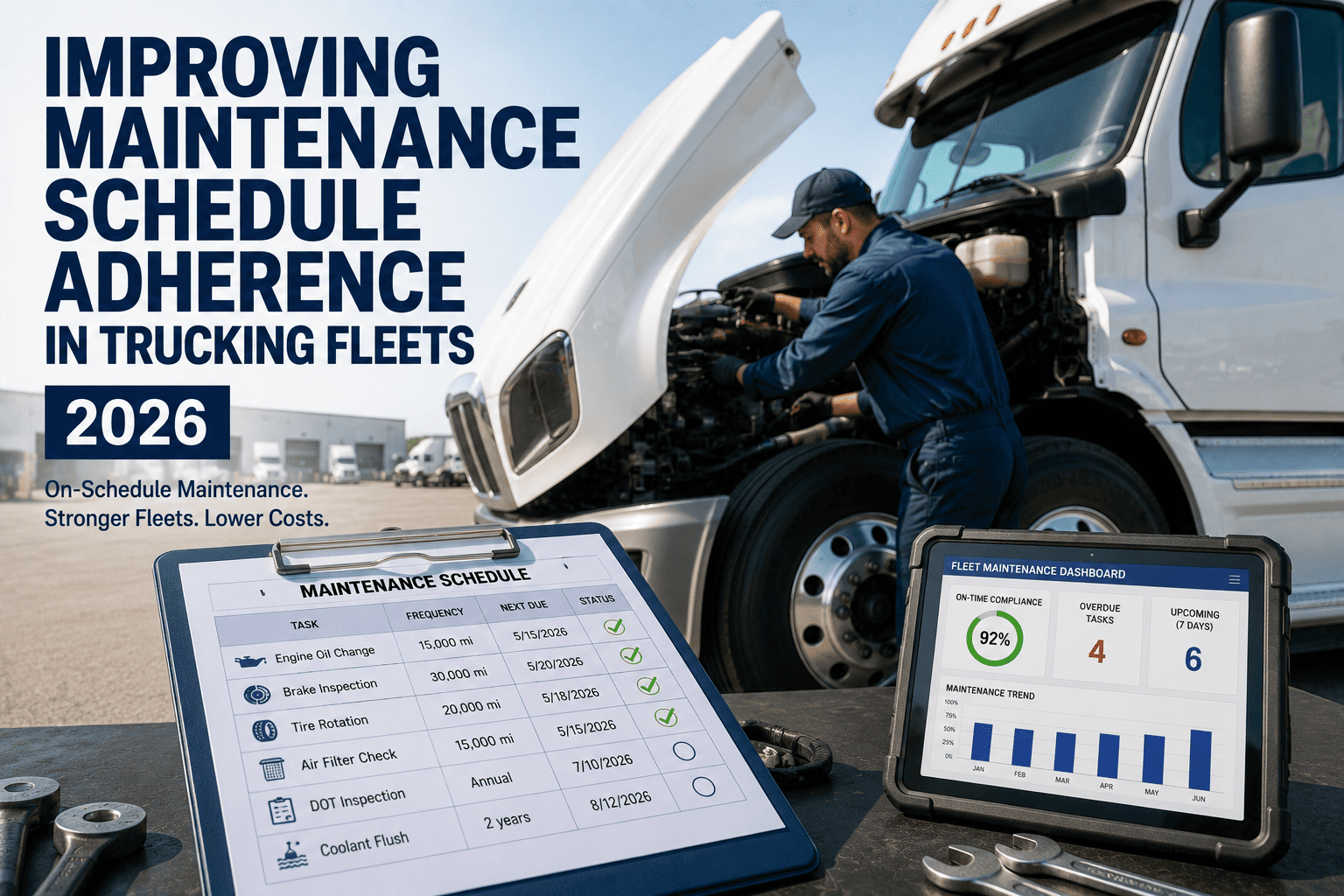
FleetRabbit's preventive maintenance scheduling automates the coordination. The system tracks maintenance intervals for each vehicle based on hours, miles, or calendar days. When vehicles approach these intervals, the system generates work orders automatically. Mechanics see available parts in real-time and can reserve them before starting repairs. Work order completion automatically updates inventory and triggers the next scheduled maintenance interval.
The result is that vehicles stay on preventive maintenance schedules rather than breaking down unexpectedly. Maintenance costs become predictable instead of sporadic emergencies. Downtime is scheduled during off-peak periods rather than occurring unpredictably during high-demand periods. Parts are available when needed instead of creating delays. For fleets with significant vehicle counts, automated PM scheduling can reduce maintenance costs by 15-25 percent.
Challenge 3: DOT Compliance and Digital Inspection Documentation
DOT regulations require detailed inspection documentation. FMCSA auditors expect vehicle inspection reports (DVIRs), maintenance records, driver logs, and safety documentation all properly recorded and auditable. Paper records create compliance risk. Fleets face penalties for incomplete or inaccessible documentation.
FleetRabbit's photo-verified DVIR system requires drivers to document vehicle defects with timestamped, geotagged photos. Inspections route automatically to maintenance with priority classification. Critical defects are flagged and require immediate attention. Non-critical items are scheduled for next available service. All inspection documentation is automatically organized, timestamped, and audit-ready.
When an FMCSA auditor arrives, instead of scrambling to locate paper records and reconstruct digital documentation, managers can pull up complete inspection histories in seconds. The system proves that vehicles were properly inspected, defects were documented, and corrective maintenance was completed. This reduces audit liability and often accelerates audit completion. Fleets using FleetRabbit's digital inspection system have reduced inspection-related compliance violations by 80+ percent.
Challenge 4: Driver Management and HOS Compliance Monitoring
Hours of Service violations are the #1 FMCSA enforcement action. Drivers violate HOS limits out of pressure to deliver on schedule, fatigue, or simple confusion about available driving hours. When violations aren't detected and corrected immediately, they compound and create serious safety liability.
FleetRabbit monitors available driving hours for every driver in real-time. When a driver approaches their available HOS limit, alerts route to dispatch managers so they can adjust schedules before violations occur. Managers can identify patterns—drivers who consistently approach limits, routes that create HOS pressure, or scheduling policies that incentivize violations—and address them systematically.
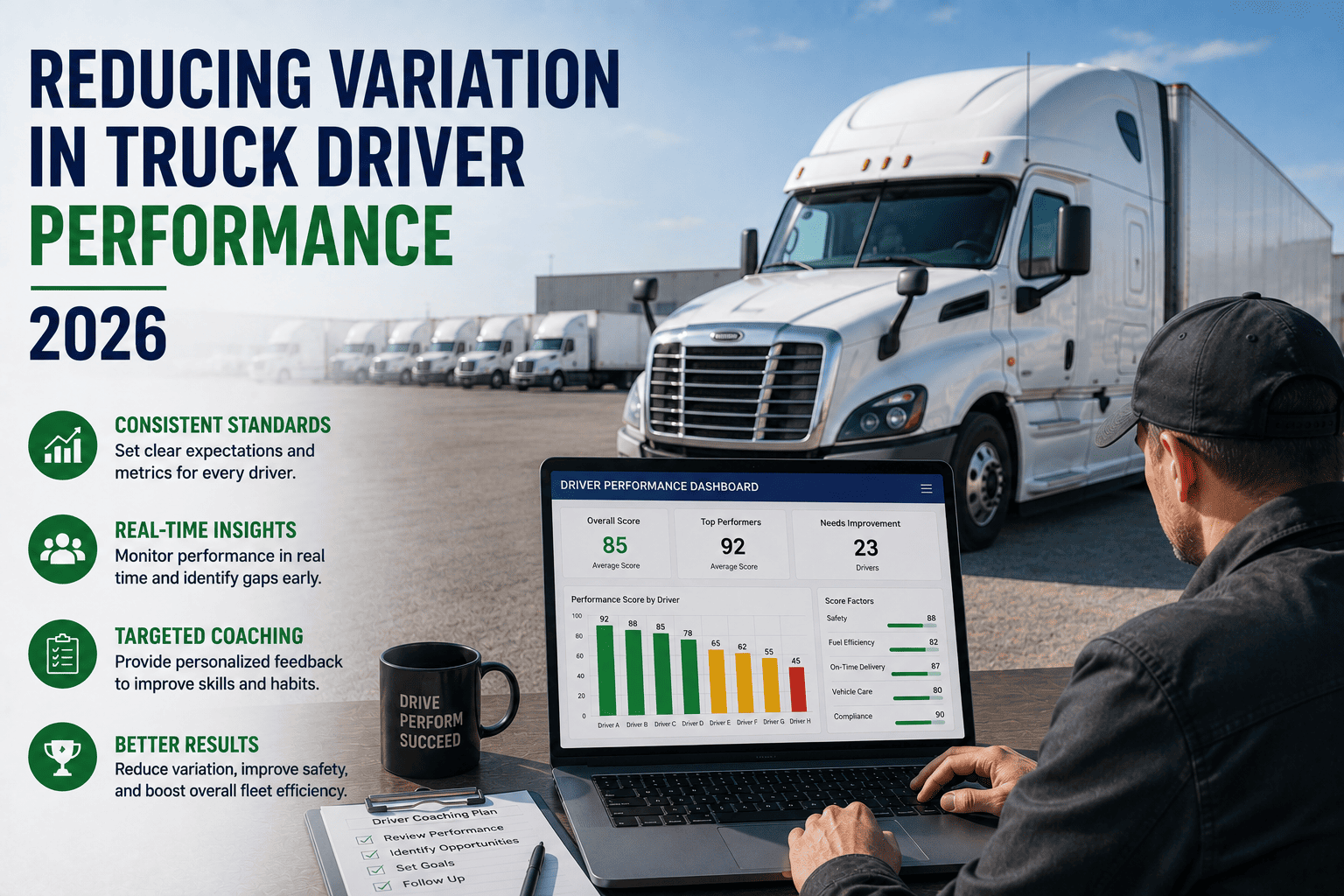
Beyond HOS monitoring, FleetRabbit tracks driver performance through telematics integration. Unsafe acceleration, hard braking, speeding, and distraction patterns are monitored and flagged. Managers can implement targeted training for high-risk drivers. The system creates a complete record of driver performance that protects the fleet if safety incidents occur. Fleets using FleetRabbit's driver monitoring typically reduce HOS violations by 90+ percent and improve safety metrics across all driver risk categories.
Challenge 5: Fuel Cost Management and Route Optimization
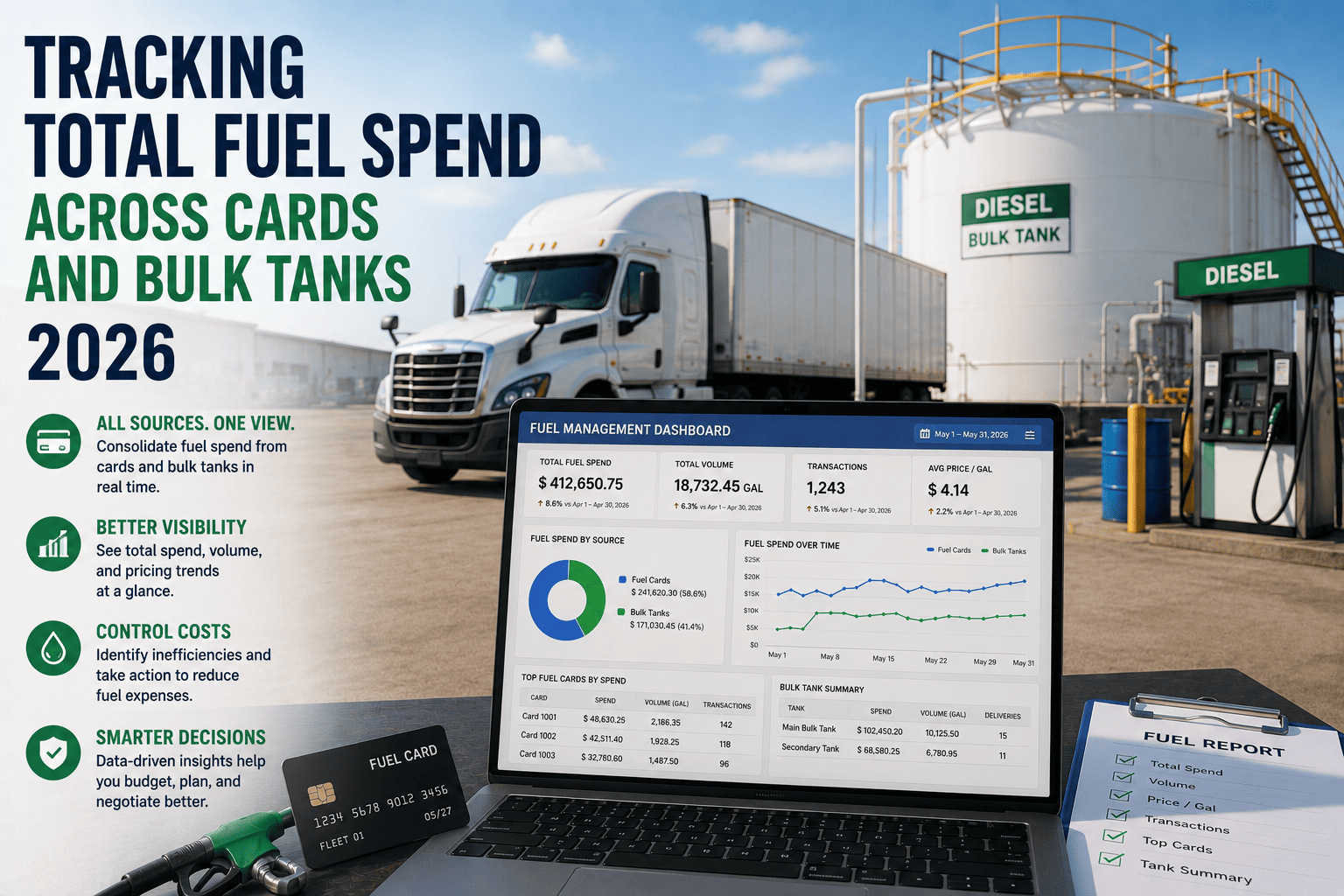
Fuel costs represent one of the largest controllable expenses in fleet operations. A vehicle with excessive idle time, inefficient routing, or poor driver habits can waste 15-20 percent of fuel consumption. Without real-time tracking of fuel consumption, fleets don't identify these problems until quarterly reporting reveals the damage.
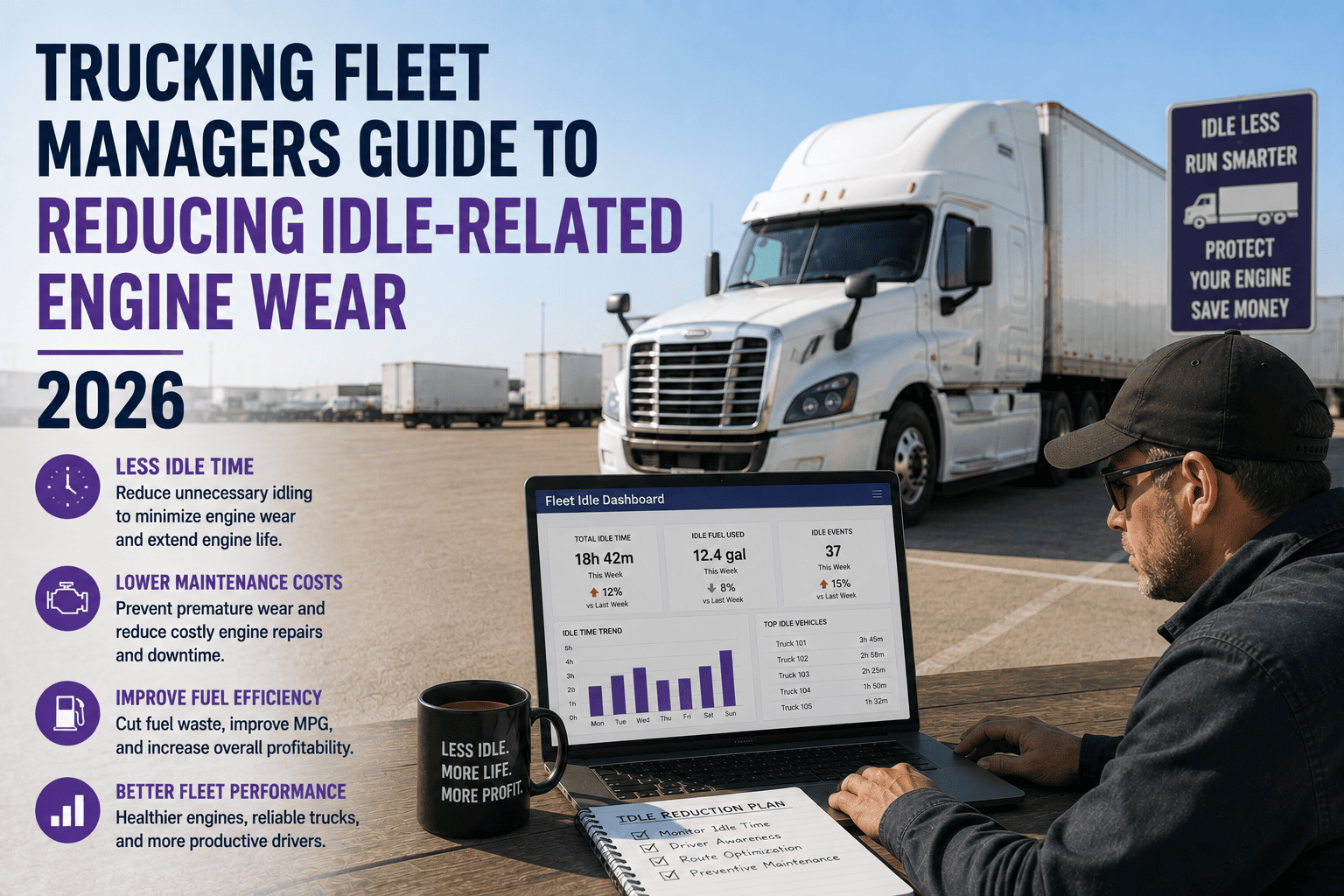
FleetRabbit tracks fuel consumption in real-time and flags abnormal patterns. If a vehicle's fuel efficiency drops suddenly, the system alerts managers. Is the vehicle idling excessively? Does it need maintenance? Is the driver inefficient? Integration with vehicle diagnostics helps identify the root cause. The system can show route inefficiencies—vehicles taking longer routes, making unnecessary stops, or sitting idle during peak hours.
With this data, FleetRabbit enables route optimization. Dispatch can adjust assignments based on real-time congestion data. Drivers can see their fuel consumption metrics and adjust behavior. Maintenance teams can identify vehicles with fuel-related issues like fuel injector problems or air filter restrictions. For fleets with significant fuel spending, optimized fuel management typically reduces fuel costs by 8-12 percent within the first year, which can represent hundreds of thousands of dollars in savings on large fleets.
How FleetRabbit Solves All Five Challenges in One Integrated Platform
Each of the five fleet management challenges exists because different operational functions—tracking, maintenance, compliance, driver management, and fuel optimization—operate independently. They're managed by different teams using different systems with no integration. The solution isn't five different best-of-breed tools; it's one integrated platform where all functions share the same data and work together seamlessly.
FleetRabbit was built from the ground up around the operational realities of fleet management. GPS tracking integrates with maintenance scheduling so dispatchers can avoid assigning repairs during critical load periods. Inspection data flows to maintenance teams instantly with photo verification. Maintenance completion updates inventory automatically. Fuel consumption data is correlated with maintenance history and driver behavior. Driver performance connects to training needs. Every function shares the same real-time data about vehicle status, driver status, and operational metrics.
This integration eliminates the manual data entry and system hopping that creates errors and delays. A mechanic completes a work order, and inventory updates immediately without manual counting. A driver completes an inspection, and compliance documentation is automatically generated and audit-ready. A vehicle reaches maintenance interval, and the work order is created with parts reserved automatically. This automation is what separates FleetRabbit from collections of disconnected tools.
| Fleet Management Function | Disconnected Systems Approach | FleetRabbit Integrated Approach |
|---|---|---|
| Vehicle Tracking | GPS dashboard shows location only | Real-time location + inspection status + maintenance history + fuel data + driver performance |
| Maintenance Scheduling | Spreadsheet-based PM calendar, manual work order creation | Automated PM scheduling with real-time parts availability and mechanic workload optimization |
| Compliance Documentation | Paper DVIR forms or basic digital checklists without verification | Photo-verified inspections, automatic compliance record generation, audit-ready documentation |
| Driver Monitoring | HOS tracking separate from performance data, manual reports | Real-time HOS monitoring integrated with telematics, automatic alerts, performance trending |
| Fuel Management | Fuel reports isolated from maintenance and driver data | Real-time fuel consumption correlated with vehicle maintenance, driver behavior, and route data |
| Data Accuracy | Manual data entry between systems, duplicate records, synchronization errors | Single source of truth, automatic updates across all functions, no manual entry required |
Fleet Management Solution for Every Transportation Sector
Quantifying the Impact: Fleet Management ROI
Fleet management improvements deliver measurable financial impact across multiple cost categories. Understanding the ROI helps justify the software investment and set realistic expectations for financial improvement.
Maintenance Cost Reduction: Preventive maintenance costs 30-40 percent less than reactive repairs. Automated PM scheduling ensures maintenance happens on schedule, reducing emergency repairs. Typical impact: 15-25 percent reduction in total maintenance costs.
Downtime Elimination: Every day a vehicle sits in the shop costs money. A truck generating 200 dollars per day in profit represents 200 dollars in daily losses during downtime. By preventing unplanned breakdowns, fleets eliminate unexpected downtime. Scheduling maintenance during off-peak periods minimizes business disruption. Typical impact: 20-35 percent reduction in unplanned downtime hours.
Fuel Efficiency Improvement: Route optimization, driver behavior monitoring, and maintenance-related fuel consumption reduction typically deliver 8-12 percent fuel savings. For a fleet consuming 100,000 gallons annually at 3 dollars per gallon, this represents 24,000 to 36,000 dollars in annual savings.
Compliance Cost Elimination: FMCSA violations range from 500 to 5,000 dollars per violation. DOT audits of non-compliant fleets can result in out-of-service orders costing thousands per vehicle. Complete compliance documentation prevents violations. Typical impact: elimination of compliance violation costs.
Parts Inventory Optimization: Reducing dead inventory (parts that never get used) and minimizing emergency parts orders reduces inventory holding costs. Better parts management improves cash flow. Typical impact: 10-20 percent reduction in inventory capital tied up.
For a mid-sized fleet with 50 vehicles, these improvements typically generate annual savings of 50,000 to 150,000 dollars, depending on baseline performance. The software investment typically pays for itself within 3-8 months.
Getting Started: From Fleet Management Chaos to Operational Clarity
Implementing FleetRabbit doesn't require expensive IT infrastructure, multi-month consulting projects, or forklift replacements of existing systems. The platform is designed for rapid implementation with minimal disruption.
Week 1: Setup and Configuration Start with a free trial, no credit card required. Load your vehicle list and configure maintenance intervals based on manufacturer recommendations. Download pre-built digital inspection templates for your vehicle types. Set up your maintenance team and dispatch users.
Week 2: Driver and Mechanic Adoption Drivers download the mobile app and start submitting digital inspections instead of paper forms. Mechanics see work orders in the system and log parts consumption. The system begins collecting real operational data.
Week 3-4: Analytics and Optimization Initial data reveals baseline performance metrics. Fuel consumption patterns emerge. Driver behavior trends become visible. Maintenance costs become transparent. Use these insights to set realistic improvement targets and begin optimization.
FleetRabbit supports integrations with telematics providers, ERP systems, and maintenance software, eliminating the need to manually enter data from existing systems. Most fleets transition to full operational use within 4-6 weeks.
Frequently Asked Questions: Fleet Management Challenges and Solutions
Solve Fleet Management Challenges with One Integrated Platform
FleetRabbit connects real-time tracking, preventive maintenance, digital inspections, driver monitoring, and fuel management into a single platform. Reduce downtime, lower costs, and improve compliance starting today.