.png)
Fleet safety management has become the defining competitive advantage for transportation companies. Accident rates, driver safety culture, and compliance visibility directly impact insurance premiums, operational costs, and brand reputation. Yet most transportation fleets still rely on reactive incident response rather than predictive safety monitoring. Advanced fleet safety management solutions transform how companies prevent accidents, reduce liability exposure, and maintain consistent safety standards across growing operations. This guide explores the top fleet safety management platforms available for transportation companies in 2025, evaluating solutions across driver monitoring, safety scoring, compliance automation, and incident analytics capabilities.
Comprehensive comparison of leading fleet safety management solutions covering driver behavior monitoring, real-time safety alerts, compliance tracking, incident investigation tools, and safety analytics capabilities. Identifies which platforms deliver measurable accident reduction, insurance premium savings, and sustainable safety culture improvements across commercial transportation fleets.
Top fleet safety solutions combine real-time driver monitoring, predictive safety alerts, compliance automation, and incident analytics to prevent accidents before they happen. See how leading transportation companies use safety management platforms to reduce accident rates by 35% and cut insurance costs dramatically.
The Fleet Safety Crisis: Why Transportation Companies Need Better Solutions
Commercial fleet accidents cost the transportation industry over $60 billion annually in liability, medical expenses, vehicle damage, and lost productivity. Yet most accidents are preventable. Analysis of accident data shows that 85% of commercial vehicle accidents result from driver behavior rather than mechanical failure. Speeding, harsh braking, distracted driving, and fatigued driving are leading accident causes. Traditional safety management approaches rely on accident investigations after incidents occur. Modern fleet safety management platforms shift the model to predictive prevention by monitoring driver behavior in real-time, identifying risky patterns before they cause accidents, and coaching drivers toward safer practices continuously.
Transportation companies face additional pressures beyond accident prevention. Insurance carriers now require documented safety programs to maintain coverage. DOT regulations mandate hours-of-service compliance, driver qualification file management, and maintenance records. Safety culture becomes harder to maintain as fleets grow beyond 50 vehicles, where manual oversight breaks down. Companies without active safety management systems cannot prove due diligence during accident litigation, exposing them to catastrophic liability exposure. The gap between reactive incident response and proactive safety management represents both risk and opportunity for transportation companies seeking competitive advantage.
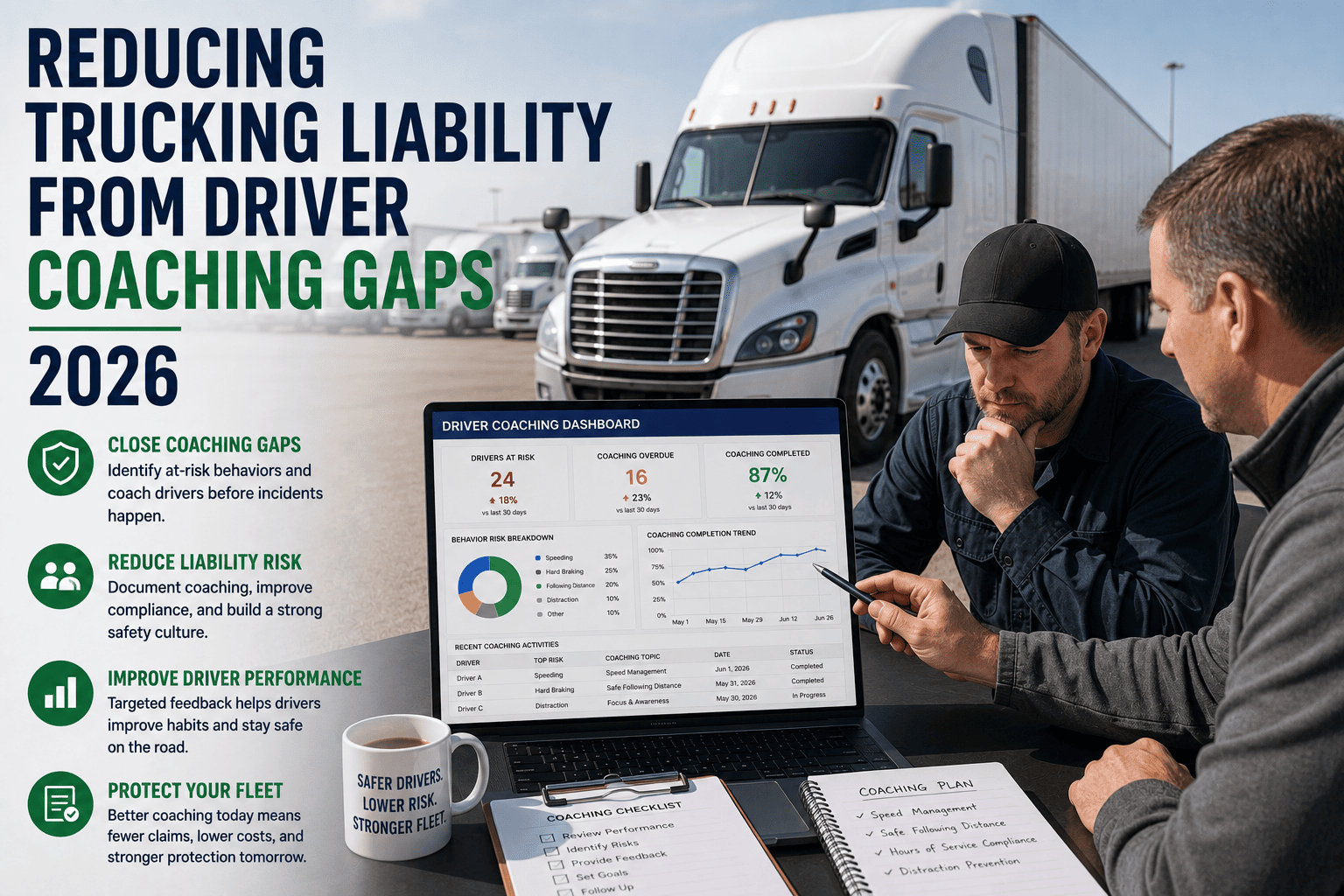
Safety Impact: Identifies risky driving patterns immediately, enabling real-time coaching. Drivers receive feedback in-cab, creating immediate behavior correction opportunities.
Results: Leading platforms report 25-35% accident reduction among monitored drivers within first 6 months of deployment.
Management Use: Identify highest-risk drivers for targeted training, recognize safe drivers through incentive programs, benchmark safety performance across fleet.
Outcome: Gamified safety scoring increases driver engagement and accountability. Top performers receive recognition, underperformers receive coaching.
Investigation Process: Automated incident alerts trigger investigation workflows. Managers access all data needed to determine root cause without external investigators.
Benefit: Reduces incident investigation time from days to hours. Prevents false narratives. Identifies systematic training needs.
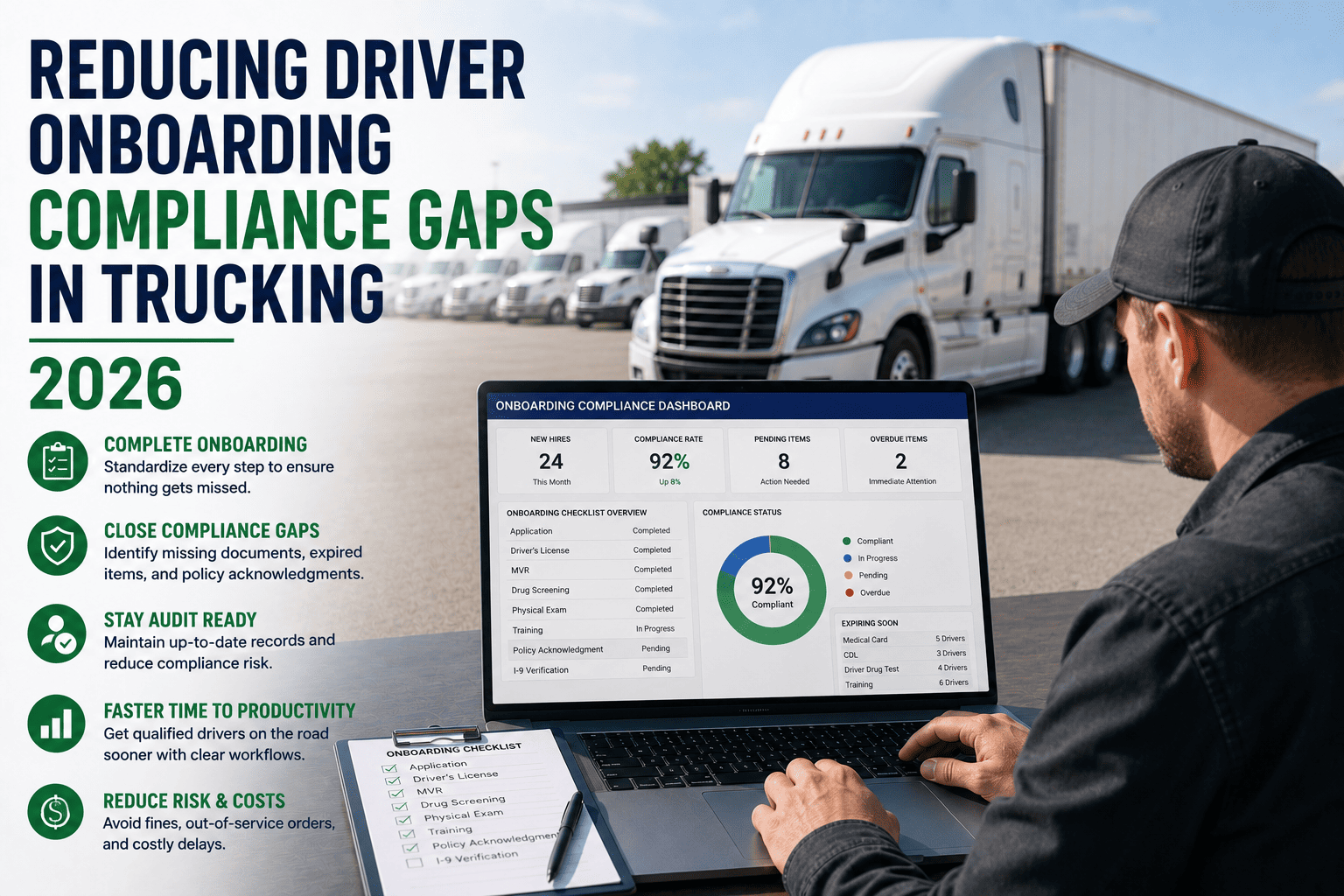
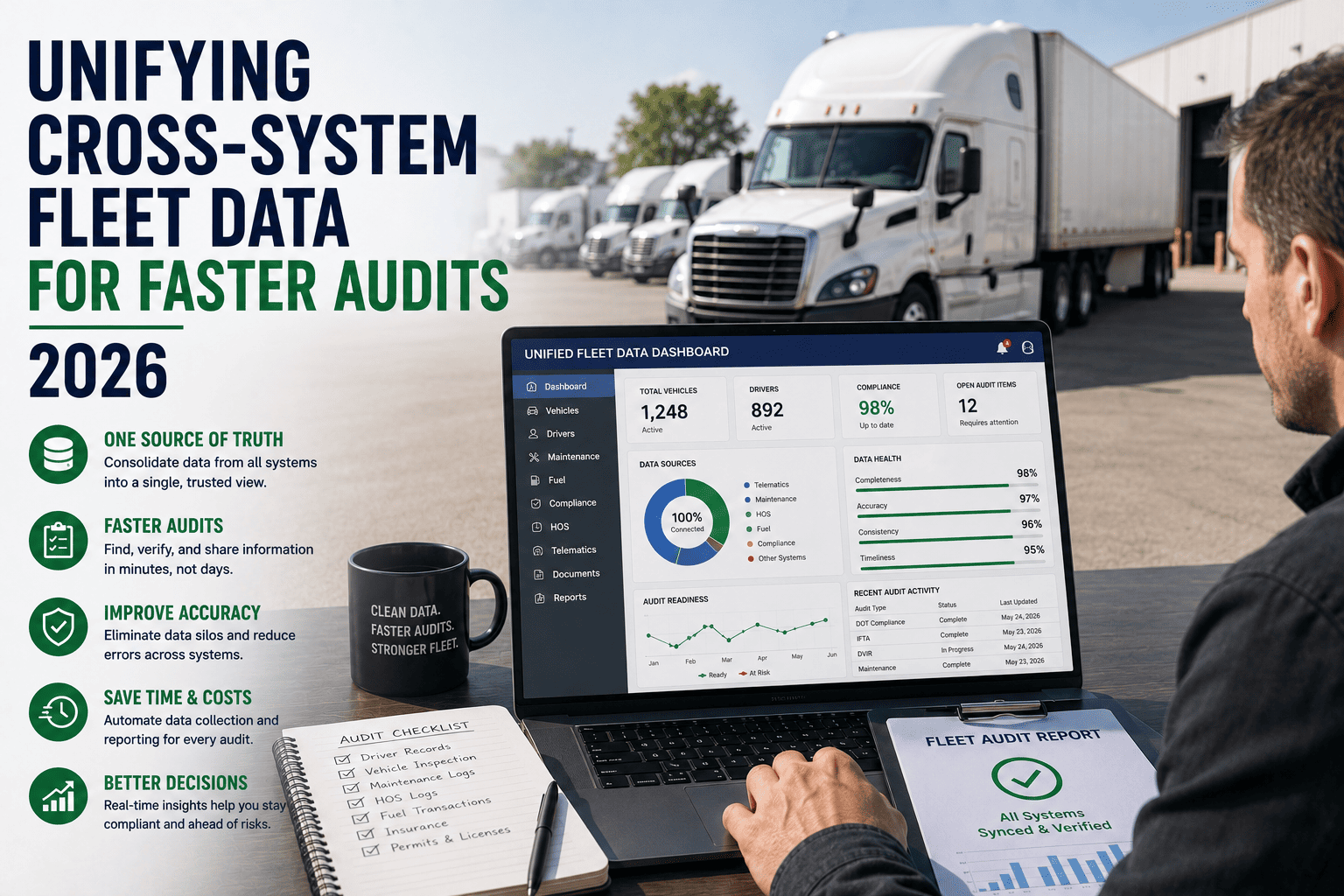
Automation Capability: Platforms automatically collect, organize, and archive compliance documentation. Reports generated on-demand for audits.
Protection: Audit-ready documentation demonstrates due diligence. Reduces liability exposure during accident litigation.
Alert System: Automated alerts notify managers of emerging risks before incidents occur. Route recommendations avoid high-risk corridors during peak risk periods.
Prevention Value: Shifts from reactive incident response to proactive risk mitigation. Prevents accidents through predictive intervention.
Carrier Communication: Platforms integrate with insurance systems to share safety metrics automatically. Carriers use data to calculate premiums accurately.
Savings Potential: Companies with documented safety programs receive 10-25% insurance premium reductions compared to fleets without formal programs.
Top Fleet Safety Management Platforms: Feature Comparison
The fleet safety management market includes multiple solution categories addressing different aspects of safety. Comprehensive platforms like FleetRabbit integrate driver monitoring, compliance automation, and incident management into unified systems. Specialized platforms focus on specific areas like video-based incident investigation or driver behavior coaching. Understanding which capabilities matter most for your transportation operation helps identify the right solution fit.
| Safety Management Capability | FleetRabbit Platform | Video-Based Solutions | Telematics-Only Platforms |
|---|---|---|---|
| Real-Time Driver Behavior Monitoring | Real-time alerts for speeding, harsh braking, acceleration | Post-incident video review only | Telematics data without behavioral analysis |
| Safety Scoring System | Continuous safety scoring updated per trip | Incident-based scoring only | Limited scoring capability |
| Incident Investigation Tools | Automated incident detection, telemetry-based investigation | Video-based investigation with footage | Basic incident reporting |
| Compliance Automation | HOS monitoring, DQF management, audit documentation | Limited compliance features | No compliance support |
| Driver Coaching Tools | In-cab alerts, post-trip coaching reports | Video-based coaching | No coaching capability |
| Predictive Safety Analytics | Route optimization, risk prediction, fatigue monitoring | No predictive features | Basic trend analysis |
| Insurance Premium Documentation | Comprehensive safety reports for carriers | Limited carrier integration | Basic reporting |
| Implementation Timeline | 2-4 weeks full deployment | 4-8 weeks with hardware | 1-2 weeks data integration |
| Typical Cost per Vehicle | $29-79/vehicle/month | $50-150/vehicle/month | $15-40/vehicle/month |
Why Fleet Safety Management Matters Now More Than Ever
Transportation companies face unprecedented pressure to improve safety outcomes. Insurance carriers increasingly impose safety program requirements as conditions of coverage. DOT enforcement actions focus on companies lacking documented safety cultures. Accident litigation becomes more expensive as juries assign higher liability to commercial drivers. Employee recruitment becomes harder when drivers fear working for unsafe companies. These factors combine to make active fleet safety management a business imperative, not optional operational add-on.
Implementation Timeline: Getting Fleet Safety Right
Successful fleet safety implementations typically follow a phased approach. Initial setup focuses on driver monitoring and baseline safety score establishment. Subsequent phases automate compliance tracking and integrate incident investigation. Final optimization phases refine coaching programs and leverage predictive analytics. This gradual rollout allows drivers to adapt to monitoring culture without overwhelming the organization.
Leading transportation companies reduce accidents by 35%, cut insurance costs by $25-40K annually, and build strong safety cultures using comprehensive fleet safety management solutions. See how FleetRabbit enables predictive safety, compliance automation, and incident investigation at scale.
How Fleets Typically Use Safety Management Platforms
Transportation companies use fleet safety solutions for multiple purposes throughout their operations. Safety managers monitor real-time alerts and investigate incidents. Dispatch teams receive route recommendations based on safety risk. Drivers get immediate feedback on risky behavior through in-cab alerts and post-trip coaching. Executive leadership reviews safety metrics monthly for board reporting and insurance negotiations. This multi-use approach means safety platforms create value across the entire organization rather than sitting as single-department tools.
Frequently Asked Questions About Fleet Safety Management
Comprehensive fleet safety management solutions prevent accidents, reduce liability, and lower insurance costs. See how transportation companies across the industry improve safety culture and measurable outcomes with modern safety platforms.
Choosing the Right Fleet Safety Management Solution
Evaluating fleet safety platforms requires examining core capabilities across real-time monitoring, compliance automation, incident investigation, and analytics. Comprehensive platforms like FleetRabbit integrate these capabilities into unified systems, reducing integration complexity and ensuring data consistency. Specialized platforms may excel in specific areas like video investigation but require integration with other tools. Consider your fleet size, current safety challenges, budget constraints, and growth plans when evaluating solutions. Request free trials to test platforms with your actual vehicle types and driver population before committing.
Fleet safety management transforms transportation companies by preventing accidents, reducing liability, and creating strong safety cultures. Top platforms combine real-time monitoring, compliance automation, and predictive analytics into integrated solutions that work across your entire fleet.