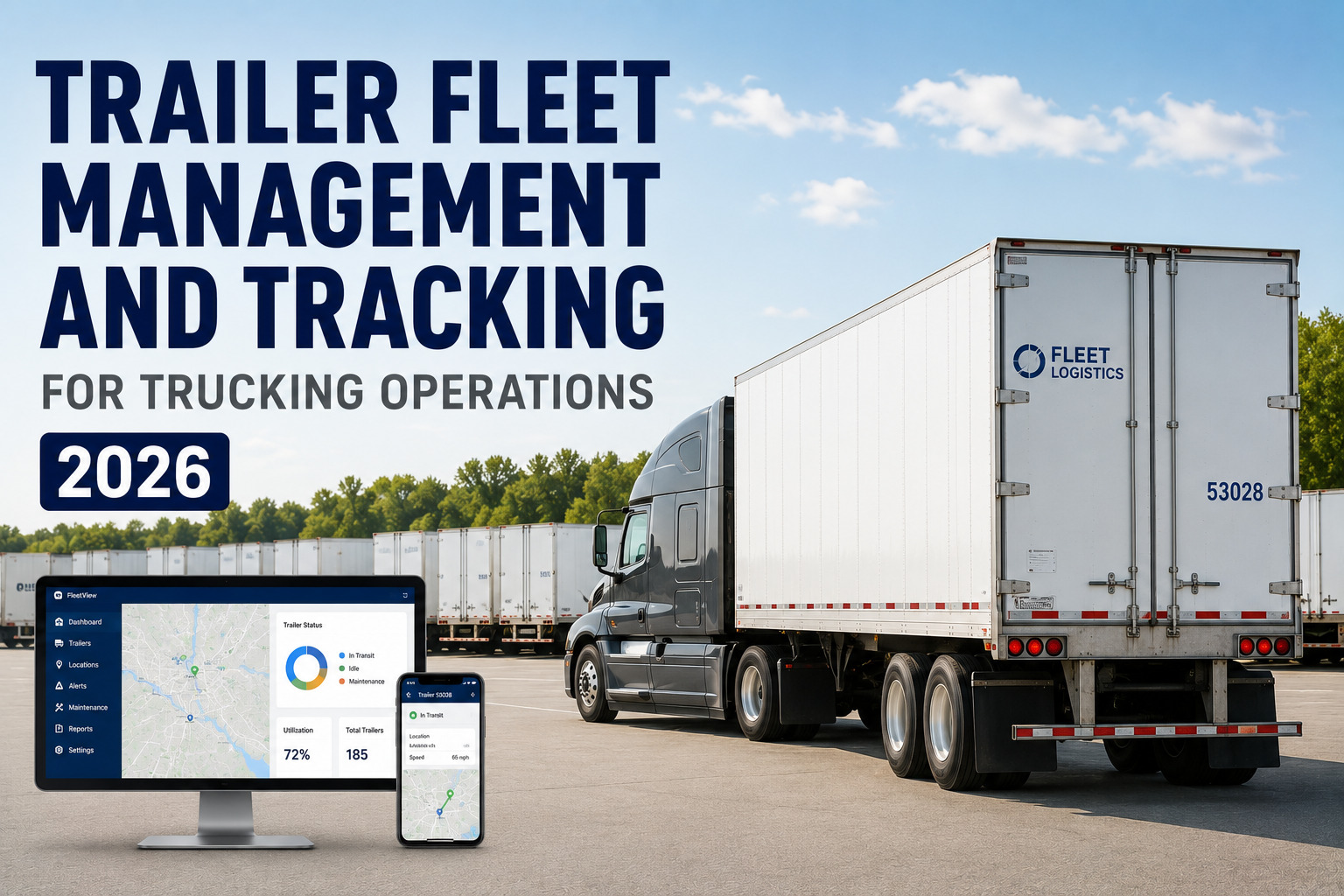
Managing a trailer fleet in 2026 is no longer about clipboards and manual check-ins. With hundreds of trailers spread across depots, drop yards, and customer locations, fleet operators face a persistent challenge: knowing where every asset is, what condition it's in, and whether it's generating revenue or silently draining it. Trailer fleet management has evolved into a data-driven discipline that separates profitable carriers from those constantly firefighting lost assets, compliance violations, and underutilized equipment. Whether you're running 20 trailers or 2,000, the right management and tracking approach directly impacts your bottom line.
Trailer fleet management is the systematic process of tracking, maintaining, scheduling, and optimizing trailers across a transportation network. It combines GPS tracking, inspection workflows, maintenance scheduling, and utilization analytics to ensure every trailer is visible, compliant, and deployed efficiently. Modern platforms like FleetRabbit automate these processes, reducing trailer loss by up to 30% and improving overall fleet utilization by 25 to 40%.
Why Trailer Tracking Is a $10 Billion Problem in Trucking
Industry research consistently shows that 10 to 20 percent of trailers in any given fleet are unaccounted for at any point in time. These aren't stolen assets — they're sitting idle at customer docks, forgotten in drop yards, or waiting on paperwork. Each idle trailer represents a daily revenue loss of $150 to $400 depending on trailer type and market rate. For a 200-trailer fleet, even a 15% idle rate translates to 30 trailers sitting unused every day — a loss of $4,500 to $12,000 daily, or up to $4.3 million annually.
Beyond idle assets, untracked trailers create compounding operational issues: detention billing goes uncollected, maintenance is missed, and compliance deadlines slip. Carriers who implement real-time trailer tracking consistently report recovering 20 to 35% more detention revenue simply by having accurate dwell-time data. If you're not already using a tracking system, book a demo with FleetRabbit to see exactly what you're leaving on the table.
Core Components of Trailer Fleet Management
A complete trailer fleet management strategy isn't a single tool — it's a layered system of interconnected capabilities. Here's how the key components work together:
Real-Time GPS Tracking
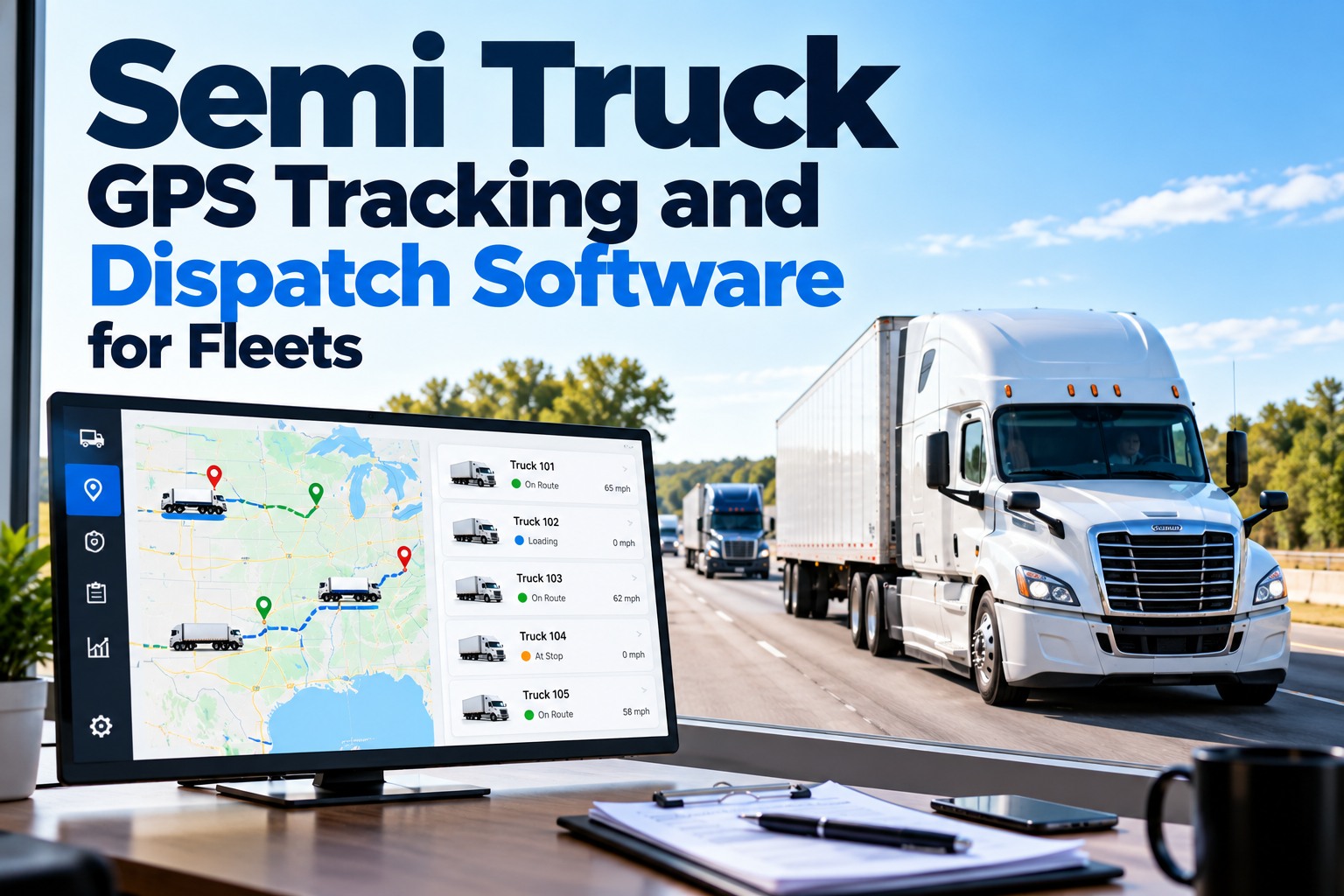
Live location of every trailer — whether hooked to a truck or dropped at a customer site. Know exactly where assets are without calling drivers or dispatchers.
Digital Inspection Workflows
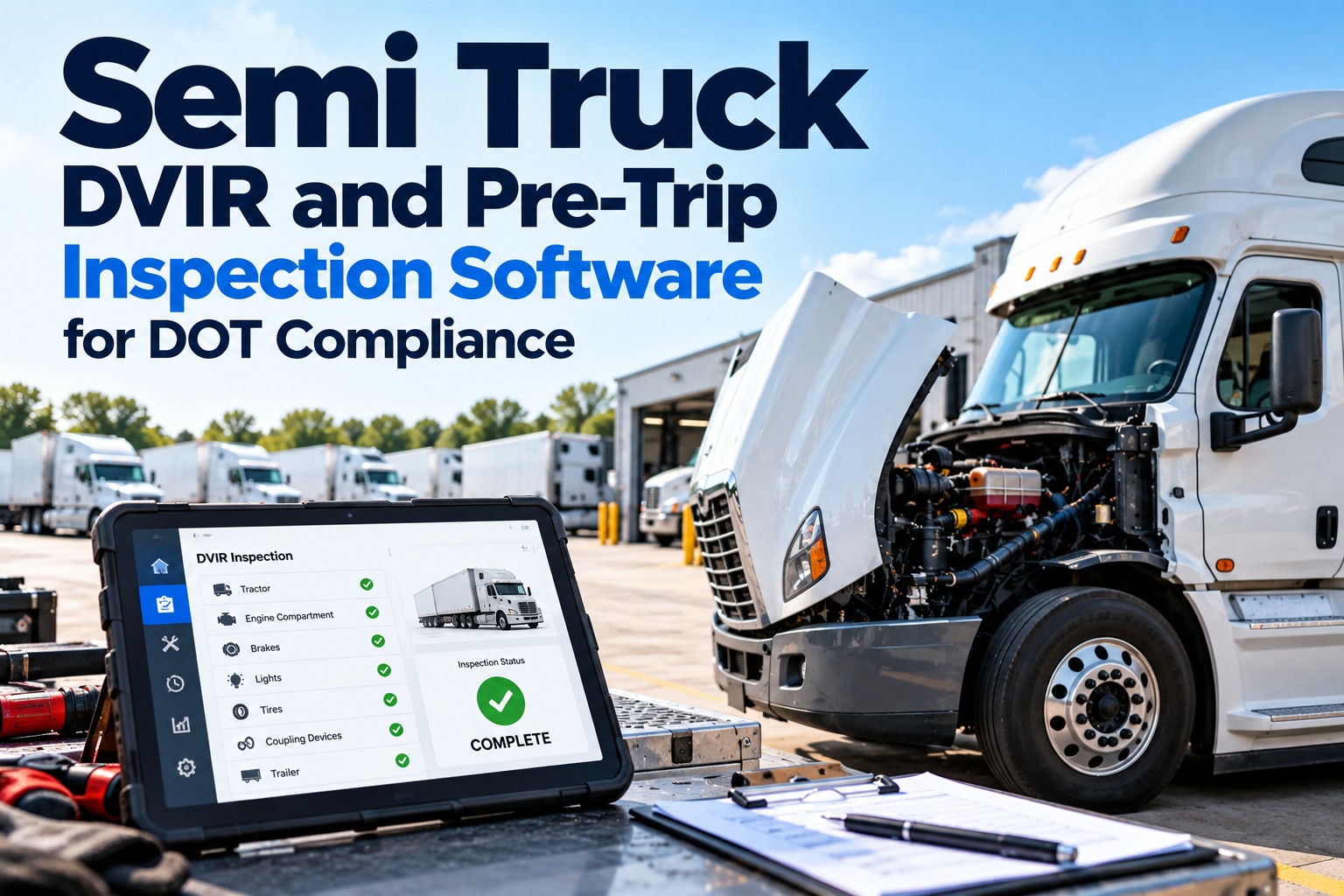
Standardized pre- and post-trip inspection checklists completed on mobile devices. Defects are flagged instantly and routed to maintenance teams — no paper, no delays.
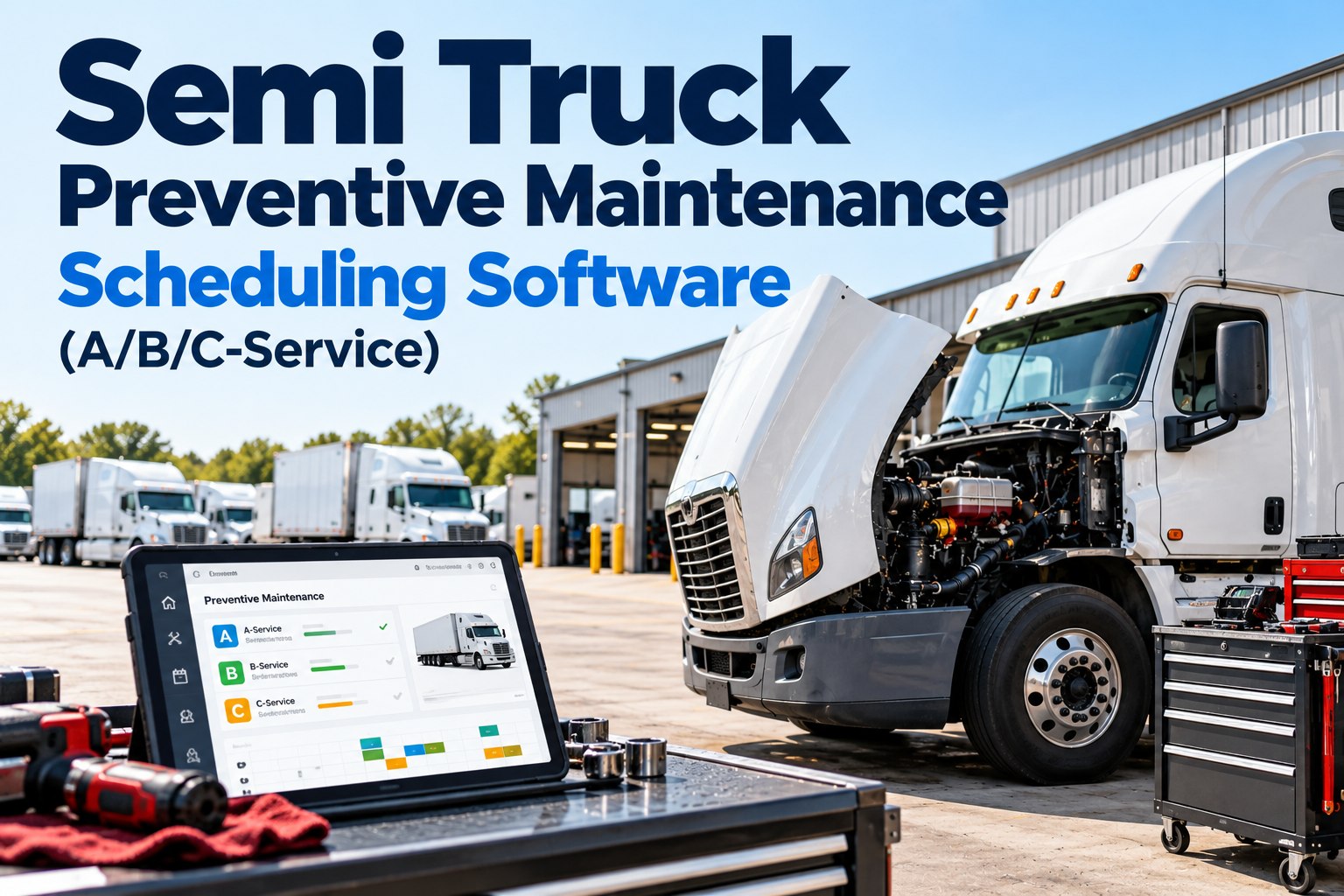
Preventive Maintenance Scheduling
Automated maintenance intervals based on mileage, time, or usage cycles. Service reminders prevent costly roadside breakdowns and keep trailers compliant with DOT standards.
Utilization Analytics
Track which trailers are generating revenue versus sitting idle. Identify underperforming assets and optimize dispatch decisions with data-backed insights.
Compliance Management
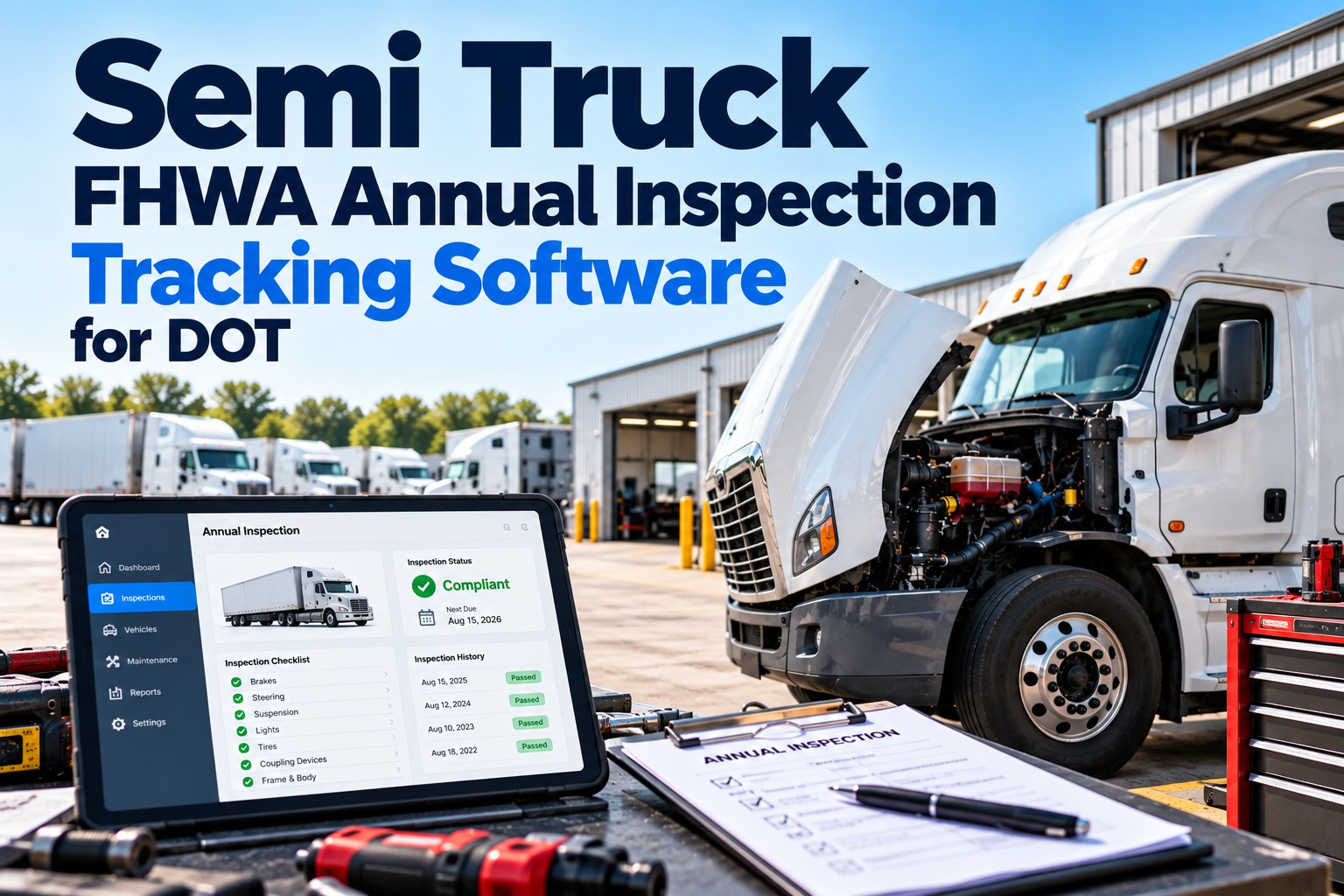
Automated tracking of registration renewals, annual inspections, and DOT compliance deadlines. Never miss a compliance date that could ground your trailers or trigger violations.
Detention & Dwell Monitoring
Automatically log when trailers arrive and depart customer locations. Generate detention billing reports without relying on driver memory or manual timestamps.
Trailer Utilization: The Hidden Profit Lever
Most fleet managers focus on truck utilization — how many miles trucks are running, how efficiently they're routing. But trailer utilization is equally critical and far more often overlooked. A trailer sitting empty at a shipper's dock for 3 days isn't just an inconvenience — it's a capacity constraint that forces you to run a larger fleet than necessary.
What Good Trailer Utilization Looks Like
Industry benchmarks suggest well-managed fleets achieve 70 to 85% trailer utilization — meaning trailers are loaded and moving (or being actively loaded/unloaded) for that percentage of available time. Fleets without dedicated tracking systems typically operate at 50 to 60% utilization, sometimes lower. Closing that gap with a platform like FleetRabbit can allow you to serve more freight with fewer trailers, directly reducing your asset investment and insurance costs.
How Utilization Data Drives Smarter Dispatch
When dispatchers have real-time visibility into which trailers are empty, where they're located, and how long they've been idle, they make fundamentally better decisions. Instead of ordering a new trailer pickup 40 miles away, they can route a driver to an empty asset 8 miles out. These small optimizations compound across thousands of dispatch decisions into significant fuel savings and faster turn times.
Trailer Inspection Management: Compliance Without the Chaos
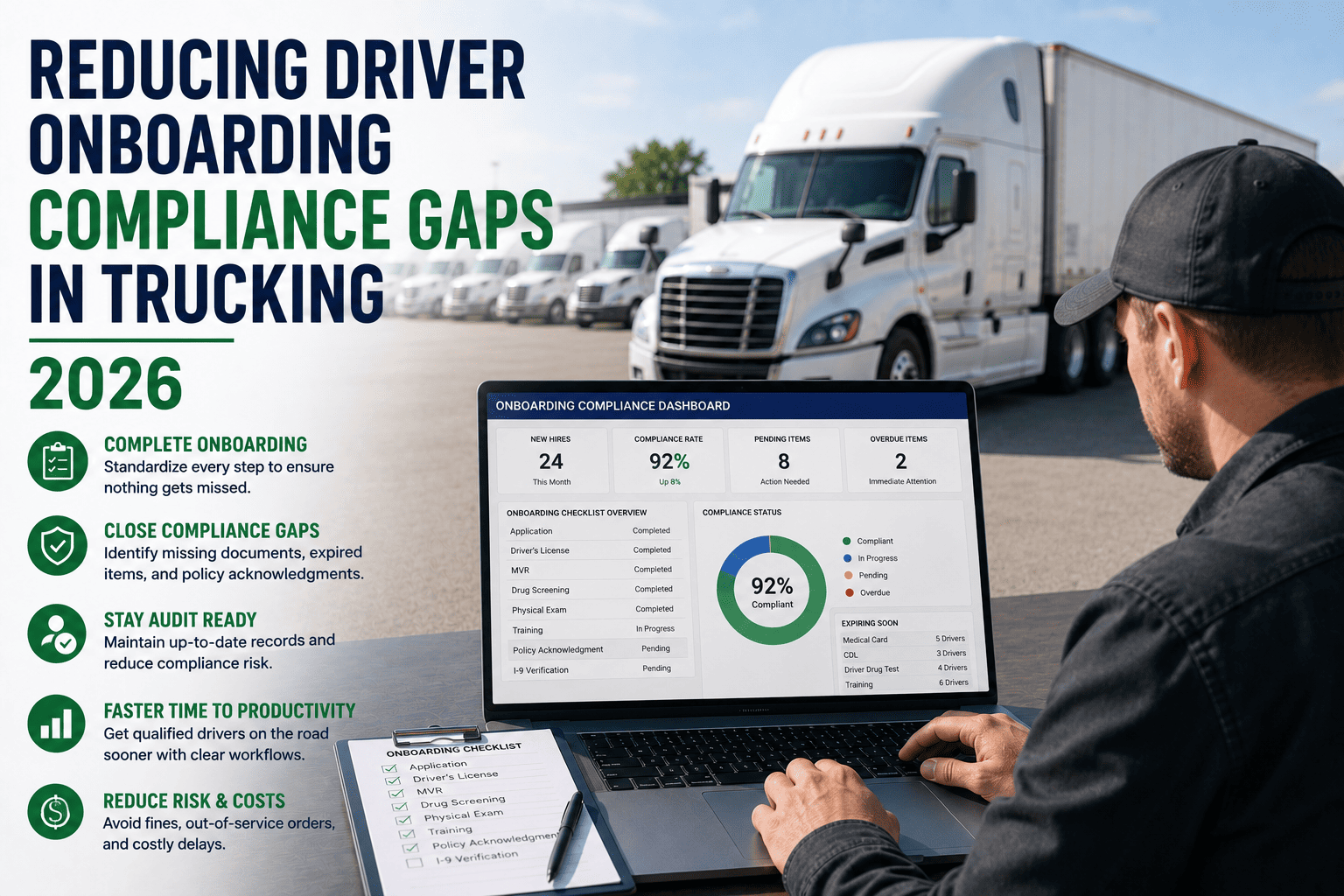
DOT-required pre-trip and post-trip inspections are non-negotiable, but paper-based inspection processes are notoriously unreliable. Drivers forget, forms get lost, and defects go unreported until they become roadside violations or accidents. Digital inspection management solves all of this while creating an auditable compliance trail.
What Digital Inspections Change
| Inspection Factor | Paper-Based Process | Digital Management Platform |
|---|---|---|
| Defect Reporting | Manual forms, often incomplete or illegible | Instant photo-attached defect reporting via mobile app |
| Repair Routing | Paperwork transferred between departments, delays common | Automatic work order creation when defect is flagged |
| Compliance Records | Paper files, hard to audit or retrieve quickly | Searchable digital records with timestamp and driver signature |
| Missed Inspections | Easy to skip without accountability | Automated reminders and completion tracking per vehicle |
| Roadside Inspection Risk | High — documentation gaps common | Low — full audit trail available on demand |
Key Items in a Trailer Pre-Trip Inspection
A complete trailer inspection covers landing gear condition, tire pressure and tread depth, brake system functionality, lighting (tail, marker, brake lights), coupling mechanism integrity, cargo securement points, and door seal condition. Digital checklists ensure no item is skipped, and any defect photo-documented on the spot. Sign up for FleetRabbit and configure custom inspection checklists for your specific trailer types in under 30 minutes.
Trailer Maintenance: From Reactive to Predictive
Trailer maintenance is typically reactive — something breaks, a driver reports it, and repair scheduling begins. This approach is expensive. Emergency trailer repairs cost 3 to 5 times more than the same work performed during a scheduled service window. Trailer downtime during peak shipping seasons can mean missed loads and contract penalties that far exceed the repair bill itself.
Reactive Maintenance
Fix it when it breaks. Highest cost, most downtime, most risk.
Scheduled Preventive Maintenance
Service at fixed intervals regardless of condition. Better, but still imprecise.
Condition-Based Maintenance
Service triggered by actual usage data — mileage, load cycles, inspection findings.
Predictive Maintenance
Issues flagged before failure. Maximum uptime, lowest lifetime cost.
Common Trailer Maintenance Items and Cost Comparison
Understanding the cost difference between planned and emergency maintenance helps quantify the ROI of a proper management system. Tire replacement planned during scheduled service runs $300 to $500 per tire with standard labor. The same tire failure on the road means towing ($500 to $1,500), emergency roadside labor, and a load delay that may trigger customer penalties. Brake system service costs $600 to $900 planned versus $2,400 to $4,000 for an emergency brake failure. Lighting and electrical repairs average $200 to $400 during scheduled service but create DOT violations if caught at roadside inspection, adding fines to the repair cost.
GPS Trailer Tracking: Technology Breakdown
Not all trailer tracking technology is equal. Understanding the options helps fleet managers choose solutions that match their operational needs and budget constraints.
Passive GPS Loggers
Cellular GPS Trackers
Integrated Fleet Management Platform
Stop Losing Trailers. Start Growing Revenue.
FleetRabbit gives you real-time visibility into every trailer in your fleet — where it is, what condition it's in, and whether it's earning money. Set up in hours, not weeks. No hardware headaches.
Trailer Fleet Management for Different Fleet Types
Dry Van Fleets
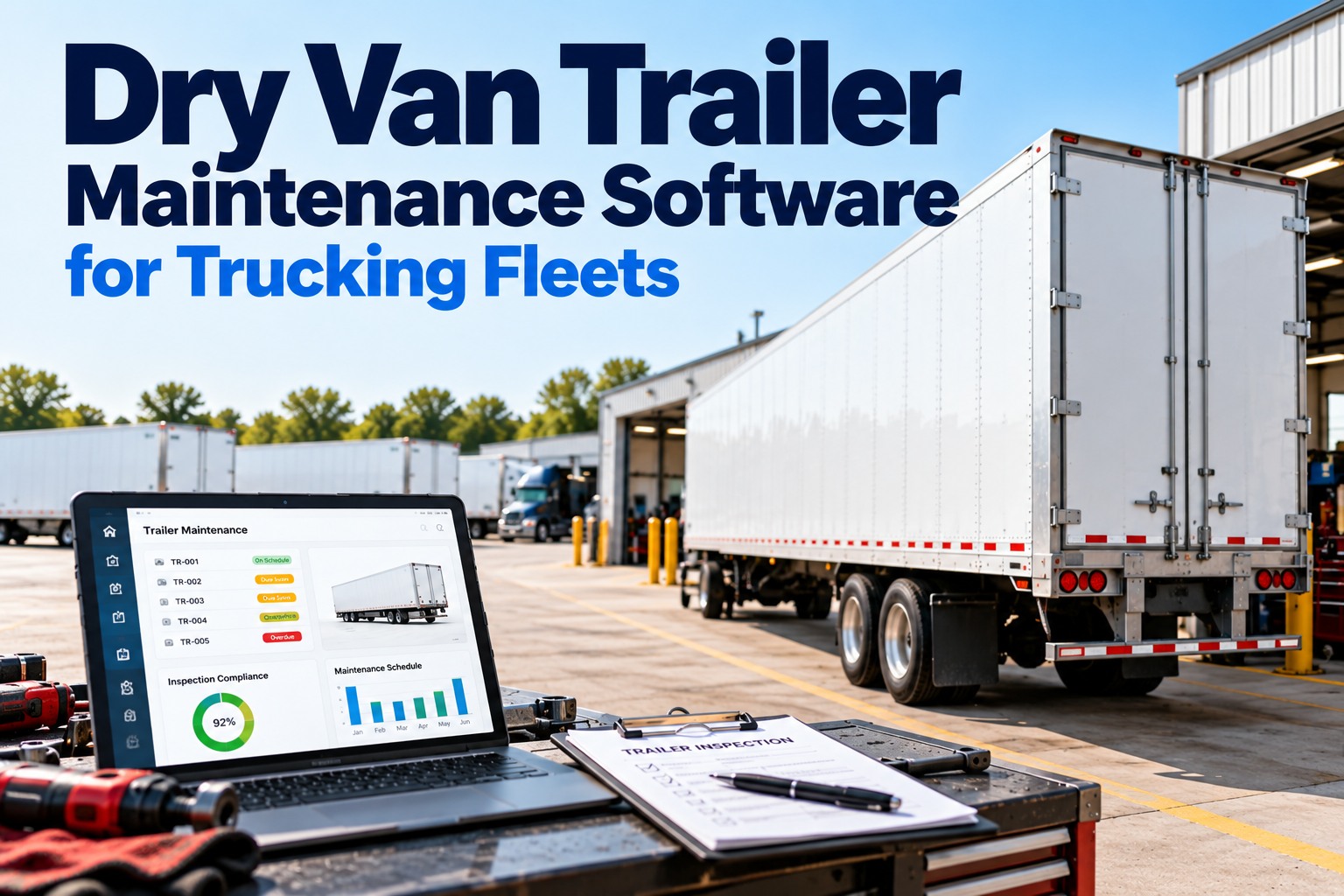
Dry van operators typically run the largest trailer pools and face the highest risk of trailer pooling inefficiency. With multiple customers sharing drop trailer programs, dwell time management and detention billing become complex. Automated dwell tracking from a platform like FleetRabbit captures every minute a trailer sits at a customer location, making detention billing automatic and dispute-proof.
Refrigerated (Reefer) Fleets
Refrigerated trailer fleets carry the added burden of temperature management and refrigeration unit maintenance. A reefer unit failure doesn't just mean a trailer repair — it means a spoiled load worth tens of thousands of dollars. Integrated monitoring that tracks both GPS position and refrigeration unit status provides the dual-layer visibility reefer operators need.
Flatbed and Specialized Equipment
Flatbed and specialized carriers often deal with trailers that sit longer at project sites, making location recovery and utilization tracking even more critical. Digital inspection checklists for flatbed-specific items like tie-down points, decking condition, and headboard integrity ensure specialized compliance requirements are met consistently.
LTL and Regional Carriers
Less-than-truckload carriers move trailers through multiple terminals daily. Visibility across a multi-terminal network requires more than manual tracking — it requires a centralized platform where any team member at any location can see the full trailer inventory and its status in real time.
Building a Trailer Fleet Management Rollout Plan
Phase 1: Baseline Audit (Week 1–2)
Before implementing any system, audit your current trailer inventory. Physically locate and document every trailer — you may discover your actual count differs from what's on paper. Calculate current utilization rate by dividing active trailer days by total available trailer days over a 30-day period. Document current downtime incidents and their costs. This baseline becomes your measurement benchmark. Ready to get started? Book a discovery call with FleetRabbit and we'll help structure your baseline audit process.
Phase 2: System Implementation (Week 3–5)
Install tracking hardware or connect existing telematics data. Configure maintenance schedules aligned to manufacturer recommendations and your operational patterns. Set up digital inspection checklists for each trailer type in your fleet. Train drivers on mobile inspection workflows and dispatchers on the visibility dashboard.
Phase 3: Active Management and Optimization (Week 6 onward)
With live data flowing, shift from reactive to proactive management. Use utilization reports to identify chronically idle trailers — candidates for liquidation or redeployment. Review maintenance cost-per-trailer monthly to spot outliers needing attention. Leverage geofence alerts to recover trailers that drift outside approved zones.
ROI of Trailer Fleet Management Software
Calculating the return on investment for trailer fleet management software requires looking at multiple revenue and cost levers simultaneously. Here's a realistic model for a 100-trailer fleet:
Recovered Detention Revenue
Automated dwell tracking captures billable detention time that was previously lost or disputed.
Maintenance Cost Reduction
Shifting from reactive to preventive maintenance eliminates costly emergency repairs and downtime.
Fleet Right-Sizing Savings
Better utilization allows serving the same freight volume with fewer trailers, reducing acquisition and insurance costs.
Compliance Violation Avoidance
Automated compliance tracking prevents DOT violations, fines, and the CSA score damage that raises insurance premiums.
Total annual benefit for a 100-trailer fleet: $105,000 to $260,000. Annual platform investment: $15,000 to $30,000. ROI typically positive within 60 to 90 days of full implementation. Sign up for FleetRabbit and start capturing these savings this quarter.
Frequently Asked Questions
The Future of Trailer Fleet Management in 2026 and Beyond
Trailer fleet management is entering a new phase driven by AI-powered predictive analytics, IoT sensor proliferation, and tighter regulatory requirements. The carriers that invest in comprehensive management platforms today are building an operational foundation that will compound in advantage over the next decade.
Emerging Trends Shaping the Industry
Solar-powered trailer tracking units are eliminating the installation cost and battery maintenance friction that previously slowed tracking adoption. AI-driven utilization optimization is beginning to automatically recommend optimal trailer assignments based on historical patterns, customer dwell data, and route efficiency. Integrated load monitoring sensors are adding cargo weight and distribution data to the trailer management picture, improving load planning and preventing overweight violations.
Regulatory pressure is also driving adoption. Electronic logging requirements continue to expand, and compliance documentation expectations from major shippers increasingly include trailer inspection records and maintenance history. Carriers who cannot provide this documentation digitally are finding themselves at a disadvantage in freight contract renewals.
The bottom line for 2026: trailer fleet management is transitioning from a competitive differentiator to a competitive baseline. Carriers operating without it are falling behind in efficiency, compliance, and customer service. Book a demo with FleetRabbit today and see what modern trailer fleet management can do for your operation.
Get Complete Visibility Over Every Trailer in Your Fleet
From real-time GPS tracking to automated inspection workflows, maintenance scheduling, and detention billing — FleetRabbit puts everything in one place. No more lost trailers. No more missed maintenance. No more uncollected detention. Start your free trial today, no credit card required.