.png)
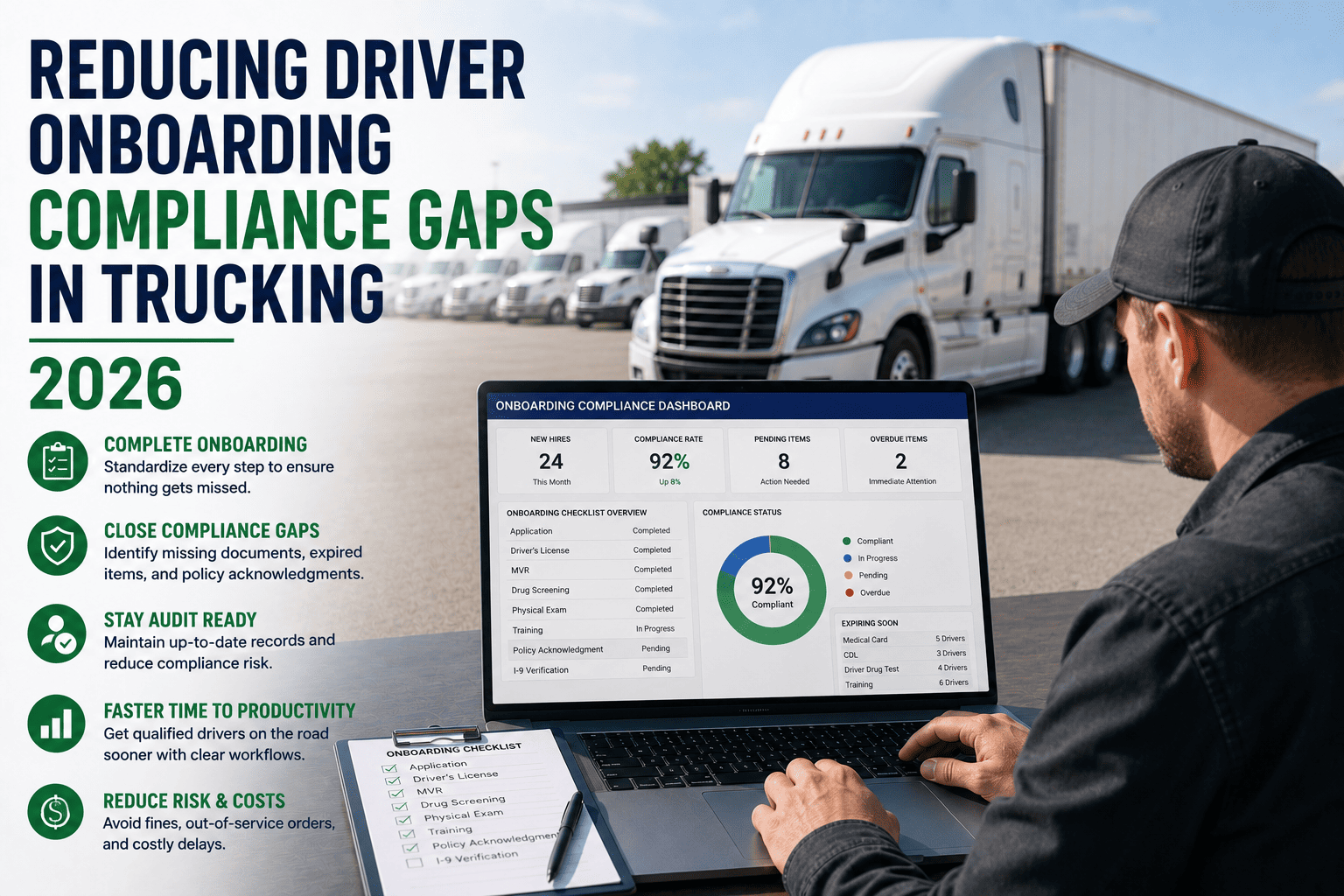
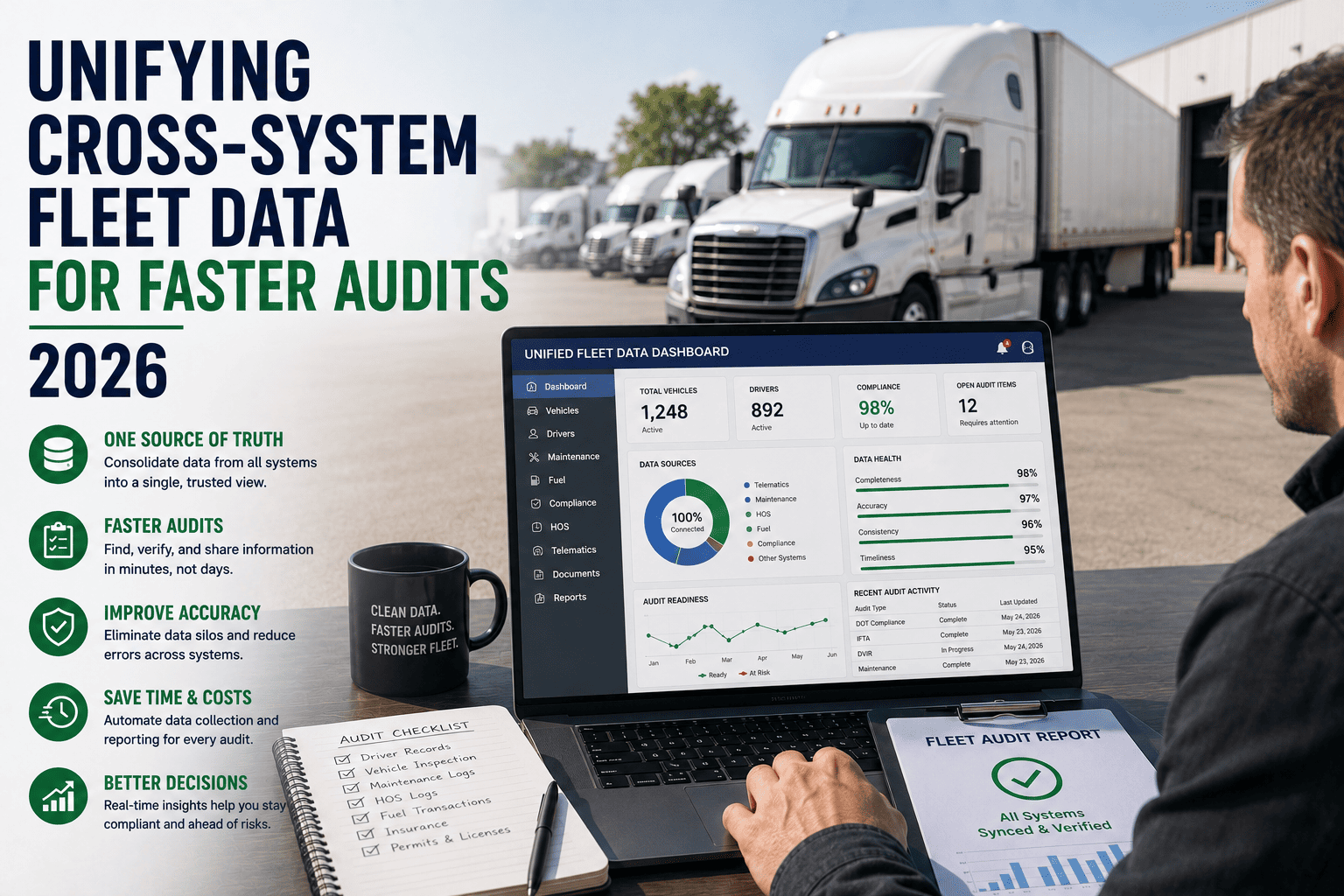
Daily routine management for commercial vehicle drivers plays a critical role in minimizing vehicle wear, reducing administrative burdens, and maintaining strict safety compliance. Complex Hours of Service (HOS) rules, federal safety regulations, and demanding road conditions mean that commercial drivers require a structured, step-by-step checklist to guide their daily operations. By adhering to a comprehensive daily inspection and reporting workflow, fleet operators prevent costly unexpected breakdowns, ensure driver safety, and maintain a clean safety record. This complete truck driver daily checklist provides a structured guide for every shift, from pre-trip inspections to final post-trip DVIR submissions.
Digitize Driver Checklists and Inspections
Fleet Rabbit automates daily inspection scheduling, captures real-time driver logs, and instantly reports vehicle defects to maintenance teams. Replace slow paper checklists with rapid digital forms that keep your drivers safe and compliant on every shift.
Truck Driver Daily Checklist 2026
Complete Routine for Safe, Efficient, and DOT-Compliant Operations
Driver Daily Routine: 17-Item Compliance Checklist
Systematically verify each operational component before, during, and after your shift to identify vehicle defects, maintain HOS compliance, and ensure safe road operations.
Industry Standards: What Professional Commercial Drivers Verify Daily
Top-tier transportation operators enforce structured inspection protocols to reduce liability, satisfy DOT audits, and keep public highways safe for everyone.
Federal Motor Carrier Safety Regulation 392.7 dictates that no commercial motor vehicle shall be driven unless the driver is satisfied that parts and accessories are in good working order. A complete pre-trip inspection ensures brakes, steering mechanism, lighting, tires, horn, windshield wipers, and coupling devices function correctly. Spending fifteen minutes on this routine protects the driver from sudden mechanical failure on high-speed roads.
Maintaining correct tire inflation is essential for fuel efficiency and preventing catastrophic blowouts. Cold temperatures cause tire pressure drops, while under-inflation leads to excessive sidewall heat. Steer axle tires must maintain at least 4/32 inch tread depth and cannot contain regrooved or repaired sections according to DOT rules. Drivers must use pressure gauges rather than simple visual checks to verify standard commercial PSI limits.
Commercial vehicles utilizing air brakes must undergo a mandatory cabin air pressure test before every shift. Drivers verify that static pressure drops no more than two PSI per minute for straight trucks, or three PSI for tractor-trailers. Low-pressure warning buzzers must activate before pressure falls below sixty PSI to give the operator ample warning. Checking slack adjusters and brake chamber pushrods prevents catastrophic stopping failure.
Operating a commercial vehicle requires accurate Hours of Service logging via an Electronic Logging Device (ELD). Drivers must log duty status changes in real-time, including on-duty, driving, sleeper berth, and off-duty settings. Daily log certification is required to prove compliance with standard eleven-hour driving and fourteen-hour duty limits. Digital logging prevents high-cost record-of-duty status violations during roadside inspections.
Securing cargo is a legal mandate that prevents accidents from shifting or falling freight during highway travel. Drivers must inspect tie-downs, straps, chains, and cargo locks within the first fifty miles of a trip. Drivers must re-examine cargo securing devices at regular intervals during the journey to adjust for settlement. Correct weight distribution across steer, drive, and trailer axles prevents severe bridge law violations.
At the end of every working day, commercial drivers are required by FMCSA 396.11 to prepare a written or digital report. The Driver Vehicle Inspection Report must list any defects that would affect the safe operation of the vehicle. If no defects are present, the driver must document that no defects were discovered during the post-trip walkaround. Maintenance personnel must repair and sign off on any critical safety items prior to the truck returning to service.
Truck Driver Daily Routine: Reference Guide by Shift Phase
Use this reference table to understand specific driver inspection targets, verification methods, and required frequencies throughout the working day.
| Checklist Target | Category | Verification Method | Required Frequency |
|---|---|---|---|
| Under-Hood Fluids check | Engine Bay | Visual dipstick level and leak check under block | Before every shift |
| Tire Pressure and Tread | Tires & Wheels | Calibrated gauge check, tread depth measurement | Daily during pre-trip |
| Cabin Brake Leak Test | Braking | In-cab air gauge monitoring, pressure drop test | Daily before moving |
| Safety Equipment Check | Emergency | Extinguisher charge verification, warning triangle count | Weekly or tractor swap |
| Coupling Verification | Connection | Visual review of fifth wheel lock, jaw engagement | Before every departure |
| Cargo Lock and Tie-downs | Security | Physical check of straps, tensioners, door seals | Within first 50 miles |
| External Light Check | Visibility | Testing turn signals, brake lights, and hazards | Before every shift |
| In-Cab Controls check | Dashboard | Wiper blade check, heater and defroster test | Daily during pre-trip |
| ELD Logging Status | Compliance | Verify profile, log current duty status on screen | At every duty transition |
| Post-Trip Walkaround | Maintenance | Tire, brake drum, and light damage check | End of every shift |
| Digital DVIR Submission | Compliance | Complete electronic report inside Fleet Rabbit app | Daily at shift end |
Scroll horizontally on mobile to view complete table
Daily Routine Automation: Benefits and Impact
Establishing digital checklist procedures for your commercial drivers drives measurable operational gains, improves compliance metrics, and keeps your fleet rolling efficiently.
Enhanced Safety and Peace of Mind
Rigorous pre-trip checks eliminate active roadside defects before they trigger catastrophic on-highway failures. Proper routine inspections reduce severe highway breakdown incidents by over forty-five percent.
Streamlined Roadside Inspections
Completing daily safety reviews and maintaining clear digital logs ensures drivers breeze through DOT checkpoints. Safe fleets enjoy lower violation rates and protect their corporate safety rating.
Immediate Defect Alerting
Digital DVIR inputs instantly transmit detected defects to maintenance shops without paper-handling delays. Maintenance teams prepare replacement parts before the truck even returns to the yard.
Extended Asset Service Life
Identifying low fluid levels, tire pressure drops, and belt fraying early avoids catastrophic engine or suspension damage. Catching issues early saves fleets thousands in preventable replacement costs.
Digital Maintenance Scheduling for Fleet Drivers
Say goodbye to lost paper logs and slow inspection workflows. Fleet Rabbit keeps your commercial drivers organized, schedules preventive maintenance dynamically, tracks defect histories, and produces detailed compliance reports. Streamline your driver routines in minutes instead of hours.
Driver Inspection Workflows
Organize driver checklists by critical operational stages to maintain safety throughout the shift.
Compliance and Safety Standards
Align fleet drivers with federal motor carrier safety standards and log compliance requirements.
Fleet Operational Excellence
Use digital insights to improve communication between commercial drivers and heavy vehicle technicians.
Driver Routine Inspections: Frequently Asked Questions
When is a truck driver daily checklist legally required?
Under FMCSA regulation 396.11, commercial drivers must complete a daily post-trip inspection and submit a Driver Vehicle Inspection Report (DVIR) for any defect. You can book a demo or start a free trial to learn more about digital compliance.
What is the penalty for not completing a daily pre-trip inspection?
Failing to inspect your vehicle can lead to critical safety violations, costly roadside out-of-service orders, and heavy DOT fines. Keep your fleet safe and compliant by choosing to start a free trial and manage inspection workflows.
How does a digital daily checklist improve fleet operations?
Digital checklists trigger instant alerts for maintenance teams when defects are flagged, eliminating delays caused by paper reports. Discover how you can speed up repairs when you book a demo with our team today.
Do drivers need to log HOS status daily on a checklist?
Yes, drivers must update their duty status on their ELD at every transition to remain compliant with federal law. Easily manage driver workflows and HOS compliance tracking when you start a free trial of our platform.
What safety equipment must be checked during the daily routine?
Drivers must verify that a fully charged fire extinguisher, three warning triangles, and spare fuses are secured in the cab. Automate these safety compliance checks today by choosing to book a demo now.
Simplify Fleet Management with Automated Checklists
Replace outdated paper checklists with Fleet Rabbit's digital compliance workflow. Automated DVIR scheduling keeps your maintenance team alerted, records daily service histories, and produces safety reports instantly. Prepare your commercial fleet drivers for successful compliance auditing in minutes.