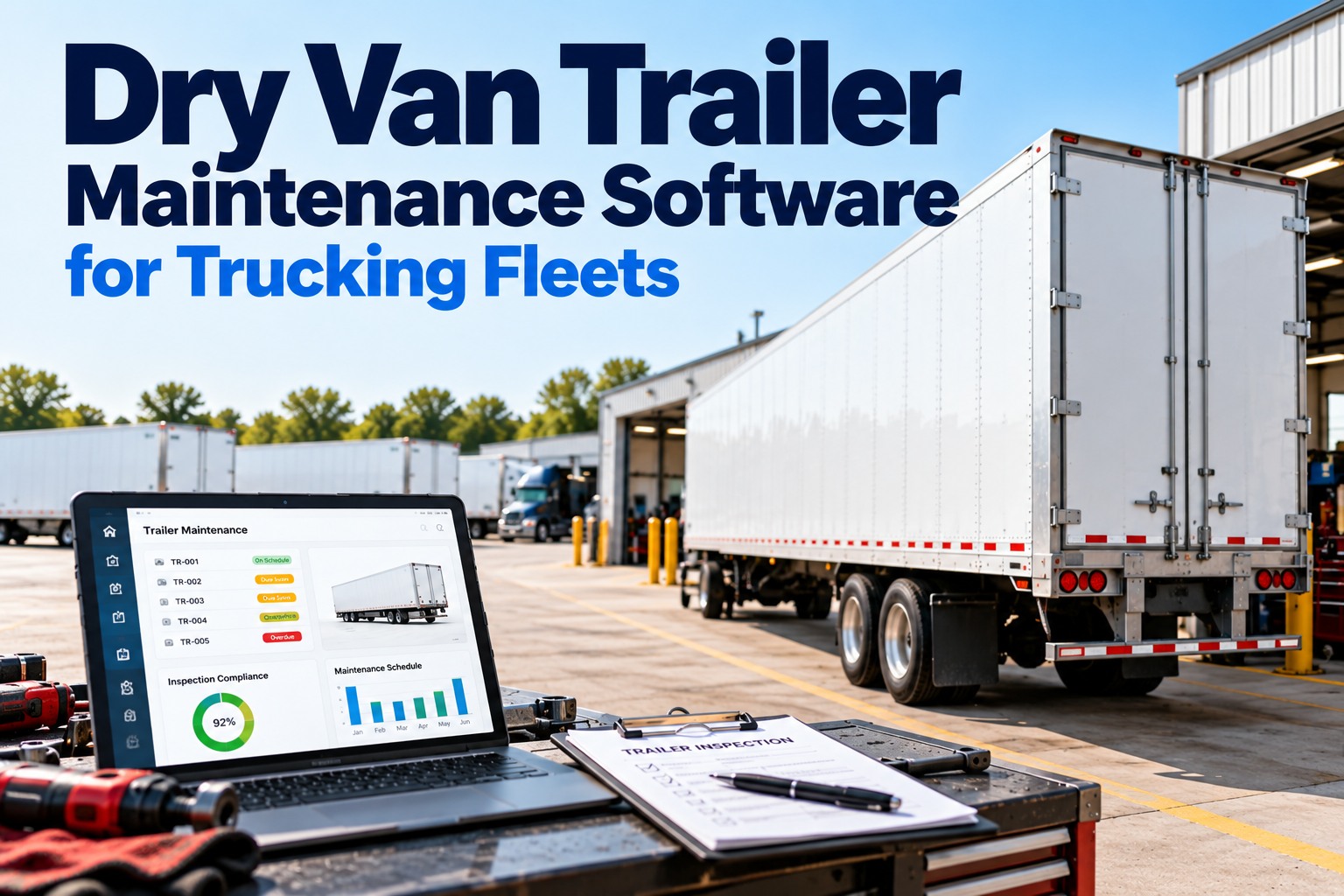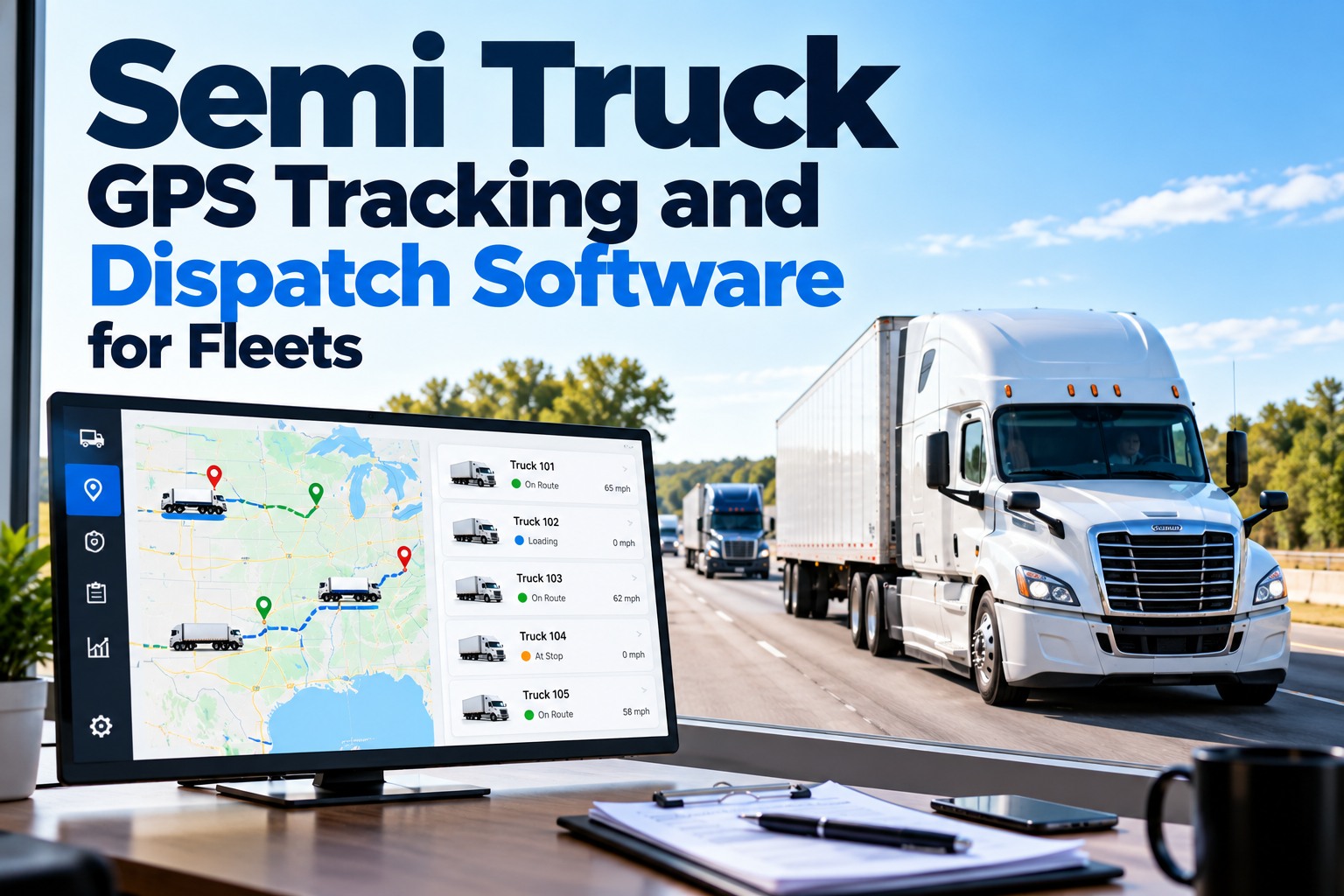
Somewhere in your trailer pool right now, there's a unit nobody has thought about in days. It's not stolen, it's not broken, it's just sitting at a customer dock or forgotten in the back row of a drop yard, quietly costing money every hour it goes unnoticed. Drop trailer programs are built on flexibility, leave the trailer, take the load, keep moving, but that same flexibility is exactly what makes trailers so easy to lose track of once they leave the truck behind.
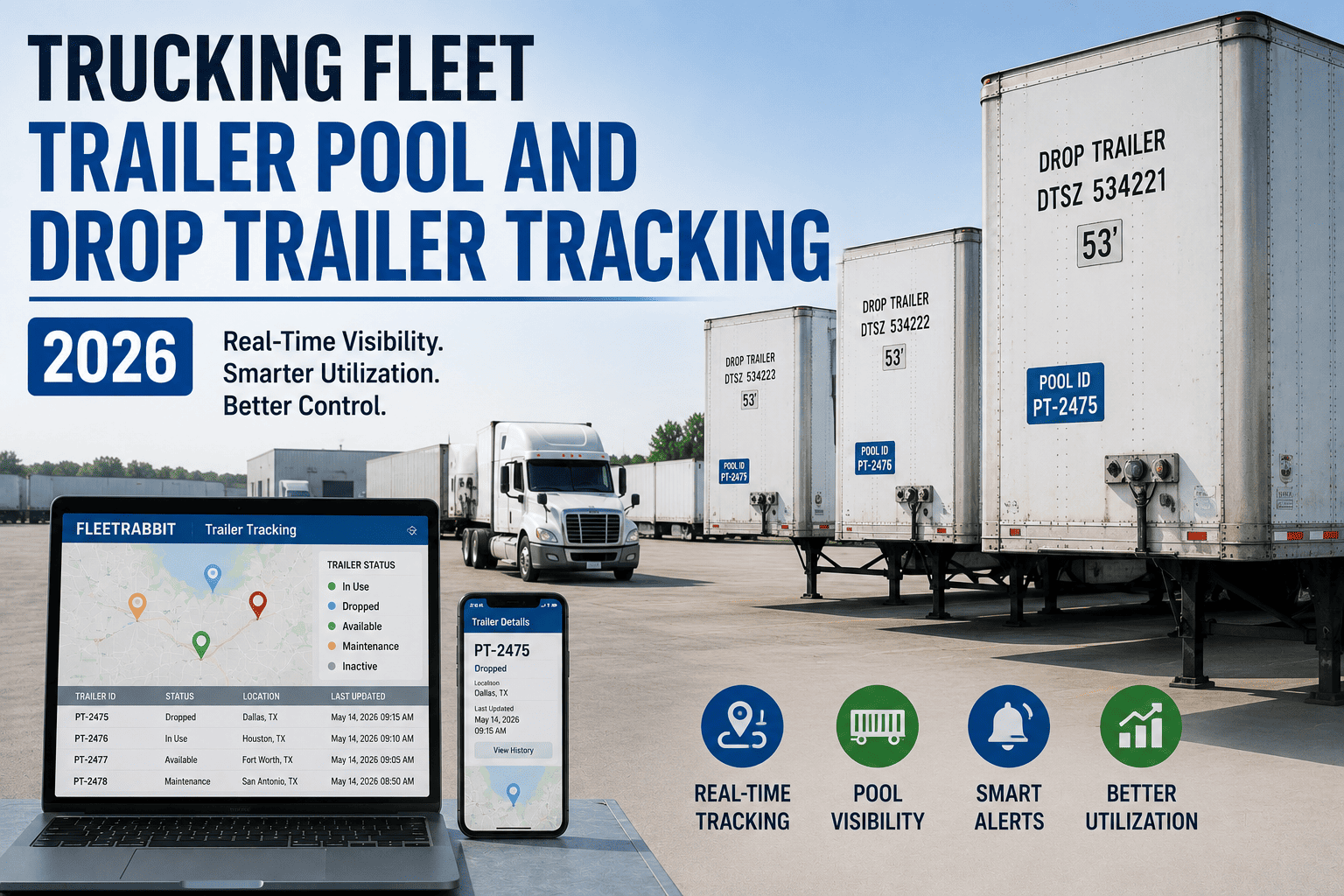
Trailer pool and drop-trailer tracking means using GPS location data, dwell-time monitoring, and utilization reporting to know where every trailer is, how long it's been there, and whether it's earning its keep. Fleets running dropped, unpowered trailers commonly find that 10 to 20 percent of their pool is unaccounted for at any given moment, and closing that gap typically lifts utilization by 25 to 40 percent. Sign up for free to see where your own trailer pool stands.
The Journey Of A Trailer You Can't See
A dropped trailer moves through the same stages whether anyone is watching or not, gate entry, yard staging, dock time, and departure. The difference between a well-run pool and a leaky one isn't the stages themselves, it's whether anyone can see how long a trailer spends in each one.
What An Untracked Trailer Pool Actually Costs
None of this shows up as a dramatic loss on any single day. It shows up as a slow leak that's easy to underestimate until someone actually adds it up.
Idle Trailers Are A Bigger Problem Than They Look
An idle trailer, sitting at a dock, forgotten in a yard, or waiting on paperwork, commonly represents somewhere between 150 and 400 dollars a day in lost revenue depending on trailer type and market rate. For a 200-trailer fleet running even a modest 15 percent idle rate, that's roughly 30 trailers doing nothing at any given time, a daily loss that adds up to millions annually.
Detention Revenue Quietly Slips Away
Without timestamped arrival and departure data, detention billing becomes a guess, and guesses get disputed. Fleets that add automated dwell tracking typically recover 20 to 35 percent more detention revenue simply because the data can no longer be argued with.
Maintenance And Compliance Fall Through The Cracks
A trailer nobody is watching is a trailer whose inspection schedule, tire condition, and brake status can slip past due without anyone noticing until it's flagged at a roadside stop.
FleetRabbit gives you real-time location, dwell time, and utilization data for every trailer in your pool, so nothing sits forgotten at a customer dock again. Sign up for free and connect your trailer pool today.
Matching Tracking To How Your Trailer Pool Actually Runs
Not every fleet leaks time in the same place, so the right tracking setup depends on where your trailers actually sit still.
| Pool Type | Where Time Leaks Most | Tracking Priority |
|---|---|---|
| Dry Van Pools | Multiple customer sites sharing drop trailers | Geofenced dwell tracking tied to detention billing |
| Refrigerated Pools | Reefer unit condition alongside location | Combined GPS and temperature monitoring in one view |
| Flatbed & Specialized | Long dwell at project or job sites | Location recovery and long-cycle utilization tracking |
| Multi-Yard Networks | Trailers drifting between facilities unnoticed | Geofence alerts for movement outside approved zones |
Gate, Yard, And Dock Deserve Separate Numbers
A single "dwell time" figure hides where the delay actually happens. Splitting the number into gate, yard, and dock segments shows whether the fix belongs to your scheduling process, your yard layout, or a customer's loading dock.
Turning Trailer Data Into Fewer Trailers, Not More
The instinct when freight volume grows is often to buy more trailers. Utilization data frequently tells a different story.
Right-Sizing Beats Buying More Units
A pool running near 60 percent utilization, the common industry benchmark, has real spare capacity hiding in plain sight. Moving that number even ten points higher can add the equivalent of dozens of trailers of capacity without buying a single new unit.
Where To Start Looking
Chronically idle trailers at a single site, locations with dwell times well above 24 hours, and lanes with repeated detention disputes are the fastest places to find recoverable capacity.
Automated Alerts Replace Manual Yard Checks
Instead of a yard team walking rows to spot which trailers have been sitting too long, geofence-based alerts flag it automatically, freeing that time for actual dispatch work.
FleetRabbit shows exactly which trailers are earning their keep and which ones are quietly costing you money in a forgotten corner of the yard. Book a free demo to see your utilization numbers.
Frequently Asked Questions
Every trailer sitting forgotten in a yard or idling at a dock is quiet revenue walking away from your fleet. FleetRabbit gives you real-time location, dwell-time data, and utilization reporting so every trailer in your pool earns its keep.