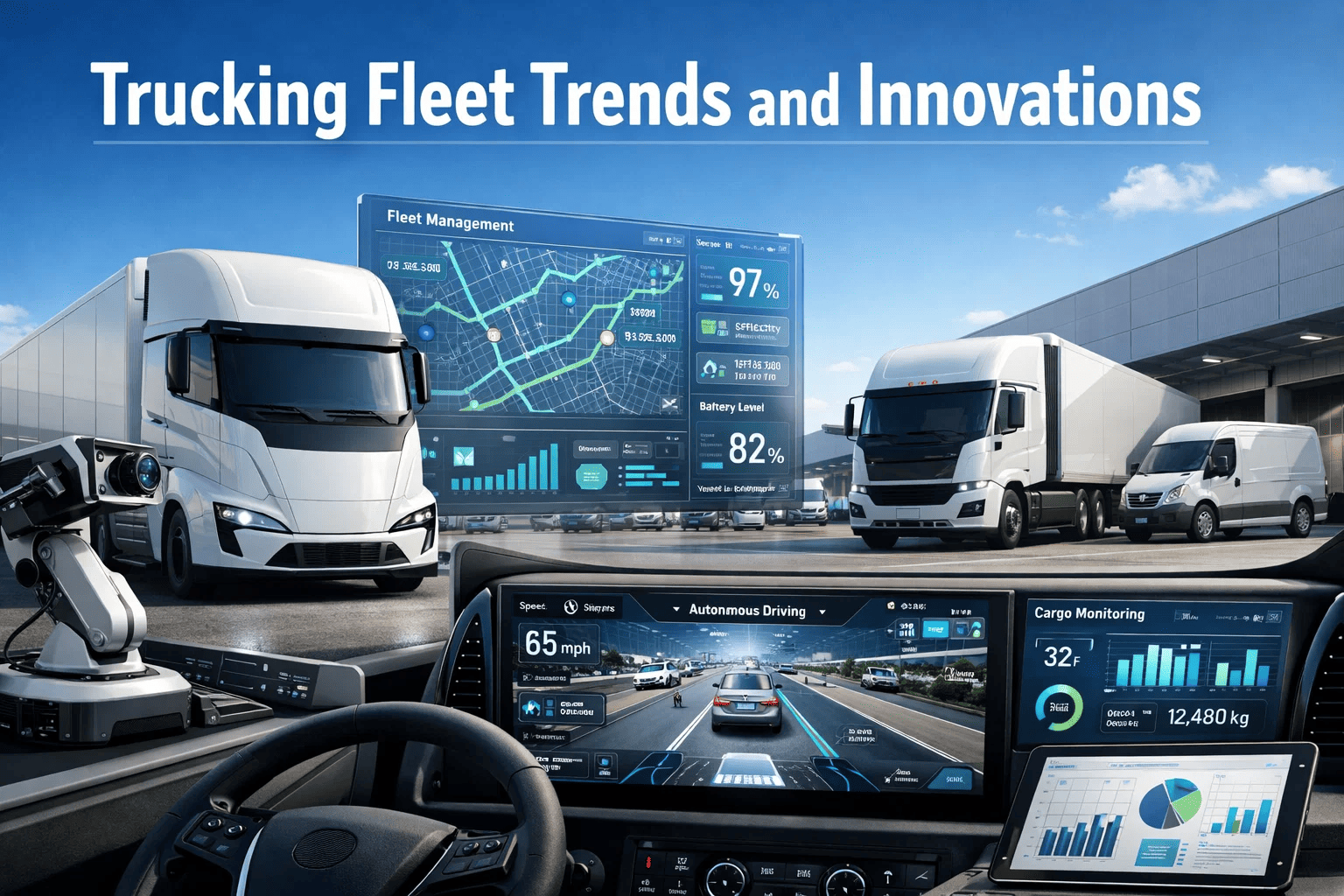
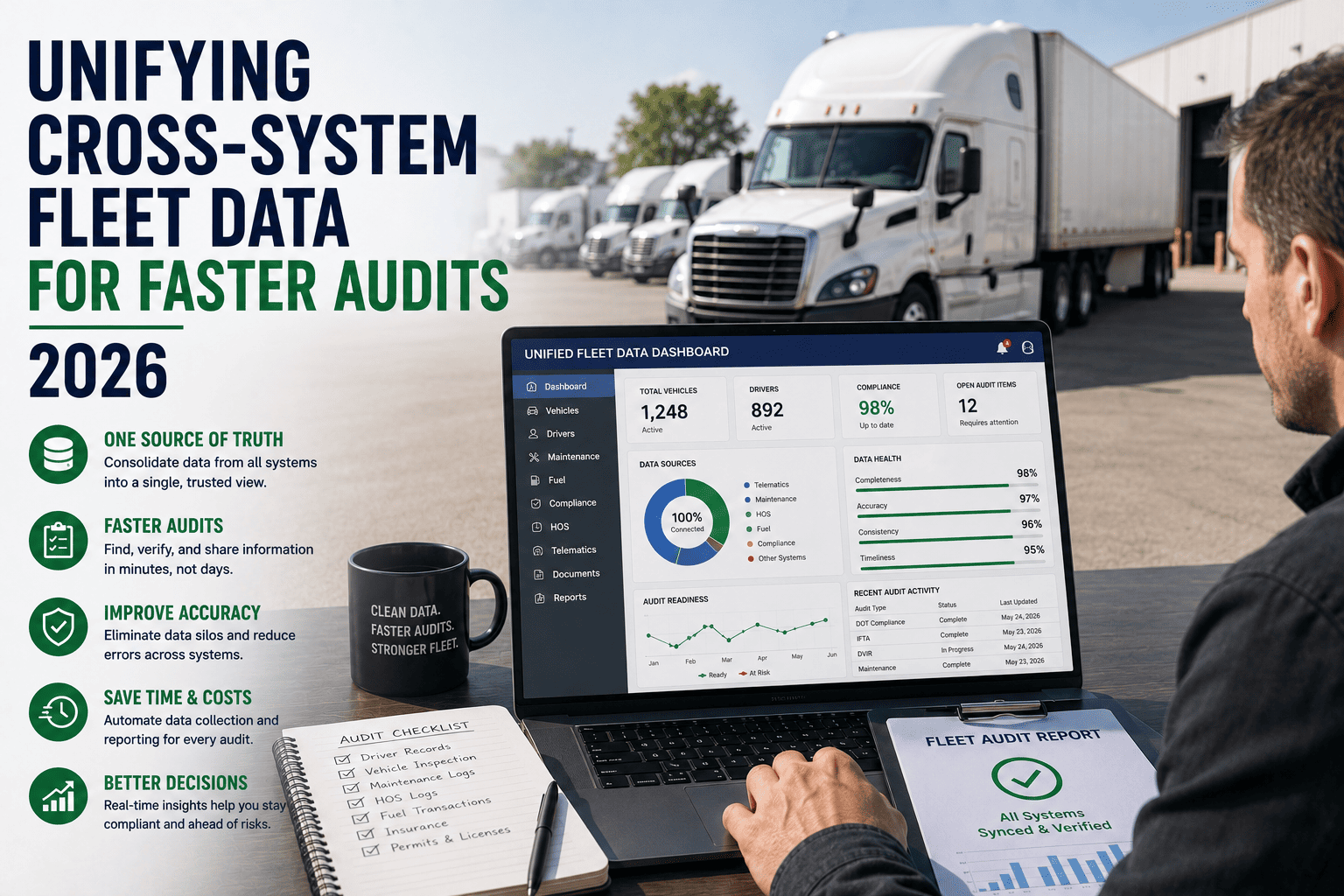
The trucking industry is in the middle of its most consequential technology shift in decades. Electric vehicles are entering commercial fleets at scale. AI-driven dispatch and predictive maintenance systems are replacing manual scheduling. Connected vehicle data is generating operational intelligence that fleet managers couldn't access five years ago. Regulatory pressure from FMCSA is increasing — with HOS enforcement, DVIR digital requirements, and CSA score consequences giving fleet executives fewer options for compliance gaps. FleetRabbit is built for this environment — designed not just for where commercial trucking is today, but for where the industry is heading over the next five years. Understanding these trends helps fleet managers make better technology investments and operational decisions today. Book a demo to see how FleetRabbit positions your fleet for these trends.
10 Trends Shaping the Future of Commercial Trucking Fleets
AI-Assisted Dispatch and Load Optimization
AI dispatch tools filter driver eligibility by HOS hours, vehicle status, and load requirements simultaneously — eliminating the assignment errors that generate 38% of HOS violations and significant deadhead mileage. Adoption has grown 64% among fleets over 30 trucks since 2022, with early adopters reporting 22% idle time reductions and measurable margin improvements through load density optimization.
64% adoption growth since 2022
22% idle time reduction
Predictive Maintenance Replacing Fixed Interval Scheduling
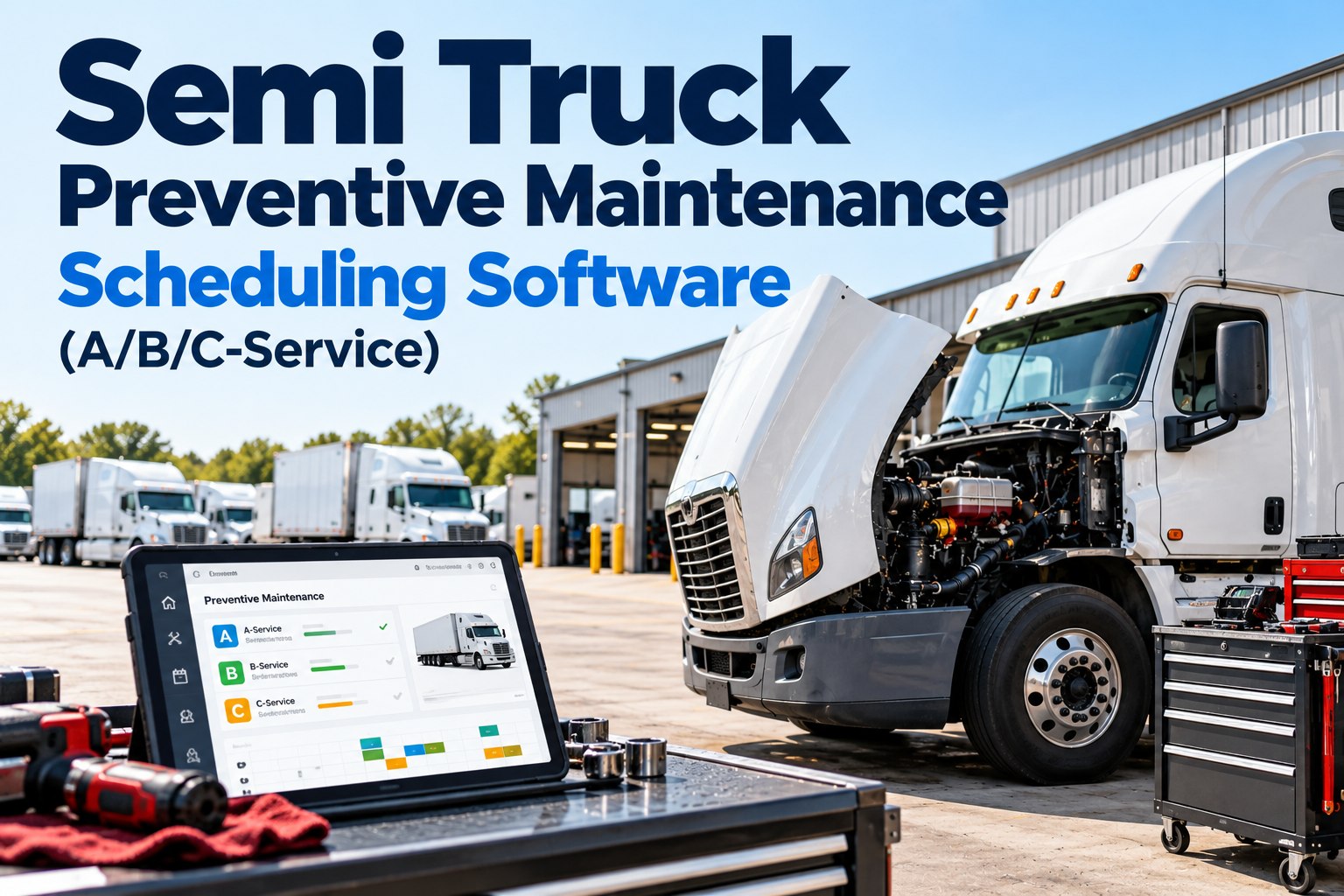
Connected vehicle data from OBD ports and telematics is enabling maintenance scheduling based on actual component condition — not fixed mileage intervals. Engine fault code patterns, oil degradation monitoring, and vibration analysis are identifying failures 2–4 weeks before physical symptoms appear. Fleets deploying predictive maintenance report 40% fewer unplanned breakdowns and 15–25% reduction in total maintenance spend.
40% fewer unplanned breakdowns
25% maintenance cost reduction
Digital DVIR Becoming Standard — Paper Phaseout Accelerating
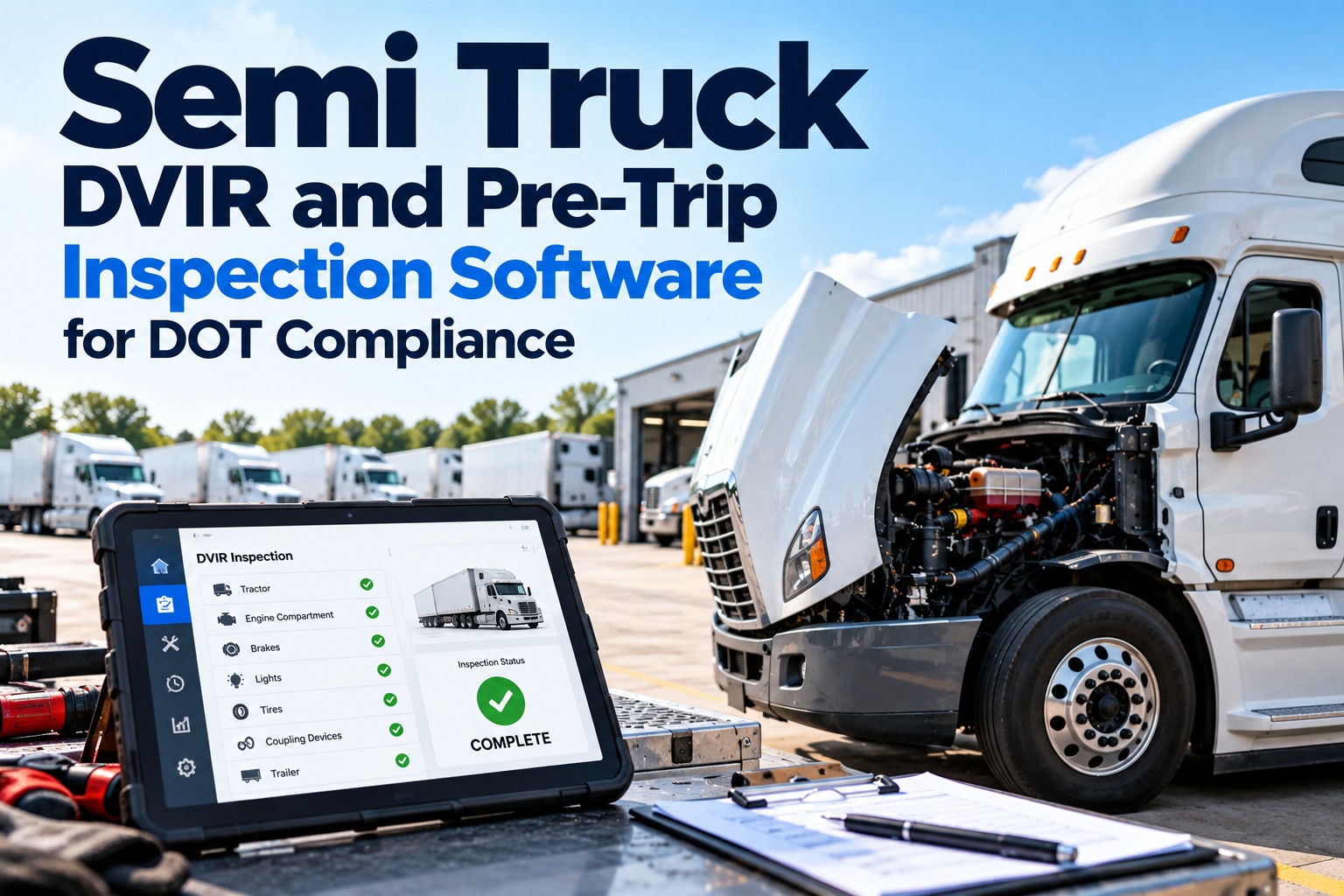
The industry shift from paper DVIR to digital inspection is accelerating independent of FMCSA mandate requirements. Insurance carriers are increasingly offering premium discounts for digitally documented inspection programs — creating financial incentive alongside compliance motivation. Fleets using digital DVIR average 98.9% inspection pass rate vs 71–78% for paper-based programs, a difference that directly affects CSA scores and roadside inspection outcomes.
98.9% digital DVIR pass rate
Insurance premium discounts emerging
Electric Trucks Entering Commercial Fleets — Mixed Fleet Management Required
Class 6 and Class 8 electric truck deployments grew 180% in 2023–2024, with Freightliner eCascadia and Kenworth T680E in active commercial service. Mixed electric-diesel fleets require fleet management platforms that handle both powertrain types — different PM schedules, different fuel cost structures, and different driver training requirements for the same type of vehicle. Fleet managers adopting EVs without platform readiness create significant operational complexity.
180% EV deployment growth (2023–24)
Mixed fleet management becoming standard
FMCSA Enforcement Intensification — CSA Score Consequences Growing
FMCSA enforcement activity increased 12% in 2023, with HOS and vehicle maintenance BASIC categories receiving the highest violation volume. Carriers with CSA scores above intervention thresholds are experiencing increased roadside inspection frequency — creating a compounding effect where poor scores generate more inspections, which generate more violations. Fleets investing in digital compliance platforms are seeing CSA score improvement as the primary ROI metric.
12% FMCSA enforcement increase (2023)
CSA compliance ROI accelerating
Real-Time Cost Per Mile Visibility Becoming Executive Standard
Fleet executives at leading carriers are moving from annual cost-per-mile reporting to monthly and weekly unit-level visibility — using platforms that connect fuel card data, maintenance work orders, and GPS mileage to compute CPM automatically. Fleets with real-time CPM visibility identify cost outlier vehicles 8–12 months earlier than fleets relying on annual analysis, enabling hold-or-replace decisions before costs compound further.
8–12 months earlier cost outlier detection
CPM visibility driving bid accuracy
Driver Retention Linked to Technology Experience Quality
Driver turnover in commercial trucking averages 89% annually in the truckload segment — costing $8,000–$12,000 per driver departure in recruiting and training costs. Drivers increasingly cite technology frustration — outdated dispatch systems, paper forms, poorly designed mobile apps — as a contributing factor in carrier selection decisions. Fleets with modern, driver-friendly mobile platforms report 18% lower voluntary turnover among drivers under 45.
89% annual driver turnover rate industry avg
$10K avg cost per driver departure
Unified Platform Data Replacing Multi-System Silos
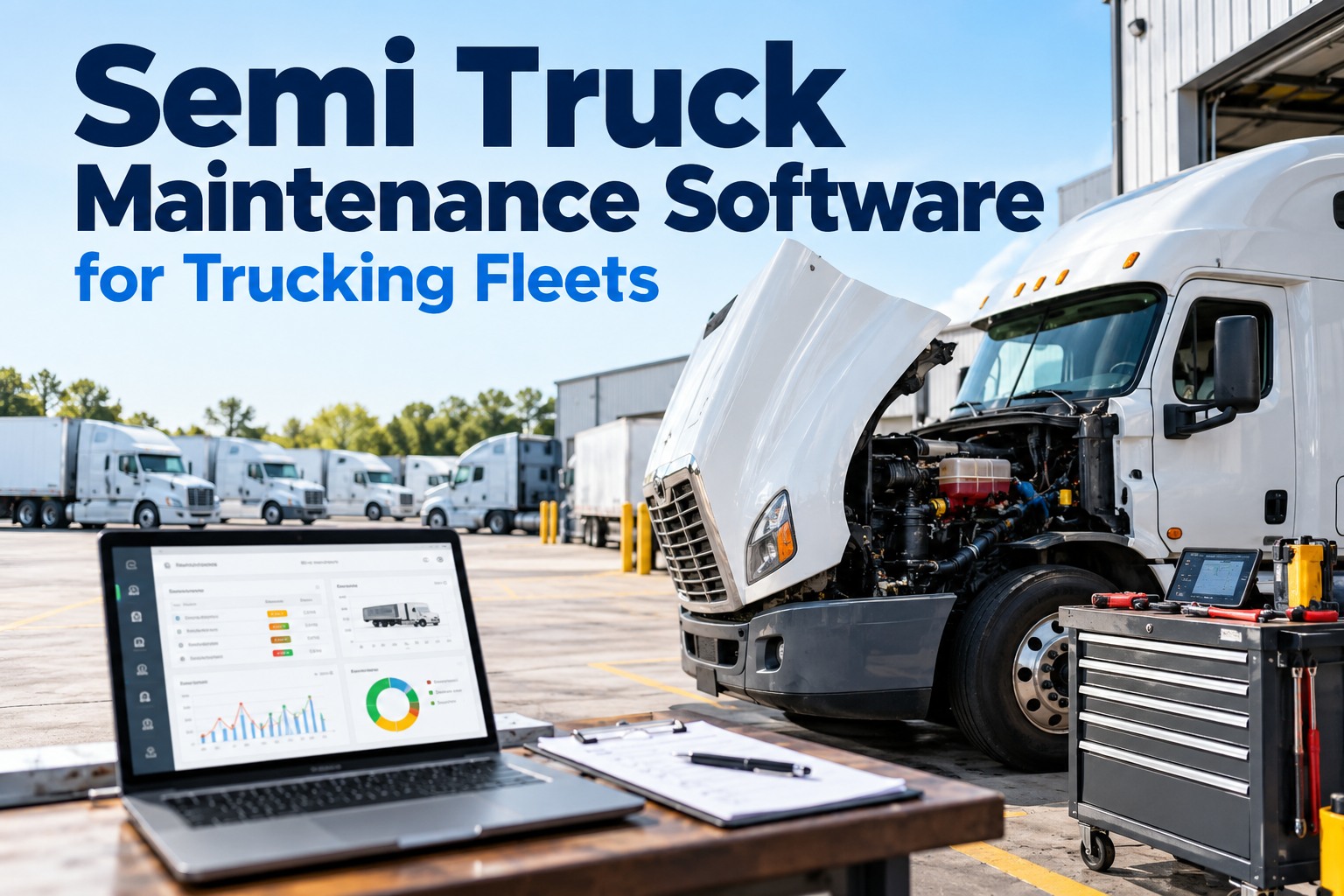
Fleets that manage compliance in one platform, maintenance in another, dispatch in a third, and analytics manually are generating data silos that prevent cross-functional insight. Unified fleet management platforms that connect all operational data reduce manual reconciliation by 60–80% and eliminate the compliance gaps created when DVIR systems and maintenance systems don't share defect-to-repair data automatically.
60–80% reduction in manual reconciliation
Unified platforms closing compliance gaps
Video Telematics and AI Dash Cams
Dash cams have evolved from passive recording devices to active AI coaches. In-cab and road-facing cameras now identify driver fatigue, phone distraction, and tailgating in real-time—issuing audio alerts to drivers and ranked safety event reports to managers. Fleets using AI video telematics report 28% lower claim costs and a 15% reduction in at-fault accidents through measurable behavioral improvement.
28% lower claim costs
15% fewer at-fault accidents
Digital Freight Matching and Dynamic Routing
Direct integration between fleet management software and freight marketplaces is enabling "single-click" backhaul matching. AI-driven dynamic routing now adjusts in-transit for weather, traffic, and remaining HOS—ensuring that assets are never moving empty when revenue-generating loads are available on the return route. This integration is driving a 12% increase in revenue per truck for high-utilization fleets.
12% increase in revenue per truck
20% reduction in empty miles
Strategies for 2025 — Preparing Your Fleet for the Shift
The transition from reactive management to data-driven intelligence is not a one-time event—it is an ongoing operational shift. By consolidating compliance, maintenance, and dispatch into a single unified architecture, carriers eliminate the information lag that makes high-speed decisions impossible. FleetRabbit provides the unified data backbone that allows you to adopt these trends today.
Modular Adoption
Choosing "agnostic" software that integrates with existing ELDs and GPS stops hardware lock-in and allows you to test new trends like AI dash-cams without switching platforms.
Real-Time Pulse
Automated cost-per-mile and HOS monitoring move from weekly reports to live dashboards, enabling dispatchers to intervene before violations occur.
Action Required
Position Your Fleet for the Future Today
Stop managing your fleet with yesterday's tools. Book a free demonstration or start your trial to see the FleetRabbit difference.
Frequently Asked Questions — Fleet Technology Trends
QWhat is the single most important trend for small-to-midsize fleets?
Unified data centralization. Eliminating manual data entry between Maintenance, Compliance, and Dispatch is the biggest competitive advantage a small fleet can gain today.
See how centralization works.
QHow quickly can AI dispatch and route optimization improve my margins?
Most fleets see reduced deadhead miles and fuel consumption within the first 90 days. Automation allows dispatchers to make "perfect" assignments that humans alone would often miss.
QAre electric trucks practical for long-haul operations yet?
Currently, Class 8 EVs are best for regional "hub-and-spoke" operations. For long-haul, infrastructure is still catching up, but mixed-fleet tools are essential for preparation today.
QHow does FleetRabbit stay ahead of these rapidly changing technologies?
FleetRabbit is built on a cloud-native, API-first architecture. We integrate with new hardware (dash cams, ELDs, EV chargers) as they appear, ensuring you aren't locked into obsolete technology.
FleetRabbit — Future-Ready Fleet Management
Unified Management for Tomorrow's Challenges
FleetRabbit handles AI dispatch, EV mixed fleets, and predictive maintenance in one unified interface. Get the technology your fleet needs to compete in 2025 and beyond.
April 9, 2026
By Smith
All Posts