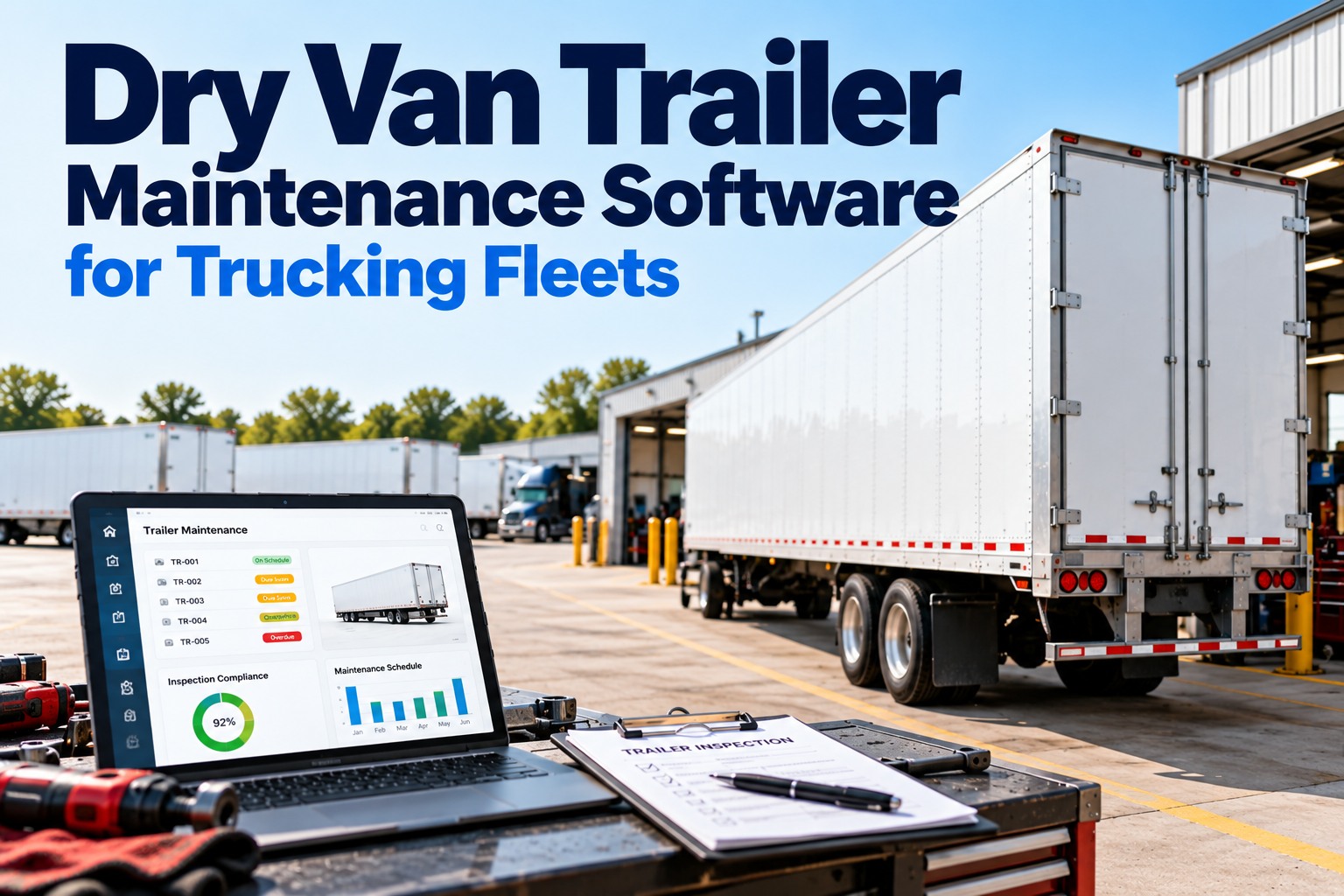
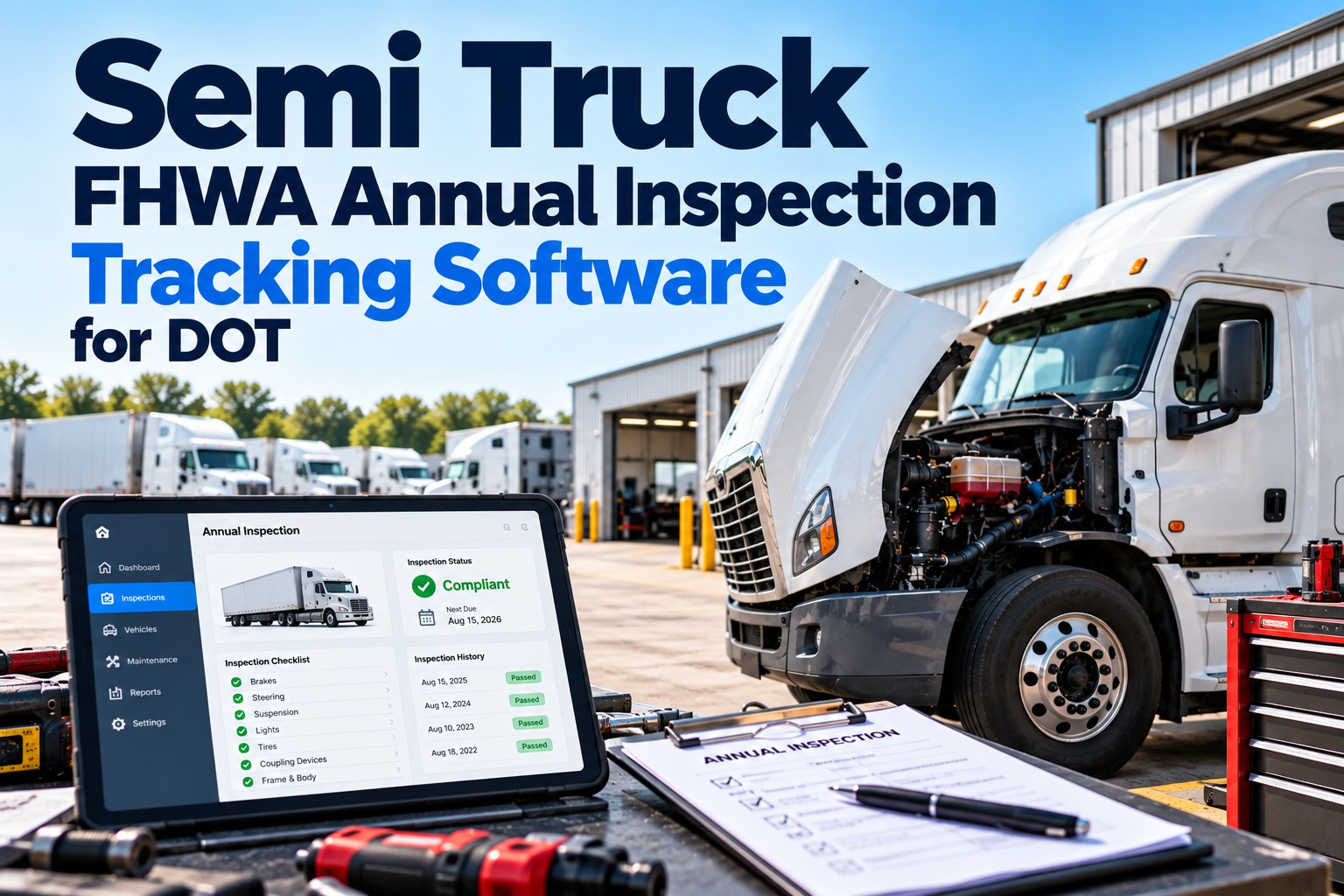
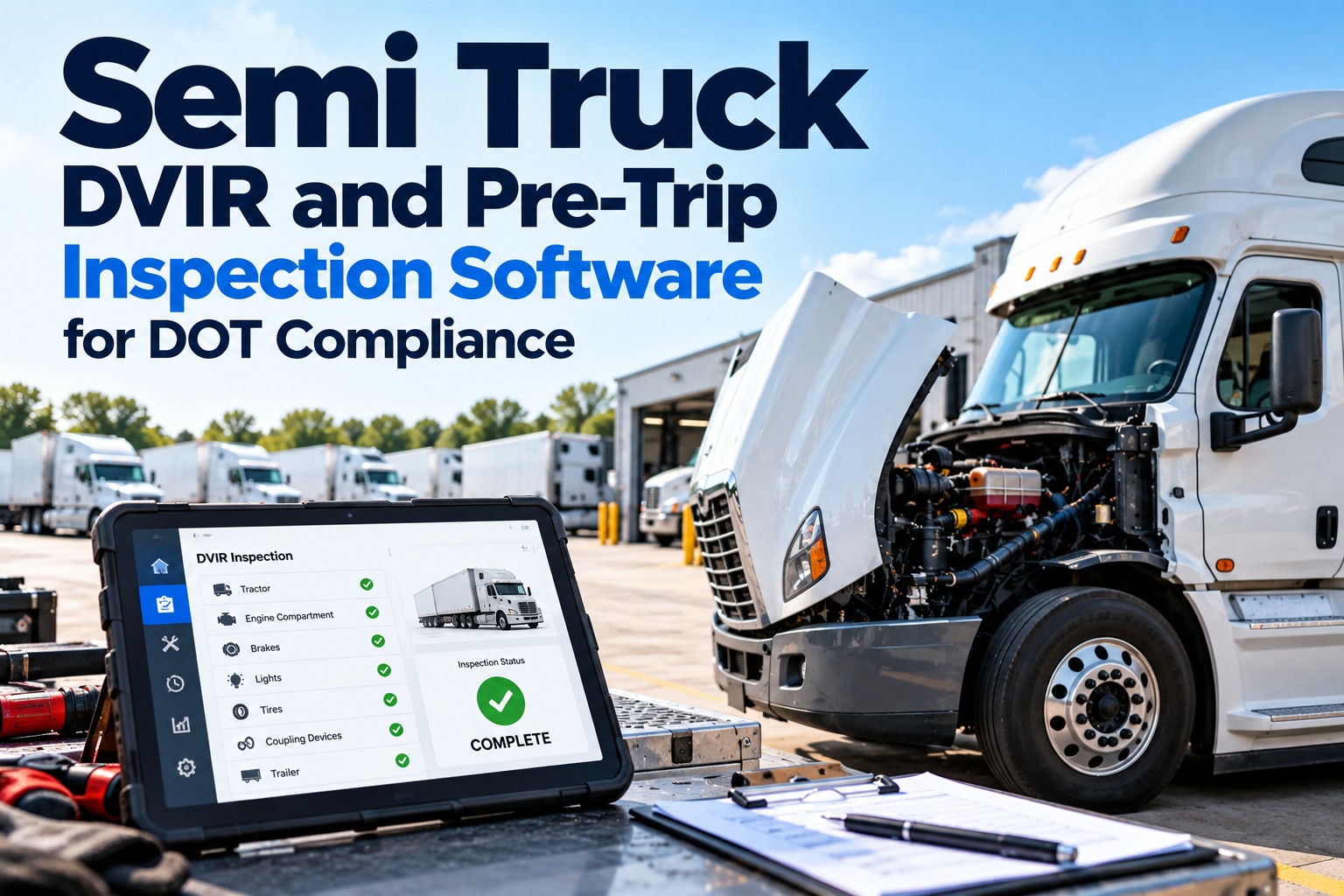
Vehicle recalls present a growing challenge for fleet operators. A single open recall on a commercial truck or trailer can expose the fleet to significant liability, regulatory action, and increased accident risk. Unlike passenger vehicle owners who receive recall notices by mail, fleet vehicles often have complex ownership histories, multiple registered locations, and high turnover of vehicles entering and leaving the fleet. This fragmentation means recall notices may never reach the fleet manager responsible for the vehicle. Traditional recall management relies on manual VIN lookups, scattered manufacturer portals, and paper record-keeping—methods that consistently miss recalls or leave them unresolved for months. Fleet Rabbit's automated recall tracking system continuously monitors all active fleet vehicles against NHTSA and manufacturer recall databases, alerting safety managers immediately when a recall is issued and tracking resolution through completion.
Quick Answer
Fleet Rabbit automatically scans every vehicle VIN in your fleet against daily-updated recall databases from NHTSA and 40+ commercial vehicle manufacturers. When a recall is issued for any vehicle, the system alerts assigned safety managers, tracks remediation status, and provides audit-ready documentation of recall resolution. Fleets using automated recall tracking reduce average recall resolution time from 6-8 months to 14-21 days and eliminate unknown recall exposure on active vehicles.
The Recall Management Problem for Fleets
Fleet vehicles face the same recall risks as passenger vehicles, but fleet operating models make recall management significantly more difficult. A single recall may affect multiple vehicles across different model years and configurations. Manufacturer recall notices are typically sent to the registered owner's address on file—which may be a leasing company, a former fleet manager, or an outdated corporate address rather than the current fleet operator. Vehicles enter and exit fleets frequently, so a vehicle acquired from an auction or another fleet may have active recalls from before the acquisition date that were never communicated to the new operator.
The consequences of unresolved recalls are severe. An accident involving a vehicle with an open recall can result in negligence claims against the fleet operator, even if the recall was not directly related to the accident cause. DOT audits increasingly review recall management practices. Insurance underwriters ask about recall tracking during renewal reviews. Small fleets with limited administrative staff are particularly vulnerable because no single person is assigned to monitor recalls across the fleet.
How Fleet Rabbit Automates Recall Tracking
The pipeline below shows the automated recall tracking process Fleet Rabbit applies continuously across every vehicle in the fleet.
1
VIN Registry Management
Fleet Rabbit maintains a master registry of every vehicle in your fleet—including owned, leased, and rented units. VINs can be entered manually, imported from your TMS or asset management system, or populated automatically from ELD/telematics device detection.
Fleet ID 8472: 210 active VINs (178 tractors, 32 trailers). Last import from TMS: today at 03:00 UTC.
2
Automated Recall Database Scanning
System queries NHTSA recall API and 40+ manufacturer recall portals daily. Each VIN checked against all open recall campaigns. New recalls detected within 24-48 hours of public announcement.
Scan completed: 210 VINs checked. 0 new recalls. 3 existing recalls still open. 2 recalls resolved since last scan.
3
Risk Scoring by Recall Severity
Each recall classified by severity: critical (safety risk requiring immediate OOS), high (significant safety risk, remediate within 30 days), medium (compliance risk), low (non-safety or minor). Fleet-wide recall risk score calculated daily.
Critical: 1 recall (air brake valve failure). High: 3 recalls. Medium: 2 recalls. Low: 4 recalls. Fleet recall risk score: 72/100 (elevated).
4
Alert and Assignment
Automatic notifications sent to safety manager, fleet maintenance supervisor, and assigned driver (if applicable). Recall details, remedy availability, and manufacturer contact information included. No manual distribution required.
Critical Recall Alert: VIN 1FUPCSZB3PHB12345Action: Schedule remediation immediately
5
Remediation Tracking and Verification
Once remediation is complete, fleet manager uploads repair documentation. System verifies closure against manufacturer database. Open recalls automatically flagged for vehicles not yet remediated. Audit-ready log maintained for all recall activity.
Recall 23V-428 resolved for VIN 1FUPCSZB3PHB12345. Documentation uploaded. Manufacturer database confirmed closure. Audit trail updated.
Recall Severity Classification and Response Priorities
The table below outlines recall severity levels and recommended response timelines for fleet operators.
| Severity Level |
Example Recall Types |
Recommended Response |
Max Acceptable Resolution Time |
| Critical |
Brake failure, steering loss, tire separation, wheel detachment, fire risk |
Immediate out-of-service until remediation complete. Do not operate vehicle |
24 hours |
| High |
Engine stall, transmission failure, lighting failure, seatbelt defect |
Schedule remediation within 7 days. Monitor vehicle closely until repair |
30 days |
| Medium |
Emissions non-compliance, instrument cluster, HVAC, software update |
Schedule during next scheduled maintenance or within 90 days |
90 days |
| Low |
Labeling, owner manual correction, non-safety feature |
Address during next service or at convenience |
12 months |
Key Recall Tracking Features for Fleet Managers
1
Automated VIN Scanning Across Entire Fleet
No manual VIN entry required for active recalls. Fleet Rabbit scans every vehicle in your registry daily against NHTSA and manufacturer databases. New vehicles added to fleet automatically included in next scan cycle.
2
Recall Resolution Workflow Management
Assignment of recalls to specific maintenance facilities or vendors. Completion tracking with deadline enforcement. Escalation alerts when recalls approach or exceed resolution deadlines. Complete audit trail for compliance verification.
3
Fleet-Wide Recall Dashboard
Centralised view of all open recalls across the fleet. Sortable by severity, vehicle type, manufacturer, and days open. Exportable for management reporting and audit preparation.
4
Vehicle Acquisition Recall Check
Before adding any vehicle to fleet, run VIN through recall check. Identifies open recalls from previous ownership that must be addressed before vehicle enters service. Prevents acquisition of vehicles with unresolved safety recalls.
Supported Recall Data Sources
Fleet Rabbit aggregates recall data from multiple authoritative sources to ensure complete coverage of all fleet vehicles.
NHTSA Recall Database
Official US government recall repository. Covers all safety-related recalls for vehicles sold in United States. Updated daily. Fleet Rabbit queries NHTSA API for every VIN in your fleet. Data includes recall number, issue description, affected component, remedy availability, and manufacturer contact.
Manufacturer Portals
Direct integration with Ford, Freightliner, International, Kenworth, Mack, Peterbilt, Volvo, Hino, Isuzu, and 30+ other commercial vehicle manufacturers. Manufacturer data often includes recalls before NHTSA publication and provides remedy status more reliably.
Trailer and Component Manufacturers
Utility, Great Dane, Wabash, Hyundai Translead, and 20+ trailer manufacturers. Component suppliers including Meritor, Wabco, Bendix, Thermo King, and Carrier. Many fleet recalls involve trailers or components rather than tractors.
Transport Canada (Optional)
For fleets operating in Canada, Fleet Rabbit can monitor Transport Canada recall database alongside NHTSA. Detects recalls specific to Canadian-market vehicles and recalls published first in Canada before US notification.
Measured Recall Management Performance
The table below compares recall management metrics between fleets using manual processes versus Fleet Rabbit automated tracking.
| Recall Management Metric |
Manual Tracking |
Fleet Rabbit Automated |
Improvement |
| Recall detection time |
45-90 days average |
1-2 days average |
96% faster |
| Vehicles with unknown active recalls |
12-18% of fleet |
0% of fleet |
100% coverage |
| Resolution time (critical recalls) |
14-28 days |
2-5 days |
75% faster |
| Resolution time (all recalls) |
6-8 months |
14-21 days |
90% faster |
| Audit preparation time |
16-24 hours per audit |
15-30 minutes |
95% reduction |
| Recall-related liability incidents |
0.8 per 100 vehicles/year |
0.1 per 100 vehicles/year |
88% reduction |
Implementation and Integration
Fleet Rabbit recall tracking deploys quickly and integrates with existing fleet management systems.
1
Initial VIN Population
Upload existing vehicle list via spreadsheet, CSV, or API connection to your TMS or asset management system. Fleet Rabbit performs initial recall check on every VIN within 24 hours of upload.
2
Daily Automated Scanning
Once VIN registry established, Fleet Rabbit scans every active vehicle daily. New recalls detected and alerts sent automatically. No ongoing manual effort required from fleet staff.
3
Maintenance System Integration
Optional integration with fleet maintenance software. Recall remediation tasks can be automatically created as work orders, assigned to technicians, and tracked to completion within existing maintenance workflow.
4
Vehicle Disposal and Exit Tracking
When vehicles leave the fleet, they can be marked as disposed in Fleet Rabbit. System maintains recall history for disposed vehicles for audit purposes but stops active scanning to avoid false alerts.
From the Field: Recall Management Success
We had no formal recall tracking process before Fleet Rabbit. Recalls came in as mailed letters to our corporate office—which was our old address. Drivers would hear about recalls on the news and ask us if their trucks were affected. We had no way to know. When we finally implemented Fleet Rabbit and scanned our 150-truck fleet, we found 12 active recalls across 8 vehicles. Two were critical brake-related recalls. Those trucks had been operating for months with unresolved safety defects. We parked them immediately and had the recalls resolved within a week. That experience was terrifying. Now we scan every VIN weekly, and any new recall triggers an alert within 24 hours. The system paid for itself in liability risk reduction alone.
Fleet Safety Director
Construction Materials Hauler — 150 Power Units — 200 Trailers
Frequently Asked Questions About Recall Tracking
QDoes Fleet Rabbit track recalls for trailers as well as tractors?
Yes. Fleet Rabbit tracks recalls for all commercial vehicle types including tractors, straight trucks, trailers, semi-trailers, and specialised equipment. Trailer recalls from manufacturers like Utility, Great Dane, Wabash, and Hyundai Translead are included. Component recalls for axles, brakes, and lighting systems are also tracked when associated with a specific VIN.
QHow does Fleet Rabbit handle vehicles that entered the fleet with existing open recalls?
The initial VIN scan identifies all open recalls regardless of when the recall was issued. Fleet Rabbit does not assume that recalls were resolved before acquisition. This means you will see recalls that may be years old on newly acquired vehicles. The system provides a complete recall history for each VIN, allowing you to address pre-existing recalls before placing vehicles into active service.
QWhat documentation does Fleet Rabbit maintain for audit purposes?
Fleet Rabbit maintains a complete audit trail including: date and time each recall was detected, notification sent to fleet personnel, recall severity classification, assigned resolution deadline, remediation completion date, repair documentation uploaded, and manufacturer database confirmation of closure. This log can be exported for DOT, insurance, or internal compliance audits.
QCan Fleet Rabbit notify drivers directly about recalls affecting their assigned vehicle?
Yes. When a recall is detected for a vehicle with an assigned driver, Fleet Rabbit can send in-app notification to the driver's mobile device. The notification includes recall severity, affected component, and instructions for scheduling remediation. Driver acknowledgment is tracked in the recall workflow. This feature is optional and can be disabled for fleets that prefer recall communication to go only to management.
Recall Tracking Performance Summary
96%
Faster Recall Detection
90%
Faster Recall Resolution
88%
Fewer Liability Incidents
24 hr
Max Recall Alert Delay
Automated Recall Tracking
Stop Discovering Recalls Months After They Are Issued
Fleet Rabbit continuously monitors every vehicle in your fleet against NHTSA and manufacturer recall databases. Get alerts within 24 hours of recall publication and track resolution to completion with audit-ready documentation.
Know Every Open Recall in Your Fleet Today
Schedule a free recall risk assessment for your fleet. We will scan your current vehicle list and provide a complete report of open recalls—including severity classification and recommended remediation timeline.
96% Faster Detection
Daily Database Scans
40+ Manufacturer Integrations
Audit-Ready Documentation
Trailer & Component Recalls
April 24, 2026
By Jason Smith
All Posts