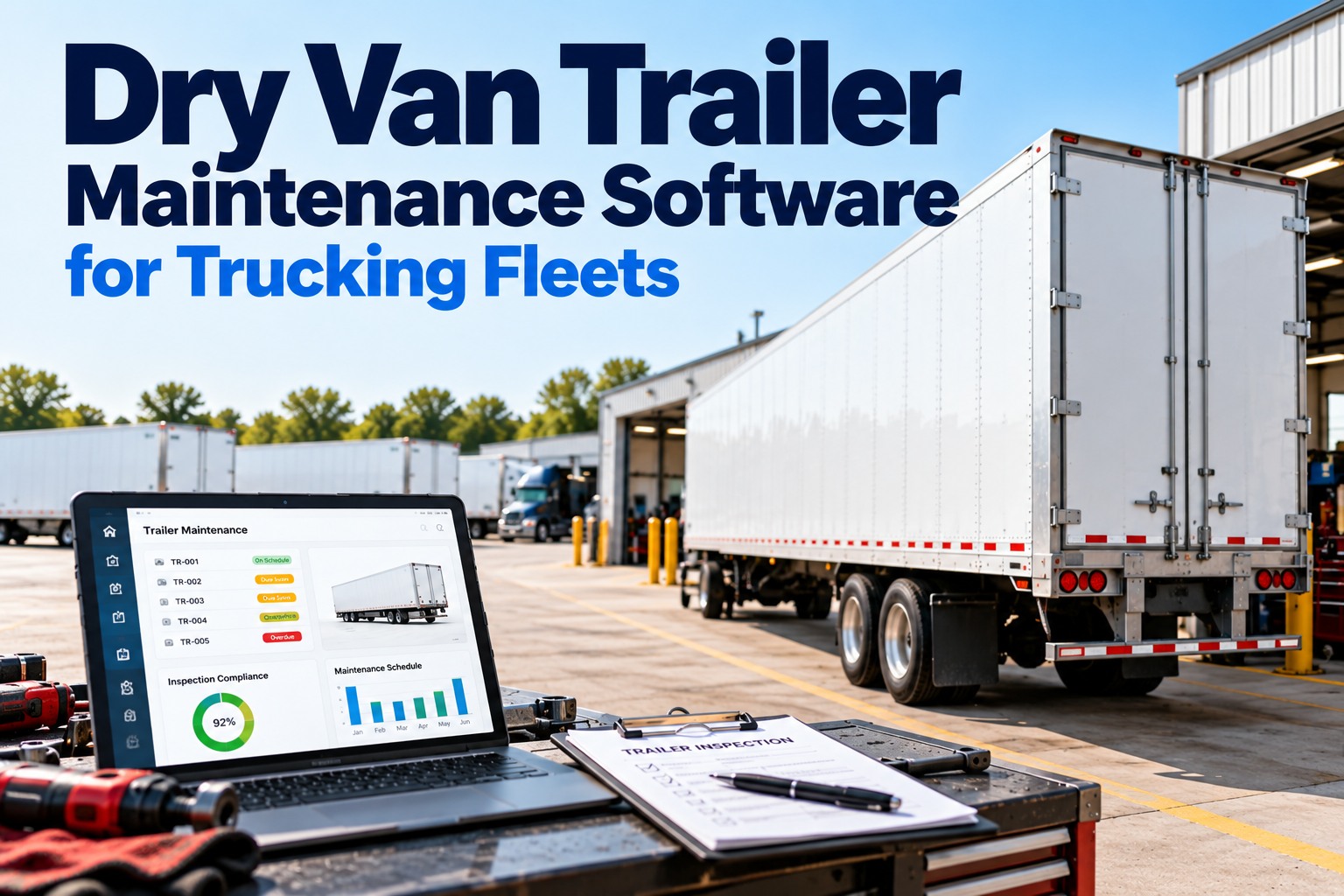
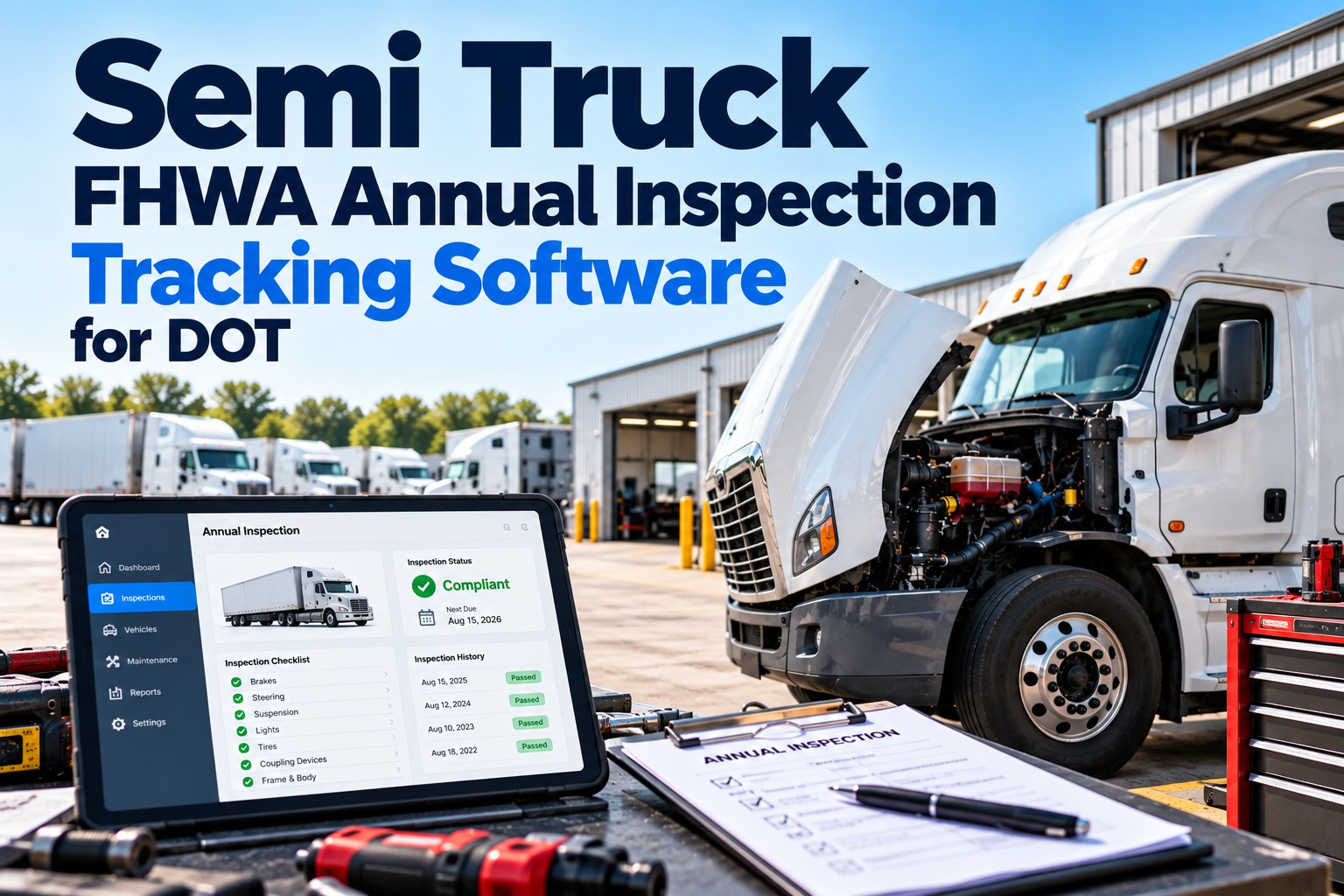
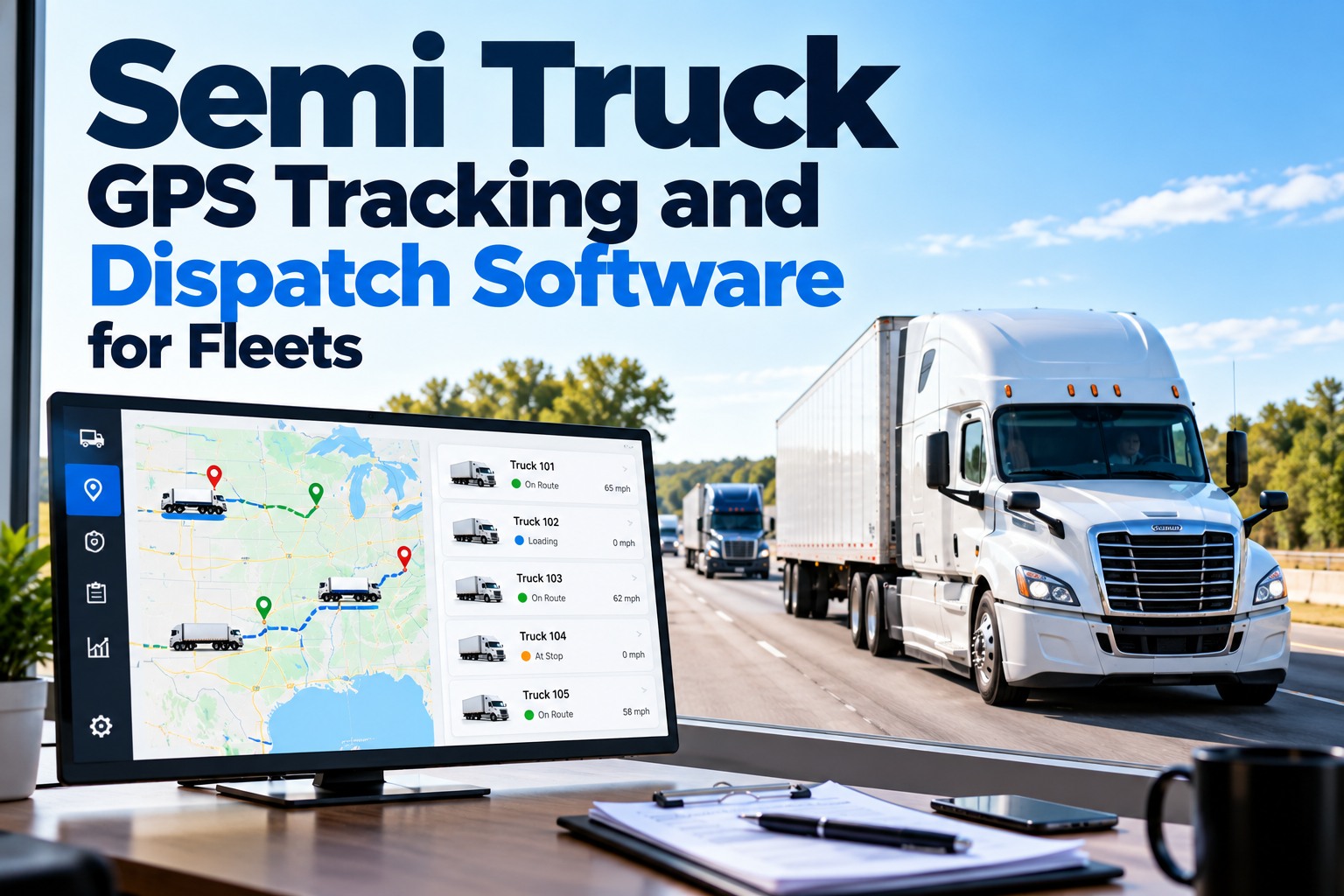
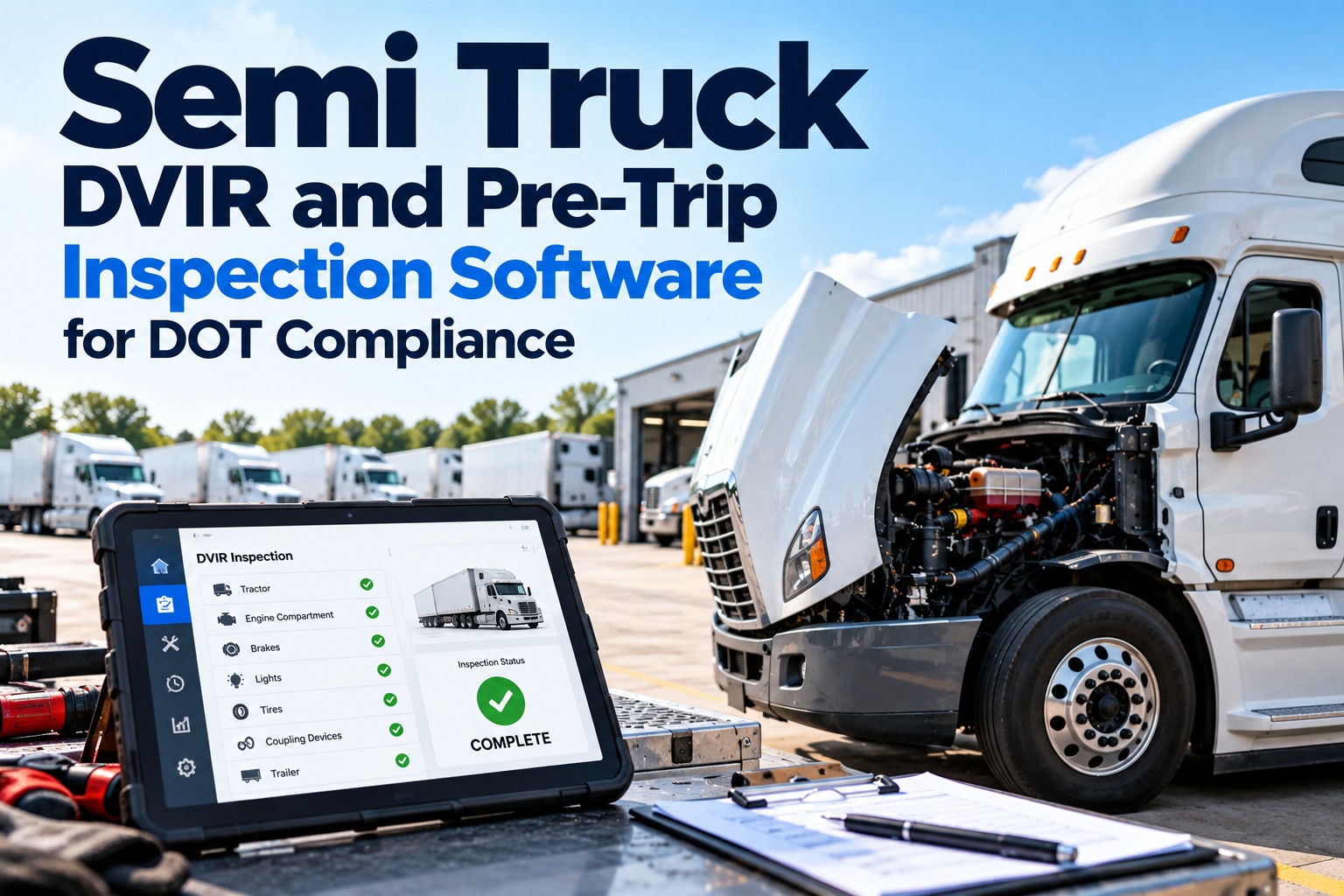
Logistics and transportation companies that evaluated fleet management software five years ago found a fragmented market of point solutions — GPS tracking from one vendor, DVIR compliance from another, maintenance scheduling in a separate system, fuel management in yet another platform, and HOS monitoring through an ELD integration that shared little data with anything else. Operating multiple disconnected systems multiplied subscription costs, created data silos that limited operational intelligence, and added administrative complexity that consumed the efficiency gains each individual tool was supposed to deliver. The shift to all-in-one fleet management platforms like FleetRabbit reflects an operational maturity decision that logistics executives are making at accelerating rates — consolidating fleet technology onto a single integrated platform that delivers unified visibility, reduced vendor complexity, and measurably better operational outcomes. Book a demo to see why logistics fleets are choosing FleetRabbit as their all-in-one fleet operations platform.
Comparison Guide
Why Logistics Companies Are Switching to All-in-One FleetRabbit: Platform Consolidation, Operational Integration, and the Case for Unified Fleet Management in Transportation Operations
FLEET SOFTWARE AND TECHNOLOGY GUIDE
The All-in-One Advantage: Why Logistics Fleets Are Consolidating on FleetRabbit for Integrated Fleet Operations Management
The fragmented fleet technology stack is a solved problem. Logistics companies that continue managing separate GPS tracking, DVIR compliance, maintenance scheduling, fuel management, HOS monitoring, driver records, and analytics systems are paying the operational and financial premium of disconnected point solutions when integrated alternatives deliver more value at lower total cost. FleetRabbit's all-in-one fleet management platform represents the operational infrastructure that forward-thinking logistics organizations are choosing to replace their fragmented technology stacks.
The Hidden Cost of Fragmented Fleet Technology Stacks
The true cost of operating multiple fleet technology point solutions exceeds the sum of vendor subscription fees. Logistics executives who have completed total cost of ownership analyses on fragmented fleet technology stacks consistently discover significant costs that are not captured in initial vendor comparisons.
SUBSCRIPTION
Multiplied Subscription Costs
Five separate point solutions at $80 to $200 per vehicle per year each represent $400 to $1,000 per vehicle in annual subscription expense versus an integrated platform delivering the same or greater functionality at a consolidated cost.
INTEGRATION
Integration Maintenance Overhead
Custom integrations between point solutions require ongoing maintenance as each vendor updates their platform. Integration failures create data gaps that fleet managers discover only when they need the data most — during an audit, incident investigation, or operational decision requiring cross-system information.
TRAINING
Multiplied Training and Support Burden
Driver and dispatcher training across multiple platforms with different interfaces, login credentials, and operational workflows multiplies onboarding time and creates adoption friction that reduces effective utilization of each individual system in the technology stack.
DATA SILOS
Data Silos Limiting Operational Intelligence
Disconnected systems cannot correlate data across operational dimensions — connecting inspection deficiency rates to maintenance cost trends, or HOS utilization patterns to delivery schedule performance. The operational intelligence that drives strategic improvement requires data integration that point solutions cannot provide without fragile custom connections.
What Logistics Executives Gain by Switching to FleetRabbit
The decision to consolidate fleet technology on FleetRabbit is driven by specific operational and financial outcomes that logistics executives prioritize. The following represent the primary value drivers that prompt platform consolidation decisions in transportation organizations of all sizes.
01
Unified Operational Visibility in a Single Platform
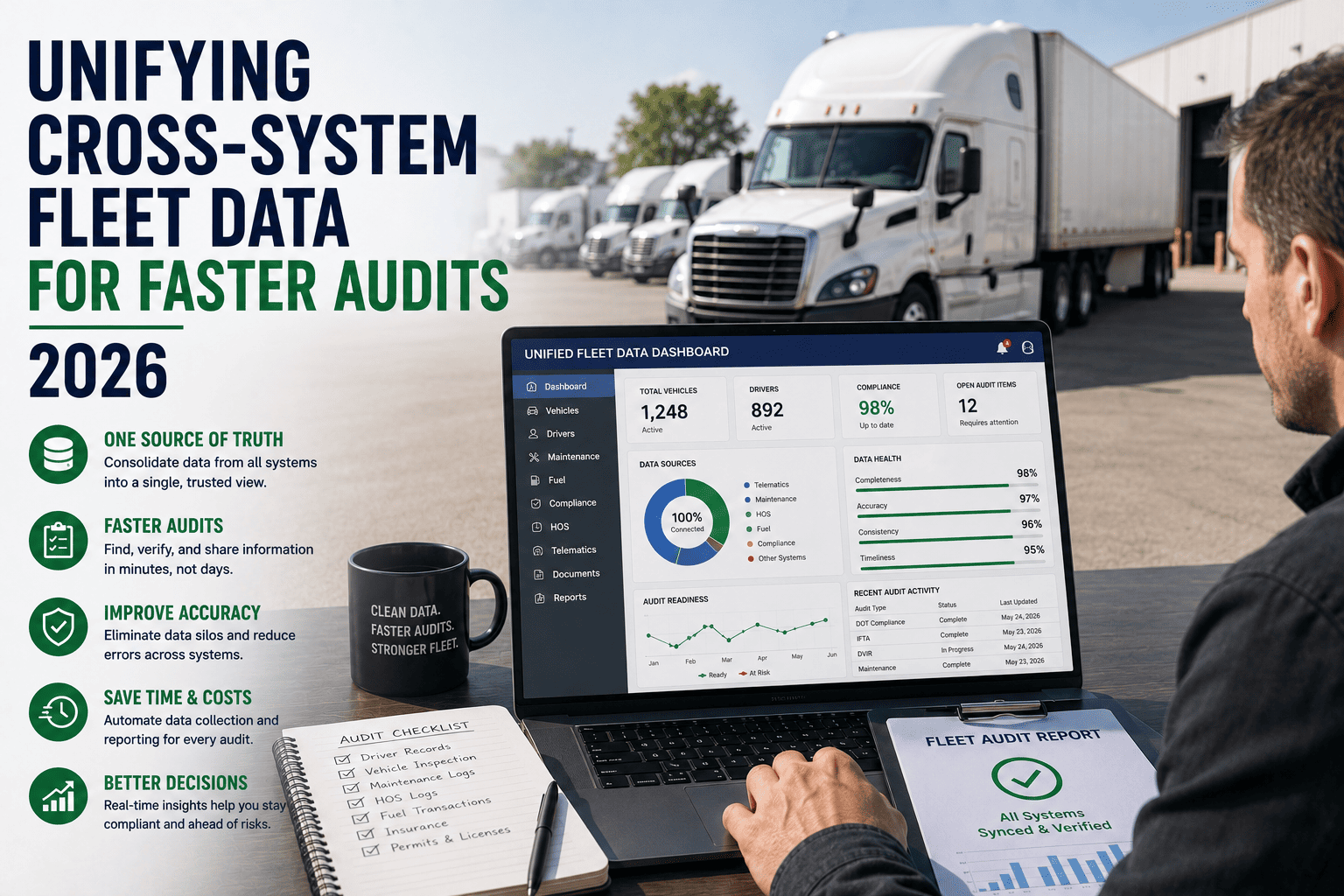
FleetRabbit gives fleet managers and executives a single dashboard for real-time visibility across all operational dimensions — vehicle locations via GPS integration, driver HOS status, active inspection submissions, open maintenance work orders, fuel consumption data, and compliance record status. The operational picture that required navigating five different systems and mentally connecting the data now exists in a single interface that surfaces critical information without requiring platform switching. Dispatchers making time-sensitive decisions have the vehicle, driver, and compliance context they need without leaving a single screen.
02
Native Data Integration Across All Fleet Functions
FleetRabbit's integrated platform architecture means that inspection data, maintenance records, HOS status, fuel consumption, and vehicle location data share a common data model rather than requiring custom integration to exchange information. When a driver submits a DVIR deficiency in FleetRabbit, the maintenance module receives the information automatically without API calls or integration middleware. When a vehicle completes a PM service, the maintenance record is immediately available to dispatchers assessing vehicle readiness without requiring a system log-in change. Native data integration delivers the operational coordination that point solution integrations attempt to approximate.
03
Consolidated Vendor Relationship and Support Model
Managing five vendor relationships for fleet technology — each with separate contracts, renewal timelines, support channels, and account management — consumes significant administrative time for IT and operations leadership. FleetRabbit consolidates this to a single vendor relationship with unified support, consistent contract terms, and a single point of accountability when platform issues arise. Logistics executives report that vendor relationship consolidation is often underweighted in fleet technology evaluations despite its significant ongoing administrative value.
04
Simplified Driver Technology Experience
Drivers managing multiple apps for different fleet functions — one app for ELD hours, another for DVIR, a third for dispatch communication — experience workflow friction that reduces compliance rates and creates training complexity for new driver onboarding. FleetRabbit provides a single driver-facing mobile interface that consolidates inspection completion, HOS status, dispatch communication, and incident reporting in one app. Simplified driver technology reduces compliance friction, improves adoption rates, and decreases onboarding time for new drivers entering the organization's operational systems.
The FleetRabbit Platform: Fully Integrated Fleet Operations in One Solution
See the All-in-One Platform That Logistics Fleets Are Choosing
FleetRabbit's integrated fleet management platform delivers unified visibility, native data integration, and comprehensive operational capabilities in a single solution that replaces multiple point tools — at a cost that logistics executives are finding compelling against the total cost of fragmented technology stacks. Book a demo to evaluate FleetRabbit for your logistics operation.
What the Transition to FleetRabbit Looks Like: Implementation and Onboarding
Logistics companies that have delayed fleet management platform consolidation often cite implementation disruption as a primary concern. The FleetRabbit onboarding process is structured to address this concern directly — providing a systematic transition pathway that maintains operational continuity while deploying platform capabilities in priority sequence based on organizational readiness.
Phase 1: Foundation Setup
Vehicle roster configuration, driver account provisioning, and base platform setup including organization structure, terminal configuration, and user permission levels. Foundation setup is typically completed within the first week of implementation with input from fleet management and IT stakeholders.
Phase 2: Priority Module Deployment
Deployment of highest-priority modules based on organizational need — typically DVIR digital inspections and maintenance scheduling for operations prioritizing compliance and vehicle uptime, or HOS monitoring and dispatch tools for operations primarily focused on driver management. Priority module deployment enables immediate value realization while additional capabilities are configured.
Phase 3: Driver and Staff Onboarding
Driver mobile app deployment with training resources for inspection completion workflows and communication features. Dispatcher and maintenance coordinator training on platform dashboards, work order management, and compliance documentation tools. FleetRabbit provides training resources and implementation support through the onboarding period.
Phase 4: Integration Configuration
GPS telematics provider integration, fuel card connection, and any third-party system integrations required by the organization. Integration configuration extends FleetRabbit's native data capabilities with external data sources that complete the unified operational visibility picture for the specific logistics organization.
Phase 5: Full Platform Activation and Analytics
Activation of analytics and reporting capabilities as platform data accumulates sufficient operational history to generate meaningful trend analysis. Executive dashboard configuration, automated report scheduling, and performance benchmark establishment for ongoing program measurement.
Fleet Management Capabilities: What Logistics Operations Require
Logistics operations have specific fleet management requirements that differ from other commercial vehicle industries. The following operational capabilities are most frequently identified as priority requirements by logistics fleet managers and executives evaluating fleet management platforms.
Multi-Terminal Fleet Visibility
Logistics operations distributed across multiple terminals or regions require fleet management platforms that provide consolidated visibility across all locations while enabling terminal-level management autonomy. FleetRabbit's organization structure supports multi-terminal configurations with role-based access enabling both fleet-wide executive oversight and terminal-specific operational management.
Driver Pool Flexibility
Logistics fleets with driver pools that rotate across multiple vehicles and routes require fleet management systems that track driver-vehicle assignment history, maintain complete HOS records across vehicle changes, and preserve inspection compliance records for each driver-vehicle combination in the operating history.
Delivery and Dispatch Coordination
Dispatch tools that integrate vehicle availability, driver HOS status, and load assignment in a unified workflow eliminate the coordination overhead that disconnected systems require. FleetRabbit's dispatch module gives dispatchers the comprehensive vehicle and driver status visibility needed to make accurate assignment decisions without manual status verification across multiple systems.
Scalable Platform Growth
Logistics operations that grow through organic expansion or acquisition need fleet management platforms that scale vehicle count, terminal count, and user count without requiring platform migration or significant reconfiguration. FleetRabbit is built to scale across fleet sizes and organizational structures without the single-installation constraints that limit smaller point solutions.
Common Questions From Logistics Executives Evaluating FleetRabbit
QHow long does it take to migrate from existing fleet management tools to FleetRabbit?
Implementation timeline for logistics operations transitioning to FleetRabbit varies based on fleet size, the number of existing systems being replaced, and the sequence of module deployment. Most transportation organizations complete platform foundation setup and initial module deployment within two to four weeks after implementation kickoff. Full platform activation including analytics reporting with meaningful historical data typically occurs within 60 to 90 days of initial deployment. FleetRabbit's implementation team provides structured onboarding support throughout the transition to maintain operational continuity during the changeover period.
QDoes FleetRabbit work for fleets with a mix of company-owned vehicles and owner-operators?
FleetRabbit supports mixed fleet structures that include both carrier-owned vehicles and owner-operator units. Company vehicles are fully managed within the FleetRabbit platform with complete maintenance history, inspection records, and compliance documentation. Owner-operator units can be configured for the DVIR inspection and HOS monitoring requirements that carriers must document for units operating under their authority. The FleetRabbit implementation team can review specific mixed-fleet configurations during the platform evaluation process to confirm the appropriate setup for the organization's operational structure.
QCan FleetRabbit replace our existing ELD system or does it work alongside it?
FleetRabbit's HOS monitoring capabilities integrate with ELD and telematics providers to incorporate hours-of-service data within the unified fleet management platform. The specific integration approach for existing ELD systems is evaluated during the platform onboarding process based on the ELD provider and the organization's operational requirements. FleetRabbit's integration team can assess compatibility and data sharing capabilities for the existing ELD environment as part of the implementation planning process.
QHow does FleetRabbit handle fleet data security and access control for large logistics operations?
FleetRabbit provides role-based access control that enables organizations to configure user permissions based on function — drivers access only the mobile inspection and communication tools relevant to their role, terminal managers have visibility into their assigned vehicle and driver pool, and fleet executives access fleet-wide reporting and analytics. Sensitive fleet data including driver records, compliance documentation, and vehicle maintenance histories are maintained with appropriate security controls. Logistics organizations with specific data security requirements should review these requirements with the FleetRabbit implementation team during the platform evaluation process.
The Business Case for All-in-One Fleet Management in Logistics
COST
30–50%
Technology Cost Reduction
Estimated subscription cost reduction when four to five point solutions are consolidated on an all-in-one fleet management platform with equivalent or greater capability coverage.
VISIBILITY
Single Platform
Unified Operational Dashboard
All fleet operational data — vehicle locations, driver HOS, inspection status, maintenance readiness, fuel consumption — visible from one interface without system switching or manual data correlation.
COMPLIANCE
Instant
Audit-Ready Record Retrieval
All compliance documentation — inspection records, maintenance history, driver certifications, vehicle registrations — searchable and retrievable in seconds from a unified digital archive.
ONBOARDING
One App
Simplified Driver Technology
Single mobile application for all driver-facing fleet functions — inspections, HOS status, dispatch communication, incident reporting — reducing onboarding time and compliance adoption friction.
Conclusion: Platform Consolidation Is a Strategic Fleet Management Decision
The logistics industry's shift to all-in-one fleet management platforms is not a technology trend — it is a strategic operational decision driven by the measurable limitations of fragmented point solution stacks. Organizations that have completed this transition consistently report lower technology costs, better operational visibility, stronger compliance outcomes, and reduced administrative overhead that compound in value as fleet size and operational complexity grow.
FleetRabbit provides the all-in-one fleet management platform that enables logistics organizations to replace fragmented technology stacks with integrated operational infrastructure — delivering unified visibility, native data integration, simplified driver technology, and the cross-functional analytics that drive continuous improvement in fleet performance, compliance standing, and cost management.
Join the Logistics Companies Choosing FleetRabbit for All-in-One Fleet Management
FleetRabbit's integrated fleet management platform — digital inspections, preventive maintenance, HOS monitoring, GPS integration, fuel management, compliance documentation, and cross-functional analytics — delivers the unified operational capabilities that logistics fleets need to replace fragmented point solutions with a single platform that costs less and delivers more operational intelligence.
All-in-One Platform
GPS Integration
Digital DVIR
HOS Monitoring
Fuel Management
Fleet Analytics
April 17, 2026
By Jason Smith
All Posts