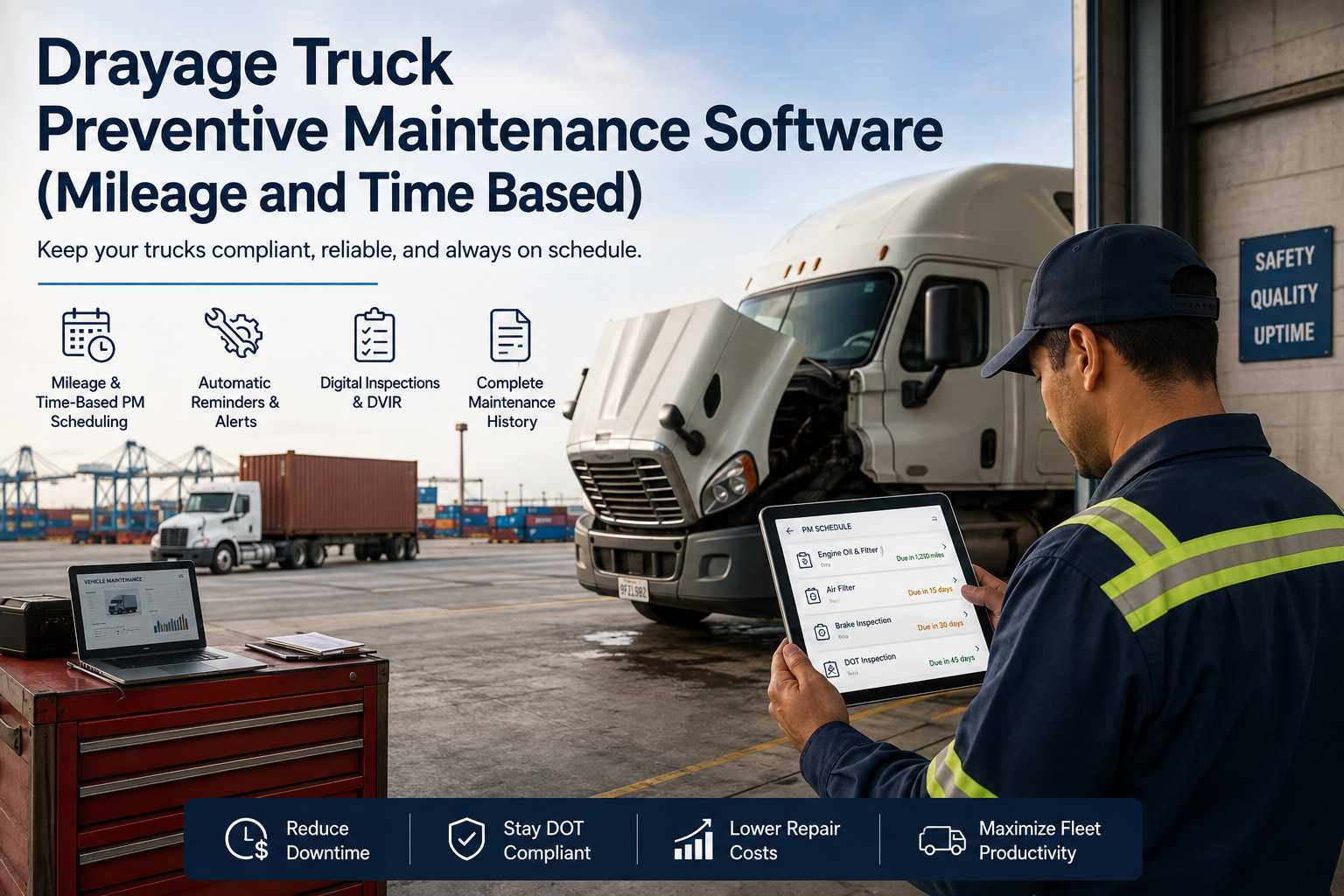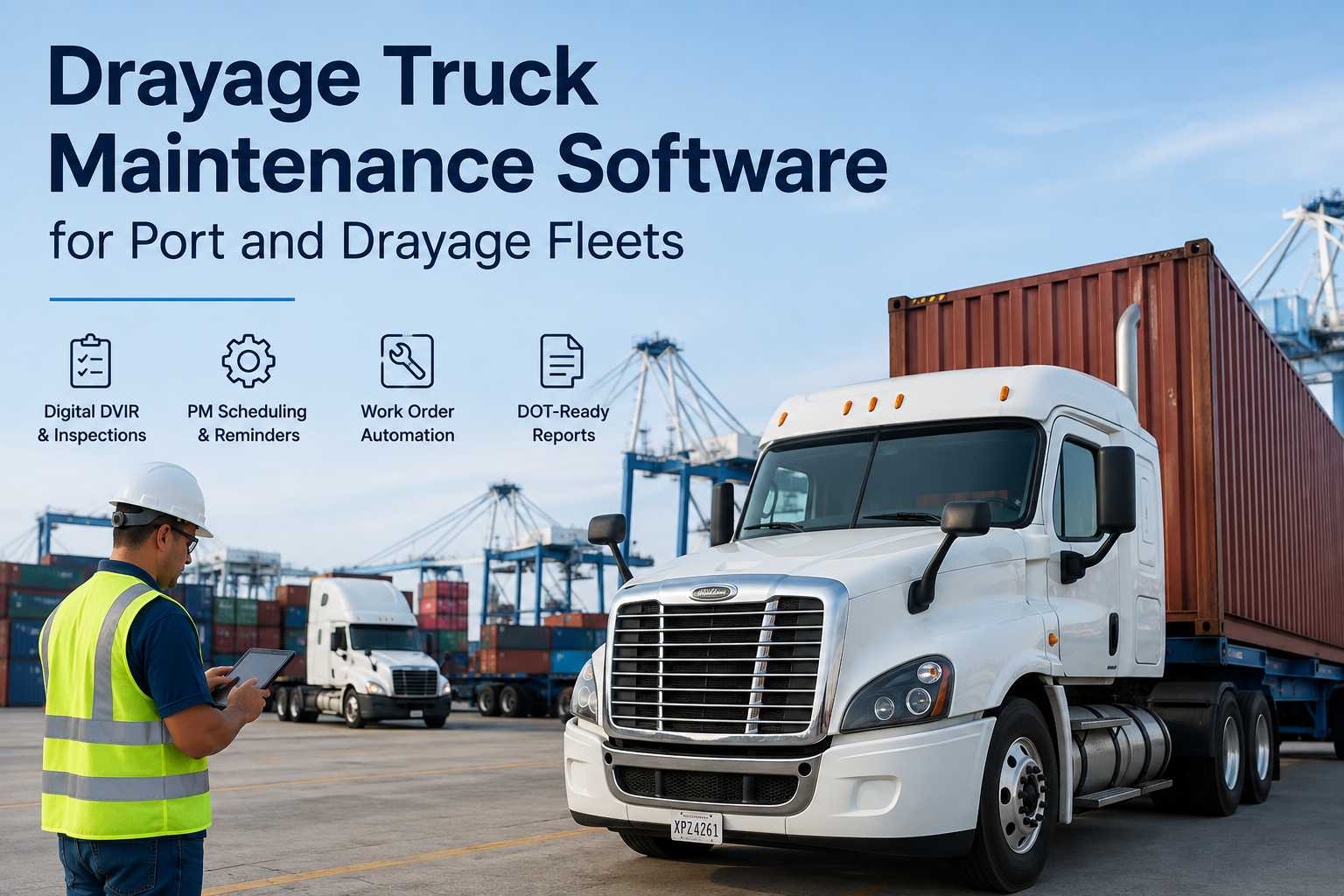
Intermodal drayage carriers, port logistics operators, and harbor fleet maintenance managers run high-tempo container transport operations under unforgiving maritime terminal gate standards: inspecting fifth-wheel locking jaws, auditing air brake stroke tolerances, verifying twistlock engagements on chassis, and checking Clean Air Action Plan (CAAP) engine emissions before clearing port terminal gates. When daily pre-trip DVIRs, brake shoe measurements, hub oil weeping, and chassis lighting faults remain trapped on paper cab sheets or disconnected gate receipts, drayage operators face sudden terminal gate turnaways, costly roadability citations under FMCSA 49 CFR Part 396.19, and missed container rail cut-offs. Fleet Rabbit delivers specialized drayage truck maintenance and port compliance software engineered for intermodal container fleets, combining photo-verified digital DVIRs, automatic defect-to-work-order triage, engine-hour PM scheduling, and low-bandwidth pier-to-depot synchronization. Eliminate port gate turnaways, maintain complete intermodal chassis audit trails, and keep harbor container trucks moving continuously through terminal gates with zero cellular dead-zone data loss. Book a Demo to see Fleet Rabbit drayage truck maintenance software in action.
DRAYAGE INTERMODAL HERO CONSOLEDrayage Truck Maintenance & Port Compliance Software
Standardize photo-verified driver DVIRs, automate terminal roadability defect repair orders, schedule engine-hour PMs, and maintain audit-proof maintenance records across port and rail fleets.
Why Paper Logs Fail High-Frequency Port Drayage Fleets
Intermodal drayage trucks cycle through intense stop-and-go terminal queues and high-weight container transfers; paper clipboards fail to catch defects before gate inspections.
Terminal Gate Roadability Rejections & Demurrage
Marine clerks and ILA roadability mechanics routinely inspect air hoses, light cords, and brake strokes at the inbound gate. Paper inspection sheets missing photo proof invite instant turnaways, blown appointment slots, and crippling demurrage fees.
Unrecorded Ocean Chassis & Twistlock Deficiencies
Intermodal drivers hook third-party chassis from common equipment pools daily. Without digital pre-trip photo logs of bent bolster locks, rusted slider pins, or leaking gladhand grommets, carriers are wrongfully billed for equipment pool damage.
Severe Stop-and-Go Brake and Hub Overheating
Dragging 80,000-lb ocean boxes through crowded terminal queues superheats brake drums and wheel seals. Paper logs miss gradual wheel-seal weeping, causing premature brake lining contamination and FMCSA Level I out-of-service orders.
Container Yard & Terminal Cellular Shadow Zones
High-stacked steel shipping container stacks create severe cellular dead zones across port terminals and intermodal rail yards. Cloud-only tools stall out, preventing drivers from submitting post-trip defect logs or receiving gate repair clearances.
Engineered for High-Velocity Intermodal Port Operations
Fleet Rabbit bridges the gap between terminal drivers, dispatch desks, and shop maintenance bays with one intermodal management console. Request a 1-on-1 walkthrough.
Intermodal Roadability DVIRs
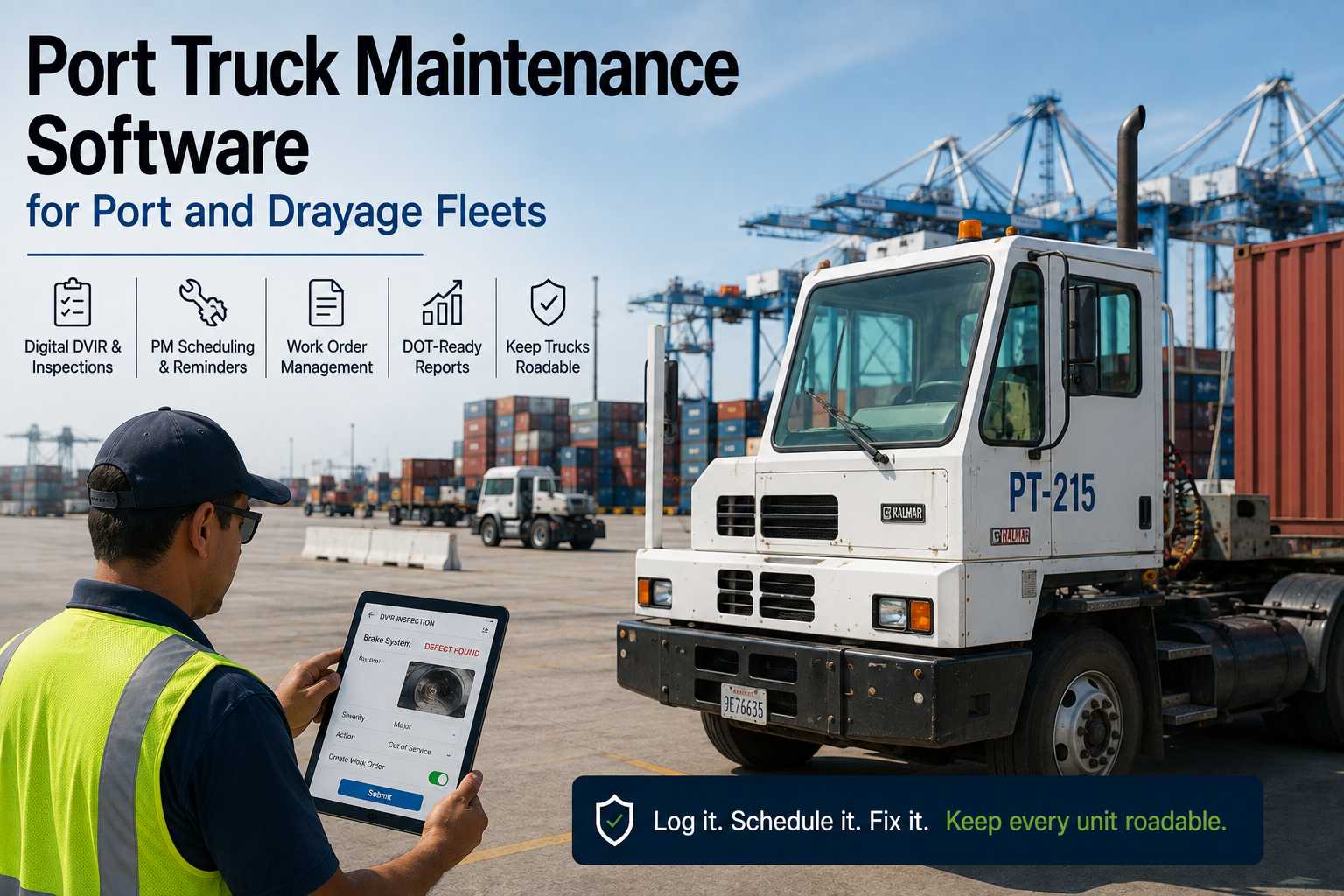
Fast digital walkaround forms customized for tractor-chassis combinations, covering fifth-wheel locking jaws, slider pins, air brake hoses, and lighting connectors with mandatory defect photos.
Defect-to-Shop Auto Work Orders
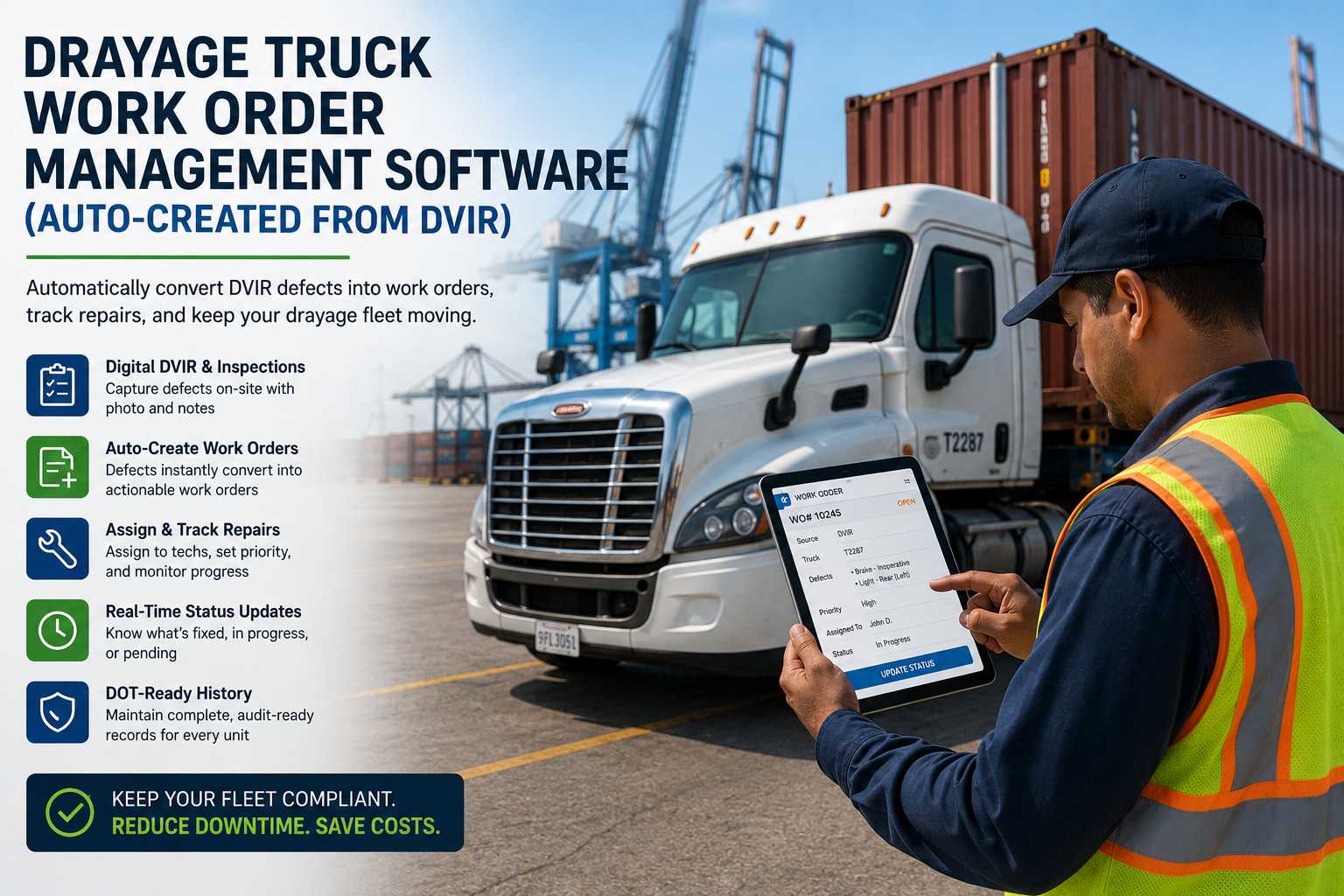
When a driver flags damaged gladhands or cracked brake shoes at the terminal, the defect instantly routes to shop technicians with component photos and part numbers for immediate dockside staging.
Clean Truck & Port Registry Vault
Store and track terminal RFID tags, Clean Air Action Plan engine certifications, annual FMCSA periodic inspections, and port concession licenses with automated 90/60/30-day renewal warnings.
Terminal Idle-Aware PM Schedules
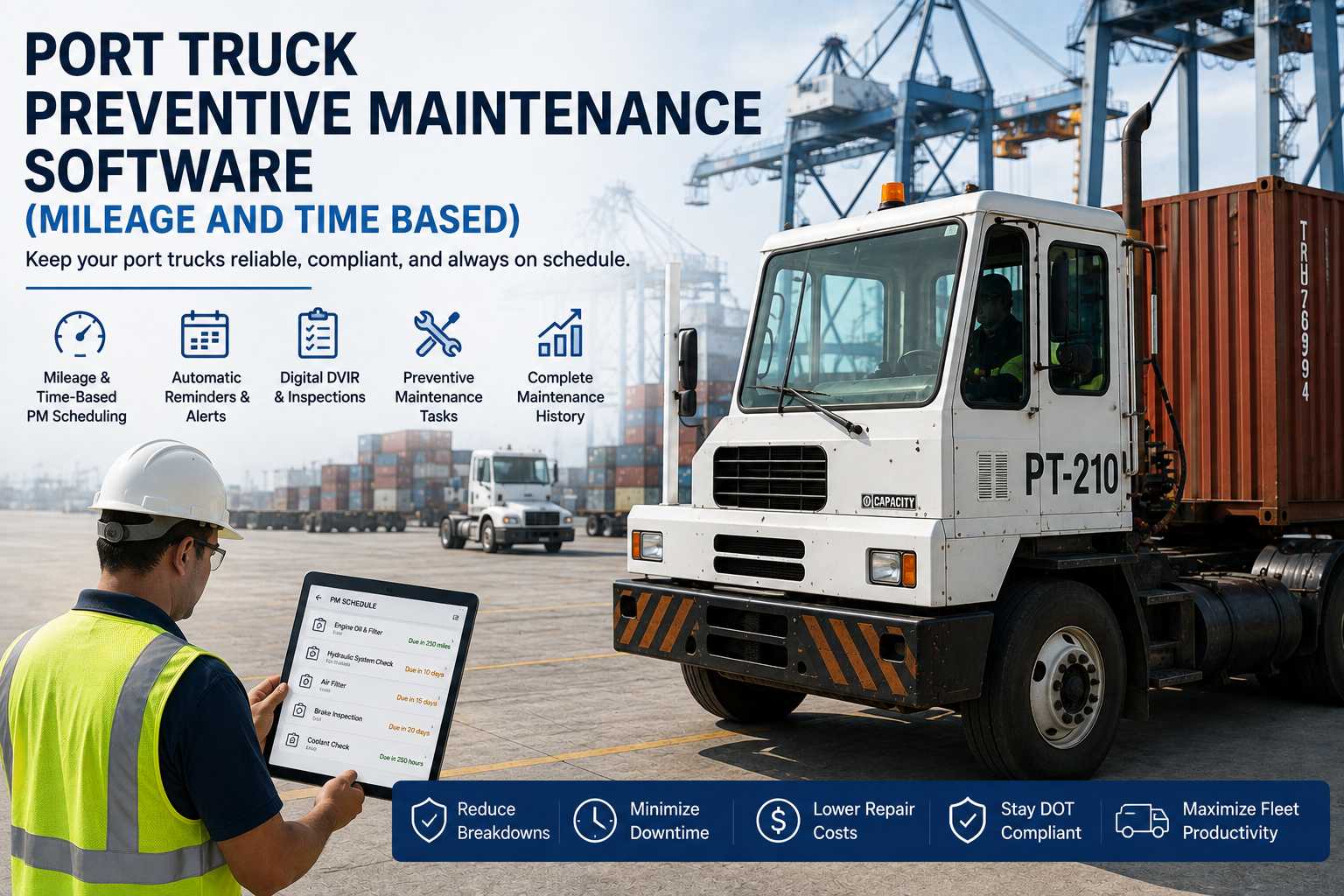
Trigger oil changes, DPF filter cleanings, and transmission flushes based on true engine running hours rather than misleading road miles, accounting for hours spent idling in container queue lines.
Offline Pier-to-Depot Synchronization
Drivers complete pre-trips, record chassis container conditions, and log repairs in dense container stacks with zero cell signal; all inspection records auto-sync the moment connectivity is restored.
DOT & Pool Roadability Audit Trails
Maintain digital, exportable proof-of-inspection ledgers that demonstrate pre-existing chassis pool conditions, shielding your fleet from unjust equipment maintenance billing (IEP) claims.
Intermodal Roadability, DOT & Port Environmental Alignment
Fleet Rabbit’s drayage maintenance workflows are structured to meet federal motor carrier regulations, intermodal roadability rules, and regional port authority green-fleet mandates.
Direct compliance with Intermodal Equipment Provider (IEP) roadability regulations, including mandatory pre-trip checks of third-party container chassis components before exiting terminal gates.
Full integration of driver vehicle inspection reporting (DVIR), periodic annual mechanical inspections, mandatory technician repair sign-offs, and driver review certifications.
Tracks clean truck registry stickers, alternative fuel vehicle records, and DPF exhaust aftertreatment maintenance intervals required by major port authorities nationwide.
Maintains certified vehicle maintenance histories and roadworthiness records required under harbor carrier access agreements, preventing port badge revocation.
Drayage Fleet Maintenance Software Comparison
A specialized evaluation focused on port container logistics, intermodal chassis roadability, and low-bandwidth terminal yard synchronization as of 2026. Request a technical comparison.
| Capability | Fleet Rabbit | Samsara | Fleetio | Gate Paper Receipts |
|---|---|---|---|---|
| Pricing (per truck/month) | $5/month | $27–$60/month | $4–$8/mo (base tier) | Costly gate turnaways |
| Dedicated Port Chassis Roadability DVIRs | Pre-built IEP templates | Generic commercial only | Custom build required | Manual clipboards |
| Terminal Queue Idle-Aware PM Scheduling | True engine runtime hours | Mileage-biased system | Manual text entry | Guessed intervals |
| Clean Truck Port Registry Document Vault | Dedicated 90/60/30 alerts | Basic file upload | Basic file upload | Lost physical folders |
| Container Stack Offline Micro-Sync | Full offline sync engine | Limited data caching | Partial offline mode | Paper only |
| Free Trial | 14 days, up to 3 assets | Demo only | 14 days | None |
| Contract Commitment | Monthly or annual | 3-year contract lock-in | Annual contract | None |
5-Step Implementation Roadmap
Fleet Rabbit deploys quickly without interrupting scheduled harbor container moves, taking your drayage fleet from paper gate sheets to digital maintenance compliance in two weeks.
Truck & Chassis Pool Profile Onboarding
Import tractor VINs, port RFID license plates, engine emissions classes, and assigned chassis pool ID numbers into your centralized maintenance database.
Intermodal Roadability DVIR Setup
Activate pre-configured mobile inspection checklists for fifth-wheel locks, chassis slider pins, twistlocks, air hoses, and gladhand grommets.
Terminal Gate Red-Tag & Lockout Rules
Configure automated dispatch grounding rules for critical roadability safety defects—such as loose fifth wheels, flat tires, or inoperable brake chambers.
Drivers & Shop Mechanic App Rollout
Equip intermodal drivers and shop technicians with the intuitive offline mobile app for completing daily pre-trips and taking photo-verified repair notes.
Port Fleet Command Dashboard Go-Live
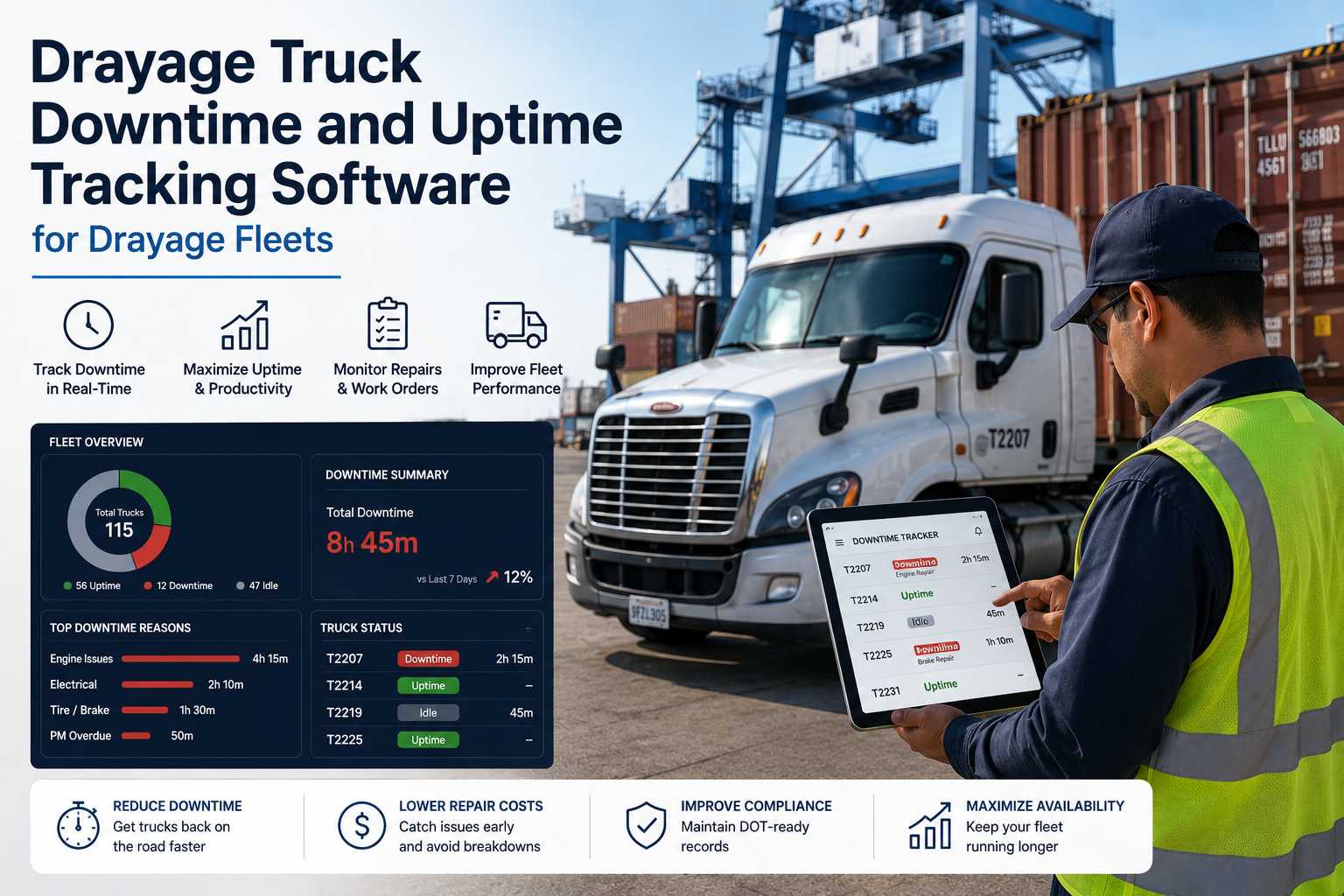
Activate the live fleet dashboard, view real-time roadability states across all units, track open work orders, and export 1-click audit reports for port authorities.
2-Week Deployment Plan & Milestones
Modernize your drayage truck maintenance operations and terminal roadability verification with zero disruption to active harbor moves. Request an onboarding plan.
Week 1: Setup & Fleet Registry Ingestion
- Import tractor specifications, port RFID tag numbers, and annual DOT inspection records
- Configure idle-aware engine-hour PM schedules for oil, brake systems, and DPF filters
- Set up 90/60/30-day alerts for Clean Truck Program registrations and annual vehicle inspections
- Assign user roles for Drayage Driver, Shop Mechanic, Dispatcher, and Safety Director
Week 2: Driver Pilot & Terminal Launch
- Conduct 15-minute driver orientation on completing mobile roadability pre-trips and photo tagging
- Validate offline store-and-forward syncing in dense container terminal shadow zones
- Verify instant defect-to-work-order triage for flagged air line leaks and chassis defects
- Launch the live fleet maintenance dashboard across dispatch desks and maintenance shop tablets
Protect Your Drayage Fleet from Port Gate Rejections and Roadside Fines
Standardize photo-verified roadability DVIRs, automate defect repair orders, and maintain complete DOT compliance. Start today at $5/truck/month with a 14-day free trial.
Real-World Drayage Fleet Results
Operational outcomes reported by intermodal motor carriers and harbor container drayage fleets. Request the drayage fleet case study.
Zero Gate Rejections Across 45 Drayage Trucks
A harbor motor carrier servicing major ocean terminals faced recurring inbound gate rejections due to unrecorded light cable cuts and chassis air leaks. Fleet Rabbit deployed photo-verified intermodal DVIRs, eliminating 100% of gate turnaways, cutting demurrage chargebacks to zero, and saving 16 dispatch hours weekly.
Repair Triage Slashed — 32-Truck Fleet
An intermodal carrier suffered communication delays between terminal drivers reporting damaged gladhands on paper slips and shop mechanics staging replacement fittings. Fleet Rabbit converted failed walkaround items into instant photo-verified work orders, slashing repair turnaround times from 2 days to under 30 minutes.
When you're pulling heavy 40-foot ocean containers out of the terminal, a single failed gladhand seal or a bent chassis twistlock means a red-tag at the gate. If your driver gets turned around, you lose your gate appointment, burn driver pay, and face hundreds of dollars in demurrage. Fleet Rabbit gave our drivers a fast 3-minute mobile checklist with photos. Our shop knows about every mechanical defect before the truck even returns to our yard, keeping our fleet compliant, our drivers moving, and our port concession in good standing.