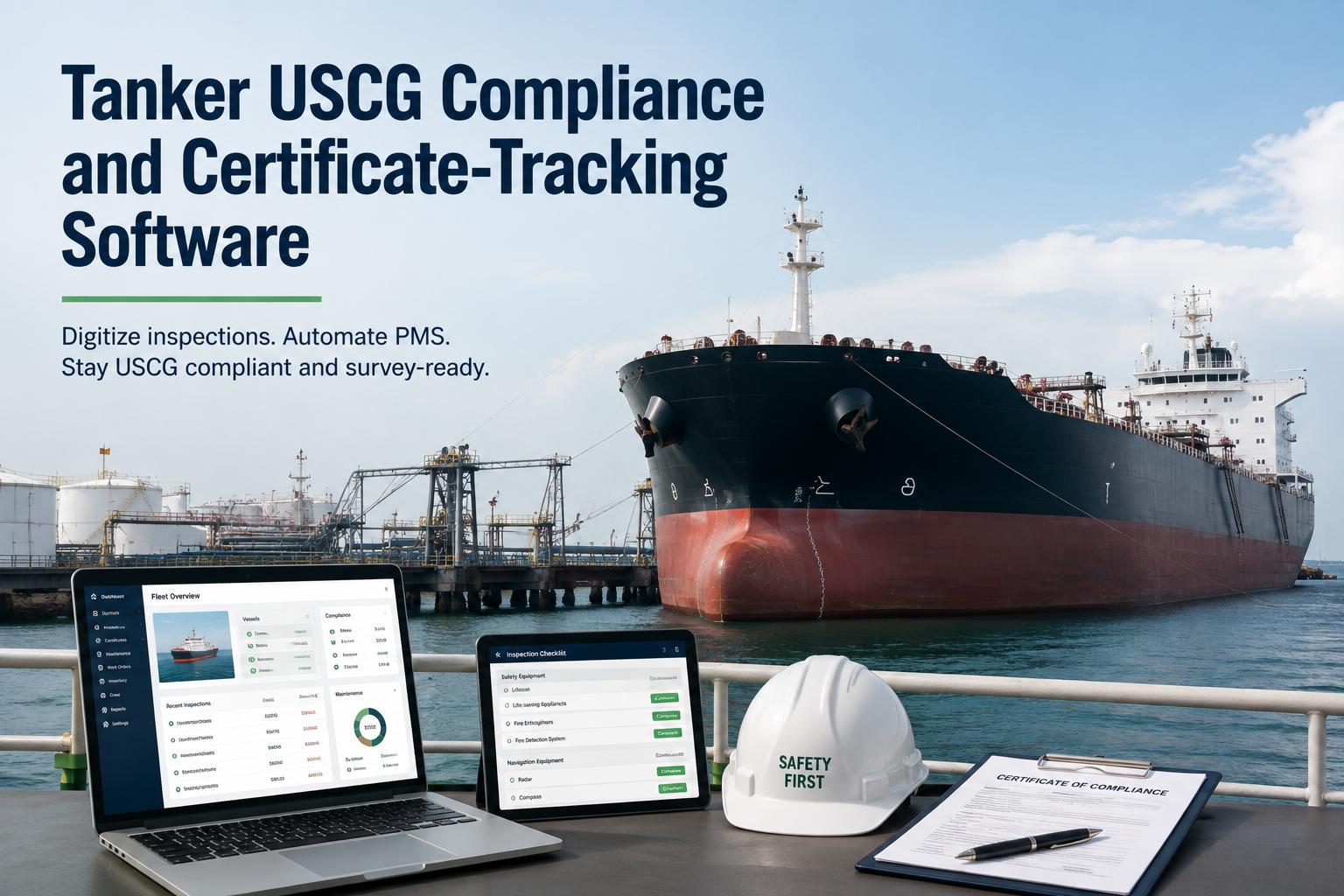
Crude oil tanker operators, chemical parcel fleet managers, and marine technical compliance superintendents operate under the maritime industry's most rigorous regulatory regimes: maintaining VLCCs, Suezmax, Aframax, and chemical carriers in strict compliance with United States Coast Guard (USCG) Title 46 CFR, OCIMF SIRE 2.0 vetting standards, MARPOL Annex I/II, and Class Society statutory rules. When auxiliary generator running-hours, Inert Gas System (IGS) scrubber maintenance, Oil Discharge Monitoring and Control System (ODMCS) calibrations, cargo pump mechanical seal logs, and statutory certificates are managed across disconnected shipboard spreadsheets, paper engine room logbooks, and cabin binders, tanker operators risk severe USCG Port State Control detentions, failed oil major vetting inspections, and costly commercial off-hire delays during port discharge calls. Fleet Rabbit delivers dedicated marine tanker USCG compliance and certificate-tracking software, unifying running-hour Planned Maintenance Systems (PMS), automated statutory certificate vaults, digital safety checklists, and offline ship-to-shore synchronization into one comprehensive maritime platform. Eliminate vetting deficiencies, streamline Class annual surveys, and maintain verified seaworthiness across open-ocean voyages with zero satellite connectivity. Book a Demo to see Fleet Rabbit tanker USCG compliance software in action.
MARITIME APEX HORIZON HEROMarine Tanker USCG Compliance & Certificate-Tracking Software
Synchronize running-hour PMS tasks, automate USCG Title 46 CFR and SIRE 2.0 audit workflows, track critical statutory certificate expirations, and maintain continuous seaworthiness across liquid cargo tanker fleets.
Why Legacy Spreadsheets Fail Marine Tanker USCG Compliance
Manual shipboard logbooks and static office spreadsheets leave liquid cargo operators vulnerable to overlooked running-hour maintenance, missed statutory survey deadlines, and catastrophic SIRE 2.0 vetting rejections.
Inert Gas System & Deck Seal Maintenance Blindspots
Tankers rely on continuous inert gas generation during cargo discharge; static calendar intervals miss scrubber tower corrosion, non-return valve weeping, and deck water seal level sensor drift, creating severe explosive atmosphere risks.
Lapsed USCG Certificate of Compliance & Class Surveys
Statutory tanker certificates—including International Oil Pollution Prevention (IOPP), Certificate of Fitness for Chemical Cargoes, Safety Radio, and Continuous Synopsis Records (CSR)—risk expiring during ocean voyages without automated tracking.
Disconnected Cargo Equipment Defect Logs
Chief Engineer notes on deepwell cargo pump mechanical seal leakage, sluggish manifold emergency shutdown (ESD) valve actuators, or ODMCS turbidity sensor errors logged on paper fail to trigger prompt shoreside spare-part provisioning.
Open-Ocean Satellite Latency & Dead Zones
Transoceanic passages frequently encounter degraded or dropped satellite data links. Cloud-only maritime software freezes, preventing crew from logging daily running hours, safety drills, or critical cargo machinery work orders.
How Fleet Rabbit Powers Tanker Seaworthiness & Vetting
Fleet Rabbit synchronizes engine room running-hour meters, cargo pump PMS tasks, digital statutory certificate vaults, and bi-directional ship-to-shore sync into one maritime platform. Request a 1-on-1 walkthrough.
Cargo Pump & Generator Running-Hour PMS
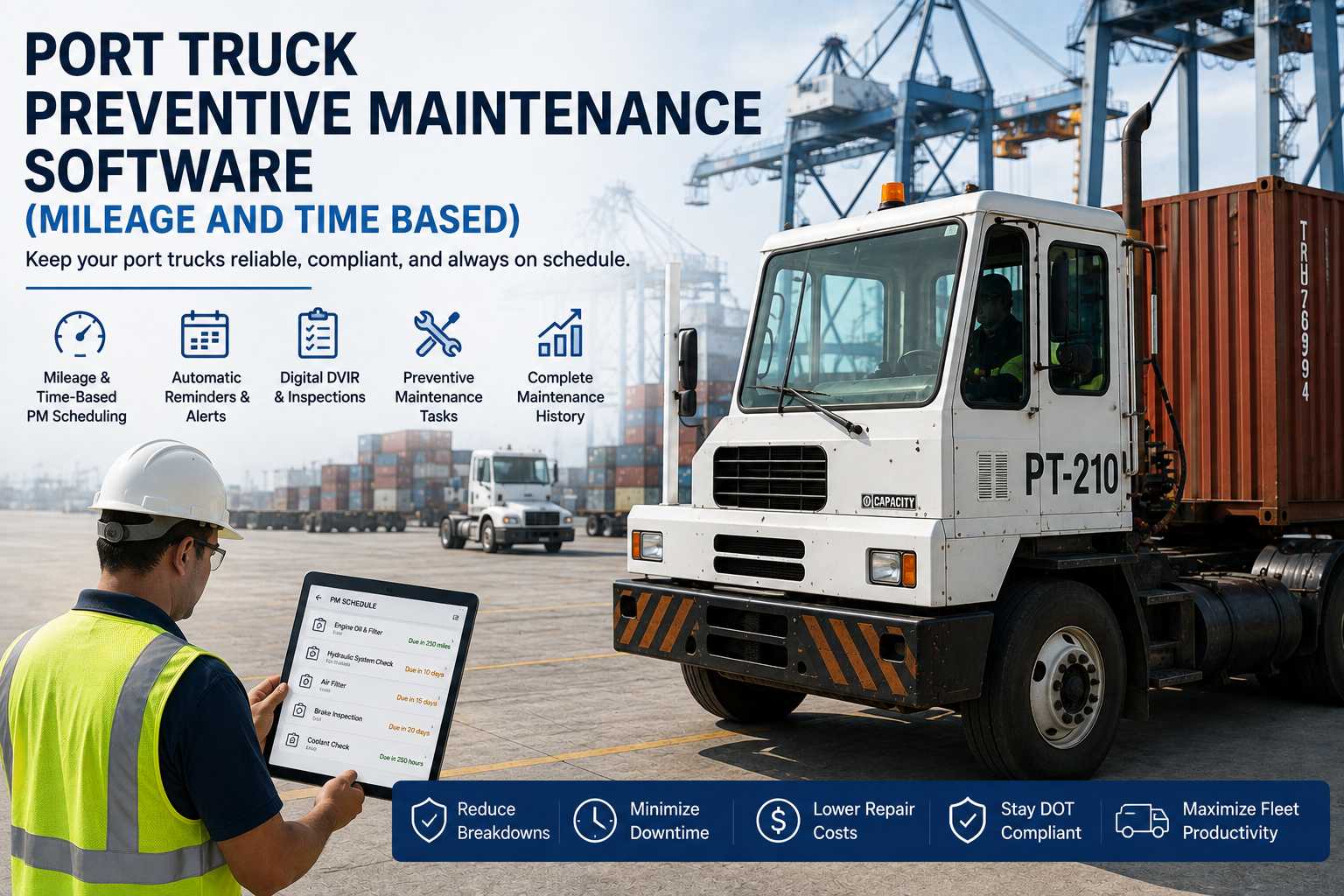
Automatically triggers maintenance intervals for hydraulic power pack overhauls, auxiliary diesel generator servicing, boiler burner inspections, and purifier overhauls based on true tachometer hours.
Digital Statutory Certificate Vault
Centralizes USCG Certificates of Compliance (COC), IOPP Form B supplements, Chemical Fitness Certificates, and Class annual survey endorsements with automated 90/60/30-day renewal warnings.
USCG & SOLAS Safety Drill Audits
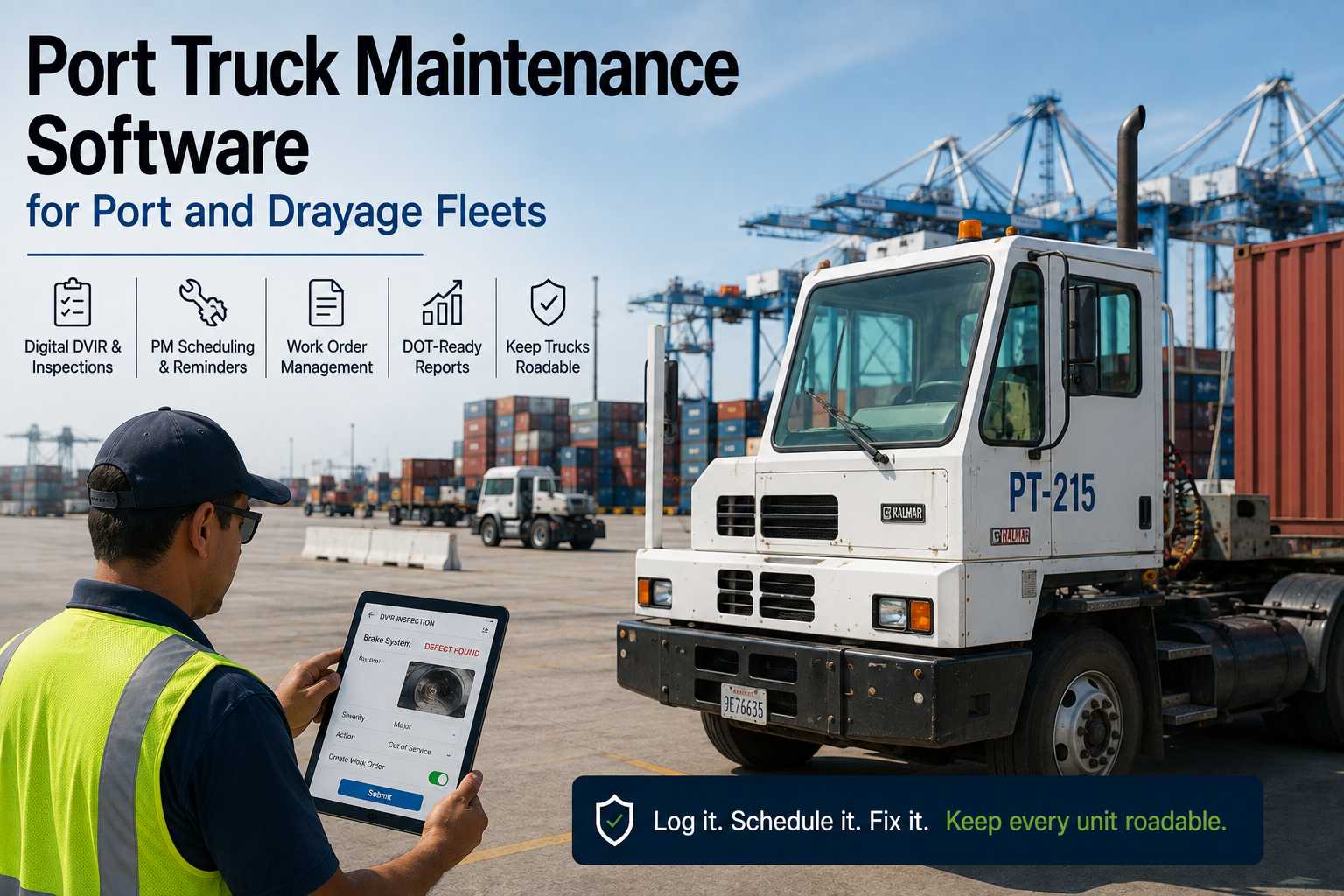
Standardized digital inspection forms for deck foam fire-fighting systems, emergency cargo pump stops (ESD), dual-steering gear changeover tests, quick-closing fuel valves, and enclosed space entry rescue drills.
Open-Ocean Offline Mode & Micro-Sync
Engineers record daily engine logs, complete work orders, and attach defect photos completely offline; lightweight data payloads automatically micro-sync to shoreside servers via marine VSAT.
Shoreside Superintendent Work Orders
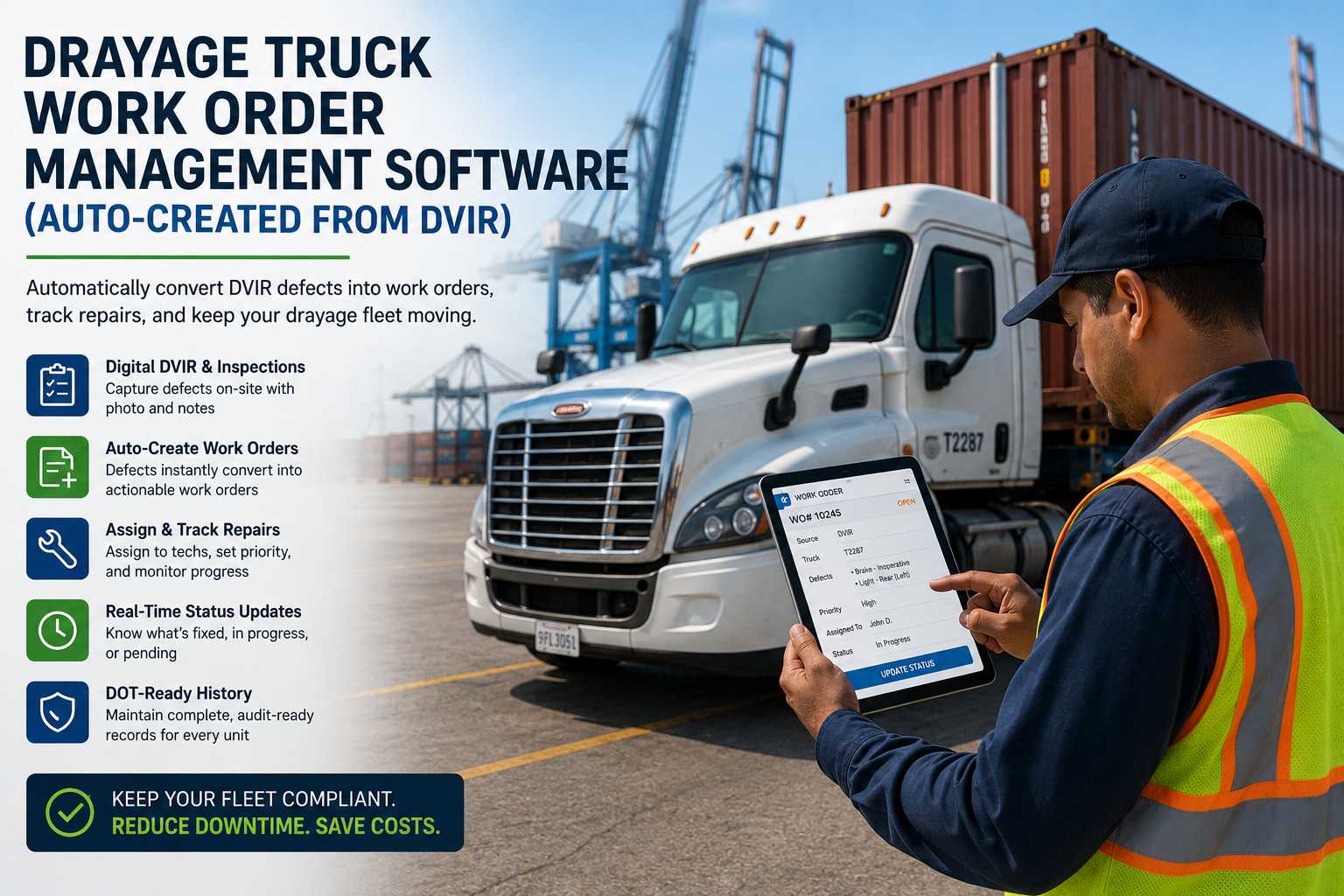
Shipboard deficiencies immediately generate prioritized technical requisitions routed directly to shoreside port engineers and marine technical superintendents for rapid spare-part provisioning.
IGS, ODMCS & Tank Level Tracking
Track calibration histories, oxygen analyzer sensor replacements, ODMCS sample pump overhauls, high-level radar gauge calibrations, and vapor recovery manifold valve test records across the fleet.
Statutory, Flag State & OCIMF SIRE 2.0 Compliance
Fleet Rabbit’s tanker maintenance and inspection workflows are structured to meet statutory international maritime regulations and oil major vetting standards across major governing bodies.
Supports USCG Title 46 CFR Subchapter D (Tank Vessels), Subchapter O (Certain Bulk Dangerous Cargoes), 33 CFR Part 155/156 (Oil Pollution Prevention and Transfer Operations), and Port State Control (PSC) boarding inspection readiness.
Aligns Planned Maintenance Systems with IMO SOLAS Chapter II-2 (Fire Protection & Inert Gas), MARPOL Annex I/II (Oil and Noxious Liquid Substances), and the International Bulk Chemical (IBC) Code.
Pre-aligned with OCIMF Ship Inspection Report Programme (SIRE 2.0) question sets, Tanker Management and Self Assessment (TMSA 3) Element 4 (Reliability and Maintenance Standards), and CDI chemical protocols.
Supports IACS Continuous Machinery Surveys (CMS), Enhanced Survey Programme (ESP) cargo/ballast tank structural inspection records, inert gas piping audits, and pressure relief valve bench-test certificates.
Marine Tanker Compliance Software Comparison
A focused capability comparison for tanker technical directors evaluating Planned Maintenance Systems (PMS), statutory certificate vaults, and low-bandwidth marine synchronization. Competitor data sourced from public records as of 2026. Request a technical comparison.
| Capability | Fleet Rabbit | Amos / DNV ShipManager | Samsara | Generic Tools |
|---|---|---|---|---|
| Pricing (per vessel) | $5/month | $500–$2,500/mo ($$$$) | $27–60/month | Variable ($$$) |
| Running-Hour Machinery PMS Triggers | Native & automated | Native (high complexity) | Requires custom setup | Manual entry only |
| USCG & Statutory Certificate Expiration Vault | Native & automated (90/60/30) | Module upgrade required | Not available | Manual file drive |
| Pre-Built USCG & SIRE 2.0 Inspection Forms | Pre-built & specialized | Custom configuration needed | Generic vehicle only | Not available |
| Open-Ocean Offline Mode & Micro-Sync | Full offline mode (VSAT ready) | Legacy database sync | Limited | Limited |
| Free Trial | 14 days, up to 3 assets | Demo only | Demo only | Demo only |
| Contract Terms | Monthly or annual | Multi-year enterprise lock-in | 3-year minimum | Annual / Multi-year |
5-Step Implementation Roadmap
Fleet Rabbit provides an accelerated deployment program engineered for tanker fleets, transitioning your technical management from legacy spreadsheets to automated PMS compliance in two weeks.
Vessel & Cargo Machinery Hierarchy Import
Import tanker particulars, IMO numbers, cargo pump models, inert gas generator specs, running-hour baselines, and active Class/Flag certificates.
PMS Running-Hour & Interval Setup
Configure running-hour maintenance triggers for auxiliary generators, purifiers, air compressors, IGS scrubbers, and cargo pump hydraulic power packs.
USCG & SIRE 2.0 Checklist Activation
Activate digital inspection forms for emergency cargo pump ESD trips, ODMCS calibrations, deck foam systems, and quick-closing fuel valves.
Shipboard & Shoreside Rollout
Equip Chief Engineers, Chief Officers, and shoreside Technical Superintendents with the intuitive offline-ready application.
Live Fleet Compliance Board Go-Live
Activate real-time Port State readiness indicators, SIRE 2.0 audit countdown ledgers, and 1-click USCG compliance reports.
2-Week Fleet Deployment Plan & Results
Modernize marine tanker Planned Maintenance and USCG compliance tracking with zero disruption to active cargo voyage charters. Request an onboarding plan.
Week 1: Setup & Data Migration
- Migrate legacy machinery running hours, spare parts catalogs, and active Class/Flag statutory certificates
- Set automated 90/60/30-day renewal triggers for USCG COC, IOPP, Document of Compliance, and Safety Management surveys
- Configure user permission roles for Master, Chief Engineer, Port Captain, and Technical Superintendent
Week 2: Shipboard Pilot & Go-Live
- Conduct quick 20-minute shipboard officer training on completing offline mobile DVIRs and PMS task logs
- Validate micro-sync data transmission over shipboard VSAT and fleet satellite links
- Activate central shoreside dashboard with live Port State readiness indicators and survey ledgers
Protect Tanker Fleets from USCG Detentions and Failed Oil Major Vettings
Automate machinery running-hour PMS, centralize statutory Class certificates, and maintain verified seaworthiness across global voyages. Start today at $5/asset/month with a 14-day free trial.
Real-World Operational Results
Proven operational outcomes reported by international tanker shipowners and liquid cargo technical managers. Request the full tanker case study.
USCG Deficiency Elimination — 12-Tanker Crude Fleet
An international crude tanker operator experienced recurring Port State Control Form B deficiencies in US Gulf Coast ports due to unverified Inert Gas System deck seal logs and lapsed cargo tank high-level alarm calibrations. Fleet Rabbit centralized statutory PMS tasks and drill records, eliminating 100% of USCG mechanical deficiencies and saving over $185,000 in prevented terminal delays and off-hire costs.
Faster Defect Resolution — 18-Parcel Chemical Fleet
A chemical tanker fleet suffered from communication lag between Chief Engineers logging deepwell pump seal weepage in paper books and shoreside superintendents ordering replacement seals. Fleet Rabbit converted shipboard defects into instant photo-verified technical requisitions, cutting spare part procurement and defect turnaround time from 14 days to under 48 hours.
When a tanker arrives at a US discharge terminal, Coast Guard and oil major vetting inspectors verify every component from Inert Gas oxygen analyzers to emergency shutdown valves. Fleet Rabbit gave our Chief Engineers an intuitive offline app for daily PMS tasks and gave our shoreside technical team real-time visibility into every certificate and maintenance record across the fleet.
Frequently Asked Questions
Upgrade Your Marine Tanker USCG Compliance in Less Than 2 Weeks
Automate running-hour PMS tasks, centralize statutory Class certificates, and ensure complete Port State and SIRE 2.0 survey readiness at $5/asset/month with a 14-day free trial.