FMCSA estimates that 95% of DVIRs note zero defects — which means either commercial vehicles are nearly perfect, or most inspections aren't catching what matters. AI-powered DVIR software changes the equation. Computer vision detects defects the human eye misses. Machine learning spots degradation patterns across your fleet. Smart checklists guide drivers through inspections in half the time with twice the accuracy. The result: 40% faster inspections, 35% fewer repair costs, and DOT-compliant documentation that protects you in audits and litigation. Start smarter inspections with FleetRabbit.
The Evolution: Paper → eDVIR → AI-Powered DVIR
Every fleet is somewhere on this progression. Understanding where you are — and what the next step unlocks — is the first step toward better inspections.
How AI Inspections Actually Work
AI-powered DVIR isn't science fiction — it's a 5-step pipeline that runs on the smartphone your driver already carries.
Guided Capture
The app walks the driver through each inspection point with visual guides showing exactly what to photograph and where to look. No guesswork. No skipped items. The checklist adapts to vehicle type — tractor, trailer, straight truck, or specialized equipment.
Computer Vision Analysis
The AI analyzes each photo in real-time using models trained on millions of vehicle images. It detects tire tread depth, brake pad wear, fluid leaks, cracked lights, loose connections, belt wear, and dozens of other defect categories — many invisible to a quick visual glance.
Severity Classification
Every detected defect is classified: safety-critical (vehicle OOS until repaired), needs-attention (schedule within 7 days), or monitor (track at next inspection). This prioritization ensures critical items get fixed immediately while minor wear is tracked before it becomes a problem.
Automated Workflows
Safety-critical defects block vehicle dispatch until resolved. The system auto-generates work orders in connected maintenance platforms like FleetRabbit, notifies the maintenance team, and timestamps every action for the compliance record.
Fleet-Wide Intelligence
The AI doesn't just process individual inspections — it analyzes patterns across your entire fleet. It identifies recurring defects by vehicle model, supplier batch issues, seasonal patterns, and components approaching failure thresholds before they break.
What AI Inspects: The Full DVIR Checklist
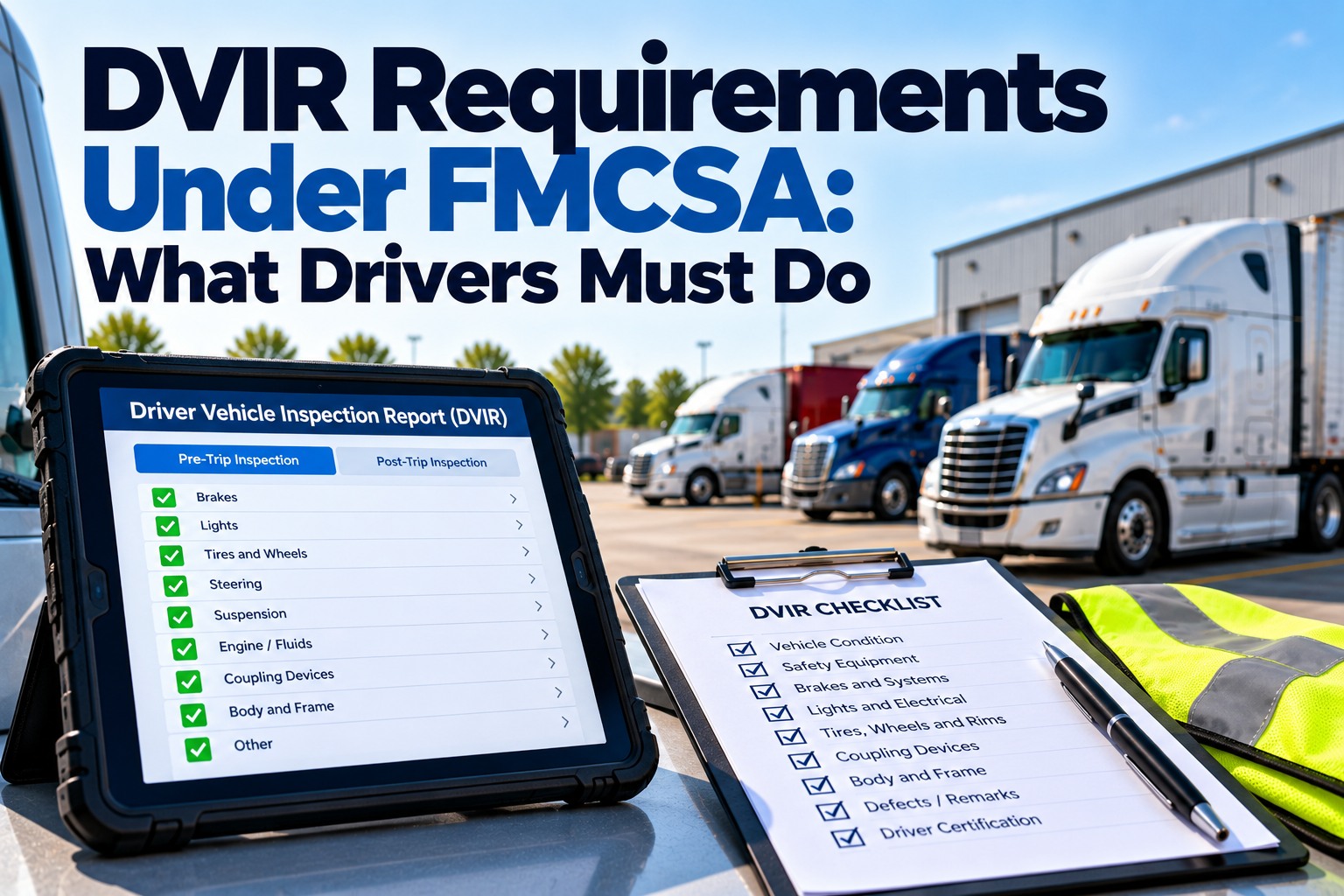
FMCSA requires inspection of specific safety components under 49 CFR §396.11. Here's how AI adds intelligence to each category.
Every checklist item generates data. FleetRabbit turns that data into action — connecting inspection findings directly to work orders, parts inventory, and PM schedules. Schedule a demo to see the workflow in action.
The Compliance Evidence Stack
In the era of nuclear verdicts — jury awards exceeding $10 million — your DVIR documentation is your best defense. Here's what AI inspections create that paper never could.
The ROI: What AI Inspections Deliver
AI DVIR by Industry: What Changes for Your Fleet
Different fleet types face different inspection challenges. AI adapts to each — customizing checklists, defect priorities, and compliance requirements by industry.
Frequently Asked Questions
Yes. FMCSA explicitly supports electronic data collection for DVIRs and more states are adopting digital inspection methods. Electronic DVIRs must contain the same information as paper forms: vehicle identification, inspection date, defect descriptions, driver signature, and (when applicable) mechanic sign-off and next-driver acknowledgment. Cloud-stored eDVIRs must be retained for at least 3 months per 49 CFR §396.11, though most digital systems retain records for years.
Since 2014, FMCSA only requires property-carrying CMV drivers to submit a DVIR when defects are found or reported. Drivers of passenger-carrying vehicles (buses) must still submit a report after every tour of duty regardless. However, most fleet operators require DVIRs for all trips as a best practice — the 15 minutes of inspection time is insignificant compared to the $760/day cost of an unplanned breakdown or the $12,700 fine for falsifying a report.
Yes, with caveats. Current AI achieves 95-99% accuracy on visible external defects: tire tread depth, cracked lights, fluid leaks, loose components, and body damage. It's less effective for internal/mechanical issues that require hands-on testing (brake adjustment feel, steering play). AI works best as an augmentation tool — it catches things drivers miss while drivers check things AI can't see. Together, the combination is significantly more thorough than either alone.
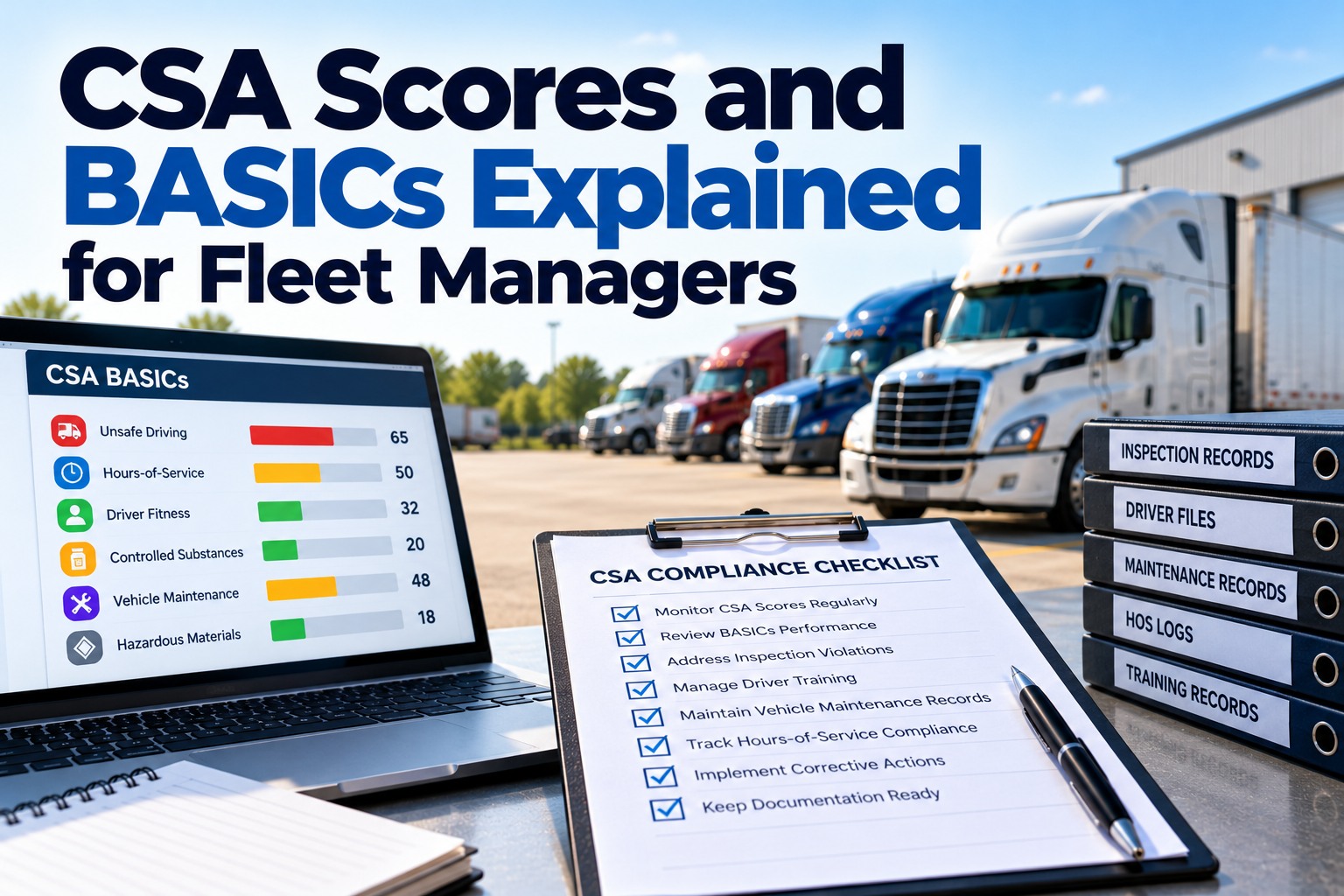
Fines range from $1,270/day for failure to complete a DVIR, up to $12,700 for falsifying a report, and up to $15,420 for failure to repair a reported defect. An out-of-service truck costs an average of $861 before fines or repairs are included. Beyond fines, DVIR violations impact your CSA Vehicle Maintenance BASIC score, which affects insurance premiums and audit frequency. The 2026 CSA scoring changes will further distinguish between driver-observed and inspector-detected violations.
The best AI inspection platforms integrate directly with maintenance management systems like FleetRabbit. When AI detects a defect, it automatically classifies severity, generates a work order, assigns it to the appropriate technician, and tracks resolution. This closed-loop workflow ensures that no defect gets lost between the driver's phone and the maintenance shop — the #1 failure point with paper DVIRs.
Inspect Smarter. Maintain Better. Stay Compliant.
FleetRabbit connects digital inspections to automated maintenance workflows — so every defect gets documented, assigned, resolved, and recorded for compliance. Start your free trial today.