As American vehicles continue to dominate our roads, understanding their unique maintenance needs becomes essential for both professional mechanics and DIY enthusiasts. This comprehensive guide explores the maintenance fundamentals for popular American brands, with a special focus on trucks and SUVs that form the backbone of America's driving culture.
Understanding American Vehicle Maintenance Philosophy
American cars, particularly from manufacturers like Ford, Chevrolet, and Dodge, share certain maintenance characteristics that set them apart from their European and Asian counterparts. Their robust design philosophy focuses on durability and power, especially in their truck and SUV lineups.
"American vehicles are built with accessibility in mind," notes a senior technician at FleetRabbit, a leading fleet maintenance management platform. "Most maintenance points are designed to be reached without specialized tools, though modern vehicles are becoming more complex."
Ford Maintenance Essentials
F-Series Trucks and SUVs
Ford's F-Series has maintained its position as America's best-selling truck for decades, making it a common sight in repair shops nationwide.
Oil Change Intervals and Specifications:
- F-150 EcoBoost engines: 7,500-10,000 miles with full synthetic oil
- Super Duty diesel engines: 10,000 miles with specialized diesel-rated oil
- Expedition and Explorer: 5,000-7,500 miles depending on driving conditions
Common Issues to Watch For:
- EcoBoost models: Intercooler condensation issues
- Older models: Spark plug ejection (especially 5.4L Triton V8s)
- Expedition/Navigator: IWE (Integrated Wheel End) failures
When diagnosing these vehicles, digital diagnostic tools that can read Ford-specific codes become invaluable. Many mechanics use comprehensive management systems like those offered by FleetRabbit to track maintenance histories and predict potential failures based on mileage and previous service records.
Chevrolet Maintenance Guidelines
Silverado, Tahoe, and Suburban Care
Chevrolet's truck and SUV lineup features robust powertrains that require specific maintenance approaches.
Duramax Diesel Maintenance:
- Fuel filter changes: Every 15,000 miles
- DEF (Diesel Exhaust Fluid) refills: Check at every service
- Water separator drainage: Monthly in humid climates
V8 Gas Engine Care:
- Oil change intervals: 5,000-7,500 miles with GM-approved oils
- AFM (Active Fuel Management) system: Monitor for lifter wear
- Transmission fluid: Inspect at 50,000 miles, change at 100,000
"Chevy trucks are workhorses that can run for 300,000+ miles with proper maintenance," explains a fleet maintenance expert. "The key is consistent care and documentation of all service work."
Tracking this maintenance history becomes easier with digital solutions. Maintenance management platforms help technicians follow manufacturer-recommended service intervals and document all work performed.
Dodge/Ram Truck Maintenance Focus
Ram trucks, formerly under the Dodge brand, have gained significant market share with their Cummins diesel options and comfortable interiors.
Cummins Diesel Care:
- Oil change intervals: 7,500-15,000 miles depending on use
- Fuel filter changes: Every 15,000 miles
- Serpentine belt inspection: Every 30,000 miles
HEMI V8 Maintenance:
- MDS (Multiple Displacement System) checks
- Hemispherical combustion chamber carbon build-up monitoring
- Cooling system inspection: Every 30,000 miles
Ram trucks have unique maintenance requirements compared to their Ford and Chevy counterparts. Their coil-spring rear suspension (rather than leaf springs) requires different inspection protocols, and their electrical systems often have brand-specific quirks.
Modern Technology Impacts on Maintenance
American vehicles increasingly incorporate advanced technology that changes maintenance approaches:
-
Onboard Diagnostics Evolution
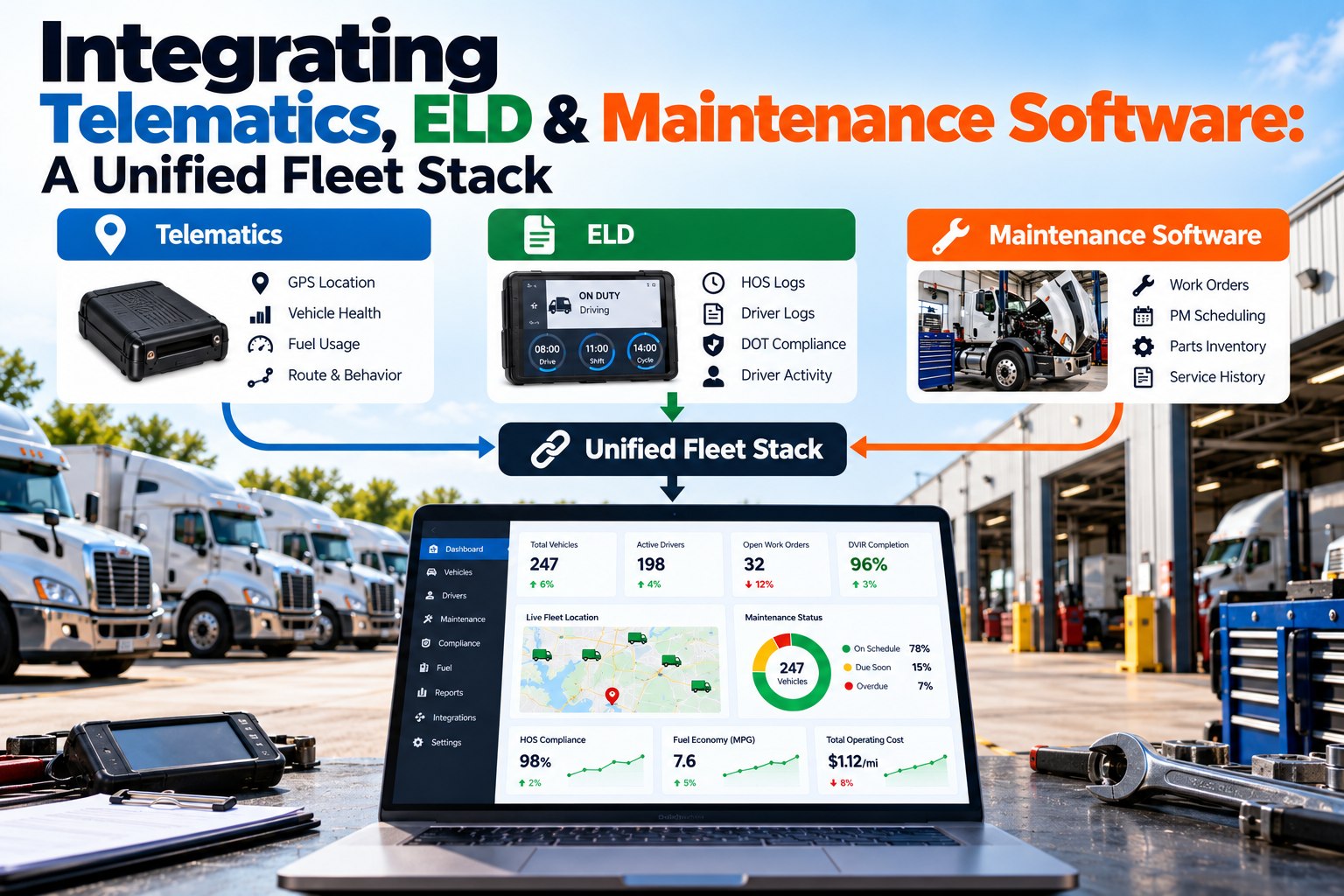
Modern OBD-II systems on American vehicles provide increasingly detailed information about potential issues before they cause breakdowns. Forward-thinking mechanics connect these systems to maintenance management platforms that can interpret codes and suggest preventative measures.
-
Powertrain Advances
With Ford's EcoBoost technology, GM's Dynamic Fuel Management, and Ram's eTorque mild hybrid system, maintenance procedures have evolved beyond traditional schedules.
-
Connected Vehicle Services
Many newer American vehicles now offer telematics data that can be integrated with fleet management systems to predict maintenance needs based on real-world usage rather than simple mileage calculations.
Creating an Effective Maintenance Schedule
For shops managing multiple American vehicles, establishing standardized maintenance protocols while accounting for brand-specific needs is crucial. Digital maintenance management systems have revolutionized this process.
"The days of wall calendars and reminder cards are gone," notes a FleetRabbit implementation specialist. "Today's shops use integrated maintenance platforms that track everything from oil change intervals to warranty status, ensuring nothing falls through the cracks."
An effective maintenance schedule for American vehicles should include:
- Manufacturer-specific interval tracking
- Driver behavior adjustments (heavy towing requires more frequent service)
- Seasonal maintenance (especially important for vehicles in extreme climates)
- Complete documentation for warranty purposes and resale value
Preventative Maintenance Best Practices
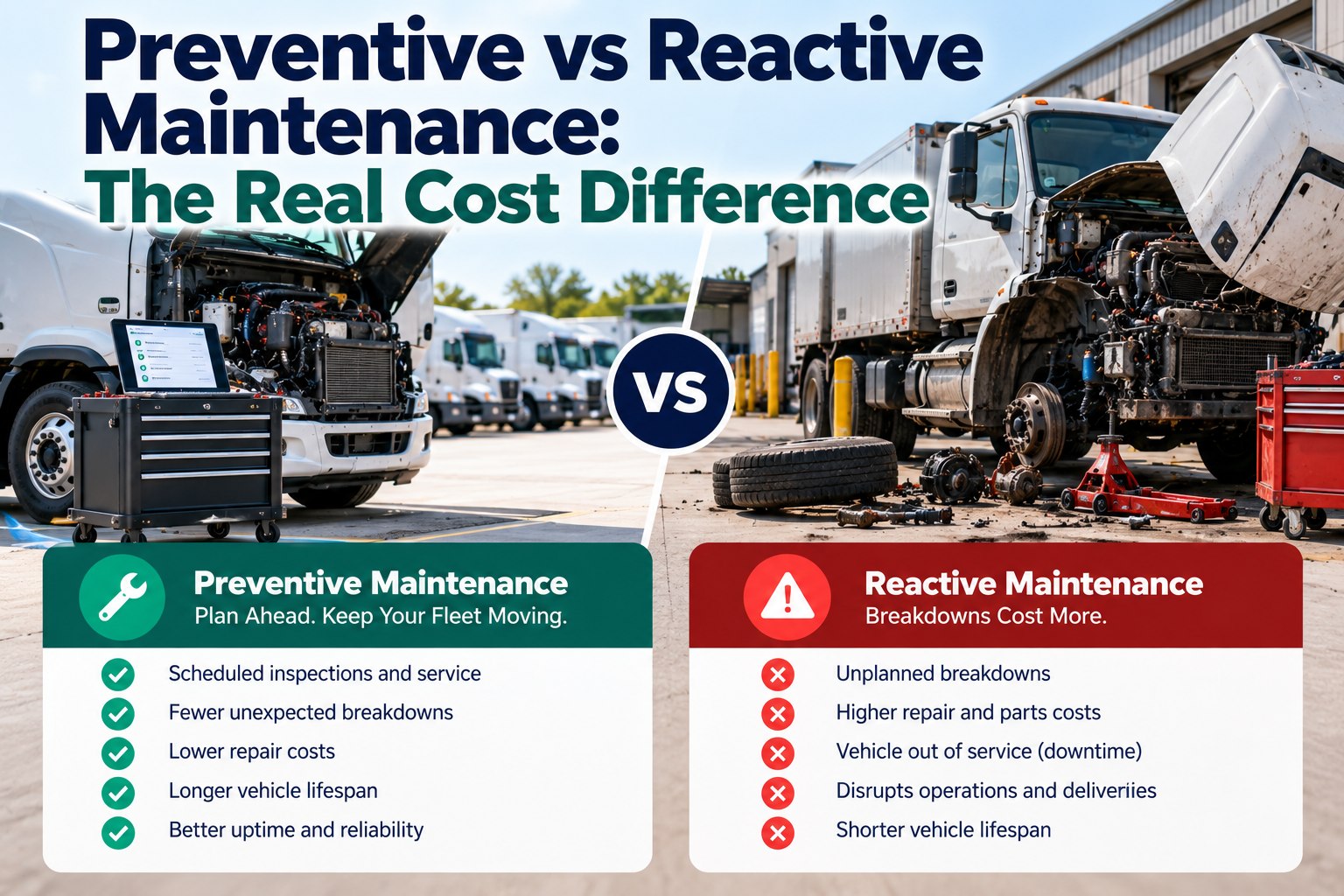
American vehicles, particularly trucks and SUVs used for work purposes, benefit tremendously from preventative maintenance approaches:
-
Fluid Analysis Programs
Regular oil analysis can detect metal particles that indicate internal wear before catastrophic failure occurs.
-
Battery and Electrical System Care
American vehicles often have complex electrical systems that power everything from infotainment to towing controls. Regular battery and alternator testing prevents unexpected failures.
-
Cooling System Maintenance
With powerful engines generating significant heat, cooling system integrity is crucial for American trucks and SUVs, especially those used for towing.
-
Suspension and Drivetrain Inspection
4x4 systems require transfer case fluid changes and CV boot inspections that are often overlooked in basic maintenance routines.
Digital Tools Transforming Maintenance Management
The maintenance landscape for American vehicles has been transformed by digital tools that help mechanics work more efficiently and provide better service to their customers.
Maintenance tracking platforms allow shops to:
- Schedule service based on actual vehicle usage
- Maintain detailed service histories
- Provide customers with digital records of all work performed
- Predict future maintenance needs based on historical data
"When we implemented a comprehensive maintenance management system, we saw our repeat business increase by 35%," shares a shop owner who specializes in American trucks. "Customers appreciate the professional documentation and proactive maintenance reminders."
Conclusion
Maintaining American vehicles, especially trucks and SUVs from Ford, Chevrolet, and Dodge, requires understanding their unique design philosophies and common issues. By implementing systematic maintenance protocols and leveraging digital management tools, mechanics can extend vehicle lifespans and build stronger customer relationships.
For those looking to streamline their maintenance operations for American vehicles, platforms like FleetRabbit offer comprehensive solutions that integrate manufacturer recommendations with real-world service tracking.
Whether you're maintaining a single truck or managing an entire fleet of American vehicles, the fundamentals remain the same: follow manufacturer guidelines, document everything, and leverage technology to stay ahead of potential problems.