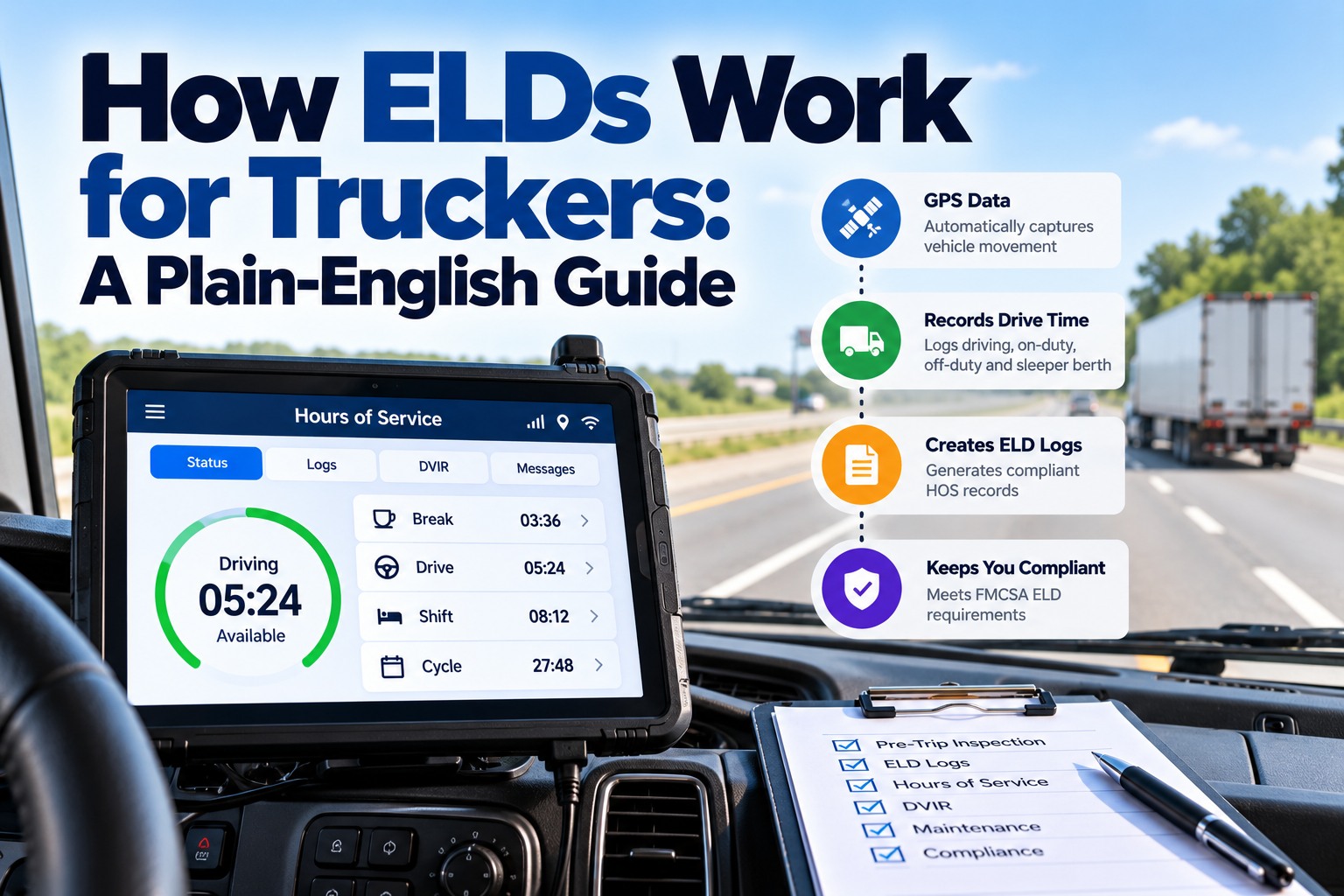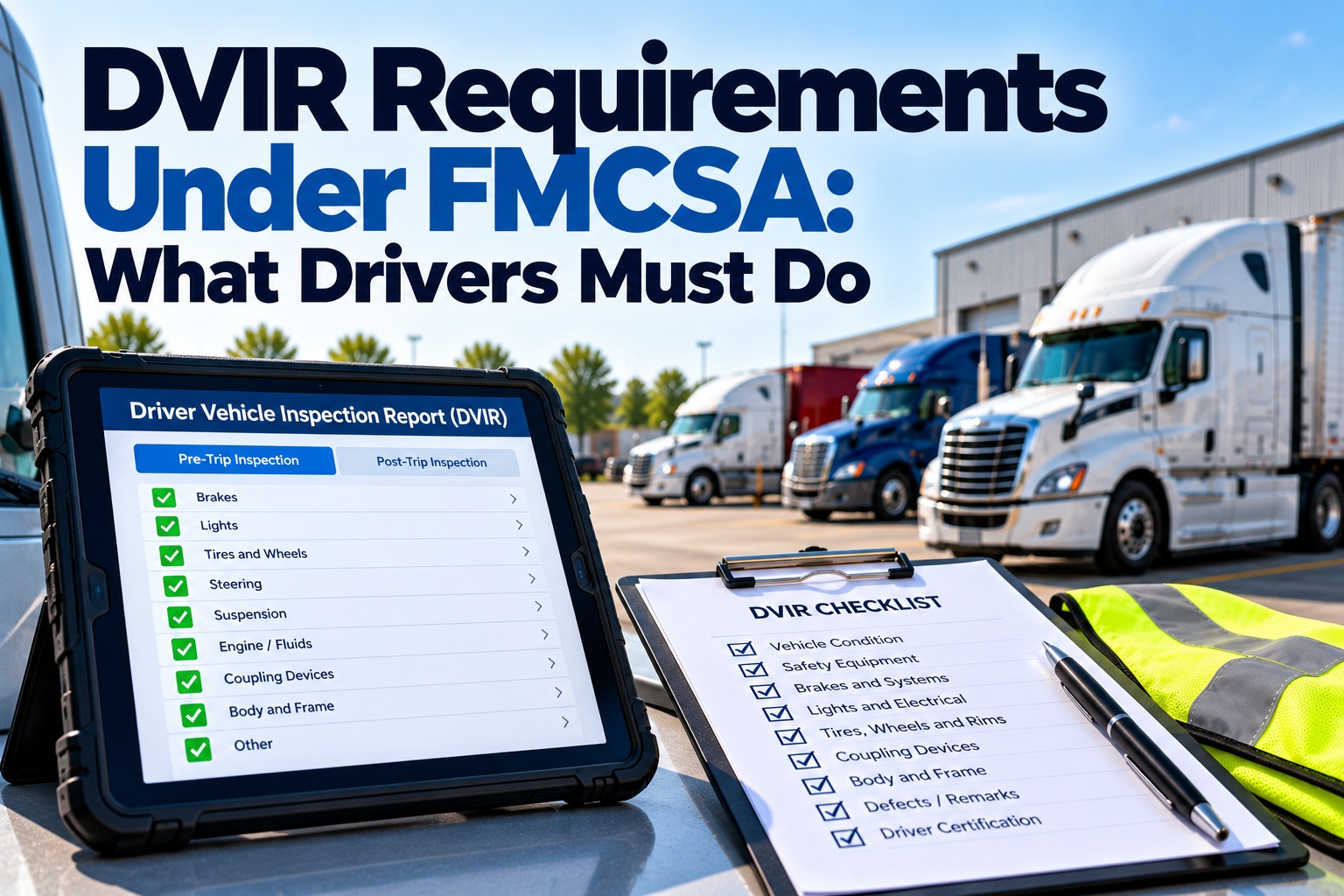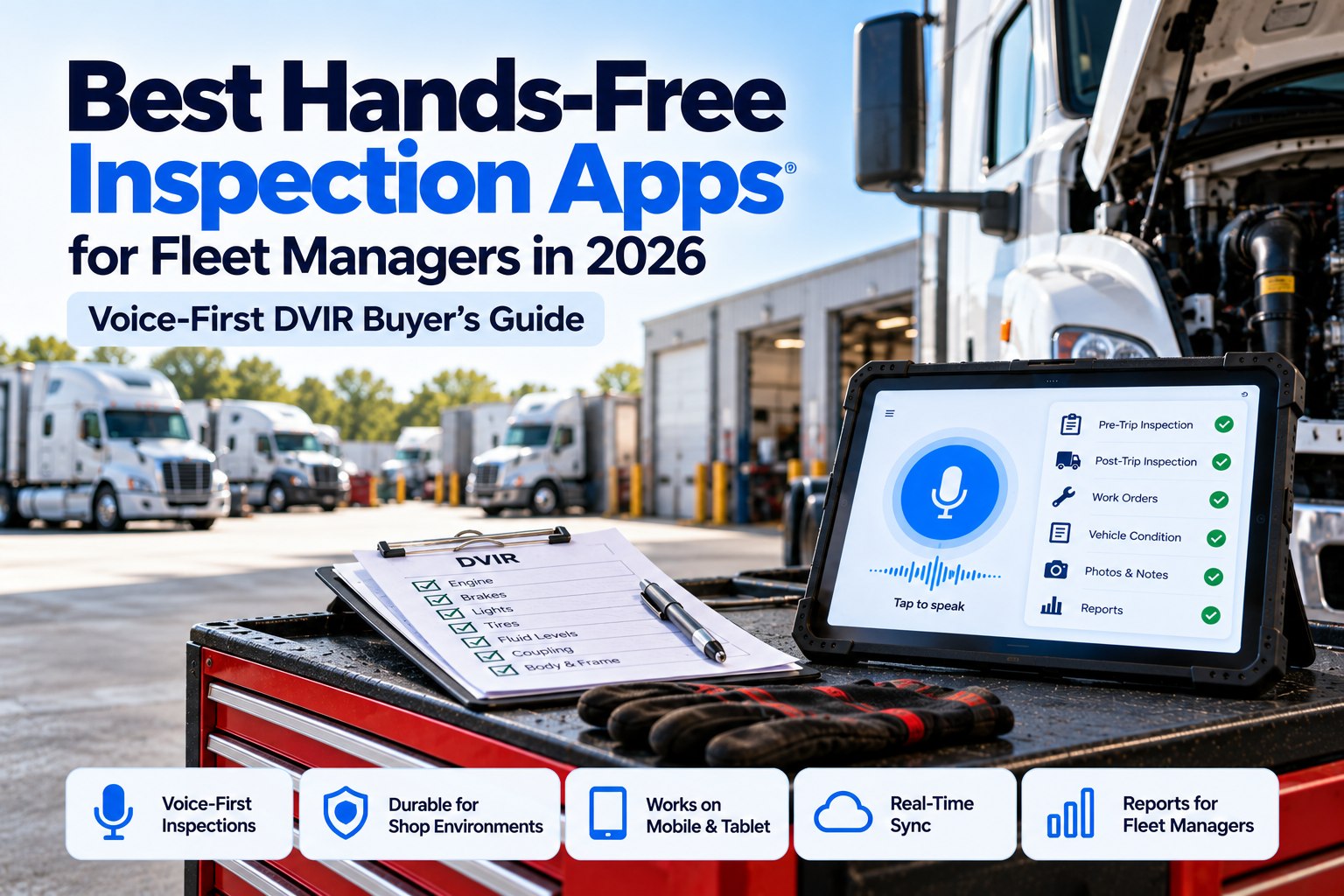
A hands-free inspection app has to work where inspections actually happen: in a yard, in a bay, with gloves on and a weak signal. Most buyer lists score apps on features and price, and almost none of them test the two things that decide daily use, how the app behaves in a shop and whether voice holds up in noise. This page gives a shortlist of criteria drawn from the buyer's guides we could find, a comparison of what they say about voice and offline use, and a test plan for your own shop. Schedule a call to run a hands-free inspection pilot on your trucks.
Six Criteria for Choosing a Hands-Free Fleet Inspection App Before You Compare Features and Price
Gloves, offline use, defect routing, compliance records, voice quality and cost as you grow decide how an app performs day to day
The criteria combine InspectForge's buyer's guide (glove-friendly buttons, fast photo capture, offline mode, QR vehicle identification, DOT templates aligned with 49 CFR 396.13) with AUTOsist's (custom forms, offline use, real-time alerts and defects feeding work orders). Both are vendor blogs that rank their own product first, so use the criteria and not the rankings.
What the Reviews Say About Voice, Offline Use and Defect Routing, and Where They Say Nothing
Voice is rarely mentioned, and the claims that exist come from vendors ranking their own product
We read four buyer lists. Guideflow's twelve-tool DVIR list, InspectForge's six-product comparison and AUTOsist's app list describe no voice features at all. Lumiform's eight-app list says only Whip Around offers voice-guided inspections. That is why a voice-first shortlist is short, and why you should test each claim.
| Product | Voice or hands-free | Offline use | Defect to work order | Caveat on the source |
|---|---|---|---|---|
| Whip Around | Voice-guided inspections per Lumiform; not confirmed on its own pages | Limited, per InspectForge | Defect routing per Lumiform | Both sources are vendors that rank themselves first |
| Fleetio | Not mentioned | Offline inspections on its pricing page | Defects become work orders per Lumiform | Inspection module called secondary by InspectForge |
| AUTOsist | Not mentioned | Listed as a criterion, not confirmed per app | Flagged defects become work orders | Described by AUTOsist on its own blog |
| Samsara | Not mentioned | Not stated | Linked to telematics and video | Inspection called basic and costly by competitors |
| FleetRabbit | Voice capture described on its own articles | Not stated on pages we read | Work orders and DVIR in one record | Own claims, accuracy untested independently |
Shop and Yard Durability: What Matters for the Phone or Tablet Running the App
Gloves, water, drops, battery life and sunlight readability are device questions that decide whether the app gets used
Reliabilityweb's rugged device guide, which says vendors did not pay for rankings, treats glove and wet-finger touch as a core criterion and tells buyers to check IP ratings (the two digits mean dust and water protection) at the stated depth and duration. It adds that MIL-STD-810 is a set of test methods, not a pass-or-fail certificate, so ask for drop height, surface and test reports. It notes battery design for full shifts and bright screens, with one tablet at about 1,000 nits. If you use ordinary phones, a rugged case may be enough, but test with gloves on.
Hands-Free Pilot Checklist: Test Voice, Offline and Defect Routing in Your Own Conditions
Tick each item on two or three real trucks so the shortlist reflects your bays, not a demo room
Vendor pages claim voice accuracy of 94 to 96 percent at 85 dB with no independent test, and FleetRabbit's voice article repeats a claim of 15 to 25 percent productivity gain within 90 days of automation attributed to OxMaint, also with no study. Neither should decide your purchase. Your pilot results should.