Temperature is not a variable in cold chain logistics — it is the product. Whether you are moving fresh produce across three states, distributing vaccines to regional health systems, or delivering frozen meals for a national quick-commerce platform, every degree of deviation from the required range is a direct threat to product integrity, regulatory standing, and business continuity. In 2026, the combination of IoT sensor networks, AI-powered predictive monitoring, and cloud-based compliance platforms is fundamentally transforming how reefer fleets and cold chain operators maintain temperature integrity from origin to final delivery — and the operators who deploy these technologies are pulling ahead of those still relying on periodic manual checks and retrospective data logs.
Cold Chain Logistics in 2026: Technology Driving Temperature Compliance
The Scale of What Is at Stake in Cold Chain Operations
The global cold chain logistics market reached an estimated $436 to $496 billion in 2025–2026 and is projected to grow at a compound annual rate of 12 to 13% through 2034. That growth is not driven by volume alone — it is driven by the expanding range of products that require temperature-controlled handling. Food and beverage products represent approximately 78% of cold chain volume, but pharmaceutical logistics — biologics, vaccines, cell and gene therapies — is growing at the fastest rate. Nearly 50% of newly developed pharmaceutical products require temperature-controlled storage and transport, and the emergence of mRNA vaccines and ultra-low temperature biologics requiring storage below -70°C has introduced a new tier of compliance complexity that simply did not exist five years ago.
For fleet operators running refrigerated transport, this expansion of both volume and complexity creates a compounding challenge. The old model of checking reefer unit temperatures at loading and unloading, with a manual data log in between, is no longer sufficient to meet the compliance documentation requirements of FDA regulations, FSMA 204 traceability rules, or pharmaceutical Good Distribution Practice (GDP) guidelines. Real-time, continuous, and automated monitoring is not a competitive advantage in 2026 — it is the baseline standard that shippers, regulators, and insurance carriers are beginning to require. Sign up with FleetRabbit to connect your reefer fleet to real-time temperature monitoring today.
Fresh produce, dairy, frozen meals, and seafood dominate cold chain volume globally.
Vaccines, biologics, and specialty drugs — fastest-growing and highest-compliance segment.
Chemical compounds, floriculture, and specialty materials with defined temperature bands.
From Logbooks to Live Data: How Temperature Monitoring Evolved
For decades, cold chain temperature compliance was documented through paper-based logbooks, periodic manual checks, and end-of-journey data downloads from standalone temperature loggers. These systems produced compliance records, but they were retrospective — by the time an excursion was discovered, the product damage had already occurred, the liability had accumulated, and the regulatory exposure was already real. The shift to real-time monitoring did not happen overnight, but by 2026 it has reached critical mass. Over 71% of commercial cold chain facilities globally now operate real-time temperature monitoring systems, and cloud-based cold management software has reached 55% market penetration according to cold chain industry research.
The technology architecture behind modern cold chain monitoring has three core layers working together. IoT sensors provide continuous data at the product and compartment level. Telematics platforms aggregate and transmit that data to cloud-based management dashboards. And AI-driven analytics engines interpret the data stream to detect anomalies, predict equipment failures, and trigger automated compliance alerts before excursions breach critical thresholds. Book a FleetRabbit demo to see this architecture applied to your specific reefer fleet and cargo types.
Manual temperature checks at loading and delivery. Retrospective records only. No in-transit visibility.
Battery-powered loggers placed with shipments. Data downloaded post-delivery. Still retrospective, single-point recording.
Cellular-connected sensors begin transmitting real-time data. Dashboard visibility emerges. Alert systems activated for gross excursions.
Machine learning analyzes sensor trends to predict excursions before they occur. Automated compliance documentation. Integration with fleet management platforms.
Simulation of storage and route conditions before shipment. Blockchain-anchored traceability for pharmaceutical and FSMA 204 compliance at scale.
FleetRabbit connects your refrigerated fleet to a unified monitoring and compliance dashboard — live temperature data, automated excursion alerts, and audit-ready documentation in one platform.
The Technology Stack Powering Temperature Compliance in 2026
Modern cold chain compliance is not achieved through a single device or platform — it is the result of multiple integrated technologies working in concert. Understanding each layer helps fleet operators and logistics managers make informed investment decisions and identify where their current infrastructure has gaps.
Multi-point sensors placed at cargo level — not just reefer unit output — measure actual product-zone temperatures every 60 to 120 seconds. Modern units monitor temperature, humidity, door open events, and shock or tilt, providing a complete environmental record of the shipment from departure to delivery.
Cellular-connected gateways aggregate sensor data and transmit continuously to cloud platforms without dependence on fixed warehouse infrastructure. Autonomous reporting via cellular is projected to account for 37% of active cold chain tracking deployments in 2026, eliminating the blind spots that WiFi-dependent systems create during transit.
Cloud-based cold chain management software reached 55% market penetration in 2025. These platforms provide centralized dashboards, multi-shipment visibility, configurable alert thresholds per cargo type, and automated compliance report generation — replacing the manual spreadsheet reconciliation that still plagues operators running legacy systems.
AI systems analyze historical temperature patterns, reefer unit performance data, ambient conditions, and route profiles to predict equipment failures and excursion risks before they materialize. Predictive maintenance for reefer units — alerting operators to compressor degradation or refrigerant loss before a breakdown — is one of the most valuable financial outputs of AI in cold chain operations.
Immutable blockchain ledgers are being deployed by pharmaceutical and premium food logistics operators to create tamper-proof compliance records that simplify regulatory audits and provide litigation defense documentation. Early adopters of blockchain-integrated cold chain traceability report product-loss reductions of up to 30% alongside significant audit time savings.
Digital twin technology allows cold chain operators to simulate storage conditions and transport routes before a shipment departs — identifying thermal risk points on a specific route, optimizing multi-temperature loading configurations, and testing contingency scenarios without exposing actual cargo to risk. This technology is advancing rapidly among pharmaceutical 3PLs and large food distributors in 2026.
Regulatory Pressure: FSMA 204 and GDP Compliance in 2026
Regulatory requirements are doing as much to drive technology adoption in cold chain logistics as commercial demand. The FDA's Food Safety Modernization Act Rule 204 — which mandates detailed traceability records for high-risk foods including leafy greens, shell eggs, fresh-cut fruits, and finfish — requires operators to maintain precise lot-level temperature and location records throughout the supply chain. For reefer fleets handling FSMA 204-regulated commodities, the ability to produce a complete, timestamped chain-of-custody temperature record on demand is no longer a premium feature — it is a regulatory requirement.
On the pharmaceutical side, FDA 21 CFR Part 211 and EU Good Distribution Practice (GDP) guidelines require documented evidence of temperature control throughout storage and transportation for all medicinal products. Manual documentation systems that rely on human data entry and periodic logbook checks are increasingly viewed as non-compliant by both FDA auditors and pharmaceutical manufacturer quality teams. Automated, continuous recording with timestamped excursion alerts is rapidly becoming the de facto standard. Sign up with FleetRabbit and ensure your fleet's temperature compliance documentation meets 2026 regulatory standards automatically.
For fleet operators managing multiple cargo types and regulatory frameworks simultaneously, the compliance documentation burden alone justifies the investment in an integrated cold chain monitoring platform. A reefer fleet running 50 vehicles each making 5 deliveries daily generates hundreds of temperature compliance records per day. Managing that documentation manually, ensuring nothing is missed, and producing it on demand during an audit is operationally unsustainable at scale. Automated platforms solve this entirely. Book a FleetRabbit demo to see how automated compliance documentation works across a mixed cold chain fleet.
Predictive Reefer Maintenance: Stopping Failures Before They Happen
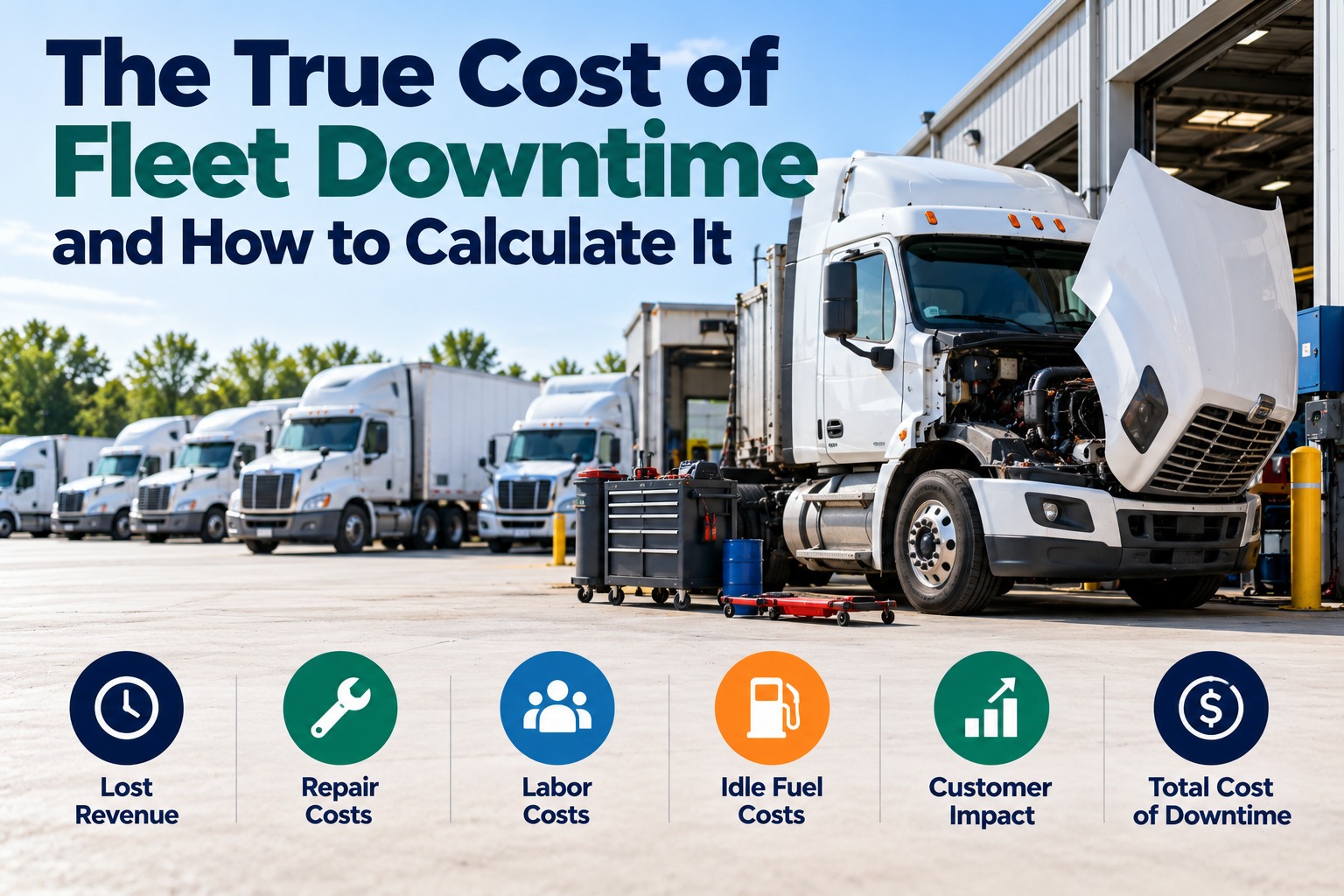
A reefer unit failure mid-route is one of the most costly events in cold chain logistics. Beyond the product loss — which can range from thousands to hundreds of thousands of dollars depending on cargo value — there is the vehicle downtime at $448 to $760 per day, the emergency roadside service cost, the customer relationship damage, and the potential regulatory violation for a documented temperature excursion. Traditional reactive maintenance — fixing the reefer unit after it fails — is being replaced by AI-driven predictive maintenance that identifies degradation patterns in compressor performance, refrigerant pressure, and power consumption weeks before a failure actually occurs.
The data from connected reefer telematics systems is the foundation of this capability. When a reefer compressor is drawing 8% more current than its baseline to maintain target temperature, that is a signal that can be detected by AI analytics long before the unit actually fails to hold temperature. Predictive alerts allow maintenance teams to schedule reefer servicing during planned downtime — not at 2 a.m. on the side of a highway with $40,000 worth of frozen product at risk. Start your free FleetRabbit account and connect your reefer units to predictive maintenance monitoring today.
FleetRabbit's cold chain platform integrates IoT temperature monitoring, predictive reefer maintenance, and automated compliance documentation into one unified fleet intelligence layer.