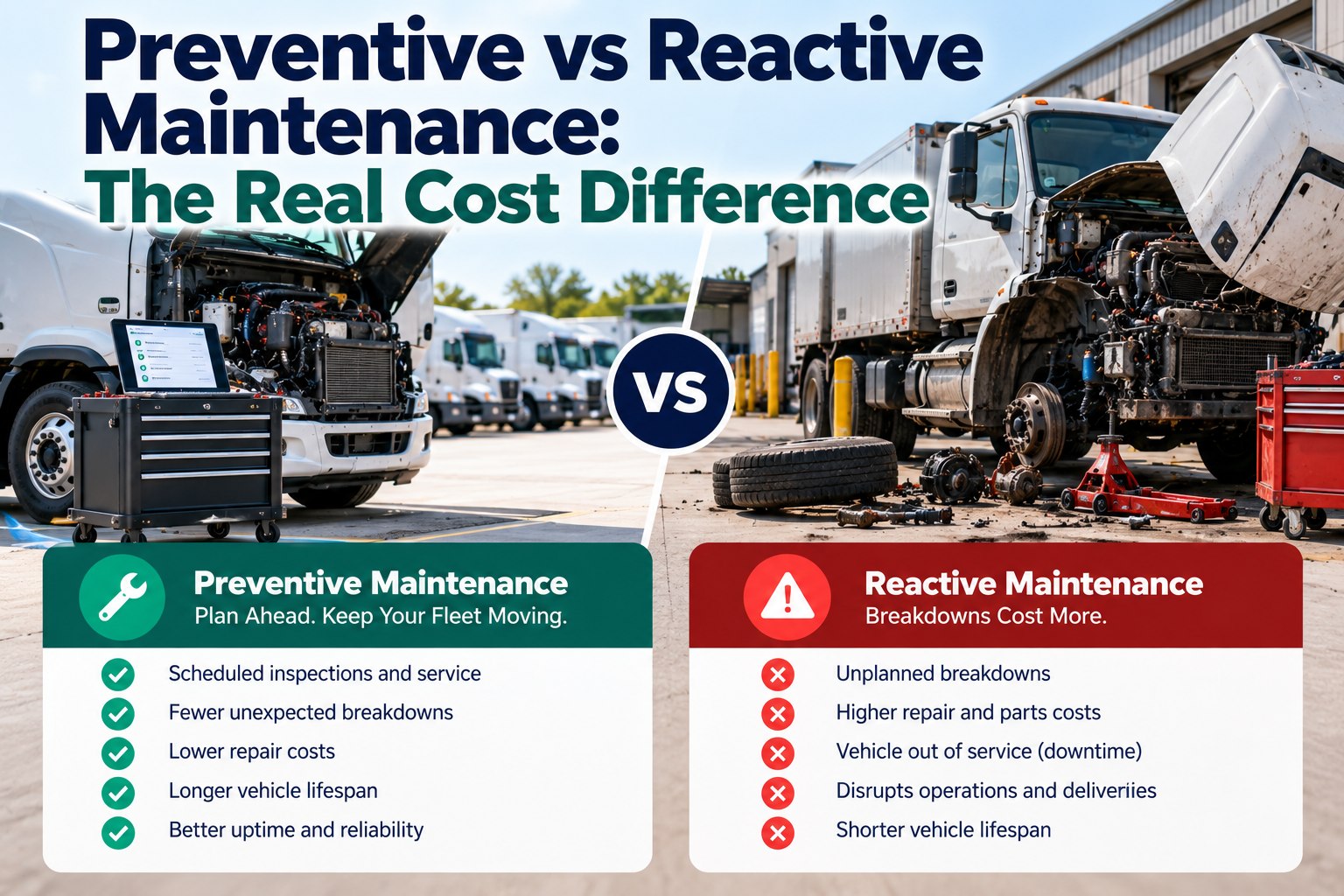
When it comes to vehicle reliability, few systems are as critical as your car's cooling system. For owners of American vehicles—whether you drive a Ford, Chevrolet, Jeep, or any other domestic brand—understanding how to properly maintain your cooling system can prevent costly repairs and extend your vehicle's lifespan. At FleetRabbit, we've seen how proper cooling system maintenance can save drivers from the frustration and expense of overheating-related breakdowns.
Understanding Your American Car's Cooling System
The cooling system in American cars is designed to maintain optimal engine temperature through a carefully engineered network of components:
- Radiator: The primary heat exchanger that cools hot coolant using airflow
- Water Pump: Circulates coolant throughout the engine and radiator
- Thermostat: Regulates coolant flow based on engine temperature
- Coolant/Antifreeze: The fluid that transfers heat away from the engine
- Hoses: Connect components and allow coolant to flow through the system
- Cooling Fans: Provide additional airflow through the radiator when needed
- Overflow Reservoir: Stores excess coolant as it expands and contracts
American manufacturers like Ford, Chevrolet, and Jeep each have unique cooling system designs, but the fundamental principles remain consistent across brands.
Common Cooling System Problems in American Vehicles
Ford Cooling System Issues
Ford vehicles, particularly the F-150, Explorer, and Mustang models, commonly experience:
- Coolant leaks at hose connections
- Water pump failures after 60,000-80,000 miles
- Thermostat housing cracks in older models
A proper Ford coolant flush according to manufacturer specifications can prevent many of these issues. Ford typically recommends coolant replacement every 50,000 miles, though this varies by model and year.
Chevrolet Overheating Prevention
Chevrolet vehicles, especially the Silverado, Malibu, and Impala, benefit from proactive maintenance to prevent overheating. Common Chevy cooling system vulnerabilities include:
- Radiator clogging in high-mileage vehicles
- Electric cooling fan failures
- Intake gasket leaks in certain V6 engines
Chevrolet overheating prevention starts with regular coolant inspections and maintaining the correct coolant level and condition.
Jeep Cooling System Concerns
Jeep vehicles, particularly the Wrangler, Cherokee, and Grand Cherokee models, have unique cooling system challenges:
- Radiator damage from off-road debris
- Cooling system leaks after rough terrain driving
- Thermostat failures in high-mileage vehicles
Jeep leak detection should be performed regularly, especially after off-road adventures, to catch small issues before they become major problems.
Essential Cooling System Maintenance
Coolant Checks and Flushes
Your American car's cooling system relies on properly maintained coolant (also called antifreeze). Here's what you need to know:
- Check coolant levels regularly: Inspect the overflow reservoir when the engine is cool. The level should be between the "min" and "max" marks.
- Inspect coolant condition: Healthy coolant should be bright in color (typically green, orange, yellow, or pink, depending on the type). If it appears rusty, cloudy, or contains particles, it's time for a flush.
- Test coolant concentration: Using an inexpensive tester, verify that your coolant provides adequate freeze and boil-over protection for your climate.
- Perform scheduled flushes: Most American vehicle manufacturers recommend a complete coolant flush every 30,000-50,000 miles. However, Ford coolant flush intervals may differ from Chevrolet or Jeep recommendations, so consult your owner's manual for specific guidance.
Maintenance Tip: When adding coolant, always use the type recommended by your vehicle manufacturer. Mixing different coolant types can cause chemical reactions that reduce cooling efficiency and damage components.
Cooling System Pressure Testing
A pressure test can identify leaks before they cause overheating. This test involves:
- Pressurizing the cooling system to manufacturer specifications
- Inspecting for leaks at hoses, connections, the radiator, water pump, and gaskets
- Evaluating the pressure cap's ability to maintain system pressure
Professional shops like FleetRabbit use specialized equipment for Jeep leak detection and testing other American vehicles that can identify even small leaks that might go unnoticed during visual inspections.
Hose and Belt Inspection
Cooling system efficiency depends on the condition of hoses and the water pump belt (if your vehicle has one):
- Check hoses for:
- Softness or brittleness
- Cracks or abrasions
- Bulging or swelling near connection points
- Leaks at clamps or connections
- Inspect belts for:
- Cracks or fraying
- Glazing or hardening
- Proper tension
Replace any hoses that show signs of deterioration. Most American car cooling system hoses should be replaced preventatively every 4-5 years, regardless of mileage.
Seasonal Considerations for American Vehicles
Summer Cooling System Preparation
Hot weather puts additional stress on your cooling system. Before summer arrives:
- Ensure cooling fans are operating correctly
- Check coolant level and condition
- Verify the coolant concentration provides adequate boil-over protection
- Inspect the radiator for bent fins or debris that might restrict airflow
- Consider a preventative flush if you're approaching the recommended service interval
Winter Preparation
Cold weather introduces different challenges:
- Verify that your coolant provides adequate freeze protection (typically to at least -30°F)
- Check the thermostat operation, as a stuck-open thermostat can prevent proper engine warming
- Inspect hoses for any signs of deterioration that cold weather might worsen
Warning Signs of Cooling System Problems
Be alert for these indicators that your American car's cooling system needs attention:
- Temperature gauge reading higher than normal or fluctuating erratically
- Dashboard warning lights related to temperature or engine condition
- Coolant leaks visible under the vehicle (look for green, orange, pink, or yellow fluid)
- Sweet smell from the engine bay or through vents (indicates coolant leakage)
- White steam from under the hood (a serious sign of overheating)
- Heater not producing warm air (can indicate low coolant level)
- Bubbling in the coolant reservoir (may indicate a head gasket issue)
If you notice any of these warning signs, addressing them promptly can prevent more severe damage.
DIY vs. Professional Cooling System Maintenance
What You Can Do Yourself
Many cooling system maintenance tasks are within the capabilities of DIY-minded owners:
- Checking coolant levels
- Visual inspection of hoses, belts, and components
- Adding coolant to the reservoir when needed
- Basic cleaning of radiator exterior to remove debris
When to Seek Professional Help
Some cooling system services benefit from professional expertise and equipment:
- Complete coolant flushes (to ensure proper draining and refilling)
- Pressure testing for leak detection
- Thermostat replacement
- Water pump replacement
- Radiator repairs or replacement
- Diagnosing complex overheating issues
Professional technicians with experience in American vehicles have model-specific knowledge that can save time and prevent costly mistakes. For instance, certain Ford models require specific bleeding procedures after a coolant flush to prevent air pockets in the system.
Cooling System Upgrades for Improved Performance
For those who use their American vehicles in demanding conditions, several cooling system upgrades can provide additional protection against overheating:
- High-capacity radiators for improved heat dissipation
- Performance water pumps that increase coolant flow
- Synthetic coolant for better heat transfer and component protection
- Electric fan upgrades for increased airflow at low speeds or when idling
These modifications are particularly beneficial for:
- Vehicles used for towing
- Off-road applications
- Performance driving
- Vehicles in extremely hot climates
Conclusion
Proper maintenance of your American car's cooling system is essential for preventing overheating and extending engine life. By understanding your vehicle's specific needs—whether it's a Ford coolant flush, Chevrolet overheating prevention measures, or Jeep leak detection—you can avoid the inconvenience and expense of cooling system failures.
Regular inspections, timely maintenance, and addressing minor issues before they become major problems are the keys to cooling system reliability. When professional service is needed, working with technicians who specialize in American vehicles ensures that your cooling system receives the proper care.
For expert cooling system maintenance, diagnostics, and repairs for your American vehicle, visit FleetRabbit.com to schedule an appointment. Our technicians are experienced with the specific cooling system requirements of domestic vehicles and can help keep your engine running at the optimal temperature year-round.