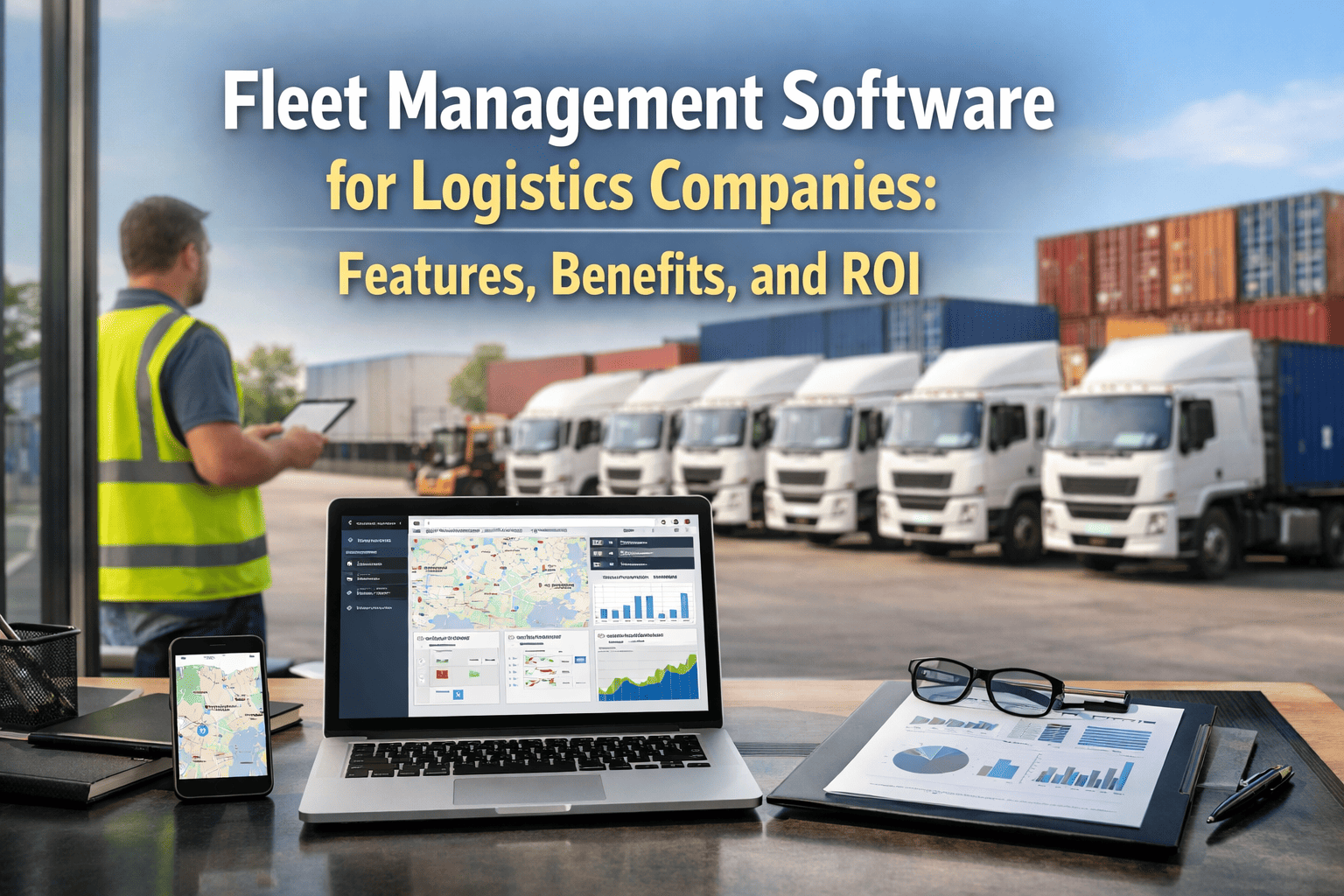
Logistics companies lose thousands of dollars every month due to inefficient fleet operations fuel waste, unplanned breakdowns, zero real-time visibility, and manual tracking that never catches problems until it's too late.
If you're managing 10 vehicles or 500, the math is the same. Every hour a truck sits idle in a repair bay is revenue your competitors are earning. Every dollar spent on emergency repairs is money that a planned maintenance program would have saved — at a fraction of the cost.
The right fleet management software for logistics companies gives you control over every operational variable — from fuel consumption and driver behavior to maintenance schedules and compliance records — from a single dashboard.
What Is Fleet Management Software — and Why Does It Matter in 2026?
A vehicle fleet management system is a software platform that centralises every operational function of your fleet — tracking, maintenance, fuel, compliance, inspections, and reporting - into one connected system that updates in real time.
In 2026, fuel costs remain volatile, driver shortages are squeezing margins, and customer expectations for on-time delivery are at an all-time high. Operating a fleet on spreadsheets and phone calls creates compounding risk that grows with every vehicle you add.
Modern logistics fleet software solutions have moved far beyond GPS dots on a map. Today's platforms give operations heads predictive maintenance alerts, automated inspection workflows, real-time fuel monitoring, and ROI dashboards that quantify exactly how much the software is saving — month by month.
The Real Challenges Logistics Fleet Managers Face Every Day
These are the challenges that consistently hit logistics companies hardest — and the ones that fleet software directly addresses:
Key Features of Fleet Management Software
Here are the core features that separate a fleet optimization software that genuinely moves the needle from one that just adds another dashboard to ignore:
Live GPS for every vehicle — updated continuously. Geofencing alerts flag unauthorized movement or zone violations the moment they happen.
AI-powered alerts triggered by mileage, engine hours, or sensor data. Work orders generate automatically and service happens during off-peak hours.
Fuel is 30–40% of total fleet operating costs. Real-time consumption tracking, idle-time reporting, and fuel card integration help you identify waste fast.
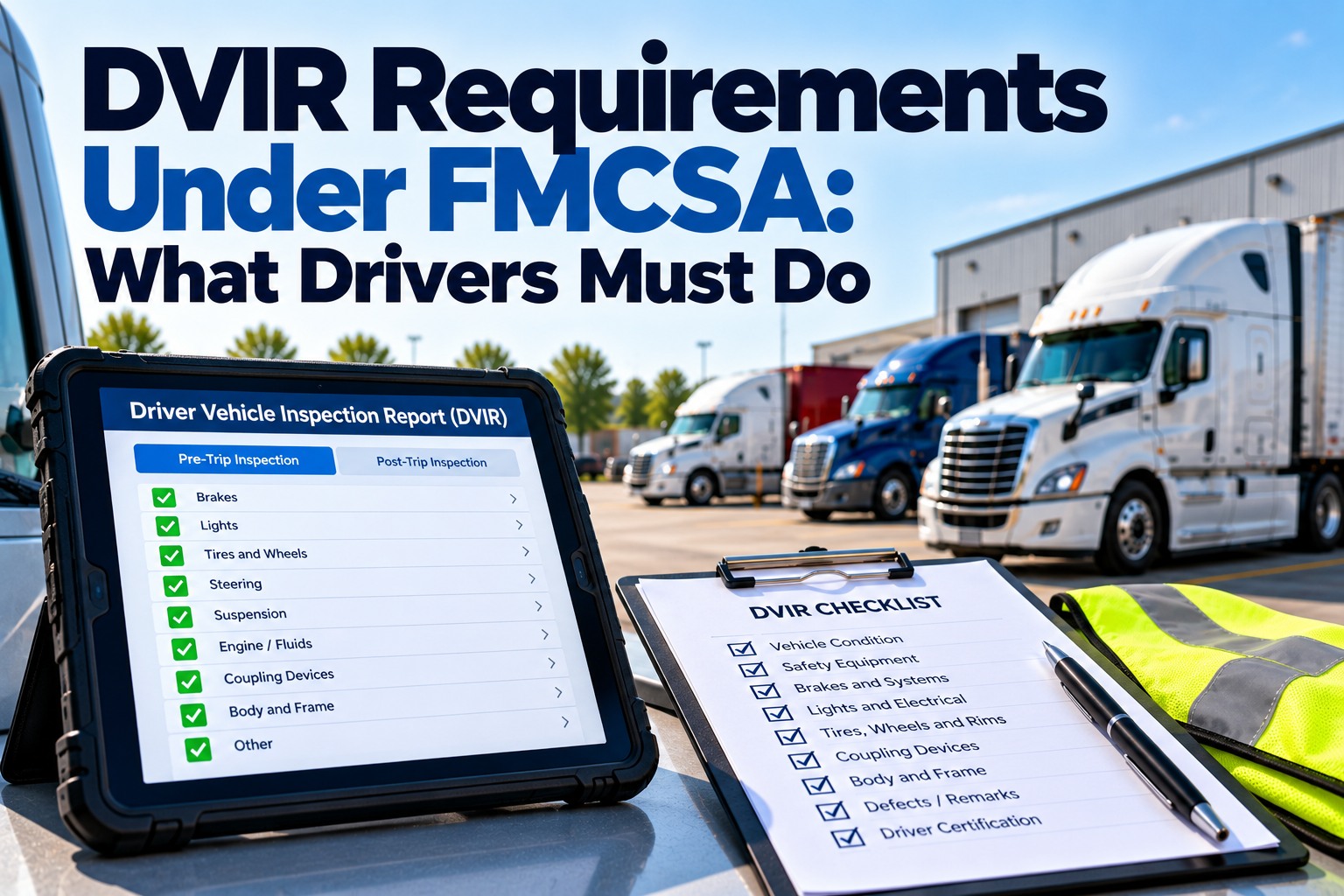
Drivers complete pre-trip and post-trip inspections on their phones. Defects auto-convert to work orders. DVIR records stored automatically — always audit-ready.
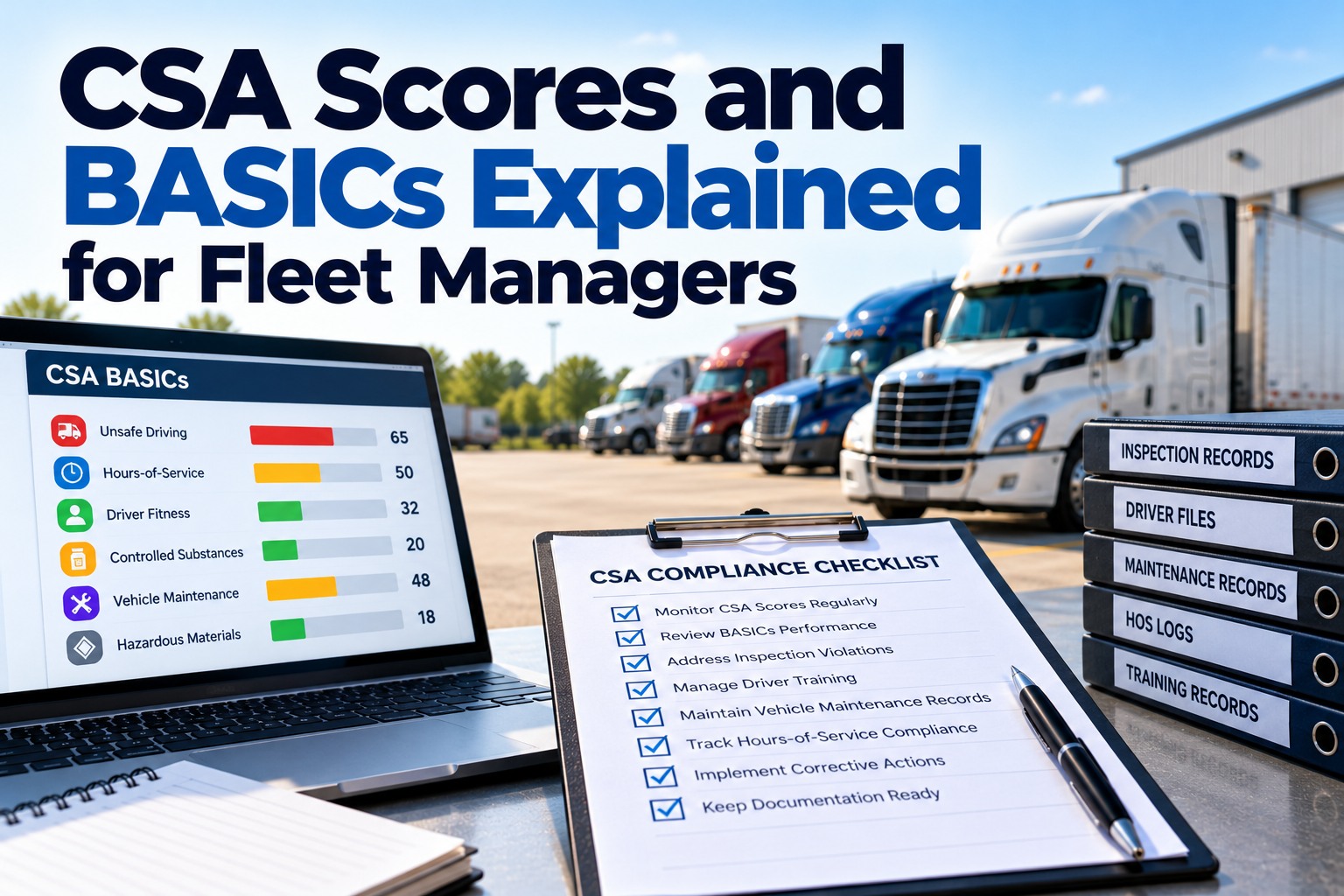
Cost-per-mile, MTTR, PM compliance, utilization, and fuel spend — all live. The fleet reporting dashboard software surfaces the metrics that actually drive decisions.
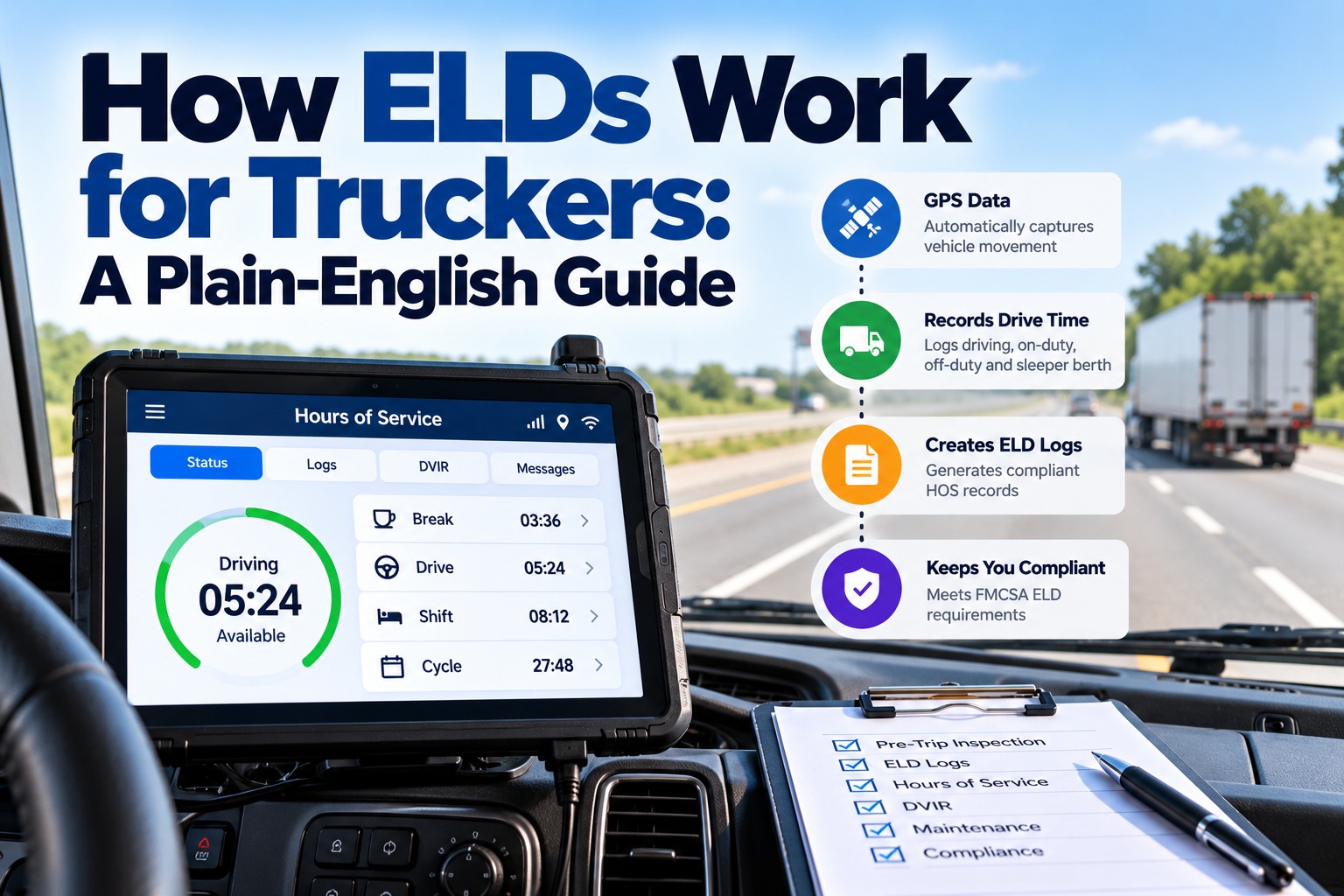
Track behavior, HOS compliance, and performance scores. Alerts for speeding, harsh braking, and excessive idle time keep your team accountable.
Measurable Benefits — With Real Numbers
These are the outcome benchmarks logistics companies consistently achieve after implementing a logistics fleet efficiency software:
Predictive maintenance and inspection workflows catch failures before they ground vehicles.
Idle-time alerts, route efficiency data, and consumption monitoring cut fuel spend significantly.
Automated work orders, digital inspections, and compliance records eliminate hours of manual entry weekly.
Combined savings deliver measurable ROI — typically within 3–6 months of deployment.
How FleetRabbit Delivers These Results
FleetRabbit is built specifically for logistics companies managing multi-vehicle fleets — an end-to-end enterprise fleet management platform designed to reduce cost and increase uptime from day one.
Book a free 30-minute demo and see exactly how FleetRabbit reduces downtime, cuts costs, and improves ROI for logistics fleets your size.
ROI Breakdown: What Fleet Software Actually Saves You
Here's a concrete breakdown of what a 50-vehicle logistics fleet saves in year one after switching from manual processes to a fleet tracking and maintenance system like FleetRabbit:
| Cost Category | Without Software | With FleetRabbit | Annual Saving |
|---|---|---|---|
| Unplanned repair costs | $48,000/yr | $31,200/yr | $16,800 |
| Fuel waste (idling + routing) | $36,000/yr | $28,800/yr | $7,200 |
| Admin time (tracking, logs, records) | 480 hrs/yr | 190 hrs/yr | 290 hrs |
| Compliance penalties & audit prep | $12,000/yr avg | $0 | $12,000 |
| Software cost (50 vehicles) | — | $1,800/yr | — |
| Net annual benefit | ~$36,000+ |
That's a 20× return on the software investment in year one — before accounting for faster delivery times, fewer missed SLAs, and improved driver retention from better-maintained vehicles.
Manual vs Basic Tools vs Advanced Fleet Software
Most logistics companies progress through these three stages — and the cost of staying at stage one or two compounds every year:
- No real-time location data
- Maintenance tracked on spreadsheets or not at all
- Compliance records manually filed, often incomplete
- No fuel consumption visibility
- Admin takes 10–15 hrs/week per manager
- Zero scalability as fleet grows
- Reactive-only approach to every problem
- Location only — no operational data
- No maintenance or work order system
- Compliance still manual
- Limited or no analytics
- Separate tools for every function
- Moderate admin reduction, still fragmented
- No predictive capability — still reactive
- Live GPS tracking + geofencing + zone alerts
- Predictive maintenance — auto work orders
- FMCSA-compliant DVIR, always audit-ready
- Fuel monitoring + idle-time alerts
- Admin reduced by 40% — all in one platform
- Scales from 3 to 500+ vehicles seamlessly
- Proactive + data-driven for every decision
How to Choose the Right Fleet Management Software
The market for fleet performance improvement tools is crowded. Here's a practical framework for evaluating any platform:
Does it work for your current fleet and the one you'll have in 2 years? Look for per-vehicle pricing with no minimums.
Factor in hardware costs, implementation fees, and training. FleetRabbit has no hardware requirements or hidden costs.
The efficiency gains come from having tracking, maintenance, inspection, compliance, and analytics all connected in one place.
If your drivers can't use the app without training, adoption fails. Look for apps that get drivers completing inspections on day one.
3-month implementation timelines cost you months of savings. Target platforms that get you live in 1–2 weeks with real support.
Can the vendor show specifically what their platform saves a fleet your size? If they can't quantify it, they probably haven't measured it.
Still Relying on Manual Tracking? You're Losing Money Every Day.
If your logistics operations are still running on spreadsheets, paper logs, or disconnected GPS tools, every day costs you in unplanned repairs, fuel waste, and admin hours. FleetRabbit gives you real-time tracking, predictive maintenance, automated compliance, and ROI analytics — from a single platform your team can use within two weeks.
Free demo · No commitment · Works for fleets of 10–500+ vehicles